
Photo credit: mmpixel91/Shutterstock
Every hunter goes through phases with calibers. You start with something because it’s popular, or because a buddy swears by it, or because the box claimed performance you later learn isn’t so simple. Over time, after enough real hunts and enough time on the range, you figure out which cartridges actually perform and which ones looked better on paper than they ever did in the field.
Some calibers still have a place, but many fall out of rotation the moment you experience wind drift, recoil that isn’t worth the tradeoff, or marginal performance on game. These are the cartridges hunters eventually leave behind once real-world shooting teaches the truth.
.243 Winchester

Plenty of hunters start with the .243 Winchester because it’s low recoil and easy to shoot, but real-world results often reveal its limitations. It struggles with wind compared to slightly heavier options, and marginal shots on bigger-bodied deer don’t inspire confidence. Hunters begin noticing that tracking jobs are longer and less predictable than they should be.
Once you’ve seen what a mid-sized cartridge can do in the same situations, the .243 feels underpowered. It still has a place for recoil-sensitive shooters, yet many hunters eventually move on to something with more margin for error.
.22-250 Remington

The .22-250 Remington is a dream on coyotes, but many hunters try stretching it to deer early on. That’s usually when they learn the downside of a light, fast bullet. Penetration is inconsistent, and performance drops sharply on quartering shots. It’s a caliber that does one job extremely well, but it’s not versatile in real-world deer seasons.
Hunters eventually outgrow it because it limits them more than it helps. Once you’ve seen what a proper deer cartridge does on tough angles, the .22-250 becomes a dedicated predator round rather than an all-around option.
.25-06 Remington

The .25-06 has a loyal following, but many hunters eventually realize its field performance doesn’t always match the impressive velocity numbers. It’s loud, has noticeable recoil for its size, and doesn’t offer much room for heavy-for-caliber bullets. On windy days, drift becomes a bigger issue than expected.
Hunters who spend time in varied terrain often outgrow the cartridge in favor of something more flexible. It works, but it doesn’t deliver enough real-world advantage to hold a permanent spot in the rotation for many experienced shooters.
.30-30 Winchester
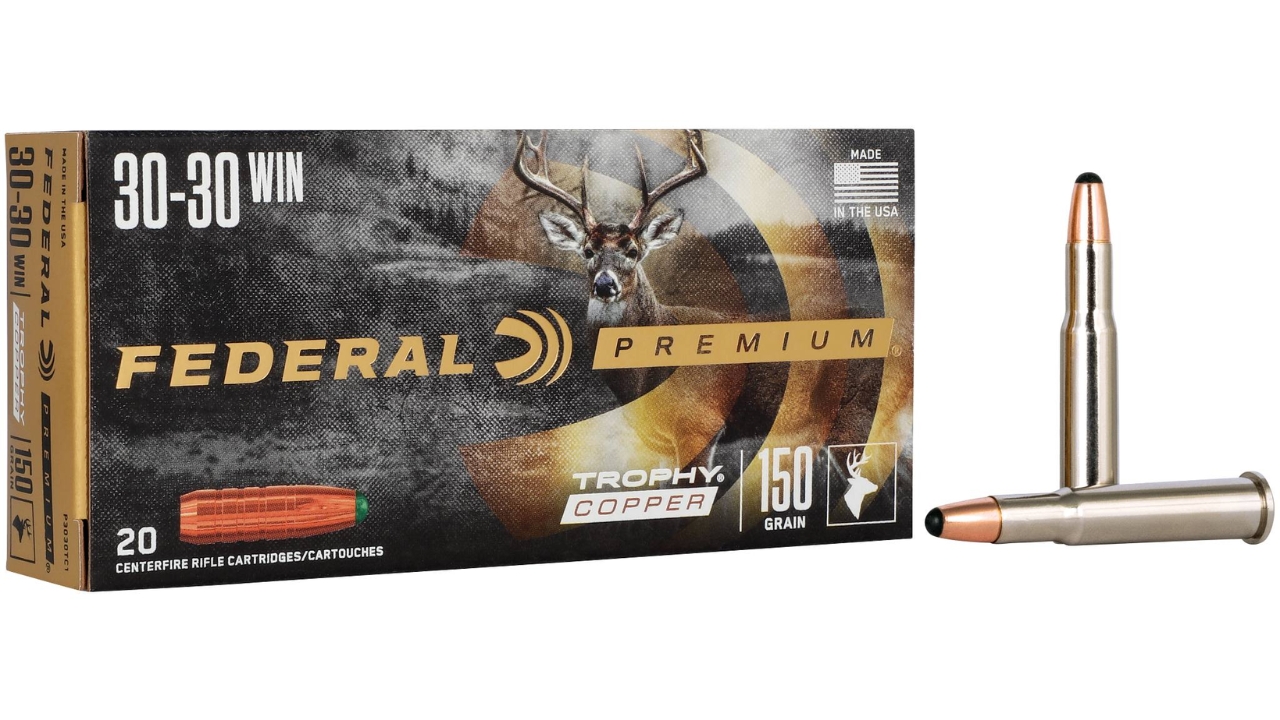
The .30-30 Winchester is iconic, but it shows its limits once you start hunting open country or taking shots past 150 yards. Its slow, round-nose bullets drop quickly, and wind tends to move them around more than newcomers expect. Inside thick timber it still does great work, but its usefulness narrows the more your hunting area expands.
After a few seasons, many hunters feel boxed in by what the .30-30 can handle. It’s a nostalgic tool rather than a do-everything caliber, and most shooters eventually reach for something flatter and more consistent at distance.
.300 Savage

The .300 Savage once bridged the gap between old-school lever guns and modern rifle cartridges, but today its performance feels dated. Hunters quickly learn that its velocity and bullet choices can’t keep up with more modern .30-caliber options. Past moderate distances, drop and drift make hits harder than they should be.
It’s a pleasant, mild-recoiling caliber, but its age shows in real-world use. Once hunters try something like a .308 or 7mm-08, they tend to leave the .300 Savage behind because it simply doesn’t offer enough practical advantage anymore.
.260 Remington

Many hunters bought into the .260 Remington thinking it would be the ideal mix of mild recoil and excellent ballistics. And while it performs well, ammo availability and limited factory load selection eventually frustrate people. In the field, it takes nothing away from 6.5 Creedmoor, but it doesn’t offer anything extra either.
After a few seasons comparing the two, hunters usually shift to the cartridge that’s easier to find, easier to tune, and cheaper to feed. The .260 didn’t fail—it was simply outclassed in convenience and support.
.270 WSM

On paper, the .270 WSM looks like a clear upgrade over the .270 Winchester. But in practice, hunters often experience more recoil than expected and faster barrel heating that affects consistency. Ammo cost and limited factory offerings also push people away over time.
Once you spend enough days in the field, you realize the performance difference does not justify the tradeoffs. The classic .270 remains easier to shoot well, and the WSM tends to get sidelined once novelty wears off.
.280 Remington
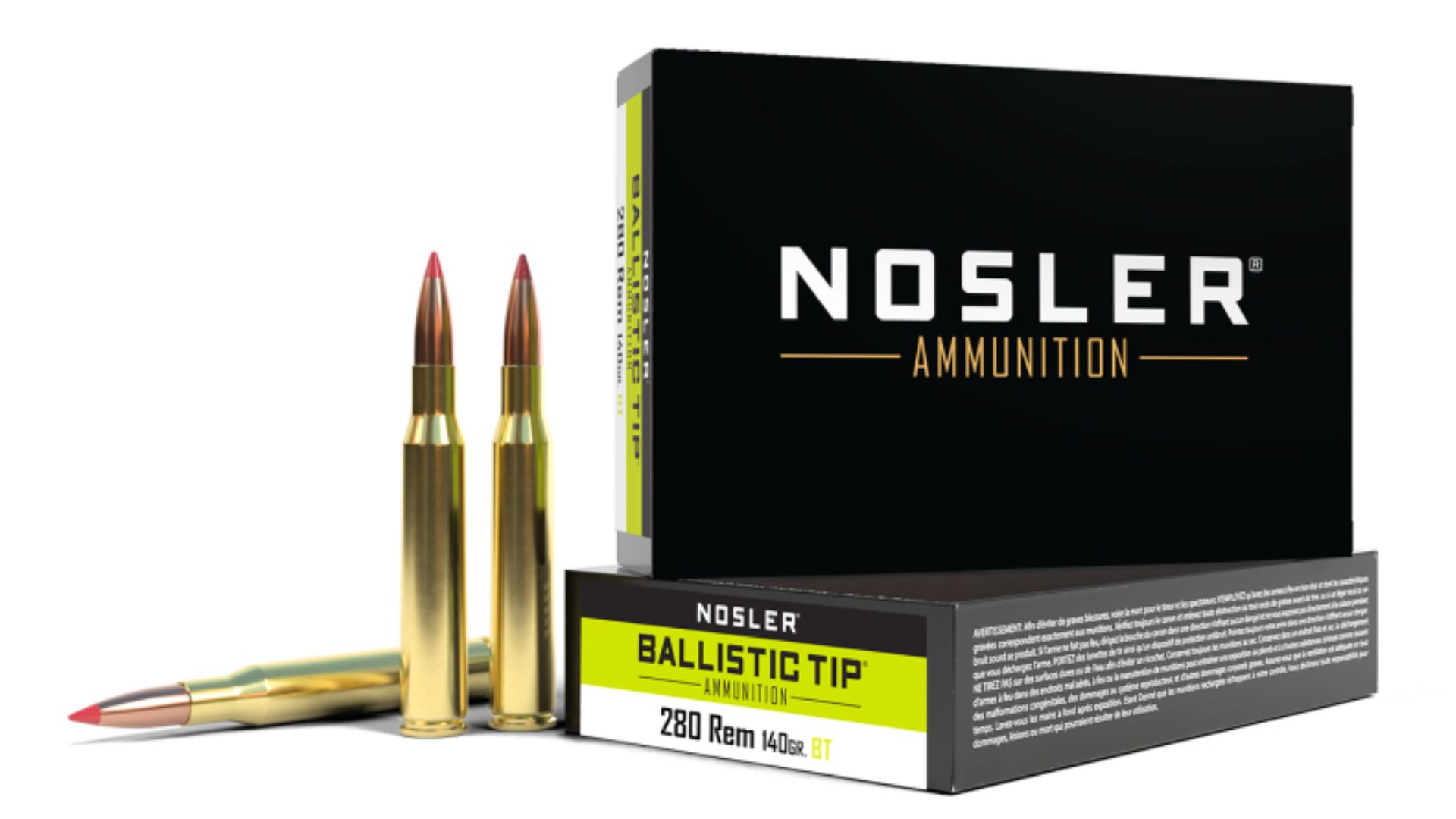
The .280 Remington is a smooth-shooting caliber that many hunters want to love, but real experience often exposes the cartridge’s biggest problem: availability. Finding ammunition in rural areas can be a chore, and the performance difference compared to .270 or .30-06 isn’t dramatic enough to justify the hassle.
Hunters eventually gravitate toward cartridges they can find and feed without planning months ahead. The .280 performs well in the field, yet practicality pushes it out of the lineup for many seasoned shooters.
.338 Federal

The .338 Federal sounds like a powerhouse, but real-world shooting shows that its effective range isn’t much better than more common mid-sized calibers. Recoil is heavier than many expect, especially from lightweight rifles chambered for it. And the bullet selection doesn’t always give the penetration advantage hunters hope for.
After enough experience on deer and hogs, hunters realize the .338 Federal acts more like a specialty round than a versatile tool. It gets left behind for options that shoot flatter and hit just as hard with less punishment.
.35 Remington
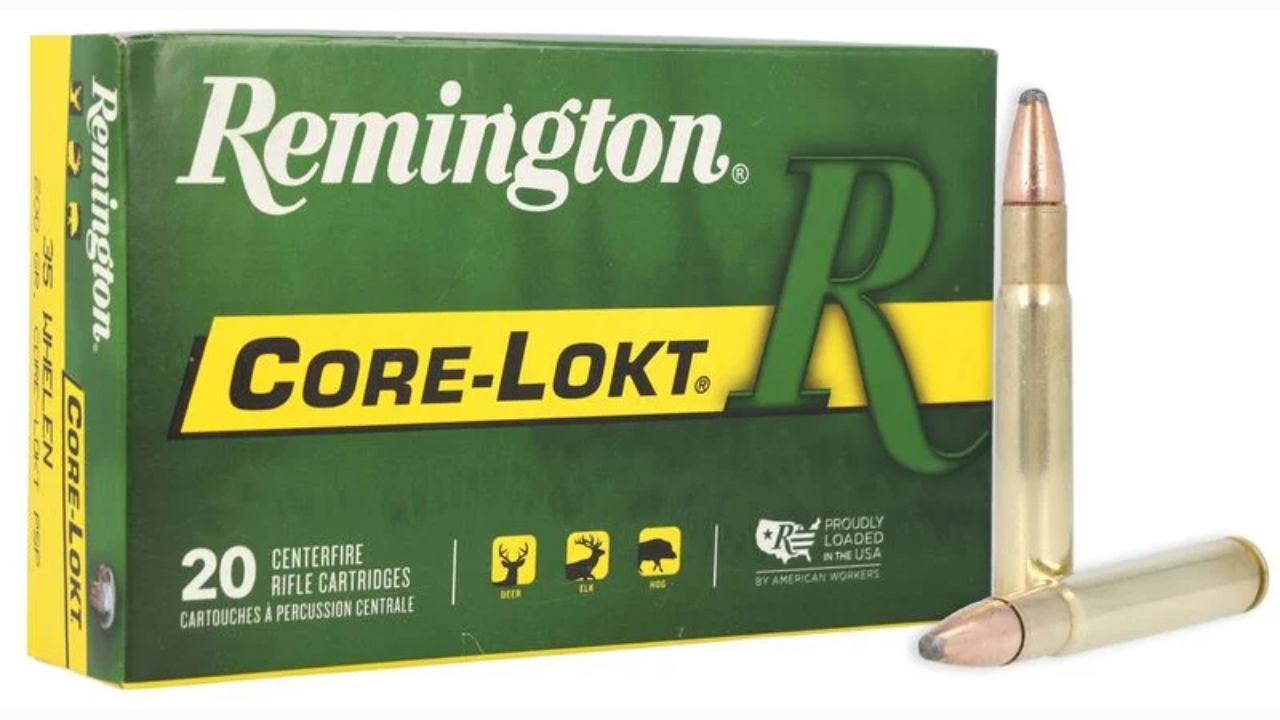
The .35 Remington built its reputation in thick woods, but outside that environment it quickly feels outdated. Its slow bullets limit effective range, and shot placement becomes far more critical than newcomers expect. Hunters discover that it drops off steeply even at moderate distances.
After a few seasons, many shooters transition to something that gives more flexibility. The .35 still works well up close, but real-world use shows how narrow its ideal window really is.
.300 WSM

Many hunters move into the .300 WSM thinking it will deliver magnum performance in a lighter package. It does—but it also brings sharper recoil and more finicky accuracy in some rifles. Heat and barrel wear become issues if you shoot a lot, and many hunters don’t see enough gain over standard .300 Win. Mag. performance to justify the switch.
With time, the cartridge feels like extra work for the same end result. Practical hunters eventually drift back to more manageable options.
7mm Remington SAUM
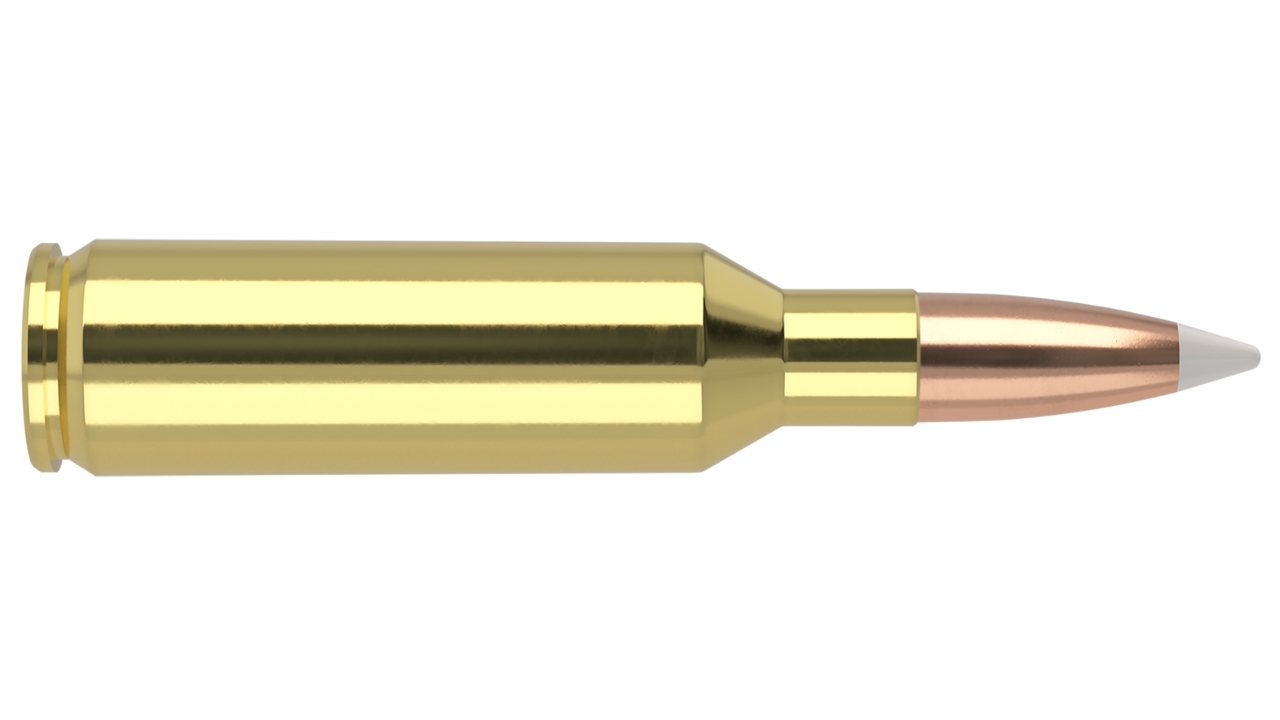
The 7mm SAUM delivers strong ballistics, but availability has kept it from seeing wide adoption. Hunters who try it often run into the same issue: finding ammo and brass can be a chore. In the field, it performs well, but not so well that it outshines easier-to-source cartridges.
As the seasons pass, the inconvenience outweighs the benefits. Most shooters eventually replace it with a 7mm Rem. Mag. or 6.5 PRC to avoid the constant search for ammunition.
.257 Weatherby Magnum

The .257 Weatherby Magnum is flat and fast, but many hunters grow out of it once they see the downside of extreme velocity. Meat damage can be significant, recoil is sharper than expected, and ammunition cost makes regular practice tough. Wind drift becomes a bigger issue than buyers expect at long range.
It’s still an impressive performer, but seasoned hunters often shift to something more balanced. The Weatherby’s speed is fun until the practical drawbacks pile up.
.280 Ackley Improved

The .280 AI has a dedicated following, but real-world use reveals that its performance gain over the standard .280 or 7mm Rem. Mag. isn’t huge. Ammo can still be hard to find locally, and barrel life isn’t as generous when you push hotter loads.
Hunters often grow out of it once they realize that convenience, consistency, and availability matter more than incremental ballistic improvements. It remains excellent—but not always worth the long-term commitment.
.30 Carbine

Many hunters experiment with the .30 Carbine out of curiosity, but field results usually end that experiment quickly. It lacks penetration on larger game and struggles with wind at even moderate distances. It works on small deer in perfect conditions, but that’s not a realistic expectation for most hunts.
After trying it once or twice, hunters move on almost immediately. Real-world hunting exposes its limitations fast, and it simply doesn’t offer the performance modern hunters need.
Like The Avid Outdoorsman’s content? Be sure to follow us.
Here’s more from us:


