Photo credit: GunBroker
The Beretta PX4 Storm is one of those pistols that a lot of shooters know exists, but not everyone has spent much time really looking at. It never became as culturally dominant as the Beretta 92 or as trendy as newer striker-fired guns, which is part of why its story gets overlooked. That is a little funny, because the PX4 brought some genuinely different ideas to the table. Beretta’s official PX4 family page still highlights its distinct design, DA/SA operating system, modular controls, and the rotating-barrel system that helped separate it from a sea of more conventional polymer handguns.
What makes the PX4 especially interesting is that it was not just one gun. It became a family that spread across full-size, compact, and subcompact models, plus later carry-focused and Langdon-influenced variants. Standard reference history says the PX4 line has been in production since 2004, and Beretta’s current lineup still includes multiple PX4-family pistols, including the PX4 Storm Full and the PX4 Compact Carry 2.
1. The PX4 has been around since 2004

A lot of shooters think of the PX4 as a late-2000s or even 2010s pistol, but its roots go back a little earlier than that. Standard reference history lists the PX4 Storm as entering production in 2004, and that lines up with how Beretta treats it as an established long-running part of the company’s handgun catalog.
That matters because the PX4 was not some short-lived experiment. It has had enough time in the market to prove it was more than a one-cycle catalog addition. Beretta kept it alive because the design filled a real role.
2. The full-size and compact versions use a rotating barrel
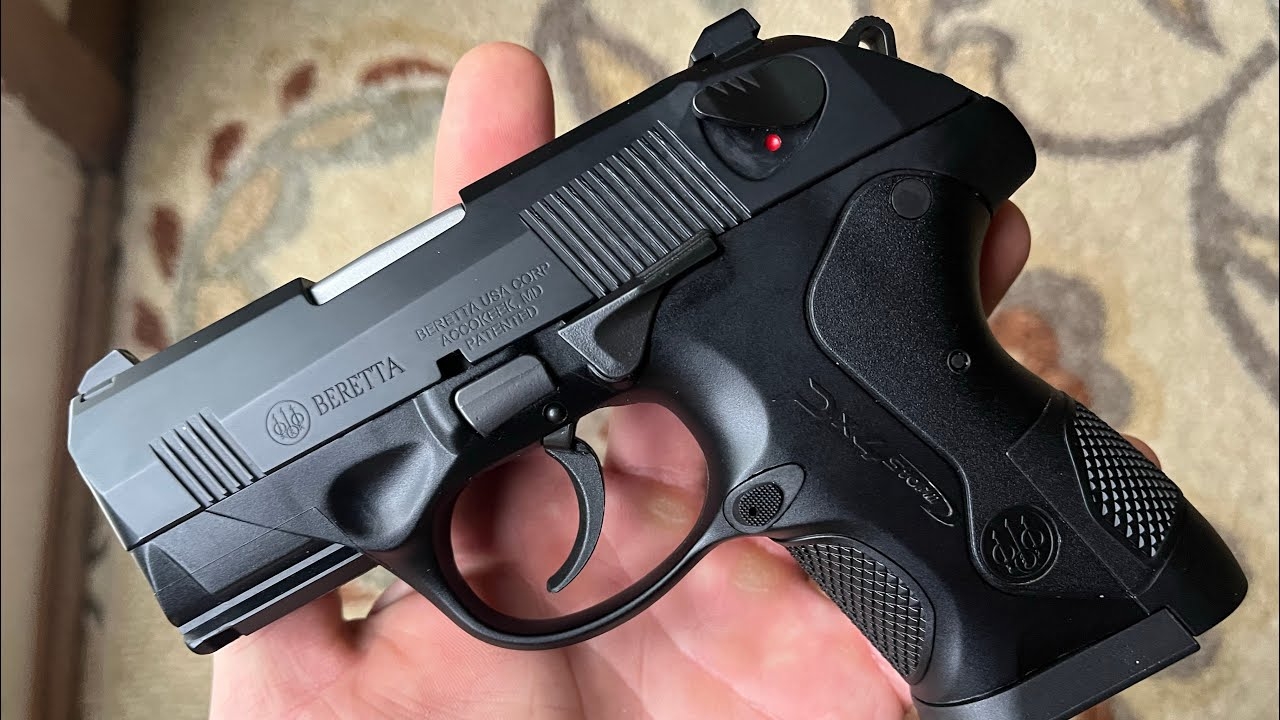
This is probably the biggest mechanical fact most people know about the PX4, but a lot of them do not realize it only applies to certain versions. The standard reference history says the full-size and compact PX4 models use a short-recoil, rotating-barrel action, while the subcompact uses a more conventional tilting-barrel system instead.
That is a big distinction, because shooters sometimes talk as if every PX4 works the same way internally. The family actually split here. If you are talking about the full-size or compact guns, the rotating barrel is central to the story. If you are talking subcompact, it is not.
3. Beretta tied the PX4 to the old Cougar line more than the 92

A lot of people assume the PX4 is basically a polymer Beretta 92. That is not really the cleanest way to think about it. The standard reference history says the PX4’s rotating-barrel system is shared with the Beretta 8000 Cougar series, even though its trigger and safety layout feel more familiar to 92-series shooters.
That makes the PX4 more interesting because it was not just Beretta making a plastic 92 clone for the modern market. It blended parts of Beretta’s older handgun thinking into a newer package and ended up with a pistol that feels like its own thing.
4. The PX4 was built with modular controls in mind

The PX4’s modularity is one of the easiest things to overlook if you only see one in passing. The standard reference history says the backstrap, magazine release button, slide catch, safety/decocker levers, and even the hammer unit mechanism were all designed with modularity in mind.
That matters because Beretta was clearly thinking about adaptability, not just baseline function. The PX4 was built to fit more shooters and more preferences than a rigid one-size-fits-all pistol.
5. The magazine release can be reversed and even swapped in size

A lot of pistols let you reverse the mag release. The PX4 went a little further. The standard reference history says the magazine release can be mounted on either side and replaced with different button types, including standard, large, or extended “combat” versions.
That is the kind of detail that tells you Beretta was paying attention to real handling. The PX4 was not just about having a fancy barrel system. It was also about making the gun easier to set up around the user.
6. The full-size PX4 has a serious durability reputation

Beretta’s full-size PX4 product page says the pistol has been reported to fire well over 150,000 rounds with zero part breakages. That is one of the strongest durability claims Beretta makes about the gun, and it is clearly central to how the company wants the full-size PX4 understood.
That kind of claim helps explain why the PX4 built such a strong following among people who actually run their guns hard. It may not be the loudest name in the polymer-pistol world, but Beretta has long sold it as a serious-duty handgun, not just a stylistic alternative.
7. The compact and full-size are made in Italy, but the subcompact was made in the U.S.
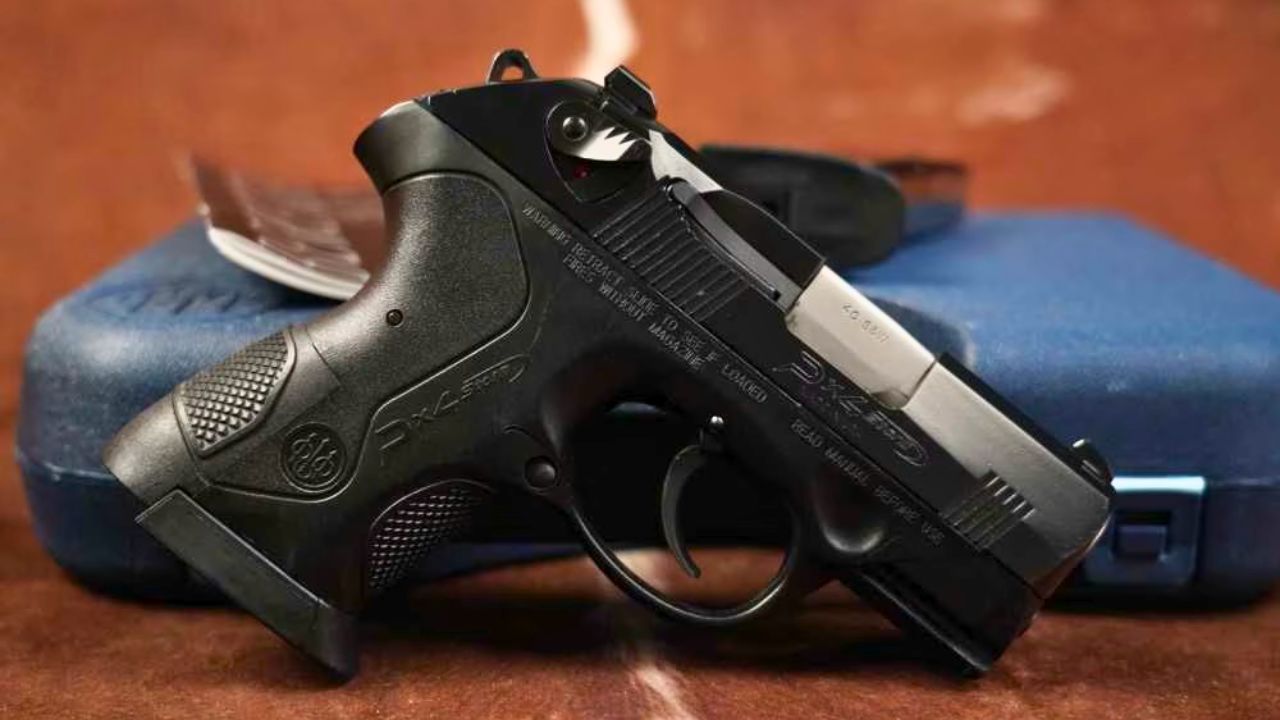
This is one of those little production details many people never hear. The standard reference history says the full-size and compact PX4 versions are manufactured in Italy, while the subcompact is manufactured in the United States.
That is worth knowing because people often talk about the PX4 family like it is one totally uniform production story. It is not. Different parts of the line had different manufacturing paths, which is the sort of thing collectors and detail-minded owners usually care about.
8. The PX4 originally had glow-style sights that were later dropped
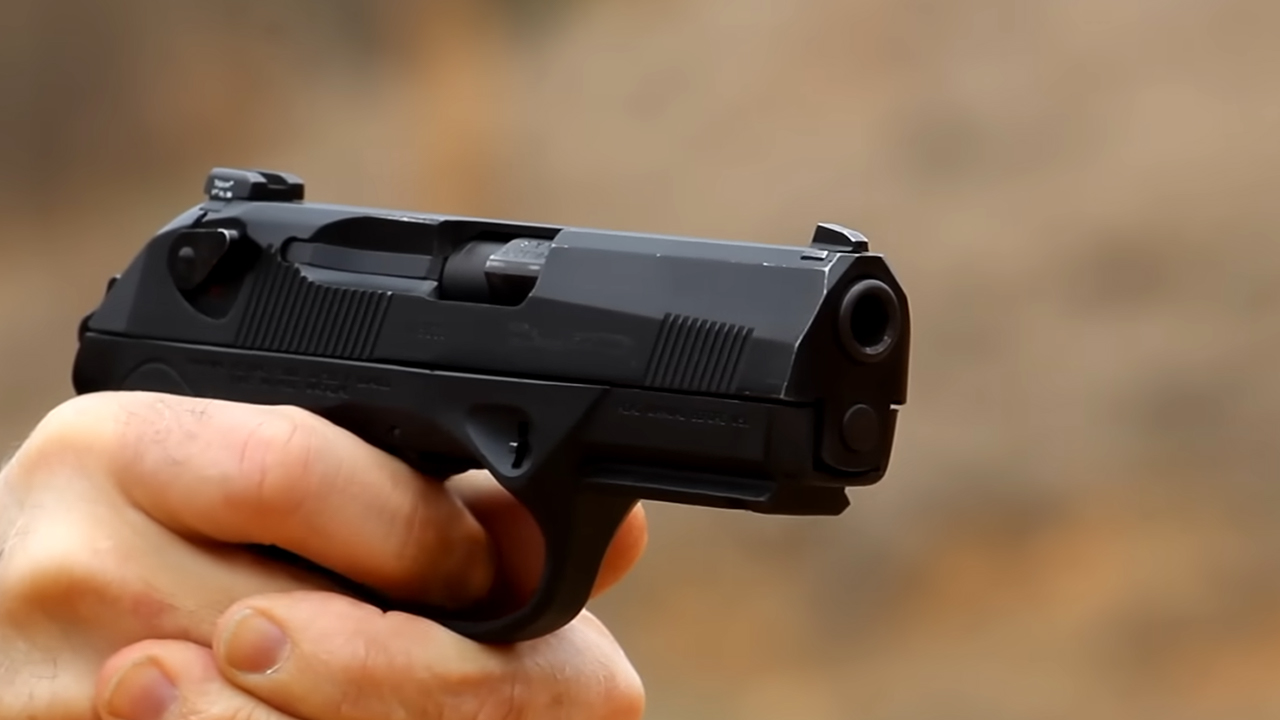
The standard reference history says the PX4 originally shipped with interchangeable luminescent three-dot sights coated in Super-LumiNova, but Beretta discontinued those in 2010 and replaced them with standard three-dot sights.
That is a neat little reminder that even seemingly minor details on long-running pistols change over time. Two PX4s from different eras may look broadly similar while still having meaningful differences in what Beretta thought shooters wanted.
9. The subcompact is the oddball of the family

The PX4 Subcompact is not just a smaller version of the full-size gun. American Rifleman covered the subcompact in 2011, and the standard reference history makes clear it uses a different barrel-locking system than the rotating-barrel full-size and compact models.
That means the subcompact really is its own branch inside the PX4 family. It shares the name and the general styling, but mechanically it is not the same story as the larger guns.
10. The Compact Carry was shaped heavily by Ernest Langdon

One of the most interesting later chapters in the PX4 story is the Compact Carry. American Rifleman’s SHOT Show 2017 coverage said Beretta worked with top-level trainer and competitor Ernest Langdon to refine the Compact into the Compact Carry model.
That matters because the Compact Carry was not just a cosmetic special edition. It reflected serious input from someone with a strong practical-shooting and defensive-handgun background, which helped give the PX4 new life with shooters who might otherwise have overlooked it.
11. The Compact Carry 2 proves Beretta still believes in the platform

The PX4 did not stop evolving after the first Compact Carry. Beretta’s current product page for the PX4 Compact Carry 2 says it is available in 15- and 10-round configurations and is positioned as a refined carry-focused version of the platform.
That is a big deal because it shows Beretta still sees the PX4 as worth developing in 2026. This is not a dead family being kept on life support. It is still getting serious attention.
12. The PX4 family includes multiple trigger/safety types

The PX4 was not offered only in one exact trigger/safety arrangement. The standard reference history says the full-size line included Type F, Type G, Type C, and Type D configurations, covering different mixes of DA/SA, decocker-only, constant-action, and DAO arrangements.
That is worth knowing because it helps explain why PX4 conversations sometimes sound inconsistent. Different shooters may genuinely be talking about somewhat different control systems under the same family name.
13. The PX4 has seen real law-enforcement and service use

The PX4 was never just a civilian catalog pistol. The standard reference history lists multiple agencies and national users, and Beretta’s overall positioning of the line has long tied it to personal defense and law-enforcement roles.
That service use helps explain why the gun developed such a strong reputation for reliability and shootability among people who care more about function than hype.
14. Beretta is still expanding the PX4 in interesting ways
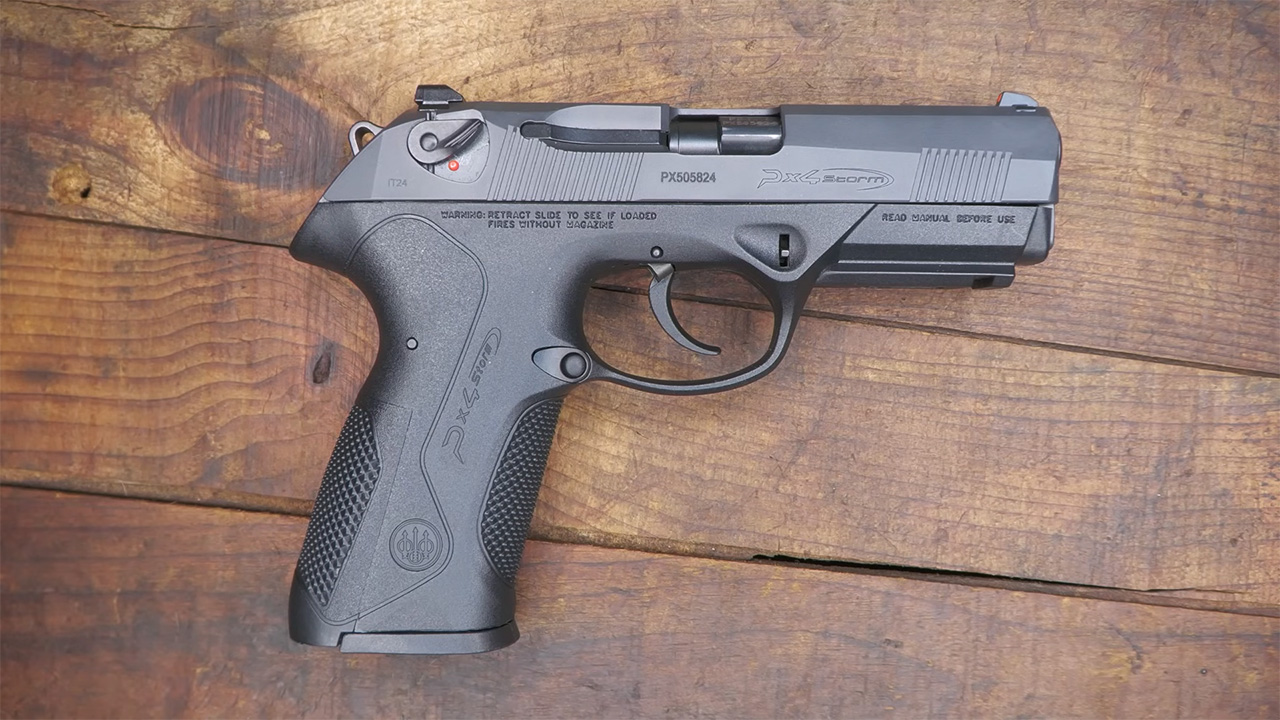
One of the clearest signs the PX4 is not done yet is Beretta’s more recent G-SD work. American Rifleman covered the PX4 G-SD in 2025 and framed it as a collaboration tied to the idea that the platform still had room to grow.
That is pretty unusual for a pistol line that started in 2004. Beretta clearly thinks the PX4 still has something to say, which is not true of every polymer DA/SA pistol from that era.
15. The biggest surprise is that the PX4 quietly became one of Beretta’s most distinctive modern pistols

The PX4 never took over the handgun world the way some striker-fired platforms did, and in a weird way that may be why people underrate it now. But when you step back, you have a 2004-era polymer pistol with a rotating-barrel system in its main models, modular controls, multiple action types, real duty pedigree, and continued refinement all the way into current carry-focused and G-SD versions.
That is a much richer story than “the other Beretta pistol.” The PX4 ended up being one of the more interesting modern Beretta handguns precisely because it never followed the most obvious path.
Like The Avid Outdoorsman’s content? Be sure to follow us.
Here’s more from us: