Photo credit: 704TACTICAL/YouTube
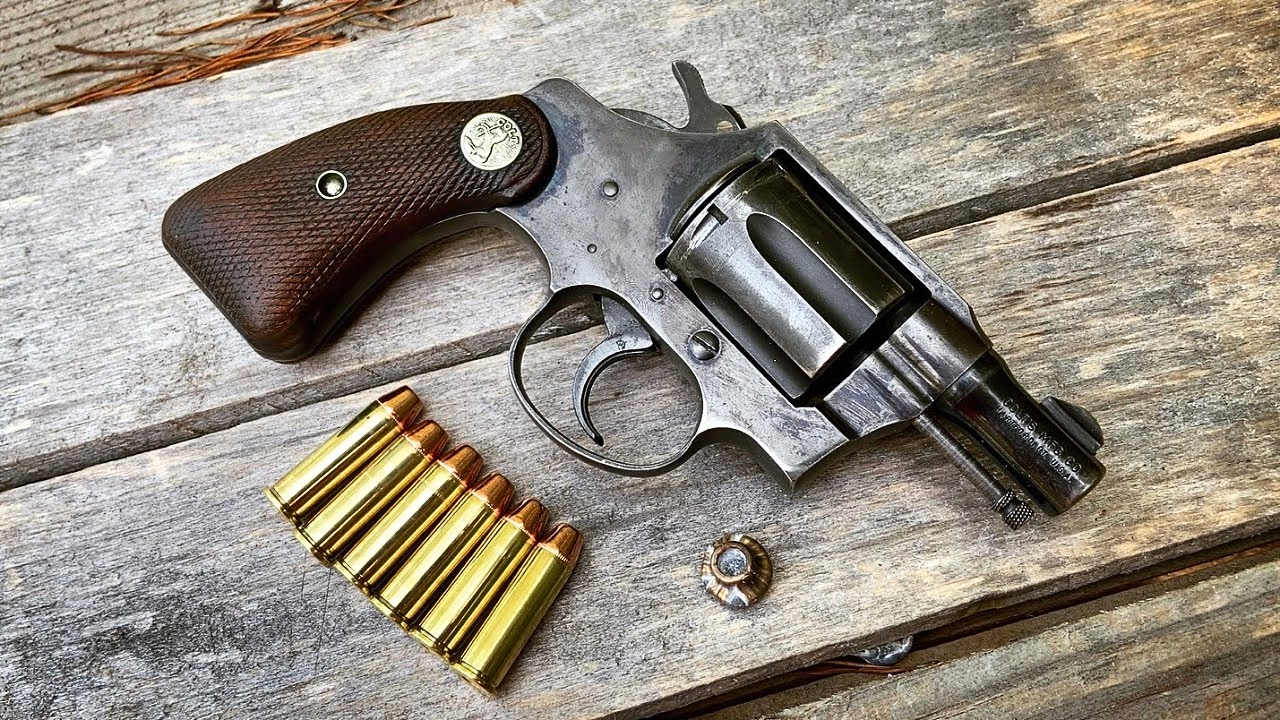
The Colt Detective Special is one of the most important snub-nosed revolvers ever made, but a lot of shooters only know the broad outline. They know it is an old Colt, they know it is small, and they know it has a strong concealed-carry reputation. What often gets missed is just how much this revolver helped define the very idea of the modern snubnose. Standard reference history describes it as the first example of the handgun class now known as the snub-nosed revolver, while American Rifleman called attention to its long production life and lasting influence on carry guns.
That matters because the Detective Special was not just another small revolver in a crowded category. When Colt introduced it in 1927, it offered something a lot of pocket revolvers did not: six rounds of .38-caliber carry power in a compact, concealable package. American Rifleman notes that it first appeared in the July 1926 issue as a new model and that production continued deep into the 20th century, while later coverage points out one of its biggest practical advantages over many rivals was that sixth round.
1. It is widely considered the first true snub-nose revolver

The Detective Special’s biggest historical claim is also the one many casual shooters never learn. The standard history page states that it was the first example of the firearm class known as the “snubnose revolver,” and American Rifleman’s Fitz Special piece says Colt introduced it in 1927 as the first 2-inch double-action snubnose revolver.
That is a huge deal because today the snubnose seems like a permanent handgun category. But somebody had to set that pattern first, and Colt got there early enough that the Detective Special became the reference point. It did not just join the concealed-revolver market. It helped create it.
2. It was basically a shortened Police Positive Special

The Detective Special did not start as a totally clean-sheet design. The reference history says it was essentially a shortened and streamlined Colt Police Positive Special, and the same page traces part of its origin story through the Fitz Special concept built on that earlier revolver.
That makes the Detective Special more interesting because Colt did not invent the idea from thin air. It took an already respected revolver frame, shortened it for concealment, and built something that fit a new defensive role much better. That kind of smart adaptation is often how great carry guns actually happen.
3. The Fitz Special helped inspire it

Before the Detective Special became a factory hit, John Henry Fitzgerald had already been experimenting with cut-down carry revolvers. The Detective Special history says Colt was impressed enough by the Fitz Special concept that it chose to build a less radical factory version, while Guns & Ammo’s 2024 Fitz article describes original Fitz guns based on Colt revolvers from the early 1930s.
That is one of the coolest little pieces of the Detective Special story. A lot of people think factory carry revolvers came only from corporate design teams. In this case, real-world custom defensive thinking helped push Colt toward a production gun that regular buyers could actually get.
4. It held six rounds when many later snubs only held five
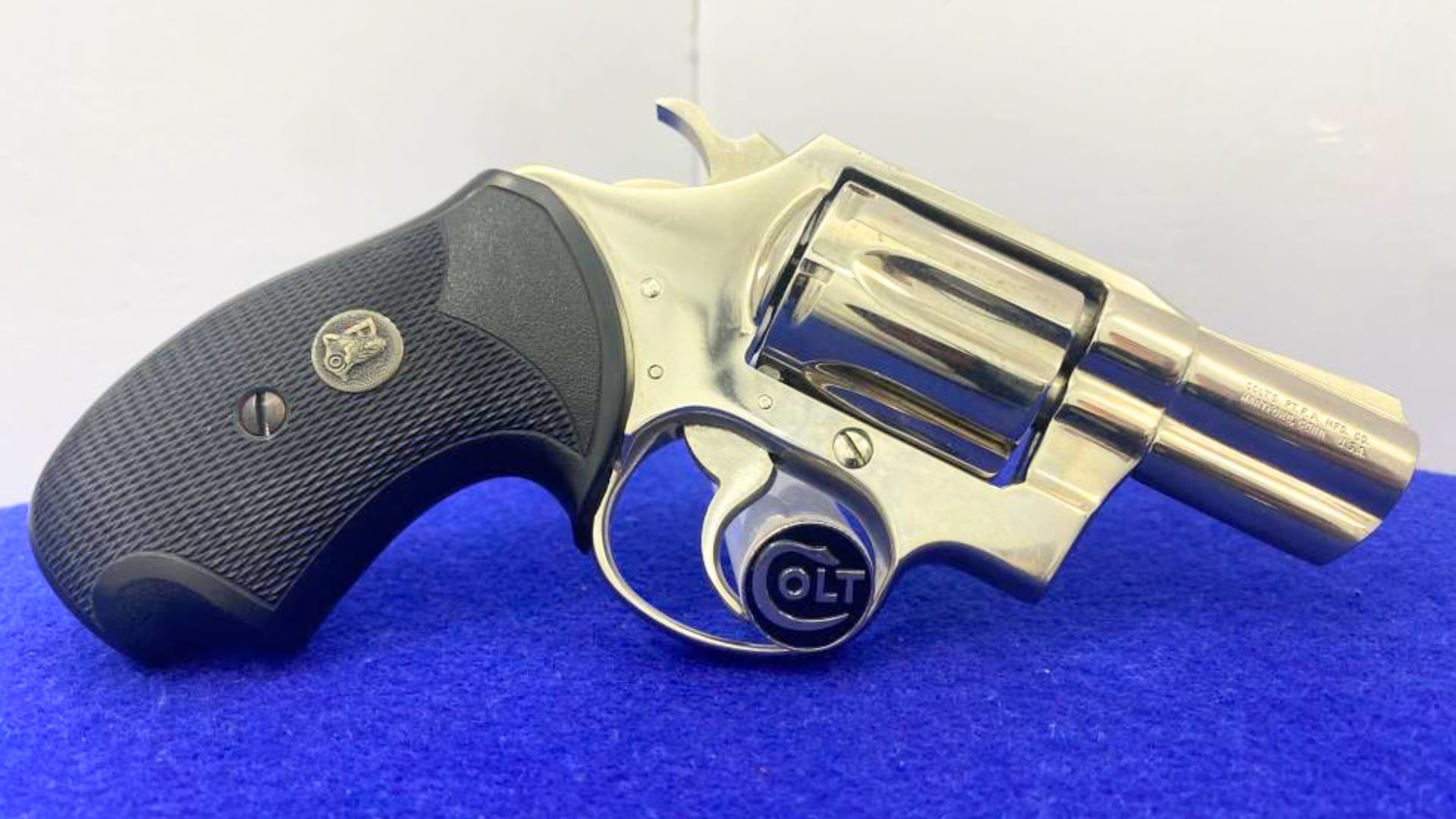
One of the Detective Special’s biggest practical selling points was capacity. The reference history lists it as a six-round revolver, and Guns & Ammo specifically notes that the gun’s six-shot capacity stood out against five-shot rivals in the snubnose market.
That sixth round may not sound dramatic now, but in a compact revolver it mattered. A lot of later small-frame snubs became famous as five-shooters, so the Detective Special’s six-round cylinder helped it stand apart for a long time. It gave buyers a little more margin without forcing them into a much larger belt gun.
5. It was bigger than a J-frame, and that was part of the point
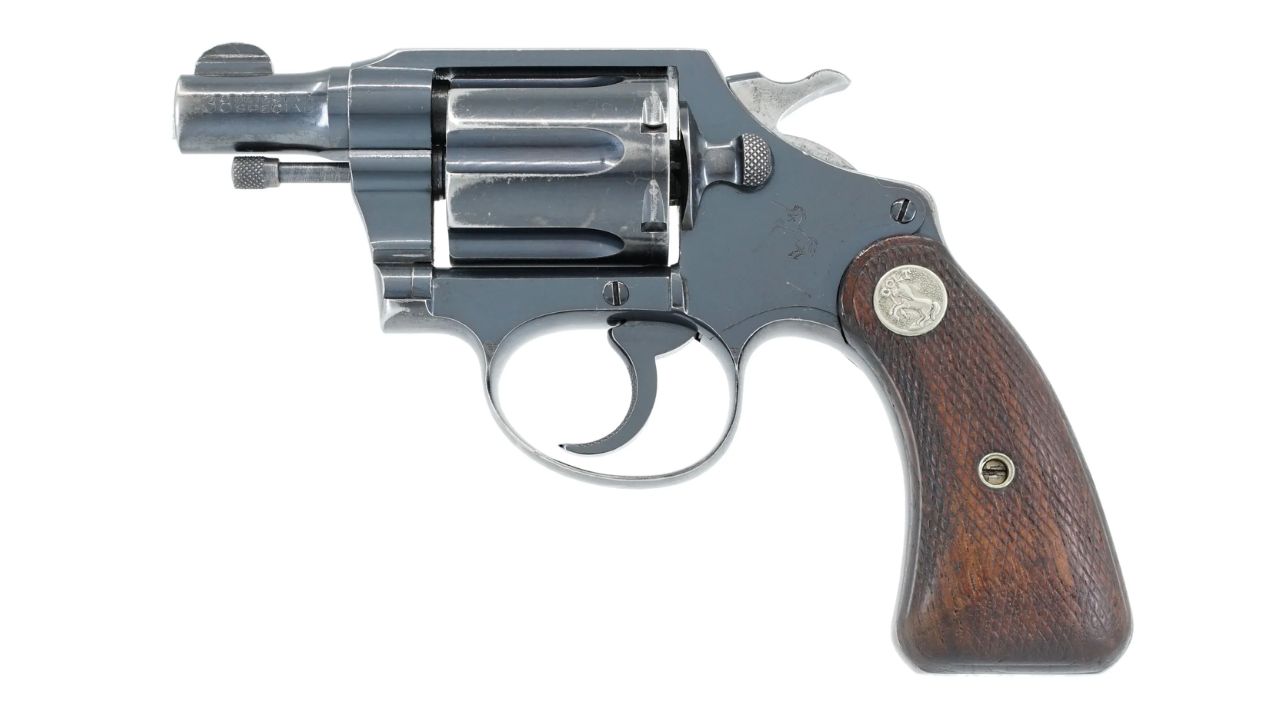
The Detective Special is often mentally lumped together with smaller snubnoses, but it was not built on that same tiny scale. The reference history says it used a frame slightly smaller than a Colt Official Police or Smith & Wesson K-frame, but larger than later five-shot J-frame-size revolvers like the Model 36.
That size difference is part of why the gun could hold six rounds and still remain shootable. It was compact, but it was not trying to be the smallest revolver in the world. Colt built it around concealment without giving up all the hand-filling feel and controllability that make a small revolver easier to use well.
6. It came in four main series

A lot of people talk about the Detective Special as if it were one fixed design from start to finish. It was not. The standard history breaks the gun into four main series: First Series from 1927 to 1946, Second Series from 1947 to 1972, Third Series from 1973 to 1986, and Fourth Series from 1992 to 1996.
That matters because two Detective Specials from different eras can look similar at a glance while still having meaningful differences in grips, ejector-rod treatment, frame details, and finishes. For collectors and shooters alike, series information tells you a lot about what kind of gun you are actually handling.
7. Early guns had a square butt before rounded butts became standard

One of the lesser-known visual details involves the butt shape. The reference history says a rounded butt became standard in 1933, though guns with the original square butt continued to appear into the 1940s.
That is the kind of detail collectors care about because it helps date a revolver and identify earlier configurations. It is also a reminder that even classic carry guns often evolve in small ergonomic ways as the maker figures out what buyers and holsters actually prefer.
8. Colt offered a rare 3-inch version
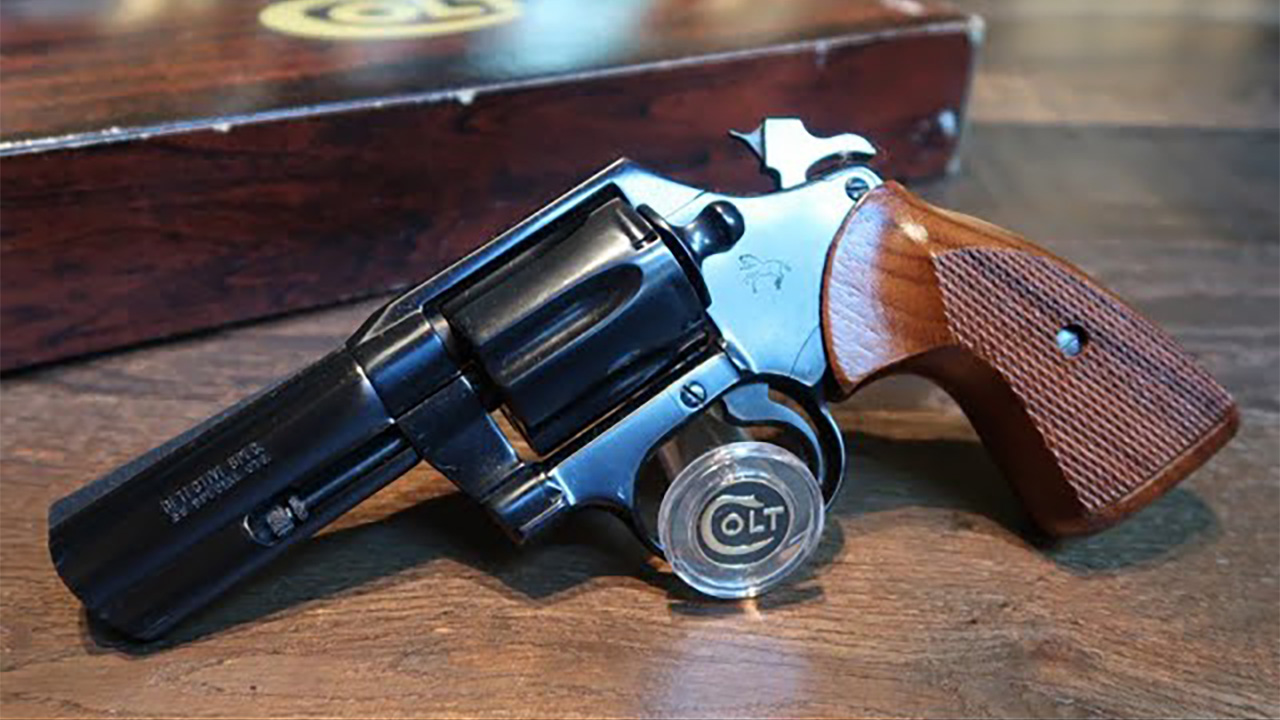
Most people think of the Detective Special strictly as a 2-inch gun, and that is understandable. But the reference history says a 3-inch barrel version was offered during the Second and Third Series, though it was comparatively rare.
That longer version is interesting because it nudged the gun a little away from pure pocket-revolver territory and a little more toward trail, kit, or general-purpose belt-gun use. It shows Colt was willing to stretch the formula while still keeping the Detective Special identity intact.
9. A factory hammer shroud was available
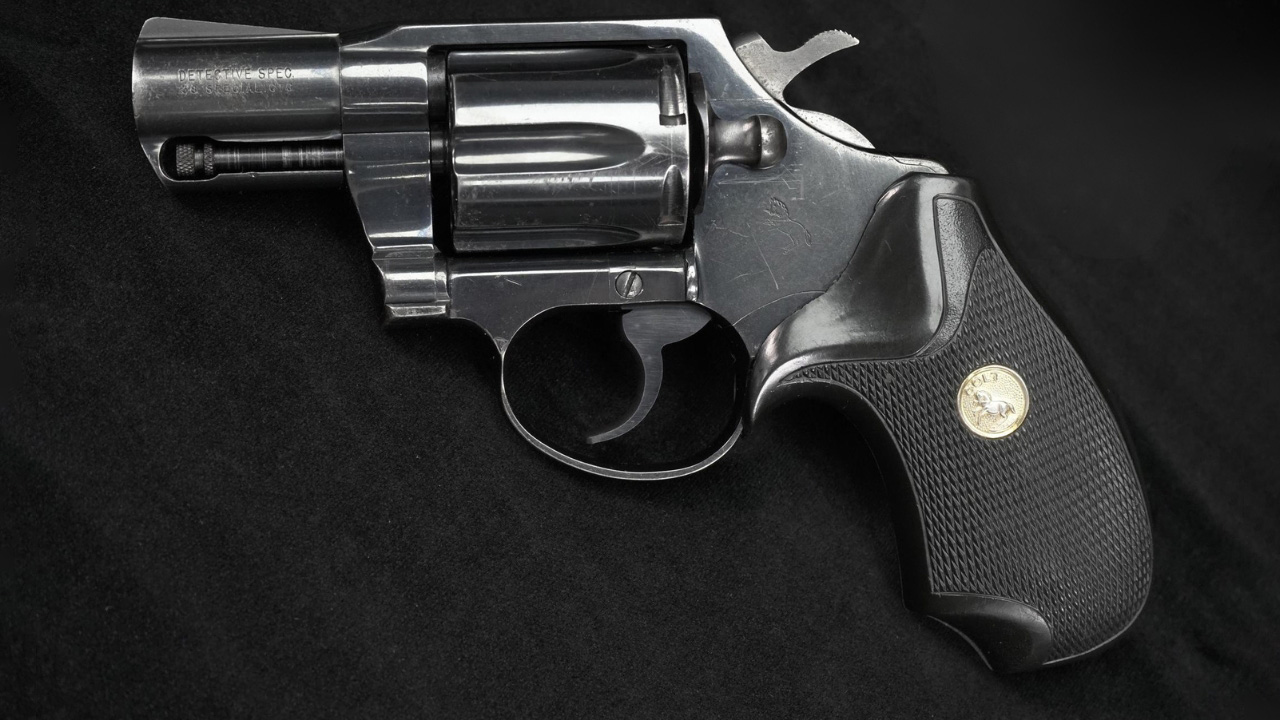
A lot of people think bobbed or protected hammers on old snubs were strictly custom territory. The Detective Special’s reference history says an optional factory hammer shroud was offered during the Second Series to help keep the hammer from snagging on clothing. American Rifleman’s FBI handgun history also mentions Detective Specials with hammer shrouds among practical carry revolvers of the era.
That is a neat detail because it shows Colt understood exactly what buyers wanted this revolver for. The company was not just selling a small revolver and hoping people figured out the rest. It was offering real concealed-carry-minded features decades before modern carry-gun marketing took over.
10. It used Colt’s Positive Safety Lock from the beginning
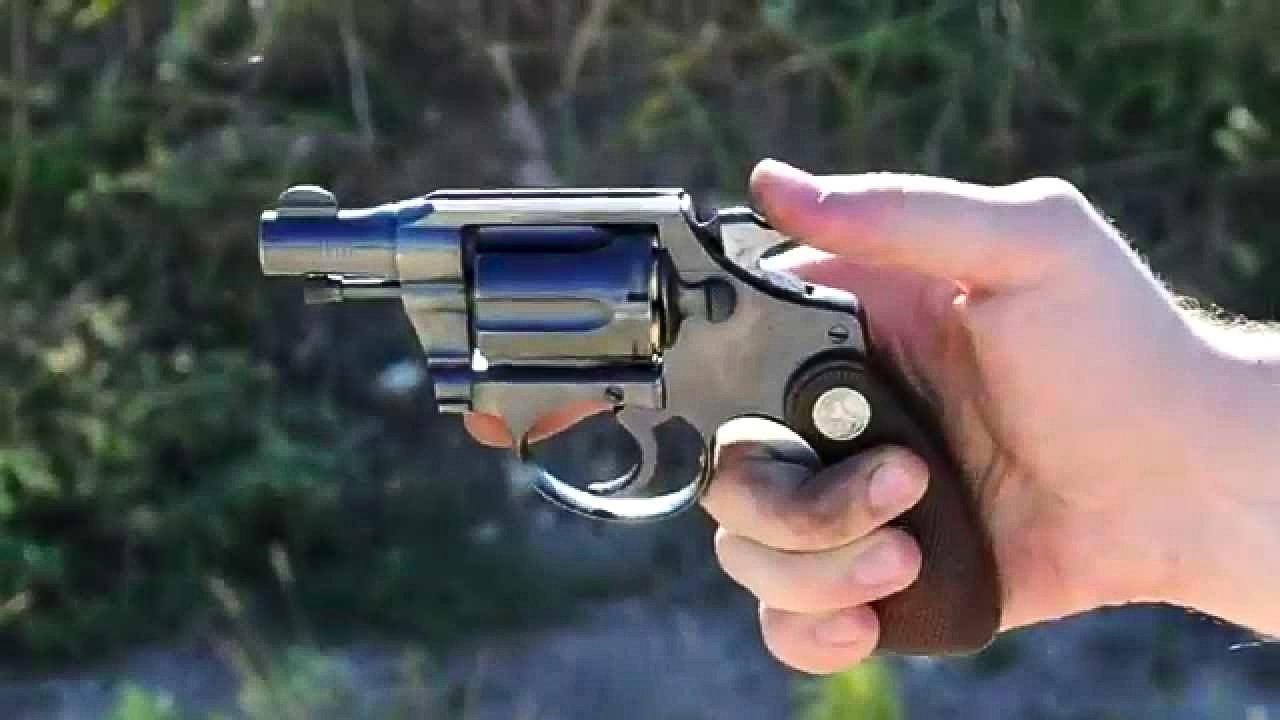
Safety systems on older revolvers usually do not get much attention, but this one matters. The reference history says that from its introduction, the Detective Special used Colt’s Positive Safety Lock hammer-block system, which prevented discharge if the hammer was struck while the trigger was forward. American Rifleman’s Police Positive article also points to that hammer-block design as the key feature of that broader Colt family.
That feature helped make the Detective Special a more trustworthy carry revolver in an era when safe loaded carry was a serious concern. It was part of what made Colt’s small revolvers feel modern and practical instead of risky holdovers from an earlier period.
11. It was offered in more than just .38 Special
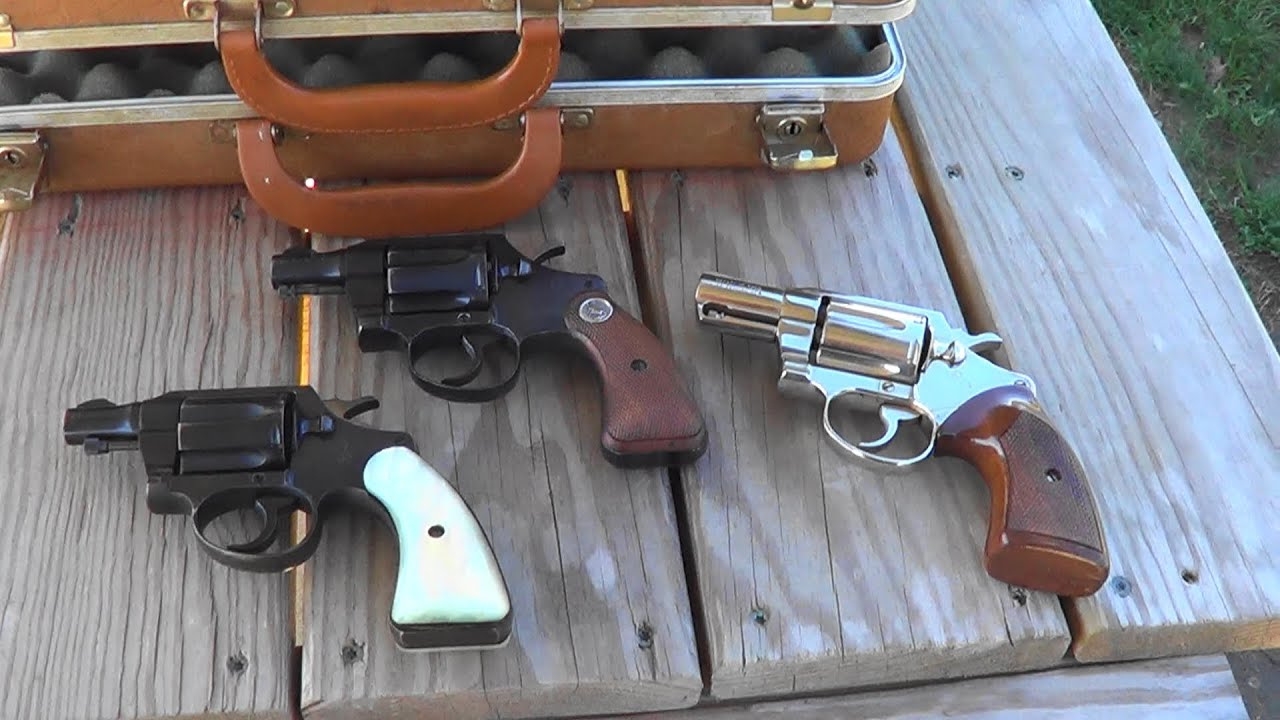
A lot of shooters assume the Detective Special was always and only a .38 Special gun. The reference history says the Second Series was also offered in .32 New Police and .38 New Police, though .38 Special was the only caliber offered for the other series.
That broader chambering history is one of those easy-to-miss facts that tells you how Colt tried to cover different markets with the same basic revolver. Even if the .38 Special version became the one everyone remembers, it was not the only path the line took.
12. The grips changed a lot over time
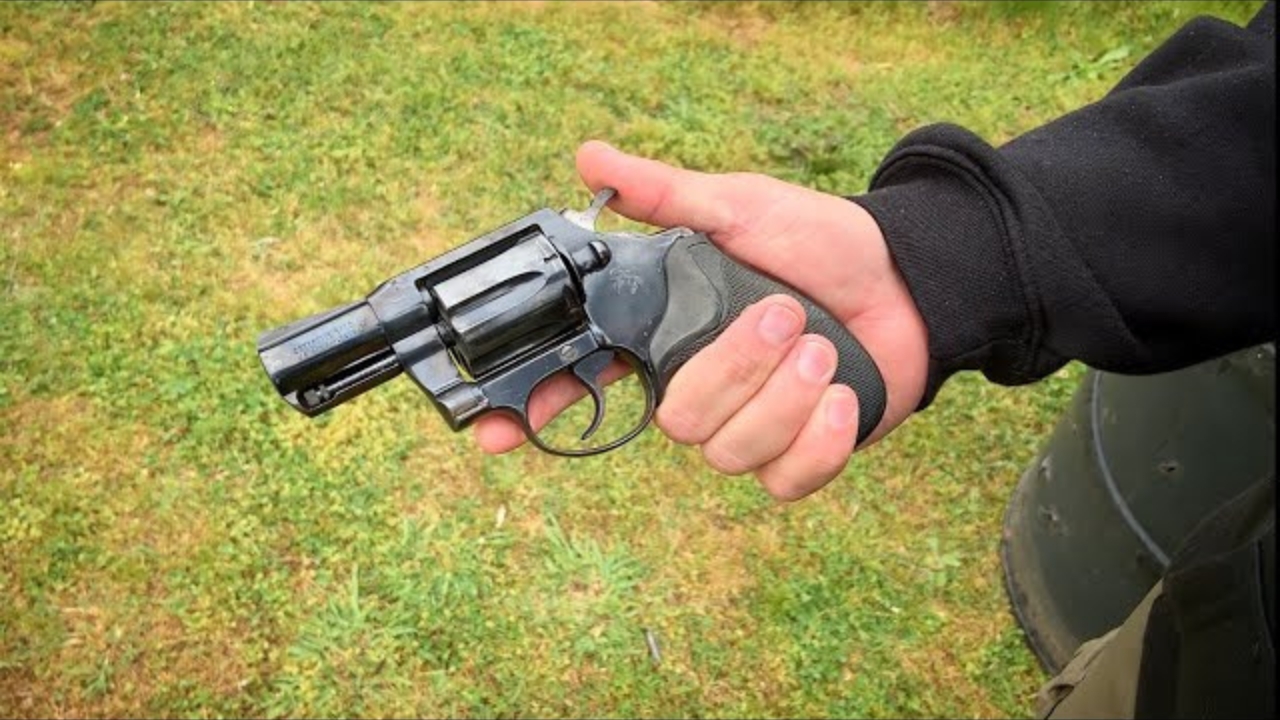
The Detective Special’s grip history is more involved than a lot of people realize. The reference history notes wood grips on early guns, a switch to plastic in 1947, a change back to wood in 1955, and later oversized wraparound styles in the Third Series. American Rifleman’s 2020 “This Old Gun” summary also specifically points to the addition of extended wrap-around grips in 1966 for better controllability.
That means grip style is more than cosmetic on these guns. It is one of the easiest ways to spot different periods, and it shows Colt kept trying to make the revolver more shootable as concealed-carry expectations evolved.
13. Colt discontinued it, then brought it back, then replaced it again
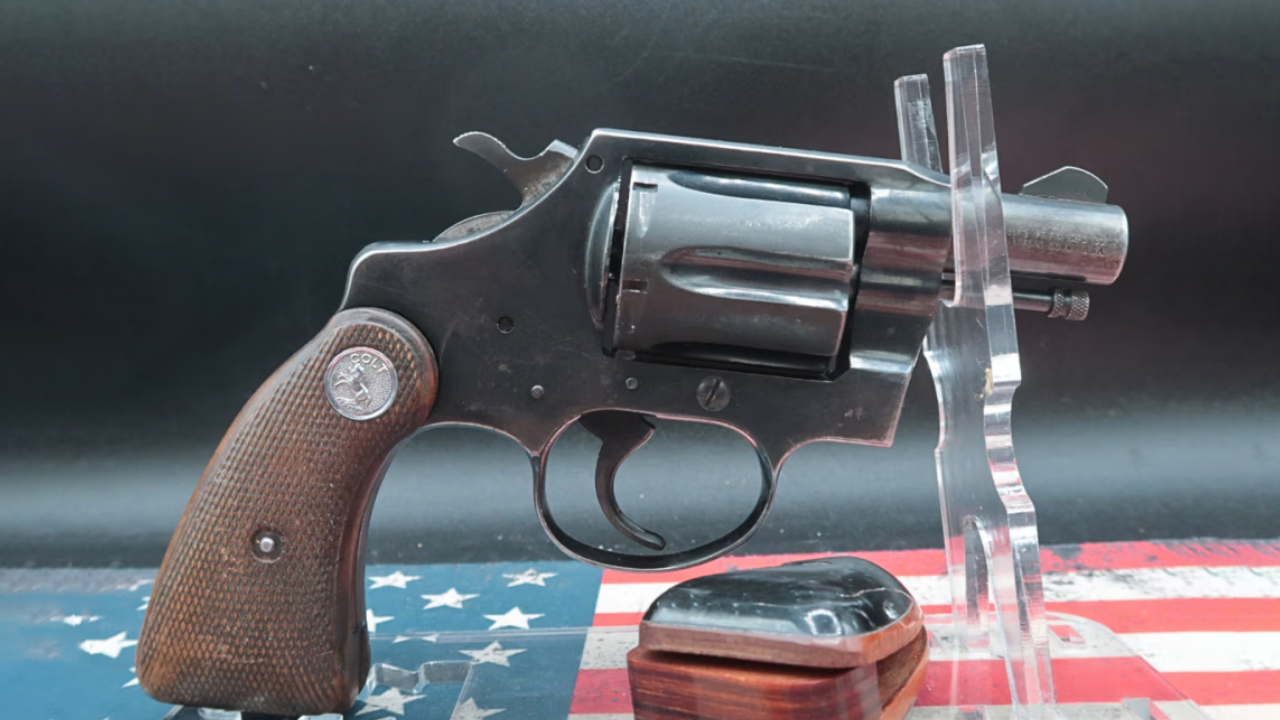
The Detective Special had a stop-and-start later life that a lot of people forget. The reference history says Colt stopped production in 1986, restarted it in 1992 after reorganization, and ended the final Fourth Series in 1996, when the SF-VI was introduced as its replacement.
That choppy production story helps explain why the Detective Special feels a little more complicated than some other classic snubs. Its reputation never really died, but Colt’s business realities kept interrupting the line.
14. The later SF-VI/DS-II was basically the next chapter of the same idea

When the Detective Special ended in its classic form, the concept did not vanish right away. The reference history says Colt released the stainless SF-VI/DS-II in 1997 as a Detective Special-style six-round small-frame revolver, with versions in .38 Special and .357 Magnum.
That is worth knowing because the Detective Special’s legacy did not stop with the blue-steel classic. Colt was still trying to carry the basic idea of a compact six-shot defensive revolver into a more modern manufacturing era.
15. Its biggest legacy is that it set the template for the carry revolver that followed
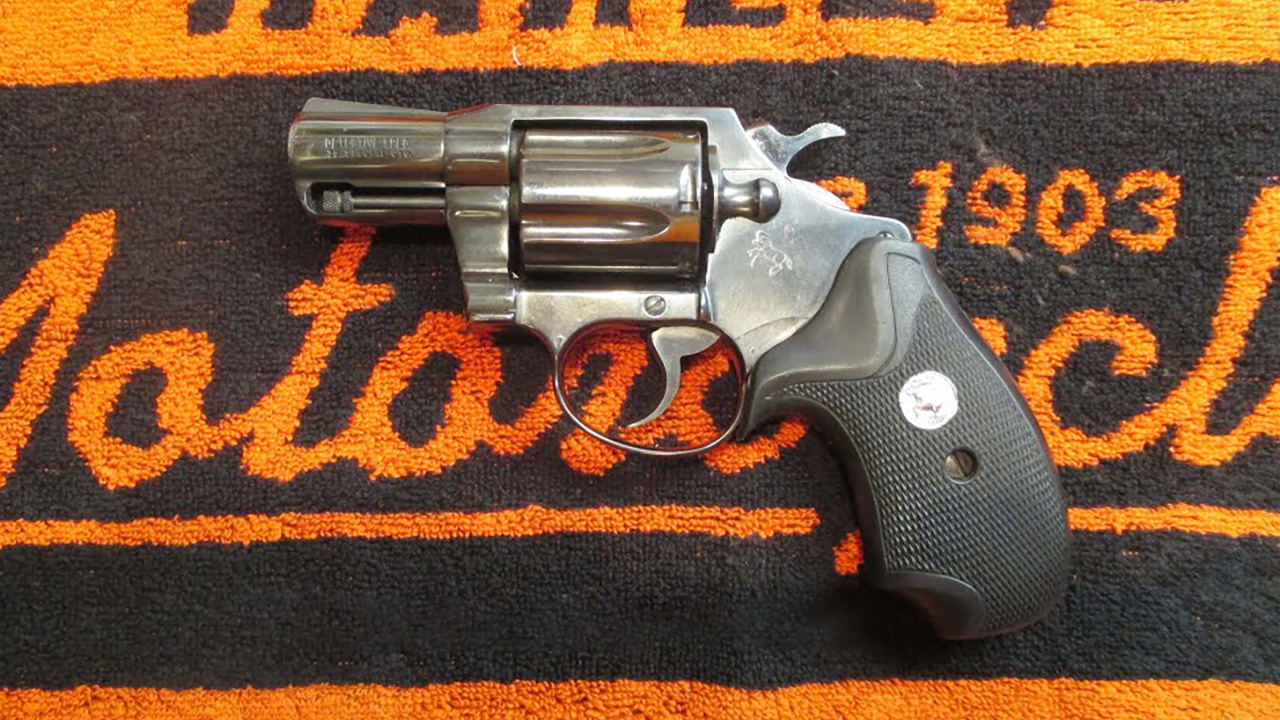
The most interesting thing about the Detective Special is probably how much of the snubnose world came after it. It was introduced in 1927, predated the Smith & Wesson Chief’s Special by decades according to later commentary, and built a six-shot carry-revolver identity that people still talk about today.
That is why the Detective Special still matters. It was not just a good old Colt. It was one of the guns that taught the market what a concealable defensive revolver could look like. Plenty of later snubs became famous, but the Detective Special was there first in a way that still gives it real weight.
Like The Avid Outdoorsman’s content? Subscribe to our newsletter so you never miss an article.
Here’s more from us: