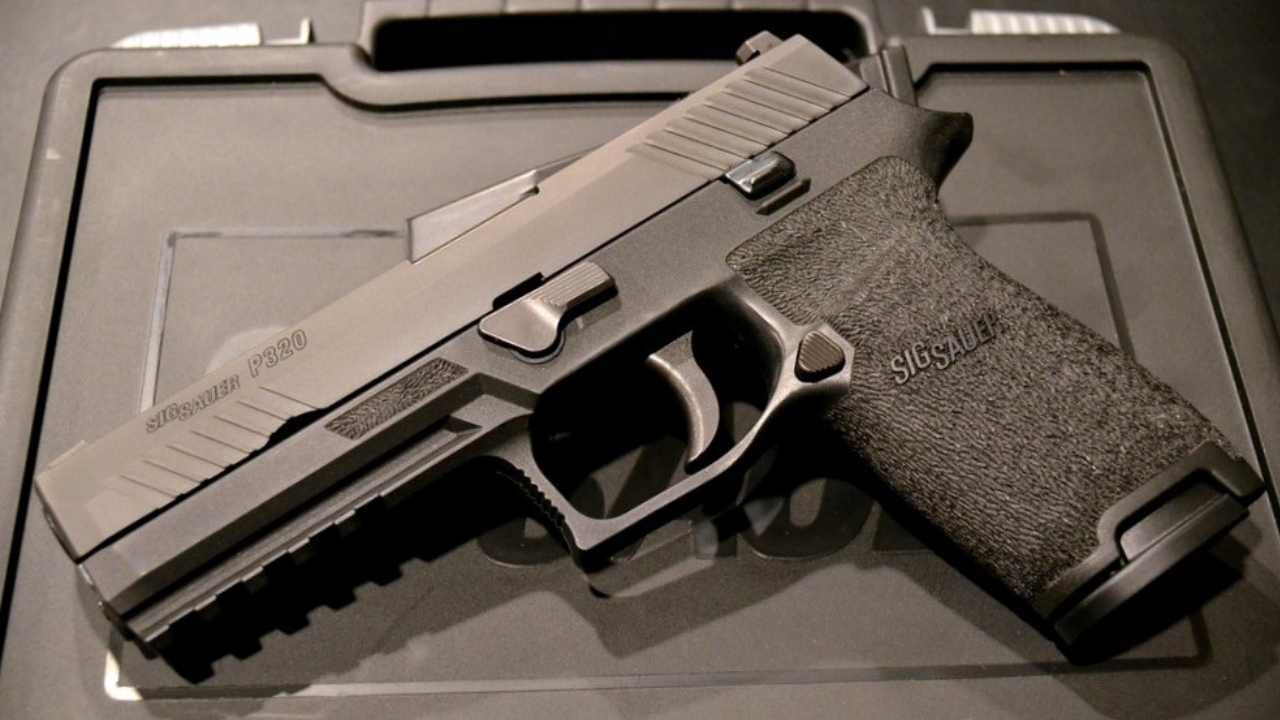
Photo credit: TexasWarhawk – CC BY-SA 4.0/Wiki Commons
The Sig Sauer P320 is one of those pistols people think they have pinned down pretty fast: striker-fired, modular, Army gun, endless variants, lots of debate. That is all true, but it still leaves out a lot. The P320 was introduced in 2014, and Sig pitched it from the start as a modular pistol built around a removable, serialized fire-control unit rather than a traditional permanently serialized frame. A few years later, a version of it won the U.S. Army’s Modular Handgun System contract, which pushed the design into a much bigger spotlight.
What makes the P320 interesting is that it did not just become another service pistol. It became a platform. The design spread into full-size, compact, subcompact, X-Series, Legion, M17, M18, and optics-ready variants, all while keeping the same basic core idea. Here are 15 surprising facts about the Sig Sauer P320 that most shooters either never learned or do not think about enough.
1. It was launched in 2014, not as some older Sig classic

A lot of people talk about the P320 like it has been around forever because the gun is now so common. It has not. Sig’s own contract-announcement history says the P320 was released in 2014.
That matters because it makes the pistol’s rise look even more impressive. In a pretty short amount of time, it went from new product to one of the most recognized service-pistol platforms in the country.
2. The serialized part is not the grip frame

This is one of the most important P320 facts, and it still surprises people who have not handled one closely. Sig says the pistol’s serialized component is the fire-control unit, not the polymer grip module. The grip modules are interchangeable, which is a huge part of the design’s modular identity.
That is a big deal because it changes how the gun can be configured. On a lot of handguns, the serialized frame locks the pistol into one general size and shape. On the P320, the legally central part is the internal chassis-like unit, which means the external grip can be swapped around it.
3. Sig called it the first modular pistol with interchangeable grip modules

Sig’s 2017 Army-contract announcement says the P320 was the first modular pistol with interchangeable grip modules that could also be adjusted in frame size and caliber by the operator. That was not a minor talking point. It was one of the main identities of the pistol from the start.
That helps explain why the gun stood out so quickly. Plenty of pistols had accessory rails and replaceable backstraps. The P320 was pushing something more ambitious: one serialized core that could be dropped into different formats.
4. It was one of Sig’s biggest breaks from its older hammer-fired identity
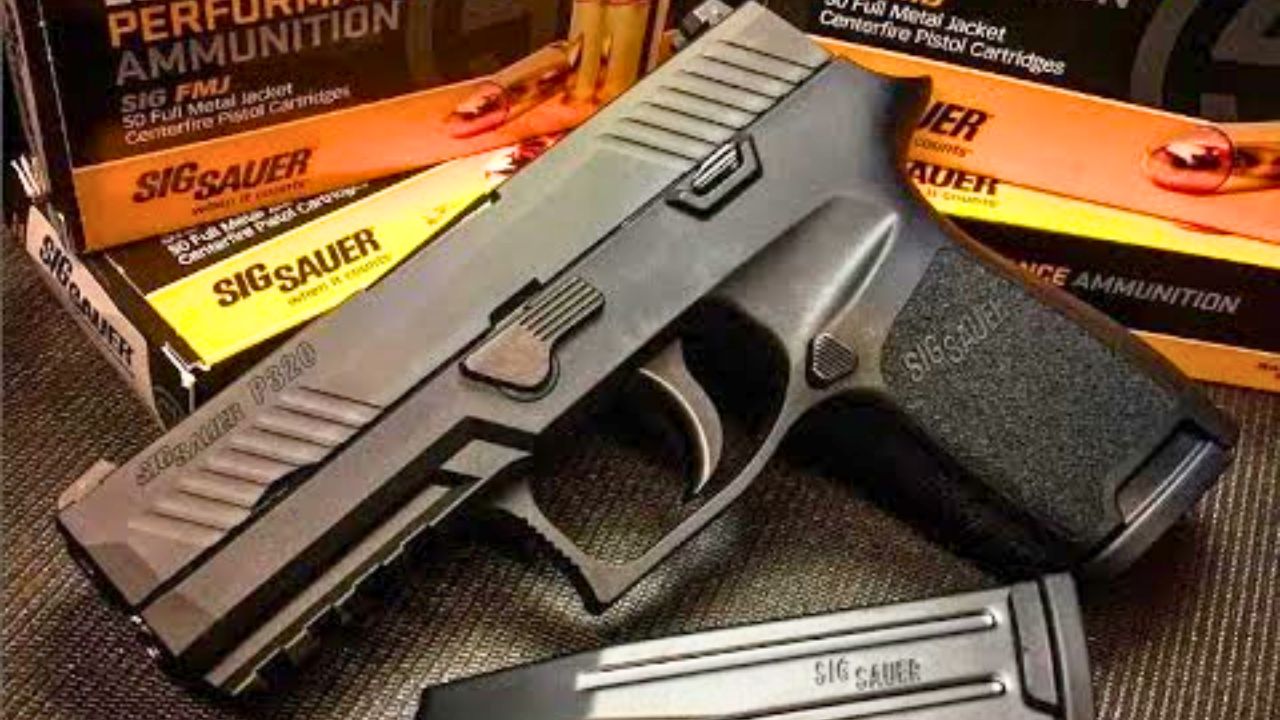
For a lot of shooters, “classic Sig” meant P220, P226, P228, P229—metal-framed or alloy-framed hammer guns with a DA/SA system. American Rifleman’s early P320 review notes how obvious the shift was: the P320 was striker-fired, not hammer-fired like the company’s older flagship pistols.
That is a bigger shift than it sounds. The P320 was not just Sig making another pistol. It was Sig moving hard into the modern striker-fired service-pistol market with a different design language than the company was traditionally known for.
5. It won the U.S. Army’s Modular Handgun System competition
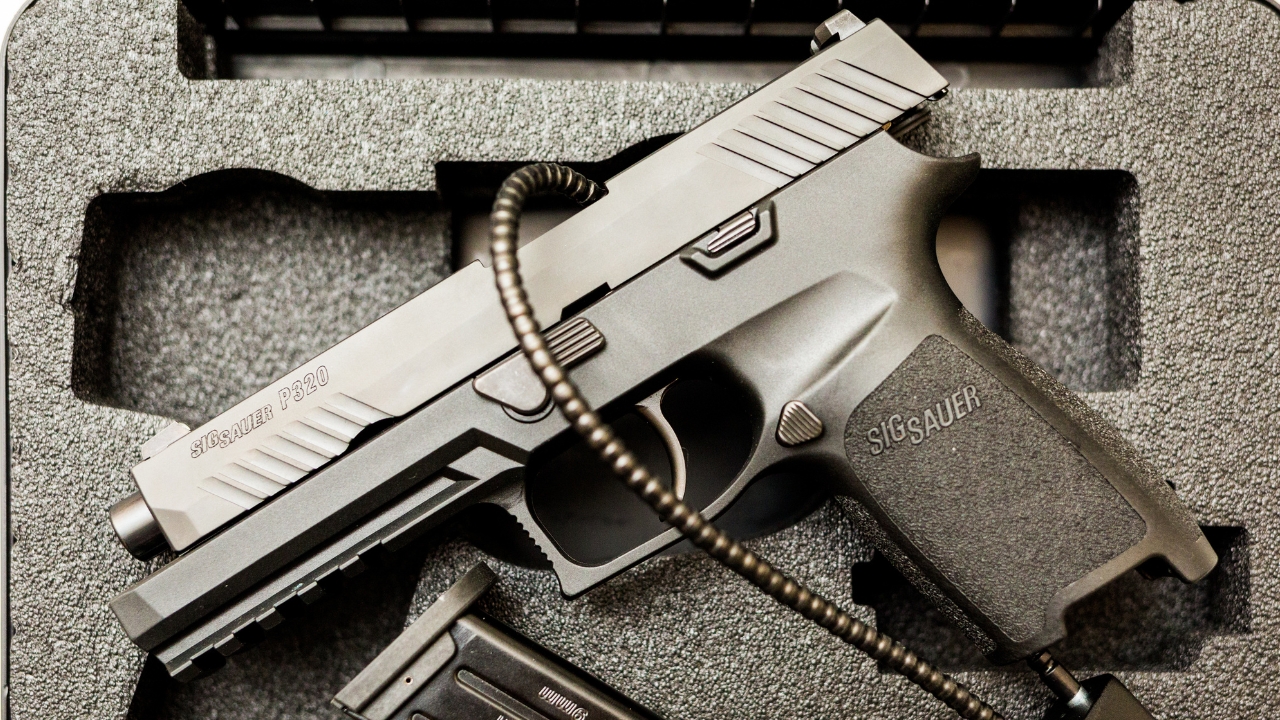
This is the fact most people know in broad strokes, but the details still matter. The Department of Defense contract notice says Sig Sauer was awarded a contract of up to $580,217,000 for the Modular Handgun System to replace the M9. Sig’s own announcement says the Army selected the P320-based system in January 2017.
That win changed the pistol’s public life completely. The P320 was already gaining traction, but the Army selection turned it into something bigger than a successful commercial handgun. It became a service-pistol benchmark overnight.
6. The Army version got the names M17 and M18, not just “P320 Army”

The Army variants are called the M17 and M18, not just generic military P320s. American Rifleman’s M17 coverage says the P320, in Army guise, became the M17 as the M9’s successor, while Sig later announced a commercial P320-M17 version that followed the Army specifications closely.
That matters because the M17/M18 identity helped split the pistol into distinct lanes: the broader P320 family, and the Army-selected configuration that gained its own kind of prestige and visibility.
7. The M18 is the compact member of the Army family

A lot of people hear “M17 and M18” and assume those are just two names for the same gun. They are not. The Army pursued a modular system because different users had different size needs, and American Rifleman’s M17 article explains that part of the goal was replacing the one-size-fits-all M9 with a system that could serve multiple roles more flexibly.
That broader logic is what makes the M18 so important. The P320 family did not win just because Sig offered one good pistol. It won because the system could be adapted into different service formats while sharing the same basic architecture.
8. The P320’s modularity was a major reason it won attention early
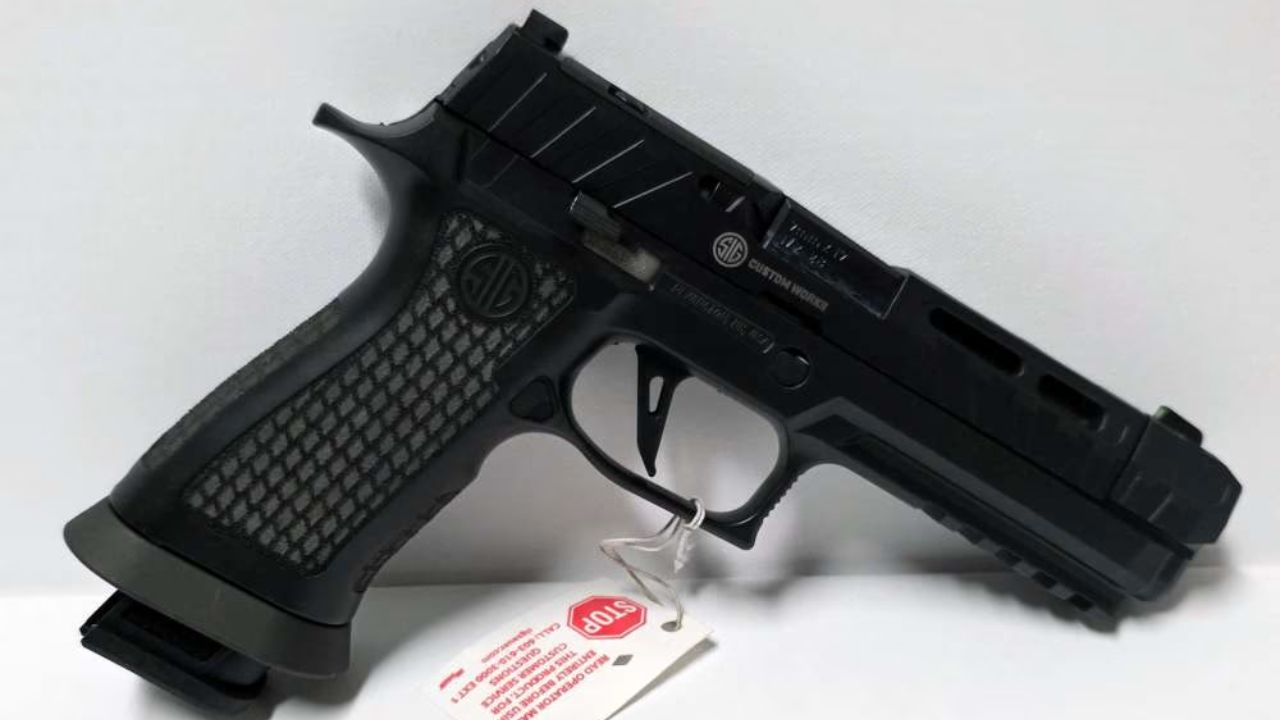
Before the Army contract, the gun was already getting serious praise for its modular concept. American Rifleman’s 2016 “Gun of the Week” coverage described the modular P320 as the system designed to carry the Sig banner deep into the 21st century.
That is worth remembering because the Army did not create the P320’s core appeal. The modularity was already the headline feature. The military contract amplified it, but the design idea was in place from day one.
9. It quickly spread into law-enforcement adoption too
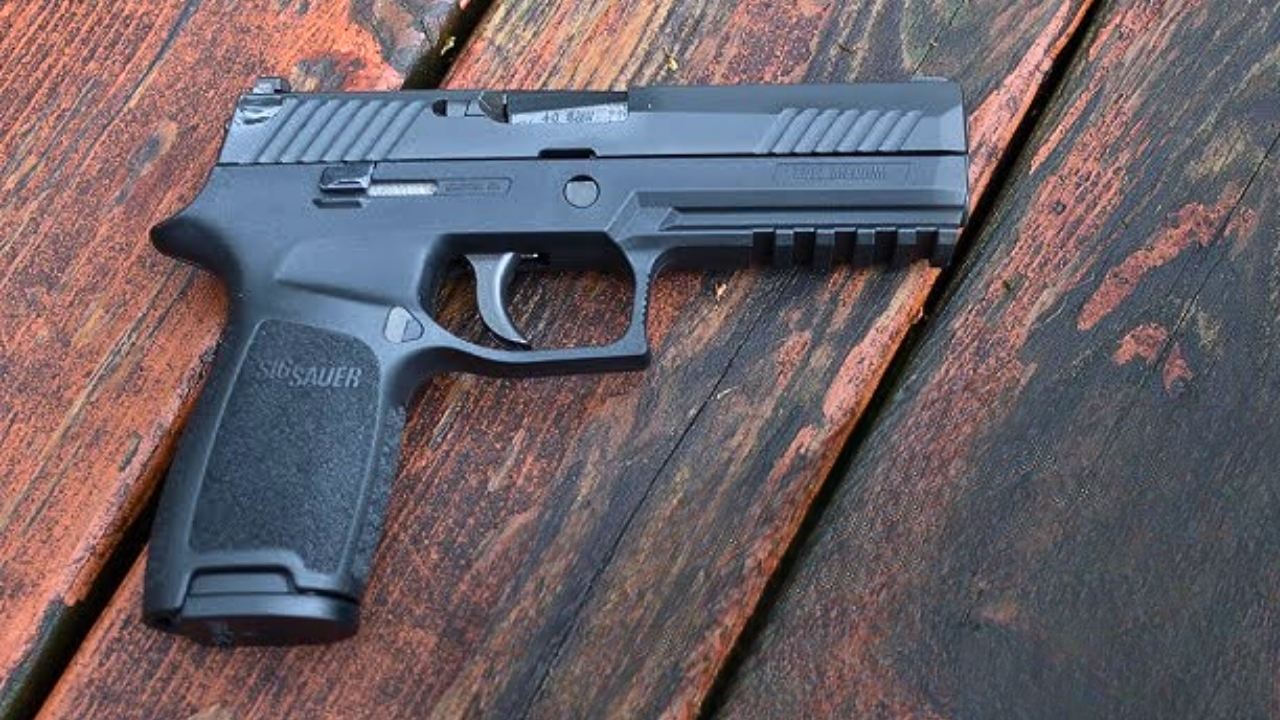
The Army contract gets all the headlines, but Sig’s own law-enforcement announcements show the P320 spreading quickly among agencies too. In mid-2017, Sig said the North Dakota Highway Patrol adopted the P320, and another 2017 release said the Santa Barbara County Sheriff’s Office selected it as well.
That matters because the pistol’s growth was not confined to one contract. The P320 was gaining traction across military, law-enforcement, and civilian lanes at roughly the same time, which is a big reason the platform got so established so quickly.
10. The X-Carry helped prove the platform could be remixed in useful ways
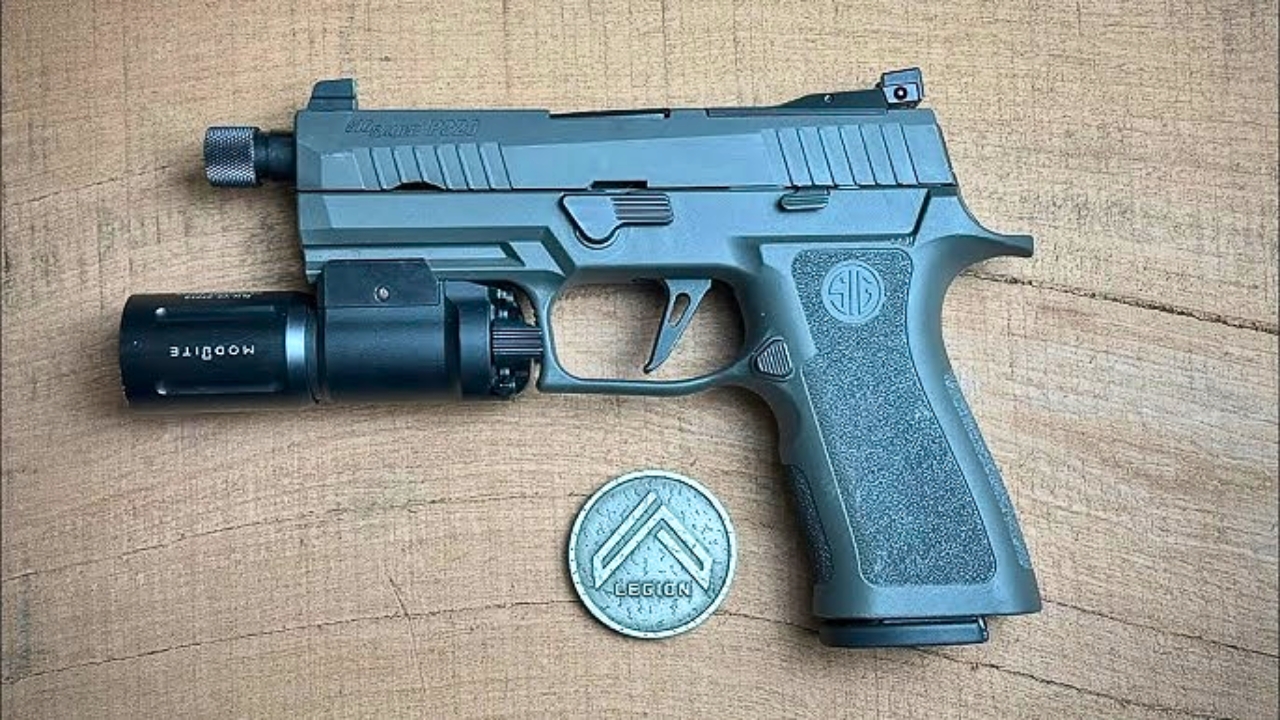
American Rifleman’s 2018 X-Carry coverage describes a format that paired a compact slide and 3.9-inch barrel with a full-size X-Series grip frame, producing a blend of portability and duty-size handling.
That is a good example of how the P320 stopped being one gun and started becoming a true pistol family. Once the platform existed, Sig could begin building hybrid configurations that made a lot of practical sense without abandoning the core architecture.
11. It won major praise before the Army contract

A lot of people now think of the P320 mainly as “the Army Sig,” but American Rifleman’s video-review page notes that the pistol won the 2016 Golden Bullseye for Handgun of the Year before the 2017 Army selection.
That is important because it shows the gun was already getting strong reception on its own merits. The Army award supercharged the platform, but it did not rescue a weak or ignored product. The pistol was already being taken seriously.
12. The Army contract was built around more than just the pistol itself
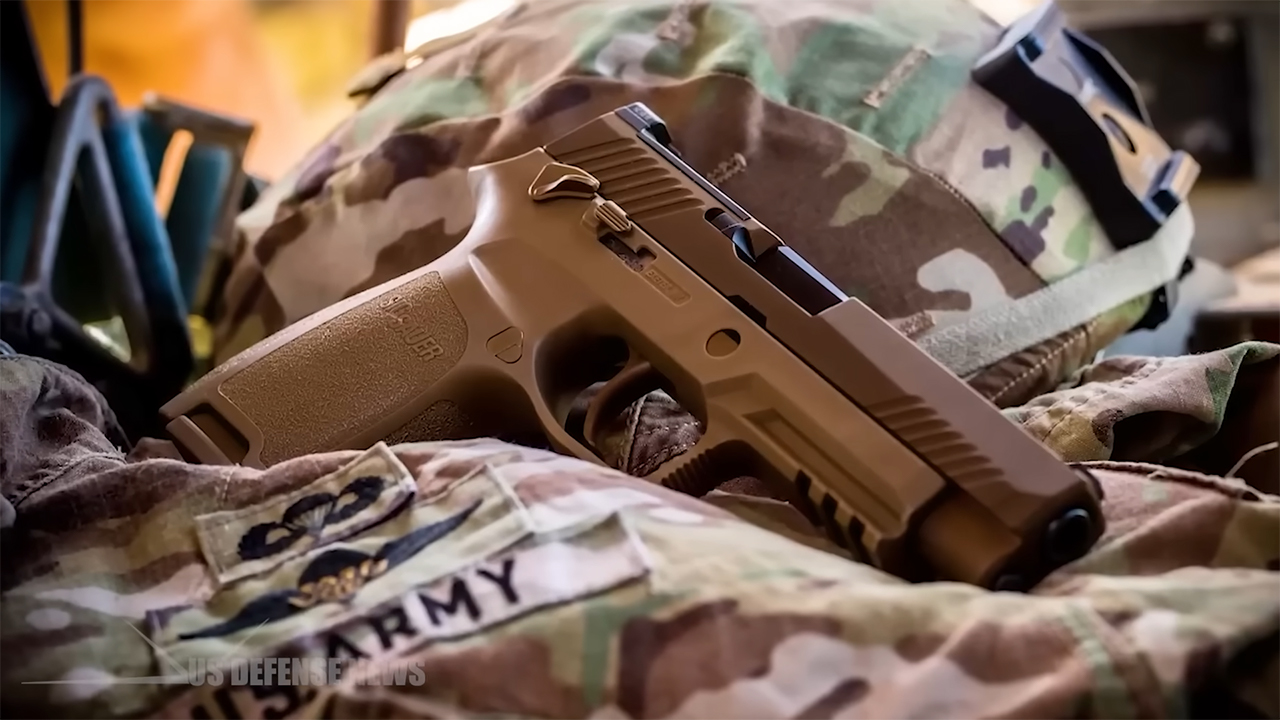
The 2017 Defense Department contract notice says the award covered the Modular Handgun System including handgun, accessories and ammunition.
That is a useful reminder that when the Army selected the P320-based system, it was not just picking a gun in isolation. It was buying into a broader service package built around the platform. That helps explain why the contract was such a major turning point for Sig.
13. The P320 became a military platform fast enough that support gear followed
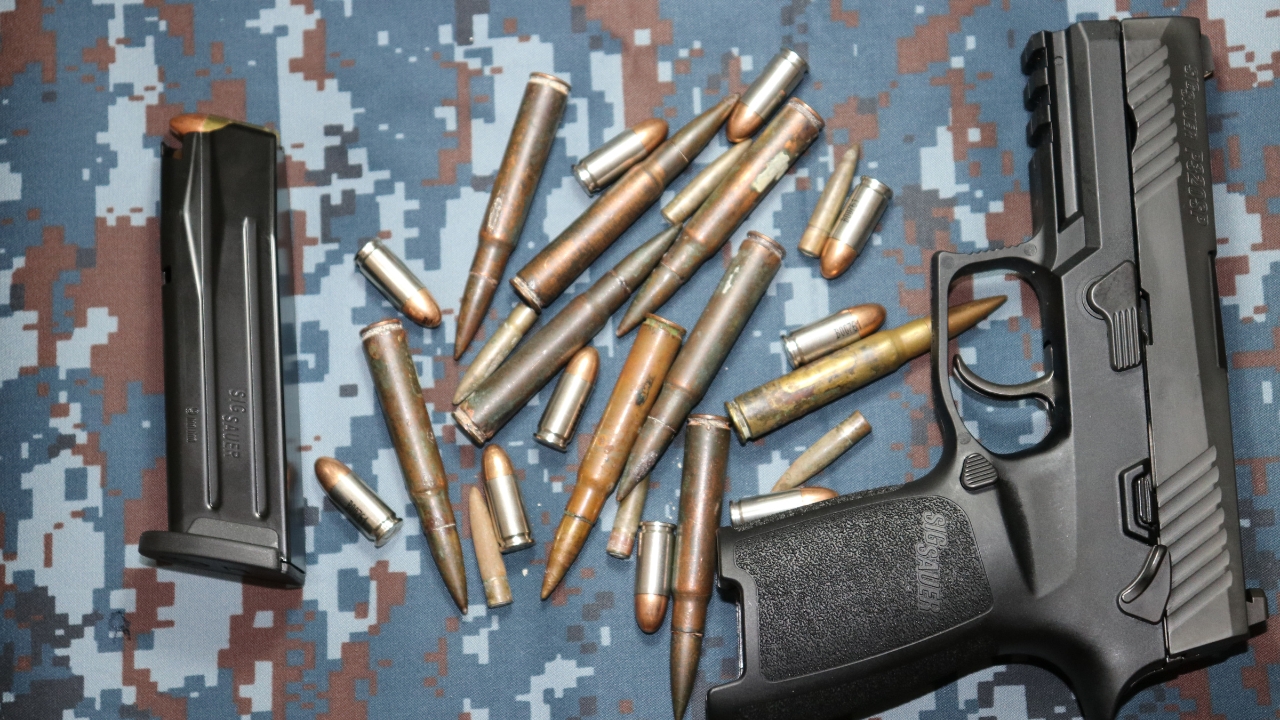
One small but telling sign of how established the system became is that support equipment followed it as a named military platform. The Defense Department’s 2021 contracts page includes a separate contract for M17 and M18 military service pistol holster assemblies.
That matters because once the ecosystem around a handgun gets built out at that level, the pistol has stopped being just a promising sidearm and become a fully institutionalized service system.
14. The P320 helped Sig compete directly in the modern striker market
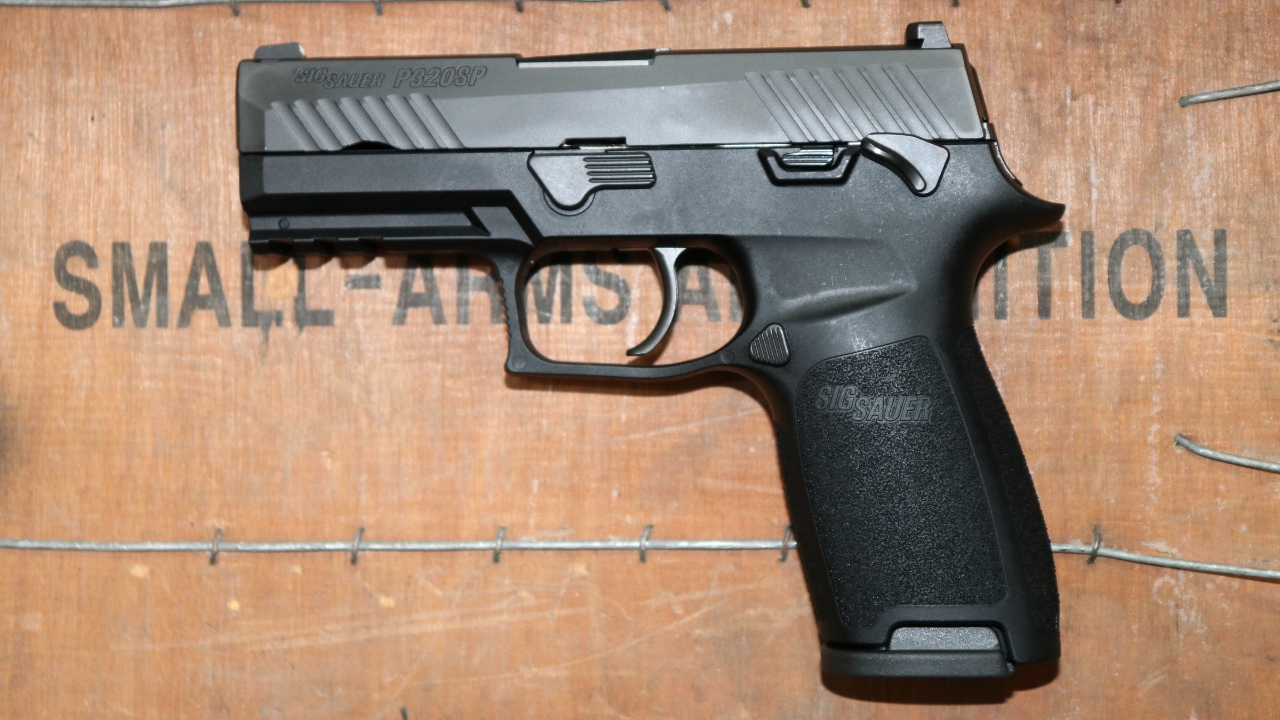
American Rifleman’s 2016 coverage said the modular P320 was designed to carry Sig into direct competition with the biggest names in the striker-fired handgun market.
That is one of the more important ways to understand the pistol. The P320 was not just a new SKU in the Sig catalog. It was Sig’s serious answer to where the service-pistol market had already gone.
15. Its biggest surprise may be that the serialized fire-control unit changed how people think about a pistol
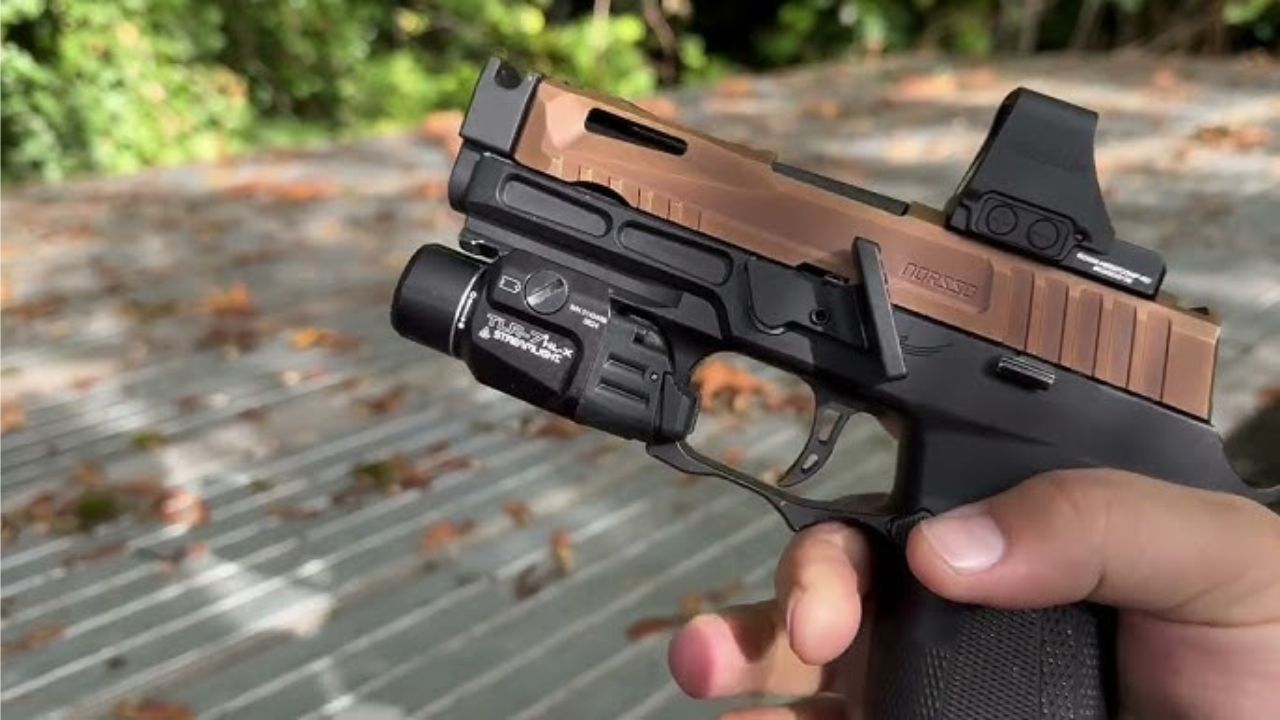
The P320’s most surprising fact is probably also its most basic one: the part that “is the gun” is the internal fire-control unit, not the grip shell most people instinctively think of as the frame. Sig’s own P320 materials keep coming back to that because it is the idea that made the whole platform different.
That one design choice is what let the P320 become so many things at once—full-size service pistol, compact, carry gun, Army sidearm, X-Series gun, M17, M18, and more. Plenty of pistols sell well. Far fewer change the way people think about what part of the pistol actually defines the platform.
Like The Avid Outdoorsman’s content? Subscribe to our newsletter so you never miss an article.
Here’s more from us: