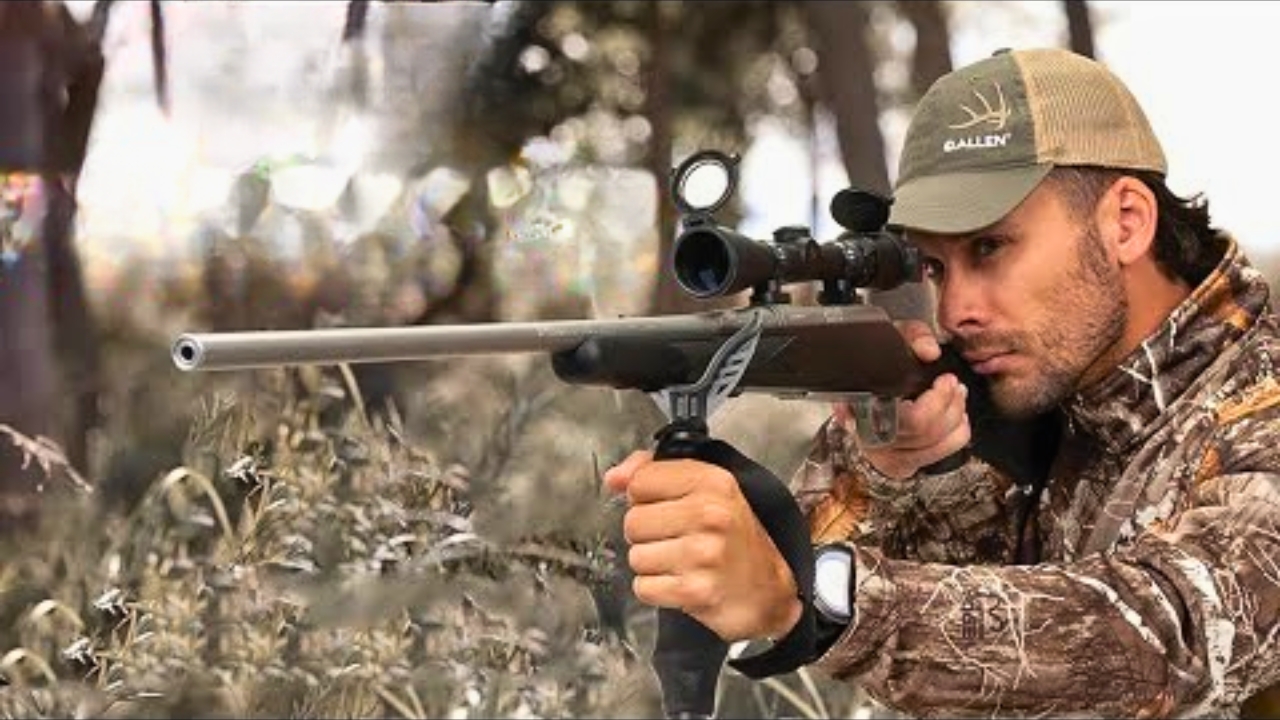
Photo credit: Smart Review/YouTube
Shooting off sticks has a funny way of humbling rifles you thought you had figured out. On a bench, everything is consistent: the bag supports the same spot, your body position barely changes, and recoil comes straight back. Sticks aren’t like that. You’re balancing the rifle, loading the support, and often pinching the fore-end harder than you realize. That pressure can flex a stock, push a barrel into contact, or change how the action settles in the bedding. The result is a rifle that prints tidy groups on paper, then shifts point of impact the moment you hunt the way you actually hunt.
This isn’t you “shooting worse.” It’s a real equipment-and-technique problem. Certain rifles are more sensitive because of light barrels, flexible stocks, or fore-ends that touch the barrel under load. Learn where the rifle hates pressure and you’ll stop chasing ghosts.
Ruger American Rifle (Gen 1 synthetic stock)
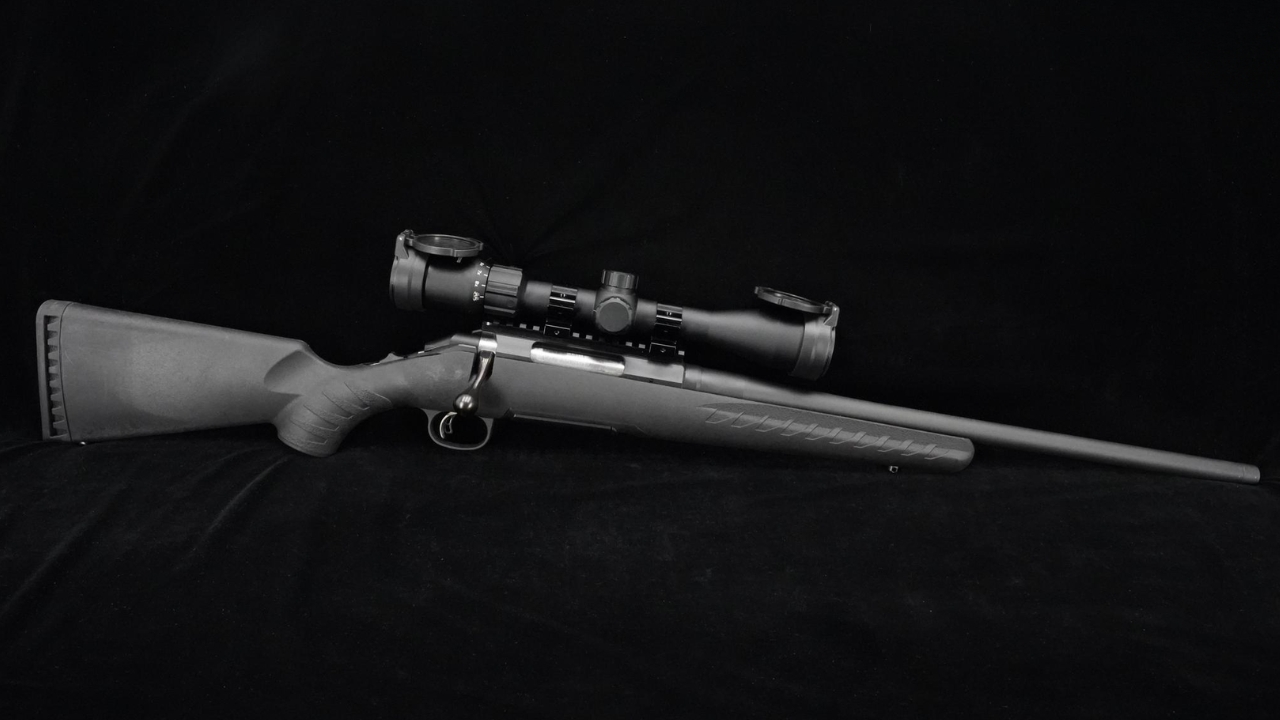
The Ruger American can shoot shockingly well for the money off a bench, especially with a load it likes. The issue shows up when you clamp it into sticks and start applying forward pressure. That factory synthetic stock is known to flex, and flex changes the way the barrel and action behave under recoil.
On sticks, it’s easy to pinch the fore-end or rest it closer to the tip, which can push the fore-end into the barrel channel. That tiny contact point turns into a point-of-impact shift that feels random until you repeat it. Keep your contact closer to the front action area and avoid “loading” the sticks hard. If you want the rifle to stop being sensitive, a stiffer stock or proper bedding work changes the entire experience.
Savage Axis II (factory polymer stock)
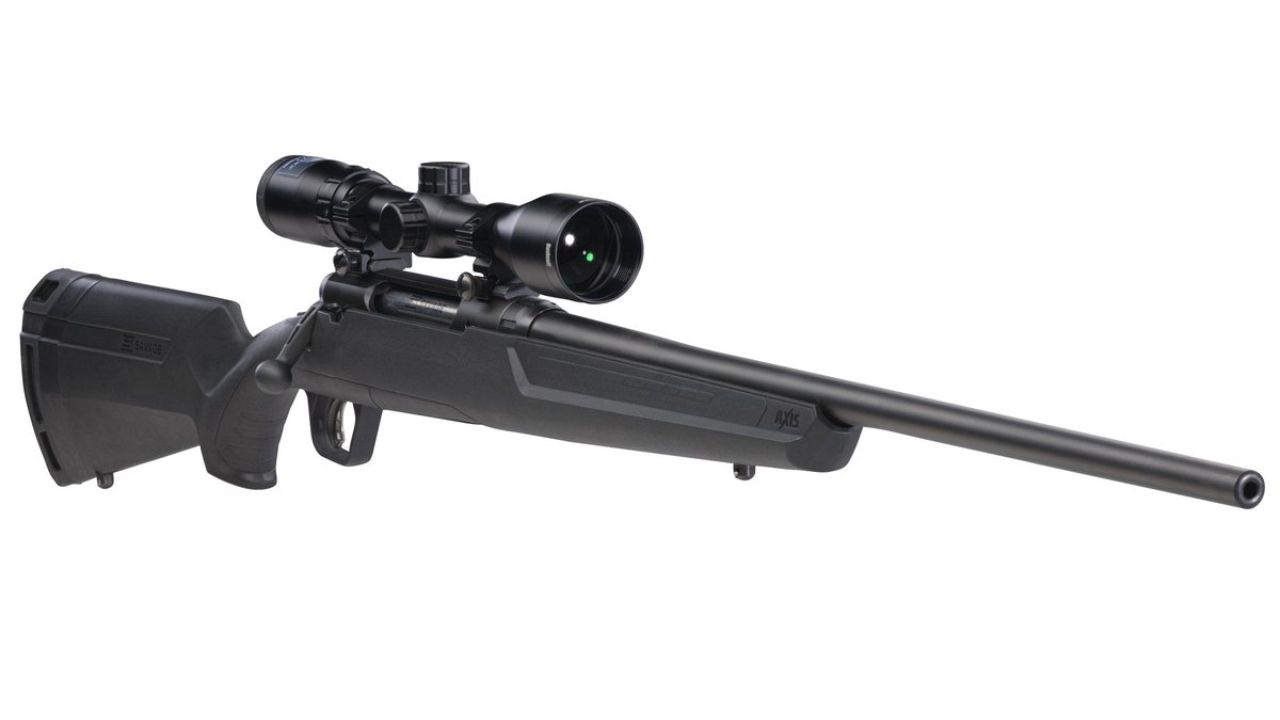
The Axis II has earned a reputation as a budget rifle that can shoot, and it often does—right up until you shoot it the way you hunt. The factory stock can flex enough that where you rest it matters more than it should. A bench bag supports the rifle gently. Sticks tend to create a hard V that you lean into.
When you press into the sticks, the fore-end can twist and put lateral pressure on the barrel channel. That shows up as a group that shifts left or right instead of simply opening up. You’ll also notice it more in field positions where your shoulder pressure isn’t identical shot to shot. Keep the fore-end contact consistent, avoid hard forward load, and consider a stock upgrade if you rely on sticks often.
Remington 700 ADL Synthetic

A basic 700 ADL in a factory injection-mold stock can look like a tack driver on bags. The action design is solid, the aftermarket is endless, and many of these rifles shoot well with common hunting loads. The frustration starts when the fore-end gets squeezed into sticks and the stock starts acting like a tuning fork.
That stock can flex enough to change barrel clearance, especially if the barrel isn’t truly free-floated or if the channel is tight. With sticks, you also tend to grip the fore-end harder, and that changes how the recoil impulse returns to the shoulder. The fix is consistency: same fore-end spot, same pressure, same shoulder load. If you want less sensitivity, a stiffer stock and bedding work make the rifle behave the same on sticks as it does on bags.
Tikka T3x Lite

A T3x Lite has the kind of bench accuracy that makes you trust it fast. The barrel and action are usually excellent, and the rifle feels smooth and predictable. On sticks, though, the light weight and sporter barrel can make the rifle react more to how you hold it and where you rest it.
The Tikka stock is better than many budget stocks, but it can still transmit pressure changes into point-of-impact changes, especially when you “load” sticks and lean forward. The rifle’s light mass also means recoil moves it more, so a tiny difference in shoulder tension or grip shows up on target. Treat it like a field rifle, not a bench rifle: rest closer to the balance point, keep forward pressure minimal, and let the rifle recoil the same way each time.
Winchester XPR
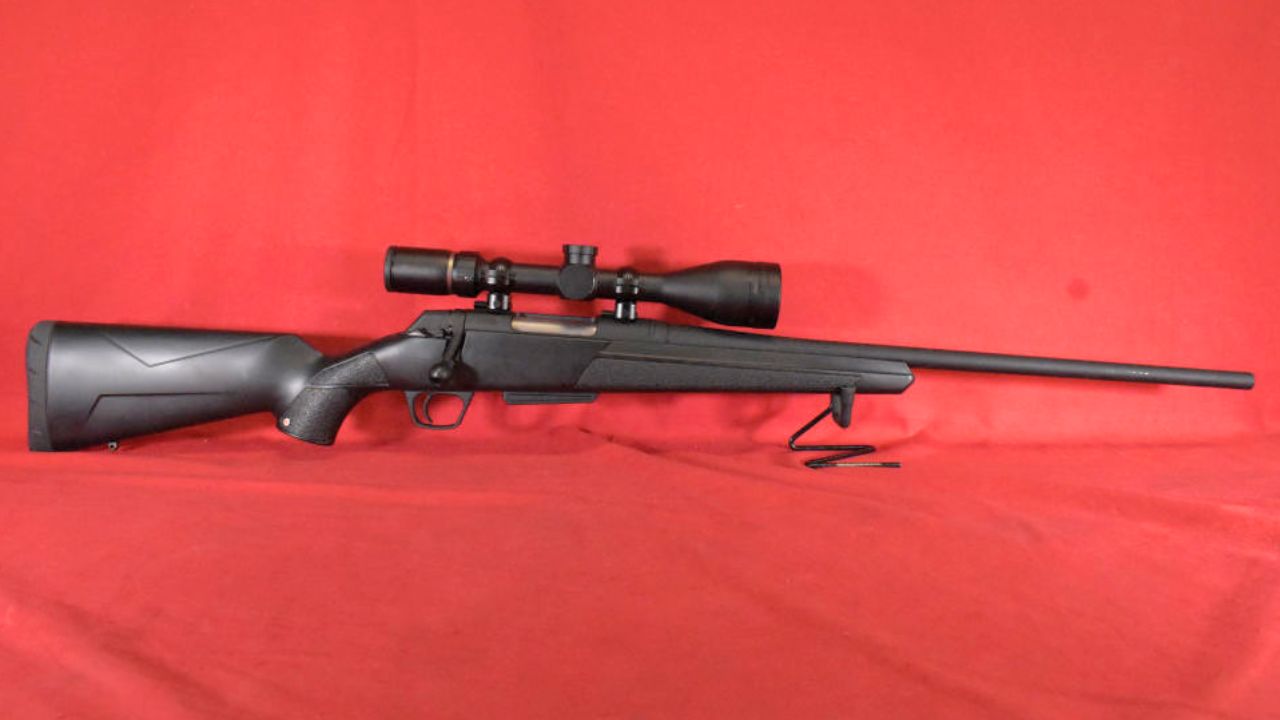
The XPR is another rifle that can impress on paper and then frustrate you on sticks if you don’t watch your support. Bench shooting hides a lot of sins because the rifle settles into the same pocket and the support stays consistent. Sticks introduce side load and fore-end torque that the XPR’s factory stock doesn’t always shrug off.
If you’re resting the rifle out near the tip of the fore-end, you can change barrel clearance under pressure. If you’re clamping down hard with your support hand, you can twist the stock slightly and steer the muzzle during recoil. That’s why the rifle can feel “inconsistent” even when the ammo is good. Keep the fore-end contact closer to the front action screw area and use a light, repeatable grip. The goal is to remove torque, not fight recoil.
Mossberg Patriot

The Patriot is capable of good accuracy, but it’s also a rifle where stock flex and bedding can show up fast in real field support. The action and barrel can do their job, then the stock becomes the variable when you swap bags for sticks. With sticks, you tend to lean in and squeeze, and that’s where things change.
Many Patriots have enough fore-end flexibility that pressure at the tip changes barrel contact or changes the way the action settles. You’ll often see vertical stringing because the rifle is reacting differently shot to shot as your support pressure changes. Keep your stick contact back, avoid “loading” forward, and pay attention to where your hand is. If the rifle behaves on bags but wanders on sticks, the stock and bedding interface is usually where the truth lives.
Howa 1500

The Howa 1500 action is respected for a reason, and plenty of these rifles shoot great groups off the bench. The catch is the standard Hogue OverMolded stock without an aluminum bedding block can be soft and flexible under field support. It feels comfortable, and that comfort can hide how much the fore-end moves.
On sticks, you can flex that fore-end into the barrel with surprisingly little pressure. The result is a shift that looks like the rifle “lost accuracy,” when it’s really responding to contact points changing under load. You’ll notice it most when you rest the rifle far forward or pull it tight into the sticks. A stiffer stock, or the Hogue with a full bedding block, turns the rifle into a different animal. Until then, keep support pressure light and repeatable.
Thompson/Center Compass
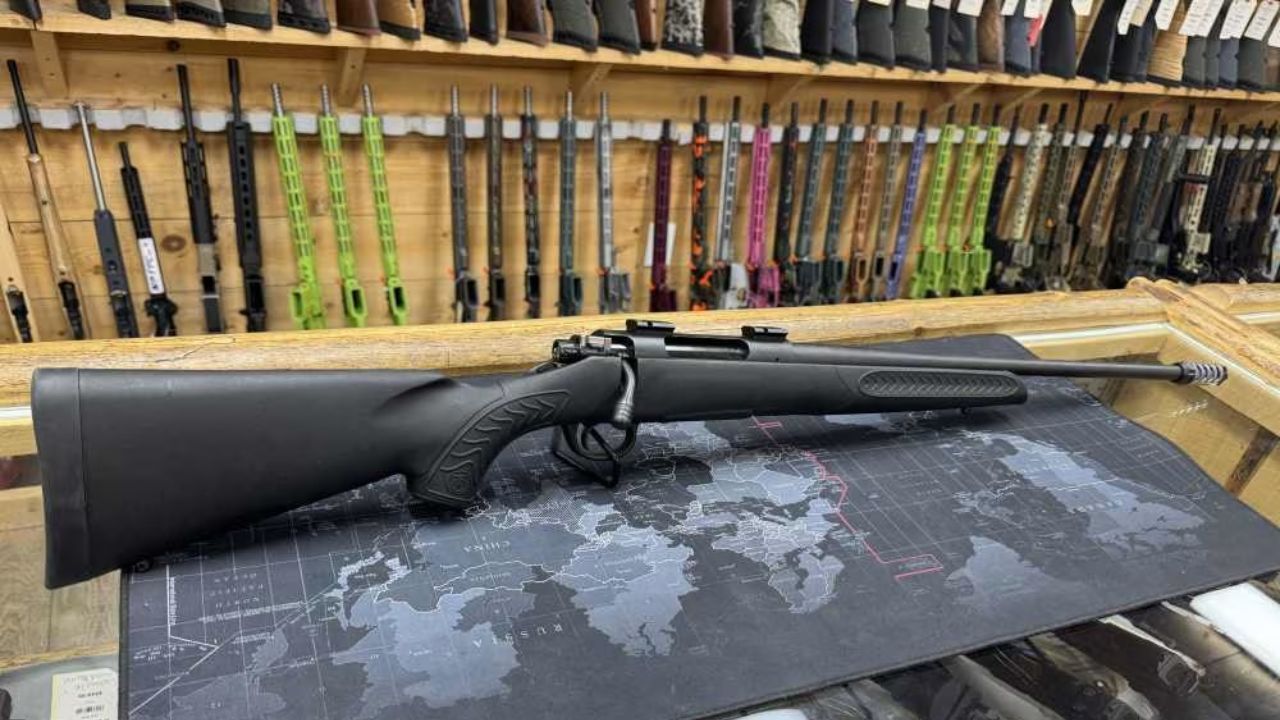
The Compass has put meat in freezers and printed plenty of respectable groups on paper. It’s also one of those rifles where the factory stock can be the weak link when you introduce hard support like sticks. A bench rest gives you a soft interface. Sticks create a hard V that encourages you to press down and forward.
That pressure can flex the fore-end and alter barrel clearance, especially if the barrel channel is tight. You’ll see it as a group that opens up and walks, often vertically, as your support pressure changes. The rifle itself hasn’t suddenly turned bad. Your support method changed the rifle’s geometry under recoil. Rest the rifle closer to the receiver, avoid pulling it down into the sticks, and keep your grip consistent. If you hunt off sticks often, stock stiffness matters more than most people admit.
CVA Cascade

The CVA Cascade is often praised for value and out-of-the-box accuracy, and many of them do shoot well. Where you can get burned is assuming that bench accuracy guarantees field accuracy. Sticks introduce pressure points and leverage that can reveal stock flex and fore-end sensitivity, especially on lighter hunting rifles.
If you clamp the Cascade into sticks and load forward hard, you may see point-of-impact drift that isn’t there on bags. Some of that is you, but a lot of it is the rifle reacting to changed support. The sporter barrel and hunting-weight stock don’t have the same inertia and stiffness as a heavy target setup. Keep the fore-end contact consistent, rest closer to the action, and avoid twisting the rifle into the V. Do that and it usually settles down.
Bergara B-14 Ridge
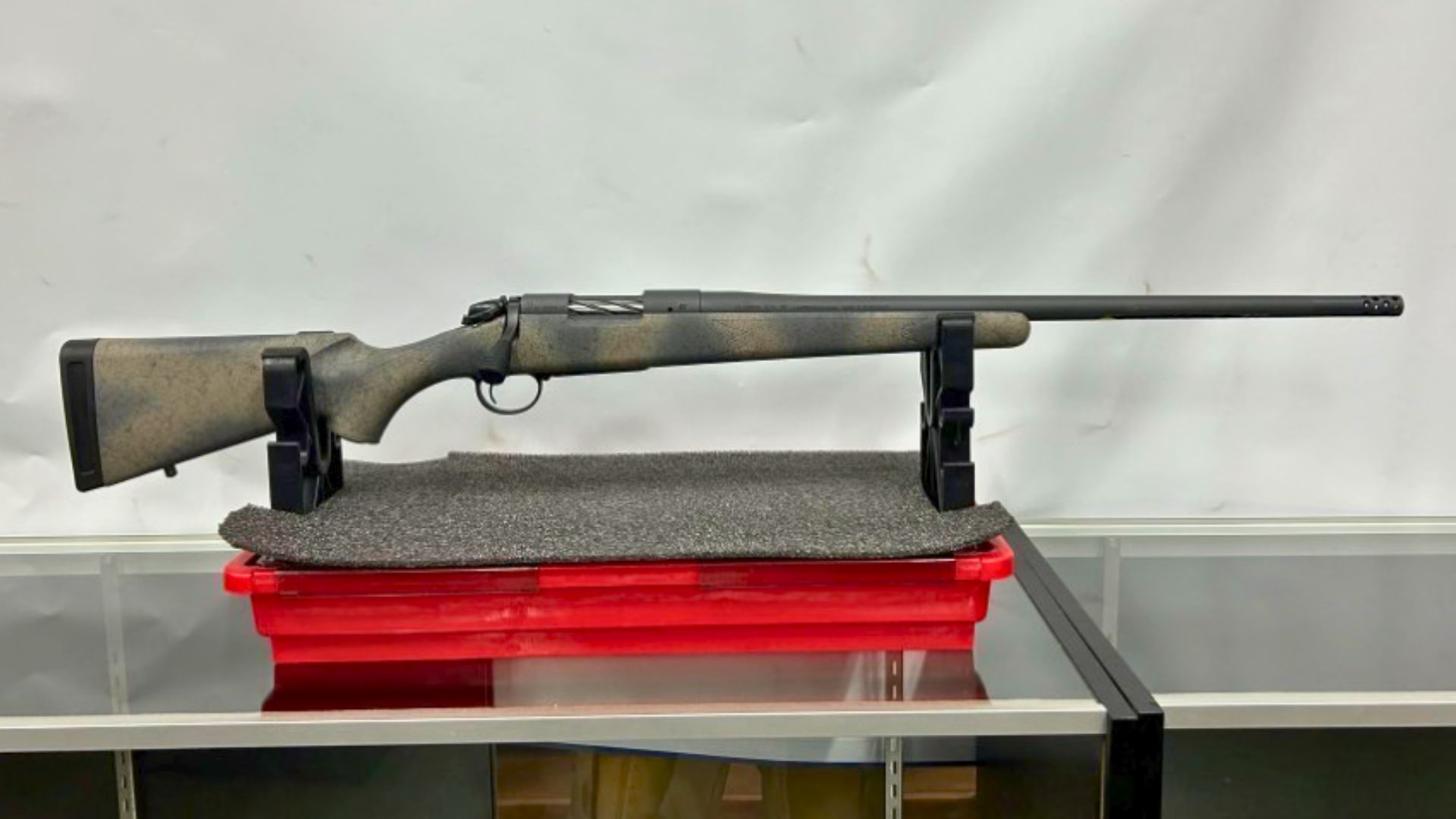
Bergara makes rifles that often shoot extremely well, and the B-14 Ridge can be a confidence builder on the bench. The trick is that a sporter-weight barrel and a hunting stock still behave like hunting gear when you start pushing on them. Sticks add downforce and side load that can change how the rifle returns in recoil.
If you’re used to a bench, you might press into sticks to “steady” the sight picture. That extra load can create vertical stringing because the rifle is recoiling differently shot to shot. It’s not that the Ridge is inaccurate. It’s that it’s sensitive to input like any lighter hunting rifle. Let the rifle settle into the sticks, keep pressure consistent, and focus on straight-back recoil. When you do, the Ridge often shoots like you expected.
Browning X-Bolt Hunter

The X-Bolt Hunter feels refined and often shoots well enough that you stop questioning it. On sticks, though, many hunters notice that their groups don’t match what the bench promised. A big part of that is how light hunting rifles handle recoil when the support isn’t forgiving.
Sticks can make you grip harder and drive the rifle forward, which changes how the recoil impulse lifts the muzzle. You can also create slight side pressure through the fore-end, especially if the V is narrow. That can shift impact without you noticing the input. The fix is technique and consistency: same fore-end spot, same shoulder pressure, same cheek weld. If you keep “loading” sticks like a bipod, you’ll keep chasing point-of-impact movement that feels mysterious but repeats when you film yourself.
Kimber Hunter
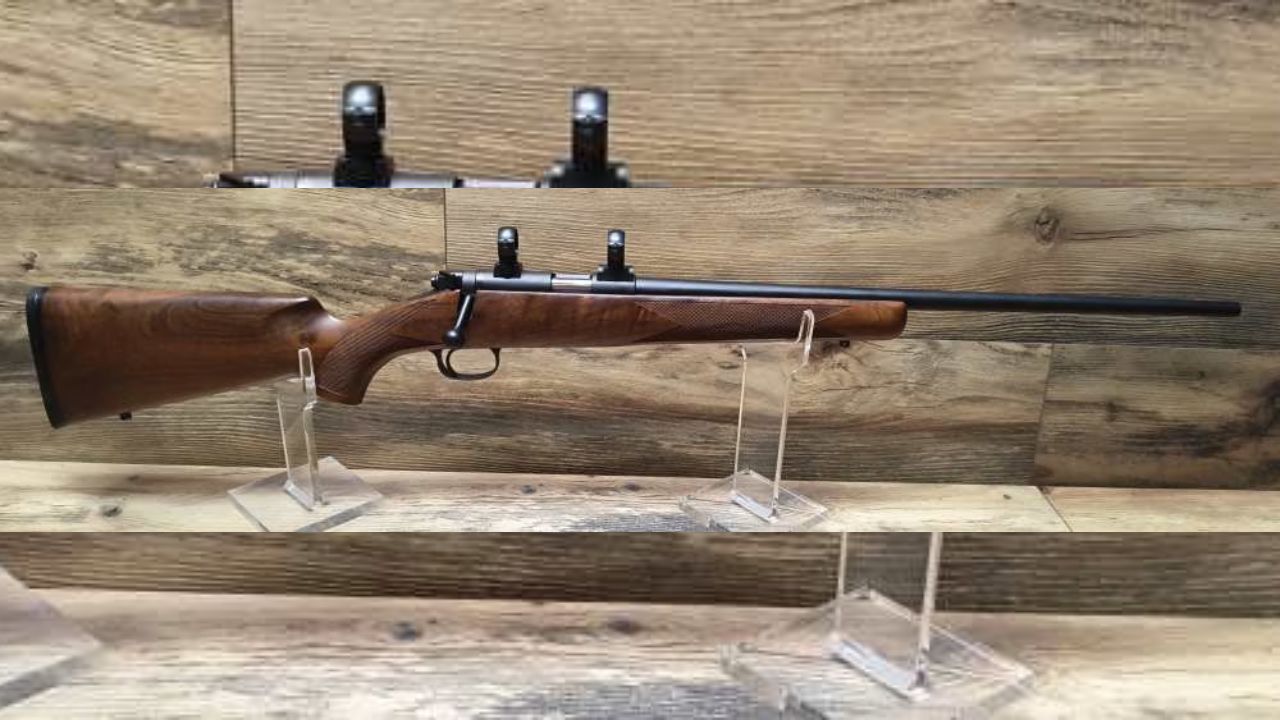
Kimber’s lightweight hunting rifles can feel magical on a carry strap and disappointing on sticks if you treat them like heavier rifles. Many of these guns will shoot fine groups off bags, then feel twitchy and inconsistent in the field because they’re so light that every input matters. Sticks amplify that.
When a rifle weighs very little, your grip pressure, shoulder pressure, and stick pressure all steer the recoil path. A tiny change in how you “clamp” the rifle into the V shows up as a different muzzle return. You can also see bigger shifts if the fore-end is pressured inconsistently. The cure is deliberate technique: light support pressure, consistent contact point, and a recoil impulse that comes straight back. With a Kimber, steadiness comes from repeatability, not muscling the rifle into place.
Ruger Hawkeye

A Hawkeye in a classic wood stock can shoot wonderfully, but wood stocks add their own personality when you change support styles. Wood moves with humidity and temperature, and even a good inletting job can shift contact points over time. On a bench, you may never notice. On sticks, pressure changes expose it fast.
If the barrel isn’t fully free-floated or if the fore-end applies pressure differently when you rest it in the V, you can get point-of-impact shifts that feel like the rifle “went off.” It often shows up as vertical stringing or a group that moves when you change where the sticks contact the fore-end. Keep stick contact consistent, avoid heavy downforce, and pay attention to seasonal changes. A rifle that’s stable in October can behave differently in a damp November.
Marlin 336

A Marlin 336 can shoot great for what it is, but lever guns with barrel bands and a magazine tube can be sensitive to how you support them. On a bench, the rifle rests the same way and the harmonics are consistent. On sticks, resting on the magazine tube or near the barrel band can change vibration and shift impact.
If you rest too far forward, you can also put pressure on parts of the rifle that don’t love it, especially with barrel-band setups. That’s when a 2-inch bench group turns into a wandering group that makes you doubt your zero. The fix is easy once you respect it: rest the 336 closer to the receiver and avoid using the magazine tube as a support point. Lever guns like consistent, gentle support. Sticks can be consistent, but only if you’re intentional.
Winchester Model 94

A Model 94 feels steady in the hands, and many shooters are surprised when their point of impact shifts off sticks. Like other classic lever guns, the barrel and magazine tube relationship can be sensitive to pressure. Resting far forward in a stick V can change how the rifle vibrates during the shot.
You also see this when the fore-end wood is pressured differently shot to shot. Bench shooting tends to be gentle and repeatable. Sticks encourage you to pinch and pull the rifle into the V, and that changes the whole system. The Model 94 doesn’t need a heavy “load” into support to be accurate enough for its job. It needs the same contact point every time and a relaxed, straight recoil path. Support it near the receiver and keep your hands doing the same job every shot.
AR-15 with standard plastic handguards (non-free-float), like a Colt LE6920

A basic AR with standard handguards can be very accurate off bags, then shift when you shoot off sticks because the handguard and barrel aren’t isolated the way a free-float setup is. When you rest the handguard in the V and press into it, you can introduce pressure that influences the barrel through the front cap, handguard tension, or sling attachment points.
That doesn’t mean the rifle is bad. It means the support method is now part of the barrel system. With sticks, you may see point-of-impact movement that changes depending on where the V sits on the handguard. The practical answer is consistency and placement: keep the stick contact in the same spot and avoid heavy forward load. If you want the problem gone, a quality free-float handguard changes the game because it removes support pressure from the barrel’s behavior.
Remington Model Seven

The Model Seven is a handy, mountain-friendly rifle that carries like a dream. That light, compact setup can also make it feel less stable off sticks if you’re expecting bench-like behavior. With lighter rifles, the recoil impulse is more noticeable and more sensitive to how you anchor the rifle into your body and into the support.
If you pinch the fore-end hard or press into sticks differently shot to shot, you’ll see it on paper. You can also get point-of-impact changes if the fore-end is close to the barrel and flexes under pressure. The Model Seven doesn’t forgive sloppy stick technique the way a heavier rifle might. Treat it like a field tool: rest closer to the action, keep pressure light, and focus on consistent shoulder load. When you do that, the rifle usually goes right back to “accurate.”
Savage 110 Lightweight Storm

The 110 Lightweight Storm often shoots well, but its light overall package means stick pressure can change results more than you expect. A rifle that’s easy to carry can be easier to influence, especially when you start pushing into support to steady the reticle. That’s when groups open up and you start blaming the rifle.
What’s happening is usually a combination of recoil management and support consistency. If the rifle is recoiling differently each shot because your shoulder pressure or stick load changes, your impact shifts even if the barrel and action are fine. Keep the support point consistent, avoid twisting the fore-end in the V, and let the rifle recoil straight back. The Storm will usually reward that approach. Treat sticks like a bench rest and force the rifle into them, and you’ll keep seeing “accuracy” disappear in the field.
Like The Avid Outdoorsman’s content? Subscribe to our newsletter so you never miss an article.
Here’s more from us: