Photo credit: Lucky Gunner Ammo/YouTube
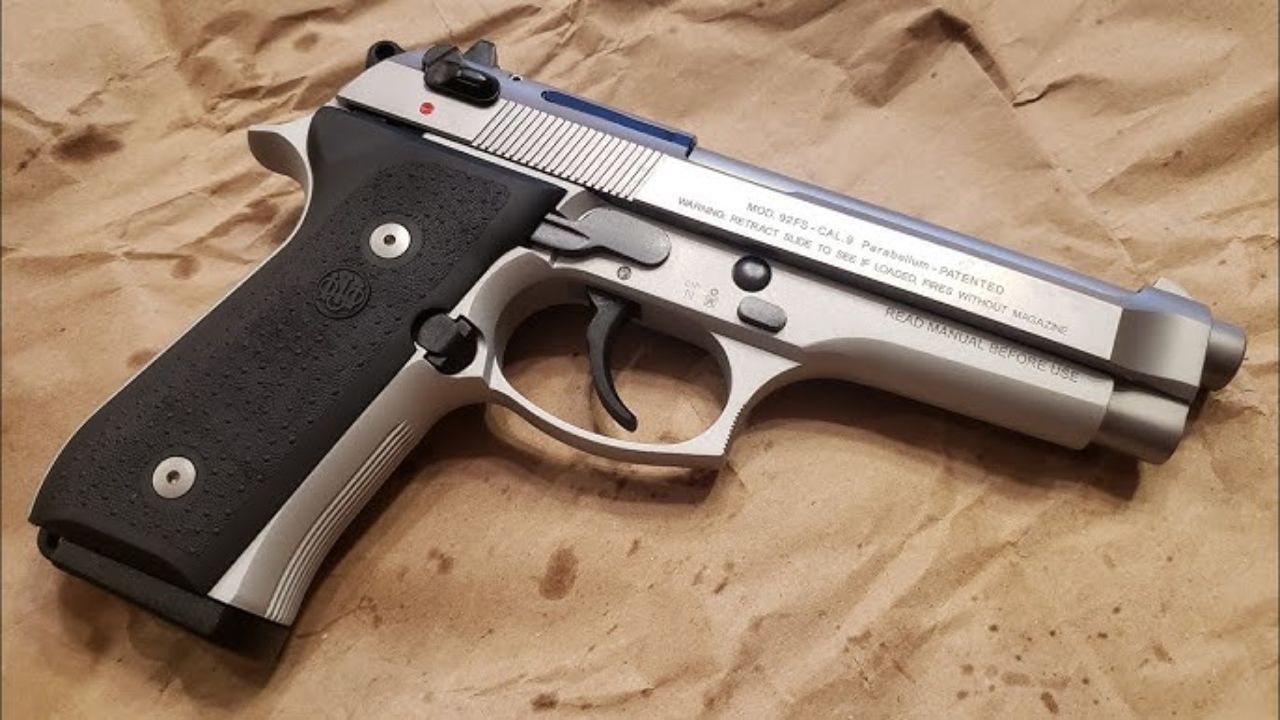
The Beretta 92FS is one of those pistols almost everybody recognizes, even if they do not know the full story behind it. A lot of shooters connect it to the U.S. military first, others think of action movies from the 1980s and 1990s, and plenty just know it as that big all-metal 9 mm with the open slide. What often gets missed is how much design history, evolution, and real-world service are packed into the 92FS name. Beretta still describes the 90 Series as using its open-slide, short-recoil locking-block system for reliability and fast cycling, while American Rifleman notes that the 92 family grew out of earlier Beretta designs before becoming one of the most widely recognized service-pistol lines in the world.
That is part of why the 92FS matters so much. It was not just a good-looking pistol that happened to land a big contract. It was a carefully evolved design that kept getting refined as Beretta chased police, military, and commercial success. The “FS” version in particular reflects one of the most important design changes in the entire line, and the overlap between the civilian 92FS and the military M9 still confuses a lot of shooters today.
1. The 92FS was not the original Beretta 92

A lot of people talk about the 92FS like it was the starting point, but the 92 family had already gone through several stages before the FS version showed up. American Rifleman notes that Beretta introduced the original Model 92 in 1976 with a frame-mounted safety and 15-round magazine, and later variants like the 92S and 92SB changed major features along the way.
That matters because the 92FS is really the product of years of refinement, not some first draft that got everything right on day one. If you understand the older 92, 92S, and 92SB models, the FS makes a lot more sense as the endpoint of a long evolution rather than just the gun that happened to become famous.
2. The original safety was on the frame, not the slide

One of the easiest ways to forget how much the 92 changed is the location of the safety. American Rifleman says the original Model 92 had a frame-mounted safety, while the safety was moved to the slide in 1979 on the 92S to satisfy law-enforcement preferences for a decocking-style arrangement.
That is a big design shift, and it shaped the pistol’s identity from then on. Modern shooters usually associate the Beretta 92 family with a slide-mounted safety/decocker, but that was not how the gun started. Once you know that, you realize the early pistol and the 92FS are more different than they first appear.
3. The 92FS and the M9 are close cousins, not perfectly identical twins

People often use “M9” and “92FS” interchangeably, and they are very closely related, but they are not always treated as perfectly identical in every detail and every era. American Rifleman describes the 92FS as the civilian version of the M9 service pistol, which is the simplest useful way to think about it.
That said, the military adoption story and the commercial naming story are not exactly the same thing. The military pistol was adopted as the M9 in 1985, while the 92FS is the commercial name most civilian shooters know. In practice, the overlap is huge, but the names come from different contexts.
4. The open-slide design is one of its biggest signatures

The 92FS is famous for its open-top slide, and that is not just a styling quirk. Beretta says the open-slide design helps practically eliminate stovepipes and supports reliable feeding and cycling over very high round counts. American Rifleman also points to the open slide as one of the features inherited from earlier Beretta pistols.
That is a huge part of why the 92FS feels so distinct. Even among famous service pistols, it looks different and cycles differently enough that most shooters notice it right away. The design became one of the Beretta family’s strongest visual and functional calling cards.
5. It uses a locking block, not the barrel tilt most shooters expect

A lot of modern 9 mm pistols use a tilting-barrel system, but the 92FS does not. Beretta says the 90 Series uses a short-recoil delayed locking-block system, and American Rifleman ties that feature back to the Beretta M1951 lineage.
That is one reason the pistol has always had its own feel in recoil and cycling. It is also part of why the 92FS stands apart from the sea of striker-fired and Browning-style locked-breech pistols that dominate the market now. The gun is familiar, but mechanically it still does things its own way.
6. The “F” in 92F was tied to U.S. federal testing

Before the 92FS, there was the 92F, and that “F” was not random. The Beretta 92 history notes that the 92SB-F was developed for U.S. Government federal testing, with the “F” standing for “Federale,” or “Federal,” in Italian.
That is a cool little detail because it shows how closely the gun’s later development was tied to chasing big U.S. contracts. The 92FS did not emerge in a vacuum. It came out of a serious effort to win acceptance in one of the most important pistol competitions of its time.
7. The 92FS exists partly because of a major slide-safety change
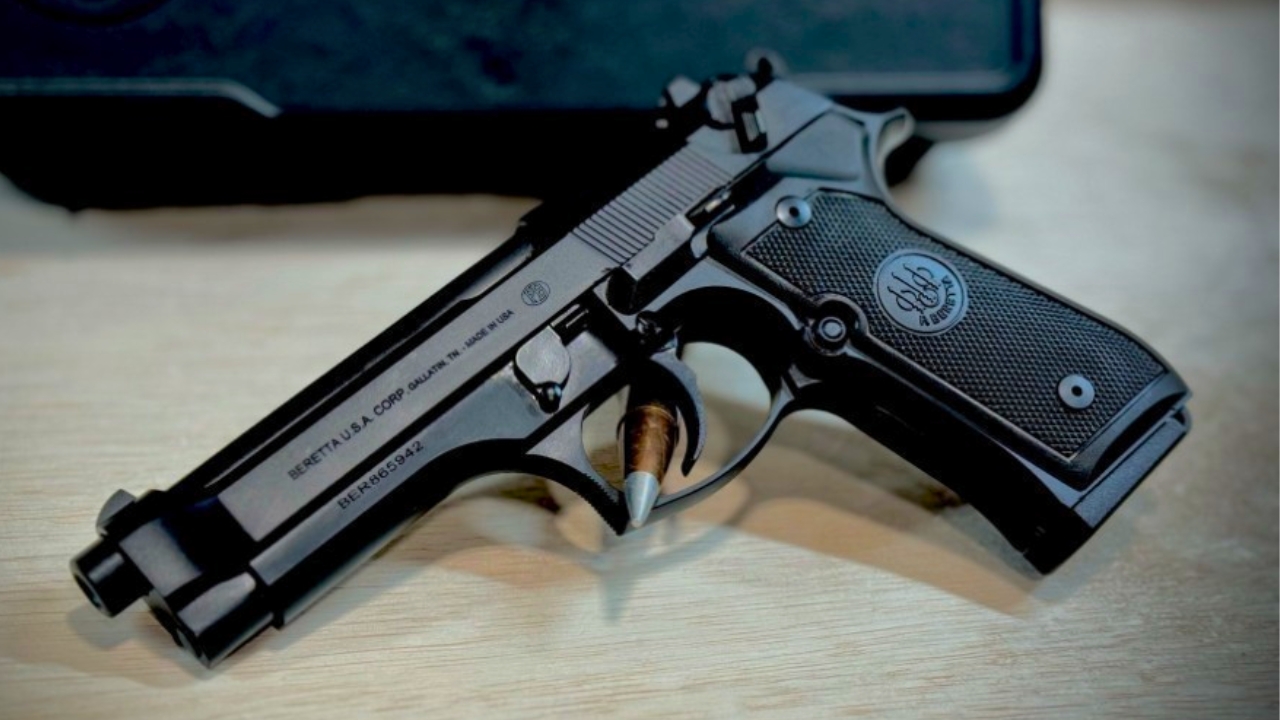
The shift from 92F to 92FS was one of the biggest moments in the line’s history. The Beretta 92 history explains that the 92FS added an enlarged hammer pin that engages a groove in the slide, helping stop the slide from flying off the frame to the rear if it cracks. American Rifleman and later historical summaries connect that change to the slide-separation controversy that arose during U.S. military testing.
That means the “FS” is not just a minor suffix. It reflects one of the most important safety-related upgrades the line ever received. A lot of shooters know the name 92FS without realizing the letters are tied directly to a specific design fix that became central to the pistol’s later reputation.
8. The slide-separation story is more complicated than people think

A lot of people have heard some version of “the Beretta slides were breaking,” but the actual story is more nuanced. The Beretta 92 history says Beretta’s investigation found the affected slides had been manufactured to spec, and later analysis tied the failures to extremely overcharged ammunition beyond NATO specifications. A Marine Corps historical piece says Beretta won its resulting defamation case and that the hammer-pin/slide-retention fix was added afterward.
That does not mean the issue was imaginary. It means the simplified gun-counter version leaves out a lot of context. The design change that created the 92FS became part of the solution, and that is why the FS label still matters historically.
9. The 92FS had to meet a serious accuracy standard before adoption
The 92 family’s military success was not just about magazine capacity and NATO politics. American Rifleman says that before adoption, the pistol had to show both strong reliability and the ability to print 3-inch groups at 50 meters.
That is worth remembering because people sometimes talk about the 92FS like it only won because it was a “wondernine” at the right moment. In reality, it also had to shoot well enough to satisfy a demanding service standard. That accuracy requirement is one reason the pistol earned respect even from people who preferred other platforms.
10. It still carries a 15-round legacy even though later mags got bigger

The original Beretta 92 line is strongly tied to its 15-round magazine, which was a major selling point in its era. American Rifleman’s M9 history specifically calls out the 15-round capacity of the early military-relevant 92 pattern.
That may not sound shocking now, but in the context of late-1970s and mid-1980s service-pistol competition, that was a serious advantage. The 92FS helped cement the high-capacity 9 mm service-pistol era in a way younger shooters can easily take for granted.
11. The squared trigger guard came from a very specific era of pistol thinking

The 92F/92FS family’s squared trigger guard is one of those features so familiar that people stop wondering why it is there. The Beretta 92 history says Beretta squared off the trigger guard during the 92SB-F changes, partly as part of the federal-test-era design package.
That detail instantly dates the pistol to a particular period in handgun design, when squared guards were common on serious service pistols and often treated like an upgrade. Today it feels like a style marker from another era, but on the 92FS it is part of the gun’s full-duty-pistol identity.
12. The 92FS is still one of the most recognizable DA/SA pistols ever made

The 92FS lives in a part of the market that has gotten less crowded over time. It is a large, metal-framed, double-action/single-action pistol with a slide-mounted decocker/safety in a world increasingly dominated by polymer striker guns. Beretta still presents the 90 Series as a flagship pistol family, which says a lot about how much recognition and demand remain.
That is part of what keeps the 92FS interesting today. It is not just historically important. It still represents a whole style of service pistol that many shooters learned on, trusted, or still prefer. Even people who have moved on to newer guns usually know exactly what the 92FS is.
13. It grew out of older Beretta designs, not a blank page

The 92FS feels iconic enough that it is easy to treat it like a completely original creation, but American Rifleman says its design drew heavily from earlier Beretta pistols, especially the M1923 and M1951. The open slide came from the older Beretta line, while the alloy frame and locking-block concept came from the M1951 branch.
That is a useful reminder that big handgun designs usually evolve instead of appearing fully formed. The 92FS became famous in its own right, but it also represents Beretta refining decades of previous engineering into one highly successful service pistol.
14. The guns are still made in Italy
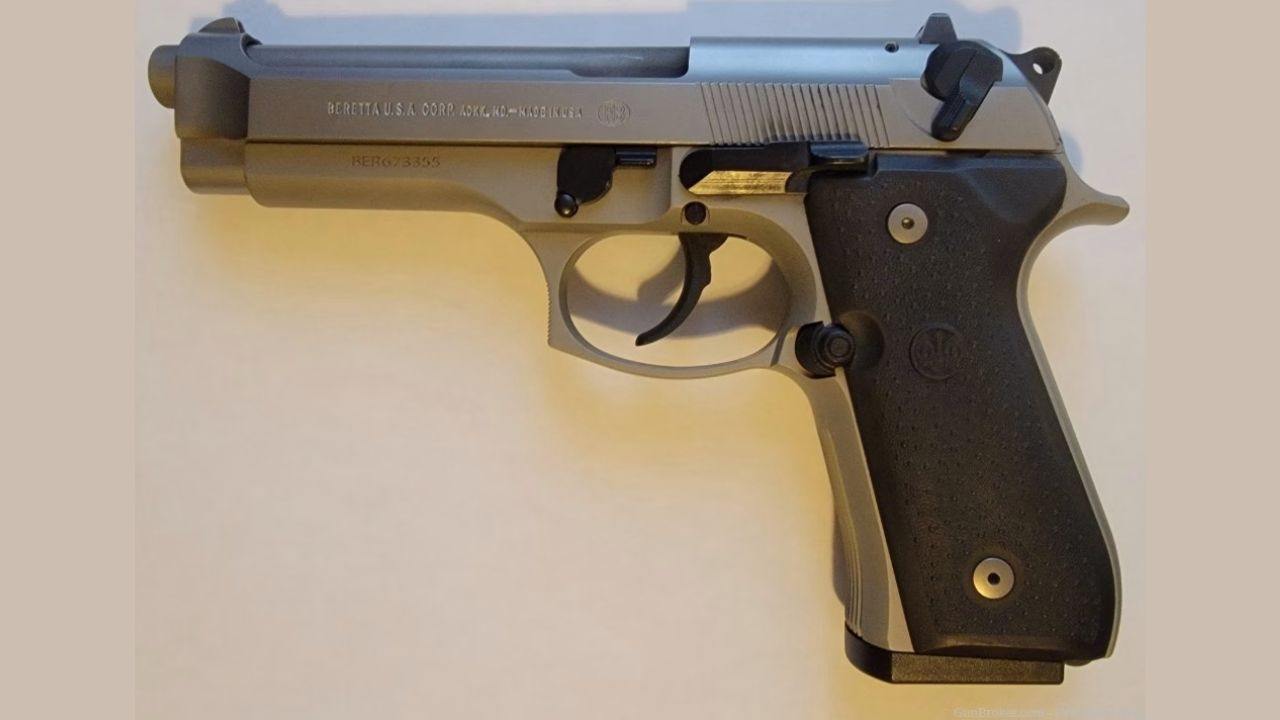
For a lot of shooters, especially in the U.S., the Beretta 92FS feels so tied to American military service that they forget its roots are still deeply Italian. American Rifleman’s 2021 92FS feature notes that the civilian guns are made in Italy.
That matters because it keeps the pistol connected to Beretta’s much older identity as a European gunmaker, even while the M9/92FS story became deeply American too. It is one of the reasons the gun has always felt like a blend of Old World gunmaking and modern service-pistol practicality.
15. Its biggest legacy is probably larger than the gun itself
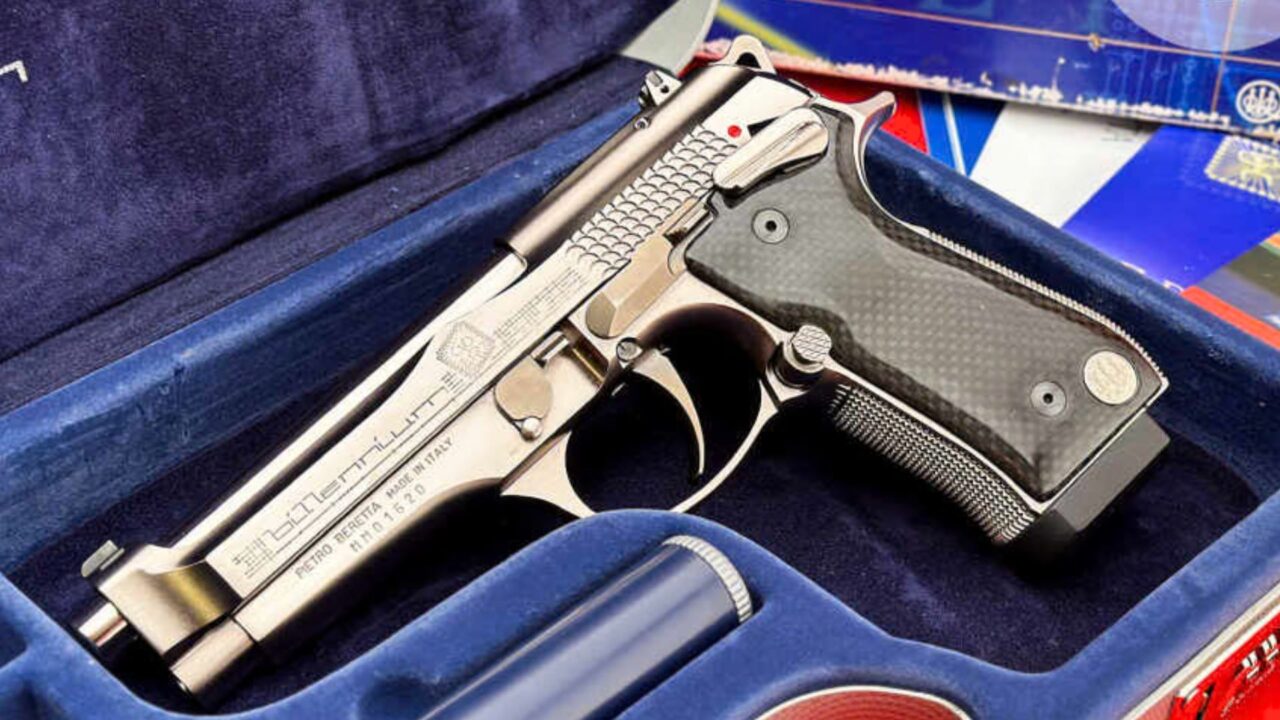
The 92FS is not just an individual pistol with a famous name. It became the image of the 1980s-and-1990s service handgun for a huge number of shooters, service members, and moviegoers. Beretta’s 90 Series still leans on that identity today, and American Rifleman’s history of the M9/92FS makes clear just how central the platform became to U.S. pistol culture after adoption.
That may be the most interesting thing about the 92FS. Plenty of pistols have been good. Fewer become shorthand for an entire era. The Beretta 92FS managed to do that while also staying mechanically distinctive and historically important enough that people are still talking about it decades later.
Like The Avid Outdoorsman’s content? Be sure to follow us.
Here’s more from us: