Photo credit: Christina & Peter/Pexels.com
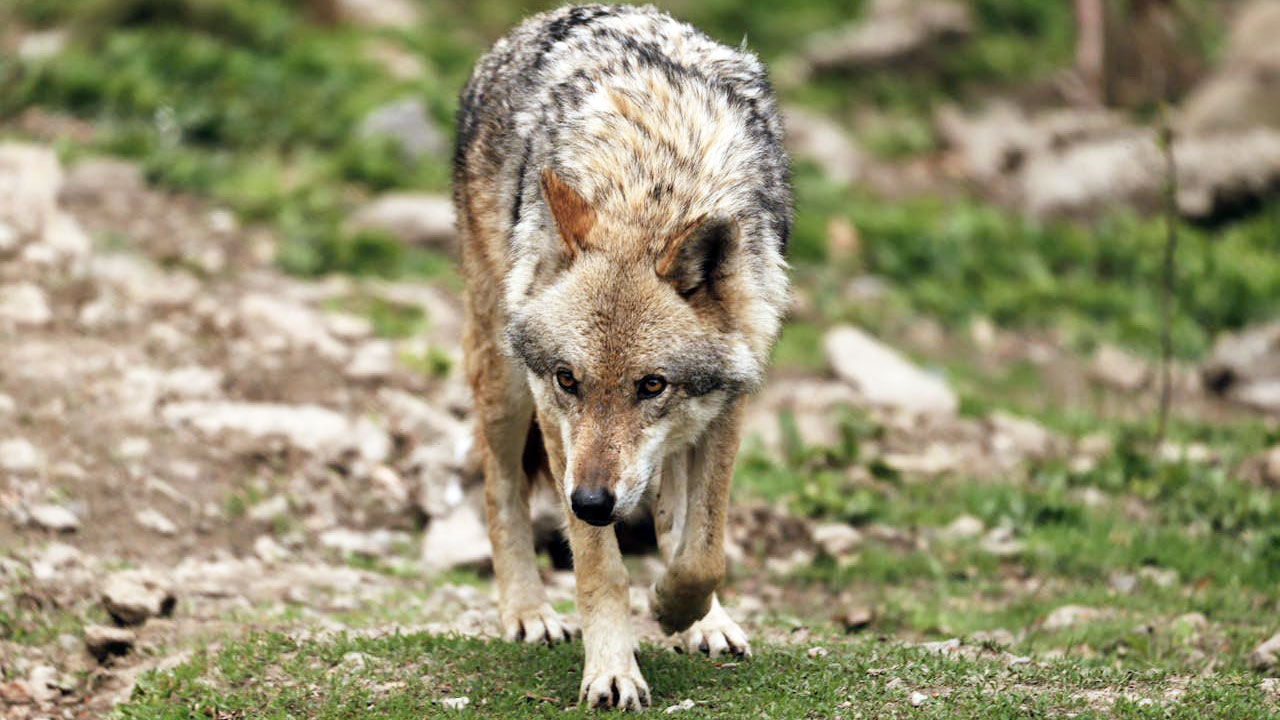
Any time wolves come up around deer camp, the conversation usually gets loud fast. Some hunters talk like wolves are the whole story. Other people act like they barely matter at all. The truth is messier than that. Wolf impacts depend on the state, the deer herd, winter severity, habitat, other predators, and whether you are talking about actual deer numbers or just the day-to-day hunting experience. Federal and state agencies all make that pretty clear in different ways. Wolves are under state jurisdiction in Idaho, Montana, and Wyoming, remain threatened in Minnesota, and are established or recolonizing in places like Washington, Oregon, California, and Colorado.
So this list is not “15 states where wolves are definitely wrecking deer hunting everywhere.” It is 15 states where wolf presence is most relevant to deer hunters right now, either because wolf numbers are established, wolf range overlaps deer country, or agencies are actively managing around prey impacts. In some of these states, wolves are a bigger issue for elk or moose than deer. In others, wolves may affect hunter experience and deer behavior more than statewide deer totals. That distinction matters, and I’m going to keep it honest.
Minnesota
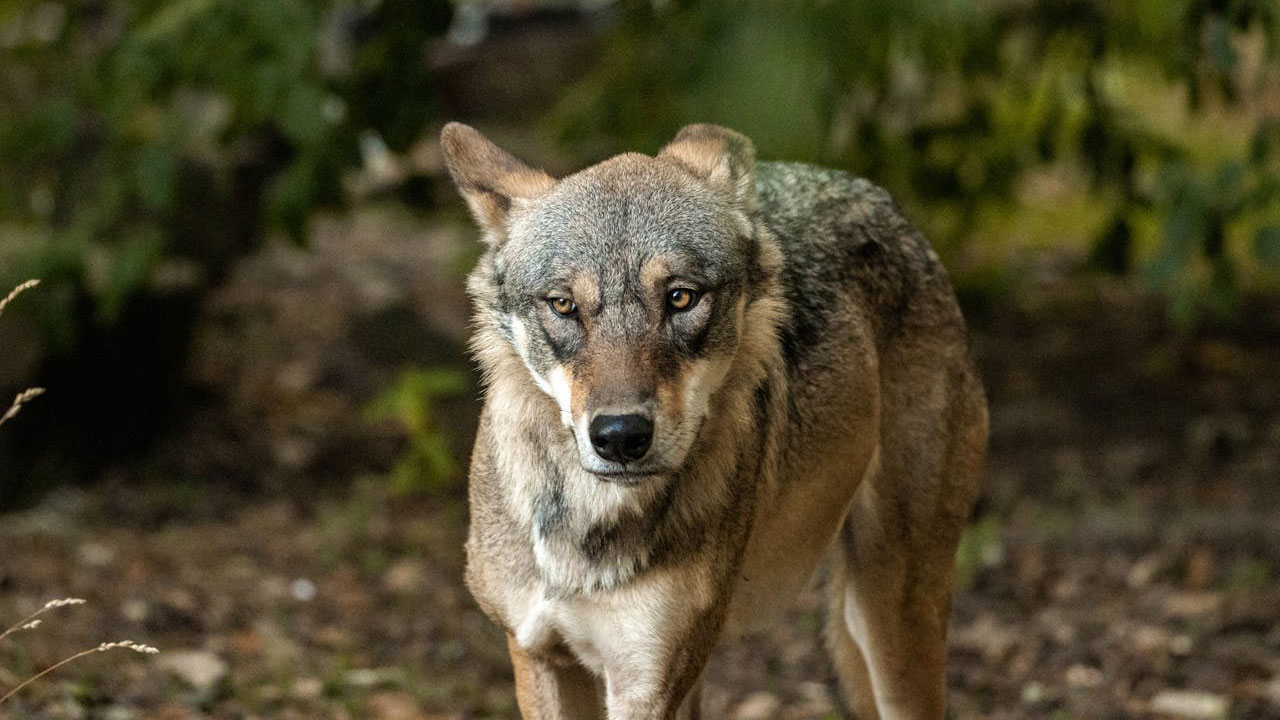
Minnesota is the first state that belongs in this conversation because wolves are deeply established there and deer hunters in wolf range have been dealing with them for a long time. Minnesota DNR says wolf range covers all or parts of 31 counties in central and northern Minnesota, and it also says wolves are a primary cause of natural deer mortality in that range.
At the same time, Minnesota DNR also says research and experience strongly suggest wolves do not suppress deer numbers at the population level across the broader wolf range. Severe winters, habitat, and harvest strategy matter a lot too. That is exactly why Minnesota stays near the top of a list like this: wolves clearly matter there, especially locally, but the agency’s own position is that they are not the only driver and not the clean statewide explanation some hunters want.
Wisconsin
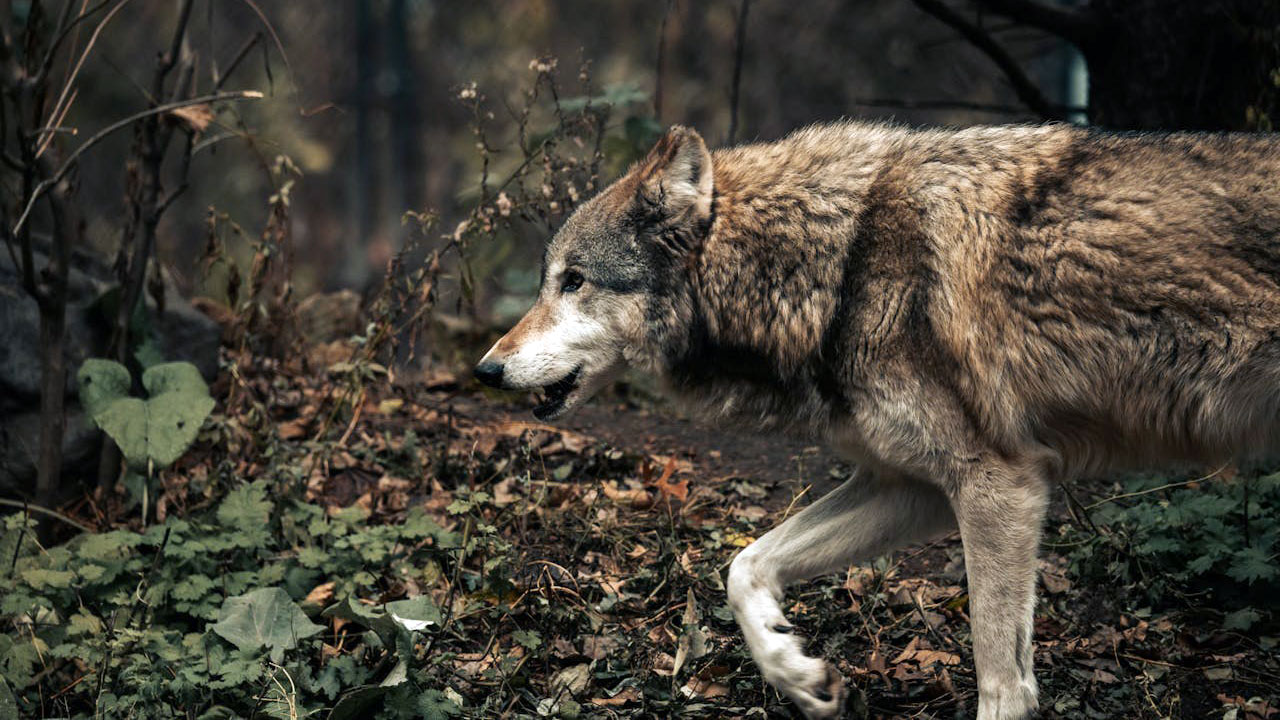
Wisconsin belongs high on the list because it has an established wolf population and a lot of northern deer hunters who feel wolf presence directly. Wisconsin DNR says the state’s wolf population remains healthy and secure, and its wolf page specifically notes that wolves tend to target vulnerable deer, which reduces long-term impacts on deer population dynamics.
That is the biological side. The hunting side is a little different. Even when wolves are not driving statewide deer declines, they can still make deer harder to pattern and make hunters feel the woods changed. That is one reason Wisconsin keeps surfacing in this debate every fall. It is not just about how many deer exist. It is also about how deer behave and how confidence changes in wolf country. Wisconsin DNR’s own framing is more restrained than camp talk, but deer hunters there absolutely have reason to keep wolves on their radar.
Michigan
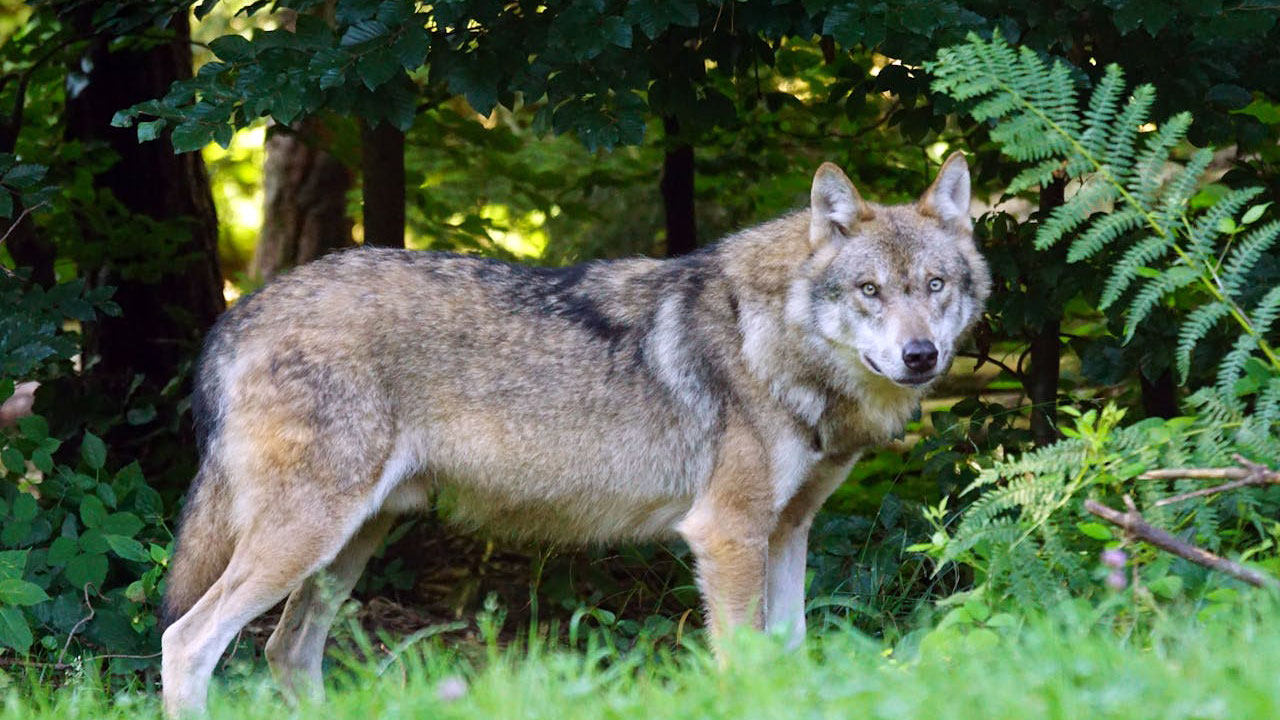
Michigan’s Upper Peninsula is another place where wolves matter enough to stay near the top, but not in the simple cartoon version people sometimes want. Michigan DNR’s 2024 winter survey estimated a minimum of 762 wolves in the Upper Peninsula, so this is not a fringe issue or a one-pack novelty situation.
Still, Michigan’s own deer-limiting-factors materials say U.P. deer trends are not primarily driven by wolves or wolf predation alone. The department says winter weather has had a greater impact on deer numbers than wolves, and it lists wolf predation as one factor among several, including habitat, other predators, harvest regulations, and timber changes. So Michigan is absolutely a wolf state for deer hunters, but it is also a state where the honest answer is more complicated than “wolves did it.”
Idaho

Idaho is one of the clearest western examples of wolves affecting big-game management, even if elk usually sit at the center of that conversation more than deer. Idaho Fish and Game’s 2023–2028 wolf plan says wolf impacts on ungulate populations are complex, but it also states that elk are the primary prey of wolves in Idaho and that wolf predation is a primary factor preventing recovery in several elk zones below objective.
That matters for deer hunters too because once a state is actively doing wolf management tied to ungulate recovery, wolves are obviously part of the broader hunting equation. Idaho Fish and Game even completed targeted wolf removals in the Panhandle in February 2026 to support elk recovery in Unit 4. That does not automatically mean wolves are crushing deer across Idaho, but it does mean wolf presence is taken seriously enough by the agency to trigger active predator management in hunted country.
Montana
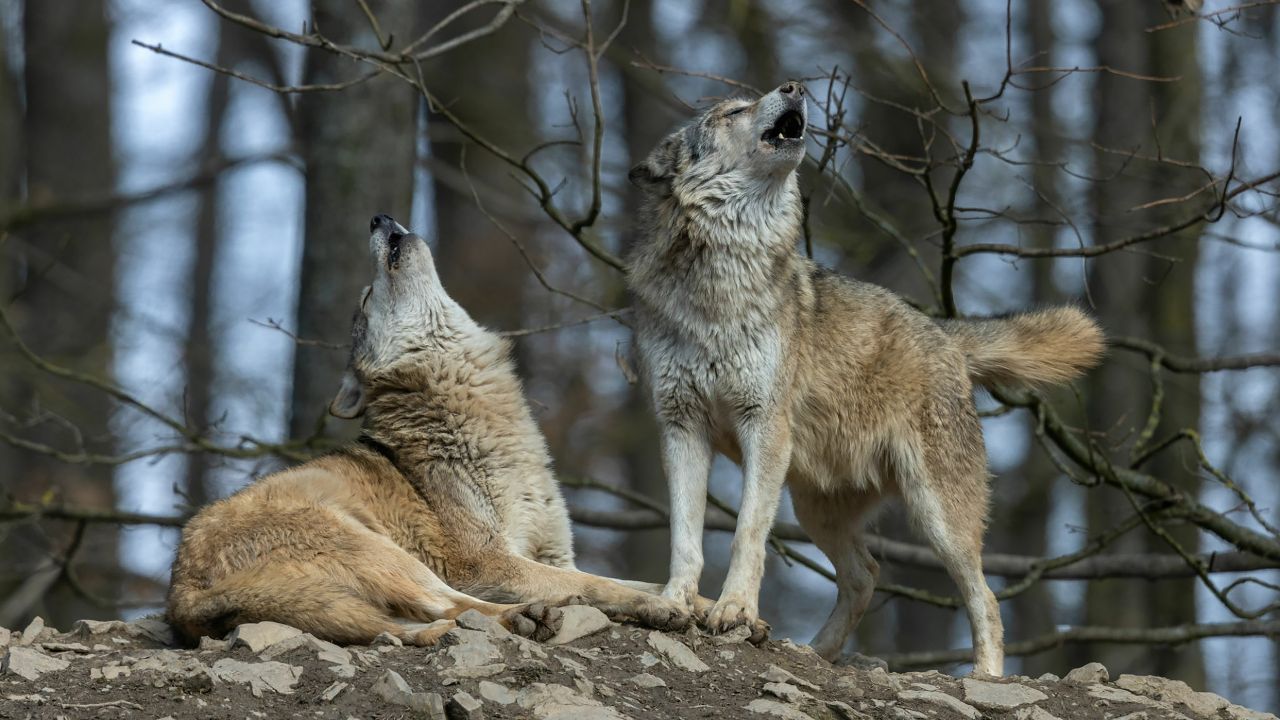
Montana absolutely belongs on this list because wolves are well established and because Montana Fish, Wildlife & Parks openly discusses prey impacts in its management documents. The state’s 2025 wolf plan says established wolf populations can lead to changes in ungulate distribution and structure and notes that antlerless hunting opportunity is often reduced in areas with established wolves.
At the same time, Montana’s plan also says wolf impacts vary a lot by species and situation, and gives examples where impacts can be minimal, including low adult female mule deer mortality in one northwestern Montana study area. That is why Montana is such a good example of the bigger truth here: in some places wolves really can change hunting opportunity and how managers set seasons, but those effects are not uniform across all deer country.
Wyoming
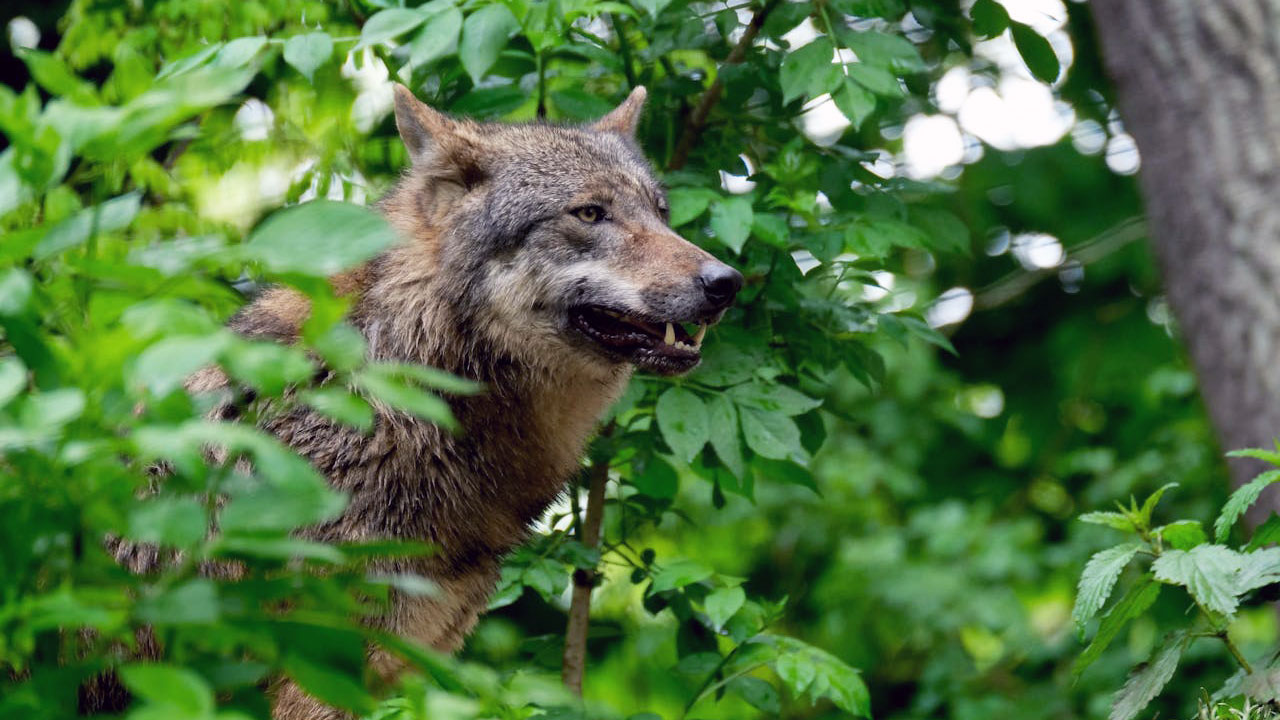
Wyoming is another state where wolves are firmly part of big-game management, even though the conversation there is often more elk-centered than deer-centered. Wyoming Game and Fish says its management objective is to maintain a recovered wolf population while minimizing conflicts and maintaining wild ungulate herds.
What makes Wyoming relevant for this article is not that every deer unit is in trouble because of wolves. It is that the state treats wolves as a management issue serious enough to monitor around ungulate herds, and it specifically tracks “unacceptable impacts” to ungulates and elk feedgrounds. For deer hunters in Wyoming wolf country, that means wolves are part of the landscape and part of how game managers think, even if the degree of impact changes a lot by herd and location.
Washington
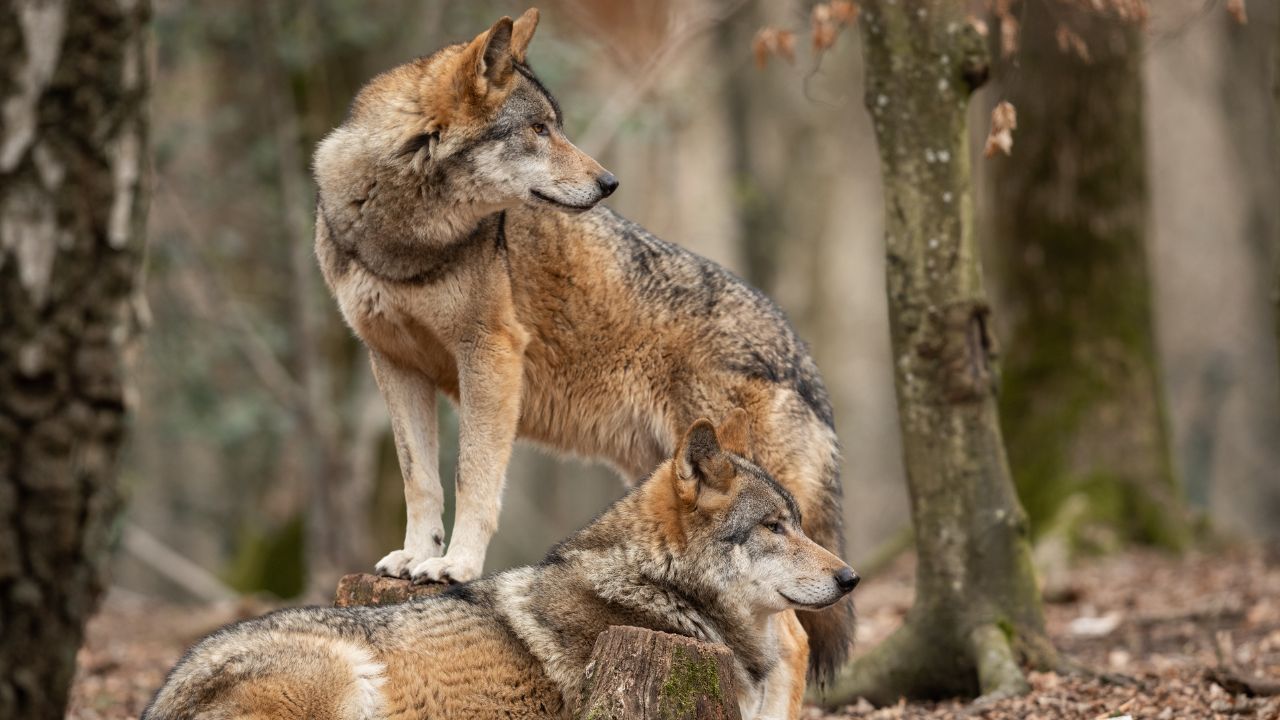
Washington deserves a spot because it now has an established wolf population and regular annual counts. WDFW and Tribes counted 230 wolves in 43 packs at the end of 2024, which makes Washington well beyond the “occasional disperser” stage.
The important nuance is that Washington’s own agency says it has found no evidence current wolf predation levels have had a discernible effect on the state’s elk, deer, or moose populations, most of which are stable or growing. So Washington is not high on this list because wolves are already hammering deer statewide. It is high because wolves are now established enough that deer hunters will increasingly share country with them, and the state is actively studying predator-prey dynamics in deer and elk landscapes.
Oregon

Oregon belongs here for much the same reason as Washington, but with a little more obvious agency attention on deer-and-elk questions. ODFW’s 2024 wolf report put the state’s minimum known wolf count at 204 wolves in 25 packs, and the department says the actual number is higher than that minimum count.
ODFW also says wolf recovery raises questions about impacts on elk and mule deer populations and specifically notes that hunters are key stakeholders in understanding those effects. That language matters. It tells you deer and elk impacts are not an afterthought in Oregon. Whether the effect in a given area is large, small, or still uncertain, wolf presence is now relevant enough in Oregon deer country that hunters would be foolish to ignore it.
Alaska

Alaska has to be on this list because wolves are a routine management reality there, not a symbolic one. Alaska Department of Fish and Game materials describe predator control and intensive management for deer in some areas, and ADF&G’s Sitka black-tailed deer species page says deer populations fluctuate in part because of winter weather and wolf and bear predation.
This is one of the few states where it is perfectly normal to talk about wolves as a meaningful part of deer management in certain regions without everybody acting like that is controversial. Alaska’s deer country varies tremendously, and wolves are far from the only factor, but if you are talking about where wolves are most likely to matter to deer hunters, Alaska belongs in the conversation every single time.
California
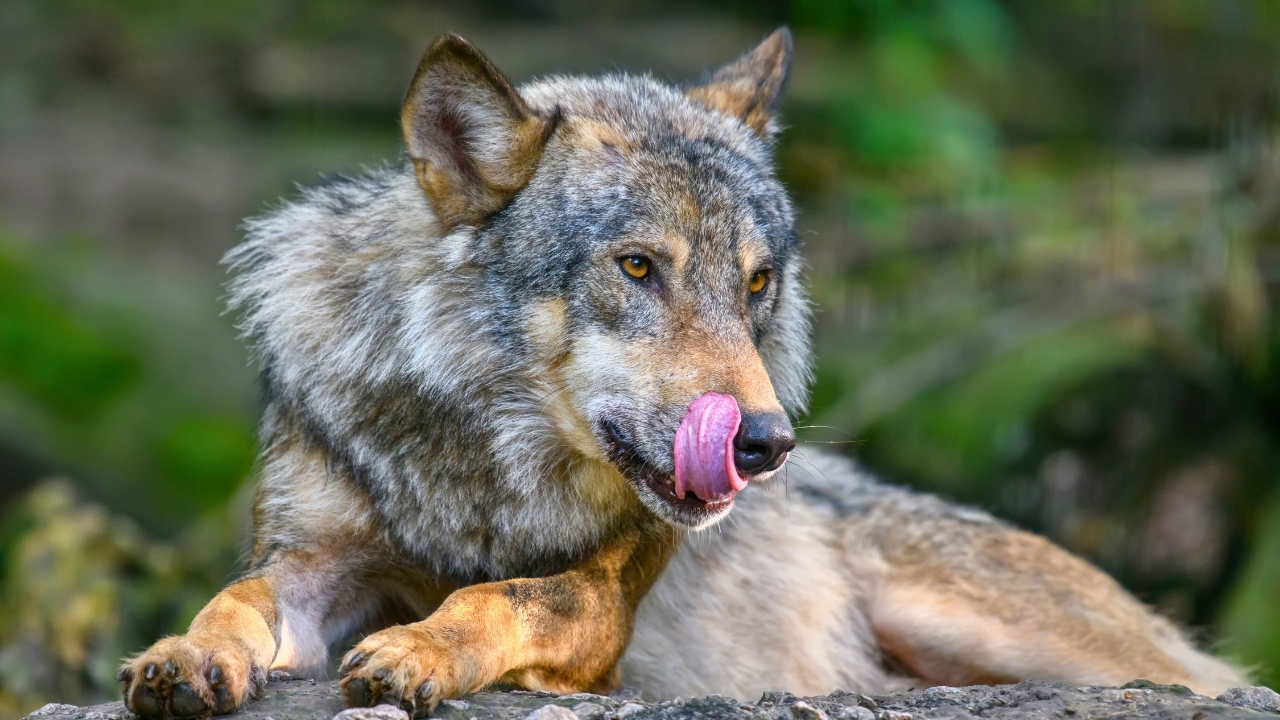
California sounds strange to a lot of deer hunters in this topic, but it should not anymore. California Department of Fish and Wildlife says wolf numbers are increasing, and by 2025 the state had confirmed additional pack status in Shasta, Tehama, and Lassen counties.
The reason California makes this list is not that wolves are already reshaping deer hunting statewide. They are not. It is that the state now has enough pack development that hunters in northern California deer country should expect wolves to become a more relevant piece of the puzzle. Gray wolves naturally prey on wild ungulates like deer and elk, and California is well past the stage where wolf presence is just a hypothetical.
Colorado

Colorado is still early in this story compared with the Upper Midwest or Northern Rockies, but it clearly belongs here because the state has an active wolf restoration program and openly acknowledges that elk, moose, and deer are primary prey species. CPW says elk, moose, and deer are primary prey for wolves and that populations would need to be established for an extended period before managers can evaluate the extent of impacts on prey species in Colorado.
So Colorado is less of a “wolves are already affecting your deer hunt everywhere” state and more of a “this is one of the places where deer hunters are most likely to feel changes next” state. Because reintroduction is happening in a state with major deer and elk country, Colorado hunters are going to be watching this hard for years.
Arizona
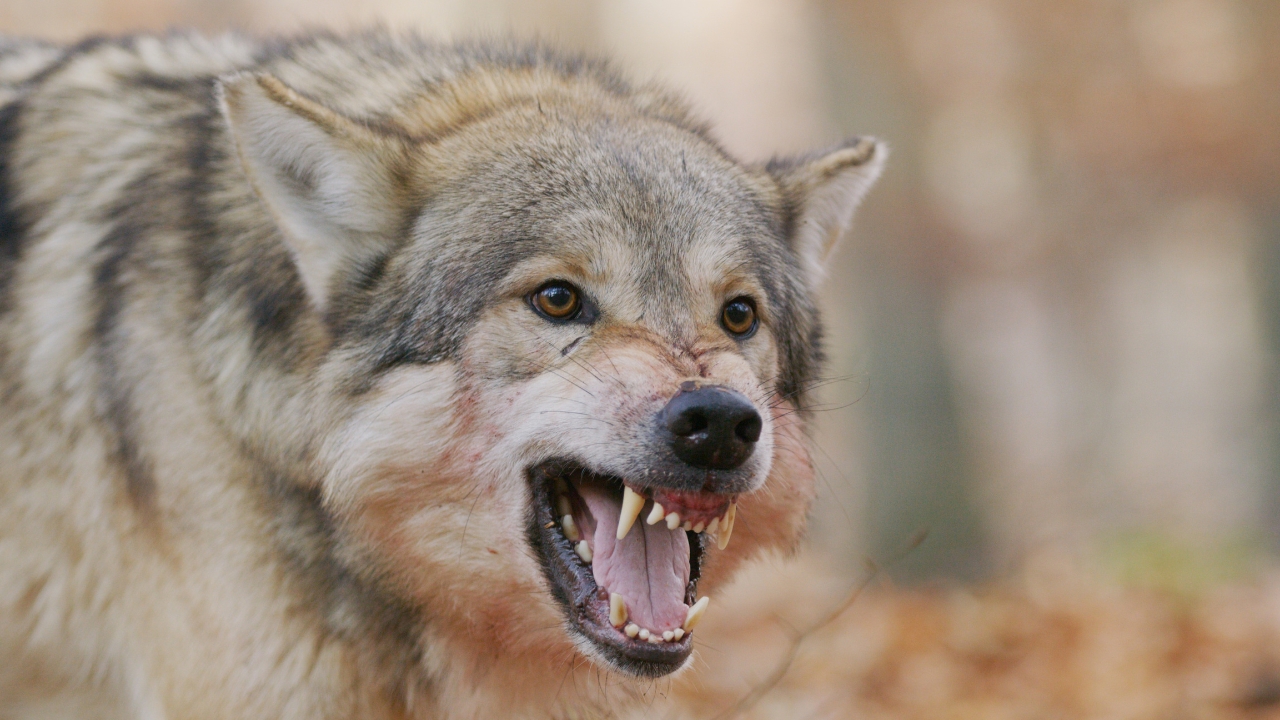
Arizona belongs on the list because Mexican wolves are established in the recovery area and deer are part of their native prey base. U.S. Fish and Wildlife Service says native prey for Mexican wolves includes elk, mule deer, white-tailed deer, javelina, rabbits, and other small mammals.
Now, if we are being honest, Arizona’s wolf conversation is still more centered on elk than deer in many places. But for deer hunters in wolf country, it would be silly to pretend the overlap does not matter. Deer are part of the prey picture, and wolf restoration in the Southwest means Arizona is absolutely one of the states where hunters are most likely to keep seeing this become a more practical deer-camp issue.
New Mexico
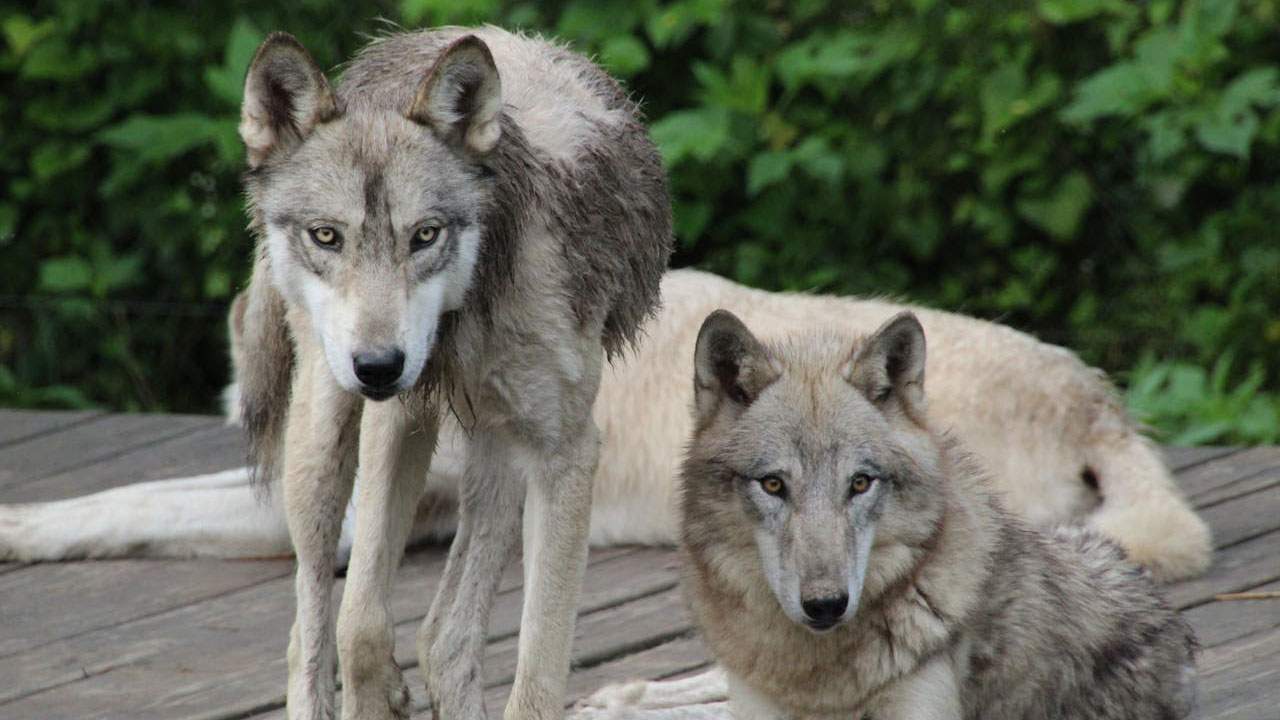
New Mexico fits the same basic mold as Arizona because of Mexican wolf recovery. Again, USFWS lists mule deer and white-tailed deer among native prey for Mexican wolves, alongside elk and smaller mammals.
Like Arizona, New Mexico is not here because every deer unit is getting reshaped by wolves right now. It is here because wolves are on the ground, they do prey on deer, and the overlap between wolf country and big-game country is real enough that deer hunters need to keep paying attention. In the Southwest, the wolf conversation is no longer theoretical.
Utah
Utah is a softer inclusion than most of the states above it, but it still belongs near the bottom of the list because wolf presence there is real enough to stay on the radar. USFWS has noted state jurisdiction in north-central Utah in the delisted zone, while Utah DWR continues to track sightings and push for broader state management.
This is not a state where I’d tell deer hunters wolves are a major current deer-hunting factor across the board. It is more that Utah sits on the edge of the broader Northern Rockies wolf story. If wolves keep dispersing and establishing more consistent presence, Utah deer hunters will care more, not less. That is why it sneaks onto a list like this even though it belongs well behind places like Minnesota, Idaho, and Montana right now.
North Carolina

North Carolina is here only because the state still has the red wolf recovery area, not because wolves are a major statewide deer-hunting factor. USFWS’ Red Wolf Recovery Program continues in eastern North Carolina, with current updates still being posted as of February 2026.
I would rank North Carolina last on this topic because this is not remotely the same scale of issue seen in the Great Lakes or Northern Rockies. But if you want 15 states where “wolves and deer hunting” has any current real-world relevance at all, North Carolina does technically qualify because it still has an active wolf recovery story on the landscape.
Like The Avid Outdoorsman’s content? Subscribe to our newsletter so you never miss an article.
Here’s more from us: