Photo credit: SPN Firearms/YouTube
The Smith & Wesson Bodyguard 380 is one of those pistols that a lot of people remember as a true pocket-carry gun from the era before today’s micro-compacts took over everything. It was small, light, chambered in .380 ACP, and built for deep concealment at a time when a lot of shooters still saw tiny .380s as the most realistic option for everyday carry. Smith & Wesson introduced the original Bodyguard line at the 2010 SHOT Show, and American Rifleman later noted that the M&P Bodyguard 380 carried on as a roughly 12-ounce pistol with six-round capacity and unusually good sights for its class.
What makes the Bodyguard 380 more interesting now is that it sits in the middle of a bigger story. The original gun helped Smith & Wesson compete in the tiny-carry-pistol market, then the company folded it into the M&P family in 2014, and later completely reworked the idea with the much more modern Bodyguard 2.0 in 2024. So when people talk about “the Bodyguard,” they are often blending together at least three different chapters of the same basic concept.
1. The Bodyguard line started in 2010
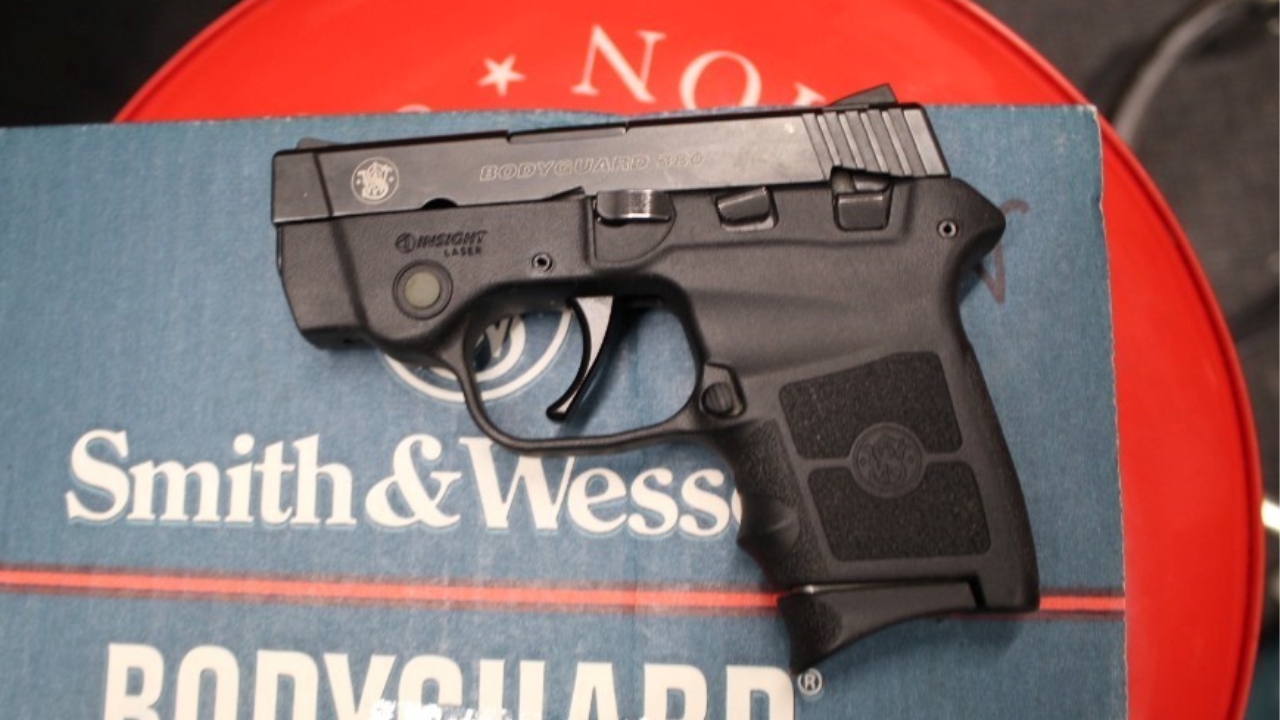
A lot of shooters think of the Bodyguard 380 as a mid-2010s pocket pistol, but Smith & Wesson’s investor release says the original BODYGUARD line debuted at the 2010 SHOT Show. That line included the compact .380 pistol and leaned heavily on integrated laser tech as part of the launch story.
That timing matters because the Bodyguard showed up during the height of the ultra-small carry-pistol wave. Back then, there was a huge market for guns that could disappear into a pocket holster without asking people to dress around a larger firearm.
2. The original model was built around an integrated laser

This is one of the easiest facts to forget now, but it was a major part of the original pitch. Smith & Wesson’s 2010 release said the new Bodyguard line combined new laser technologies with the company’s compact-gun design, and the original pistols were strongly tied to integrated Insight laser setups.
That matters because the Bodyguard 380 was not just trying to be another tiny .380. Smith & Wesson wanted it to feel a little more advanced and defensive-minded than the average pocket pistol of the time.
3. The M&P Bodyguard 380 was a later version, not the original one
A lot of people treat “Bodyguard 380” and “M&P Bodyguard 380” like they were the same exact launch gun. American Rifleman’s 2017 “Gun of the Week” says the M&P Bodyguard 380 replaced the company’s original Bodyguard 380 in 2014 and brought styling updates that blended it into the M&P line.
That is a pretty important distinction, because it means there were already two different Bodyguard .380 chapters before Smith & Wesson ever got to the 2.0 generation. If someone is talking about “the original,” they may not mean the same gun you are picturing.
4. It stayed very light, even after the M&P update

Pocket pistols live or die by weight, and American Rifleman said the M&P Bodyguard 380 came in at around 12 ounces. That kept it right where a lot of people wanted a pocket-carry gun to be.
That light weight is a big reason the Bodyguard 380 stayed relevant for as long as it did. It was not trying to be a fun range pistol first. It was trying to be the gun you would actually carry when something larger felt like too much trouble.
5. It was a six-shot .380, not some higher-capacity outlier
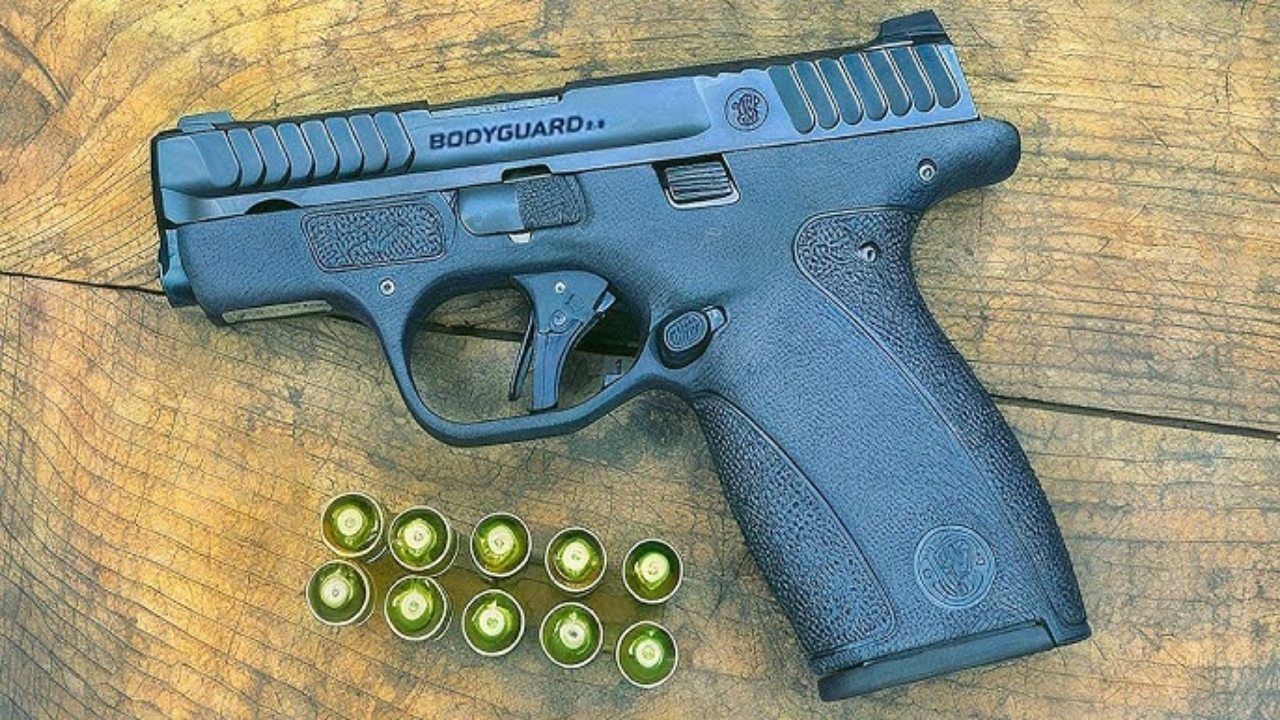
The M&P Bodyguard 380 offered six rounds of .380 ACP protection, according to American Rifleman. That sounds ordinary now, but at the time it fit the standard expectation for an ultra-small single-stack carry gun.
That capacity also shows the Bodyguard 380 was firmly in the true pocket-pistol lane. It was not trying to split the difference between a service pistol and a pocket gun. It was built to stay small first and accept the usual tradeoffs that came with that.
6. Its sights were better than a lot of pistols in its class

One of the most practical compliments the Bodyguard 380 got was about the sights. American Rifleman said the M&P Bodyguard 380 had drift-adjustable sights, which was unusual among many tiny pocket guns.
That may sound like a small detail, but it matters on a pistol this size. A lot of tiny .380s have sights that feel barely there. Giving the Bodyguard more usable sights made it feel a little less like a pure last-ditch gun and a little more like a pistol you could actually practice with and shoot with intention.
7. Early reviewers thought its ergonomics were unusually good for a tiny .380

American Rifleman’s 2010 coverage of S&W’s new Bodyguards said the BG 380’s ergonomics were about as good as you could get with a subcompact pistol and noted that the gun came with two magazine floorplates, including one with a finger extension.
That is a big deal in a gun this size. Tiny pistols are often miserable to hold, but Smith & Wesson clearly spent time trying to make the Bodyguard workable in real hands instead of just making it as small as possible.
8. The gun shipped with different floorplate options to balance concealment and control

That same 2010 American Rifleman piece points out that one floorplate offered a finger extension for a more secure grip, while the flatter one made the gun even easier to conceal.
That is one of those thoughtful touches pocket-pistol owners appreciate. Smith & Wesson understood that people buying a Bodyguard were usually trying to balance two competing priorities: make it easy to hide, but not so tiny it becomes miserable to shoot.
9. The Bodyguard 380 became part of the M&P branding strategy

When Smith & Wesson updated the pistol into the M&P Bodyguard 380, it was doing more than changing the rollmark. American Rifleman said the 2014 version improved the aesthetics and blended the gun into the larger M&P line.
That tells you the company saw the pistol as more than a standalone oddball. Smith & Wesson wanted the Bodyguard to feel like part of its main defensive-handgun family, which gave the little .380 a stronger identity in the catalog.
10. The Bodyguard name lasted long enough to get a full 2.0 reboot
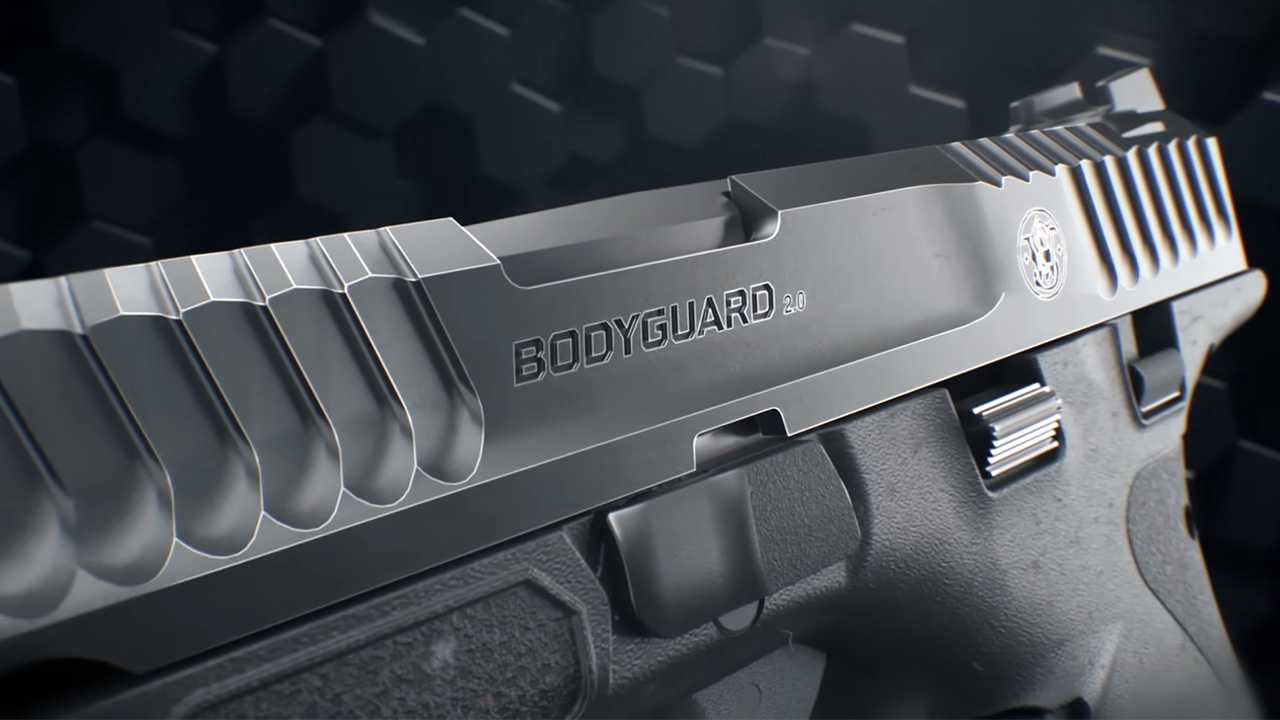
A lot of carry pistols disappear after one generation or get quietly replaced by something with a different name. Smith & Wesson did not do that here. The company launched the Bodyguard 2.0 in 2024, and American Rifleman’s 2024 and 2025 coverage shows it as a major reworking of the concept rather than a minor update.
That says a lot about the staying power of the original idea. The early Bodyguard 380 may look dated next to newer micro-compacts, but the name still meant enough for Smith & Wesson to completely reinvent it.
11. The 2.0 is a major break from the old gun, not just a refresh
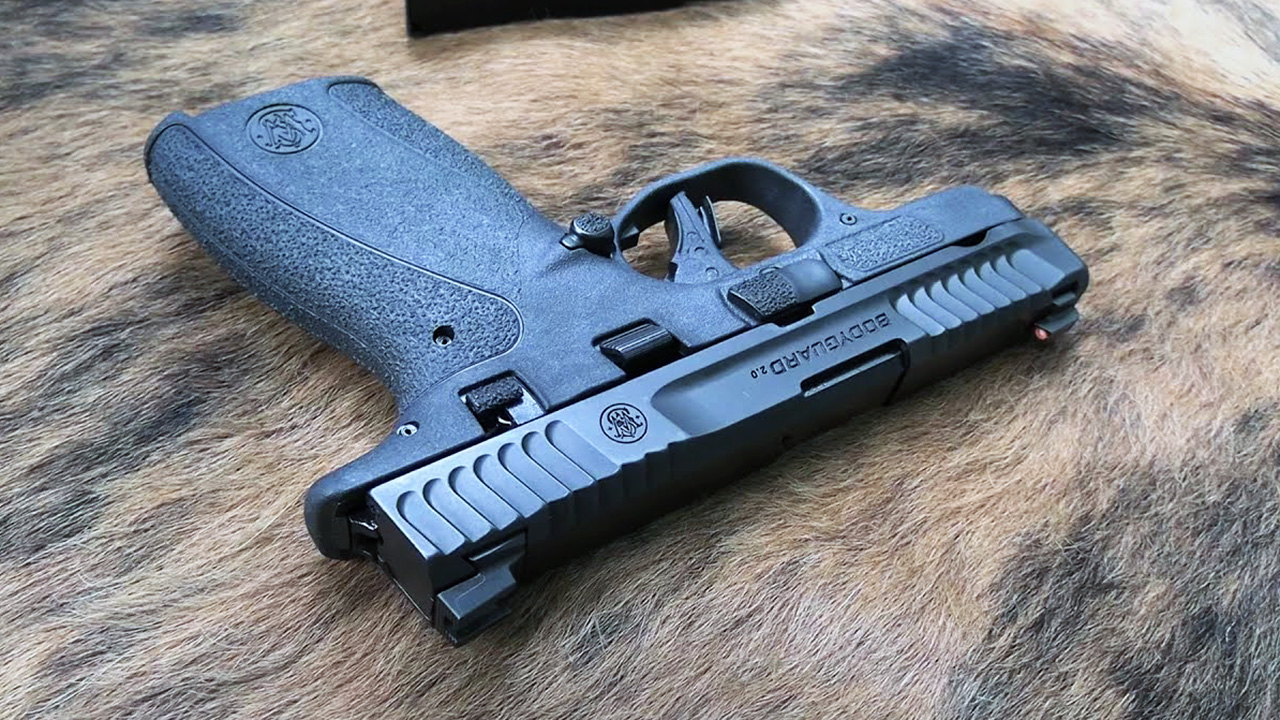
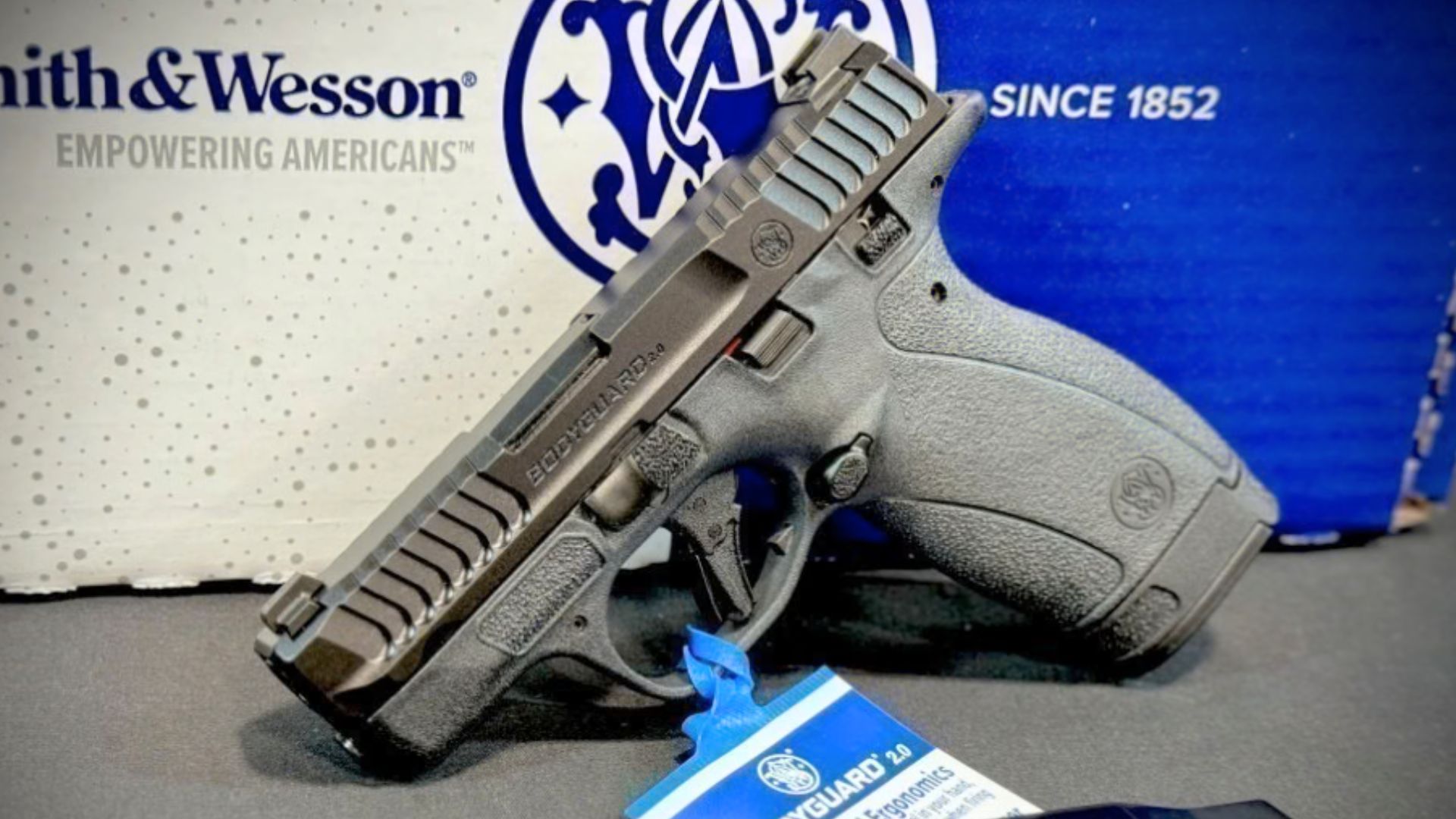
This is one of the biggest things people get wrong when they hear “Bodyguard 2.0.” American Rifleman’s 2024 article says that beyond being a locked-breech polymer-frame .380, the 2.0 was thoroughly revamped. The 2025 review describes it as a modern double-column, striker-fired .380 with big-gun features in a micro package.
That means the original Bodyguard 380 and the current Bodyguard 2.0 really are very different guns separated by a bigger design leap than the shared name suggests.
12. The new Bodyguard 2.0 is dramatically lighter than even many people expect
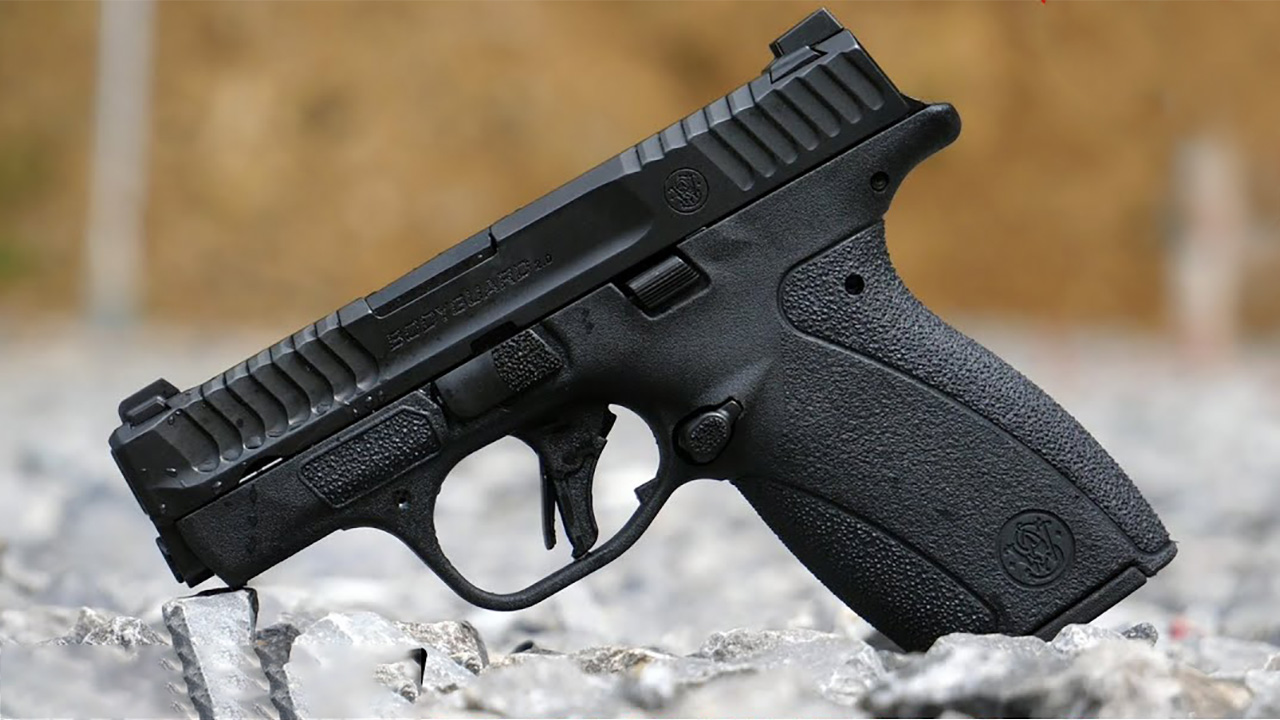
Smith & Wesson’s current Bodyguard 2.0 compliant product page lists the gun at 9.8 ounces and 0.88 inches wide. That is an impressively light and slim package for a modern .380.
That spec also shows how far the Bodyguard idea has evolved. Smith & Wesson did not abandon the deep-concealment role. It doubled down on it while updating the gun’s overall design language.
13. The current line is much broader than the old Bodyguard ever was
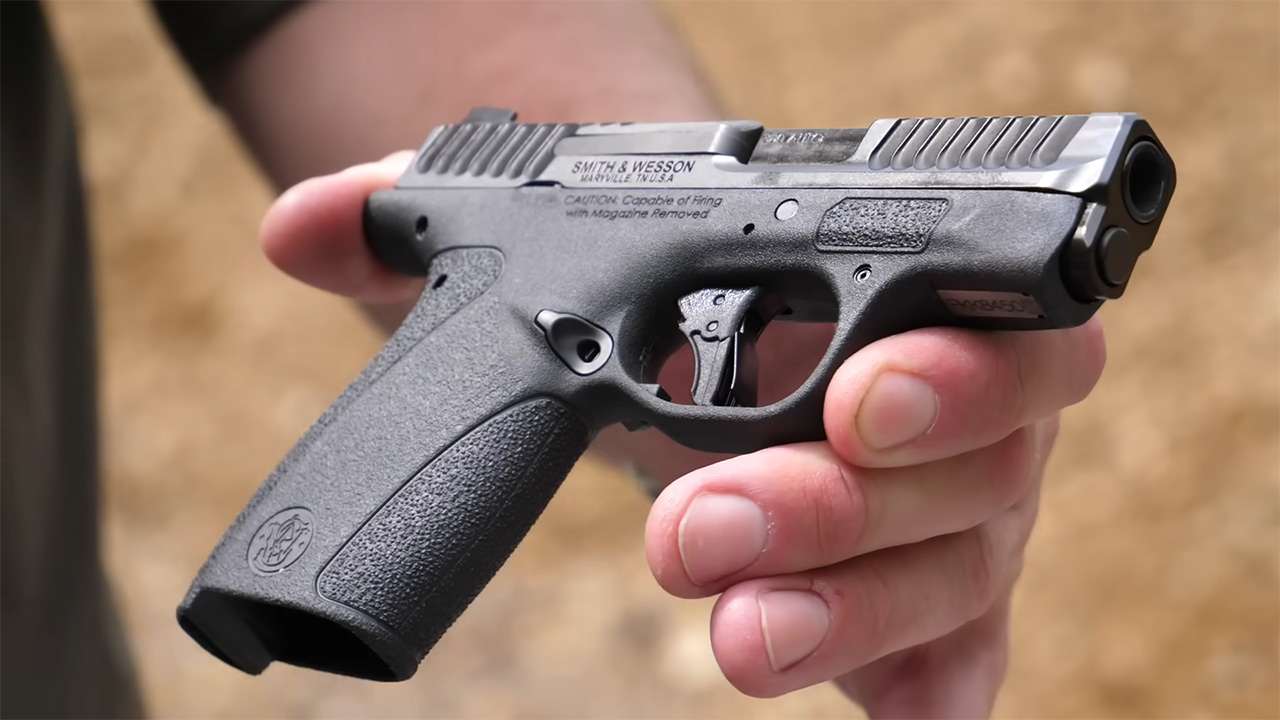
The original Bodyguard .380 was a compact-carry concept with some variations, but the current 2.0 line has spread into a much wider family. Smith & Wesson’s current Bodyguard page shows thumb-safety and no-thumb-safety models, Performance Center Carry Comp versions, compliant models, and a long list of finish variants.
That tells you the Bodyguard has gone from being a simple little pocket pistol to being an actual micro-handgun product family. Smith & Wesson clearly sees the name as a real pillar now, not just an old carry-gun experiment.
14. The Bodyguard 380’s real significance is how clearly it shows the evolution of pocket pistols
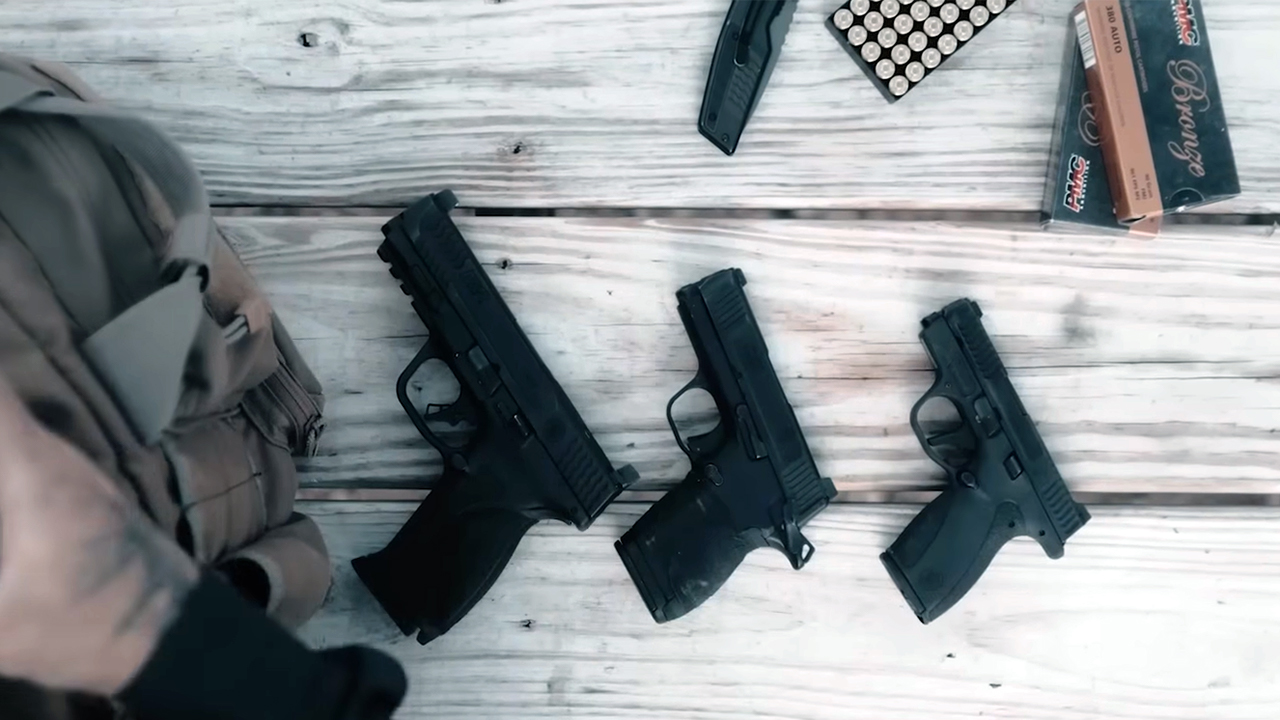
If you line up the original 2010 Bodyguard, the 2014 M&P Bodyguard 380, and the 2024 Bodyguard 2.0, you can basically watch the carry-gun market change in real time. The first gun emphasized integrated lasers and tiny size, the next folded the concept into the M&P brand, and the newest version leans into modern ergonomics, striker fire, and double-column capacity.
That makes the Bodyguard line more historically interesting than people give it credit for. It is not just one little .380. It is a neat snapshot of how manufacturers kept rethinking what a deep-concealment pistol should be.
15. The biggest surprise is that the Bodyguard name outlived the original gun by becoming something much more modern
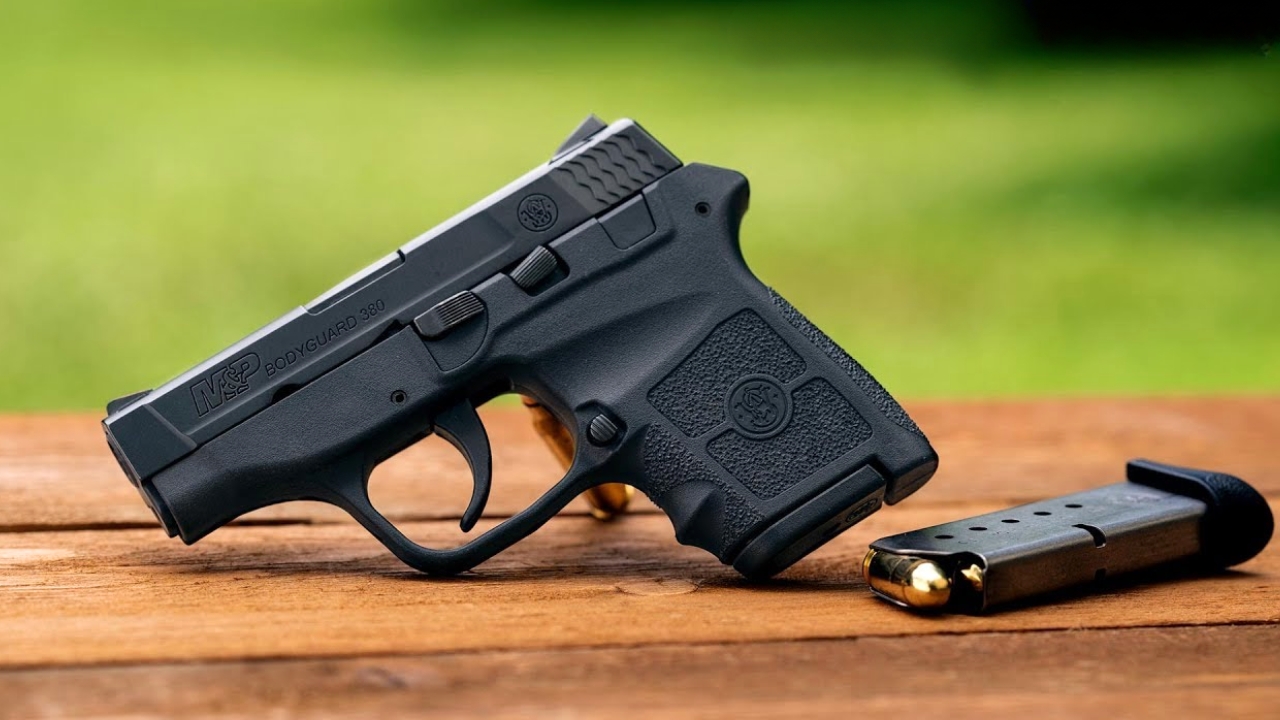
The most interesting fact about the Bodyguard 380 may be that its real legacy is not the first pistol itself. It is the fact that Smith & Wesson kept the concept alive long enough to completely rebuild it for a new generation. The 2025 American Rifleman review even says the new Bodyguard 2.0 gives people a much more modern .380 they can realistically carry in a pocket.
That is why the Bodyguard 380 still matters. It was an early serious pocket-carry answer from Smith & Wesson, and even though the original design now feels like a product of its era, the name survived because the basic mission never stopped mattering.
Like The Avid Outdoorsman’s content? Be sure to follow us.
Here’s more from us: