Photo credit: Buck Creek TV/YouTube
The Marlin Model 60 is one of those rifles that a lot of shooters know from personal experience, even if they have never really looked into the history. It is the kind of .22 that showed up in closets, behind truck seats, at summer camps, and on backyard ranges for decades. Standard reference histories describe it as a semi-automatic .22 LR rifle produced from 1960 to 2020, with more than 11 million made. Marlin’s current product-support page still calls it one of the world’s most popular tube-fed semi-auto .22 rimfire rifles.
What makes the Model 60 especially interesting is that it was never just “the cheap Marlin .22.” It quietly became one of the most successful rimfire rifles ever sold, and along the way it picked up a reputation for accuracy, reliability, and plain usefulness that a lot of more expensive guns would love to have. GUNS Magazine noted in 2025 that even after 11 million shipped, the rifle still carried real affection among shooters after production ended.
1. The Model 60 really does date back to 1960

A lot of shooters assume the “60” in Model 60 is just a model number, but the rifle really did make its appearance in 1960. Standard reference history lists production beginning that year, and Gun Digest also says the Marlin Model 60 appeared in 1960.
That timing matters because it means the Model 60 is not just an older rimfire. It is a rifle that survived through multiple generations of American shooting culture and stayed relevant the whole way.
2. It started from the earlier Model 99

The Model 60 did not come out of nowhere. Standard reference history says the Model 99 was developed in 1959 and was essentially what would become the Model 60, while Gun Digest says the Model 60’s history goes back slightly further because the essentially same rifle appeared a year earlier as the Model 99.
That is one of those details that helps the rifle make more sense. The Model 60 was an evolution of a design Marlin already knew worked, not a random first draft.
3. It was also sold as the Glenfield Model 60
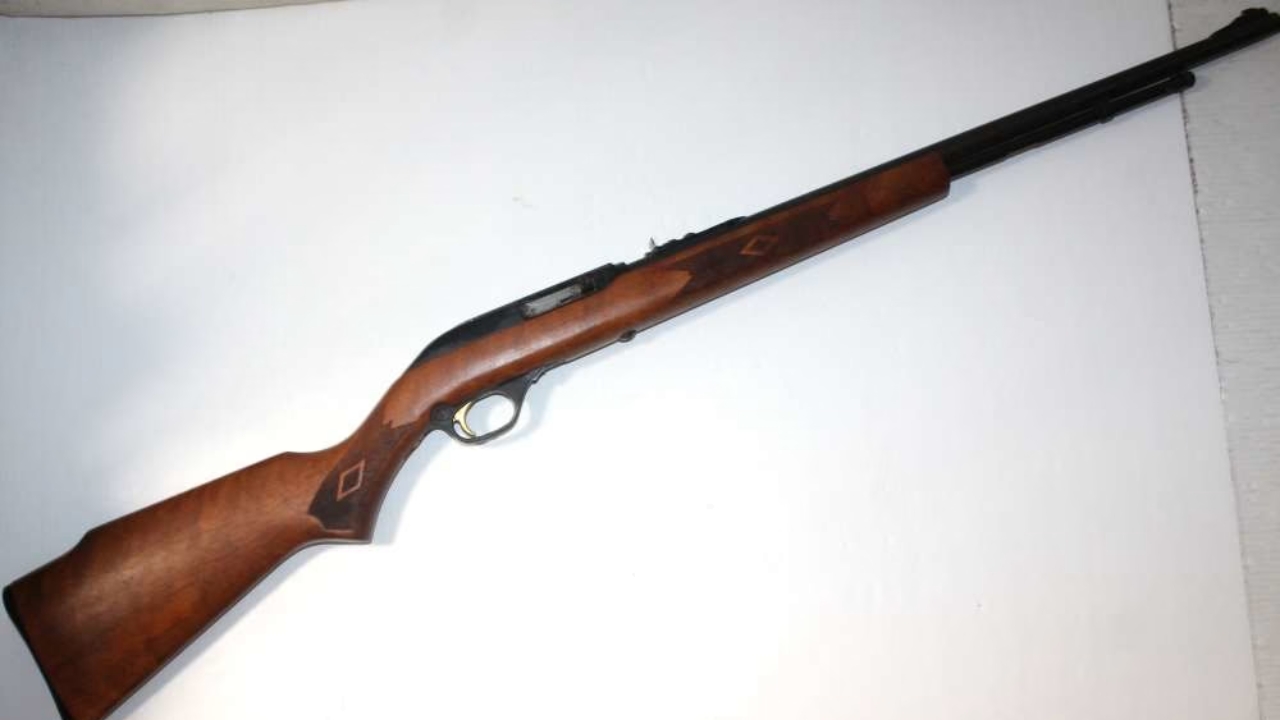
A lot of shooters have heard the name “Glenfield” without realizing it is part of the same family story. Standard reference history says the rifle was also known as the Marlin Glenfield Model 60, and Gun Digest notes that the Glenfield name was used for about two decades.
That matters because plenty of rifles people think of as a different model are really just part of the same basic Model 60 history. It is one reason these guns show up with slightly different markings and still trace back to the same core rifle.
4. The stock wood was changed to keep costs down

One of the practical changes from the Model 99 to the Model 60 was the stock material. Standard reference history says the Model 60 switched to birch instead of walnut in order to reduce recurring production costs.
That sounds minor, but it tells you a lot about what Marlin was aiming for. The Model 60 was supposed to be affordable and accessible, not a deluxe rimfire for a tiny niche.
5. Marlin changed the magazine tube material to fix a real problem

The Model 60 also changed away from steel inner tubes to brass inner tubes. Standard reference history says Marlin did that to avoid the rust problems older all-steel tubular magazines had experienced.
That is a pretty smart little engineering move, and it fits the rifle’s whole personality. The Model 60 built a reputation by being practical and durable, not by trying to look fancy.
6. It uses Micro-Groove rifling

One of the more distinctive Marlin details is the rifling. Standard reference history says the Model 60 uses Marlin’s proprietary Micro-Groove rifling, with many small lands and grooves instead of fewer deeper ones.
That is part of why the rifle built such a strong reputation for out-of-the-box accuracy. Even though it was one of the more affordable semi-auto .22 rifles on the market, it earned respect for shooting better than people expected.
7. It was optimized for .22 LR only
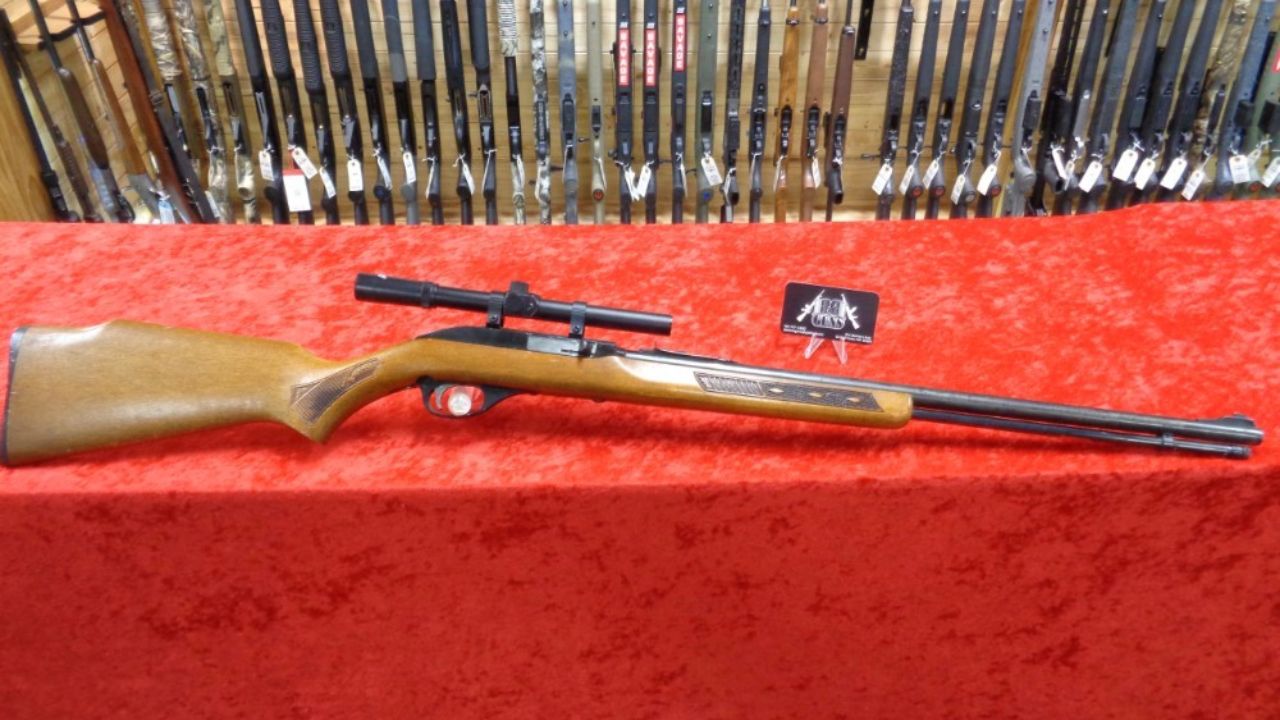
Earlier rimfire rifles were often expected to run .22 Short, .22 Long, and .22 Long Rifle interchangeably, but the Model 60 took a more focused route. Standard reference history says it was optimized specifically for the .22 Long Rifle cartridge only.
That helped define what kind of rifle it was supposed to be: a practical semi-auto .22 built around the cartridge most people actually wanted to shoot.
8. Early rifles held more rounds than later ones
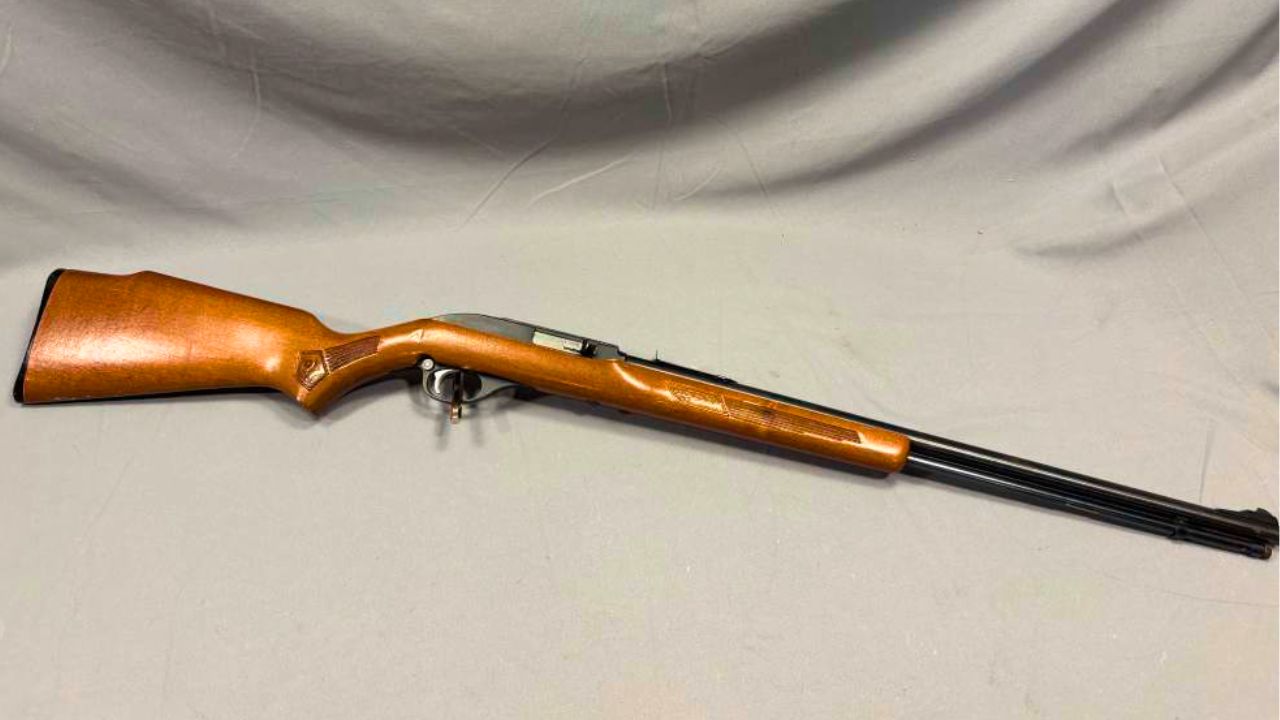
One of the easiest ways to spot different Model 60 eras is magazine capacity. Standard reference history says earlier rifles had a 17-round tubular magazine, while later ones dropped to 14 rounds.
That is one reason older and newer Model 60s can feel a little different even when they look broadly similar. Capacity changes became part of the rifle’s long production story.
9. The barrel used to be longer
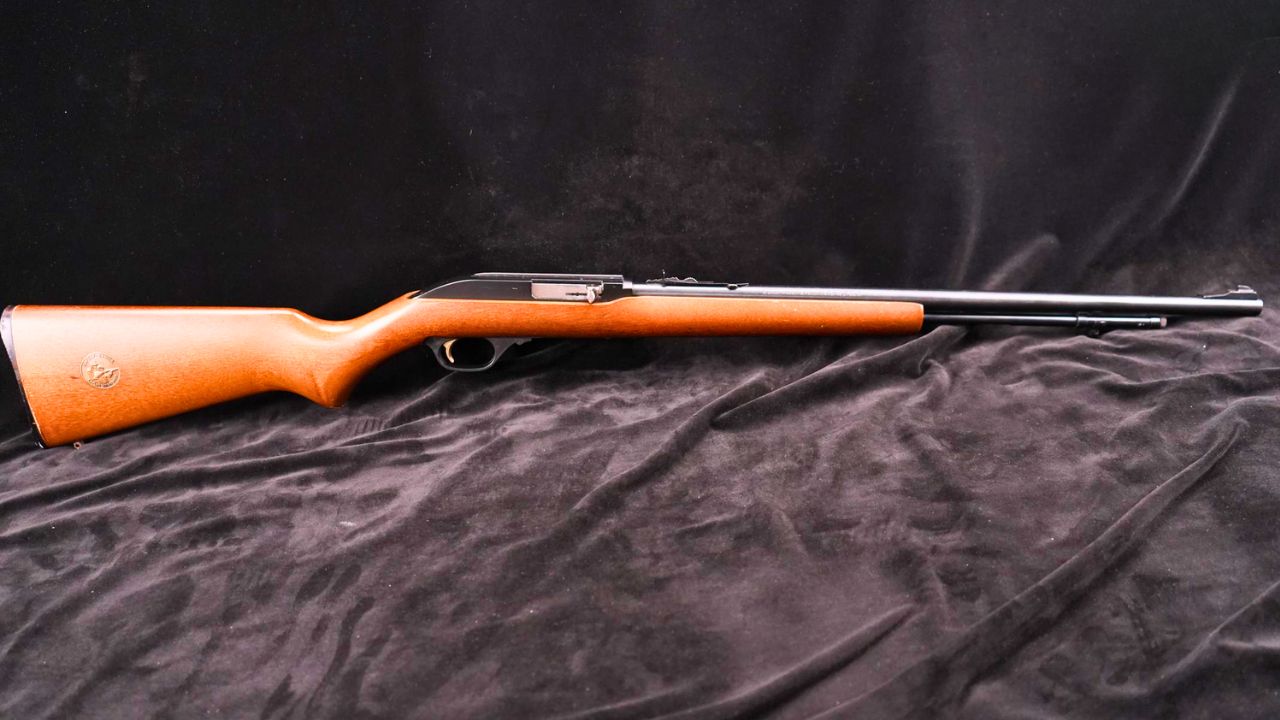
A lot of people picture the Model 60 with a 19-inch barrel, but that was not always the case. Standard reference history says earlier rifles used a 22-inch barrel, while later rifles used a 19-inch barrel.
That change is another reminder that the Model 60 evolved over time instead of staying frozen in one exact configuration for 60 years.
10. Later rifles added a last-shot bolt hold-open
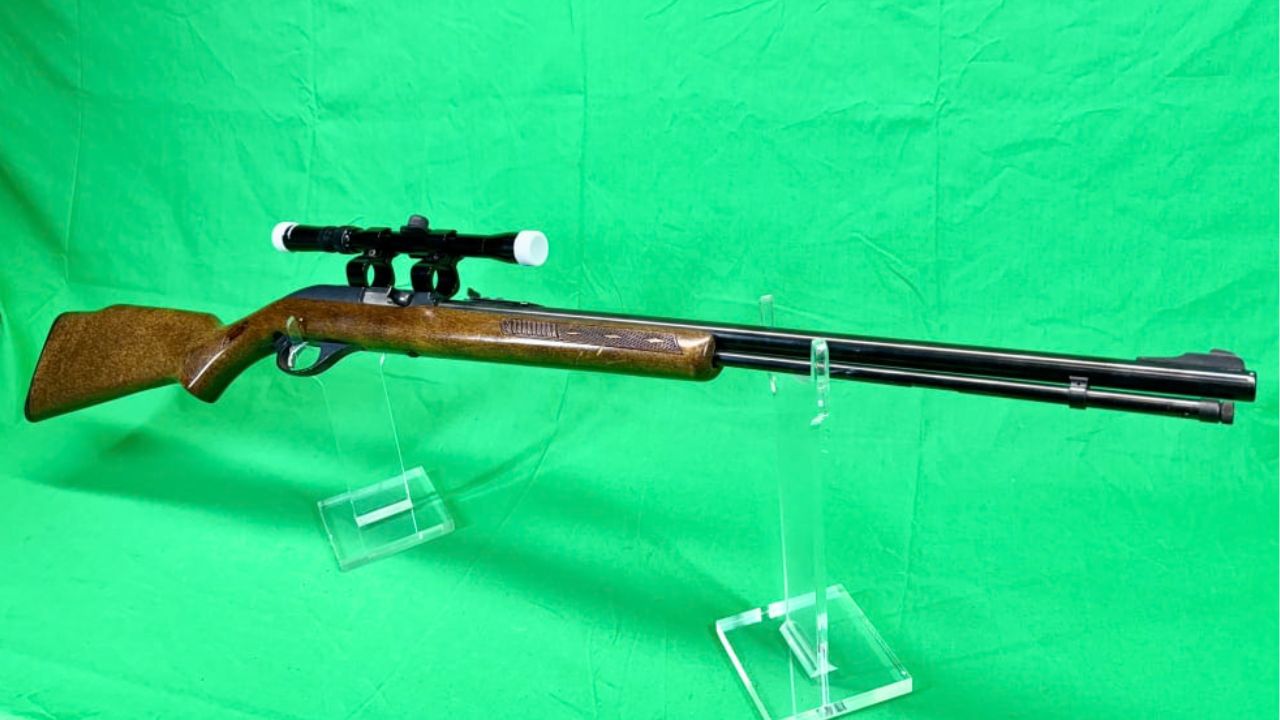
Early Model 60s did not have the same bolt behavior many newer owners expect. Standard reference history says the earliest rifles had no bolt hold-open, then manual hold-open appeared, and later models gained an automatic last-shot bolt hold-open.
That is a surprisingly useful little feature on a rimfire rifle, and it is one of the design details that helps separate old Model 60s from newer ones.
11. More than 11 million were made

This is probably the biggest number in the whole Model 60 story. Standard reference history says over 11 million were produced, and GUNS Magazine repeated that number in 2025.
That kind of production total is a huge clue about what the rifle became. The Model 60 was not just popular. It became one of the defining American rimfire rifles.
12. It was one of the fastest-selling sporting rifles ever by the early 1980s

The Model 60 had already become a sales monster long before the internet era. Standard reference history says it was one of the fastest-selling sporting rifles ever as of 1983.
That matters because the rifle’s reputation was not built only in hindsight. It was already obvious decades ago that the Model 60 had hit a nerve with American shooters.
13. It came in a huge number of variants
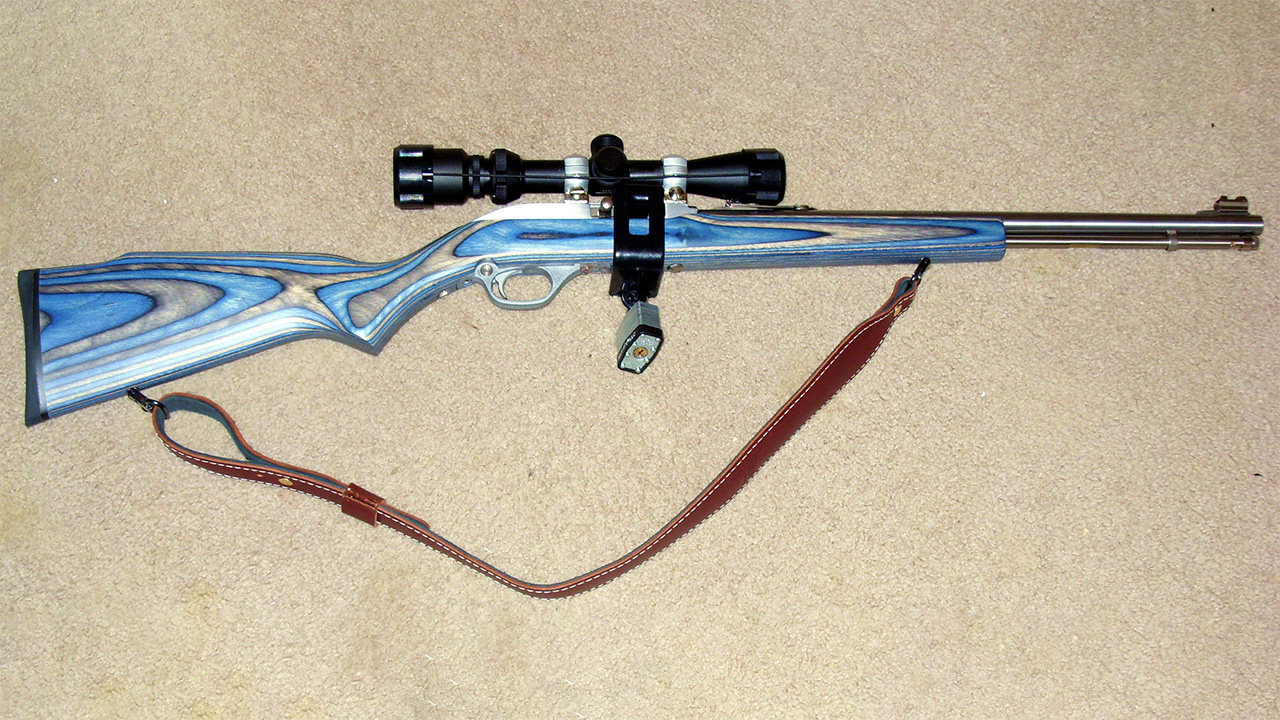
A lot of shooters think of the Model 60 as one plain wood-stocked .22, but that is only part of the story. Standard reference history says it was sold in over thirty-five variants, and lists examples like the 60C, 60SB, 60DL, 60SS, and 50th-anniversary 60DLX.
That tells you the Model 60 became more than a single rifle. Marlin clearly saw enough demand to keep stretching the line into different trims and finishes for years.
14. Production ended in 2020

One thing a lot of shooters still do not realize is that the Model 60 is no longer in production. Standard reference history lists production ending in 2020, GUNS Magazine noted the same thing in 2025, and Marlin’s current product page says the rifle is currently not in production and directs owners to support for pre-Ruger rifles.
That gives the rifle a different kind of weight now. It is no longer just the semi-auto .22 that always seems to be around. It is a finished chapter in American rimfire history.
15. Its biggest legacy is that it became the everyman’s semi-auto .22
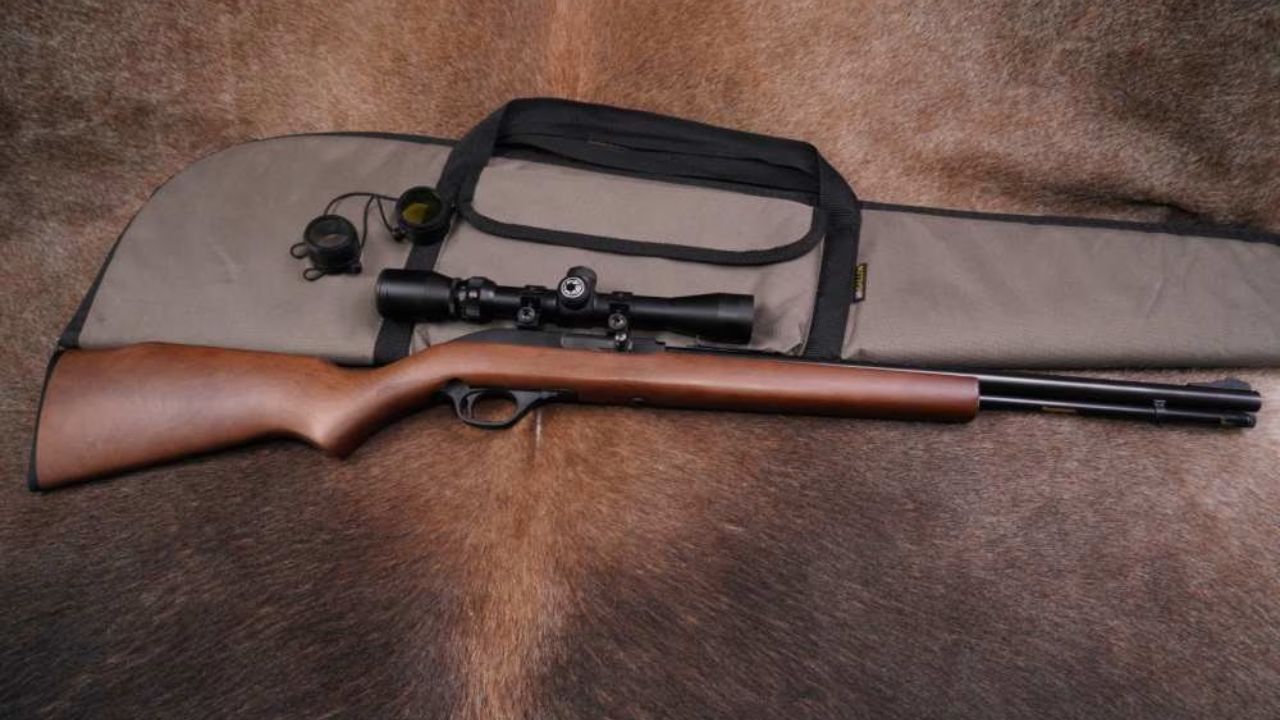
The most interesting thing about the Model 60 is that it did not become famous because it was flashy, tactical, or expensive. It became famous because it was affordable, accurate, durable, and useful. Marlin calls it one of the world’s most popular tube-fed semi-auto .22 rimfire rifles, and GUNS Magazine describes it as one of the most popular .22 rifles ever built.
That is probably the clearest summary of the Model 60’s place in gun history. It was the rifle a huge number of people could actually own, shoot, and pass down, and that is a big reason it still means so much to so many shooters.
Like The Avid Outdoorsman’s content? Be sure to follow us.
Here’s more from us: