Photo credit: GunBroker
The Smith & Wesson Model 29 is one of those revolvers that lives two lives at once. One is the movie-gun life most people know, where it is forever tied to Clint Eastwood and the “most powerful handgun in the world” line. The other is the actual gun-history life, where it was the original .44 Magnum revolver, introduced in 1955 after pressure from big-bore experimenters like Elmer Keith and built on Smith & Wesson’s large N-frame. Smith & Wesson’s own company history says the .44 Magnum revolver was completed in 1955, while American Rifleman notes the Model 29 started life as the original S&W .44 Magnum.
That second story is the more interesting one, because the Model 29 was already a landmark before Hollywood got ahold of it. Here are 15 facts about the Model 29 that tend to surprise even shooters who already know the name.
1. It was originally introduced before it even had the “Model 29” name

When the revolver first appeared in 1955, it was introduced as the Smith & Wesson .44 Magnum, not as the “Model 29.” American Rifleman notes that the gun was first introduced under that descriptive name in 1955 and only later became known by its model number after Smith & Wesson began using model-number designations.
That matters because it reminds you how old the revolver really is. The “Model 29” label feels like it was always there, but the gun’s first identity was tied directly to the cartridge it introduced to the market.
2. It exists largely because Elmer Keith would not let the .44 Magnum idea die

Smith & Wesson’s company history says the .44 Magnum was developed at the urging of handgunner Elmer Keith, and American Rifleman’s coverage of the .44 Special and early magnum history points to Keith’s constant pressure on both Smith & Wesson and ammunition makers to push the .44 concept harder.
That is one of the coolest parts of the Model 29 story. It was not born from a committee deciding to make something fashionable. It came out of years of big-bore handloading enthusiasm and one very stubborn believer pushing manufacturers to build the real thing.
3. The gun and the cartridge were a joint breakthrough

A lot of famous firearms are built around cartridges that already existed. The Model 29 was different. It was introduced alongside the new .44 Remington Magnum, making the revolver and the cartridge part of the same big moment in handgun history. American Rifleman repeatedly treats the two as inseparable in the origin story.
That is part of why the gun mattered so much immediately. The Model 29 was not merely another revolver chambering option. It was the flagship for a whole new commercial magnum-handgun class.
4. It was not an instant runaway seller
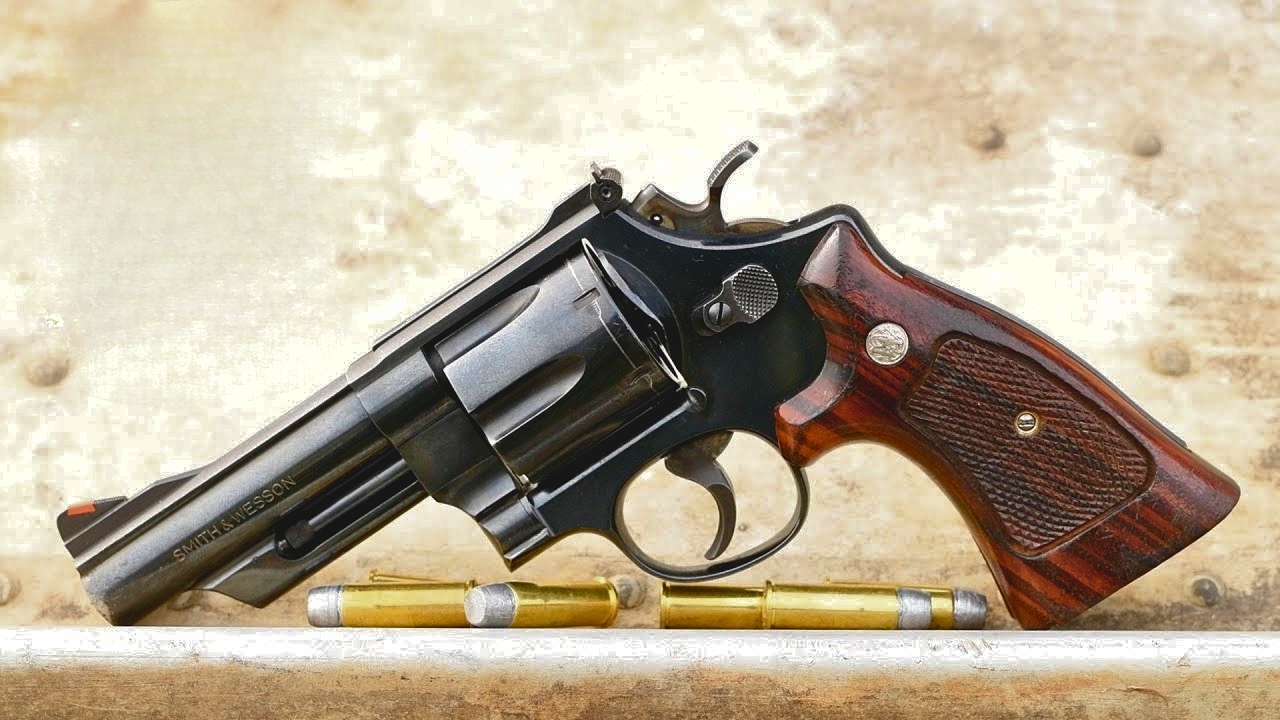
Today the Model 29 feels legendary, but American Rifleman says demand had actually fallen so low by the late 1960s and early 1970s that the revolver, while still cataloged, was out of production before “Dirty Harry” changed everything.
That surprises a lot of people because they assume the most famous .44 Magnum revolver in history was always flying off shelves. It was not. Before the movie phenomenon, it was a niche big-bore revolver with a much smaller market than later mythology suggests.
5. Dirty Harry did not just boost sales. It practically resurrected them

The 1971 film changed the Model 29’s public life completely. American Rifleman says “Dirty Harry” sent demand soaring and took Smith & Wesson by surprise, while the NRA Museum notes that civilian Model 29 purchases skyrocketed after the film’s success.
That is why the Model 29 is such a perfect example of Hollywood reshaping a gun’s reputation. The revolver was already important historically, but the movie took it from respected gun to full-blown American icon.
6. The “most powerful handgun in the world” line was true enough at the time

The famous Dirty Harry line stuck because it was grounded in reality. The NRA Museum says the screen gun gained notoriety as being the “most powerful handgun in the world,” and American Rifleman notes the Model 29 really was the most powerful commercially made handgun in the world at that time.
That is important because the line was not just movie nonsense invented from scratch. It exaggerated a reputation the revolver had already earned in real gun culture.
7. The original barrel lengths were 4 inches and 6 1/2 inches

Smith & Wesson’s company history says the .44 Magnum revolver was originally offered in 4-inch and 6 1/2-inch barrel lengths, with an 8 3/8-inch version added a few years later.
That surprises a lot of newer shooters because the Model 29 is so strongly associated with the long-barreled movie look that people sometimes forget there were shorter versions from the beginning. The revolver was conceived as more than just one dramatic configuration.
8. The famous long barrel changed length later

The classic long-barrel version most people picture was originally 6 1/2 inches, but by 1979 Smith & Wesson shortened that standard offering to 6 inches. Shooting Illustrated notes that change directly, and American Rifleman’s broader S&W history supports the era of midstream production revisions.
That sounds like a tiny detail until you realize how often collectors and longtime revolver shooters use barrel length to date and categorize Model 29 variants. On a gun this famous, a half-inch matters.
9. Early Model 29s are prized for being “pinned and recessed”
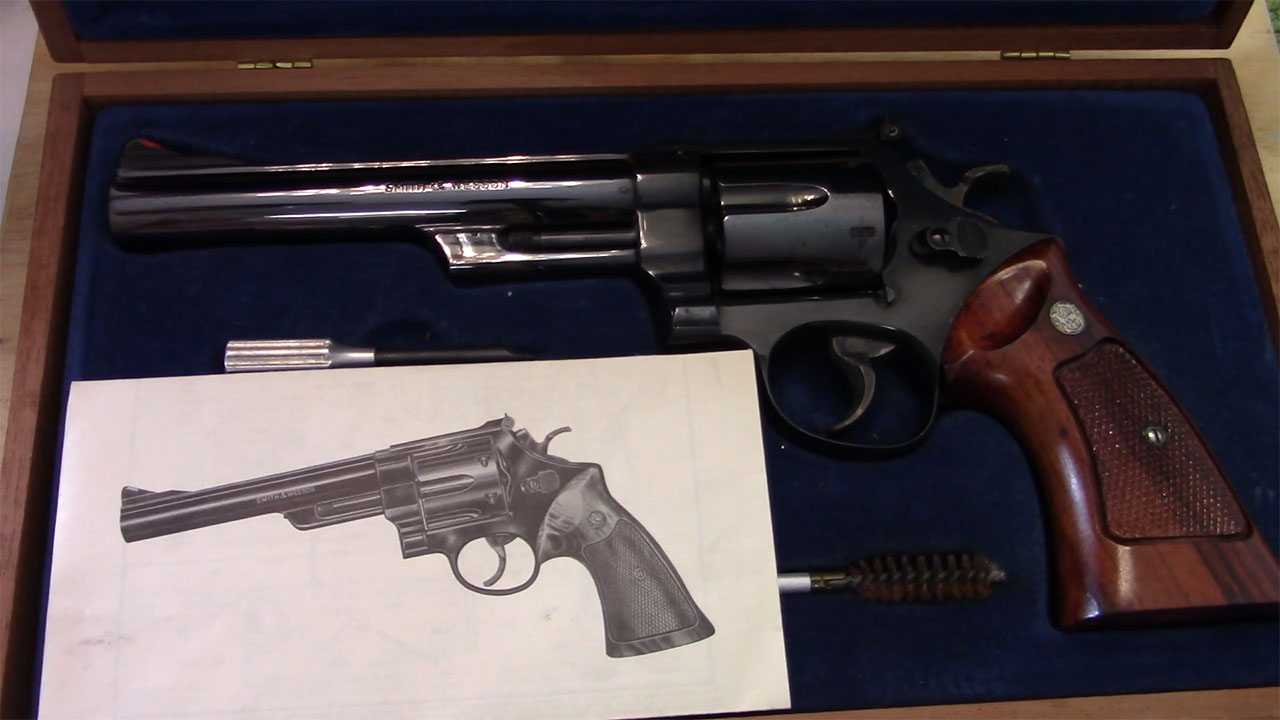
Many classic Smith & Wesson enthusiasts love early Model 29s for features commonly called pinned barrels and recessed cylinders. Shooting Illustrated says those features were eliminated in 1981, while American Rifleman explains what “pinned and recessed” meant in traditional S&W production.
That is one reason older Model 29s carry such strong collector appeal. They represent an older Smith & Wesson production style that many revolver fans still treat as a high-water mark for classic fit and finish.
10. It can also shoot .44 Special
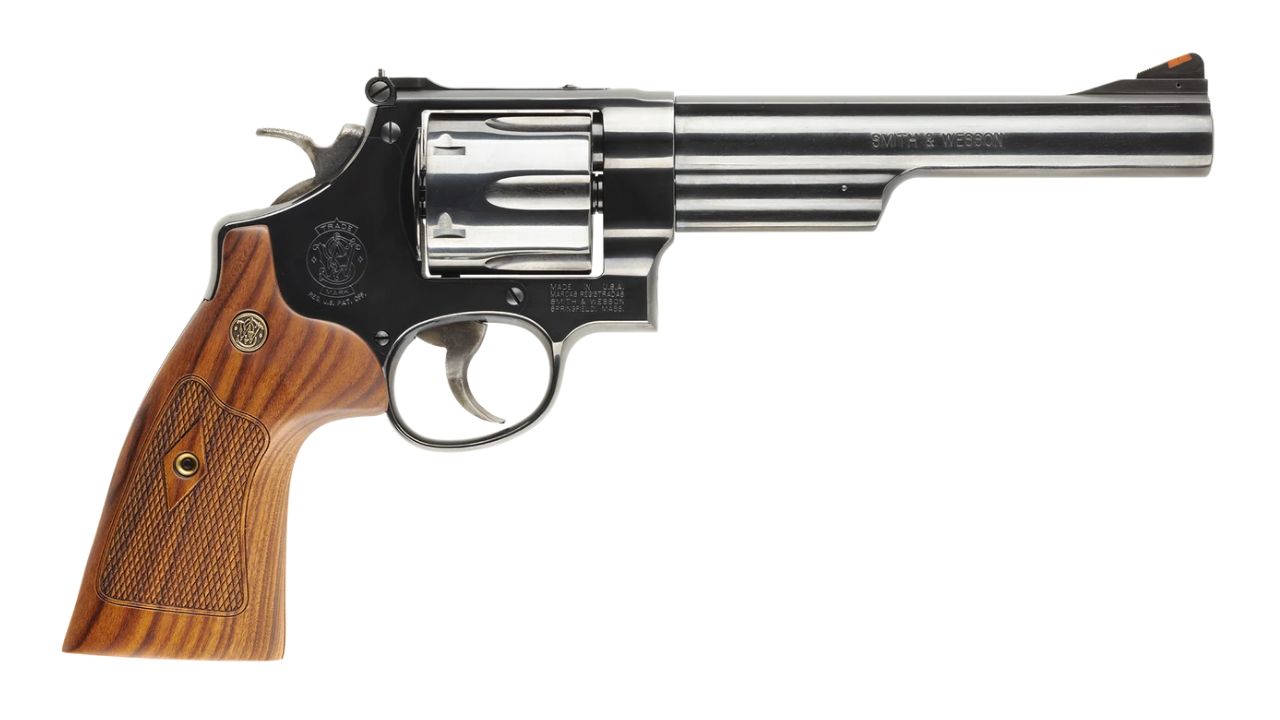
A lot of casual movie fans think the Model 29 is a one-round beast built only for punishing .44 Magnum loads. In reality, American Rifleman notes that you can also shoot .44 Special in the revolver.
That makes the gun a lot more flexible than the legend suggests. The Model 29 absolutely has magnum power on tap, but it can also be a far more manageable revolver with .44 Special ammunition. That versatility is part of why serious revolver shooters appreciate it even when they are not chasing pure recoil.
11. It is built on Smith & Wesson’s big N-frame
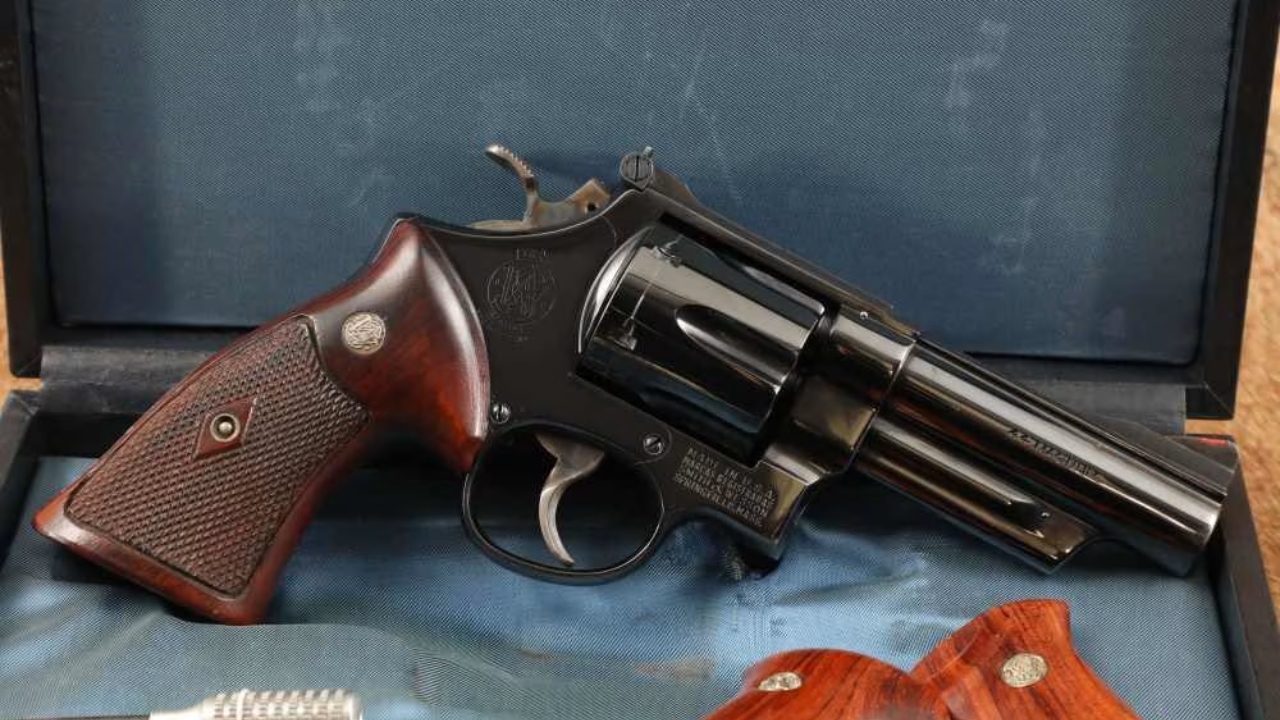
The Model 29 did not appear on a tiny or medium frame pushed past its limits. It was built on Smith & Wesson’s large N-frame, the same broad family of frame that had already handled big-bore revolver work in earlier generations. American Rifleman’s .44 Special history explains the company’s development of a .44 frame in the early 20th century, which set the stage for later big-bore guns like the 29.
That is one reason the revolver feels the way it does. The size is not an accident. The Model 29 is substantial because the cartridge and the frame were always meant to live together in a serious big-bore package.
12. It became one of the most collectible modern revolvers because of one movie window

American Rifleman says the Model 29 commanded premium prices in the mid-1970s after “Dirty Harry,” and at that point even other high-end Smith & Wesson revolvers were harder to come by because of the same phenomenon.
That kind of market effect is rare. A lot of guns get a bump from pop culture. The Model 29 became one of the defining examples of a firearm whose value, visibility, and collector heat all got lit on fire by one franchise.
13. The movie gun itself survives as a museum piece
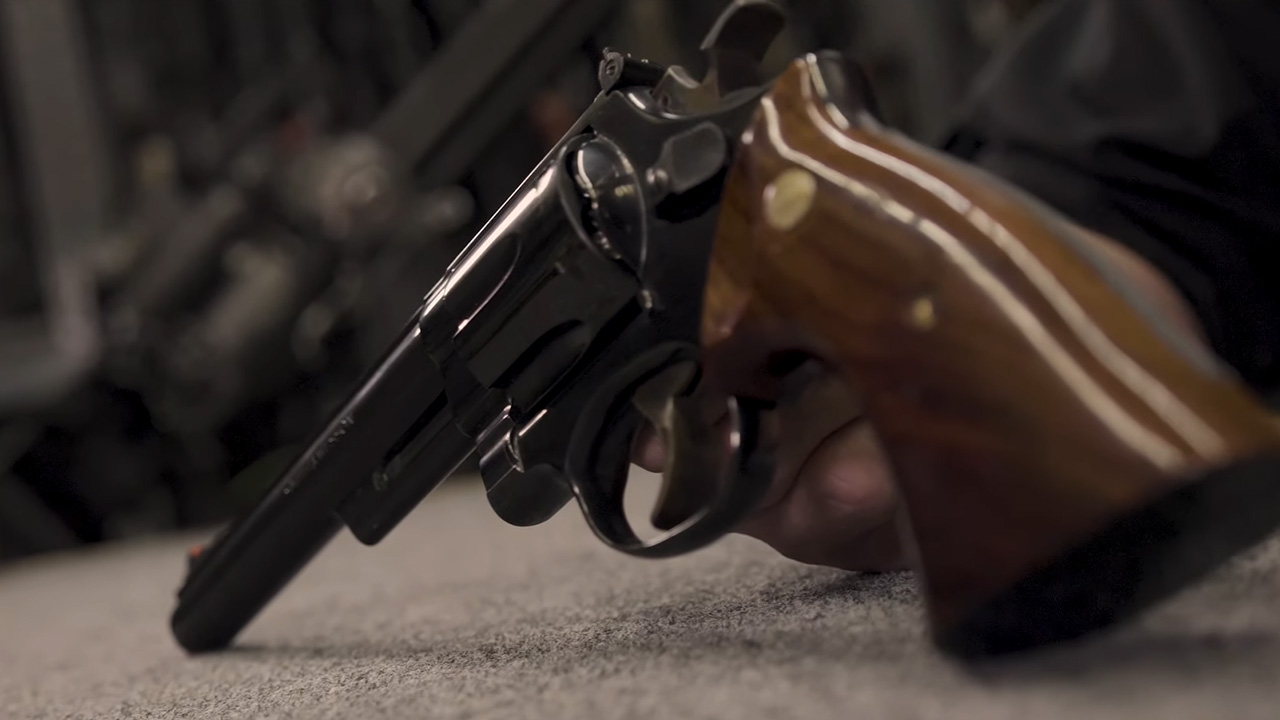
The NRA Museum has a specific Smith & Wesson Model 29 used by Clint Eastwood in Dirty Harry and Magnum Force, and says it was later given to writer-director John Milius.
That is a cool fact because it turns the movie mythology into something concrete. The most famous version of the gun is not just a type or a replica in people’s heads. A real screen-used revolver from that cultural moment still exists and is documented.
14. It stayed famous even after more powerful handguns came along
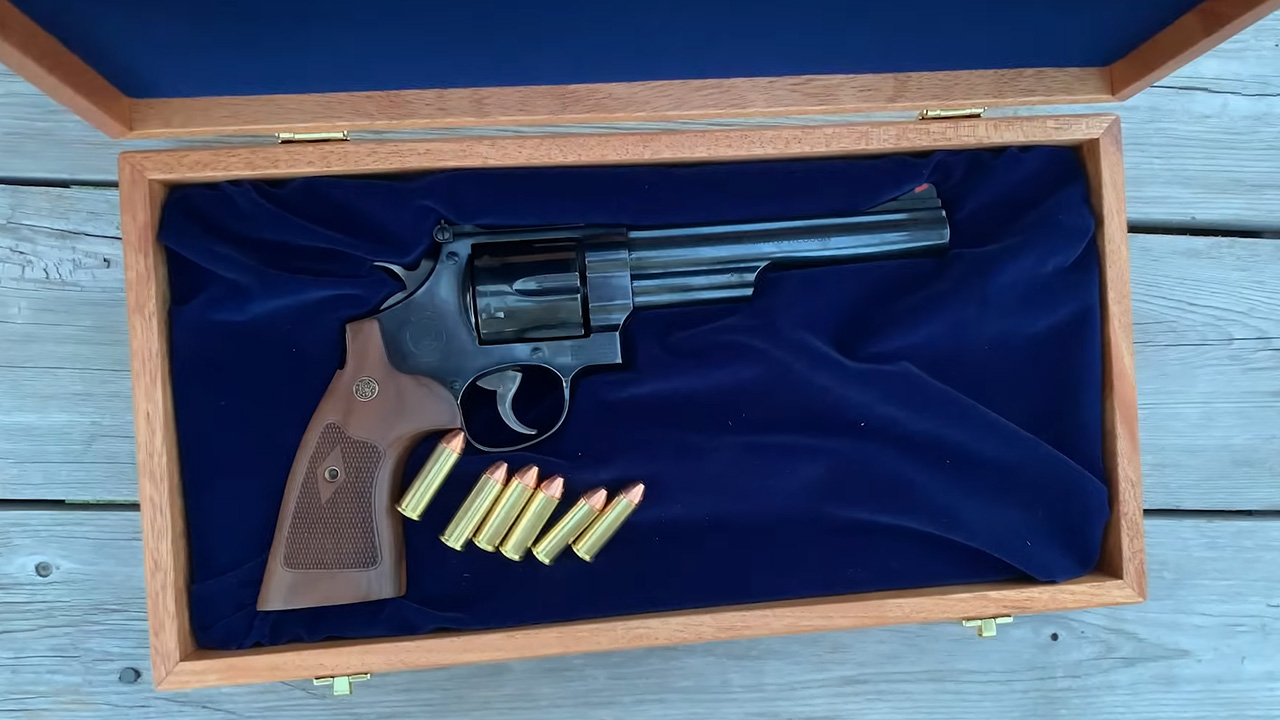
The Model 29’s claim to being the world’s most powerful commercial handgun did not stay true forever, but its fame outlived that title easily. American Rifleman and Shooting Illustrated both treat it as one of Smith & Wesson’s most iconic revolvers long after later magnum handguns pushed power levels further.
That says a lot about the difference between technical records and cultural staying power. The Model 29 did not remain special only because of ballistics. It remained special because it hit the exact right mix of timing, power, aesthetics, and cultural imprint.
15. Its real surprise is that it was already important before Hollywood ever touched it
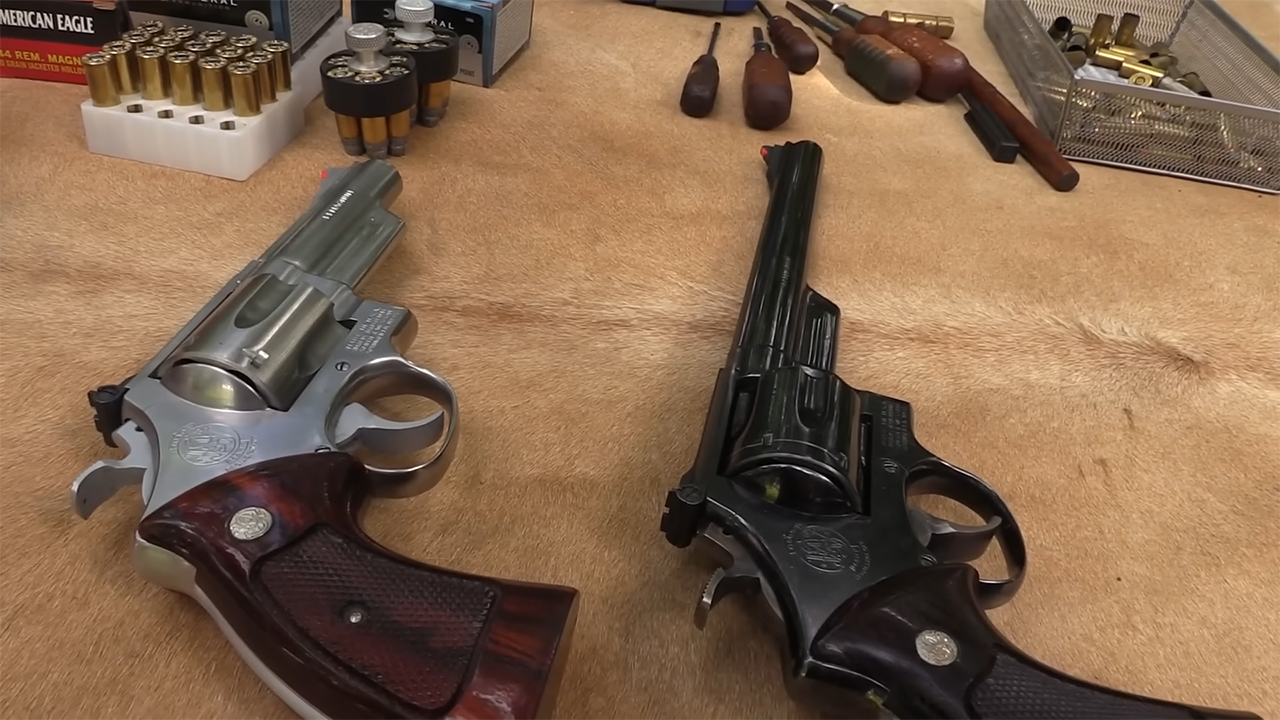
The movie fame is so overwhelming that a lot of people miss the simplest surprising fact: the Model 29 was already a landmark revolver before Clint Eastwood ever raised one on screen. It was the original S&W .44 Magnum, built from a major big-bore idea pushed by Elmer Keith and launched as a serious new revolver in 1955.
That is what makes the gun more than just a prop with recoil. Hollywood made it legendary, but the revolver had already earned its place in firearms history on its own.
Like The Avid Outdoorsman’s content? Subscribe to our newsletter so you never miss an article.
Here’s more from us: