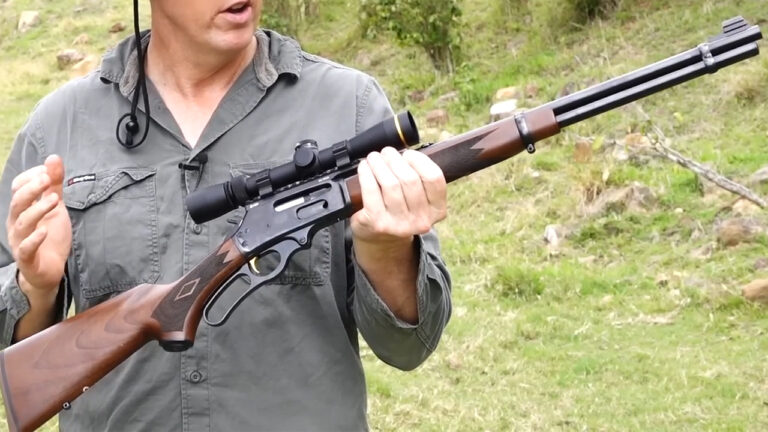
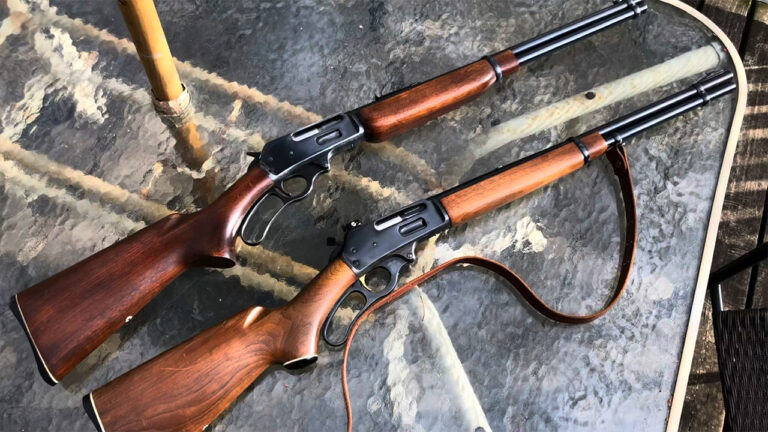
Photo credit: Mountaineer Firearms/YouTube
There’s something about a pre-64 Winchester that stops you mid-sentence when you spot one across a gun show table. You don’t need to shoulder it or cycle the action to know it’s different. These rifles weren’t built to meet a price point—they were built to work, and they’ve proven that for nearly a century. The steel’s better, the machining’s tighter, and you can feel the pride in every line of that receiver. Whether it’s a Model 70 or a 94, the older ones carry a kind of confidence you don’t get from anything mass-produced today. And once you’ve hunted with one, it’s tough to go back.
They were built when craftsmanship mattered
Before 1964, Winchester rifles were made with milled parts, forged steel, and tolerances that came from real machinists, not cost-cutting algorithms. You’ll hear the term “pre-64” whispered like a secret at gun shops, and there’s a reason. These rifles came off the line with polished feed ramps, hand-fitted bolts, and steel that hasn’t warped or cracked after 70 years of use. You’re not fighting sloppy tolerances or shortcuts in design. It’s a rifle you can trust to work—not because of some marketing claim, but because it already has, thousands of times.
The Model 70 pre-64 action is still the standard

Ask any custom rifle builder what action they’d clone if they could, and the pre-64 Model 70 is always on the list. The controlled round feed, the massive claw extractor, the three-position safety—they all earned their place in the woods and on the battlefield. It’s a design that feeds smoothly, extracts reliably, and gives you full control of the cartridge from magazine to chamber. Modern rifles copy it, but they rarely match it. That older action was engineered, not compromised, and it still cycles cleaner than a lot of the stuff built 60 years later.
They cycle smoother than most rifles today
There’s a kind of mechanical honesty to the way a pre-64 cycles. The bolt doesn’t drag or rattle. It glides, locks up tight, and spits brass like it’s proud of the shot you took. You can feel the years of machining knowledge in each part. Compare that to a modern budget bolt gun where the bolt feels like it was cut from tubing with a hacksaw. Even the lever guns—those early Model 94s—run smoother than half the ARs out there, especially when the weather turns cold. When something cycles that well after this long, it says everything you need to know.
Triggers that don’t need replacing

You won’t hear many people talk about replacing a pre-64 trigger. That’s because Winchester got it right the first time. The Model 70 trigger is crisp, consistent, and adjustable without having to dig into aftermarket kits. It doesn’t feel like a staple gun. It breaks clean, with zero surprises. On the lever guns, the triggers are equally solid—predictable and firm without being stiff. You can shoot them with gloves on or bare hands in the rain, and they still give you control. That kind of reliability isn’t something you add on. It’s baked into the design.
Better barrels, better accuracy
The older Winchesters came with hammer-forged or cut-rifled barrels that were checked by folks who knew what accuracy meant. You didn’t need to bed the stock or lap the lugs to shoot well—these rifles were good out of the box and stayed that way. Even the iron-sighted 94s shot better groups than they had any right to. And the Model 70? Plenty of those are still stacking bullets without ever seeing a gunsmith. There’s no weird barrel whips or wandering zeroes from flimsy plastic stocks. When someone hands you one, you’re holding something that earned its accuracy the hard way.
Wood stocks that were meant to be used

Back then, Winchester didn’t cut corners on the wood. You got walnut—real walnut—not a stained hunk of mystery lumber or molded plastic. They were cut right, finished clean, and bedded well enough to hold zero for decades. That stock gave the rifle weight where it needed it and balance where it counted. You can carry it all day and it’ll still shoulder naturally when it matters. And while today’s synthetics claim durability, they rarely offer the feel or fit that those older stocks do. There’s something about real wood that keeps pulling your eye back.
They’ve already proved themselves in the field
You don’t have to guess how a pre-64 Winchester will perform—you can read about it in old hunting journals, or talk to the guy who still takes his into elk camp every year. These rifles have already put meat in the freezer for generations. You won’t hear them talked about in influencer videos or “top 10” lists made in a studio. You’ll find them leaning against cabin walls and truck seats, still working, still accurate, still earning their keep. When a rifle holds up that long under real use, it’s not nostalgia—it’s proof.
Like The Avid Outdoorsman’s content? Be sure to follow us.
Here’s more from us:
The worst deer rifles money can buy
Sidearms That Belong in the Safe — Not Your Belt
*This article was developed with AI-powered tools and has been carefully reviewed by our editors.