Photo credit: Scottb071/GunBroker
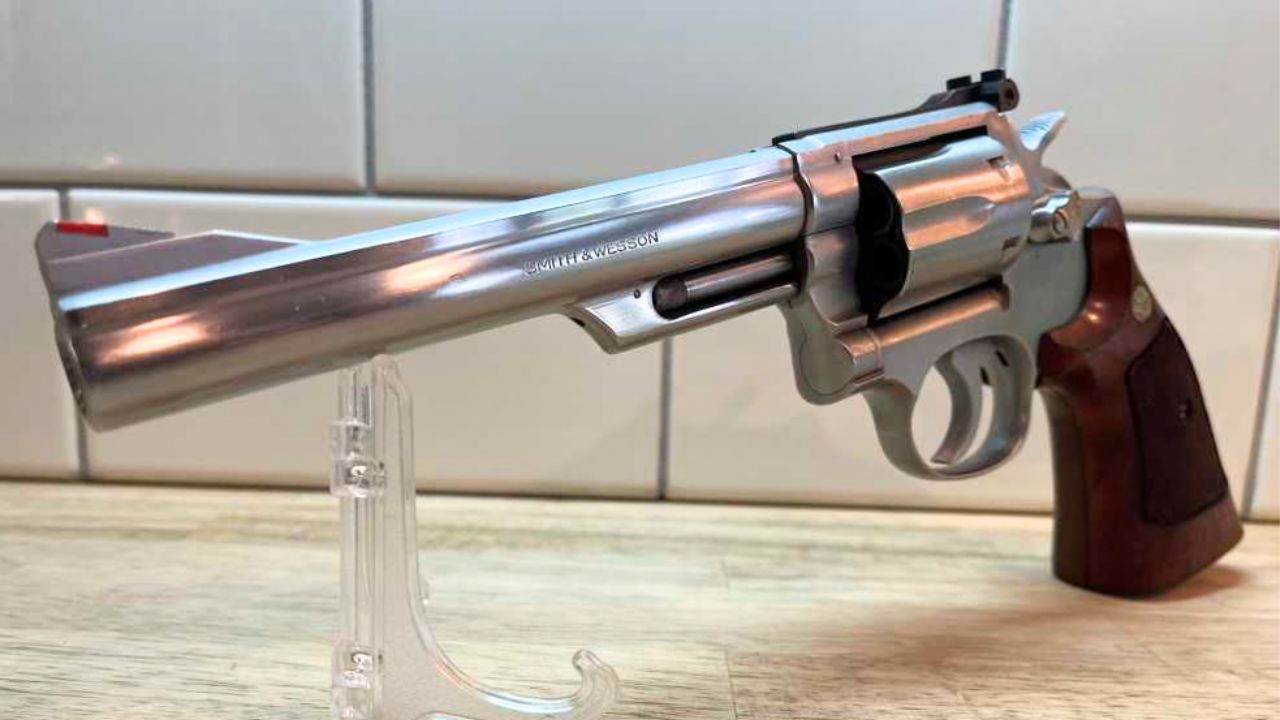
The Smith & Wesson Model 66 is one of those revolvers that a lot of shooters know as the stainless Combat Magnum, but that short description does not really capture why it matters. It was the stainless-steel counterpart to the blued Model 19, and it gave shooters the same K-frame .357 Magnum concept in a package that resisted rust and weather much better. American Rifleman says the Model 66 offered everything the Model 19 did, plus corrosion resistance, and Smith & Wesson’s current product page still ties the gun directly to the Combat Magnum identity.
What makes the Model 66 especially interesting is that it sat right at the crossroads of duty use, concealed carry, and outdoors use. It was produced from 1970 until 2005, according to the Model 19/66 reference history, then revived in modern form years later as a current-production Combat Magnum. That long arc means the Model 66 is really two stories at once: the classic stainless K-frame of the service-revolver era, and the modern revival that brought the name back for a new generation.
1. The Model 66 is basically the stainless version of the Model 19
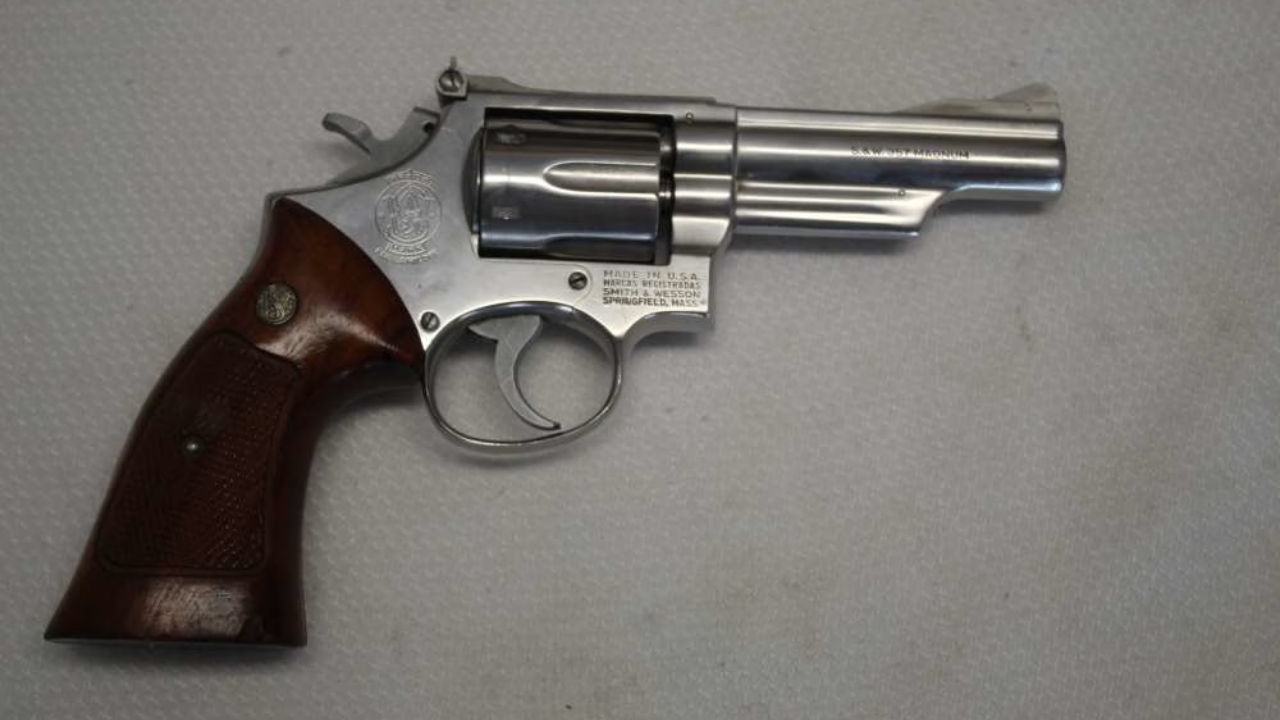
This is the single most important fact about the gun. The general Smith & Wesson reference page lists the Model 66 as the stainless-steel version of the Model 19, and the Model 19/66 history says the same thing in more detail.
That matters because the Model 66 was not a totally separate design with a different mission. It was Smith & Wesson taking the Combat Magnum formula that had already proven itself and giving it the finish and material many shooters wanted most.
2. It went into production in 1970

A lot of shooters assume the Model 66 arrived later than it did, but the Model 19/66 reference history says it was produced from 1970 until 2005.
That timing matters because it put the revolver right into the era when stainless handguns were becoming much more attractive to police, outdoorsmen, and everyday carriers who wanted less maintenance anxiety than blued guns could offer. That second point is an inference from the model’s stainless identity and era, grounded by the documented production dates and corrosion-resistant appeal.
3. It was called the stainless Combat Magnum for a reason
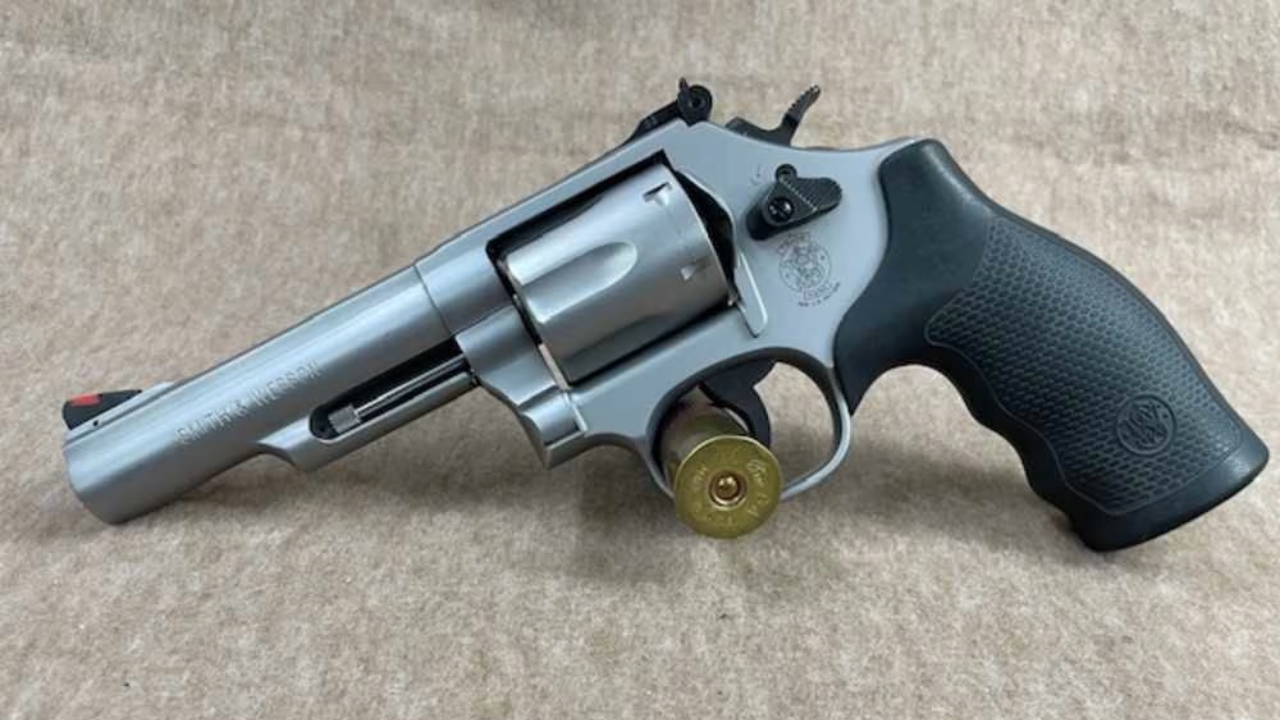
Smith & Wesson’s current page still labels the gun Model 66 Combat Magnum, which keeps the old Combat Magnum lineage front and center.
That name tells you what the gun was supposed to be: a practical fighting revolver chambered in .357 Magnum, not merely a target wheelgun or a hunting-only sidearm. The stainless build just made that original idea more weather-resistant and easier to live with in hard use.
4. It was a K-frame .357 Magnum, which was the whole point

Smith & Wesson’s current page describes the K-frame as one of the company’s most important innovations, originally built to handle the .38 Special. The Model 66 applied that familiar medium-frame size to a stainless .357 Magnum revolver.
That mattered because shooters wanted a .357 that was more practical to carry than the larger N-frame magnums, and the K-frame balance was a huge part of why the Combat Magnum concept became so influential in the first place. That second point is an inference grounded in the K-frame role and the documented Model 19/66 relationship.
5. It offered the same three main barrel lengths the Model 19 became known for

American Rifleman’s 2014 look back at the Model 66 says the revolver was initially offered in 2 1/2-, 4-, and 6-inch barrel lengths.
That is one reason the Model 66 appealed to so many different shooters. The 2 1/2-inch version worked as a serious carry or backup gun, the 4-inch version hit the classic duty sweet spot, and the 6-inch version pushed the revolver toward field or range use. The use-case split is an inference, but it follows directly from the documented barrel offerings and American Rifleman’s comments on popularity.
6. The 4-inch version became the best-known configuration
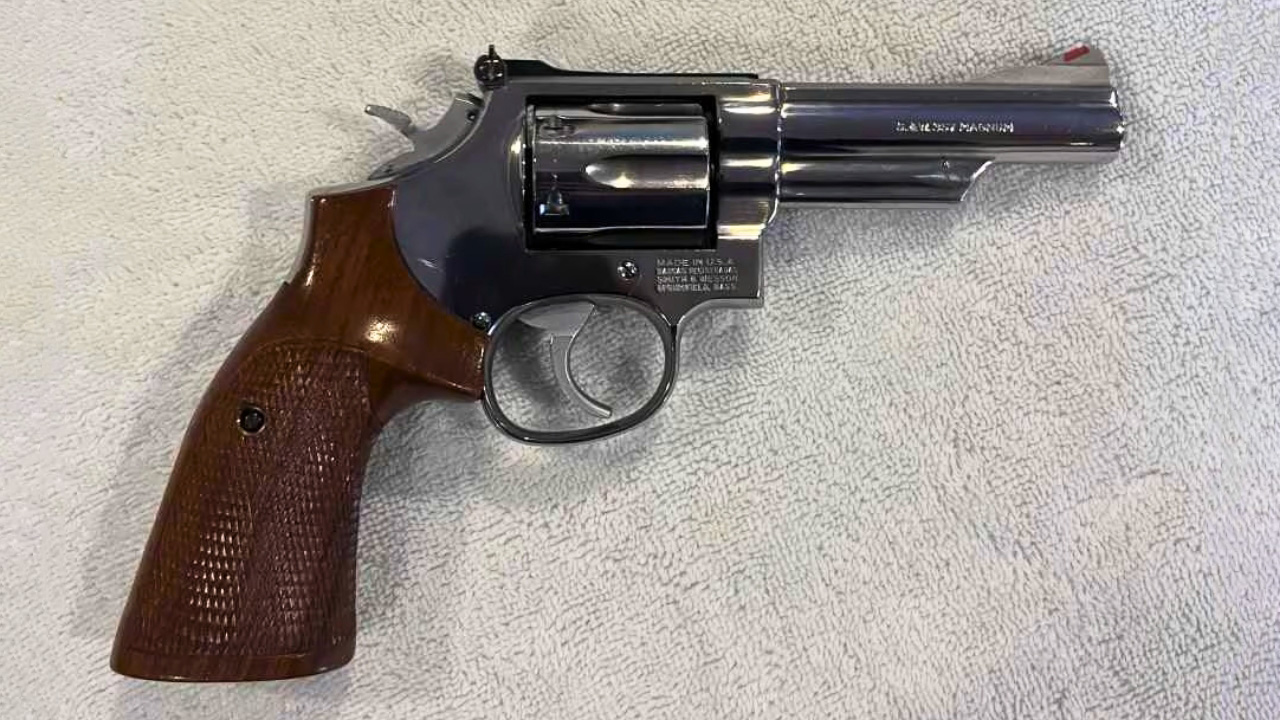
That same American Rifleman article says the 4-inch Model 66 is “hands down the most popular,” because it offers a strong compromise between carry and shootability.
That makes a lot of sense. A 4-inch K-frame gives enough barrel and sight radius to shoot well, but it still carries more easily than a longer revolver. That is a big part of why the 4-inch Combat Magnum became such a familiar law-enforcement and outdoors profile. The law-enforcement/outdoors framing is an inference from the Combat Magnum role and barrel-length balance.
7. The 2 1/2-inch gun had a strong following of its own
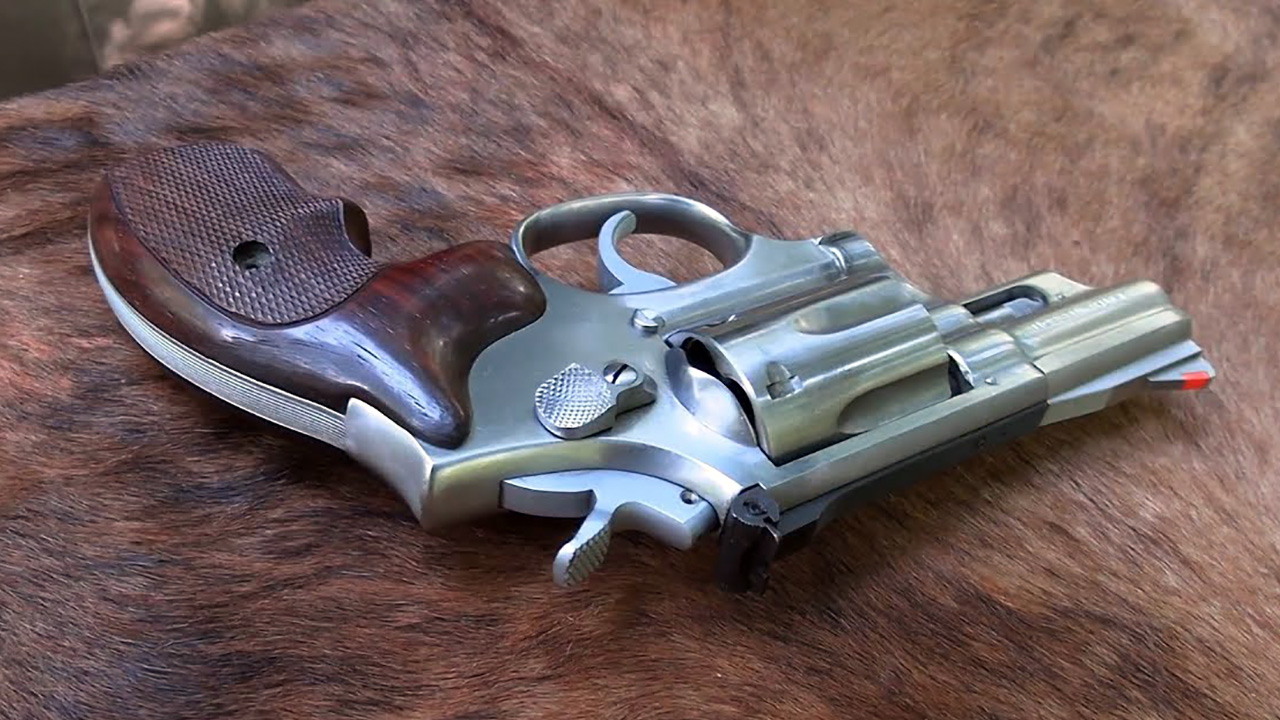
American Rifleman says the 2 1/2-inch Model 66 was especially popular as either a concealed-carry or backup gun.
That shorter version is a big part of why the Model 66 developed such a devoted fan base. It offered a compact stainless .357 in a very polished old-school package, which is a combination a lot of revolver people still chase now. The “devoted fan base” phrasing is an inference, but it is grounded in the documented popularity of the shorter barrel and the model’s long-lived reputation.
8. The 3-inch Model 66 is the rare one people love talking about
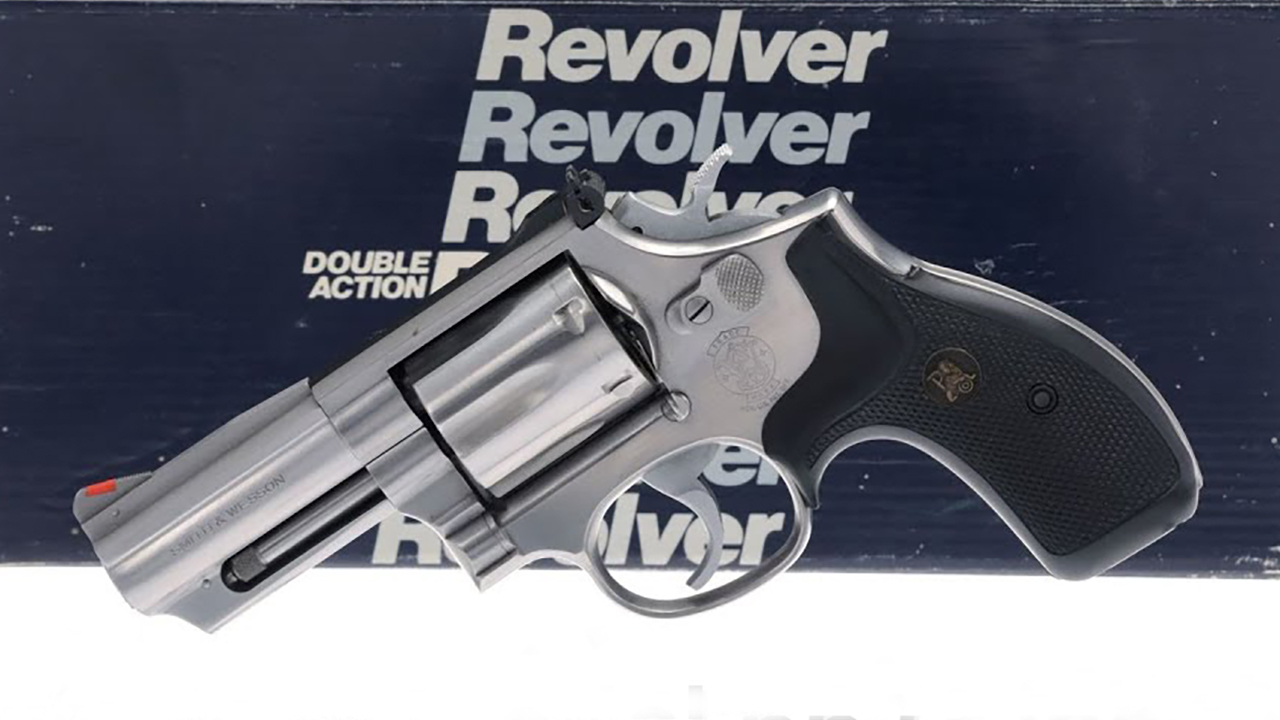
The Model 19/66 reference history says the Model 66 was available in 2.5-, 4-, and 6-inch barrel lengths, and notes that the 3-inch Model 66 was rare.
That little detail matters because rare barrel-length variants often become collector magnets, and the 3-inch Model 66 has exactly that kind of reputation among Smith & Wesson fans. The collector-interest point is an inference, but it is a standard consequence of the documented rarity.
9. The Model 68 came directly out of the Model 66 line
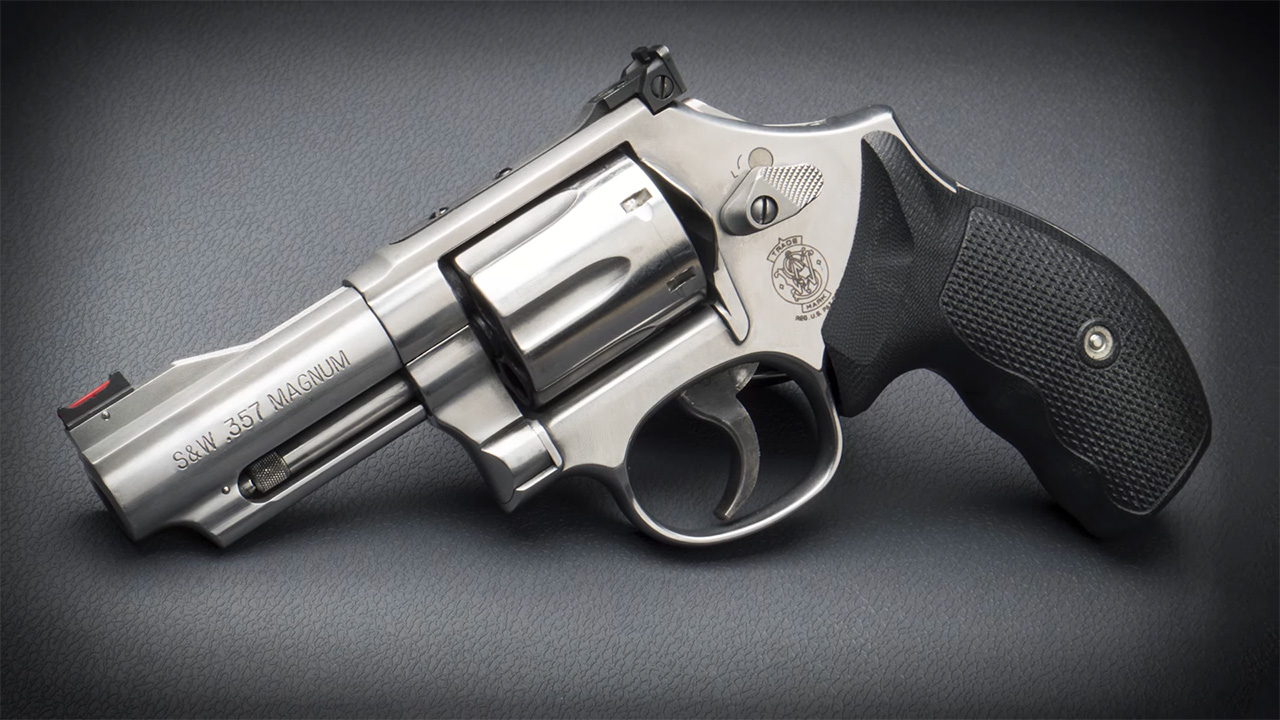
A lot of shooters know the Model 68 by name without realizing where it came from. The Smith & Wesson reference page says the Model 68 was a .38 Special version of the Model 66, made in limited production for the California Highway Patrol and Los Angeles Police Department, with a 6-inch barrel.
That is a pretty interesting branch in the family tree because it shows just how adaptable the Model 66 pattern was. Smith & Wesson could take the same basic stainless K-frame platform and tailor it for specific agency preferences.
10. Main production lasted until 2005
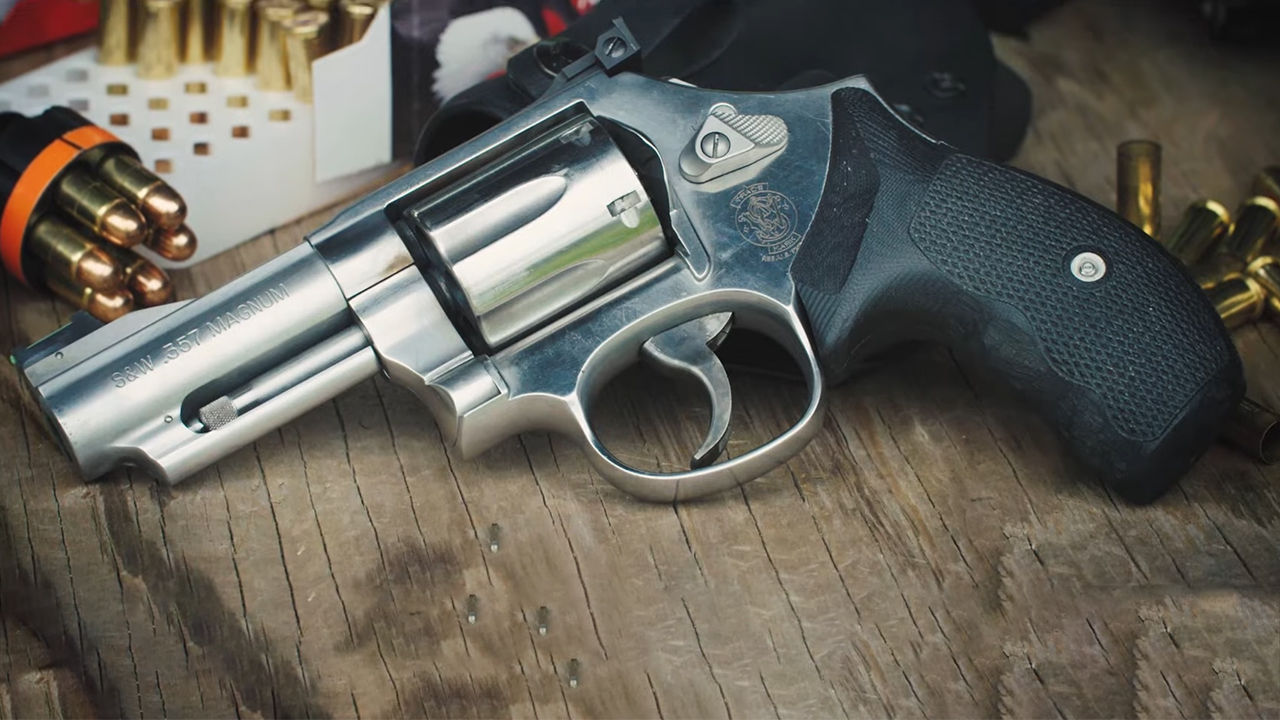
The Model 19/66 reference history says the Model 66 ran from 1970 until 2005.
That is a long life for a medium-frame service revolver, especially considering how much the law-enforcement and defensive-handgun market changed during that period. The long run alone tells you the gun stayed relevant well beyond the peak of the revolver era. The market-change point is an inference based on the production dates spanning multiple handgun eras.
11. Smith & Wesson brought it back in modern form
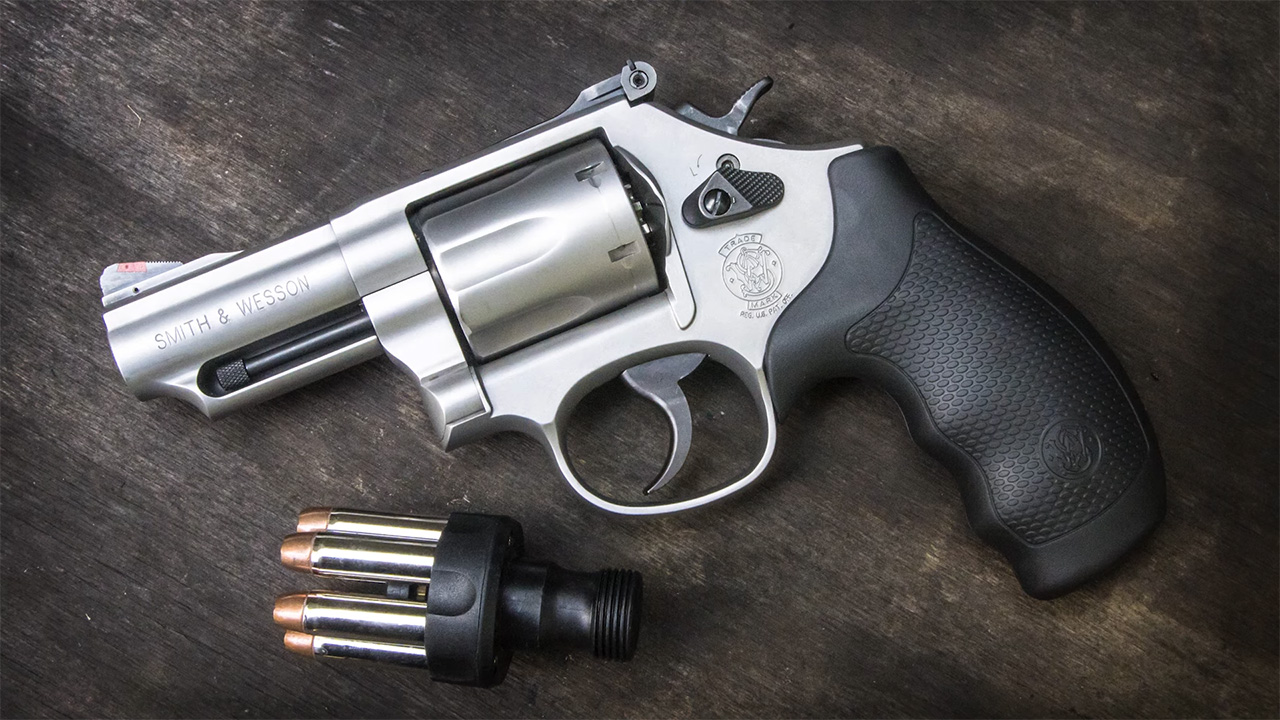
Smith & Wesson’s current page for the Model 66 Combat Magnum shows the revolver as an active catalog item, and older corporate filings show the company already talking about the reintroduced Model 66 as part of its mid-2010s product plans.
That matters because the Model 66 did not just survive as a nostalgic memory or an auction-table favorite. Smith & Wesson decided the name still meant enough to bring it back as a living product.
12. The modern gun keeps the Combat Magnum identity but changes the details
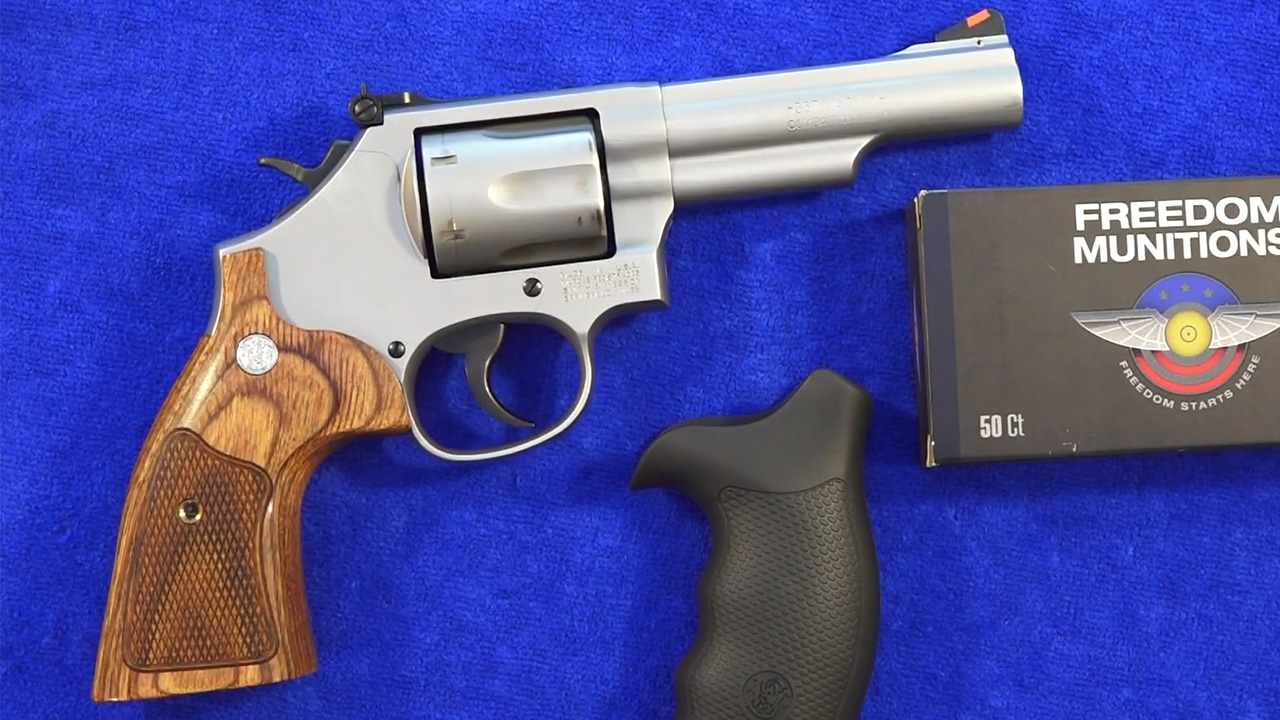
The current Smith & Wesson page shows a modern stainless K-frame Combat Magnum with updated production methods and current-spec features, even though it still wears the old Model 66 name.
That is important because the revived Model 66 is not simply a warehouse find from 1978. It is a modern production revolver meant to preserve the original concept while fitting current manufacturing realities. That second sentence is an inference grounded in the existence of the active modern catalog listing versus the documented original production period.
13. Rust resistance was one of its main real-world advantages over the Model 19
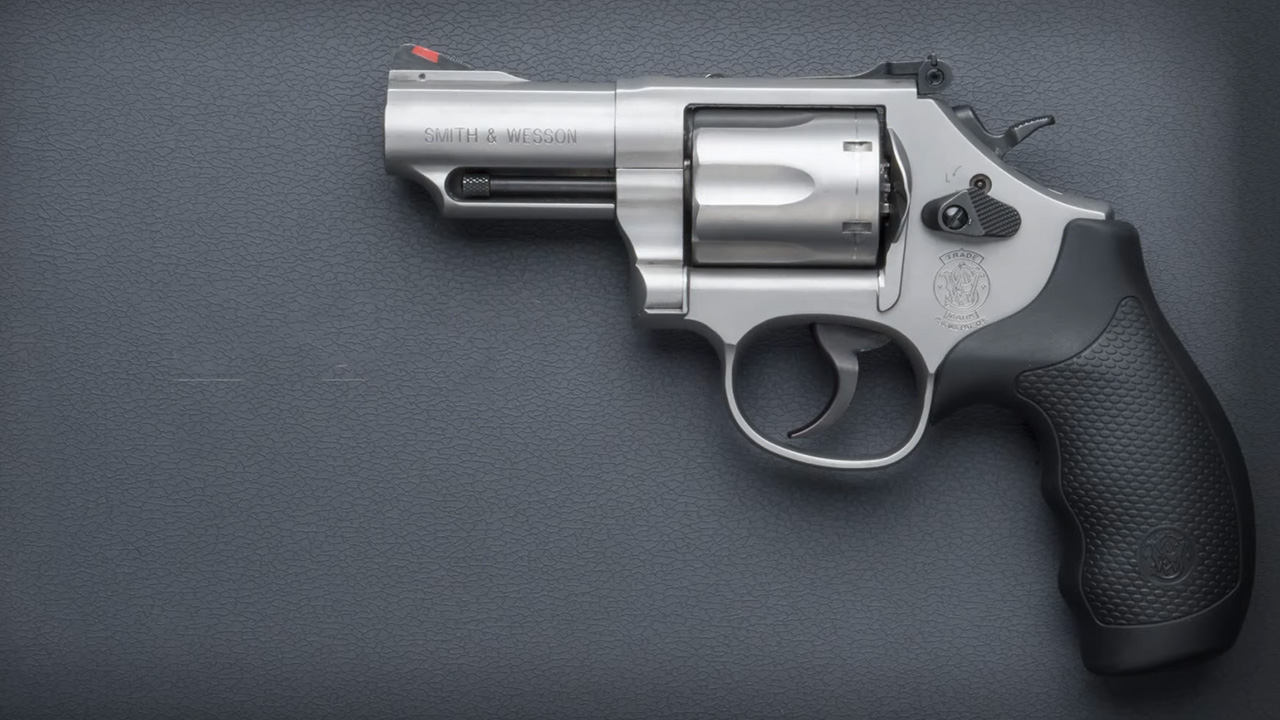
American Rifleman’s 2014 Model 66 retrospective says the gun offered everything the Model 19 did, plus it was rust resistant.
That sounds simple, but it was a huge real-world upgrade. For officers, outdoorsmen, or everyday carriers dealing with sweat, humidity, rain, and rough weather, stainless was not just cosmetic. It changed how much worry the gun carried with it. The specific use-case extension is an inference grounded in the cited corrosion-resistance advantage.
14. It kept the classic adjustable-sight Combat Magnum formula
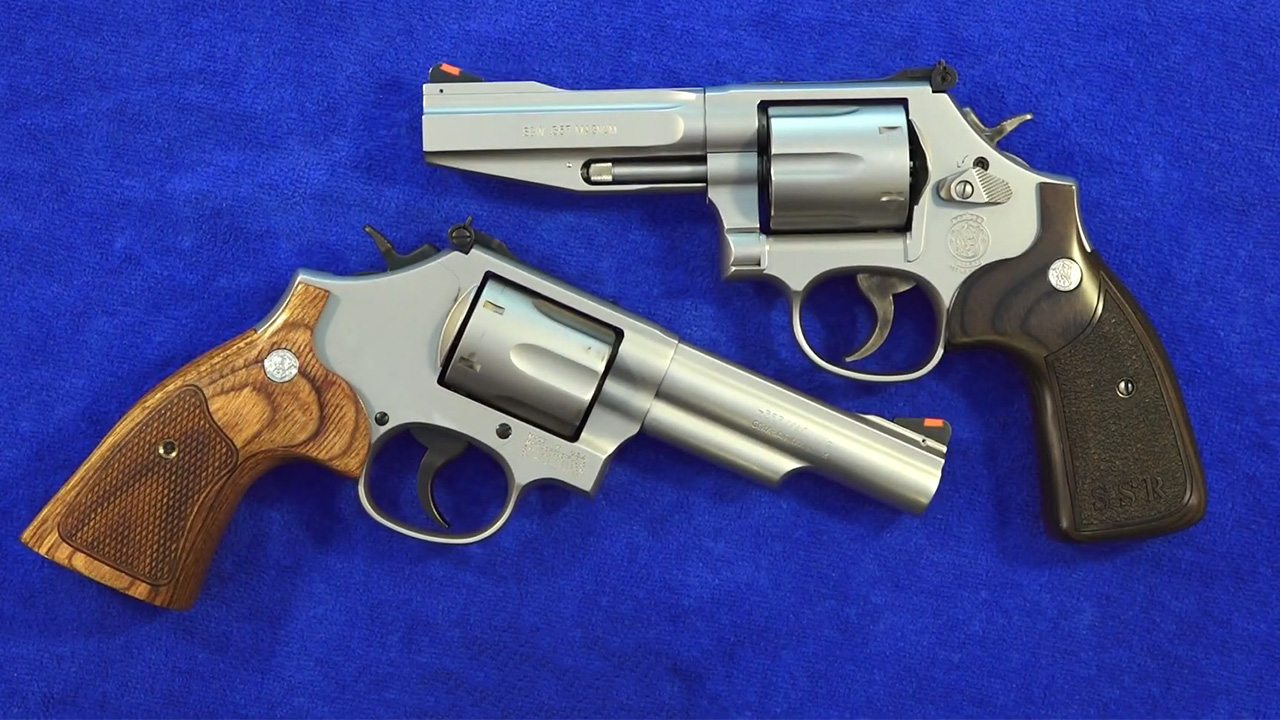
The current Model 66 page and the 2014 American Rifleman history both reflect the gun’s place inside the adjustable-sight Combat Magnum line rather than the fixed-sight service-revolver branch.
That matters because the Model 66 was not just about stainless steel. It was about keeping the more refined, shootable, sight-adjustable Combat Magnum formula intact in a corrosion-resistant package. The “refined, shootable” framing is an inference grounded in the documented Combat Magnum identity and barrel-length versatility.
15. The biggest thing most people miss is that the Model 66 may be the most iconic stainless duty revolver Smith & Wesson ever made
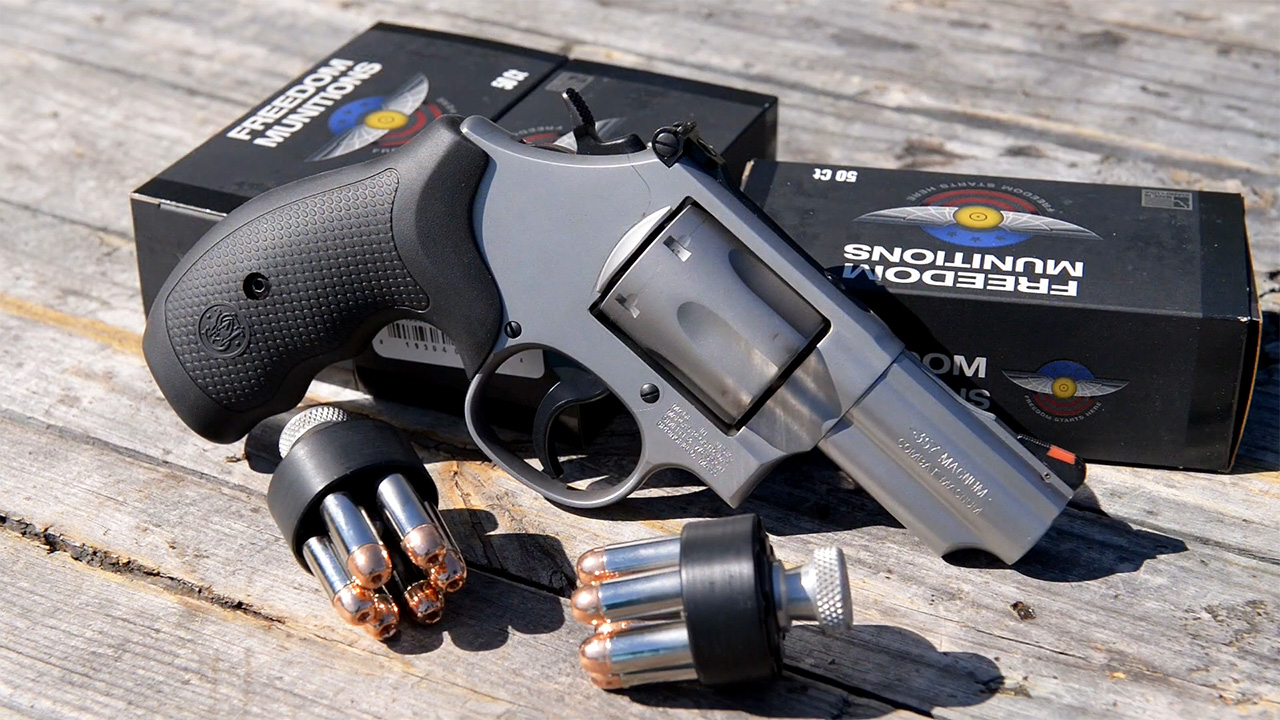
When you step back, the Model 66 checks a lot of boxes: stainless steel, K-frame size, .357 Magnum chambering, multiple practical barrel lengths, long original production, and a modern revival that kept the name alive. The company still sells it as the Model 66 Combat Magnum, and American Rifleman’s retrospective makes clear just how central the gun was to the stainless-revolver idea.
That is probably why people still care so much about it. The Model 66 was not just a stainless Model 19 on paper. In practice, it became one of the clearest expressions of what a practical, durable, medium-frame .357 revolver could be.
Like The Avid Outdoorsman’s content? Be sure to follow us.
Here’s more from us: