Photo credit: Milsurp Garage/YouTube
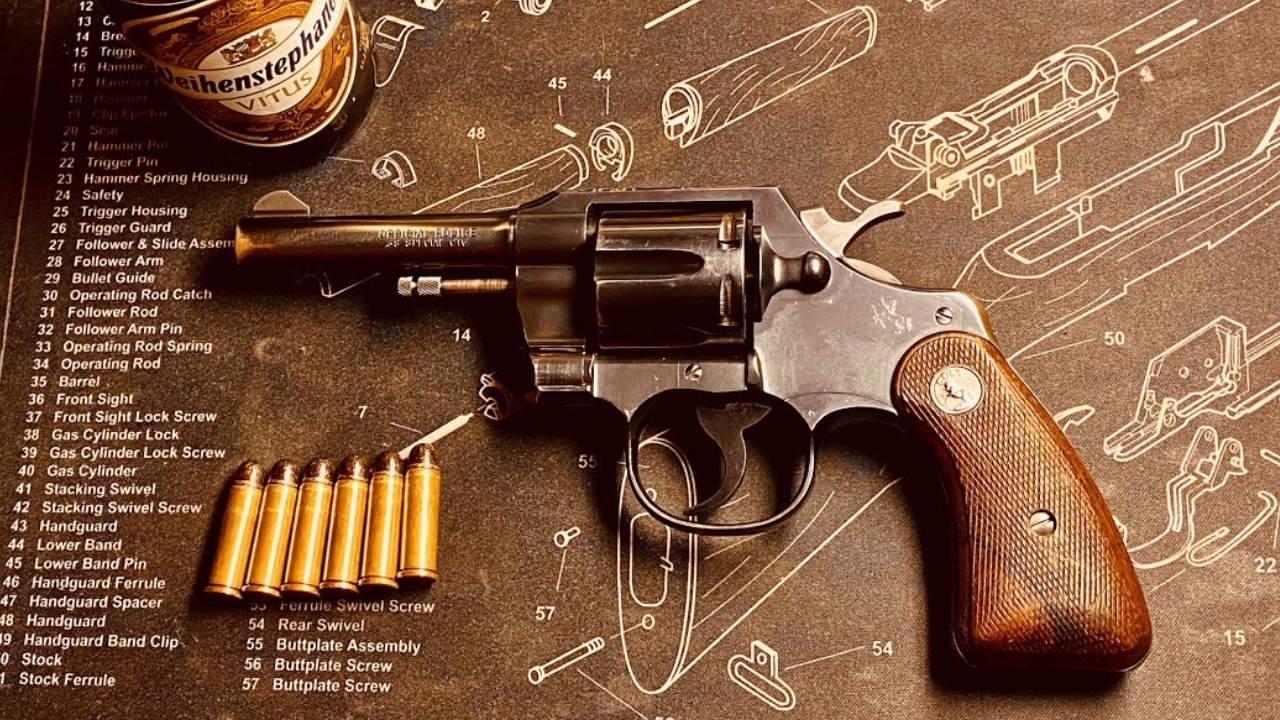
The Colt Official Police is one of those revolvers that a lot of shooters have heard of, but not nearly enough people realize just how important it was. This was not some side-model Colt that quietly served a few departments. It became one of the defining American police revolvers of the first half of the 20th century. Standard reference history says it was introduced in 1908 as the Colt Army Special, renamed the Official Police in 1927, and eventually became one of the bestselling police firearms of all time.
What makes the Official Police especially interesting is that it sat right at the center of Colt’s law-enforcement identity for decades. It served domestic police agencies, federal users, and wartime military/security roles, and it also produced important offshoots like the wartime Commando. The gun lasted until 1969, which gave it an unusually long and influential run for a service revolver.
1. It did not start out as the Official Police

A lot of shooters assume “Official Police” was the name from day one, but that is not how it began. The revolver was originally released in 1908 as the Colt Army Special, and only in 1927 did Colt rename it the “Official Police” to market it more directly to law-enforcement agencies.
That rename tells you a lot about Colt’s thinking. By the late 1920s, police sales had become important enough that Colt wanted the gun’s whole identity to point straight at that market.
2. It became one of the most successful police revolvers ever made
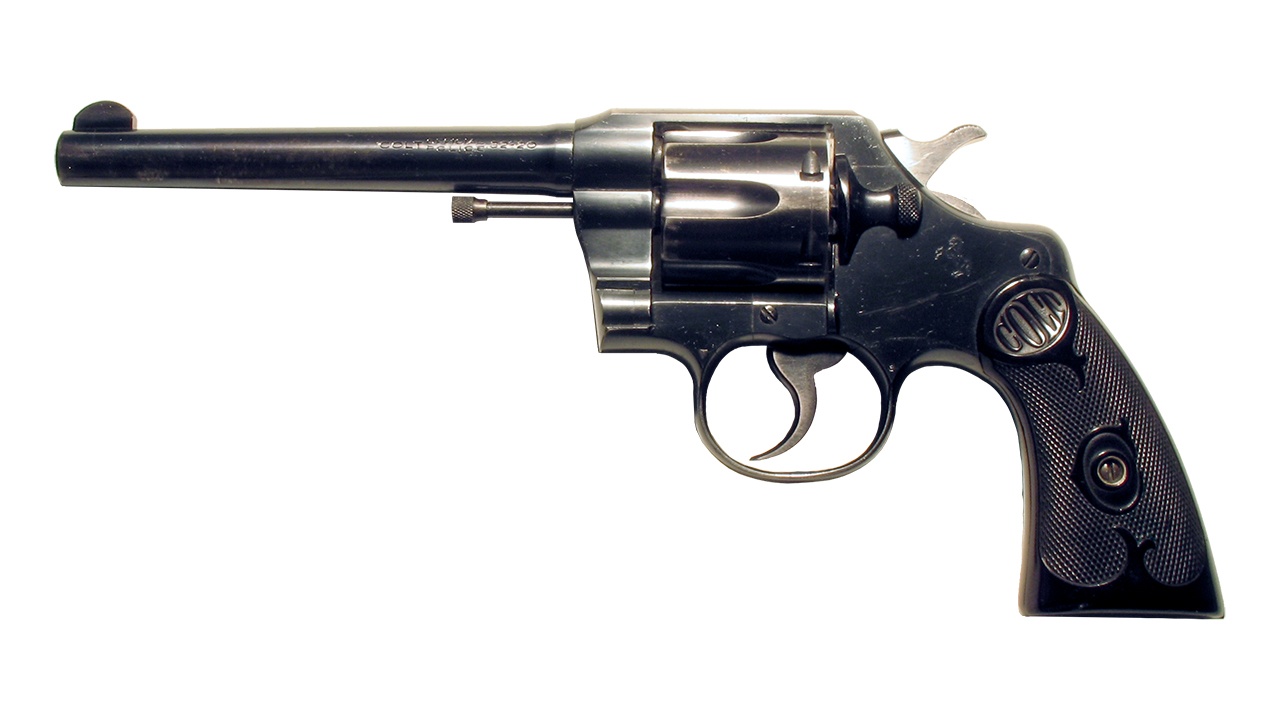
This was not a niche-duty sidearm. The reference history says the Official Police became one of the bestselling police firearms of all time and came to exemplify the typical law-enforcement officer’s sidearm in the 1950s.
That is a big deal because plenty of old revolvers were well liked. Far fewer became shorthand for an entire policing era. The Official Police did.
3. Production ran from 1907/1908 into 1969
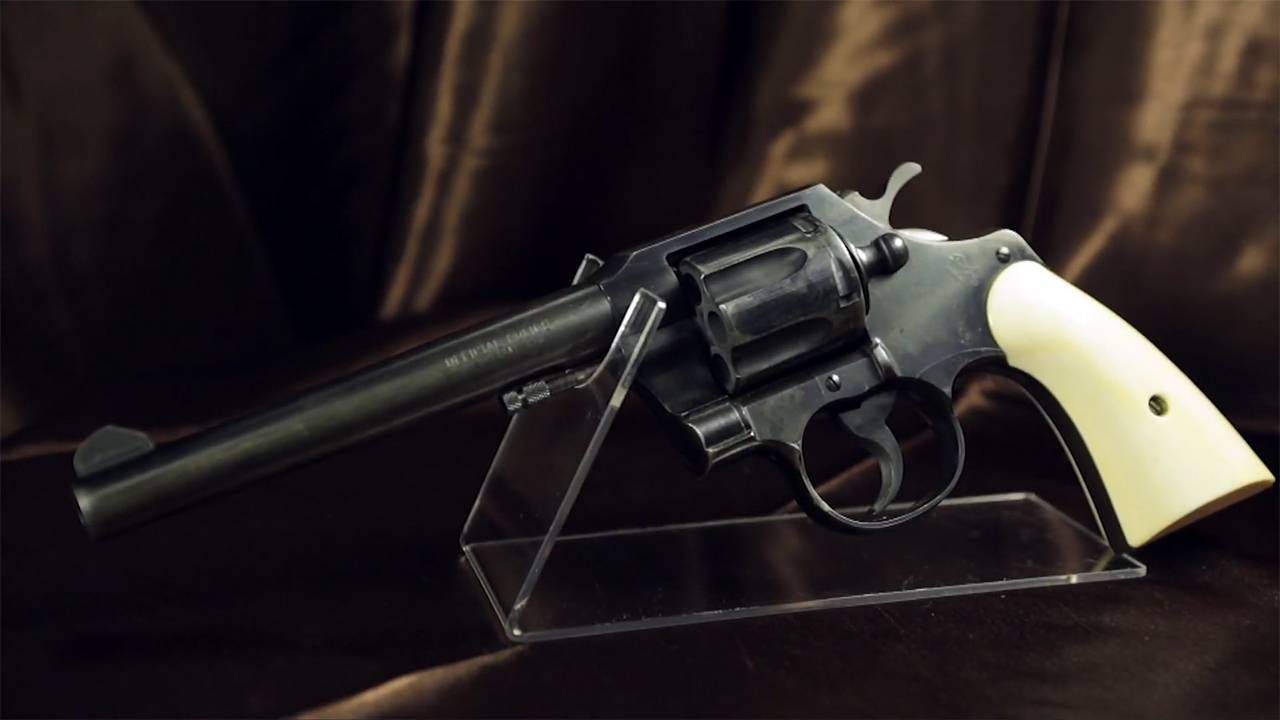
The reference history lists production as 1907 to 1969, with the gun released in 1908 as the Army Special and discontinued in 1969.
That gave the revolver a very long life. It survived through the transition from early 20th-century police sidearms all the way into the period when Smith & Wesson was taking over more of the market.
4. It was built mainly around the .38 Special, but not only that
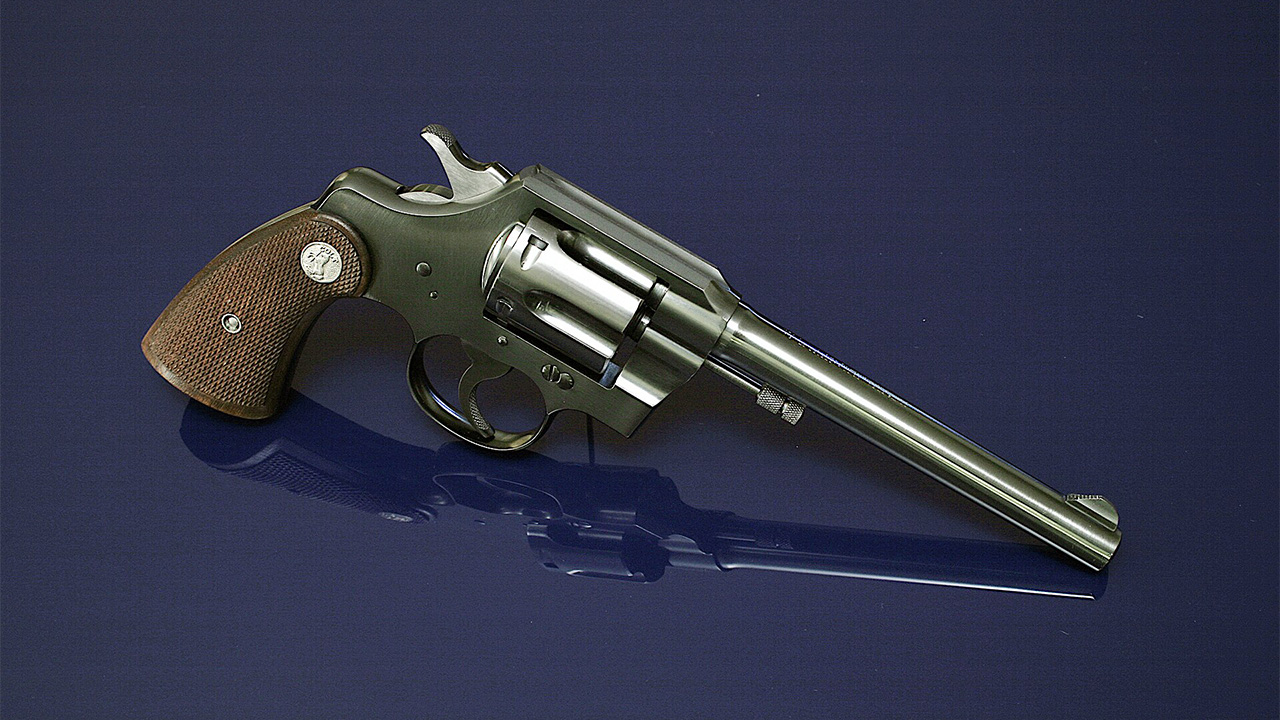
Most people think of the Official Police as a .38 Special revolver, and that is fair because it was the most common chambering. But the reference history says it was also offered in .22 LR, .32-20, .38/200, and .41 Long Colt.
That broader chambering list shows Colt was willing to stretch the platform to fit more than one market and user type. It was a service revolver first, but it was not limited to one exact cartridge identity.
5. It was a six-shot medium-frame double-action revolver
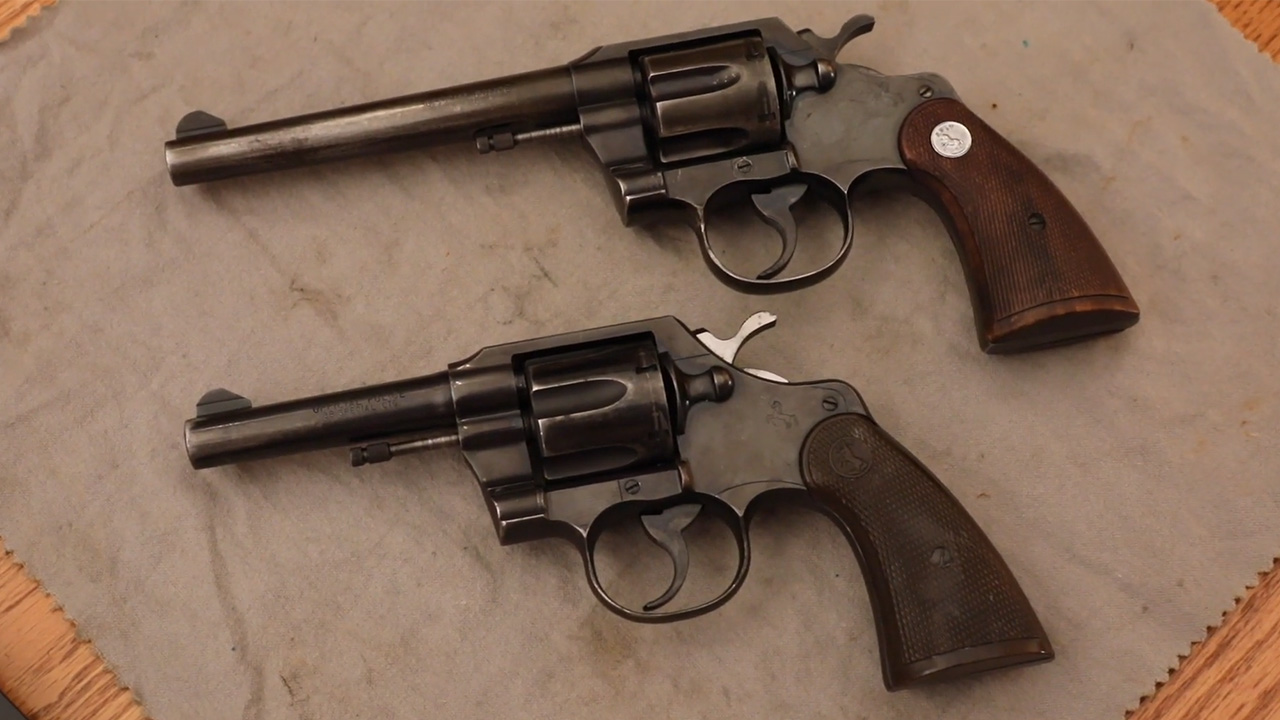
The Official Police was a medium-frame, double-action revolver with a six-round cylinder, according to the reference history.
That sounds basic now, but it was part of what made the gun such a natural police sidearm. It sat in the sweet spot between size, capacity, and controllability for the period.
6. Colt marketed it harder by changing more than just the name
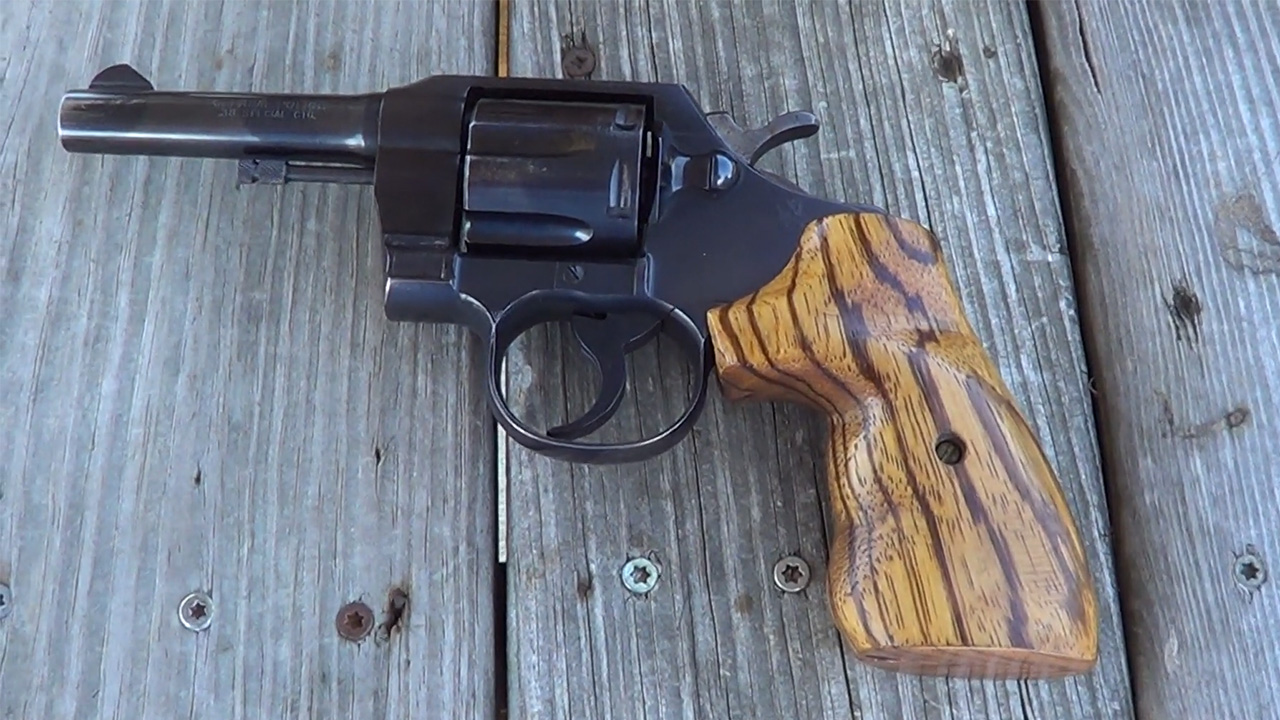
When Colt renamed the Army Special as the Official Police in 1927, it did not rely on the new rollmark alone. The reference history says Colt added checkering to the trigger, matted the topstrap, widened the rear-sight groove, and upgraded the finish from a dull blue to a highly polished blue.
That is a pretty smart move. Colt was not just selling a police gun in theory. It was visibly refining the revolver to look and feel more polished and more duty-ready.
7. The matte topstrap was there for a practical reason
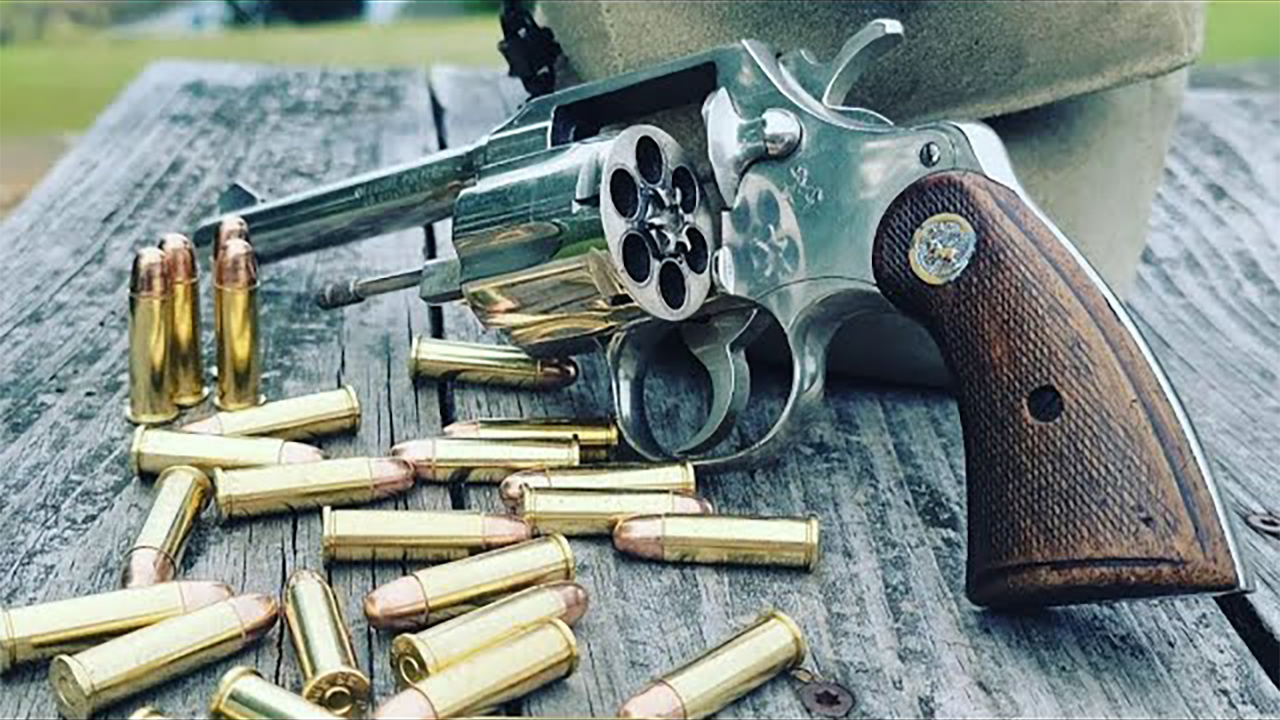
One of the easy-to-miss details is the topstrap finish. The reference history says the topstrap had a matte finish to reduce glare down the sight plane.
That is the kind of feature that tells you the gun was built for real use, not just catalog appeal. On a service revolver, little sighting details like that matter.
8. It used Colt’s Positive Lock safety system
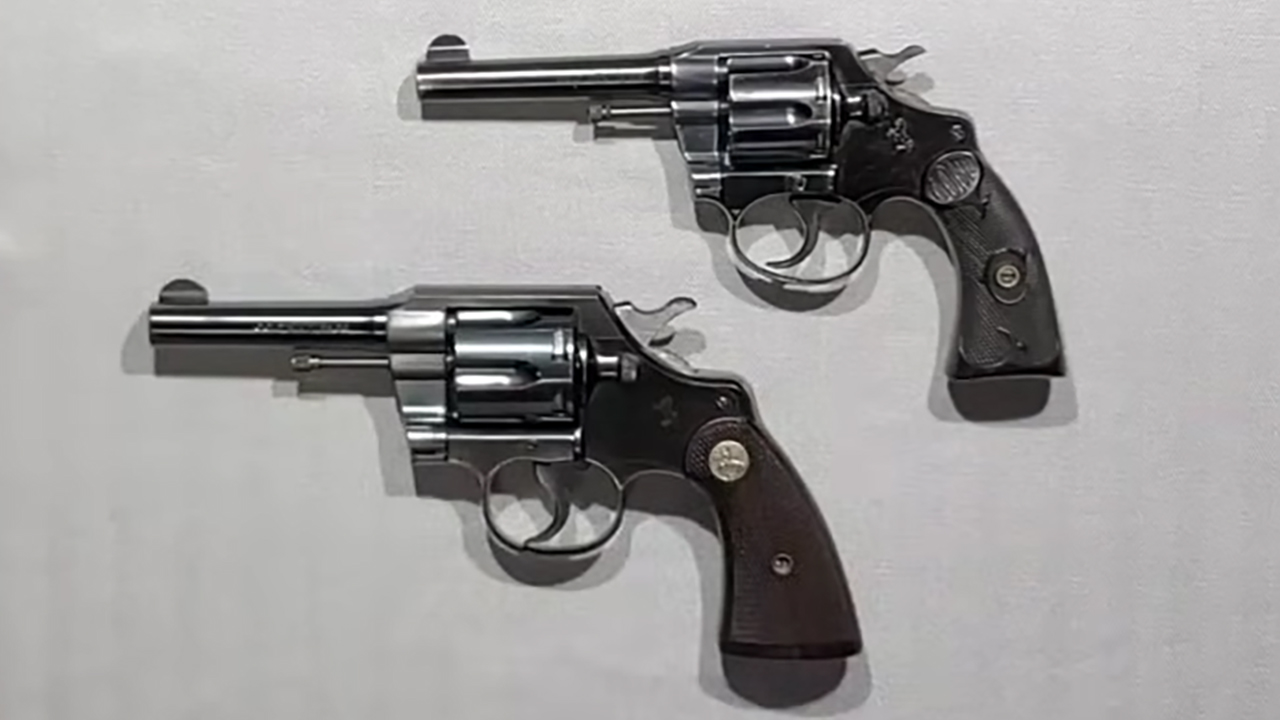
The reference history says the Official Police used Colt’s “Positive Lock” firing-pin-block safety, which prevented the firing pin from striking the primer unless the trigger was deliberately pulled.
That is a meaningful detail because safe loaded carry was a major concern for service revolvers, and Colt clearly treated that as part of the gun’s core duty appeal.
9. By the early 1930s, major departments had adopted it
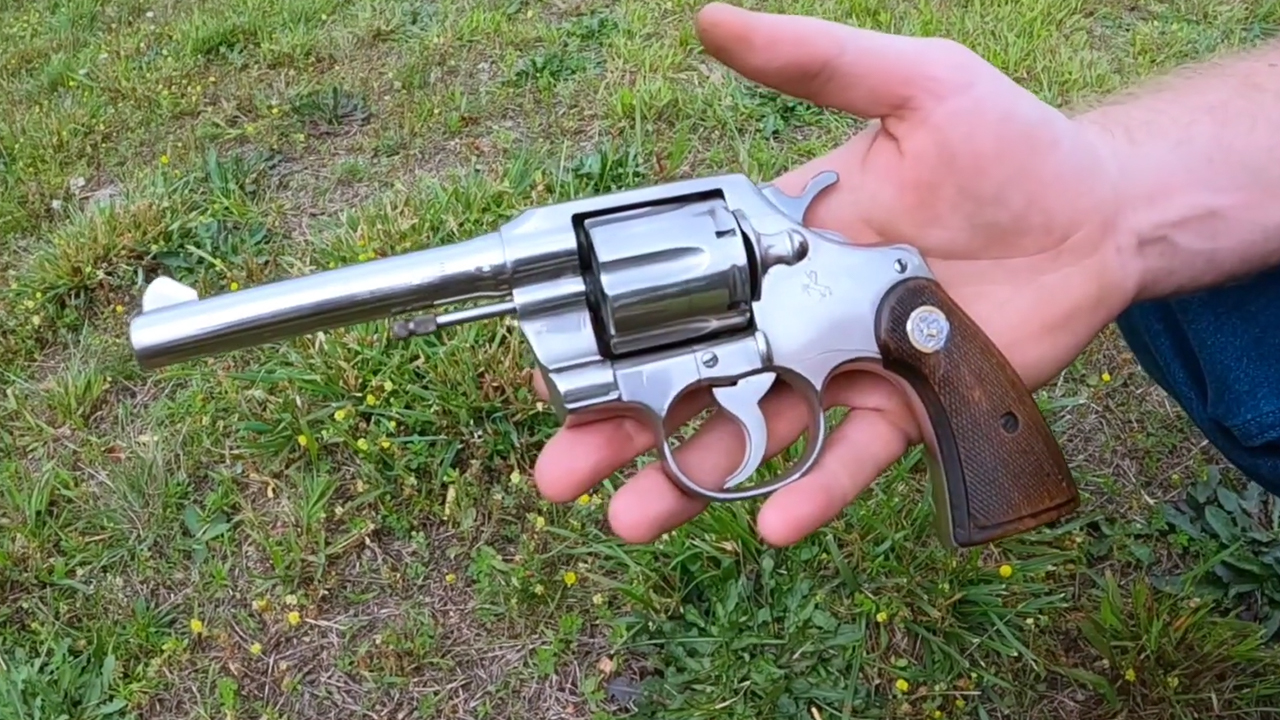
The reference history says that by 1933, Colt’s sales catalog listed agencies such as New York City, Los Angeles, Chicago, Kansas City, Compton, Signal Hill, and other departments as users, along with state police organizations and the FBI.
That helps explain why the gun became so iconic. It was not popular in one region or one niche. It was broadly adopted and broadly visible.
10. It also saw military and wartime security use
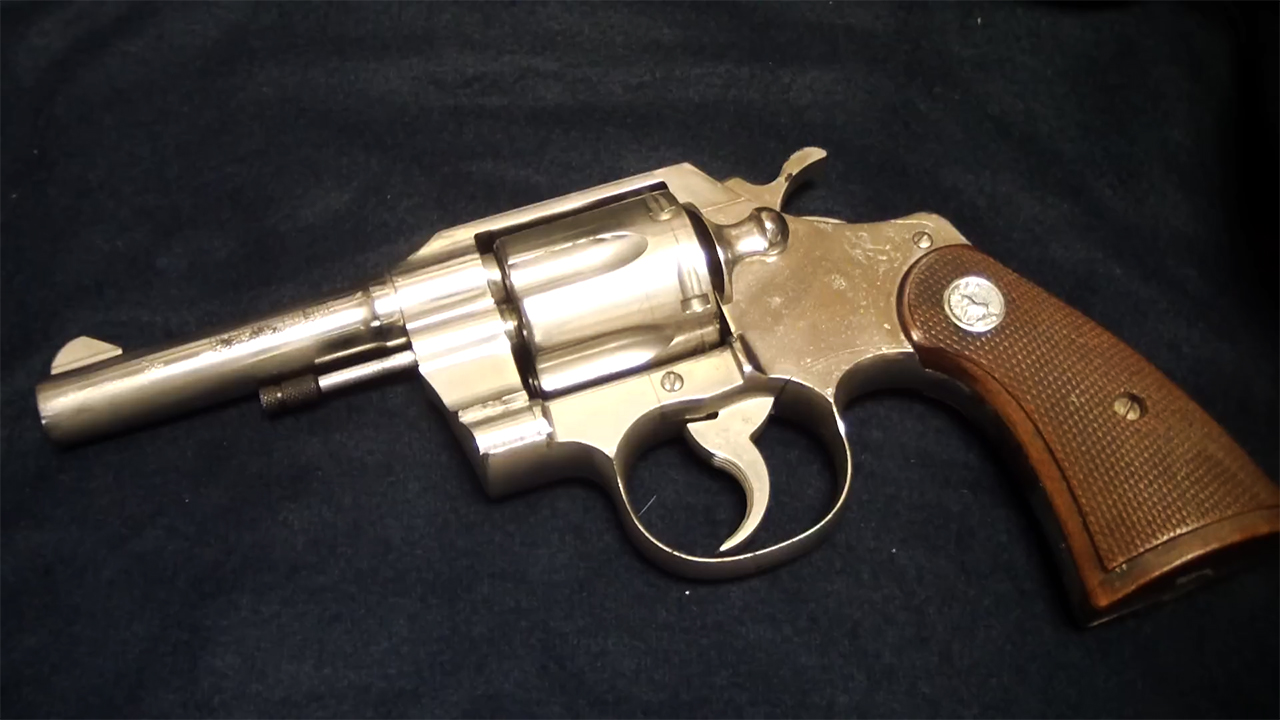
The Official Police was not limited to police holsters. The reference history says it was used by U.S. and allied military forces in World War II, and that the U.S. Army bought some for military police and federal agencies such as the Treasury Department, Coast Guard, and Postal Inspection Service.
That gives the gun a broader service history than many people realize. It was a police revolver first, but its usefulness carried into wartime roles too.
11. Britain bought nearly 50,000 of them during World War II
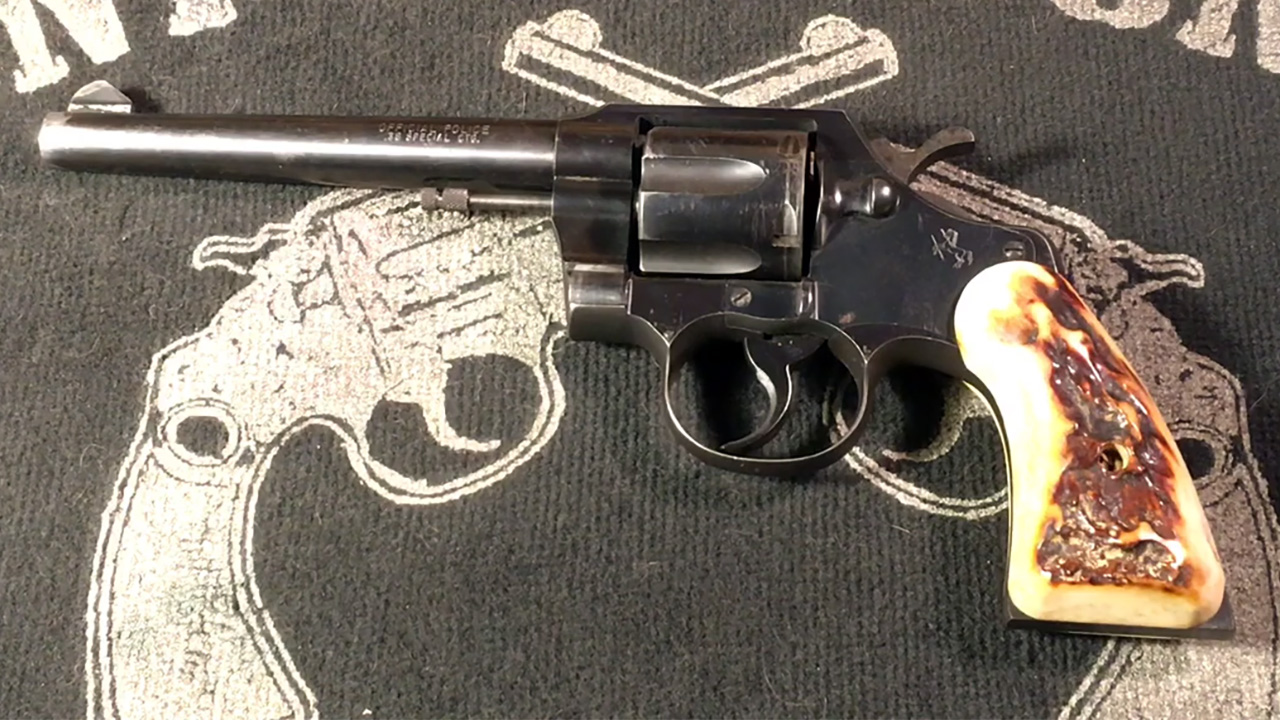
One of the more surprising facts in the whole story is the British purchase. The reference history says that between May 1940 and June 1941, 49,764 Official Police revolvers in .38 New Police or .38/200 were bought by the British Purchasing Commission and shipped to the United Kingdom for British and Commonwealth use.
That is a huge number, and it shows just how internationally useful and available the platform became during wartime demand.
12. The Commando was the wartime economy version
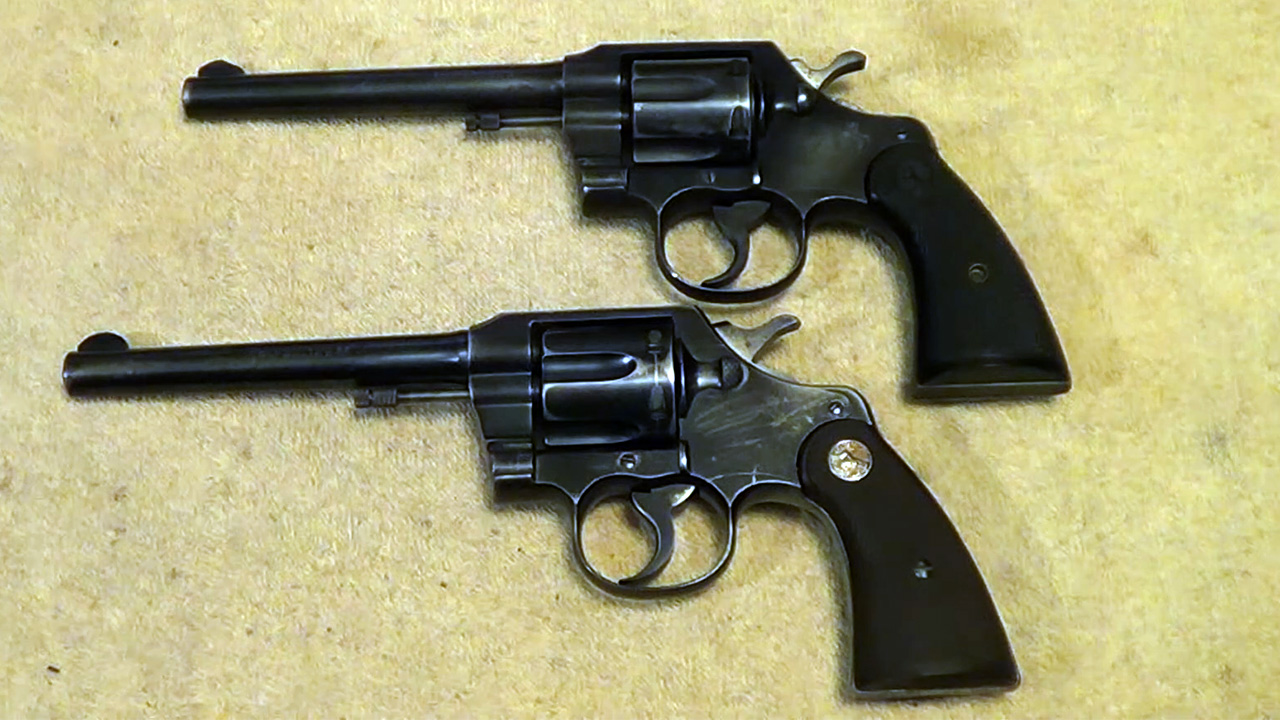
When the U.S. needed more revolvers for wartime security roles, Colt responded by simplifying the Official Police into the Colt Commando. The reference history says the Commando got a Parkerized finish, a smooth-face trigger and hammer, and simplified grips to reduce production cost and speed output.
That makes the Official Police even more interesting because one of its most famous descendants came directly from wartime pressure to simplify and mass-produce.
13. There was also a rare Marshal variant
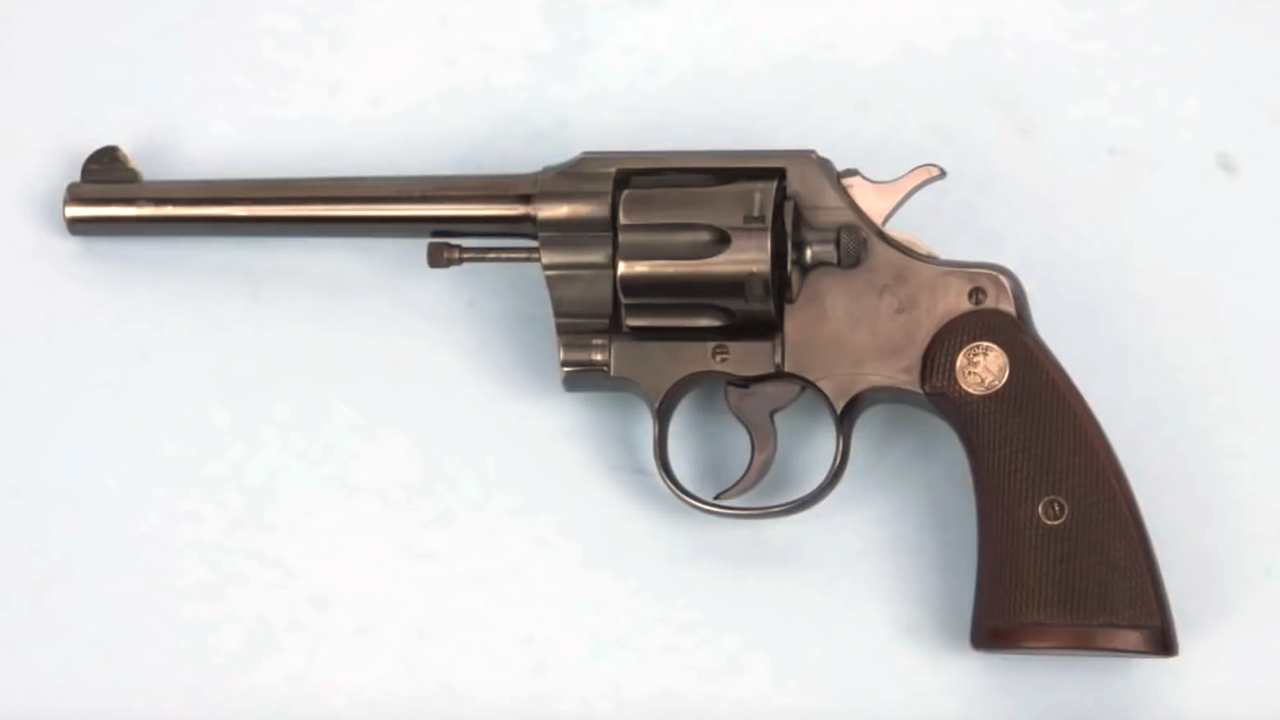
The reference history lists a rare variant called the Marshal, with a rounded grip and 2- or 4-inch barrels, produced in only about 2,500 units from 1955 to 1956.
That is the kind of detail collectors care about, because it shows the Official Police line had more variety than most people assume.
14. It was discontinued because Colt could no longer compete economically
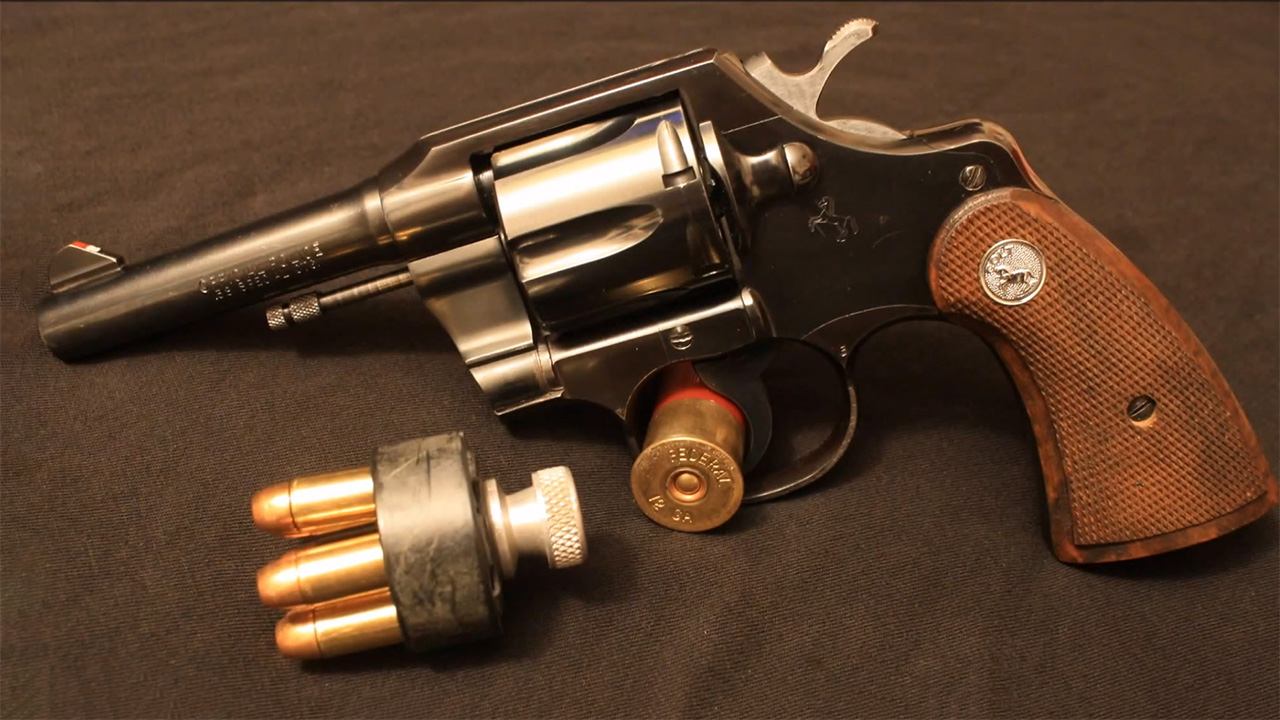
The reference history says Colt discontinued the Official Police in 1969, stating that competitive production of the design was no longer economically feasible. It also notes that Smith & Wesson had taken the lead in the market by then, helped by lower unit cost and a double-action trigger many agencies preferred.
That is a very telling ending. The Official Police did not disappear because it lacked importance. It disappeared because the economics and training trends of the market had shifted.
15. Its biggest legacy is that it helped define the American police revolver
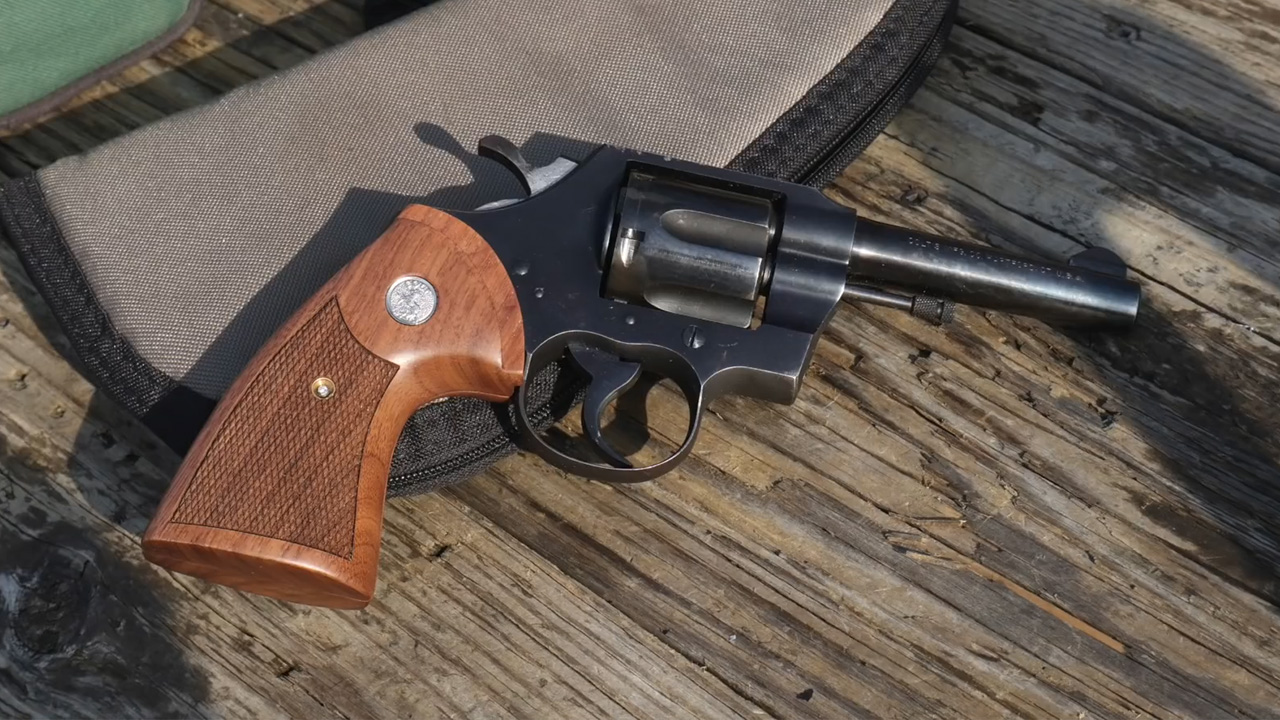
The most interesting thing about the Colt Official Police is probably how completely it came to represent a certain kind of law-enforcement sidearm. It started as the Army Special, was reworked and renamed for police sales, spread across major departments and wartime users, and stayed in production until 1969. The reference history’s description of it as one of the bestselling police firearms ever is not hype. It is the clearest summary of why the gun still matters.
That is why the Official Police still gets talked about. It was not just another old Colt. It was one of the revolvers that taught America what a police sidearm looked like.
Like The Avid Outdoorsman’s content? Be sure to follow us.
Here’s more from us: