Photo credit: martinedoucet/istock.com
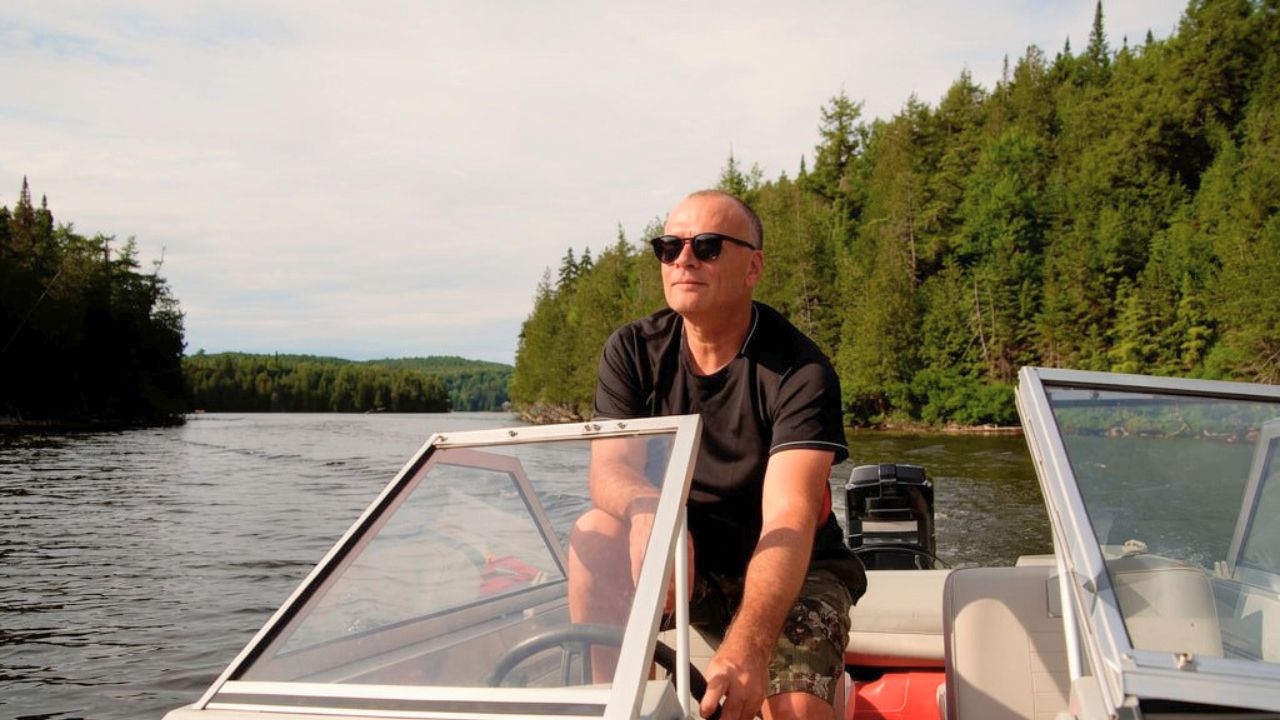
Two bass fishermen were working shallow slop when a pontoon boat came plowing toward them like the driver had no idea where the channel was. They were frog fishing in about a foot of water, roughly 300 feet from the clearly marked channel. That is already skinny water for anything bigger than a kayak or a flat-bottom boat, and it was nowhere a pontoon needed to be running. The two fishermen saw him coming and moved even farther into the shallows, trying to get out of his way without giving up the spot completely.
The pontoon kept coming. According to the fisherman who told the story, the driver seemed drunk, and one of the women on the boat even said something about the fishermen “getting in our way.” That had to sound ridiculous from the bass boat. They were already in slop, far outside the channel, sitting in water shallow enough that the pontoon had no business being there. The only person out of place was the guy pushing a big pontoon into water that barely had enough depth to cover his lower unit.
The boat got so close that the pontoon was kicking up mud with the motor. That tells you exactly how shallow it was. This was not a tight pass in open water. This was a boat dragging itself through muck and vegetation toward two guys who were already trying to avoid the whole thing. Then the driver slammed the pontoon into reverse about a foot from them.
That was when one of the fishermen finally said something. He looked at the driver and hit him with, “Oh, big tough guy!”
That lit the fuse. The pontoon driver started threatening them, and the argument turned into the kind of ugly back-and-forth that happens when one person is wrong, embarrassed, and too fired up to back down. The fishermen tried explaining that he was in about three inches of water and the actual channel was nowhere close to them. The driver did not seem interested in hearing it. He was still close enough to their boat that the situation felt a lot more serious than a normal water argument.
Then he threatened to run into their boat.
That is where a stupid mistake turns into something dangerous. A pontoon may not look aggressive sitting at the dock, but it is still a large, heavy boat with a motor. If someone decides to use it to intimidate a smaller fishing boat in shallow water, the risk gets real fast. Props, hulls, rods, trolling motors, anchors, and people all end up too close together. A bump can damage gear. A harder hit can toss someone off balance. In that little water, with mud and slop all around, nobody has much room to maneuver cleanly.
The fishermen held their ground verbally, and the words got rough. The driver kept running his mouth, and eventually he left while yelling at them. One of the fishermen fired a parting shot right back, and the pontoon was not a problem for the rest of the day.
It is easy to laugh at the absurdity of a pontoon driver getting mad at bass fishermen for being in his way while he is the one running hundreds of feet outside the marked channel. But the whole scene could have gone bad quickly. Alcohol, shallow water, a misplaced boat, and a driver who feels challenged are a nasty combination. Add fishing gear, close quarters, and people trying to protect their spot, and it does not take much for the argument to become a wreck.
This is also exactly why channel markers matter. They are not decorations. If you are running a bigger boat, especially a pontoon loaded with people, you need to know where the channel is and where it is not. Shallow flats, frog water, weed mats, and slop are not places to go joyriding because you think the lake is open wherever your motor can push you. Anglers may be sitting in those areas on purpose because that is where bass live. They are not blocking your path if you are the one who left the path.
The fishermen were not sitting in the middle of a boat lane. They were fishing skinny water with frogs, exactly where you would expect someone to fish that way. The pontoon driver came to them, got himself into water too shallow for his boat, and then acted like they were the problem. That is how a lot of public-water conflict starts: one person makes a bad decision, then gets mad when everyone else does not rearrange the lake around it.
The smarter move would have been simple. The pontoon driver could have stayed in the channel, idled out if he realized he was too shallow, apologized, and moved on. Instead, he turned a bad line across the lake into a threat. The fishermen got out of it without damage, but it is the kind of encounter that makes you look over your shoulder the rest of the day, especially when the other boat has already shown poor judgment.
Public water works when people know where they are, pay attention, and give each other room. A bass boat in the slop is not in the way of a pontoon. A clearly marked channel is not a suggestion. And if you are kicking up mud with a motor while threatening to ram someone, the problem probably is not the guys with frog rods.