Photo credit: Wirestock Creators/Shutterstock.com
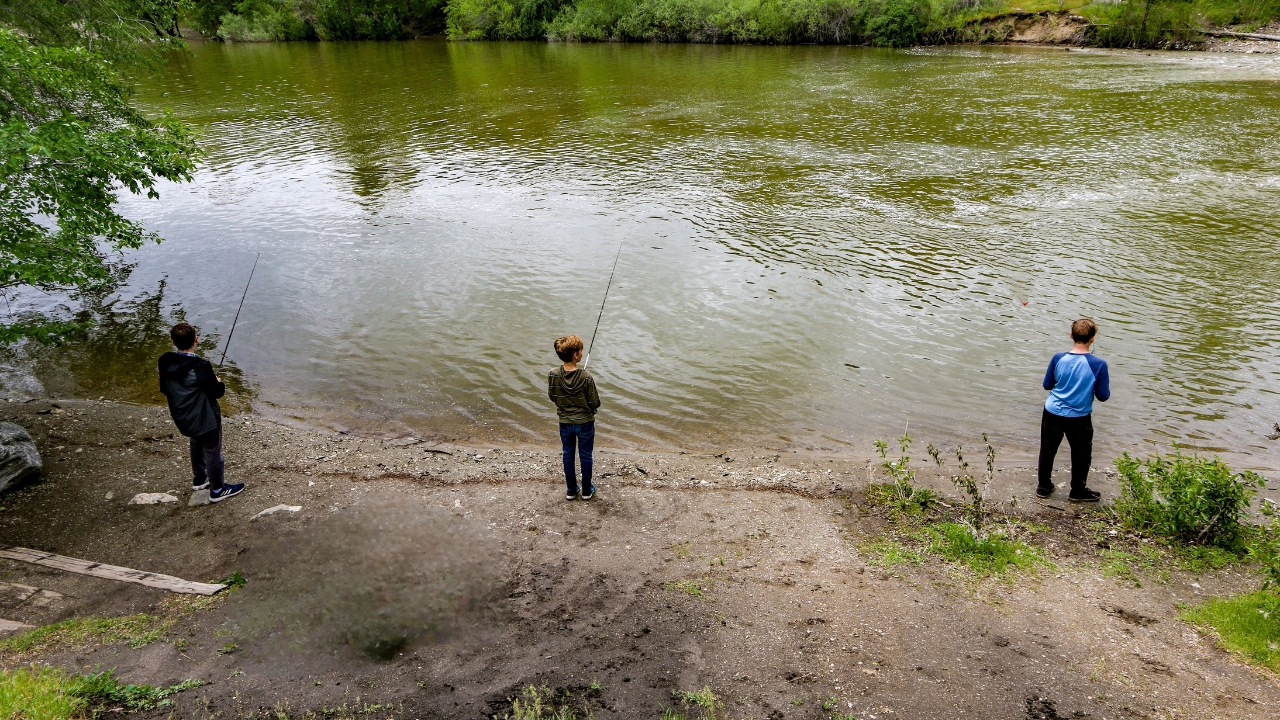
A property owner on Reddit said minors kept coming into his backyard to fish along the water behind his house, and he wanted to know what he could do about it. He was not describing a public pier, a boat ramp, or a marked fishing area. He was talking about his own backyard, where kids were apparently crossing onto private property and treating the water access like it was open to anyone with a rod. That is the kind of thing that can start small and get old fast, especially when the people doing it are minors and the property owner is stuck worrying about what happens if one of them gets hurt.
A lot of people see water and assume access comes with it. If there is a pond, canal, creek, drainage lake, or neighborhood waterway behind a house, somebody will eventually decide it looks like a fishing spot. Kids are even more likely to do it because they are not thinking through property lines, liability, or what it means to walk through somebody’s yard. They see a bank, they see fish, and they go. To the homeowner, though, it is not a harmless shortcut. It is strangers standing behind the house, leaving tracks in the grass, casting around whatever is back there, and creating a problem the owner did not invite.
The first answer Reddit gave was the obvious one: post “No Trespassing” signs. That may sound too basic, but it matters. A posted sign removes a lot of excuses. It tells the kids, their parents, and anyone else walking up that the property is private and fishing is not allowed from that spot. If the same people come back after the signs are up, it is a lot harder for them to claim they did not know. Signs also give the homeowner something concrete to point to if police, code enforcement, an HOA, or a parent gets involved.
The trick is that the signs need to be clear and placed where people actually enter. A tiny sign hidden behind a bush will not do much good. Put them near the likely access points, along the property line, and anywhere people are cutting through. If there is a fence, gate, seawall, or obvious trail forming, that is where the message needs to be. The point is not to decorate the yard with warnings. The point is to make the boundary unmistakable.
The comments also pushed toward documentation. That matters because recurring trespassing can turn into a “he said, they said” mess quickly. If kids are coming back more than once, write down dates, times, and what happened. Save camera footage if you have it. Take photos of trash, damaged grass, cut fencing, left-behind fishing line, or anything else that shows the problem is ongoing. If you speak with parents or neighbors, make a note of that too. Nobody wants to turn a backyard fishing issue into a full file cabinet, but documentation is what keeps you from sounding like you are exaggerating when you finally need help.
For landowners, the liability concern is the part that makes this more serious than a simple annoyance. A kid could slip on wet grass, get hooked, fall into deep water, tangle with wildlife, or get hurt climbing over something to reach the bank. Even if the homeowner did nothing wrong, the aftermath can still be a mess. Parents may be angry. Insurance may get involved. Police may have questions. A quiet backyard can turn into a legal headache because somebody else’s kid wanted to fish without asking.
There is also the practical side of having unknown people behind your home. Fishing lines get left behind. Hooks end up in the grass. Bait containers and snack wrappers show up near the water. A kid who starts with fishing may wander closer to sheds, boats, docks, pets, or equipment. Most kids are not out there trying to cause trouble, but the homeowner is still the one who has to deal with the consequences.
The best approach is usually firm, calm, and documented. Post the property. Tell the kids to leave if you catch them there. Do not get into a shouting match. If you know where they live, talk to the parents once and be clear that they cannot fish from your property. If it keeps happening, call the nonemergency police line or whatever local authority handles trespassing in your area. If there is an HOA, neighborhood management company, or shared waterway rulebook, check that too. Sometimes the water itself may be shared, but the backyard access still is not.
A lot of outdoorsmen grew up fishing places they probably should not have been, so it is easy to feel a little soft about running kids off. But owning property changes the equation. A backyard is not public access because fish live nearby. If the homeowner wants to let someone fish, that is his call. If he does not, the answer should be respected the first time. Clear signs, calm warnings, and good documentation keep the line from getting blurry before somebody gets hurt or the problem gets worse.