Photo credit: SPRINGFIELD ARMORY
The Springfield Hellcat is one of those pistols that feels like it showed up with a chip on its shoulder. It did not enter the concealed-carry market quietly, and it definitely did not arrive trying to be just another slim little 9 mm. When Springfield launched the Hellcat in September 2019, the company called it the “world’s highest capacity micro compact 9mm,” with 11+1 rounds in the flush-fit magazine and 13+1 with the extended magazine. At the time, that was a direct shot at the tiny-gun capacity race, and it was meant to be.
That is why the Hellcat matters. It was not simply Springfield joining the micro-compact market. It was Springfield trying to jump right to the front of it. Over time the line expanded into OSP models, the RDP, the Hellcat Pro, and even a .380 version, but the original 9 mm Hellcat is still the pistol that put the name on the map. Here are 15 surprising facts about the Springfield Hellcat that most shooters either never learned or do not think about enough anymore.
1. It launched in late 2019, not at the start of the micro-compact wave

A lot of people lump the Hellcat in with the guns that started the micro-compact trend, but Springfield launched it in late 2019, after the category was already heating up. Springfield’s own press release is dated September 26, 2019, and Shooting Illustrated’s launch coverage from September 2019 treated it as a bold new entry into an already fast-moving carry market.
That matters because it changes how you see the pistol. The Hellcat was not the first micro-compact to make people rethink size and capacity, but it was one of the first to come in and say, very directly, “we can beat that round count.” That gave it a more aggressive identity right out of the gate.
2. Springfield called it the highest-capacity micro compact 9 mm in the world

This was not some nickname gun writers invented after the fact. Springfield itself launched the gun under the banner of being the “world’s highest capacity micro compact 9mm.” The company repeated that in the original launch materials and again in later variant announcements.
That is a big reason the gun made noise so fast. Springfield was not being subtle about the Hellcat’s role. It wanted buyers to see it as the capacity king of the tiny-pistol world, not just another pistol with nice sights and decent ergonomics.
3. The standard gun held 11+1, which was a huge headline in 2019
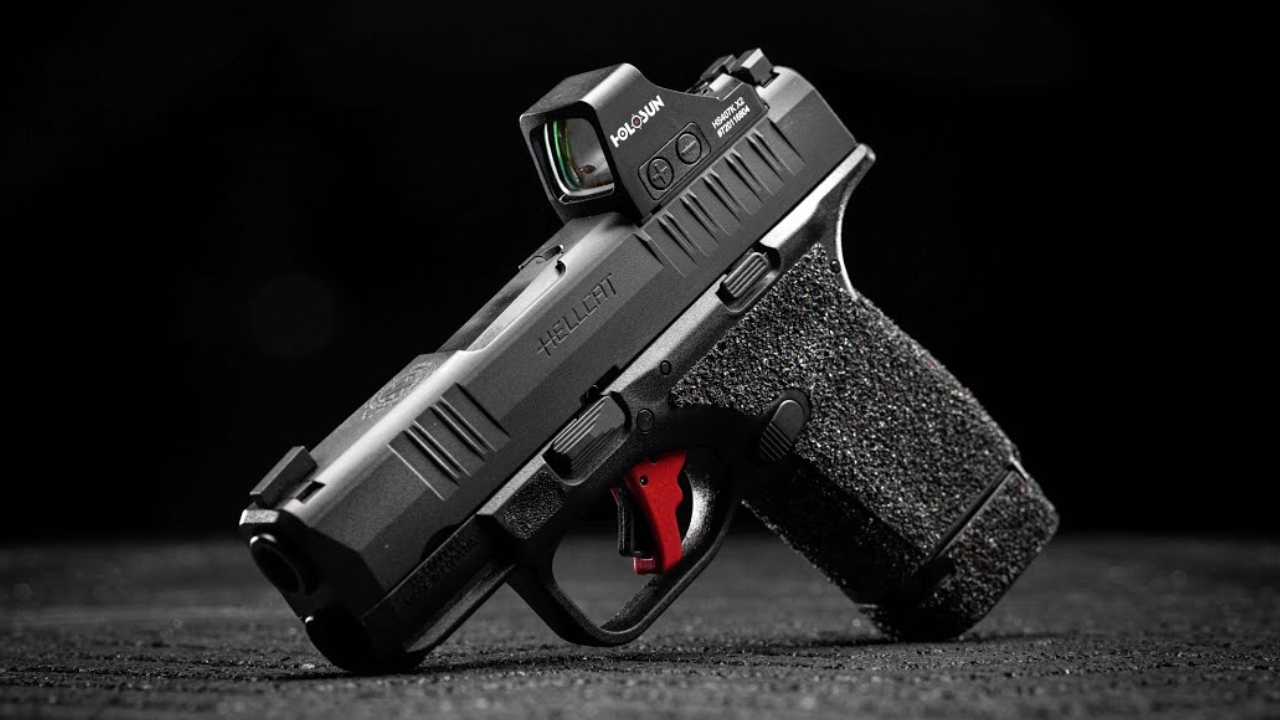
Today, double-digit capacity in a very small carry gun feels much more normal than it did just a few years ago. But when the Hellcat arrived, the 11-round flush-fit magazine was a real headline. Springfield highlighted 11+1 and 13+1 from the start, while Shooting Illustrated specifically framed the launch around that one-upmanship in round count.
That extra round over the best-known rival at the time may sound minor on paper, but in the carry market it was a big psychological edge. When everything is being sold on tiny differences in size, weight and shootability, one more round in the flush-fit mag is the kind of thing people really notice.
4. It was not just a shrink-down of the XD line

This is one of the more important Hellcat facts because people sometimes assume Springfield just miniaturized an existing polymer design and gave it a new name. Shooting Illustrated’s 2019 review says the Hellcat was not a new iteration of the XD, and that Springfield built it specifically from a fresh set of design goals.
That matters because it tells you Springfield knew the carry market had changed enough that an older design philosophy was not going to cut it. The Hellcat was meant to be a new direction for the company’s polymer carry pistols, not just a recycled formula in a smaller shell.
5. It reportedly took about two years from concept to creation

Shooting Illustrated’s launch review says Springfield estimated the Hellcat took two years from concept to creation. That is a pretty useful detail because it shows the pistol was not a spur-of-the-moment response once the market started shifting. Springfield had already been working toward this kind of gun well before the public saw it.
That timeline also makes the launch more impressive. A micro-compact pistol can get outdated quickly if the market moves while you are still in development. The Hellcat landed at a moment when the capacity race was already on, and it still managed to arrive looking current instead of late.
6. The original Hellcat was tiny even by micro-compact standards

American Rifleman’s early testing said the pistol measured about 6 inches long, 4 inches high with the flush magazine, and weighed around 18 ounces unloaded. Shooting Illustrated’s launch article described it as 17.9 ounces. Those are genuinely small numbers for a pistol carrying that much 9 mm ammunition.
That size-to-capacity ratio is what made the Hellcat such a big story. A lot of carry guns are small. Fewer are small while still holding nearly as many rounds as some older compact pistols. That was the trick Springfield was selling, and it was a good trick.
7. It was optics-ready almost from the beginning

One of the more forward-looking things about the Hellcat launch was that Springfield did not treat red dots like some future add-on. Shooting Illustrated’s 2019 launch coverage said the Hellcat was offered in an OSP version that allowed direct mounting of a micro red dot with a very low profile. Springfield’s own company timeline also notes the Hellcat was available in an optics-ready OSP configuration.
That matters because it shows Springfield was not only chasing capacity. It was also paying attention to where carry-pistol setup trends were heading. In 2019, optics-ready on a pistol this small still felt like a pretty modern move.
8. The Hellcat was one of Springfield’s first real “new direction” polymer pistols

Shooting Illustrated’s review quotes Springfield personnel saying the Hellcat represented “the first step in a new direction” for the company’s polymer handgun line. That is not minor wording. It shows Springfield itself viewed the Hellcat as more than just a strong seller. It saw it as a turning point.
That is one reason the gun feels so different in role and personality compared with older Springfield polymer pistols. The Hellcat was not just another SKU. It was part of a strategic change in how Springfield wanted to compete in the carry world.
9. It did not only launch well. It also passed a very public endurance test

Springfield’s late-2019 press release said the Hellcat completed a 10,000-round test, with every round documented on video. Then, a later Springfield press page says that same pistol was pushed beyond 20,000 rounds in a follow-up test.
That kind of public endurance bragging mattered because the micro-compact class is often full of skepticism. People worry about tiny pistols being too compromised, too snappy, or too fussy. Springfield clearly wanted to make the case that the Hellcat was not just high-capacity, but durable enough to be taken seriously.
10. The Hellcat line expanded fast because the original concept worked

Once the original Hellcat hit, Springfield did not leave it alone for long. The company added OSP variants, color options like Desert FDE, the RDP, the larger Hellcat Pro, and eventually even a .380 version. Springfield’s own press releases and American Rifleman’s later reviews make that expansion very clear.
That says a lot about how strong the original launch was. Companies do not build a whole family around a carry pistol unless the core identity is working. Springfield saw that the Hellcat name had legs and kept stretching it into new sizes and roles.
11. The Hellcat Pro proved buyers wanted “more Hellcat,” not just tiny Hellcat

The Hellcat Pro is a really important part of the Hellcat story because it shows the original gun created demand for a slightly bigger pistol with the same basic carry philosophy. American Rifleman’s 2024 Hellcat Pro review says it is longer, taller and heavier than the original Hellcat, but in a way that increases carry-friendly shootability rather than abandoning concealment.
That is a very modern pistol-market story. Once a company finds a winning platform, buyers do not just want the original size forever. They want variants that keep the same identity while solving different carry and performance tradeoffs. The Hellcat Pro is exactly that.
12. The Hellcat RDP showed Springfield was willing to push the platform into more specialized carry setups

The Hellcat RDP is another sign the line quickly grew beyond “tiny 9 mm with a lot of rounds.” Shooting Illustrated’s 2021 review covers the RDP as a more advanced variant, with upgrades that pushed the pistol toward a more feature-rich carry or defensive setup.
That matters because it shows the Hellcat was not boxed into entry-level carry-gun territory. Springfield was comfortable turning it into a more premium, more accessorized system once buyers had already accepted the base platform.
13. The original Hellcat became a top-selling pistol very quickly

American Rifleman’s 2021 piece explicitly called the Hellcat one of 2020’s top-selling pistols. That is a strong indicator of how fast the market embraced it, especially considering it had only launched in late 2019.
That kind of speed matters. Some guns get lots of initial buzz and then cool off. The Hellcat managed to turn launch attention into real sustained market performance. That is one of the reasons it still matters now, even with a more crowded carry landscape.
14. All standard Hellcats used a 3-inch barrel, which helped keep the line consistent

American Rifleman’s 2021 top-selling-pistols piece notes that all the standard Hellcats were chambered in 9 mm and used a 3-inch barrel. That consistency helped the original line keep a very clear identity.
That sounds like a small detail, but it matters in platform-building. The original Hellcat was easy for buyers to understand: same basic barrel length, same carry role, same mission. Later expansion happened from a very clear starting point rather than a confusing pile of overlapping versions.
15. The biggest surprise may be that it did not just compete in the micro-compact race — it escalated it
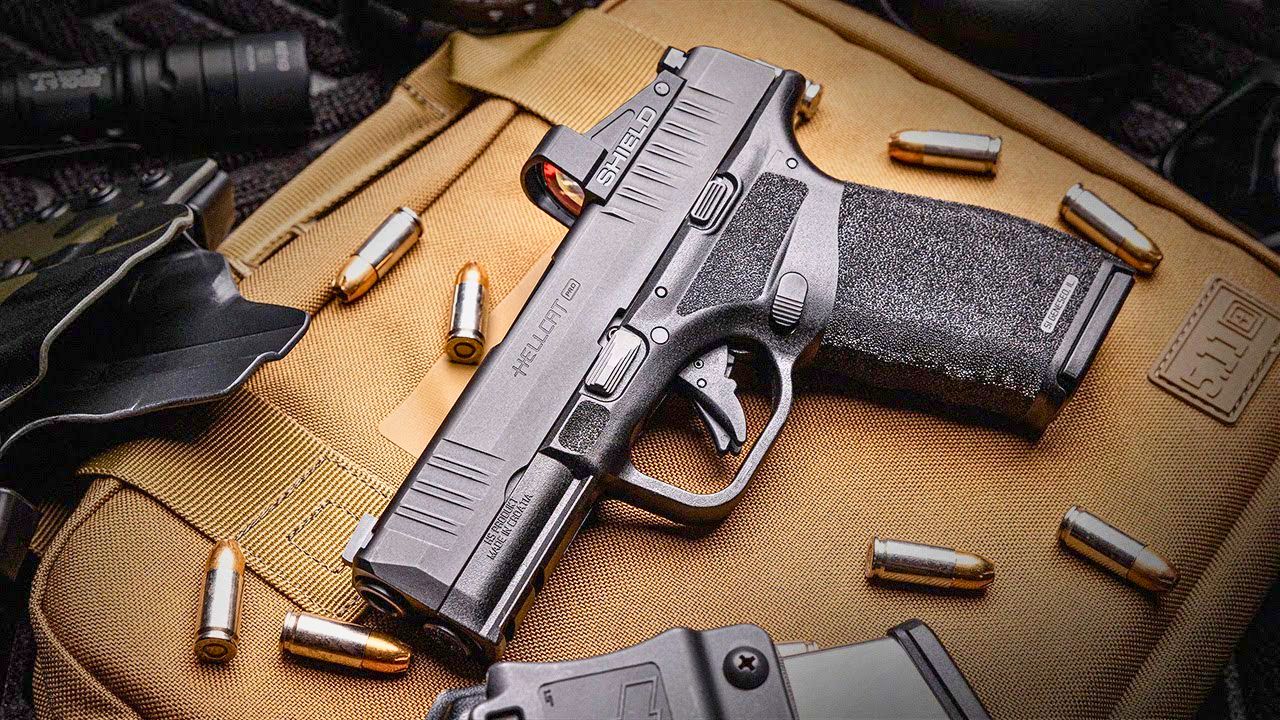
This is probably the best way to understand the Hellcat now. It did not enter the carry market and politely ask for shelf space. It came in with a very direct message: more rounds, tiny footprint, modern optics-ready option, and a whole lot of swagger. Springfield’s own launch language and the media coverage around it make that impossible to miss.
That is why the Hellcat still matters. It was not just another small 9 mm. It was one of the pistols that pushed the micro-compact market into a fiercer, higher-capacity, more feature-driven phase. Once that happened, the rest of the category had to keep up.