Photo credit: Self, CC BY-SA 4.0/Wiki Commons
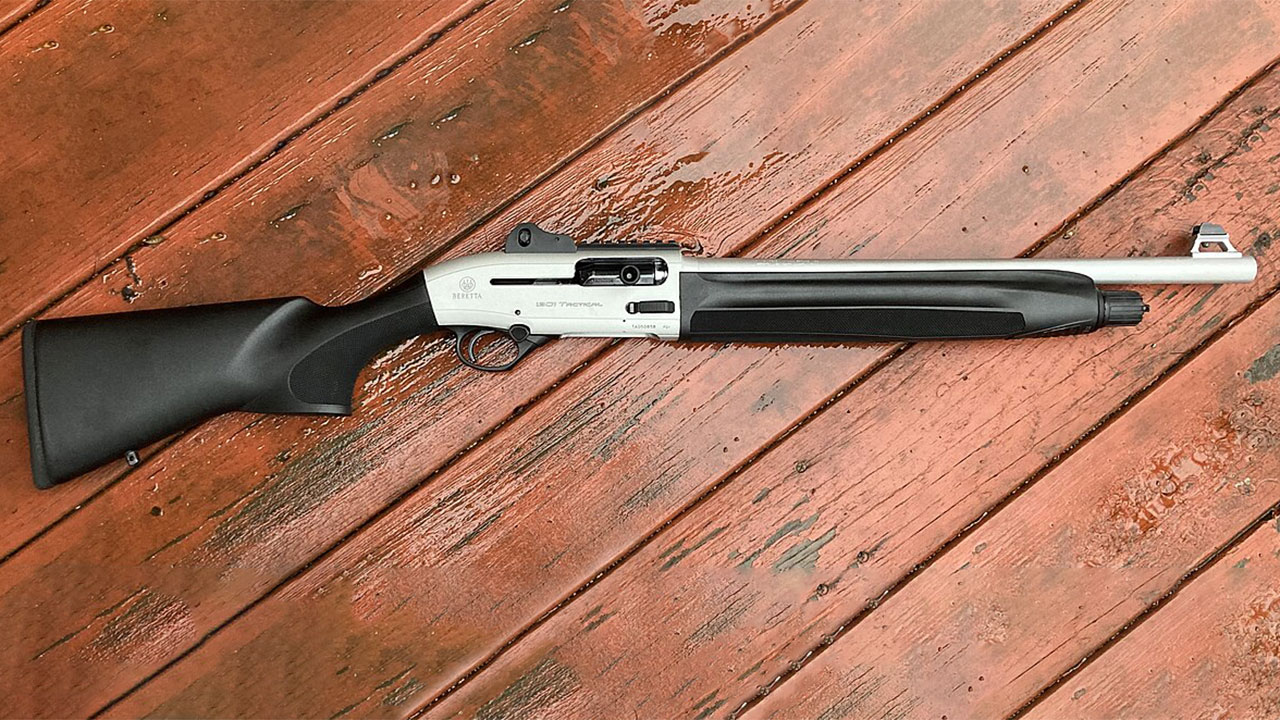
The Beretta 1301 is one of those shotguns that can seem easy to summarize if you only look at the surface. A lot of people know it as the fast, modern Beretta tactical semi-auto, or as the other big name that always comes up next to the Benelli M4. But the real story is a little broader than that. The 1301 family began in 2013–2014, grew out of Beretta’s earlier self-loading shotgun development, and split quickly into two very different lanes: Tactical for defense and duty-style use, and Competition for practical shooting sports. American Rifleman’s 2022 historical overview says the 1301 replaced Beretta’s older 1201 in 2014, while the 2013 NRA review of the 1301 Competition shows the line was already active by late 2013.
What makes the 1301 especially interesting is that it is not just “Beretta’s tactical shotgun.” It is a platform built around speed, a very specific gas system, and a family structure that let Beretta push the same core design into home defense, law enforcement, and competition. Over time, the 1301 Tactical became one of the most respected defensive semi-auto shotguns on the market, while the competition branch became extremely visible in multigun circles. That blend of serious use and broad appeal is a big reason the gun matters more than its sleek silhouette alone might suggest.
1. The 1301 did not start as only a tactical shotgun

A lot of people think “1301” automatically means the Tactical model, but that is not really how the line began in the public eye. One of the earliest major reviews available is American Rifleman’s December 2013 look at the 1301 Competition, which makes clear that Beretta was presenting the family as more than a pure fighting shotgun almost from the start.
That matters because it tells you the 1301 was conceived as a broader platform, not just a one-purpose tactical blaster. From the beginning, Beretta was clearly interested in letting the same fast-cycling gas gun serve more than one world. That split identity—competition and tactical—became one of the line’s defining strengths.
2. The Tactical model is generally dated to 2014
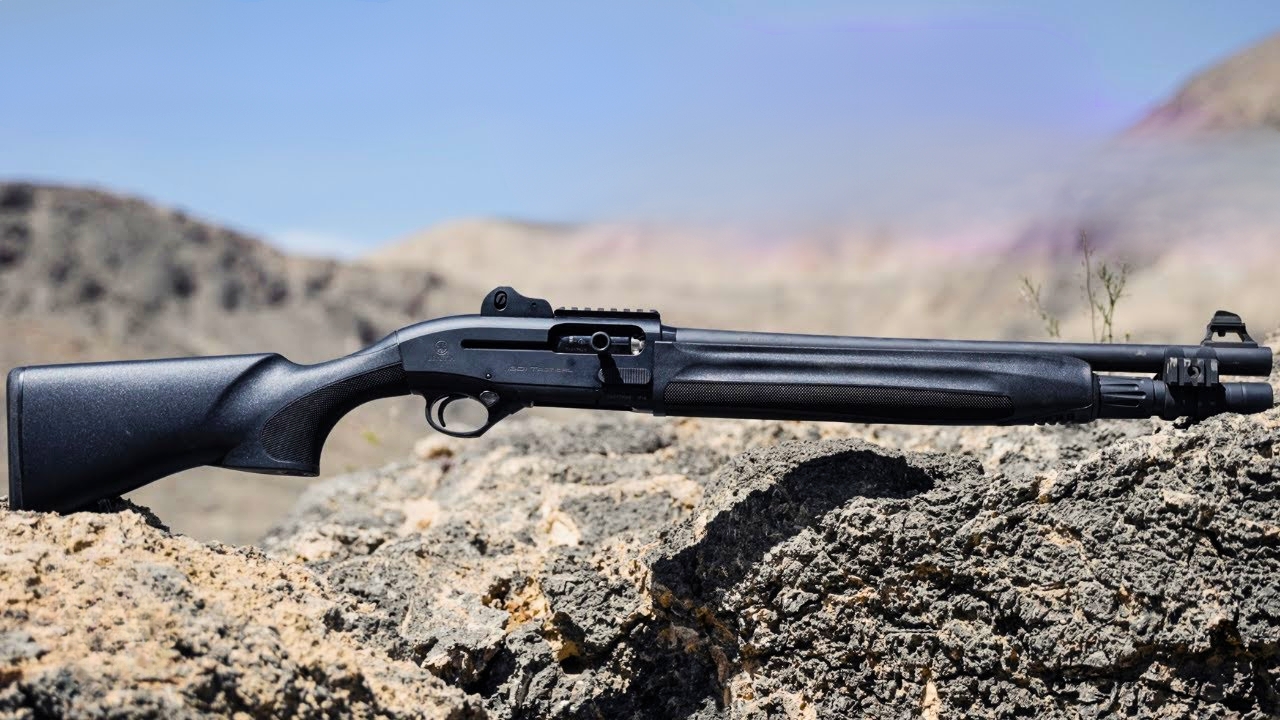
The timeline gets a little fuzzy if you only hear the name casually, but the strongest public references point to 2014 as the main arrival point for the 1301 Tactical. The general 1301 overview identifies the Tactical as beginning in 2014, and American Rifleman’s 2022 article also says the 1301 replaced the older 1201 in 2014.
That is useful because it places the tactical version right in the period when premium defensive semi-auto shotguns were getting a lot more attention from civilian buyers. The Tactical was not some old legacy holdover. It arrived in a modern market and quickly made itself relevant.
3. It replaced the older Beretta 1201

This is one of the easier details to miss, especially for shooters who came to Beretta tactical shotguns through the 1301 alone. American Rifleman’s 2022 piece says the 1301 replaced Beretta’s older 1201, which had enjoyed a long run of nearly 20 years.
That matters because it shows Beretta was not entering the tactical/self-loading shotgun world from zero. The 1301 was not a first attempt. It was a successor platform—one that took what Beretta had already learned and pushed it into a faster, more modern, more feature-forward design.
4. The 1301 is built around Beretta’s Blink gas system
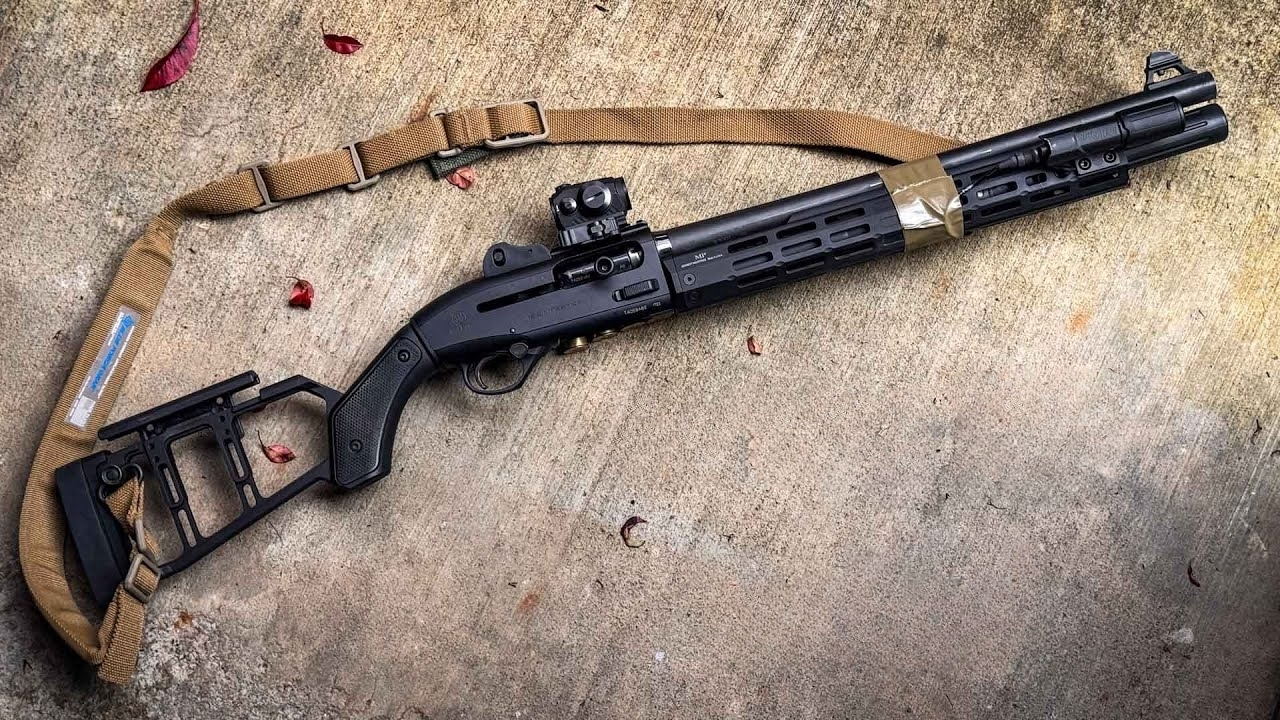
If the Benelli M4 is usually defined by A.R.G.O., the Beretta 1301 is usually defined by Blink. American Rifleman’s 2013 review of the 1301 Competition says the gun uses what Beretta called the Blink operating system, and it specifically ties the line’s very fast cycling to that setup.
That is a big reason the 1301 developed such a strong reputation for speed. The gun’s identity was never just “Beretta made a tactical semi-auto.” It was “Beretta made a tactical/competition semi-auto that cycles unusually fast and feels lively because of how the action was engineered.”
5. The Tactical model is extremely light for what it is
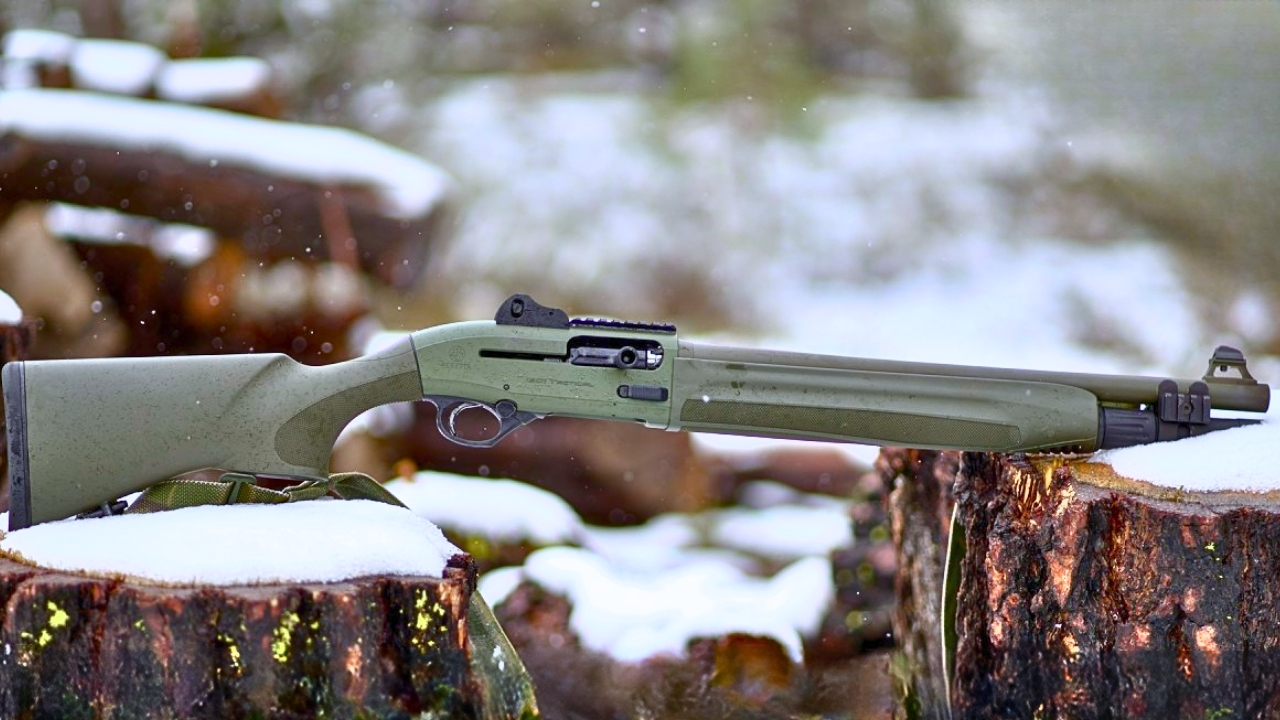
One of the biggest surprises for people who pick up a 1301 Tactical for the first time is usually how light and lively it feels. Shooting Illustrated’s 2015 review says the Tactical weighs only 6.35 pounds, while still giving the shooter an 18.5-inch barrel and a very compact overall package.
That matters because tactical semi-auto shotguns can get heavy fast, especially once you move into duty-oriented builds. The 1301’s lightness became one of its most immediately noticeable strengths, especially for home defense and practical use where fast handling matters as much as raw durability.
6. It is shorter than many people expect a non-NFA shotgun to be
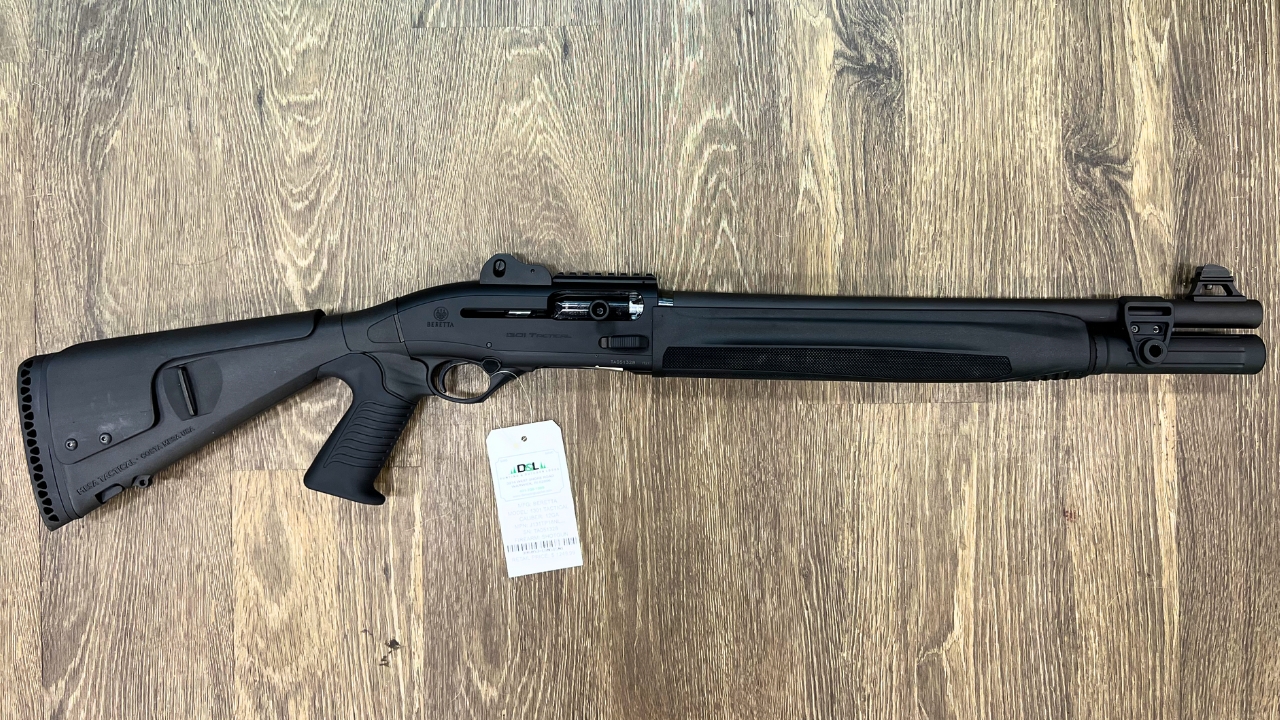
Shooting Illustrated’s 2017 review says the Beretta 1301 Tactical had an overall length of just 37.8 inches, which it described as about as compact as a non-NFA shotgun gets. That same review emphasized how small the gun felt once it was actually in hand.
That compactness is a huge part of why the Tactical model took off. A shotgun can be reliable and still feel clumsy indoors or in tight spaces. The 1301 Tactical built a lot of its reputation by avoiding that problem. It felt fast, short, and controllable in a way buyers remembered.
7. The 1301 Tactical quickly became a real competitor to the Benelli M4
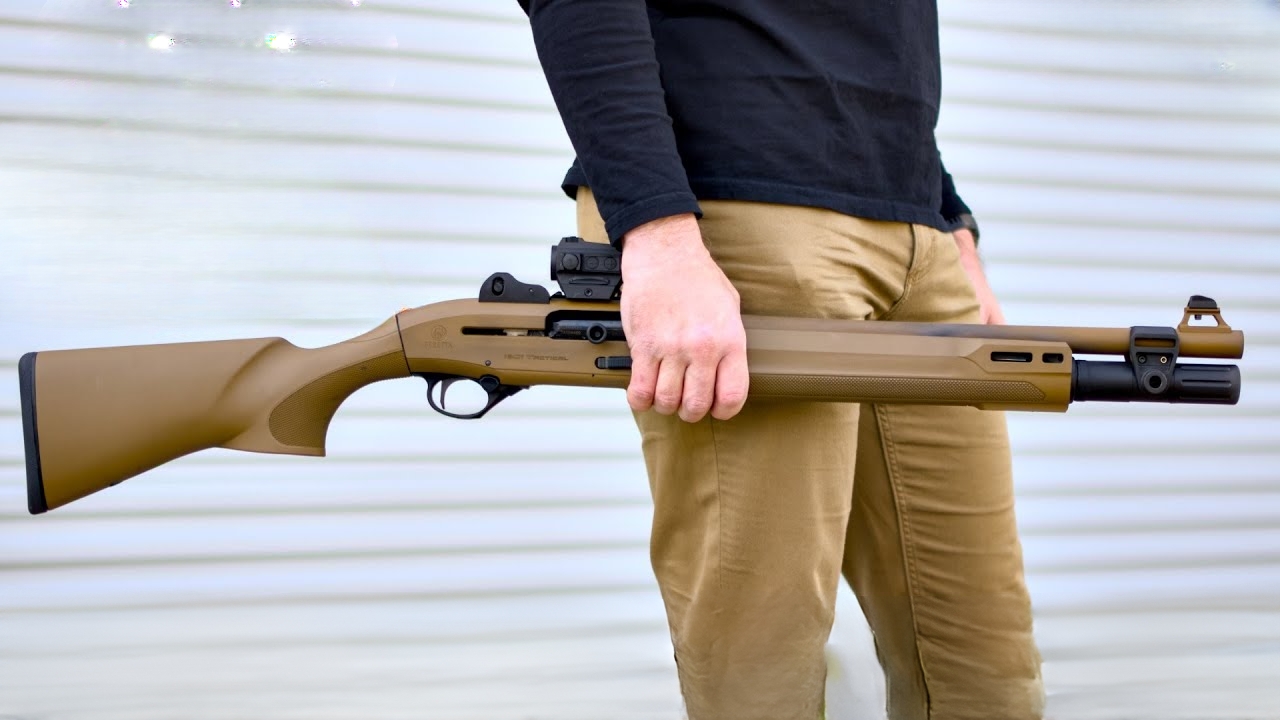
This is one of those truths people usually discover through comparison shopping, but it is worth saying directly. The Tactical 1301 has long been viewed as one of the clearest market alternatives to the Benelli M4. The general overview explicitly notes that relationship, and later Tactical reviews treat the 1301 as living in that same top defensive-shotgun conversation.
That matters because the M4 is such a strong benchmark in the semi-auto tactical world. The fact that the 1301 kept showing up in that same conversation says a lot about how quickly Beretta’s gun earned respect.
8. It became popular with law enforcement too, not just civilian defenders
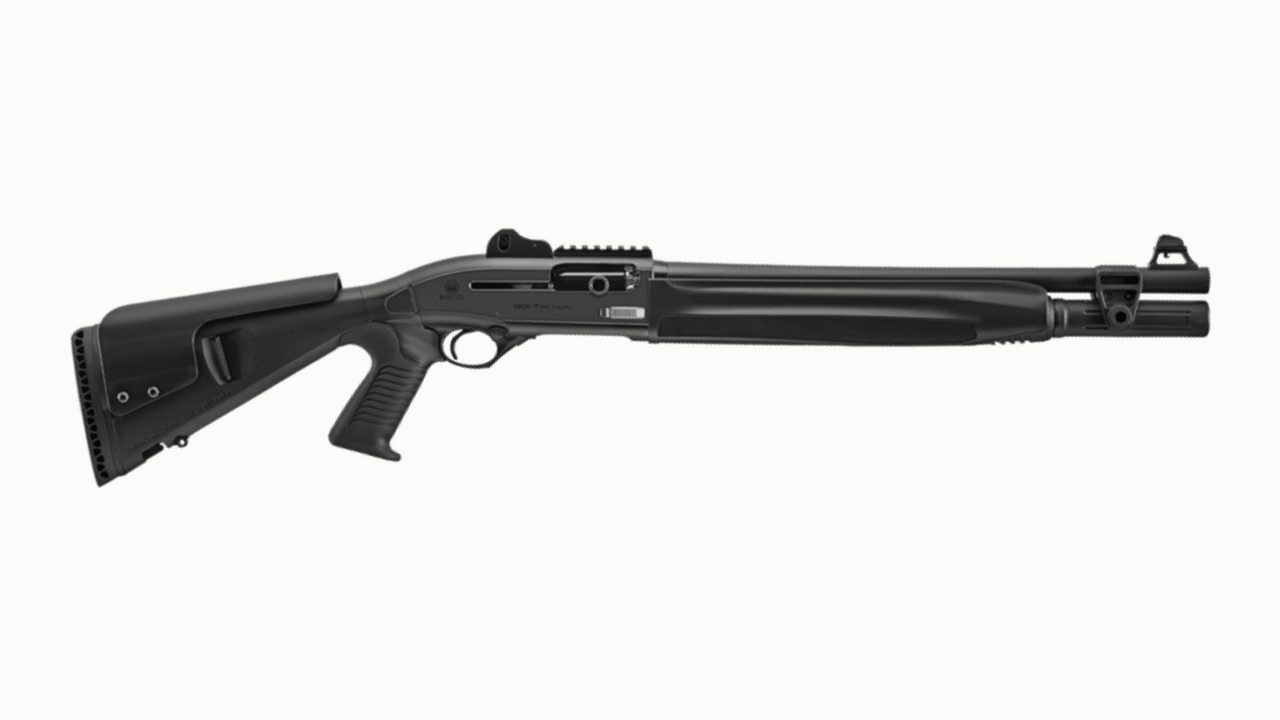
The 1301’s user list is more serious than some people realize. The general platform overview notes adoption examples including the Alabama Department of Public Safety and the Pennsylvania Game Commission, which shows the gun found institutional users outside ordinary civilian enthusiasm.
That matters because a shotgun can be trendy with private buyers without ever convincing agencies or departments. The 1301 did not stay only in the “cool civilian home-defense gun” lane. It also gained traction with professional users, which helped reinforce its reputation.
9. The Competition model was blazingly fast from the beginning
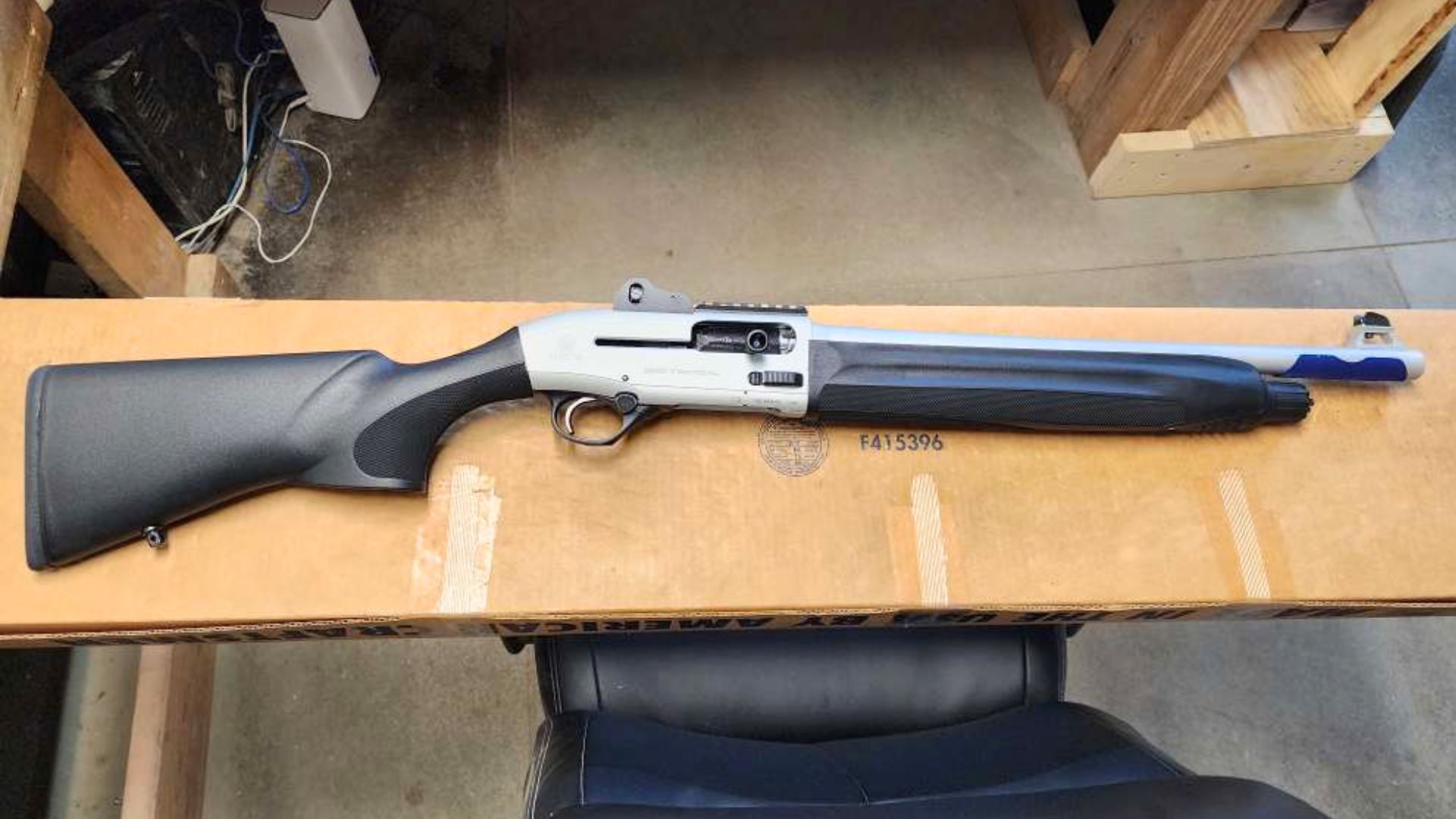
American Rifleman’s 2013 review of the 1301 Competition said the gun was 100 percent reliable in testing and could fire shot strings with times as low as 0.17 seconds. That is a very strong early indicator of what Beretta was aiming for with the line.
That matters because it reinforces the idea that speed is not just a Tactical marketing angle or a civilian myth. The 1301 family really was built around being fast to cycle, fast to handle, and easy to run hard. The Competition model made that especially obvious.
10. The Comp Pro pushed the competition side of the platform even further
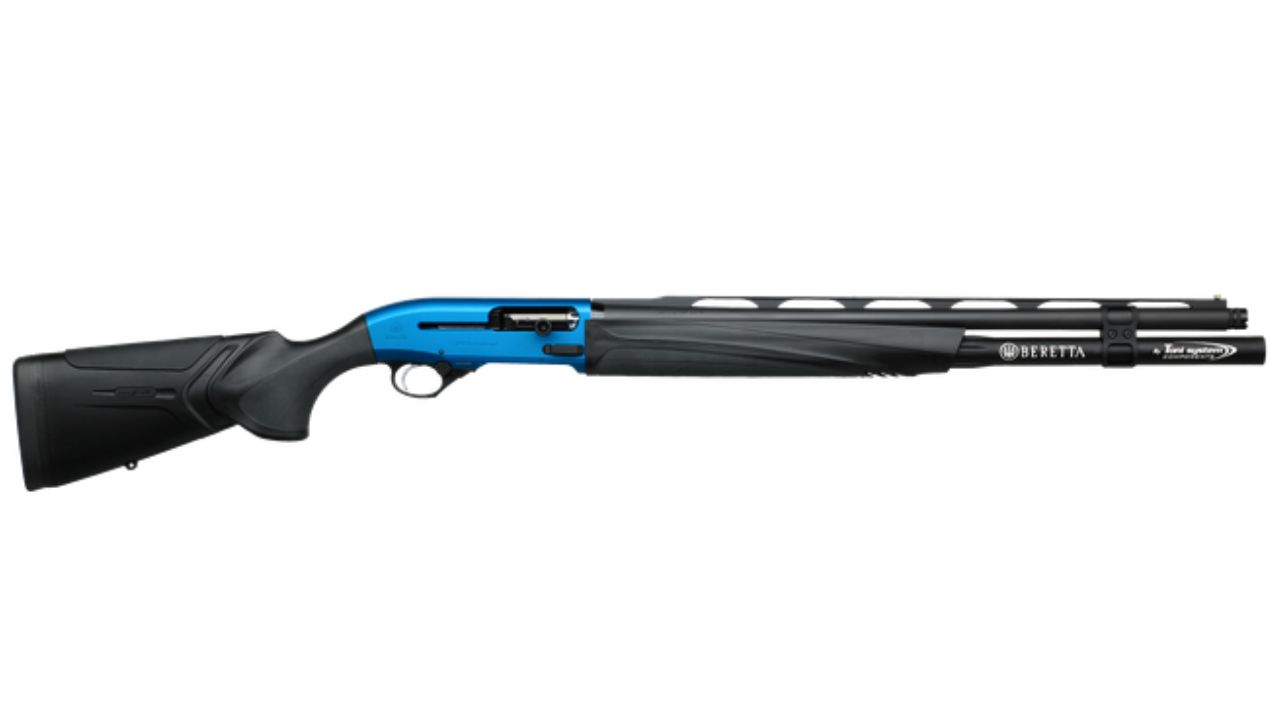
Beretta’s own Comp Pro material says the 1301 Comp Pro was designed as a more advanced dynamic-shooting platform, with features like enlarged controls, easier loading, and a setup built for demanding competitors. Other coverage from the Comp Pro launch period echoes that “more specialized competition” identity.
That matters because it shows Beretta did not treat the competition branch as an afterthought. The company kept refining that side of the family in a very intentional way, which helped the 1301 become more than just a tactical gun that happened to work on a match stage.
11. Early Tactical guns had fixed-cylinder barrels rather than interchangeable choke use
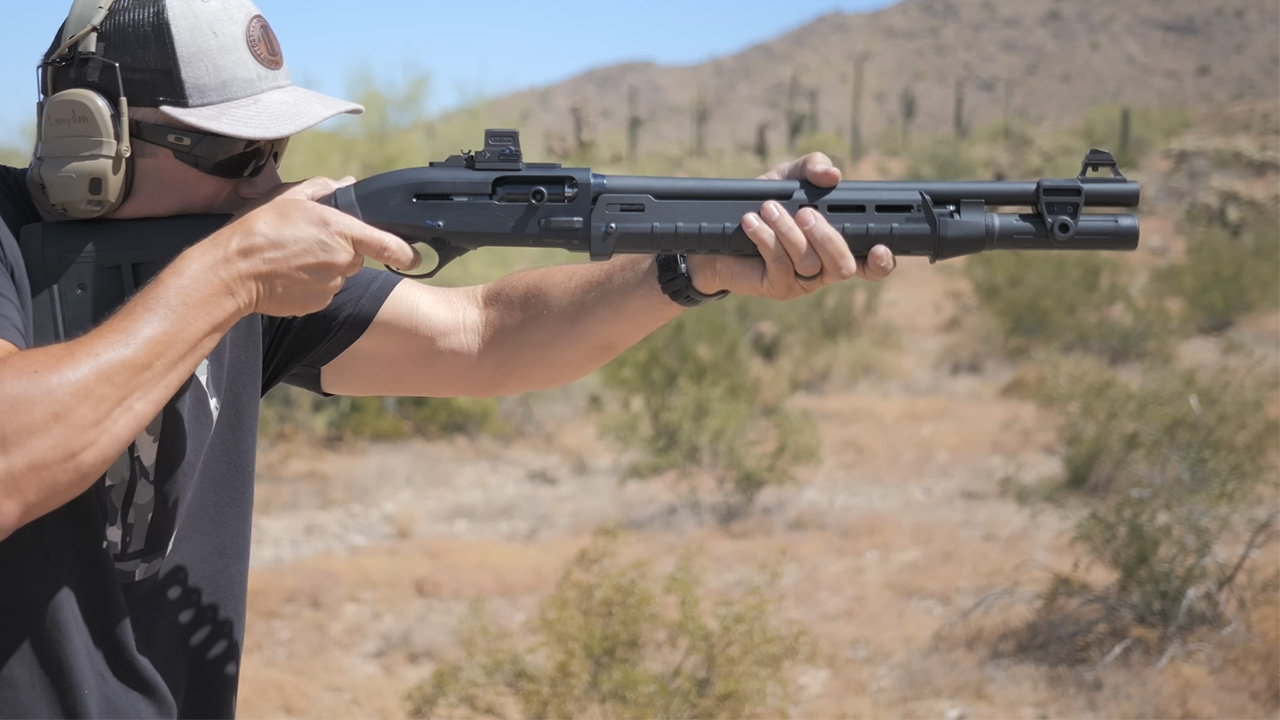
This is one of those technical details a lot of casual buyers never hear. The general 1301 overview notes that most modern 1301s use Optimachoke HP choke systems, but the early Tactical and LE models used a fixed cylinder barrel instead.
That matters because it is one of the small details that separates early Tactical guns from later, more flexible versions. On a platform this popular, those sorts of production-era differences can become more important over time than buyers first expect.
12. The Tactical line kept evolving instead of standing still
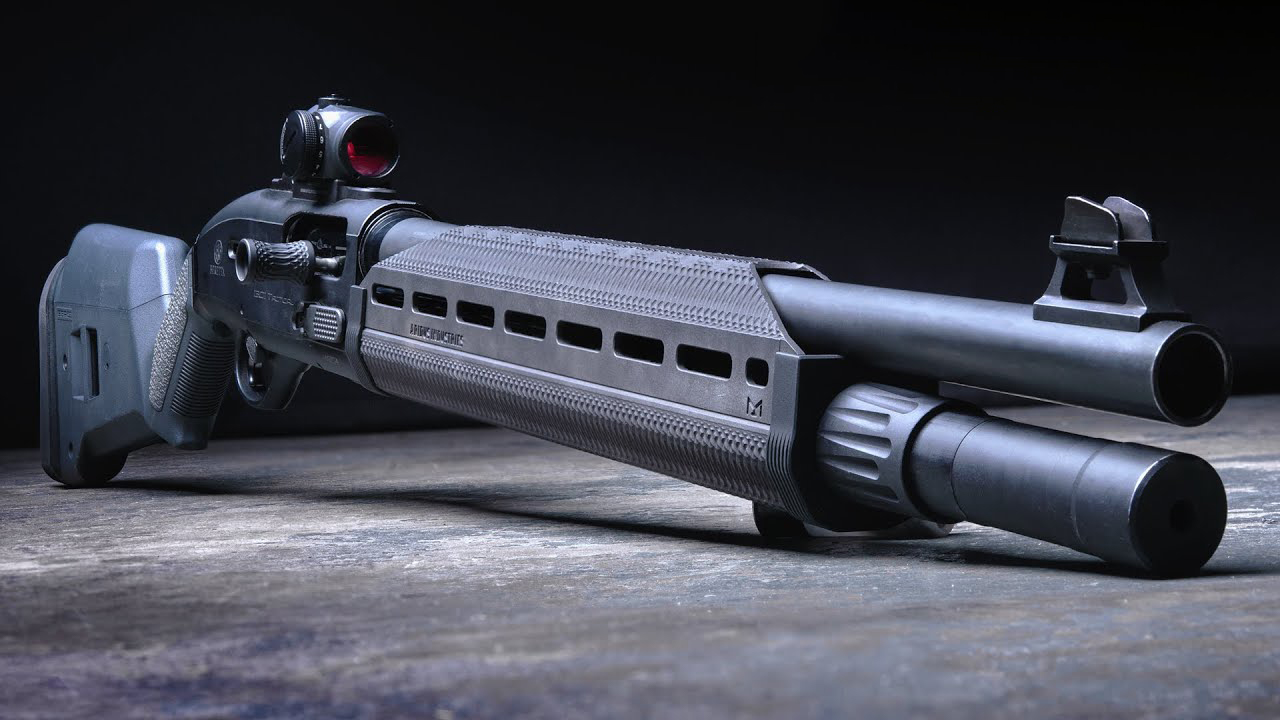
The 1301 Tactical did not freeze in its 2014 form. Shooting Illustrated’s 2024 “First Shots” piece on the 1301 Tactical Mod.2 says Beretta viewed that model as the natural successor to the original and specifically highlighted an upgraded fore-end and refined handling details.
That matters because it shows Beretta still sees the 1301 as a living platform rather than a finished legacy product. The company kept developing the line because demand stayed strong and because the shotgun had become too important to leave untouched.
13. The Tactical model’s magazine setup changed over time
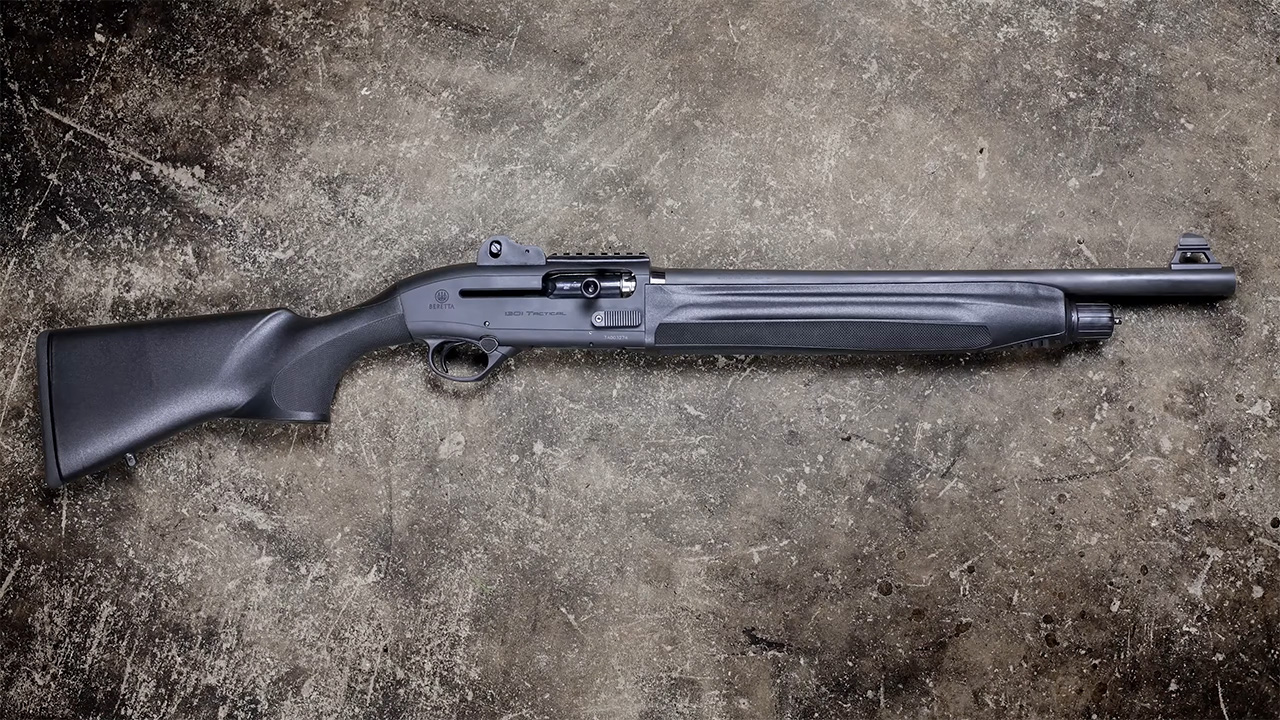
Later coverage of the Tactical line makes clear that capacity options evolved. Shooting Illustrated’s 2025 Tactical C piece explicitly mentions 5+1 and 7+1 versions, which shows that Beretta continued refining the platform’s configuration around what tactical buyers wanted.
That matters because it highlights something larger about the 1301 family: Beretta kept treating it like a serious modern shotgun line with room to adapt, not a static design that lived or died on its original specs.
14. The 1301 Tactical became one of the “gold standard” defensive shotguns in current market talk
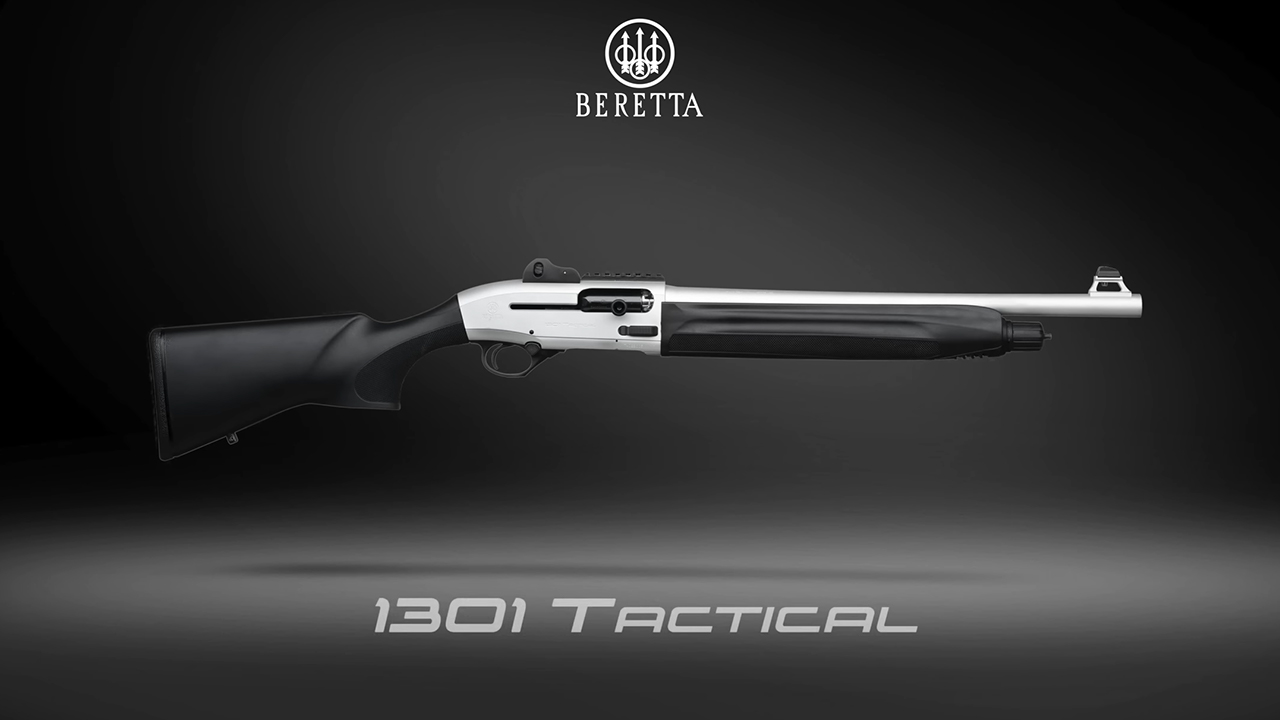
By 2025, Shooting Illustrated was quoting Beretta product leadership calling the 1301 Tactical the “gold standard for defensive shotguns.” Obviously that is company-side language, but it still reflects how strongly the shotgun’s reputation had developed over time.
That matters because it shows how far the platform traveled from its initial launch. The 1301 was no longer just a promising new Beretta. It had become one of the standard names buyers mention first when they talk about premium defensive semi-auto shotguns.
15. The biggest little-known fact may be that the 1301 became two major shotgun identities at once
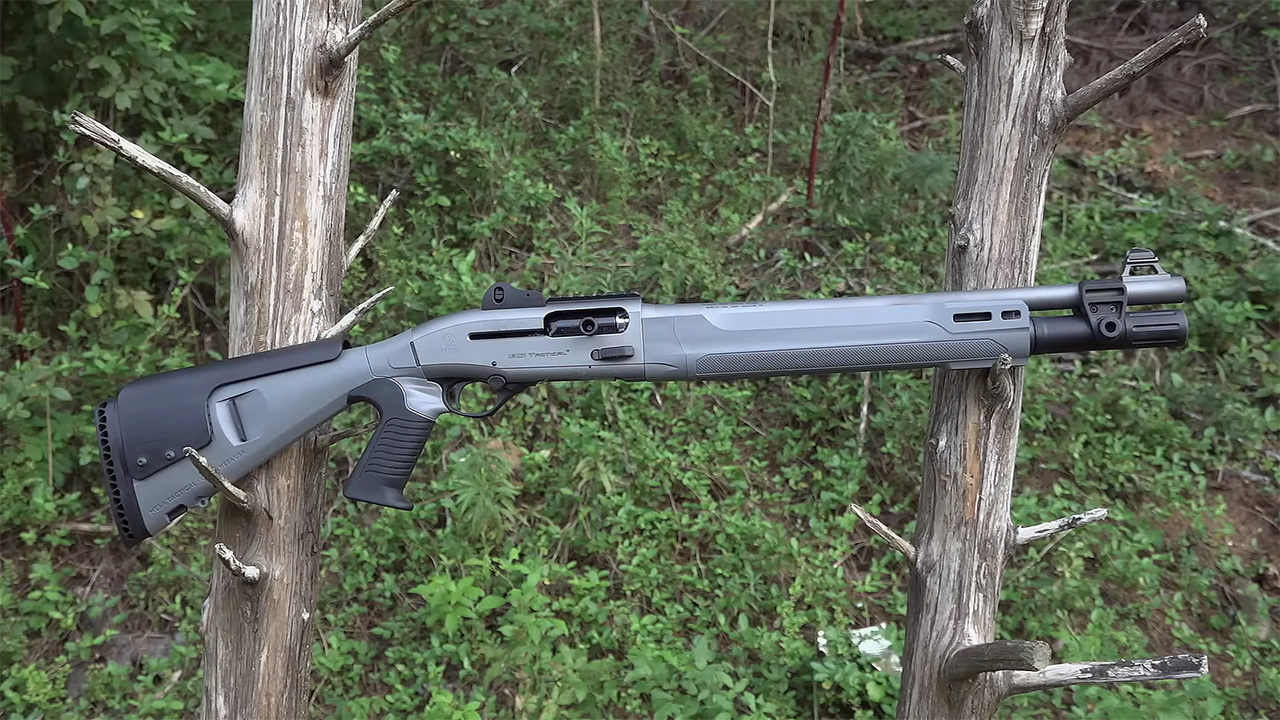
This is probably the best way to understand the 1301 now. A lot of guns succeed in one lane. The 1301 succeeded in two. The Tactical became one of the best-known modern defensive semi-auto shotguns, while the Competition branch became highly visible in multigun and practical shooting. Beretta’s family split worked because the underlying platform was fast, reliable, and adaptable enough to serve both roles without feeling fake in either one.
That is what makes the 1301 more interesting than just “Beretta’s hot tactical shotgun.” It is a platform that became genuinely important in two very different shotgun worlds, and not many lines pull that off this cleanly.
Like The Avid Outdoorsman’s content? Subscribe to our newsletter so you never miss an article.
Here’s more from us: