Photo credit: tomeqs/Shutterstock.com
Some rifles and handguns will shoot tighter than you can hold—if the trigger doesn’t sabotage the shot first. You line up everything right, control your breathing, even feel the crosshairs settle… then the trigger stacks, creeps, or breaks like a soggy pretzel, and the round lands two inches off-center. A good trigger helps you shoot to the rifle’s potential. A bad one makes you second-guess every flyer. Below are guns with triggers that too often hold back otherwise decent platforms. Whether it’s inconsistency, mushiness, or sheer weight, these triggers are known for wrecking what could’ve been perfect shots.
Hi-Point C9
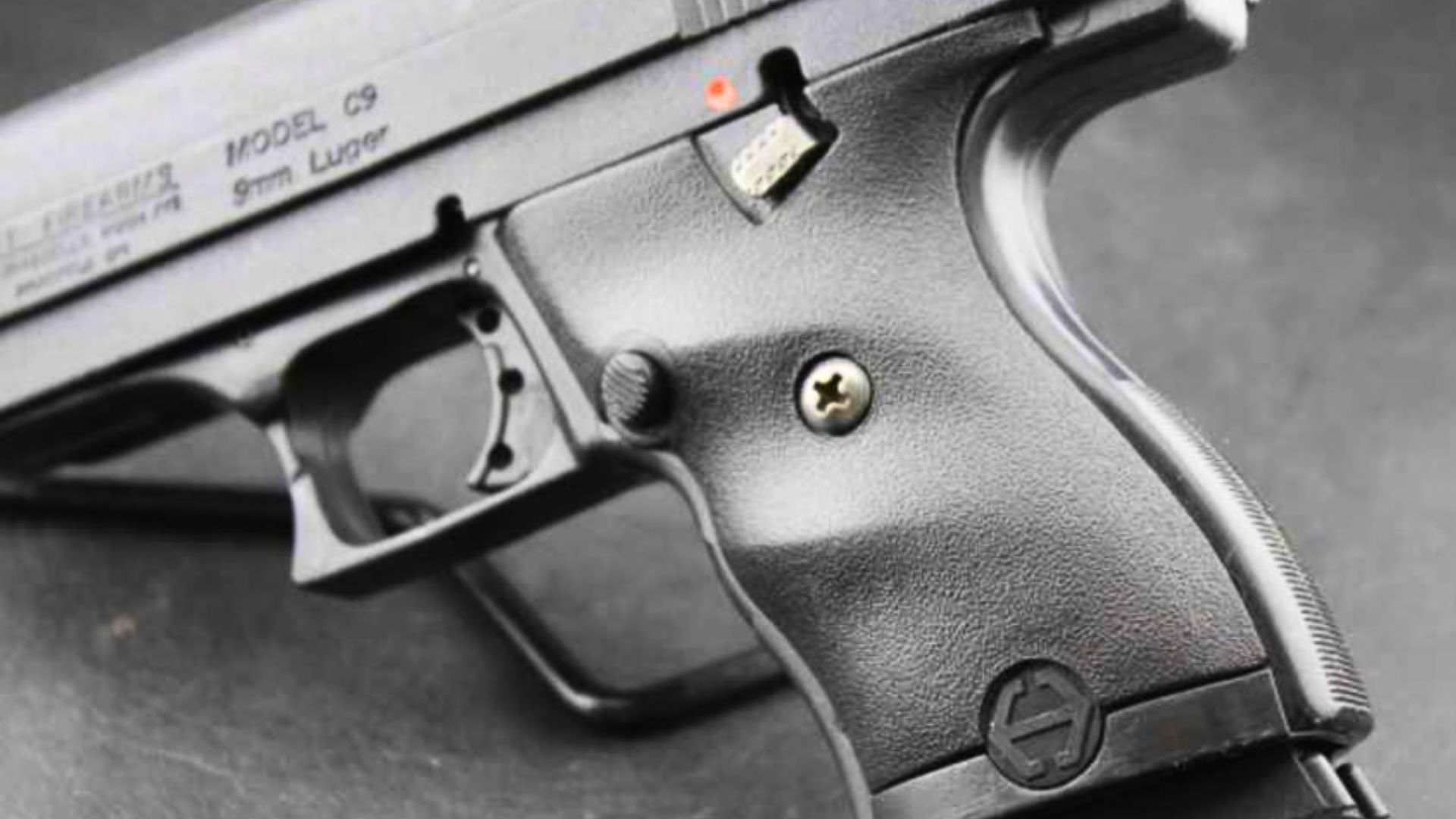
The Hi-Point C9 is known for being affordable and functional, but that comes with a heavy, gritty trigger that rarely inspires confidence. It has an excessively long pull and an unpredictable break, which makes it difficult to call your shots. That might be fine in close-range defensive use, but try printing a decent group at 15 yards and you’ll see what it costs you.
Shooters often report flinching or pulling the shot off target simply from trying to fight through the wall. The reset is also vague, which doesn’t help on follow-ups. In short, the C9’s trigger does more to hurt your accuracy than help it.
Glock 43X (stock)
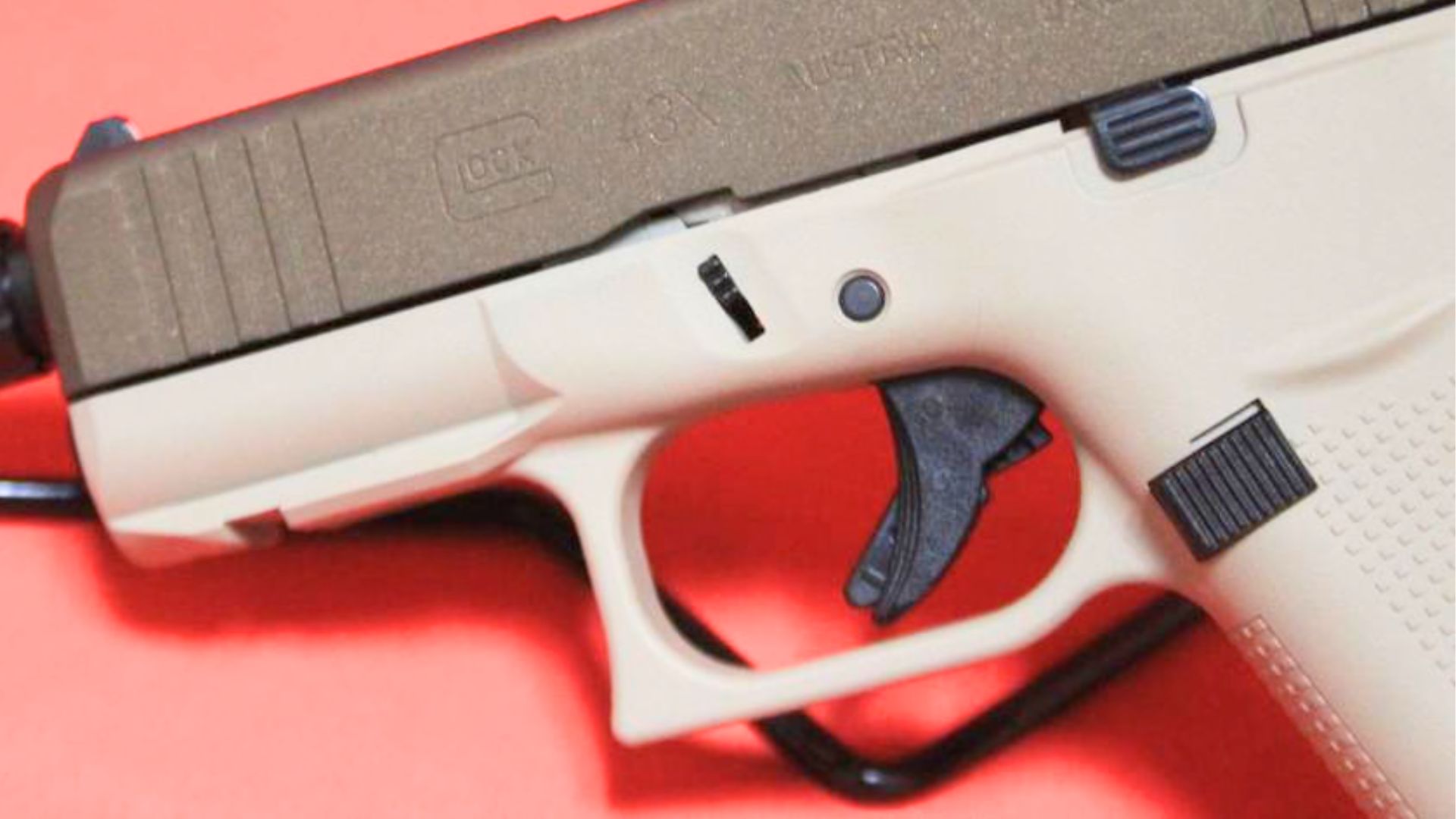
The Glock 43X is a dependable carry piece, but its stock trigger leaves a lot to be desired for accuracy. It’s got a long take-up, a safety blade that drags, and a spongey break that doesn’t give you much feedback. The reset is short, but that doesn’t help if the initial press already pulled your sights off-center.
Plenty of folks run the 43X with no complaints, but that’s usually because they’ve trained around the trigger’s quirks. If you’re switching between platforms or shooting it next to a pistol with a cleaner break, you’ll feel the difference immediately. It’s functional, not refined—and it shows in your group.
Beretta PX4 Storm

The PX4 Storm has some good features—reliability, modularity, and soft recoil—but the trigger is a frequent complaint. The double-action pull is heavy and long, while the single-action stage often feels vague and inconsistent. That’s not a great combination if you’re trying to shoot tight groups or run fast follow-ups.
The break tends to be soft and undefined, making it hard to predict when the shot will go off. That uncertainty can cause you to yank the trigger or overcorrect, especially under pressure. Many users swap in aftermarket parts to improve it, which tells you how often the factory trigger gets in the way.
Smith & Wesson M&P Shield (original version)
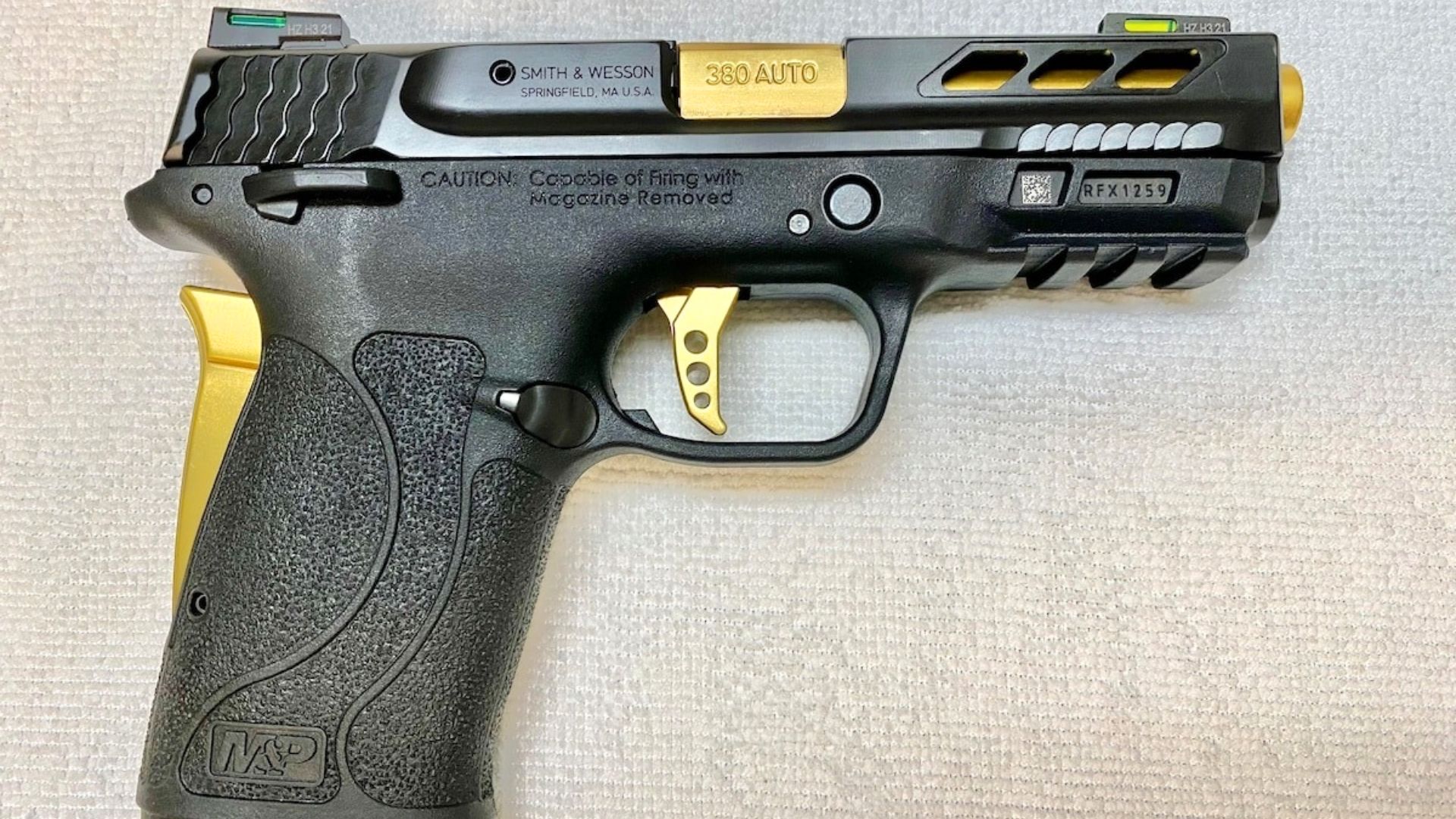
The original M&P Shield was a big hit for concealed carry, but its stock trigger left a lot on the table. It had a long, mushy take-up, a soft break, and a reset so subtle you could miss it entirely. That lack of clarity makes it tough to time your shot correctly, especially for new shooters or anyone trying to shoot tight.
It’s workable for self-defense distances, but frustrating for precision. S&W later updated the trigger in the Shield 2.0 and Shield Plus, which shows they knew it was a weak point. If you’re running an early Shield, it’s probably not your aim that’s off—it’s the trigger fighting you.
Savage Axis (factory trigger)

The Savage Axis is a solid budget bolt gun, but the factory trigger is a known drawback. It’s heavy, gritty, and prone to stacking—exactly what you don’t want when you’re trying to squeeze off a clean shot from the bench or in the field. It’s not uncommon for the break weight to push past 6 pounds.
Many shooters swap in an aftermarket trigger or try to adjust the factory unit down, but out of the box, it holds back the rifle’s potential. You’ll often see the Axis post “meh” groups not because the barrel can’t do better, but because the trigger ruins your consistency.
Remington 770
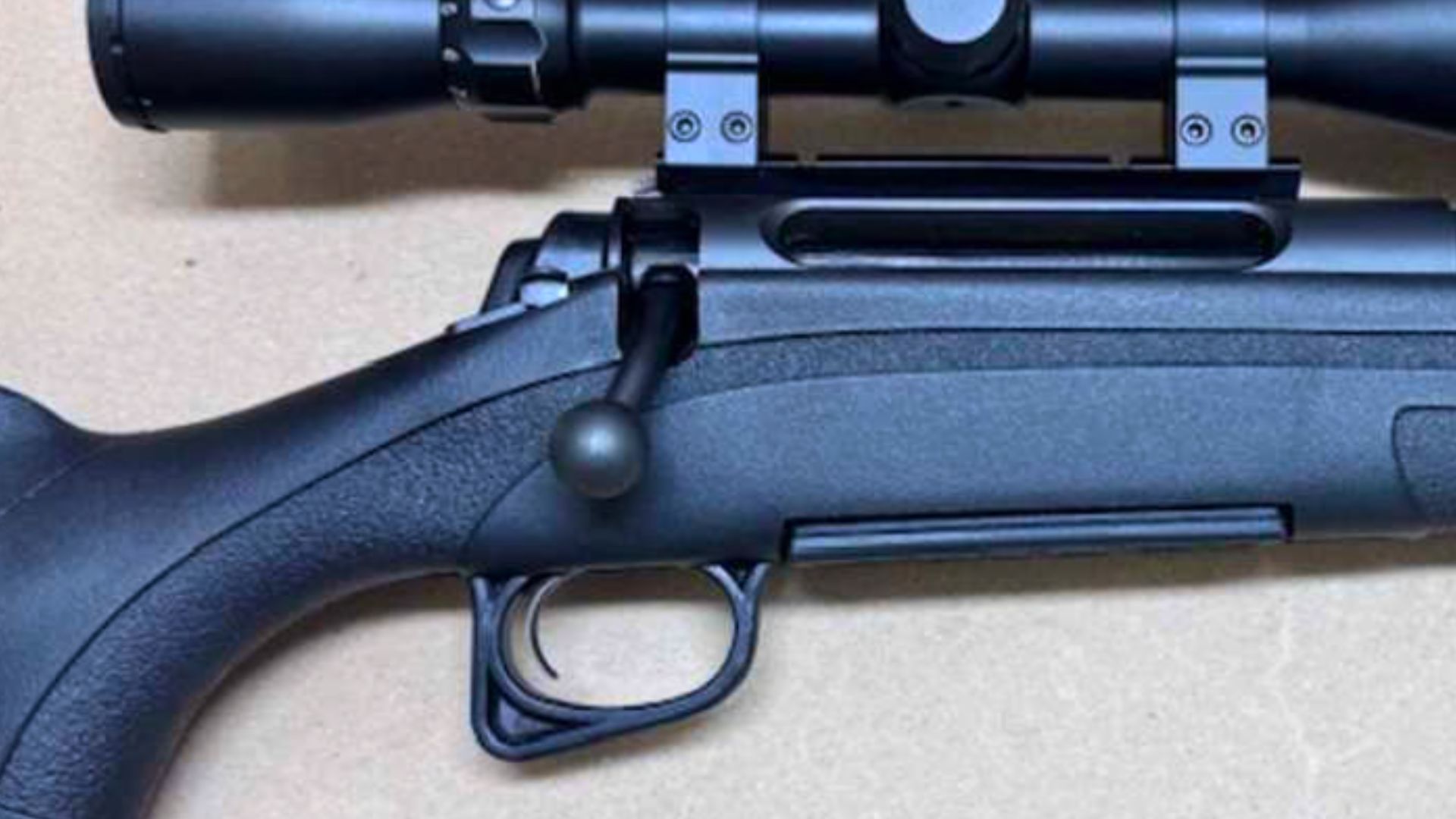
The Remington 770 is already a rifle with a shaky reputation, and the trigger doesn’t help its case. It’s heavy and spongy with noticeable creep and no clean wall. You end up guessing when the shot will break, which is never a recipe for accuracy. Even seasoned shooters have trouble getting it to behave.
It doesn’t help that the rest of the rifle isn’t exactly refined either. Between the sticky bolt and the clunky action, the trigger feels like one more obstacle to overcome. If you want to know why someone gave up on this rifle, odds are the trigger played a big part.
Taurus G3C
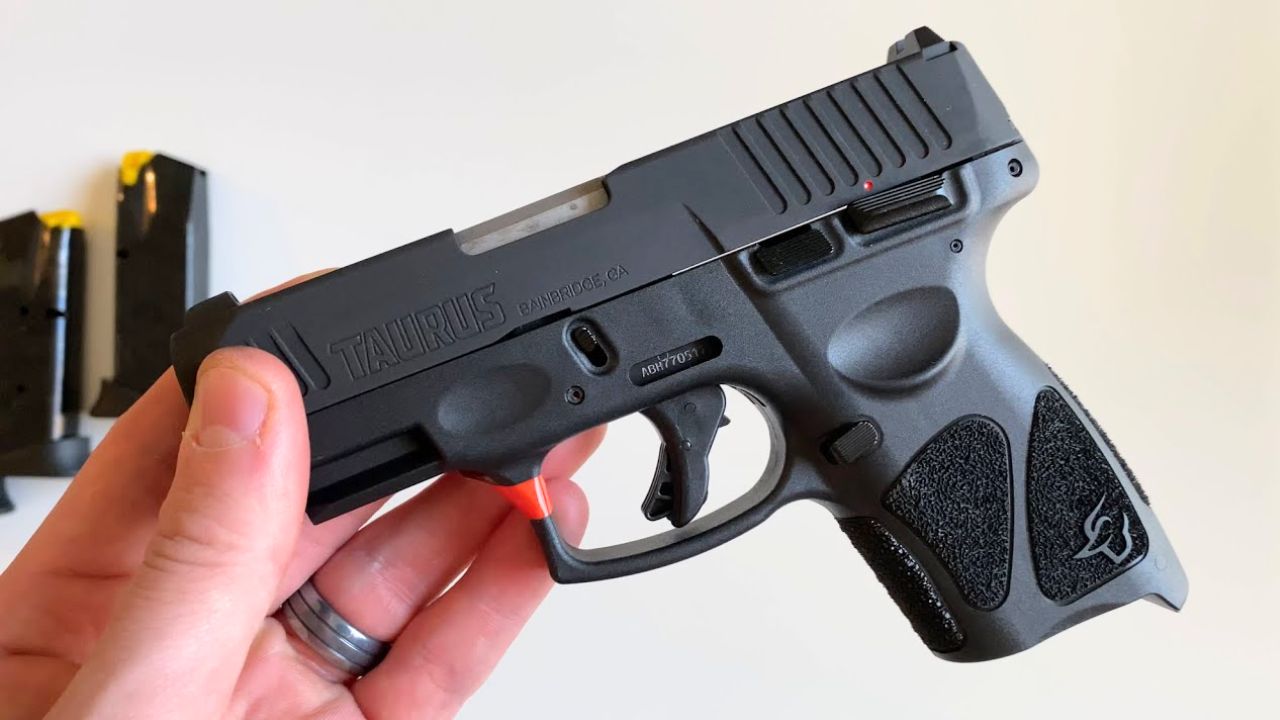
The Taurus G3C is another budget-friendly pistol that performs better than expected—once you get past the trigger. It has a long, rolling pull that lacks a defined wall, followed by a slightly mushy break. That makes it tough to press cleanly without disturbing your sight picture.
It does have restrike capability, which some people like, but that’s not much use if you can’t hit where you’re aiming in the first place. The trigger won’t stop the gun from firing, but it does get in the way of accuracy. Plenty of folks shoot the G3C well, but they usually learn to work around the quirks instead of with them.
Remington Model Seven (late production)
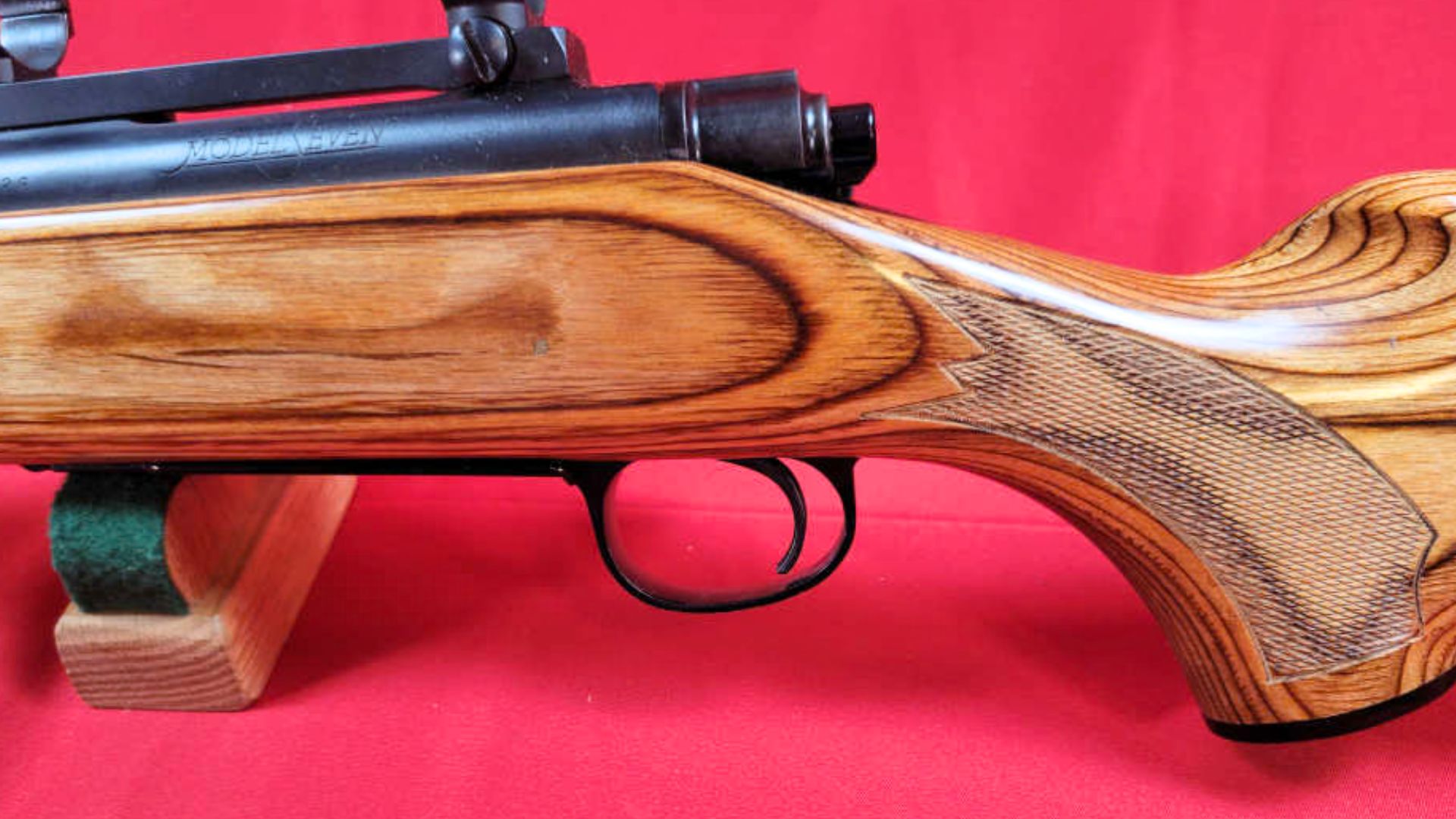
Earlier Model Sevens had decent triggers, but some of the later production runs—especially during Remington’s decline—shipped with heavy, inconsistent pulls that left a lot of shooters frustrated. They were known for excessive creep and unclear break points, which can ruin a perfect shot, especially in lightweight rifles meant for fast handling.
The Model Seven has always been a handy rifle for deer and woods hunting, but when the trigger turns every shot into a surprise, it’s easy to miss under pressure. You can improve it with aftermarket work, but factory triggers from that era definitely held the gun back.
Ruger American Rifle (pre-Ruger Marksman Trigger)
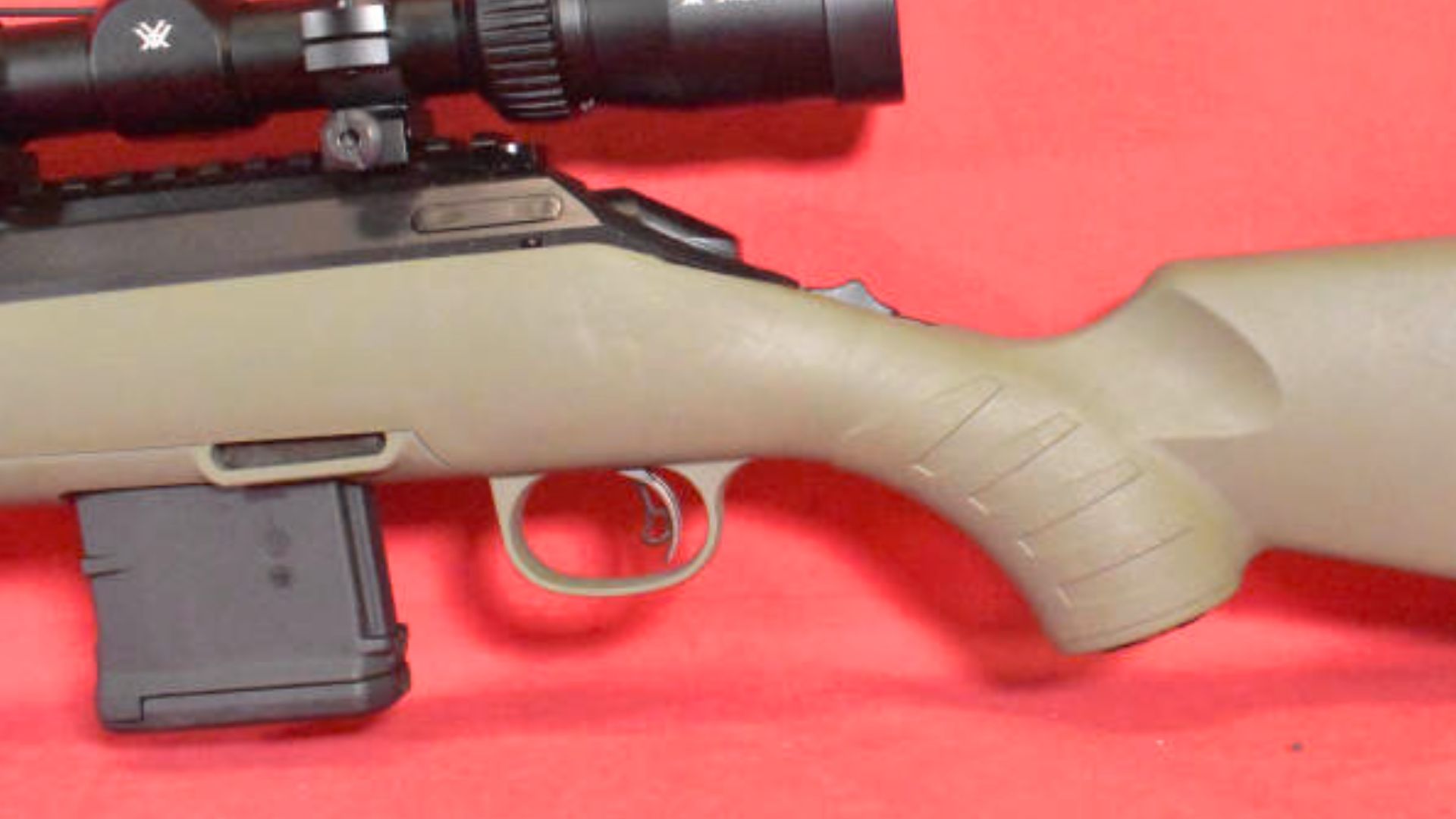
Before Ruger started putting the Marksman Adjustable Trigger into their American Rifles, many of them shipped with heavy, gritty triggers that didn’t feel tuned for precision work. The break was often inconsistent, and the weight could be distracting in offhand positions.
The rifle itself could shoot well—accuracy wasn’t the problem. But a trigger that breaks like a rusty hinge will always affect group size. Once Ruger started adding the improved trigger, things got noticeably better. If you’ve got an older American and can’t shoot it well, you’re not alone—the factory trigger could be to blame.
SIG P250

The SIG P250 used a long, double-action-only trigger pull that felt more like a revolver than a modern semi-auto. It’s smooth, sure, but it’s long—really long. That full-length pull makes it harder to stay steady through the break, and there’s little feedback to let you know when it’s going to go.
For defensive shooting, it’s manageable. For tight groups or fast follow-ups, it’s a problem. SIG eventually replaced the P250 with the striker-fired P320 for a reason. That long DAO pull turned off a lot of shooters who were used to crisper, shorter breaks.
Marlin Model 60 (factory trigger)
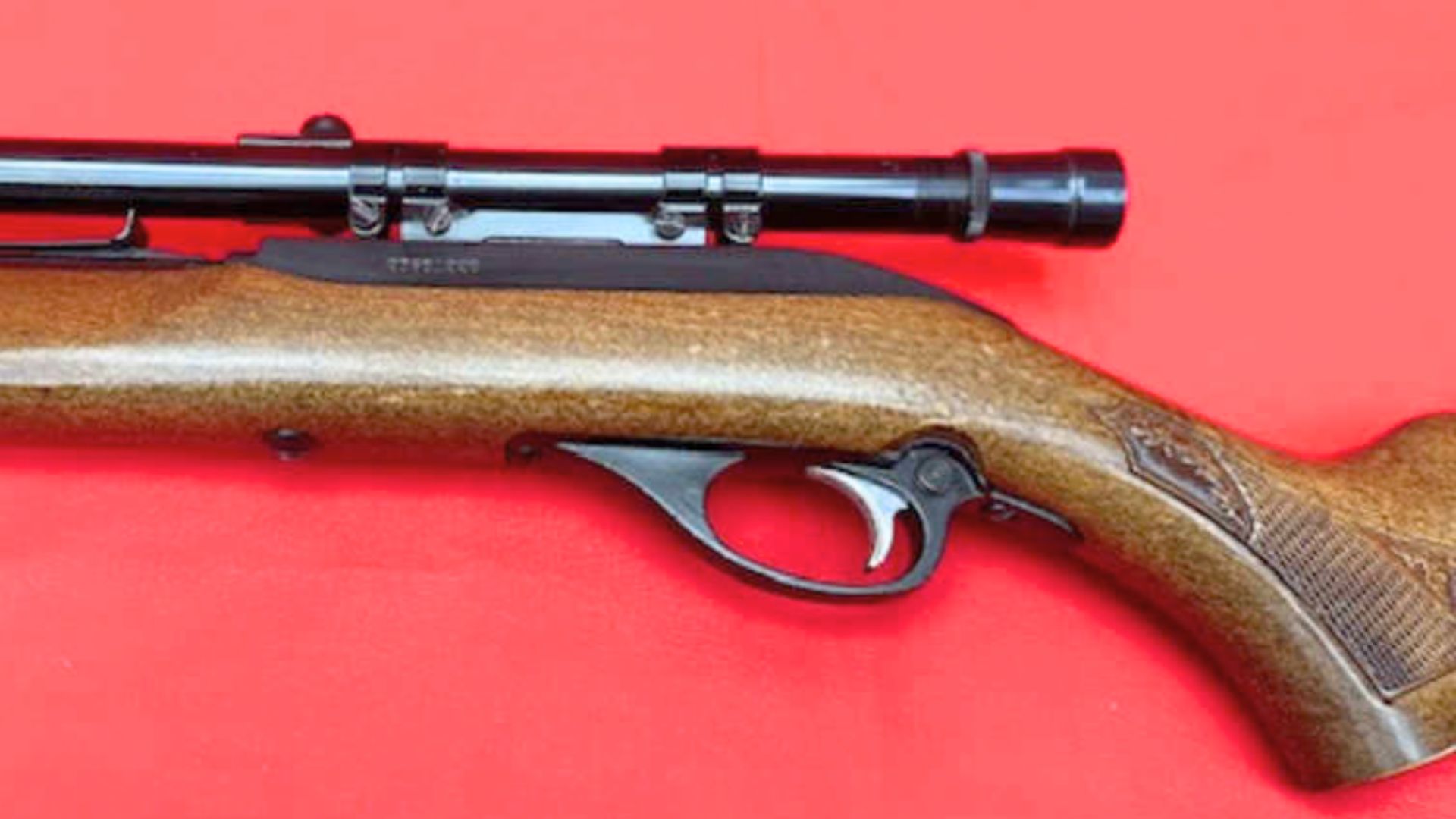
The Marlin Model 60 is a great little rimfire plinker, but the factory trigger isn’t helping anyone shoot dime-sized groups. It’s long, heavy, and vague—more of a slow roll than a clean break. You can get used to it, but if you’re trying to shoot tight from a rest, it’ll make you work harder than necessary.
Aftermarket parts help, but bone-stock versions tend to hold back the rifle’s true potential. It’s still a fun and affordable gun, but if your groups are opening up unexpectedly, the trigger might be what’s to blame—not your fundamentals.
Like The Avid Outdoorsman’s content? Be sure to follow us.
Here’s more from us:
The worst deer rifles money can buy
Sidearms That Belong in the Safe — Not Your Belt
*This article was developed with AI-powered tools and has been carefully reviewed by our editors.