Photo credit: Alabama Arsenal/YouTube
Daniel Defense did not become a serious AR name by being the oldest company in the room. It does not have Colt’s military-history shadow, Smith & Wesson’s handgun legacy, or Ruger’s decades of broad working-gun trust. Daniel Defense had to earn attention in a much newer, much louder market where every company claims its rifles are “duty grade.”
What made buyers take Daniel Defense seriously was not one thing. It was the rails, the barrels, the machining, the government-side credibility, the complete rifle packages, and the sense that the company was doing more in-house than a lot of brands that were mostly assembling other people’s parts. Daniel Defense says it was founded by Marty Daniel with a “let’s build it ourselves” mindset, and that still shows in how the brand talks about its Black Creek, Georgia manufacturing facility, cold hammer forges, CNC machines, and rifle components.
1. Daniel Defense Started With Rails Before Complete Rifles
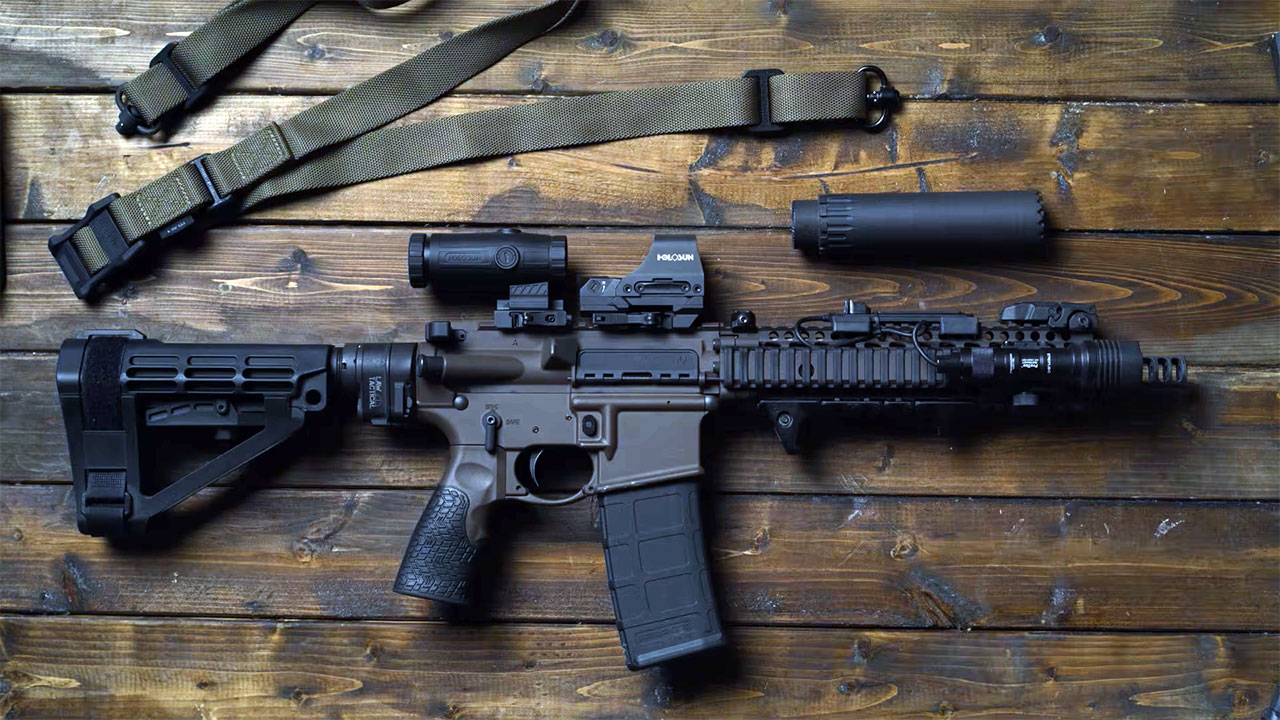
One of the smartest things Daniel Defense did was build credibility with components before asking people to buy complete rifles. Early AR buyers knew the brand through rail systems and accessories. That mattered because serious AR shooters care about the details, and handguards are not just decoration.
A strong rail matters for mounting lights, lasers, grips, sling points, optics-adjacent accessories, and keeping pressure off the barrel. Daniel Defense earned trust in that part of the rifle first. By the time the company started selling complete rifles, buyers had already seen the name attached to hard-use parts instead of only marketing claims.
2. The Company Took Free-Float Rails Seriously
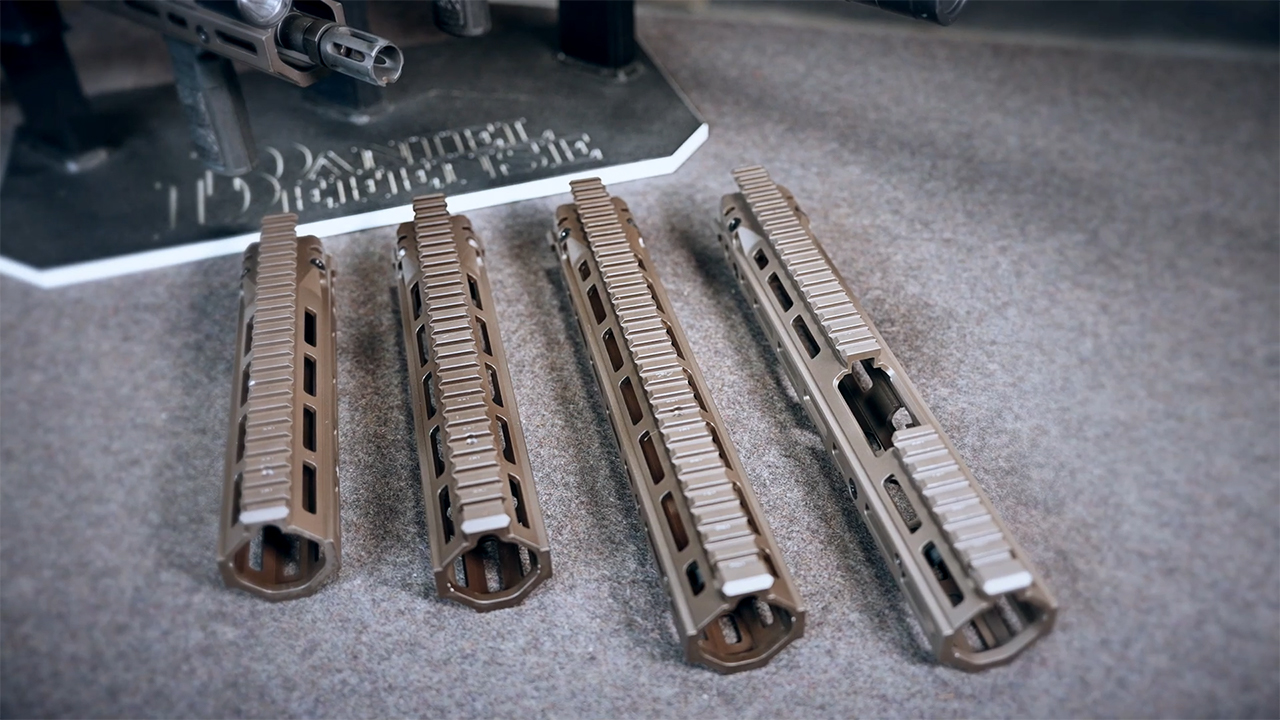
Daniel Defense helped make quality free-float rails part of the serious AR conversation. A free-float handguard can help support better consistency because it keeps sling tension, barricade pressure, and accessory weight from directly pushing on the barrel the way old-style handguards can.
That may not matter much to a casual shooter firing a few rounds at the range, but it matters to people setting up rifles for training, duty, competition, predator hunting, or harder use. Daniel Defense leaned into rail strength, mounting space, and accessory flexibility early enough that buyers started associating the name with serious AR setups.
3. The Government Work Gave the Brand More Weight
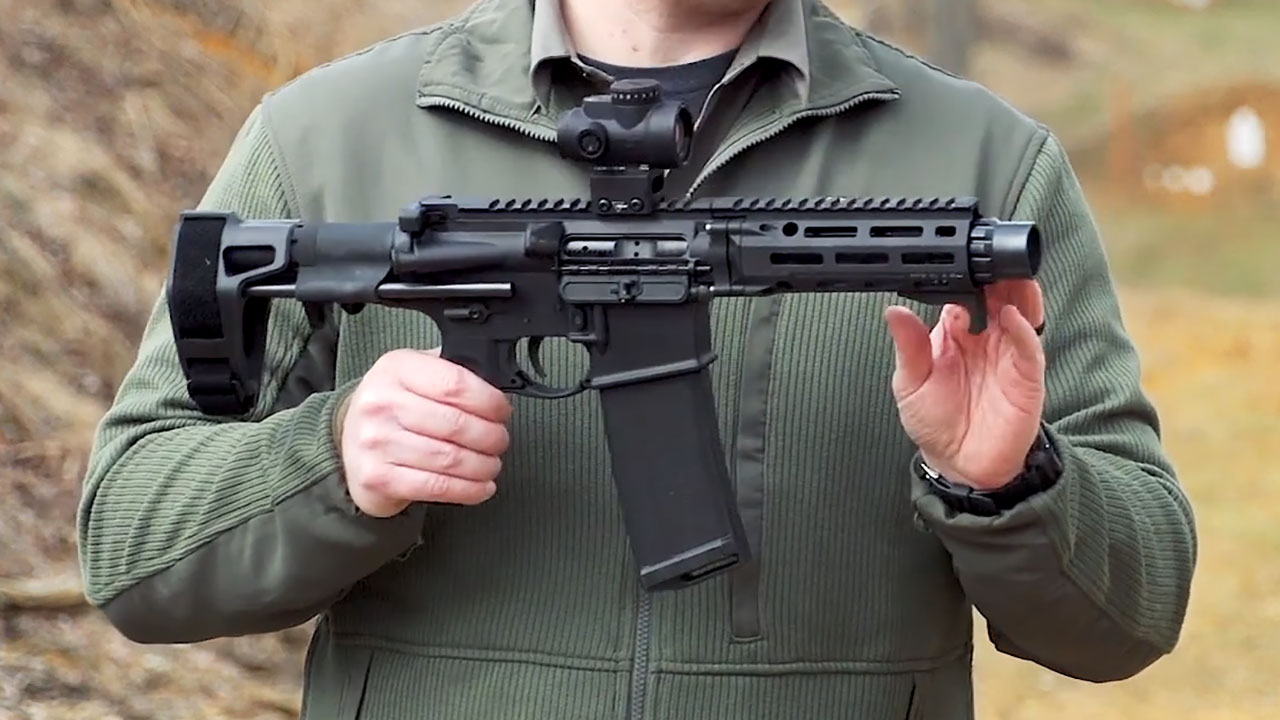
Daniel Defense gained credibility with government and military-related component work before it became a household commercial rifle name. Public summaries of the company’s history point to early growth tied to specialized rail systems for M4 carbines and later barrel and component work tied to military use.
That kind of work matters in the AR market. Buyers are skeptical, and they should be. Plenty of brands claim toughness. Government-side demand does not automatically make a civilian rifle perfect, but it does show the company was building parts for users with harder expectations than a casual range owner. That helped Daniel Defense sound more serious than a normal accessory brand.
4. They Invested in Cold Hammer-Forged Barrels
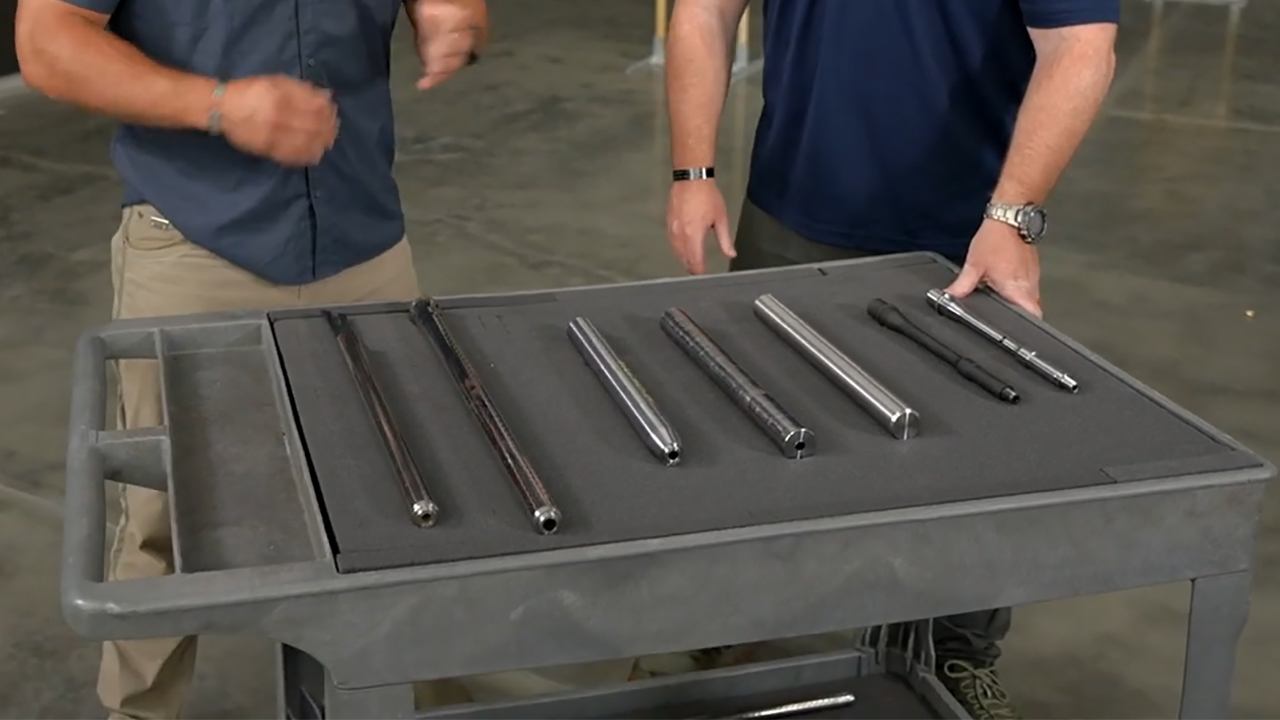
The cold hammer-forged barrel became one of Daniel Defense’s biggest calling cards. The company says its barrels are made on GFM radial cold hammer-forging machines from proprietary steel and stainless steel alloys.
That investment mattered because barrels are not a cosmetic feature. A rifle’s barrel is one of the core parts that determines durability, heat tolerance, accuracy potential, and long-term performance. Plenty of good barrels are made by other methods, but Daniel Defense made cold hammer forging part of its identity. AR buyers noticed because a premium rifle needs a barrel story that is stronger than “it came with one.”
5. The DDM4 Gave Buyers a Complete Rifle They Could Trust
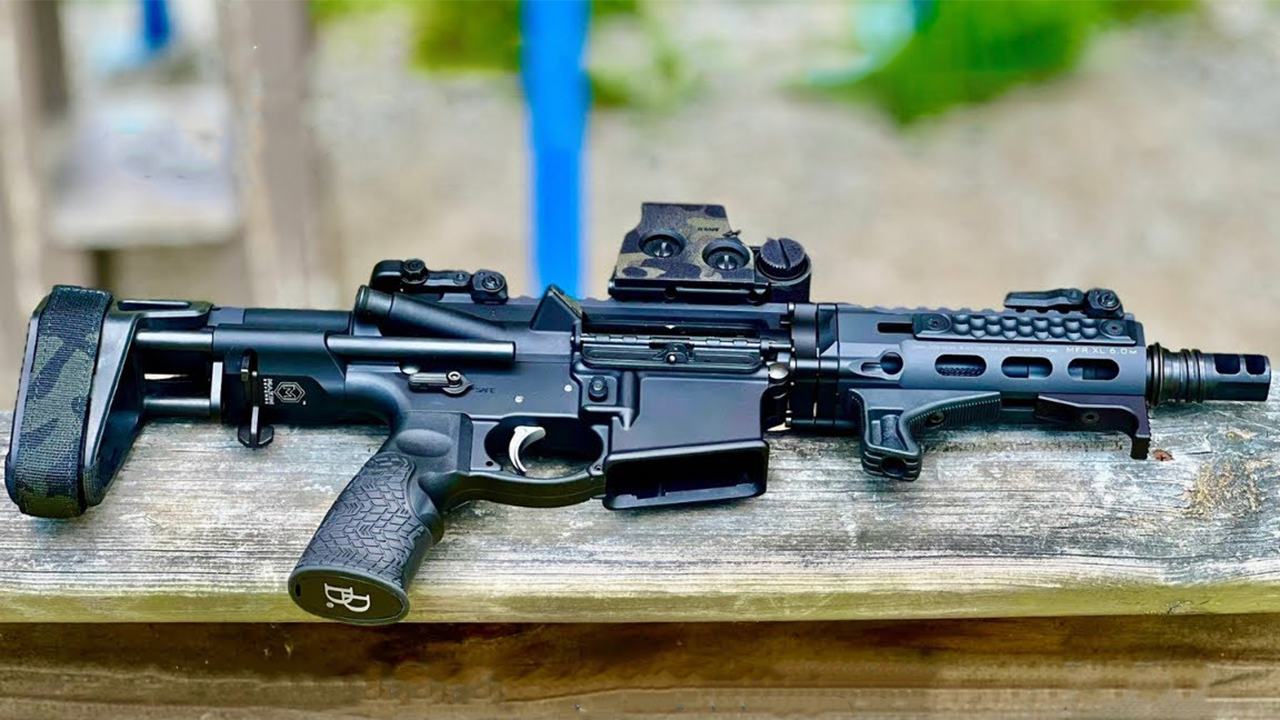
The DDM4 line is where Daniel Defense really became a complete-rifle brand in the minds of many buyers. Instead of buying a rail here, a barrel there, and building around parts, shooters could buy a factory rifle that already had Daniel Defense’s key pieces put together.
That was a big deal for buyers who did not want to build from scratch. Some AR guys love building. Others want a rifle they can buy, optic up, zero, and train with. The DDM4 gave those buyers a premium factory option that felt complete without immediately needing half the rifle replaced.
6. The DDM4 V7 Became the Do-Everything Example
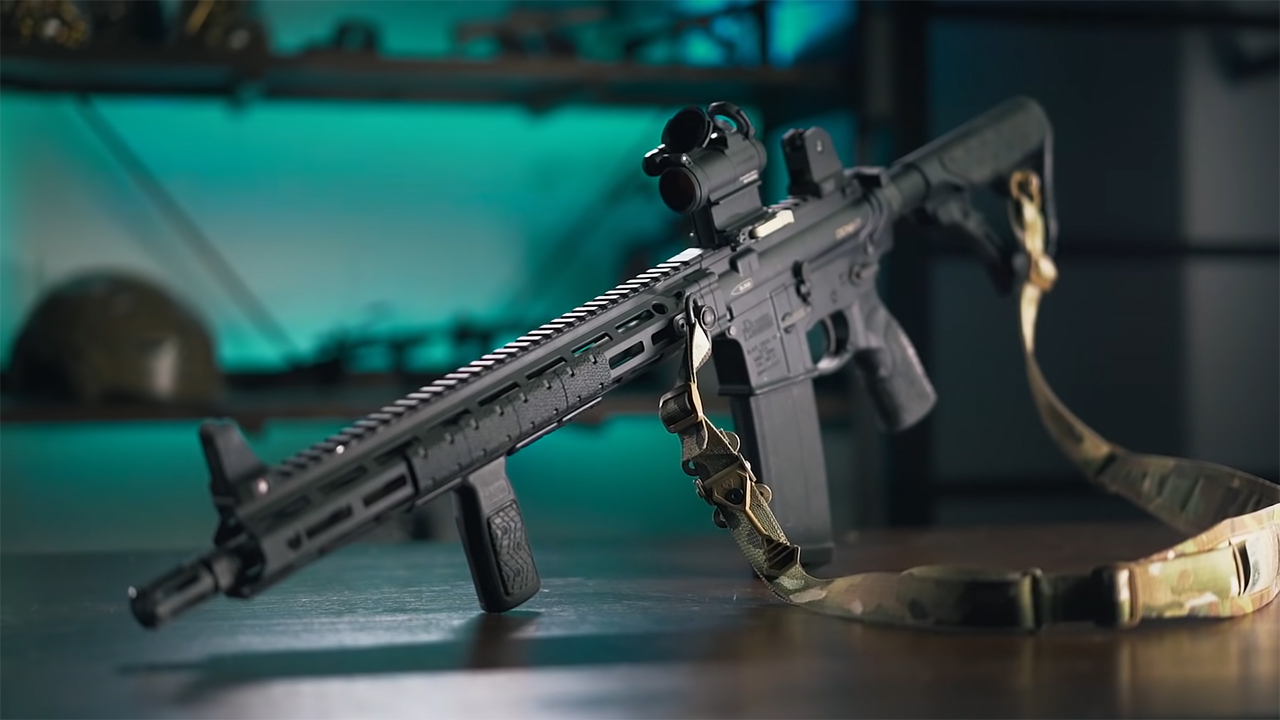
The DDM4 V7 became one of the clearest examples of why buyers took the brand seriously. Daniel Defense describes the V7 as a 16-inch 5.56 NATO AR-style rifle with a cold hammer-forged barrel, mid-length gas system, and lightweight MFR 15.0 M-LOK handguard.
That combination hits the center of the modern general-purpose AR market. A 16-inch barrel keeps it practical. A mid-length gas system helps with smoother cycling. A long M-LOK handguard gives room for accessories. The V7 is not some strange niche rifle. It is Daniel Defense’s argument for a serious, premium, all-around AR.
7. They Chose Mid-Length Gas Where It Made Sense
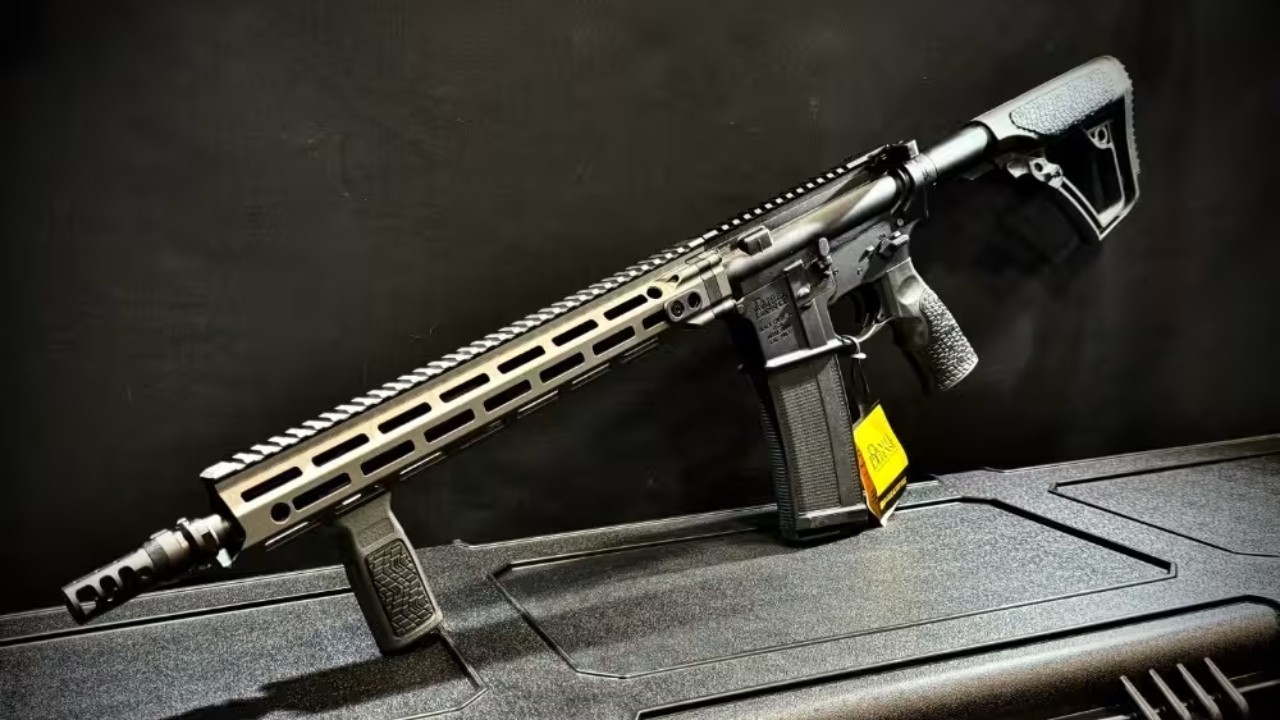
Daniel Defense using a mid-length gas system on rifles like the DDM4 V7 was a smart move. The company says the 16-inch cold hammer-forged barrel pairs with a mid-length gas system for smooth cycling and reduced wear.
That matters because gas system choice changes how a rifle feels and runs. A properly done mid-length 16-inch AR generally feels smoother than many older carbine-gas setups. It is not exotic. It is just the kind of practical choice buyers expect from a company selling premium rifles. Daniel Defense got that detail right.
8. The MFR Handguard Kept the Rifles Modern
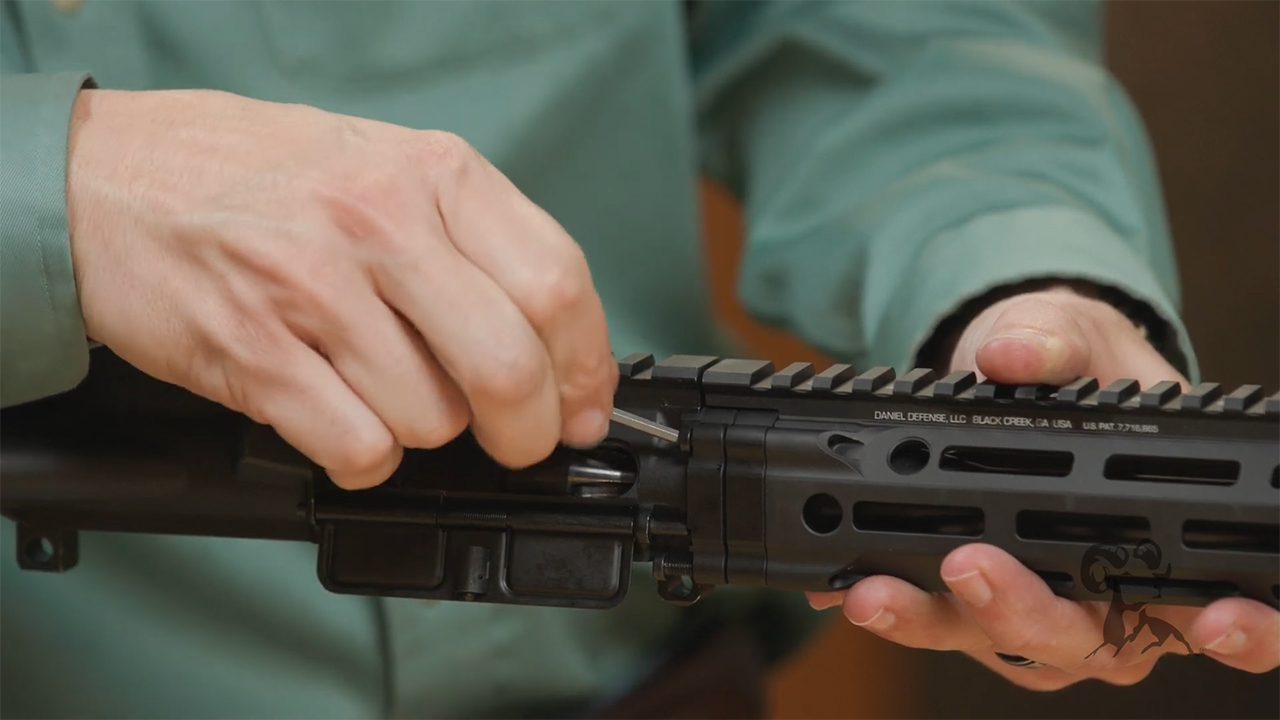
Daniel Defense did not let its rifles get stuck with outdated accessory setups. The MFR M-LOK rails helped the DDM4 line stay relevant as shooters moved hard toward slimmer, lighter, modular handguards. M-LOK gives buyers a cleaner way to mount lights, grips, hand stops, sling points, and other accessories.
That matters because AR buyers build rifles around use. A defensive rifle needs a light and sling. A hunting rifle may need a bipod or tripod interface. A training rifle may need a hand stop or rail covers. A good factory AR should not make all of that difficult. Daniel Defense understood that the rail is part of the rifle’s real utility.
9. They Made In-House Manufacturing Part of the Pitch

Daniel Defense has leaned heavily into in-house manufacturing, and that is one reason buyers respect the brand. The company says nearly every step of the manufacturing process is performed in-house at its 300,000-square-foot facility in Black Creek, Georgia.
That matters in the AR world because some companies are mostly assemblers. There is nothing automatically wrong with assembling rifles from good parts, but buyers like knowing who made the barrel, rail, receivers, and other major components. Daniel Defense turned manufacturing control into part of the value proposition.
10. The Black Creek Facility Made the Company Look Serious

Daniel Defense’s Black Creek, Georgia facility became a major part of the brand story. The company says it began operations in a 38,000-square-foot Black Creek manufacturing facility in 2009, then later expanded into a 300,000-square-foot facility in 2017.
That kind of growth changes perception. Daniel Defense no longer looked like a small accessory company that happened to sell rifles. It looked like a major manufacturer with serious machinery, production control, and long-term ambition. In a crowded AR market, that kind of visible investment matters.
11. They Built a Premium Factory AR Without Making It Too Weird

Daniel Defense rifles usually win by being premium but not bizarre. A DDM4 V7 is still a normal, recognizable AR-style rifle. It does not depend on odd proprietary gimmicks that make parts support annoying. It gives buyers better components inside a familiar layout.
That is important. AR buyers like improvement, but they also like compatibility and familiarity. Daniel Defense did not need to reinvent the rifle into something strange. It made strong barrels, rails, receivers, and complete setups that fit the AR world buyers already understood.
12. The Brand Gave Non-Builders a Safer Premium Option
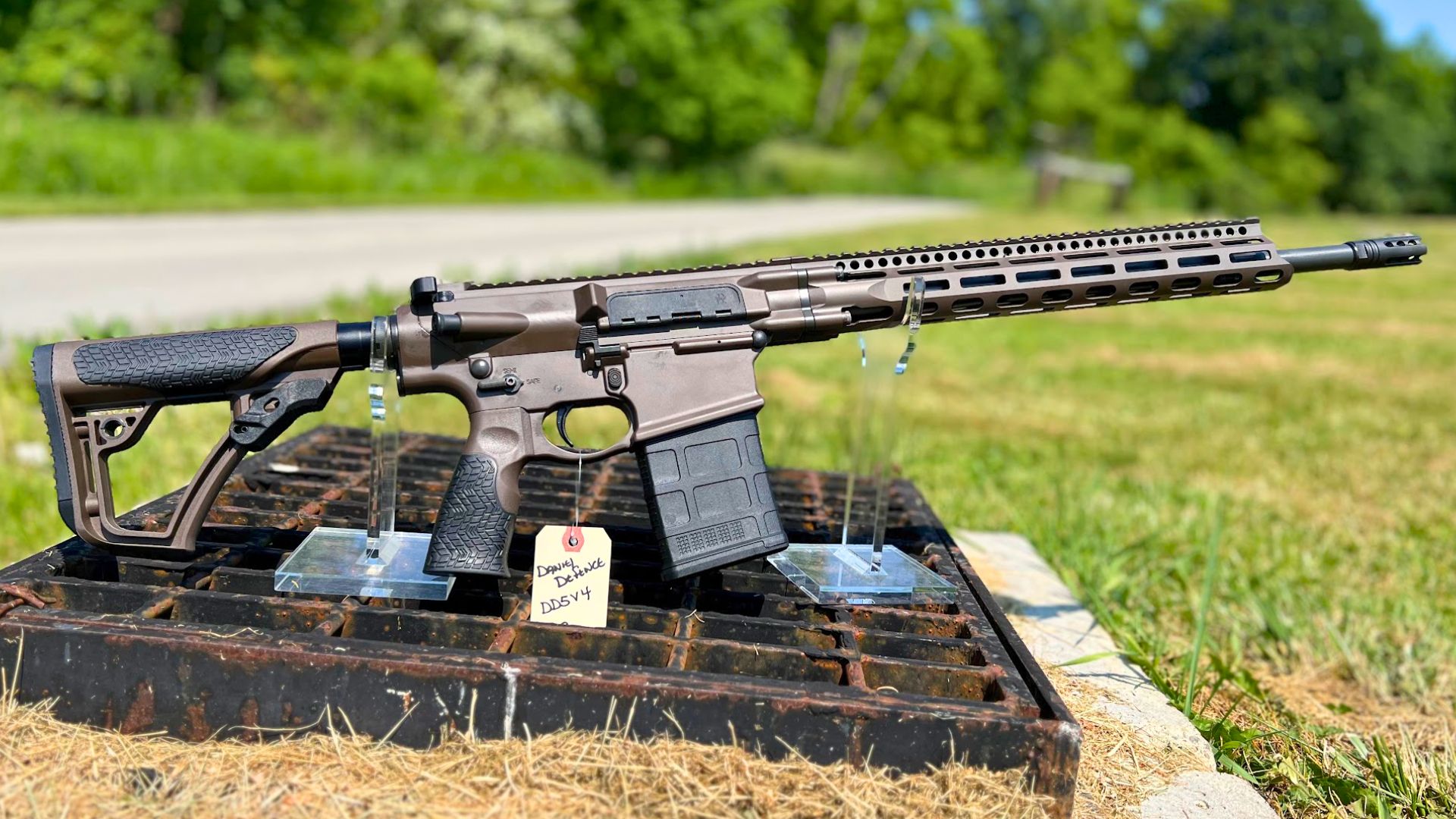
Not every AR buyer wants to build. Some people know exactly what parts they want and can assemble a great rifle. Others do not want to risk bad torque, weak staking, cheap bolts, questionable barrels, or mismatched components. Daniel Defense became one of the names those buyers could trust.
That is a real market. A factory premium AR gives the buyer a known configuration, warranty support, consistent assembly, and resale value tied to a recognizable brand. The DIY crowd may always argue they can build better for less, but Daniel Defense gave everyone else a simpler answer.
13. They Expanded Past Basic AR-15s

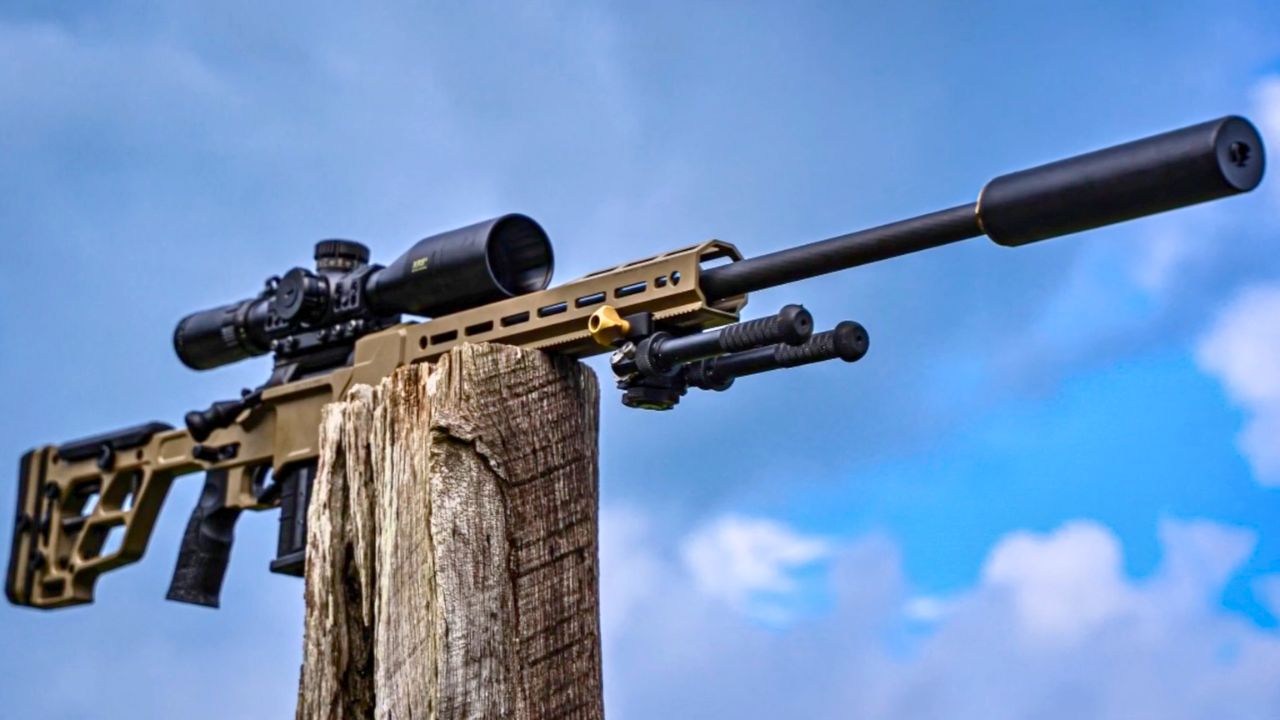
Daniel Defense did not stop at standard 5.56 rifles. The company moved into larger-frame rifles with the DD5 platform and then into bolt-action rifles with the DELTA 5 and DELTA 5 PRO. Daniel Defense’s history says the DD5 marked its first step into the AR-10 platform in 2015, while the DELTA 5 brought the brand into bolt guns in 2019.
That expansion mattered because it showed the company wanted to be more than one premium AR line. Larger-frame semi-autos and bolt guns are harder categories with different expectations. Not every AR brand can stretch into those lanes and still be taken seriously. Daniel Defense at least made buyers look.
14. The Price Forced the Brand to Prove Itself

Daniel Defense rifles are not cheap, and that has always been part of the argument. A buyer can get a functional AR for much less money. A skilled builder can put together a very strong rifle with carefully chosen parts. Daniel Defense has to justify the difference.
That pressure probably helped the brand. When a rifle costs premium money, buyers inspect details harder. Barrel, bolt carrier group, gas system, rail, receivers, furniture, finish, staking, and fit all matter. Daniel Defense became respected because enough buyers felt those details were handled well enough to support the price.
15. Daniel Defense Made AR Buyers Take the Brand Seriously by Controlling the Important Details

The biggest thing Daniel Defense did was control the important details. Rails. Barrels. Gas systems. In-house manufacturing. Complete rifle assembly. Facility investment. Premium factory configurations. The brand did not become serious because it was old. It became serious because AR buyers saw enough evidence that the company understood what mattered.
That is why Daniel Defense still sits in the premium AR conversation. It is not the only good choice. It is not the cheapest smart choice. It is not immune to criticism. But the company built a reputation around quality components, factory confidence, and rifles that do not feel like random parts thrown together under a logo. In the AR world, that is exactly how a brand earns respect.
Like The Avid Outdoorsman’s content? Subscribe to our newsletter so you never miss an article.
Here’s more from us: