Photo credit: Leverguns 50/YouTube
Gun people are quick to dismiss anything that has been around long enough to feel familiar. If a cartridge is old, common, or tied to an earlier generation of rifles and revolvers, somebody will eventually call it outdated and act like newer automatically means better. That sounds convincing right up until the old round gets taken to the range, into the woods, or into the kind of real-world use where performance matters more than attitude.
That is when a lot of the disrespect starts looking a little foolish. Some of these calibers are still accurate, still practical, still easy to find, and still very effective at the jobs they were built for. They may not dominate online arguments, but they keep proving themselves where it counts. Here are 15 old calibers people love to disrespect until they actually see what they still do.
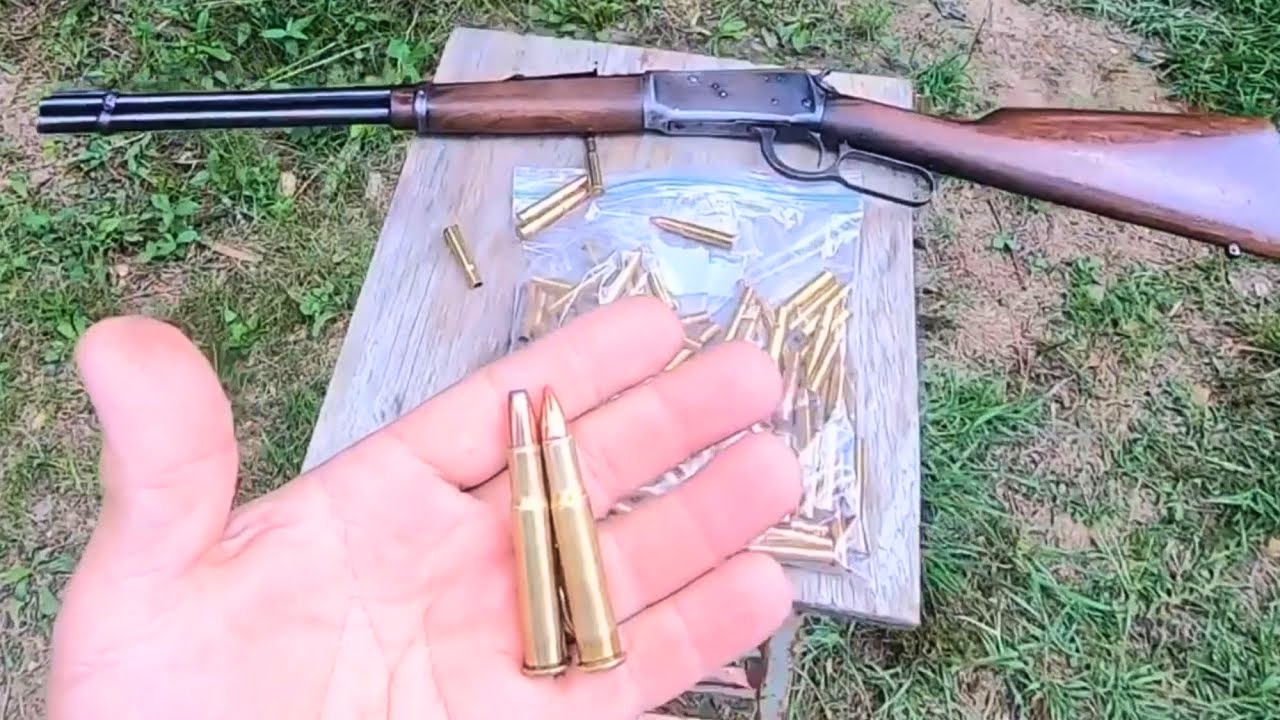
.30-30 Winchester

The .30-30 gets talked down by people who only care about long-range charts and modern rifle trends. They act like it belongs in a museum and has nothing left to offer beyond nostalgia. That usually changes once they see how well it still works in a handy lever gun at normal deer-hunting distances.
In the woods, the .30-30 still makes a ton of sense. It hits hard enough, shoots flat enough for the role, and carries beautifully in rifles people actually enjoy taking afield. It is not flashy, but it keeps doing real work while louder cartridges soak up attention.
.45-70 Government

A lot of people disrespect the .45-70 because it looks like a relic. Big, slow, old, and tied to lever guns, it gets treated like a cartridge people buy for style more than use. Then they see one in the field or on steel and realize this old bruiser still has a lot of authority.
Within sane distances, it is an absolute hammer. It is still very relevant for big game, thick-cover hunting, and anyone who wants serious impact in a rifle that handles fast. The age of the cartridge does not make it weak. If anything, it makes it proven.
.30-06 Springfield

The .30-06 gets disrespected now because some shooters think “old standard” automatically means “surpassed.” It is easy to overlook a cartridge that has been around forever, especially when newer rounds get marketed like they solved problems the .30-06 somehow could not.
Then people see what it still does on game, at the range, and across a huge range of bullet weights. The .30-06 remains one of the most practical all-around hunting cartridges ever made. It may not be trendy, but it still covers a lot of ground better than many newer rounds that promise more than they deliver.
.308 Winchester

The .308 takes heat from people obsessed with squeezing every possible ballistic advantage out of newer cartridges. They call it old, boring, and less efficient than the latest short-action darling. That criticism usually fades when real shooting starts.
The .308 still hits the sweet spot for practical accuracy, manageable recoil, and broad real-world usefulness. It works in bolt guns, semiautos, hunting rifles, and range rifles without much fuss. It is one of those cartridges that keeps reminding people why simple and proven still matter.
.270 Winchester

The .270 gets treated like your granddad’s deer cartridge, which is usually meant as an insult. It does not have magnum drama, tactical appeal, or much internet swagger. That is exactly why people underestimate it.
Then they watch what it does on deer, antelope, and plenty of other game in real hunting country. The .270 still shoots flat, hits cleanly, and stays easier to live with than many cartridges that get more hype. It has been quietly embarrassing louder fans for a long time.
.243 Winchester

The .243 gets mocked by people who think low recoil automatically means low usefulness. It gets called a beginner round, a kid’s rifle cartridge, or not enough gun by shooters who care more about image than shot placement.
Then it goes out and keeps killing deer, handling varmints, and helping people shoot more accurately than they would with something harsher. That is the part critics never want to admit. The .243 still works extremely well when it is used for what it was built to do.
.35 Remington

The .35 Remington gets almost completely ignored now, which is a different kind of disrespect. It gets treated like one of those cartridges that should have faded away quietly and taken its rifles with it. That changes fast when people actually see what it does in a woods rifle.
It is a strong, practical brush-country round with more punch than many people expect. In the right lever gun, it is still a very legitimate deer and black bear cartridge. It does not need mainstream attention to stay effective.
.250 Savage

The .250 Savage gets overlooked because it sounds like one of those charming old calibers people only mention when talking about forgotten rifles. That keeps a lot of shooters from appreciating how smart the cartridge actually was and still is.
It offers mild recoil, respectable velocity, and a practical balance that made it ahead of its time. In the field, it still behaves like a very sensible hunting round instead of some outdated novelty. That is usually a surprise to people who only knew the name and never saw the results.
.257 Roberts
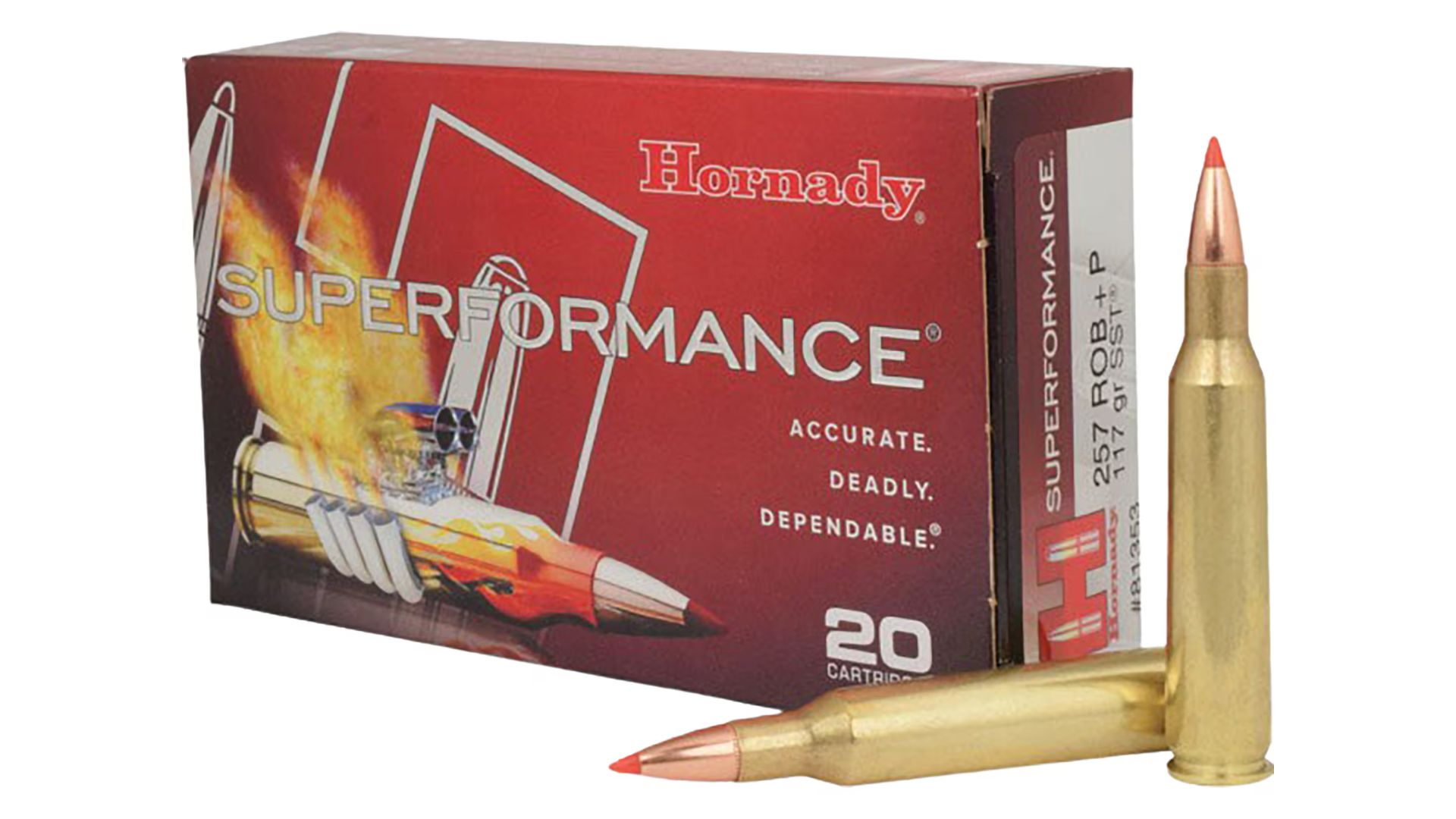
The .257 Roberts is another cartridge people dismiss because it sounds old and too polite to matter. It does not have the loud reputation of magnums or the modern branding of newer crossover rounds, so it gets ignored by people who assume mild means weak.
What they miss is how well it balances recoil, accuracy, and hunting performance. The .257 Roberts has been making hunters look smarter than the trend-chasers for a very long time. It still offers far more than the casual disrespect suggests.
.32 Winchester Special

The .32 Winchester Special often gets shrugged off as just another old lever-gun cartridge that could not keep up. That is easy to say until you actually see one used the way it was intended.
In a good woods rifle, it still brings a lot of practical value. It offers solid performance on deer-sized game and fits the kind of hunting where fast handling and confidence matter more than long-range obsession. It is one of those cartridges that sounds obsolete until it starts doing the job again.
.38-55 Winchester

The .38-55 gets treated like pure history most of the time. People hear the name and think black-and-white photos, not useful hunting or target performance. That sells the cartridge way short.
In the right rifle, it still shoots with a lot of authority and surprising grace. It has a soft, steady kind of effectiveness that people tend to appreciate once they actually spend time with it. The old rounds are often a lot more capable than the dismissive talk makes them sound.
.300 Savage

The .300 Savage gets overshadowed by the .308 so badly that some shooters act like it has no reason to exist anymore. That is the danger of being an older cartridge with a more famous descendant. People start acting like the parent round became irrelevant overnight.
It did not. The .300 Savage was and still is a capable hunting cartridge with real-world usefulness and practical recoil. In a classic rifle, it still makes plenty of sense. It may not be the obvious choice now, but it remains a very respectable one.
7×57 Mauser

The 7×57 gets disrespected mostly by people who have never spent any real time with one. It is old, it is tied to classic sporting rifles, and it lacks the modern branding that makes newer cartridges feel exciting to the buying crowd.
Then people see how easy it is to shoot and how effective it still is on game. The 7×57 has been earning loyalty for well over a century for a reason. It is accurate, balanced, and more useful than a lot of louder cartridges that stole the spotlight later.
.44-40 Winchester

The .44-40 gets treated like an artifact, the sort of cartridge people own for costume value more than real use. That attitude ignores why it lasted in the first place.
In the right revolver and rifle combination, it still shows why paired-caliber systems made so much practical sense. It is not a modern high-pressure wonder, but it does not need to be. It is one more example of an old cartridge that starts making more sense the second somebody actually uses it honestly.
.22 Hornet

The .22 Hornet gets brushed aside by people who think it is too old, too light, or too weird to matter now. It sits in that space where modern varmint shooters often skip right over it on their way to louder, hotter options.
Then they see how useful it still is for small game, varmints, and practical low-recoil centerfire shooting. The Hornet keeps proving that a cartridge does not need huge numbers to be smart. It just needs to do its job well, and this one still does.
.45 Colt

The .45 Colt gets disrespected by people who think it is only for cowboy guns and nostalgia shooters. That changes in a hurry when they see what it can still do in strong modern revolvers and carbines.
There is real practical punch there, along with the kind of shootable authority that keeps the cartridge relevant. It has age, sure, but it also has staying power. A lot of old calibers survive because people are sentimental. The .45 Colt survives because it still works.
Like The Avid Outdoorsman’s content? Subscribe to our newsletter so you never miss an article.
Here’s more from us: