Photo credit: CRFirearms/GunBroker
The Sig Sauer P220 is one of those pistols that a lot of shooters know as the classic Sig .45, but the bigger story is that it started life as something broader and more important than that. The pistol was designed in 1975 and developed as the Swiss Army’s Pistole 75, replacing the older P210 in Swiss service. It also became the flagship early pistol of the SIG-Sauer partnership and laid the foundation for much of the company’s later double-action pistol family.
What makes the P220 especially interesting is that many shooters think of it only through the American lens, where it became strongly tied to .45 ACP. But the original story is more European, more military, and a little more varied than that. Early versions had heel magazine releases, some U.S. imports wore Browning BDA markings, and later models evolved into railed, carry, and even 10 mm variants.
1. The P220 was designed in 1975
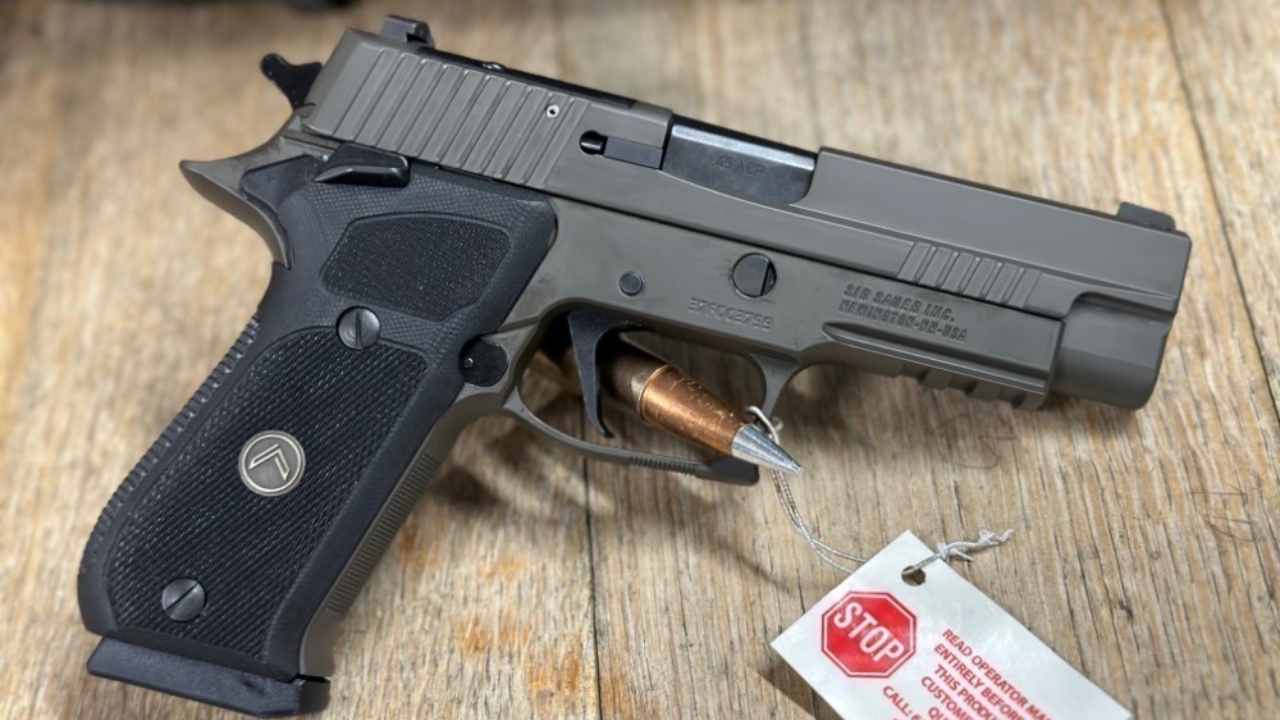
The P220 dates to 1975, not the 1980s like a lot of people assume. The standard reference history says it was developed in 1975, and that same year Switzerland adopted it as the Pistole 75.
That timing matters because it places the P220 at the front end of the modern SIG-Sauer service-pistol story. It was there before the P226 became the better-known name in U.S. circles.
2. It was created to replace the SIG P210 in Swiss service

The P220 was developed for Swiss Army service as a replacement for the SIG P210, according to the reference history. In Swiss use, it was known as the Pistole 75, or P75.
That is a big deal because the P210 had a very strong reputation, so the P220 was not stepping into an easy job. It had to modernize the Swiss service pistol without losing credibility. That pressure helps explain why the design mattered so much to SIG going forward.
3. The SIG-Sauer partnership is baked into the pistol’s identity

The reference history says SIG partnered with J.P. Sauer & Sohn of Germany for commercial production and distribution, which is why the pistol became properly known as a SIG Sauer.
That matters because the P220 was not just an important gun mechanically. It was also one of the key products behind the SIG-Sauer identity that later became so recognizable worldwide.
4. The original gun was not mainly a .45 ACP pistol
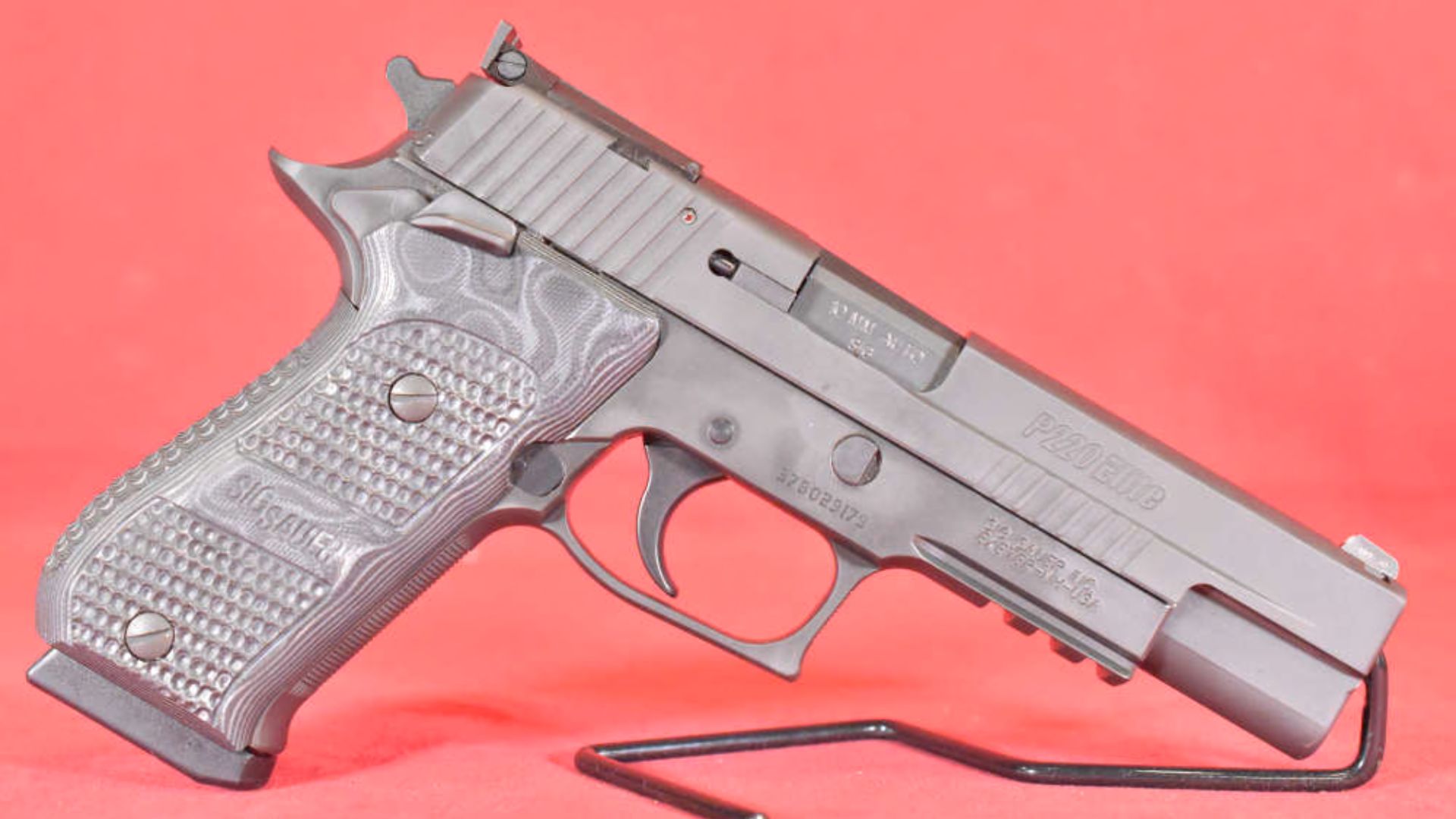
A lot of American shooters think “P220” and immediately think “.45.” But American Rifleman says the first P220s were built in 7.65 mm and 9 mm Parabellum, with small numbers in .38 Super, and that .45 ACP was added when the pistol came to America.
That is one of the easiest facts to miss because the U.S. market ended up shaping the P220’s reputation so strongly. In its earliest form, it was much more of a European service pistol than an American big-bore icon.
5. The early American version was sold as the Browning BDA

Before SIG had its own strong U.S. presence, the pistol was imported in modified form as the Browning BDA from 1977 to 1980, according to the reference history. American Rifleman also notes that early American buyers encountered the P220 as the Browning BDA, and sometimes through other import markings.
That is a cool little detail because a lot of people have seen or owned a Browning BDA without realizing they were looking at an early P220 story. It is one of those branding detours that makes old pistol history fun.
6. Early P220s had a heel magazine release
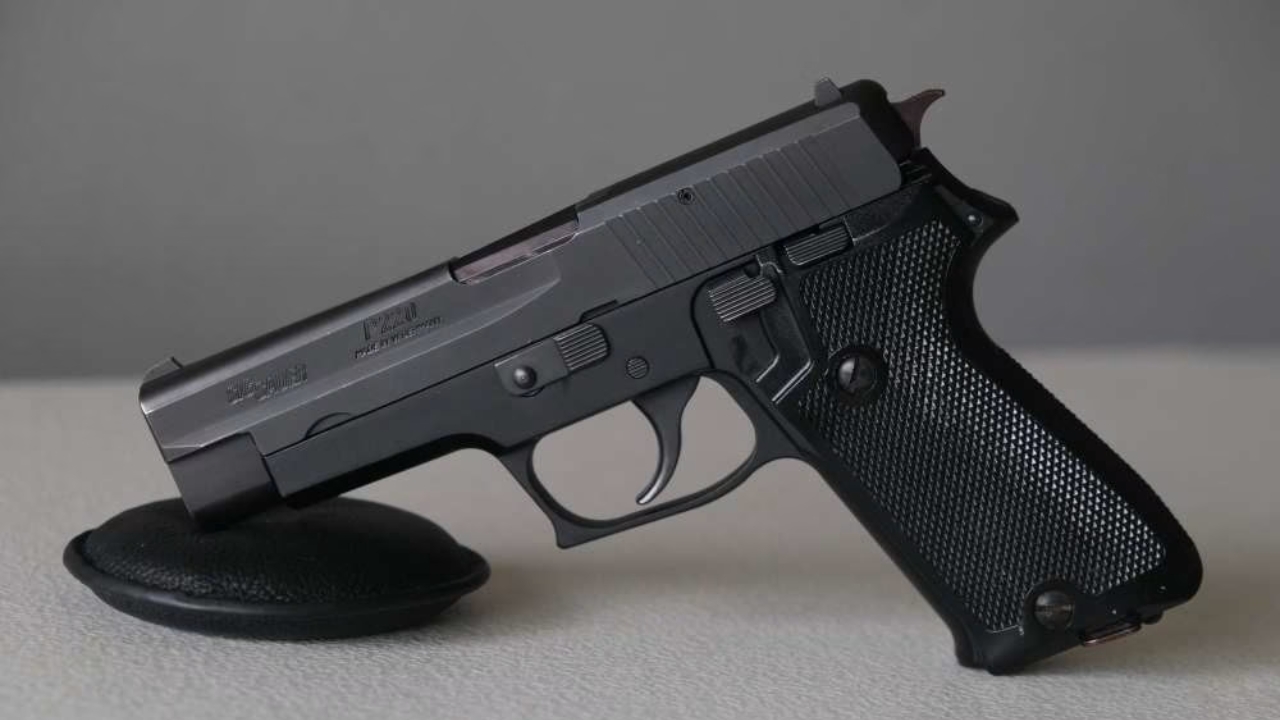
The reference history says the original 1975 P220 used a heel-mounted magazine release at the rear of the magazine well, along with a lanyard loop, both of which were typical of military and police pistols of the time.
That matters because it reminds you the earliest P220s were not built around American commercial preferences. They were built around European service-gun expectations first.
7. Later P220s changed the controls in a big way

The reference history says newer P220s switched to a push-button magazine release on the left side of the frame and dropped the lanyard loop. It also notes later redesigns to the slide and grips.
That means the P220 story is not static. A shooter handling an early heel-release P220 and a later American-market push-button P220 is dealing with noticeably different eras of the same pistol family.
8. The P220 introduced a locking system that became very influential
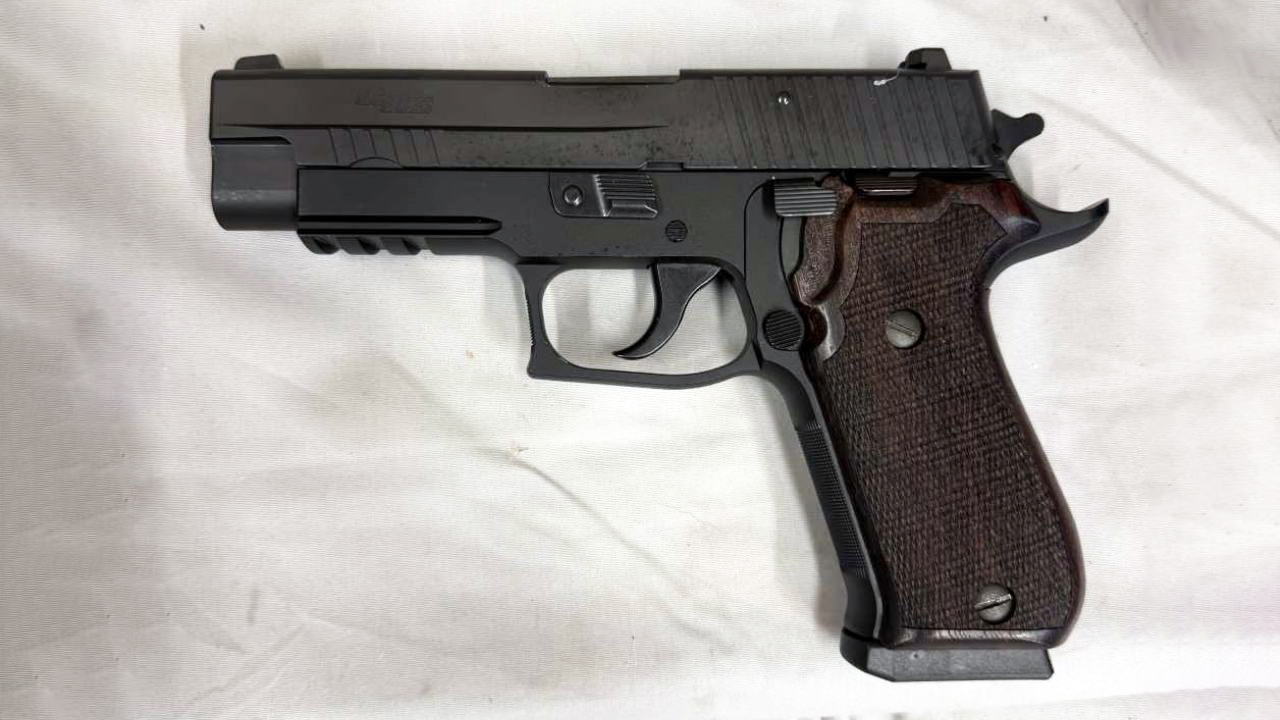
The reference history says the P220 used what became known as the SIG Sauer system, locking the barrel and slide together using an enlarged breech section that mates with the ejection port, rather than the old-style locking-lug arrangement seen in pistols like the M1911 or Browning Hi-Power.
That matters because the P220 was not just another service pistol with a new badge. It used a locking approach that became extremely common in modern handguns.
9. It built its reputation on a DA/SA decocker setup, not a manual safety
The reference history explains that the pistol uses a decocking system and multiple internal safeties, including a firing-pin safety and safety notch, rather than a traditional manual thumb safety.
That is a big part of why the P220 feels so “classic Sig.” The decocker-and-DA/SA manual of arms became one of the defining traits of the company’s metal-framed pistols for years.
10. The P220 became the flagship of the early SIG-Sauer line
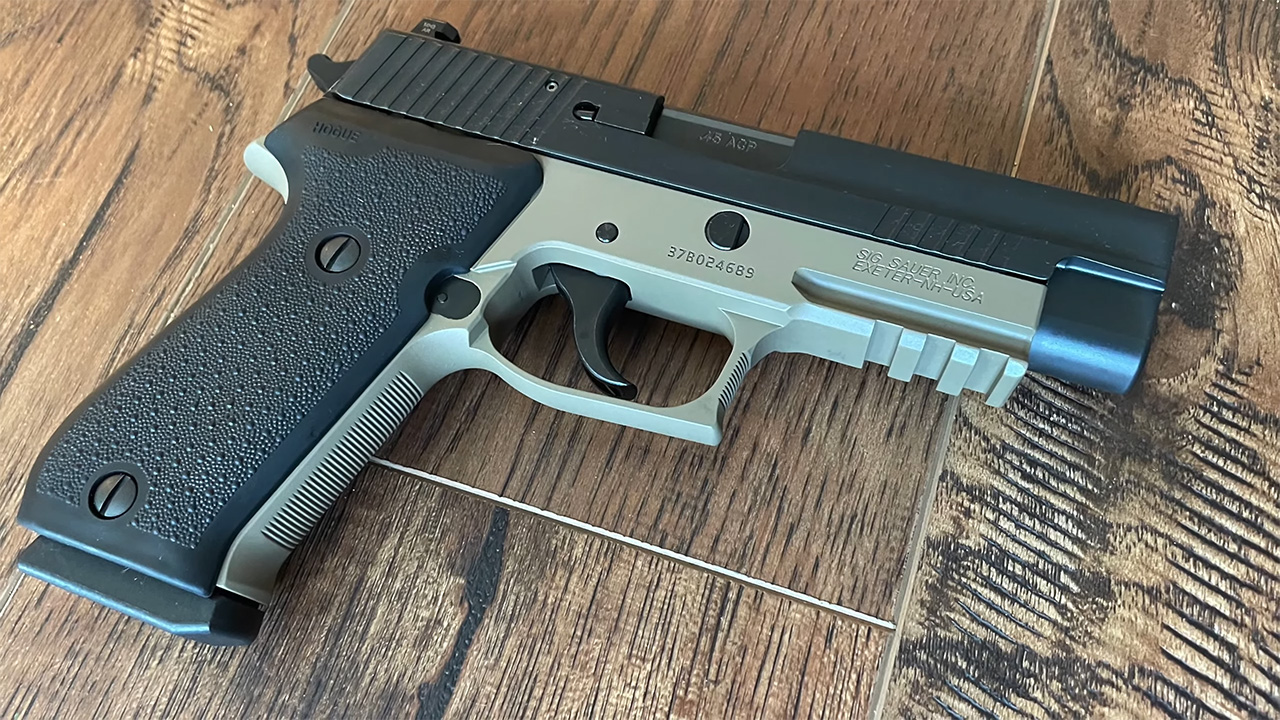
American Rifleman says that once the Swiss service pistol moved into broader commercial life, the gun became the flagship model of the cooperative firm that wore both companies’ names.
That is important because the P220 was not just “one of the early SIGs.” It was the pistol that helped establish the brand’s broader identity in a serious way.
11. The railed P220 was a major later evolution
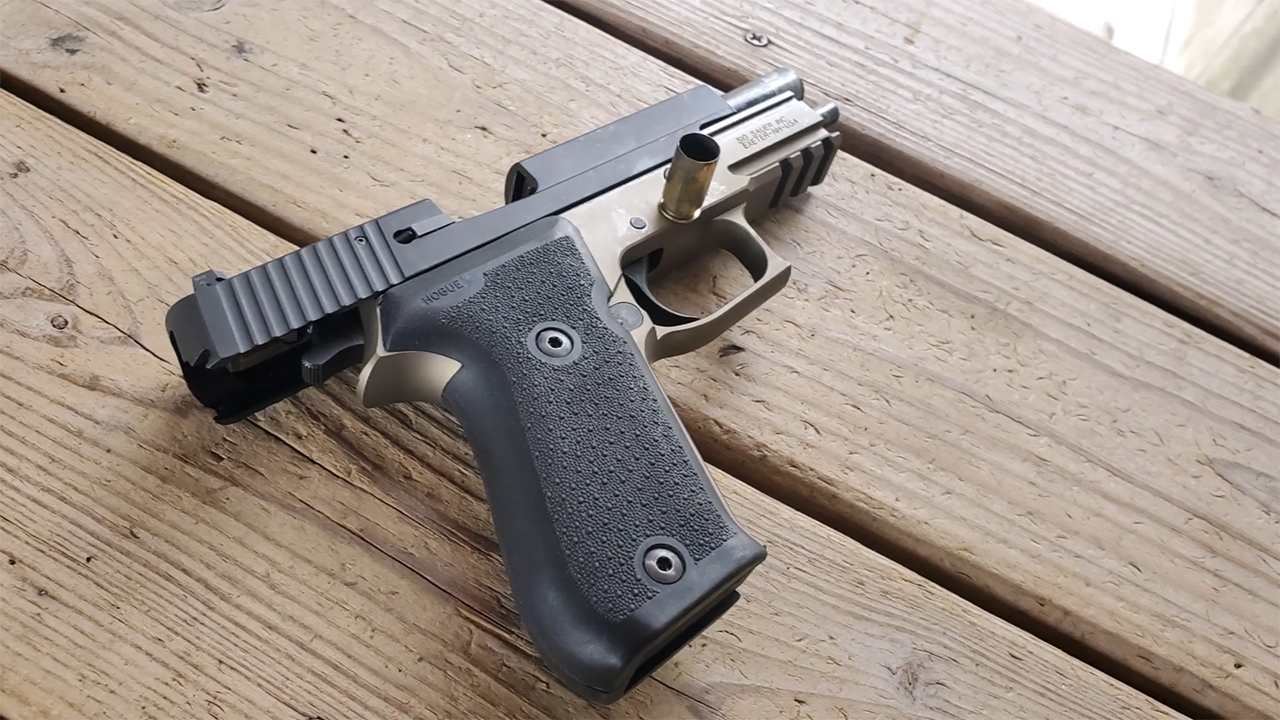
The reference history says the P220R added an accessory rail to the frame, and that this railed format became the standard for most recent and current-production P220s.
That matters because it shows how the P220 stayed relevant by adapting to modern accessory use. It did not remain frozen as a 1970s service pistol.
12. There was a P220 Carry, not just the full-size gun
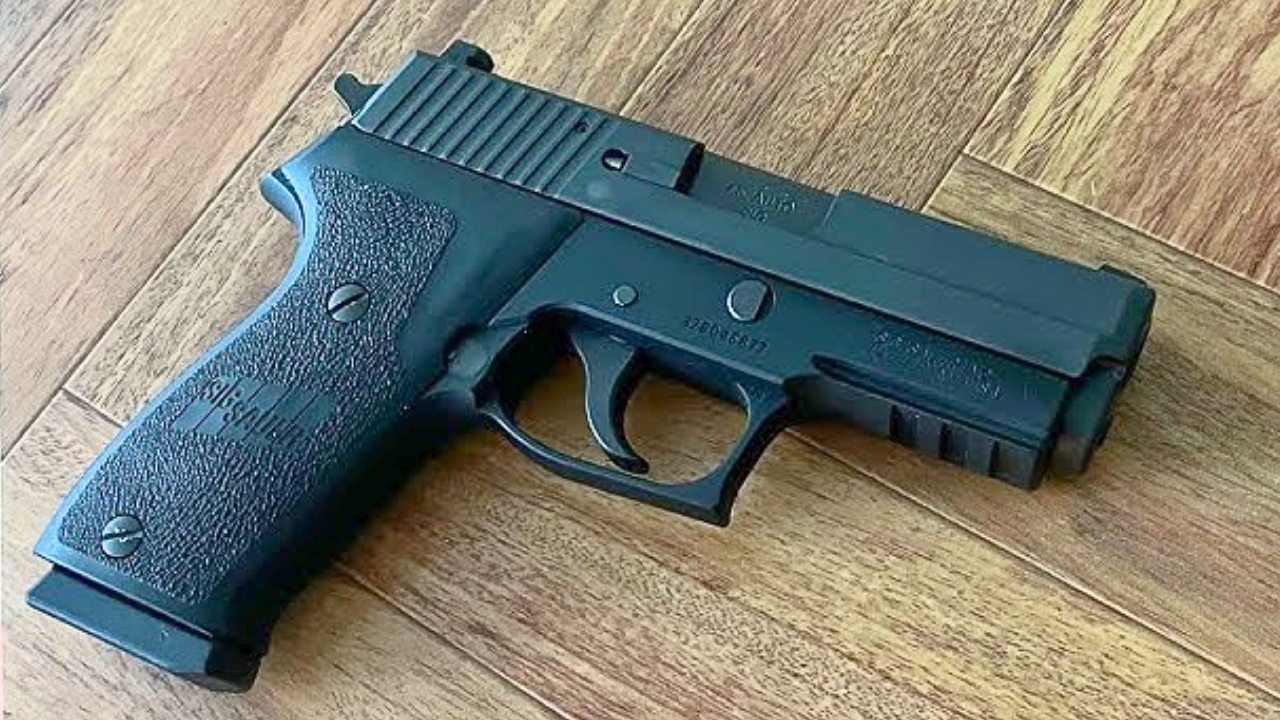
The reference history says the P220 Carry used a shortened 3.9-inch barrel and slide while retaining a full-size frame that accepted 8-round magazines. It was offered in DA/SA, SA, and DAK variants.
That is worth knowing because many people think of the P220 only as a full-size duty pistol. The family eventually branched out enough to cover more carry-focused roles too.
13. The P225 is part of the P220 family story
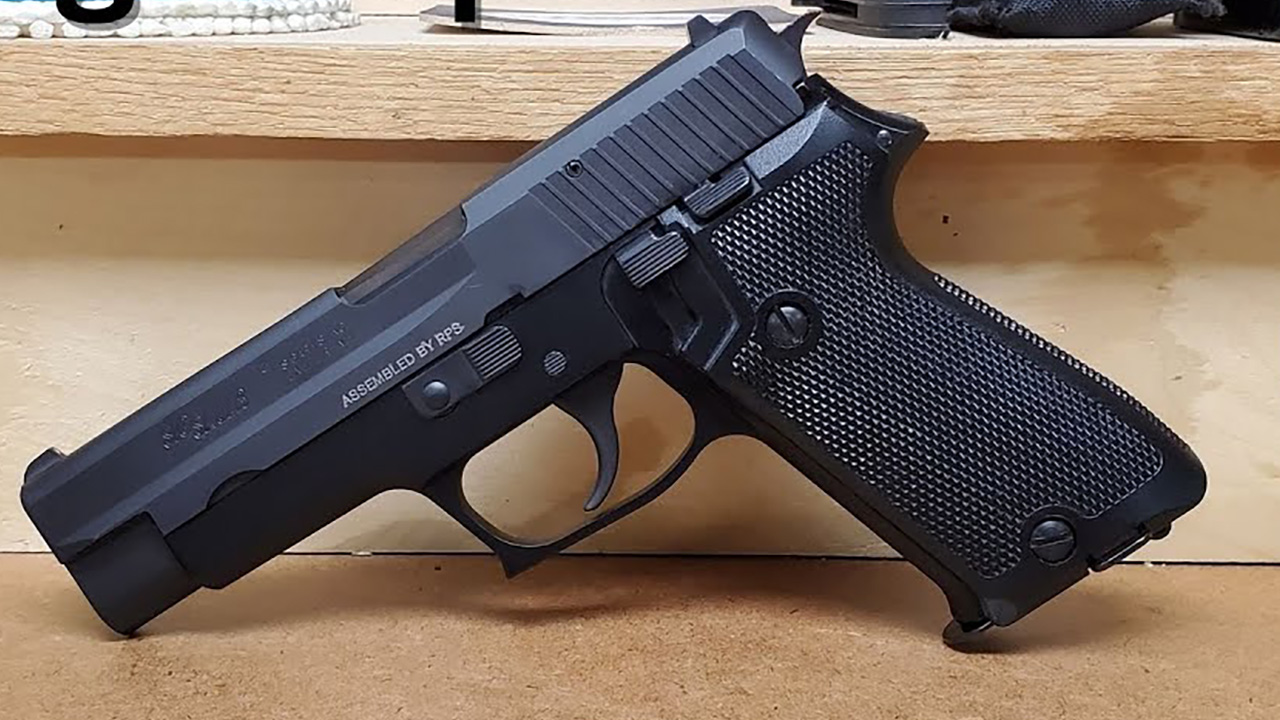
The reference history says the P225 was a more compact version of the P220, developed for mid-1970s West German police requirements.
That matters because it shows the P220 did not just spawn later U.S.-market variants. It also helped generate one of SIG-Sauer’s key police-pistol branches in Europe.
14. The P220 eventually expanded into 10 mm
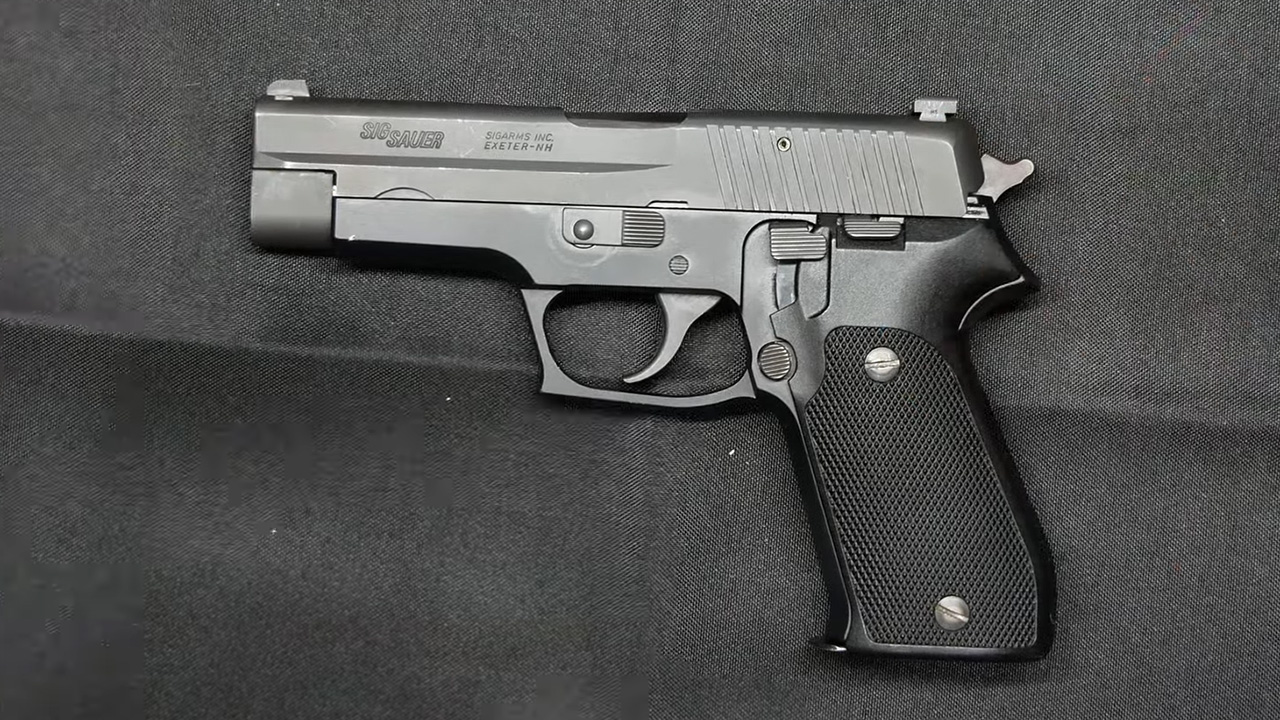
The reference history says all modern P220 variants are available in .45 ACP and notes that 10 mm Auto entered the line by 2015. American Rifleman also reviewed the P220 in 10 mm in 2016.
That is a pretty interesting twist because it pushed a pistol many people saw as “the classic Sig .45” into much harder-hitting territory much later in its life.
15. The P220 is the pistol that made the classic metal-frame SIG formula feel complete
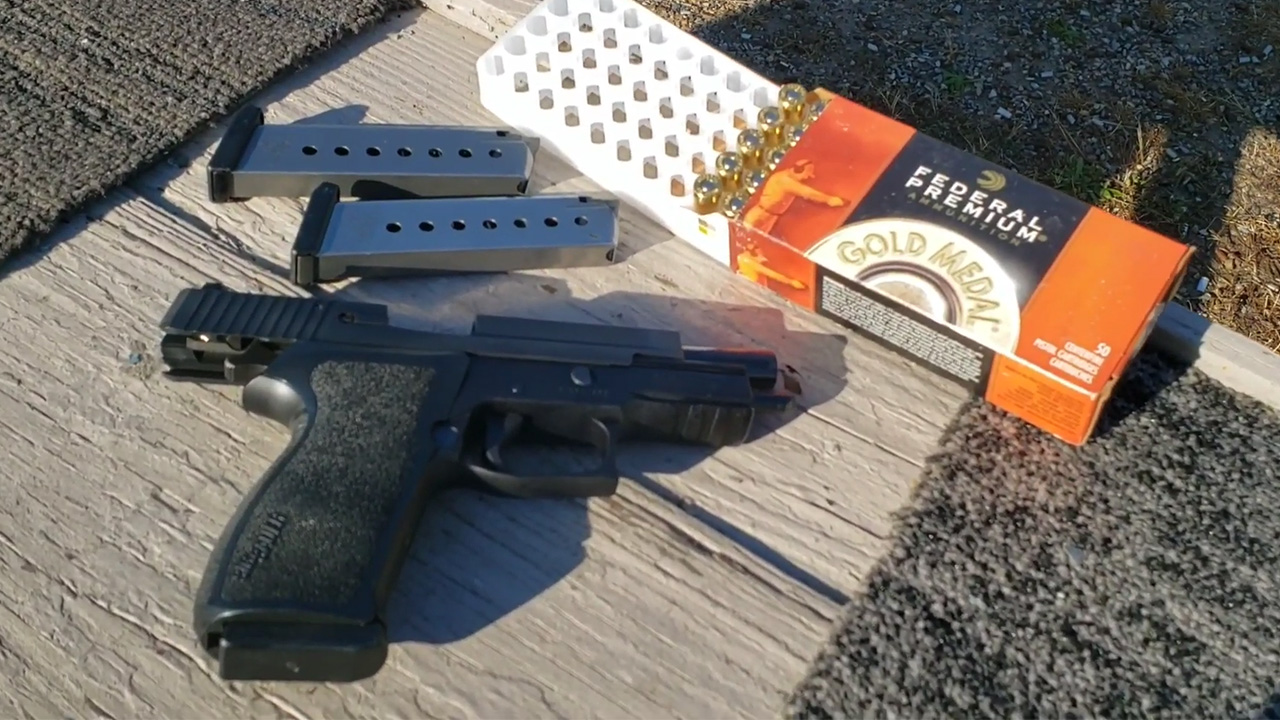
When people think about classic SIG pistols, they often jump straight to the P226 or later U.S. service-gun stories. But the P220 was there first as the 1975 Pistole 75, as the early commercial flagship, and as the gun that established the DA/SA decocker, metal-frame, service-pistol identity SIG-Sauer became famous for.
That is why the P220 still matters. It is not just an old .45 with a good reputation. It is one of the foundation stones of the entire classic SIG pistol family.
Like The Avid Outdoorsman’s content? Be sure to follow us.
Here’s more from us: