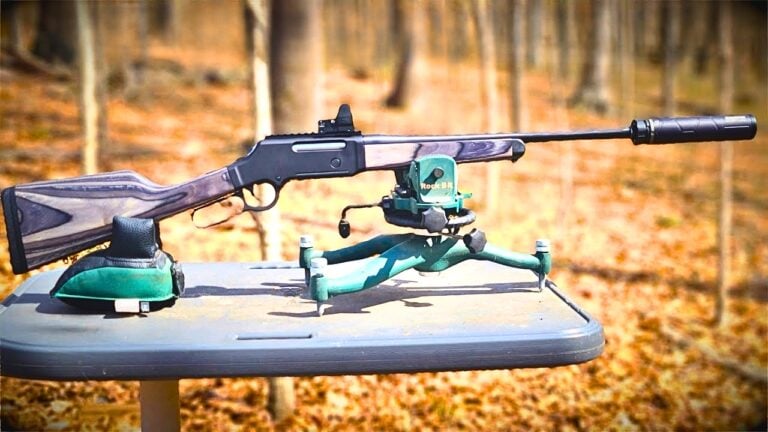
Photo credit: Savage Arms
Every hunter or shooter’s been there: you line up, break the shot clean, and somehow it’s wide. You replay it in your head — sight picture, stance, trigger press — everything felt perfect. The truth is, not every miss is the shooter’s fault. Some guns, by design or by bad manufacturing, make clean hits impossible.
Poor barrel harmonics, sloppy triggers, awkward sights, and erratic point of impact shifts all add up to the same thing — a rifle or pistol that betrays good fundamentals.
These are the guns that lull you into confidence at the bench and then let you down when it counts. Whether it’s a pocket pistol with a mushy trigger or a rifle that won’t hold zero between temperature swings, these firearms have earned their place on the list. They’re proof that sometimes, the target isn’t the problem — it’s the tool in your hands.
Remington 770
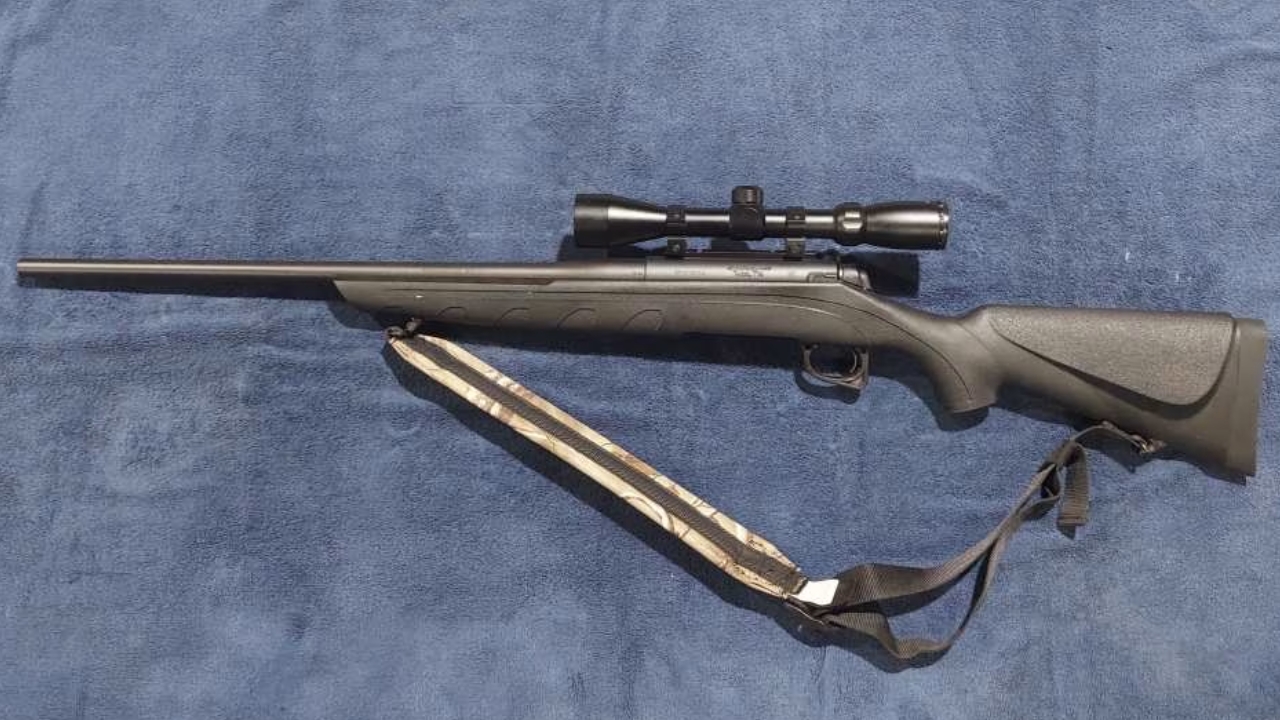
The Remington 770 has probably caused more confusion at the range than any other modern bolt gun. It’s marketed as a budget-friendly deer rifle, but its accuracy and consistency often betray solid shooting technique. The core issue lies in its barrel-to-receiver fit and cheap synthetic stock, which flexes under recoil. That tiny movement changes the barrel harmonics just enough to throw off point of impact between shots.
Even when you do your part perfectly, the 770 can scatter rounds unpredictably. Many hunters swear they “centered” a deer only to find dirt kicked up inches away. Combine that with a heavy, gritty trigger and you get a rifle that punishes precision. It’s one of those rifles that will make a good marksman look sloppy. If you ever want to test patience and humility at the same time, spend a season trying to keep a 770 dialed in — you’ll miss shots you know you shouldn’t.
Winchester Model 70 XTR (push-feed era)
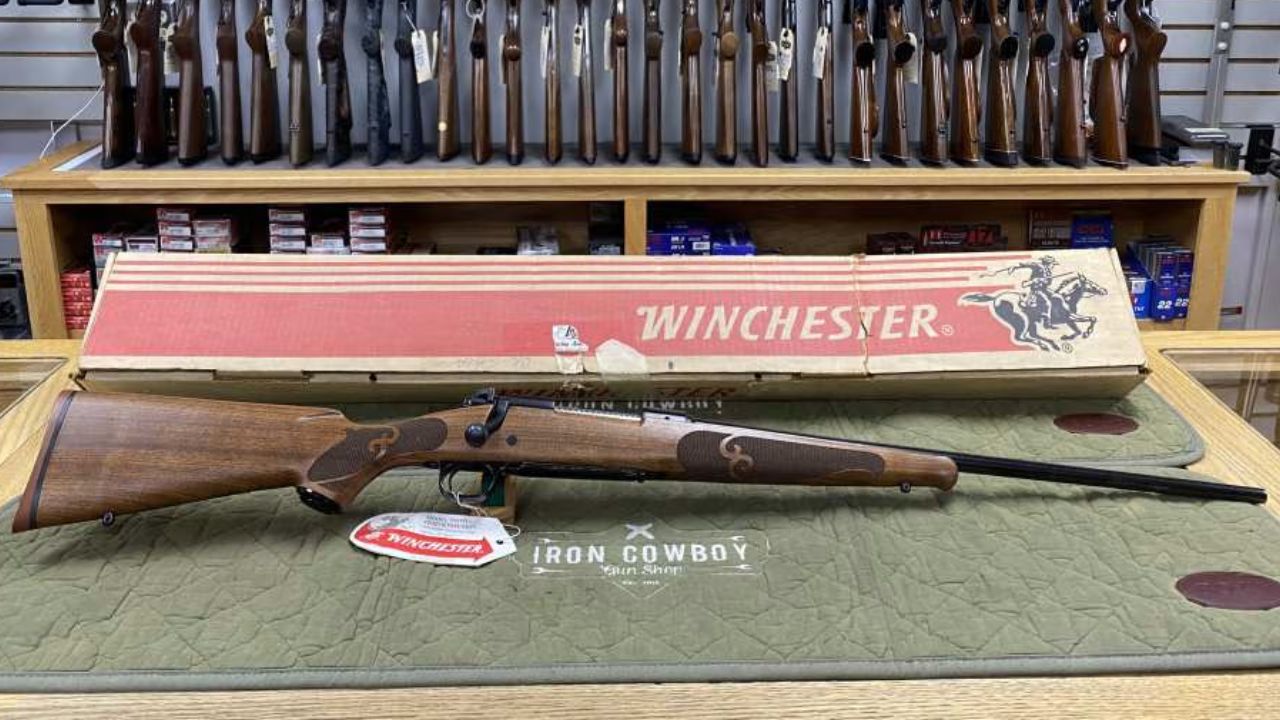
When Winchester switched from controlled-round feed to push-feed in the late 1960s and ’70s, accuracy and consistency took a noticeable hit in many rifles. The Model 70 XTR series, while well-built in some respects, often developed inconsistent bolt lock-up, which led to minor but real shifts in headspace. Those shifts translate directly to point-of-impact changes — the kind that make you doubt your zero even when you didn’t touch the knobs.
Hunters who grew up on pre-’64 Model 70s noticed the difference right away. Where the old actions held groups tight, the push-feed versions were unpredictable from shot to shot. Even when your form was flawless, that micro-variation in lock-up could send a round wide. It wasn’t operator error — it was a design compromise that turned dependable hits into frustrating misses. It’s no surprise that Winchester eventually went back to controlled feed after years of complaints from shooters who couldn’t trust their groups.
Marlin Model 336 (Remington-era production)

When Remington took over Marlin production in the early 2010s, something went seriously wrong. The once-legendary Model 336 started shipping with crooked sights, misaligned barrels, and rough bores. Even skilled marksmen found themselves missing close-range deer because the rifle simply wasn’t zeroed straight from the factory.
Plenty of shooters lined up a textbook shot at 75 yards, pulled clean, and watched dirt fly under or beside their target. That wasn’t flinching — it was quality control. The barrel threads, sights, and crown were so inconsistent that no amount of trigger discipline could fix it. Once Marlin returned to normal production under Ruger, the accuracy came back. But those Remington-era guns gave the 336 a bad name among hunters who learned the hard way that even a solid hit won’t matter if the barrel points somewhere else. Those rifles could turn a dead-on hold into a mystery miss.
Savage Axis (first generation)

The early Savage Axis rifles made a lot of promises for the money — good trigger, modern stock, and dependable accuracy. But many of them came out of the box with heavy, creepy triggers and flexible forends that let the barrel contact the stock under pressure. That contact changed the point of impact every time you shot from a different rest or held it tighter.
Plenty of hunters have fired picture-perfect shots from an Axis, only to find their rounds hitting high, then low, then left — even with the same ammo. The problem wasn’t the shooter or the load, it was that flimsy stock shifting under recoil. The newer Axis II models fixed much of this with an improved trigger and stiffer forend, but the early guns were unpredictable enough to turn a confident shot into a clean miss. They proved that you can’t cut corners on materials and still expect repeatable accuracy.
Ruger Mini-14 (older models)
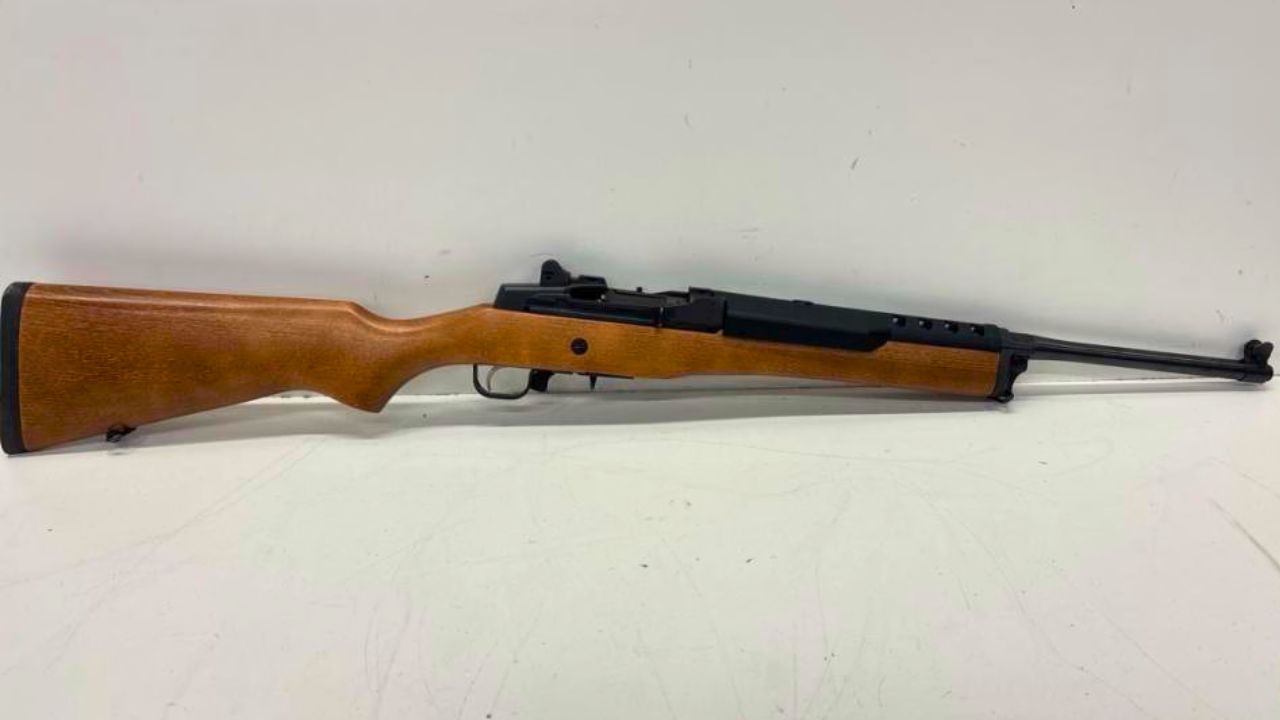
Few rifles have a reputation for “minute-of-barn-door” accuracy quite like the older Ruger Mini-14s. While they look slick and handle well, their lightweight barrels whip under heat, scattering rounds after the first few shots. Even if you break the trigger perfectly, the bullet might land three inches away from the last one at 100 yards.
Plenty of shooters zero them cold, take them hunting, and watch groups open up after two shots. The Mini’s inconsistent barrel harmonics and mediocre factory sights make it a masterclass in missed opportunities. You can be steady as a rock and still find your impacts wandering across the paper. Ruger eventually thickened the barrel and improved tolerances in later models, but the early versions are infamous for turning good shooting into bad results. If you ever felt like your rifle “forgot” how to shoot halfway through a magazine, odds are it was an old Mini-14.
KelTec Sub2000
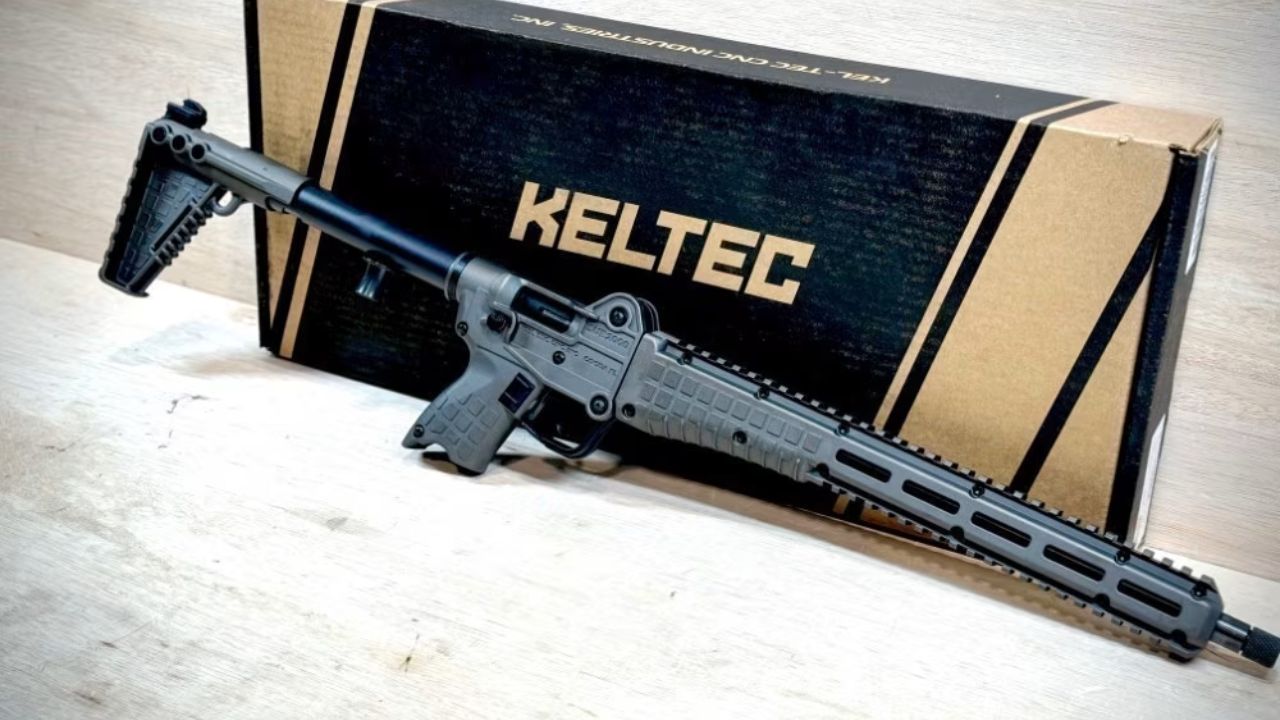
The KelTec Sub2000 is a fun concept that often fails in execution. It folds, it’s lightweight, and it looks like a backpack survival gun — but its flexible polymer receiver and inconsistent lock-up make accuracy a gamble. Even when you line up carefully, the point of impact can shift drastically depending on how the gun locks after folding.
Hunters and plinkers have reported groups moving several inches between sessions. That’s not you missing — that’s a rifle that can’t return to the same alignment. The long, spongy trigger adds insult to injury, breaking inconsistently and jerking shots off target. It’s a gun that makes you question your fundamentals when the truth is mechanical. For a gun meant to hit what you aim at inside 100 yards, it’s notorious for turning perfect sight pictures into complete misses. It’s more of a novelty than a precision tool, and field reports back that up.
Taurus G2C
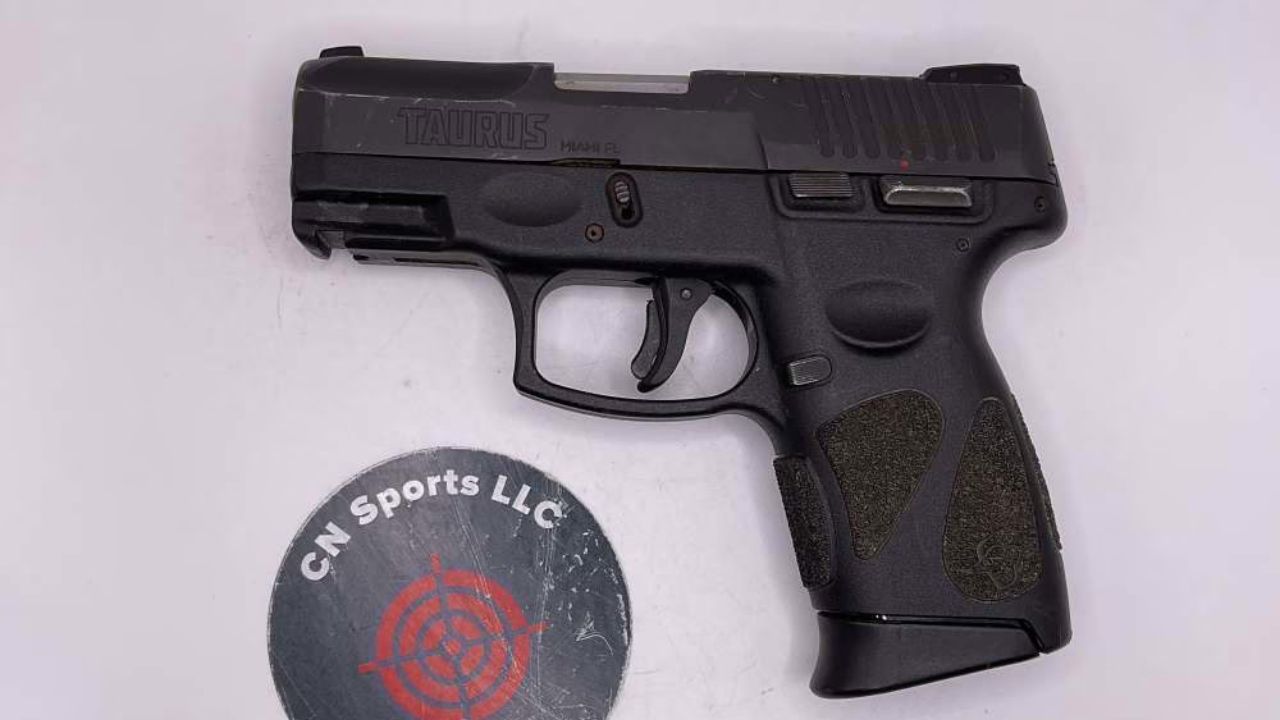
The Taurus G2C sells well because of price and compactness, but it’s a frustrating pistol for shooters who value precision. The heavy, gritty trigger with a long reset can pull even a steady hand off target. Add in a short sight radius and inconsistent factory sights, and you’ve got a handgun that can make center hits drift unpredictably.
Plenty of owners have benched a G2C next to a Glock or M&P, shot with the same care, and seen their groups spread wide. The gun’s not unsafe — it’s just poorly tuned. If your fundamentals are sound but your hits land left or low, the G2C’s trigger and barrel lock-up are usually the culprits. Some shooters get used to it, others move on, but either way it’s a pistol that teaches a hard lesson: good aim doesn’t always equal good results when the design fights you.
Hi-Point C9

The Hi-Point C9 is famous for two things — affordability and frustration. It’s a blowback pistol with a heavy slide and clunky ergonomics, and while it can be reliable, its accuracy leaves a lot to be desired. The trigger feels inconsistent, the sights are crude, and the slide slams home with enough force to jar your follow-through.
Even if you line up a clean shot, that delayed recoil impulse can pull the muzzle off before the bullet exits. It’s not uncommon for new shooters to blame themselves after missing cleanly at close range when the C9’s timing and mechanical inconsistency are the real reasons. It’s durable enough for the price, but “combat accurate” only goes so far. A solid hit with this gun can still end up a few inches off target, especially under stress. The C9 reminds you that low cost and real precision rarely share the same grip frame.
Remington R51

The Remington R51’s relaunch was supposed to revive a classic design. Instead, it became a cautionary tale. Early models had inconsistent headspacing, rough chambers, and alignment issues that caused erratic accuracy. Shooters reported bullets striking low, high, or even sideways despite flawless fundamentals.
Even when it cycled correctly — which wasn’t often — groups were unpredictable. That Pedersen-style action required precise tolerances to function, but poor manufacturing meant every gun behaved differently. Many owners who could shoot tight clusters with other pistols found the R51 spraying shots all over the target. You could do everything right and still miss cleanly. Remington eventually pulled the model, then reissued a corrected version, but the damage was done. It’s one of the rare cases where a design with potential became infamous for making good shooters doubt their own skills.
Mosin-Nagant (surplus rifles)

The Mosin-Nagant is beloved for history, not for precision. Most surplus models were stored for decades and come with rough bores, worn crowns, or mismatched parts. Even with perfect form, these rifles often throw shots unpredictably because of inconsistent bedding and ancient ammo.
Many new owners bench a Mosin, line up carefully, squeeze cleanly, and still hit a foot off target. That’s not flinching — it’s 80-year-old machinery doing what it does. The rifles were built for battlefield reliability, not hunting precision. The heavy trigger and vague sights make tight groups nearly impossible without serious work. If you’re trying to shoot accurately with one, understand that your misses might not be on you. A clean hold doesn’t guarantee a clean hit when the barrel, stock, and ammo all argue with each other every time you pull the trigger.
Springfield XD-S (early 9mm models)
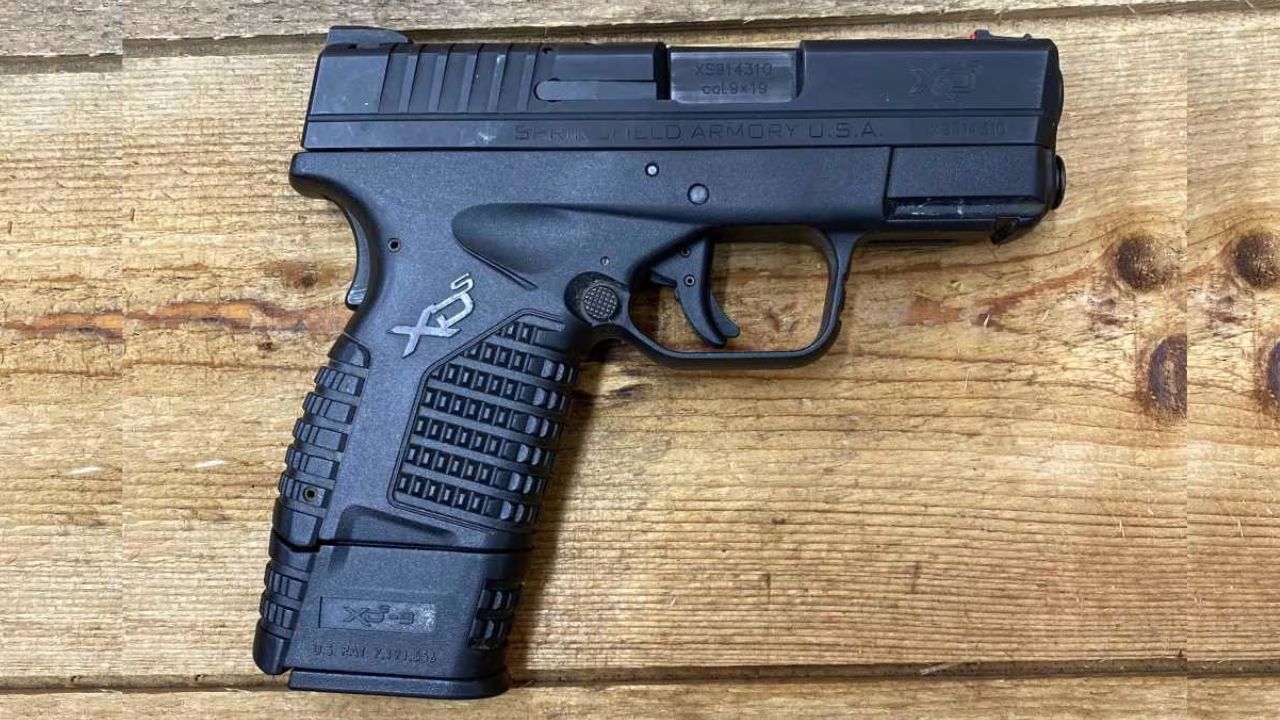
The XD-S in 9mm is a compact pistol that promises accuracy but often delivers frustration. Early runs were plagued by inconsistent trigger pulls and snappy recoil that made follow-up shots unpredictable. Many shooters found their first round dead-on, then the next two drifting off despite perfect alignment.
The problem is timing and ergonomics — the narrow grip and high bore axis exaggerate any movement during the trigger press. Even skilled shooters struggle to keep groups tight without conscious correction. It’s not unsafe, but it’s a pistol that punishes anything less than perfect control. When your fundamentals are strong and the misses keep showing up, it’s easy to lose confidence. The XD-S is one of those guns that demands constant focus — and even then, you might watch a solid hit turn into a clean miss. It’s reliable enough to fire, but not always accurate enough to trust.
Like The Avid Outdoorsman’s content? Be sure to follow us.
Here’s more from us:
The worst deer rifles money can buy
Sidearms That Belong in the Safe — Not Your Belt
*This article was developed with AI-powered tools and has been carefully reviewed by our editors.