Photo credit: Brownells, Inc./YouTube
A lot of smart rifle buys do not feel smart in the moment. They feel plain. They feel too practical. They feel like the sort of gun that will still be sitting there next month if you decide to come back for it. That is exactly how buyers miss them. The rifles on this list were not always the flashy rack queens or the collector darlings people rushed toward first. They were the ones buyers nodded at, respected just enough, and then kept walking past.
Then the market changed. Some of these rifles dried up. Some got re-evaluated. Some simply got appreciated the way they should have been from the beginning. Current used-market listings show that models like the Winchester 9422, Winchester 100, CZ 527, and Ruger 77/44 are now showing up at prices that would have felt absurd back when many buyers still treated them like second-thought rifles.
Winchester 100
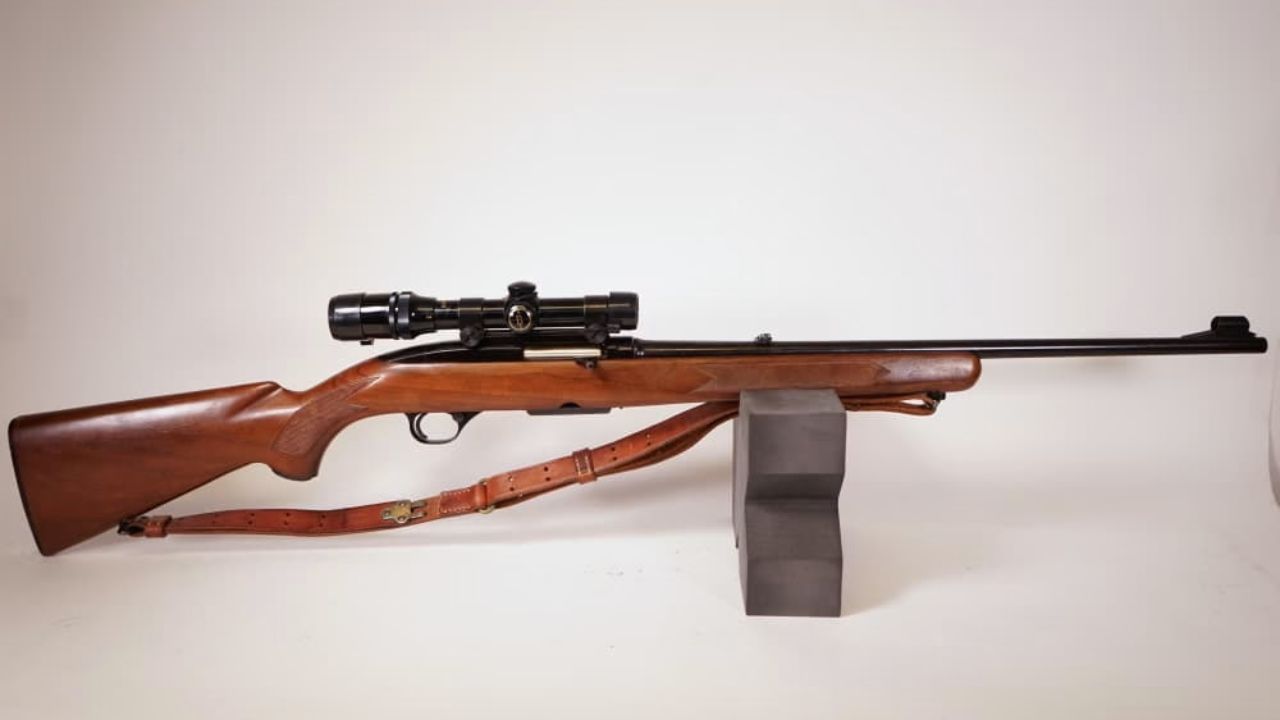
For a long time, the Winchester 100 was exactly the sort of rifle people called nice without acting like they needed to own one. It was a traditional-stock semiauto from a big name, but it lacked the easy romance of a lever-action Winchester and it never felt as urgent as the bolt guns buyers were trained to trust by habit. That left it in the most dangerous part of the used rack: respected, but not chased.
That kind of indifference usually creates future regret. Once people started realizing how few traditional sporting semiautos with real Winchester appeal were still floating around in decent shape, the tone changed. A rifle that once felt like a calm, ordinary used-gun decision started looking like one of the smarter old-school pickups a buyer could have made while the crowd was still distracted elsewhere.
CZ 527

The CZ 527 always had a loyal following, but for too long it lived in that “I’ll get one later” category. It was trim, handy, and built with a kind of old-world field sense that experienced hunters appreciated, but it was never loud enough to trigger mass panic buying. A lot of people knew it was good. Not enough moved quickly while it was still easy to buy without pain.
That changed once used listings started making it obvious the easy days were over. Carbine and American variants now routinely show up at numbers that make it clear the market is no longer treating the 527 like a quiet little sleeper. That shift says everything. The rifle did not become smarter. Buyers just finally stopped overlooking how smart it always was.
Ruger 77/44

The 77/44 used to look almost too practical to inspire urgency. It was a compact bolt gun in .44 Magnum, which made perfect sense to some hunters and almost no sense to others. That split is exactly why so many of them got passed by. Buyers who wanted trendy long-range rifles ignored it. Buyers who wanted nostalgic lever guns ignored it. It sat right there in the middle, doing a very real job without much fanfare.
Then the market finally caught up to what the rifle was actually offering. A handy woods rifle with real short-range authority and Ruger durability was never going to stay underloved forever. Current listings around the thousand-dollar mark and above make it pretty obvious that buyers who once shrugged at the 77/44 were not looking at some forgettable niche rifle after all.
Winchester 9422

The 9422 is one of the best examples of a rifle that looked too ordinary only because people still treated rimfires like side purchases. A really nice lever-action .22 felt like something you could always come back for later. That was the mistake. The rifle had too much quality, too much smoothness, and too much plain old enjoyment built into it to remain “later” material forever.
Now that later is here, the rack price tells a very different story. Listings well past four figures for clean examples are not unusual, and that is exactly the kind of thing buyers used to laugh at when these rifles still felt merely pleasant instead of suddenly precious. The 9422 did not get better. People just got too comfortable assuming they had more time.
Ruger 96/44
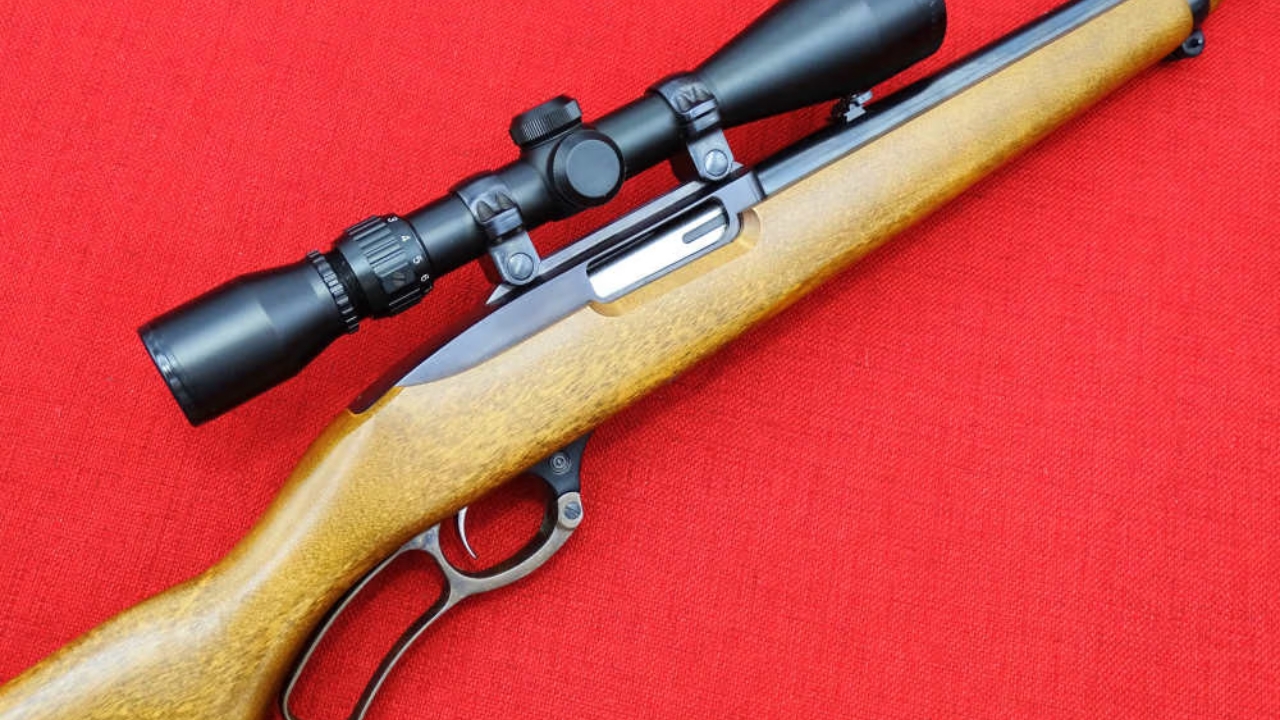
The 96/44 never looked normal enough for traditionalists or radical enough for trend chasers, which made it easy to underestimate from every angle. Lever action. Rotary magazine. .44 Magnum. Ruger styling. It sounded like a good idea to the right buyer and a weird side project to almost everybody else. Those are often the exact rifles that later become smart-money regrets.
Because here is the thing about odd practical rifles: they stop looking odd once the market remembers usefulness. A 96/44 is quick, compact, and absolutely believable in the kind of cover where a lot of real hunting still happens. Owners who bought them when everybody else was making jokes ended up with one of the better examples of how “different” can age into “I should have grabbed one while they were still around.”
Savage 24

The Savage 24 was never cool enough for the image crowd, and that kept it affordable and underappreciated for longer than it should have been. A combination gun felt too utilitarian to impress collectors and too old-fashioned to excite buyers chasing something more specialized. That made it easy to treat the 24 like camp equipment instead of a genuinely smart and unusual firearm.
Then the used market started reminding everyone that truly distinctive utility guns do not stay cheap forever. Once people began valuing versatile, outdoors-first firearms with real personality, the Savage 24 stopped looking like a quirky backwoods compromise and started looking like one of the more original practical guns many buyers had let slip by while staring at flashier stuff.
Remington 600 Mohawk

The 600 Mohawk looked wrong to enough people that it bought smart buyers extra time. It was short, a little strange, and not shaped the way many people thought a “serious” hunting rifle should be shaped. For a long time that visual oddness worked against it. The market laughed at the look before it ever spent enough time appreciating the handling.
Then reality did what it always does. Compact rifles with real field sense, real character, and diminishing supply do not stay overlooked forever. Once enough hunters started carrying them and enough collectors started noticing that the weird styling was attached to a genuinely memorable little rifle, the tone changed fast. That is usually how smart buys happen — the crowd laughs just long enough for someone else to get there first.
Browning BL-22

The BL-22 spent too long wearing the “nice little rimfire” label, which is a great way to get left behind in the rack until the market wakes up late and starts acting offended by the new prices. It was always smooth, well made, and a lot more refined than many buyers gave it credit for. The problem was that too many people still thought good .22s could wait.
That assumption eventually gets expensive. A quality rimfire that is this easy to enjoy tends to grow in people’s estimation, not shrink. Once the market started treating good sporting rimfires like real rifles instead of side hobbies, the BL-22 became exactly the kind of gun owners were glad they grabbed when it still looked merely pleasant instead of suddenly valuable.
Remington 141 Gamemaster
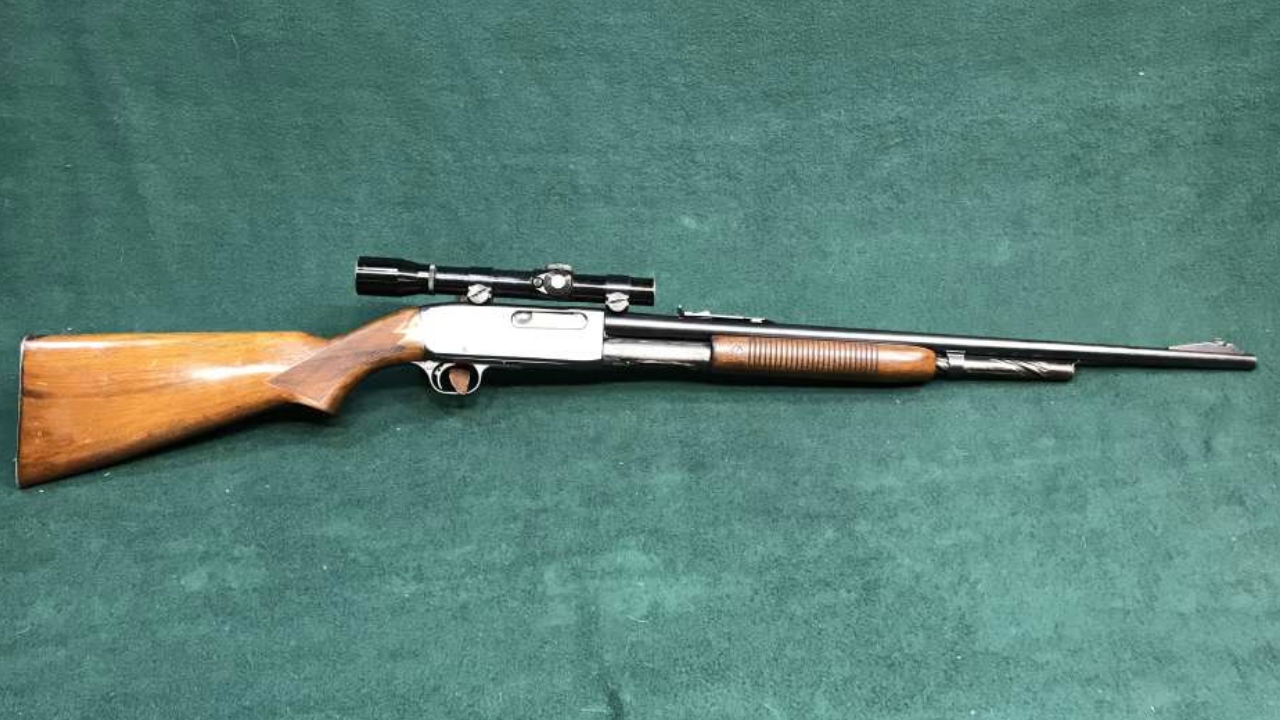
The 141 Gamemaster is the sort of rifle people miss because old pump rifles are easy to underestimate from a distance. They look practical in a way that feels almost too plain, especially to buyers who grew up treating bolt guns as the only “serious” hunting answer. That kind of tunnel vision let a lot of good pump rifles sit around longer than they deserved to.
Then somebody actually carries one, shoots one, and realizes how much field sense is packed into the design. That is when the old jokes stop sounding funny. A rifle like the 141 starts to feel less like leftover hardware and more like an older, smarter answer to the exact kind of hunting many people still do. Guns like that rarely stay ordinary once enough shooters catch on.
Sako Forester
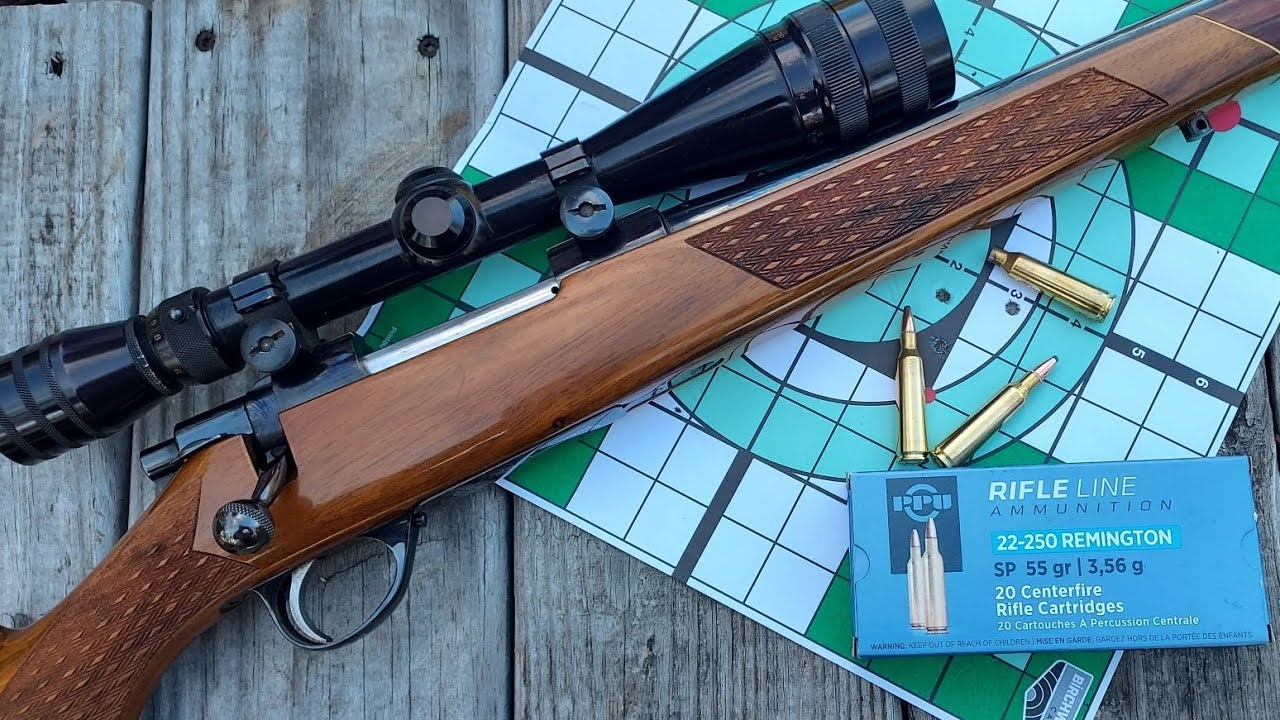
The Forester always had the quality, but for a long time it still sat in that dangerous zone where buyers respected it without moving fast enough. It was a nice old sporting rifle. That is how people thought of it. What they should have been thinking was that it was one of the more refined, better-balanced used-rack choices available if they had been willing to prioritize substance over noise.
Eventually the market got there. Once more buyers started taking older Sako sporters seriously and treating them like more than just “nice rifles from before,” the smart-buy phase closed quickly. That is what often happens with understated quality. It stays modestly priced right up until people stop taking it for granted.
Browning T-Bolt
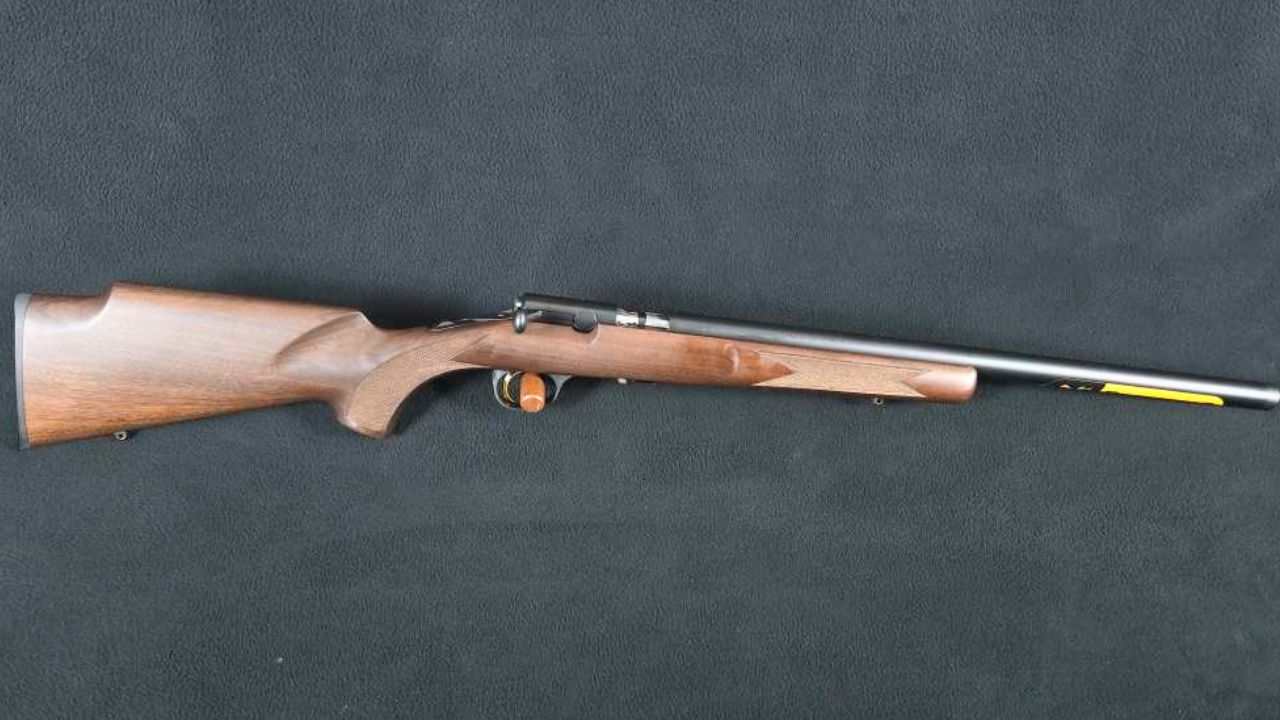
The T-Bolt was easy to wave off because straight-pull rimfires sounded like they ought to be novelty pieces for people with overly specific taste. That kept plenty of buyers from recognizing how well the rifle actually fit real-world rimfire use. Once they did spend time with one, the whole conversation usually changed.
A rifle that is quick, accurate, and genuinely enjoyable to run does not stay stuck in novelty status forever. The T-Bolt started looking a lot more serious once enough owners realized it was not just different — it was useful, and in a way that many standard rimfires never quite matched. That is exactly the kind of slow-burn realization that turns plain-looking rack guns into smart buys later.
Ruger Deerfield 99/44

The Deerfield 99/44 always made more sense than the market gave it credit for. Traditional-stock semiauto. .44 Magnum. Compact enough to stay handy. It was one of those rifles that solved a real problem but did it in a lane so quiet that buyers kept talking themselves into waiting. That usually works only until supply tightens and regret takes over.
And regret definitely took over here. Once people started looking for the sort of rifle that could still handle woods work with speed and real punch, the Deerfield stopped seeming like a niche curiosity and started feeling like one of those “why didn’t I grab one when they were normal money?” firearms. That is almost always the sign of a smart rack buy people recognized too late.
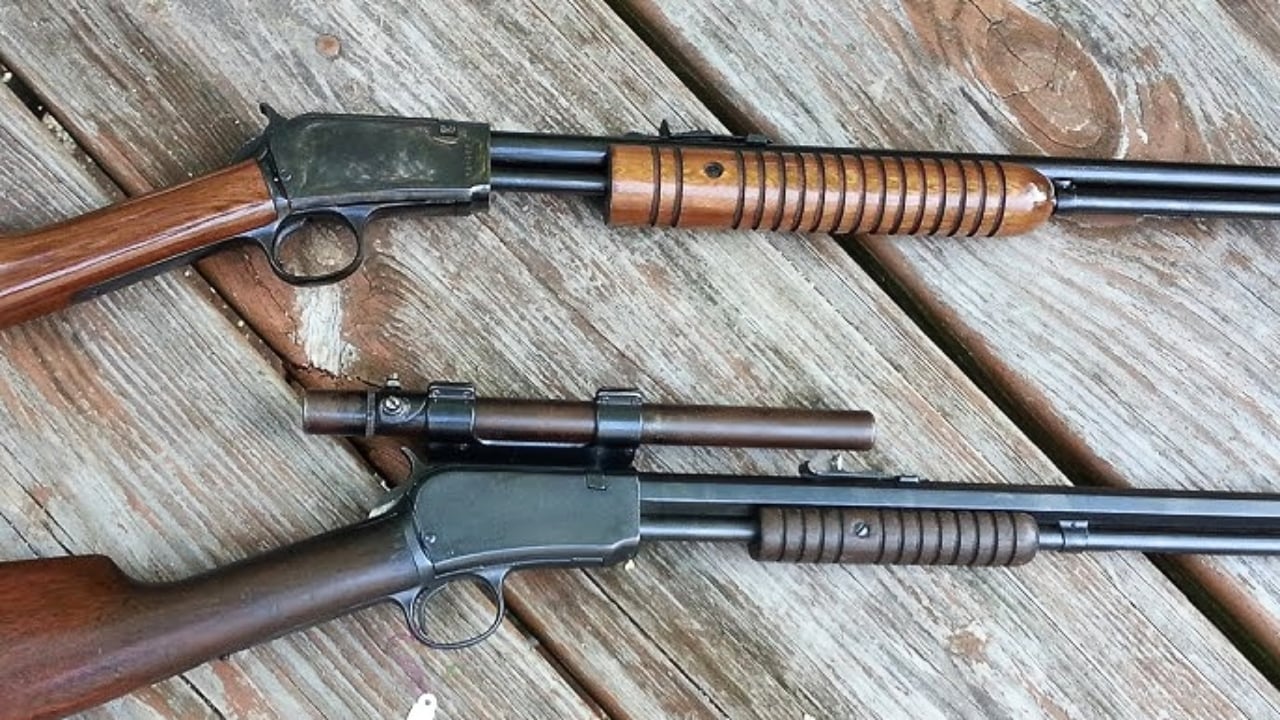
Winchester 61

The Model 61 got hurt by one simple thing: buyers still tend to sleep on pump .22s longer than they should. A lot of people admire them without feeling urgency, and that false calm keeps prices livable right up until the market finally decides quality old Winchester rimfires are not optional nice-to-haves anymore.
Once that switch flips, the buyers who waited start sounding very different. The 61 suddenly becomes “always collectible” in the mouth of people who ignored it while it was still within reach. That is one of the clearest tells in the used-gun world: once everybody starts acting like the value was obvious all along, the smart-buy window is already over.
Anschütz 1416

The 1416 and rifles like it were overlooked mostly because too many buyers still struggle to treat fine rimfires as serious long guns unless the price forces them to. That bias created a real opportunity for people who understood that accuracy, handling, and build quality matter every bit as much in a .22 as they do anywhere else.
Now, that opportunity looks a lot more obvious in hindsight. A serious sporting rimfire with this kind of quality was never going to stay underappreciated forever once enough shooters started valuing what the rifle actually did instead of dismissing it as “just” a rimfire. That is the whole pattern in one sentence: the rifle looked ordinary only to people who were looking too casually.
Savage 99
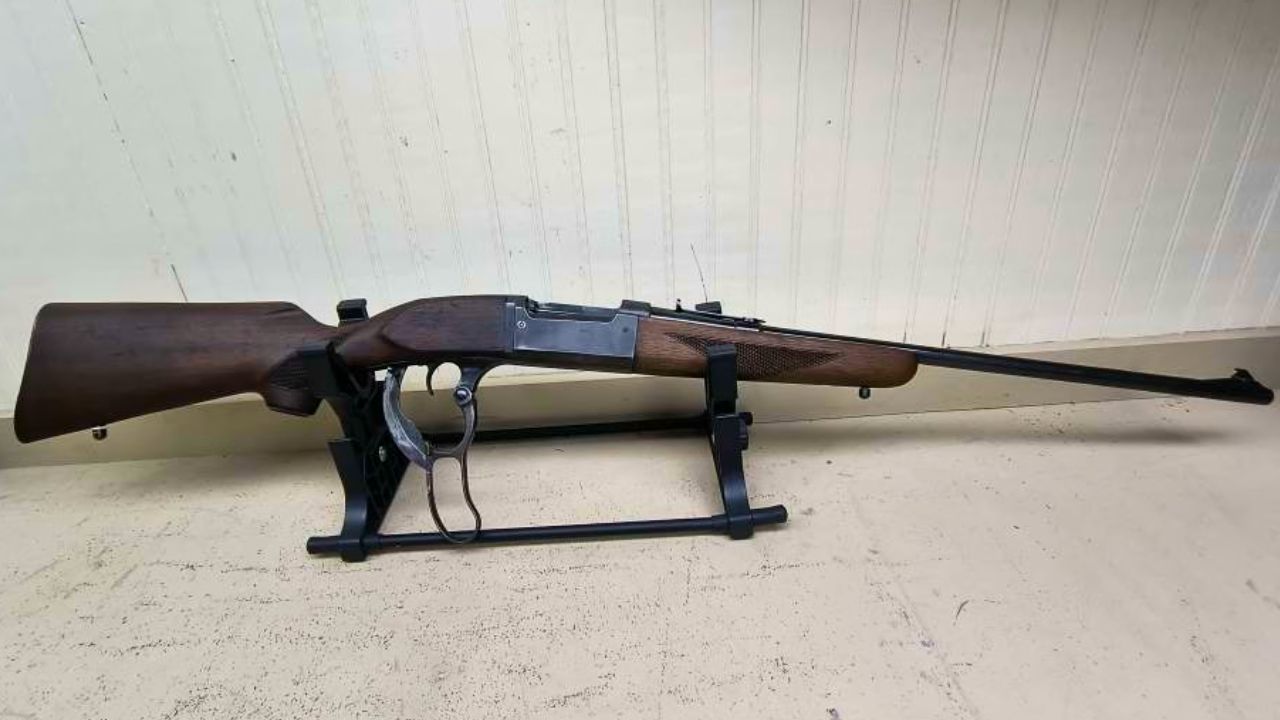
The Savage 99 looked ordinary to the wrong buyers because it never fit neatly into the categories that drive easy hype. It was not the classic lever gun some people wanted, and it was not the plain bolt-action answer many hunters bought by habit. That left it sitting in its own lane — and that lane turned out to be very smart indeed for anyone paying attention.
Because once more buyers understood what the 99 actually offered, the ordinary label collapsed. Clever design, real field usefulness, and a lot more personality than many “safe” hunting rifles ever had started drawing the kind of attention the gun should have had sooner. By then, of course, the easy-money days were gone, which is exactly how smart rack buys become market lessons.
Like The Avid Outdoorsman’s content? Subscribe to our newsletter so you never miss an article.
Here’s more from us: