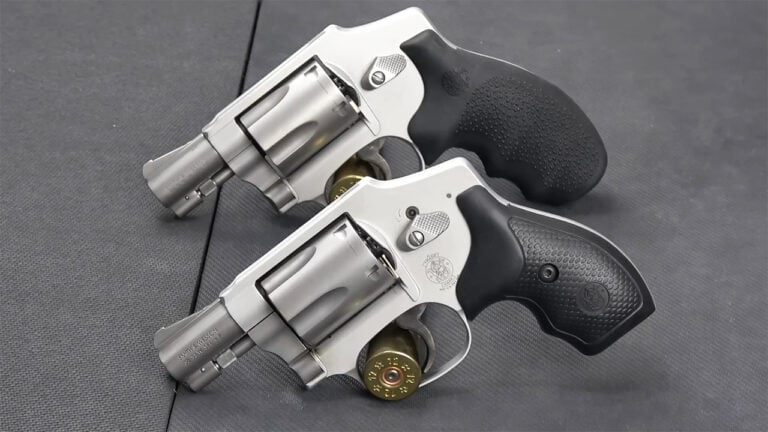
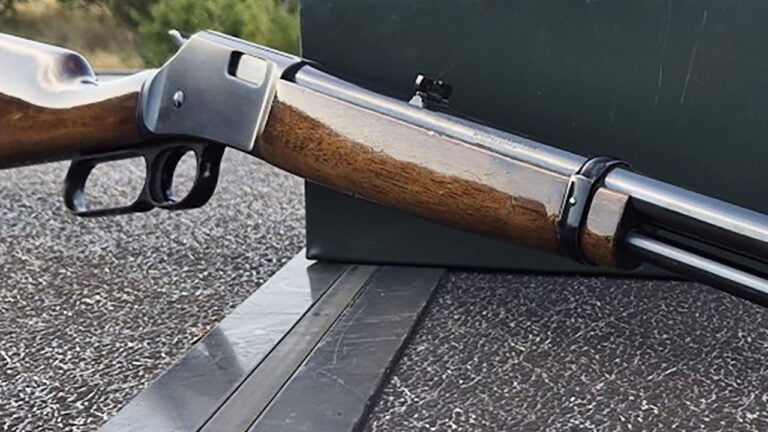
Photo credit: Lucky Gunner Ammo/YouTube
You’ve seen it before. Somebody shows up at the range with a caliber they think will wow everyone—and it falls flat the second they pull the trigger. It’s not that the gun doesn’t fire, but the performance, sound, or downright confusion over why they brought it makes people quietly shift down the bench. These are the cartridges that don’t earn nods of respect. They either scream poor decision-making, make people question the shooter’s knowledge, or leave you wondering why they’re still floating around in stores at all. Whether it’s because they’re underpowered, overhyped, or just awkward in modern firearms, some calibers fail to impress no matter how nice the rifle is behind them.
.30 Carbine
In a vintage M1, it’s nostalgic. In anything else, it’s a shrug. The .30 Carbine falls into an odd limbo—too underpowered for serious hunting and not accurate enough to earn credibility as a range round. It lacks the satisfying bark or recoil that shooters like to feel in their shoulder. And when your target doesn’t react any differently than it would with a cheap bulk .223, folks notice. It’s a cartridge stuck in the past, without much of a future, and when someone shows up trying to pass it off as a practical range option, it doesn’t take long for the interest to fade.
.17 HMR

Yeah, it’s fast. But after a few magazines, the novelty wears off. It punches paper clean, but when everyone else is ringing steel or thumping gongs with authority, that little ping from the .17 HMR gets lost. It’s also finicky—wind ruins it, and you’ll burn through a box without feeling like you’ve done much. It’s not that it’s bad, but it rarely draws a crowd. If you’re not pest-shooting or using it for training, it feels out of place on a public bench. Folks may look over, but they’re not asking for a turn.
.22 Hornet
The .22 Hornet is one of those cartridges people bring out like they’ve got a secret no one else knows. Then they shoot it, and you realize there’s a reason it never caught on. It doesn’t hit much harder than a .22 Magnum, and it costs more to feed. Accuracy is passable but not brag-worthy, and it lacks the punch that even .223 shooters expect. Guys respect oddball cartridges—until they hear how quiet and underwhelming this one is. It’s not useless, but it sure doesn’t light up any conversations at the range.
.25-06 Remington

You might like it for hunting, and that’s fine. But on the range, it raises eyebrows—not out of interest, but confusion. It’s loud, it kicks more than you expect for what it delivers, and the trajectory doesn’t impress anyone running modern ballistics. The recoil-to-reward ratio isn’t great, and its niche appeal has shrunk as better 6.5 options have taken the spotlight. You’ll get polite nods, maybe a “Huh, haven’t seen one of those in a while,” but nobody’s asking where to buy one. It’s a good round in the field, but on the bench, it’s forgettable.
.204 Ruger
This one’s divisive. It shoots flat and fast, and it’s undeniably accurate—but it doesn’t feel like much. That makes it hard to love at the range. The recoil is barely there, but so is the feedback. Unless you’re into varmints or dialing in optics, it won’t turn heads. There’s a segment of shooters who appreciate it for what it is, but the average guy plinking steel or sighting in rifles for deer season doesn’t see the point. It’s a specialist’s cartridge that gets outshined by more common, more versatile rounds.
7mm-08 Remington

This one stings a little, because it should be more popular than it is. But when someone breaks it out at the range, nobody really reacts. It’s not flashy, it doesn’t boom or buck, and while it performs well on paper, it’s surrounded by rounds that do the same thing with more personality. In a hunting camp, it earns quiet respect. At the range? Not so much. It’s the kind of cartridge that disappears into the background, doing its job without any drama—and sometimes, that’s not enough to get noticed.
.32 ACP
Pull one out and watch people squint. It’s not a range caliber—it’s a backup-gun cartridge that barely stirs steel. It’s soft-shooting, sure, but it also feels like shooting a pop gun. Accuracy is fine at short distances, but nobody’s posting tight groups at 25 yards with a .32 ACP and getting a high five. Even the .380 crowd tends to side-eye it. It might be fun in a little pocket pistol now and then, but if you’re hoping to impress with it, you’ll leave disappointed. It’s not misunderstood—it’s just outclassed.
.270 Winchester

Here’s the hard truth: folks used to love seeing a .270 on the bench. These days, it barely gets a glance. It’s not that the .270 isn’t capable—it is—but in a sea of 6.5 Creedmoor shooters chasing sub-MOA at long range, the .270 feels clunky. It kicks a bit more, ammo’s not as precise, and it lacks that laser-flat feel newer rounds offer. It’ll still put meat in the freezer, no doubt, but on a public range full of scoped-up rifles and data-driven shooters, the .270’s moment has passed.
Like The Avid Outdoorsman’s content? Be sure to follow us.
Here’s more from us:
The worst deer rifles money can buy
Sidearms That Belong in the Safe — Not Your Belt
*This article was developed with AI-powered tools and has been carefully reviewed by our editors.