Photo credit: DEFENCE CENTRAL/YouTube
Some guns age gracefully. Others run like champs for the first few thousand rounds, then start showing cracks you can’t ignore. It’s not that they’re bad designs—it’s that wear, shortcuts in materials, or weak points in the system catch up sooner than expected. The gun that felt slick and reliable at first can turn stubborn once tolerances loosen, springs lose tension, or parts that looked fine on the bench start shearing under regular use.
You see it most in guns that were built to a price or pushed too hard in design without enough testing behind them. They’ll shoot well for a season or two, but then reliability fades, screws back out, or groups open up. These are the guns that lull you into trust before reminding you that longevity is earned, not advertised.
Remington 597
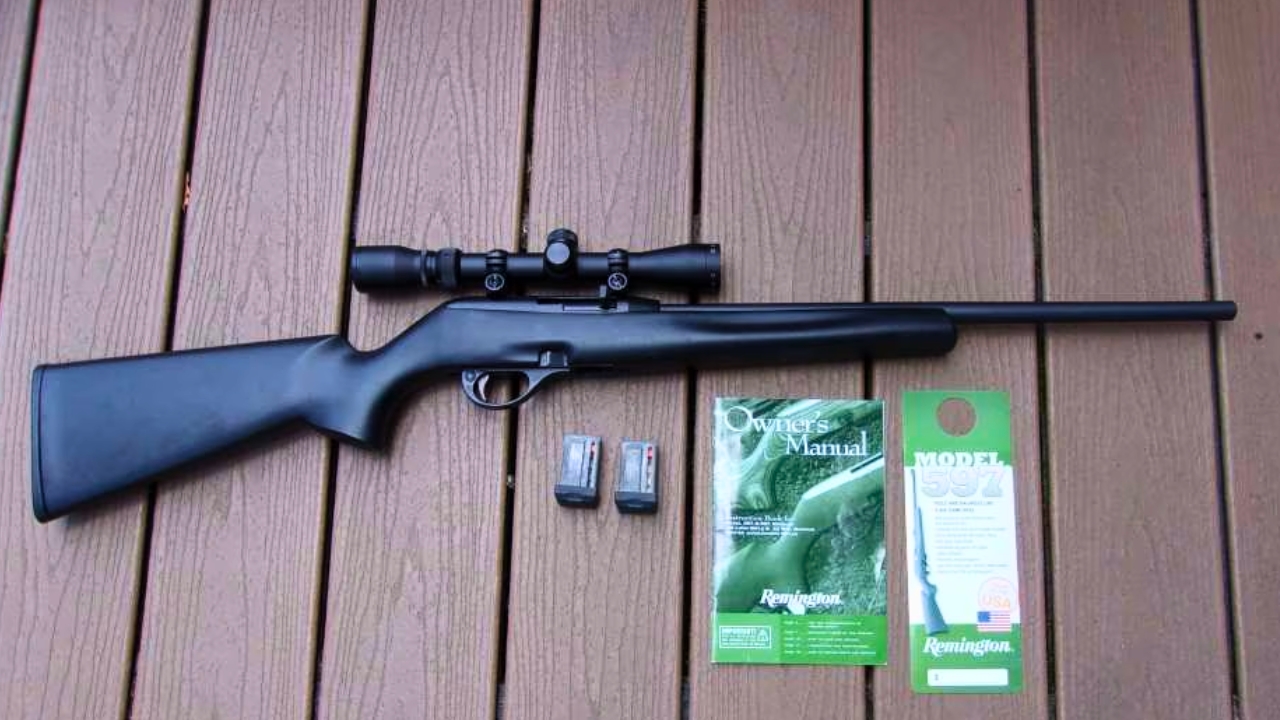
The 597 ran clean and smooth when it was new, and plenty of shooters were impressed with the accuracy for the price. Then the quirks started showing. Feeding issues crept in as magazines wore, extractors lost their bite, and the action started feeling inconsistent after a few bricks of ammo.
Once fouling builds and small parts start rounding off, you spend more time clearing malfunctions than shooting. The rifle can still run well if kept spotless, but that constant need for attention gets old fast. Many owners eventually park theirs in the back of the safe, remembering how good it was early on before reliability took a nosedive.
Remington R51

The R51 is a case study in a gun that looked great on paper but fell apart in the field. Early runs cycled well for the first few boxes of ammo, then began choking on feed issues and out-of-battery stoppages that came out of nowhere. The tolerances seemed to shift once the gun saw real use.
Even after Remington revised the design, the issues lingered. Some examples run fine for a while, but as the round count climbs, wear on internal parts makes it unpredictable again. It’s one of those pistols that you can’t quite trust past its honeymoon phase, even though it feels good in the hand and shoots well when it’s behaving.
Smith & Wesson Sigma
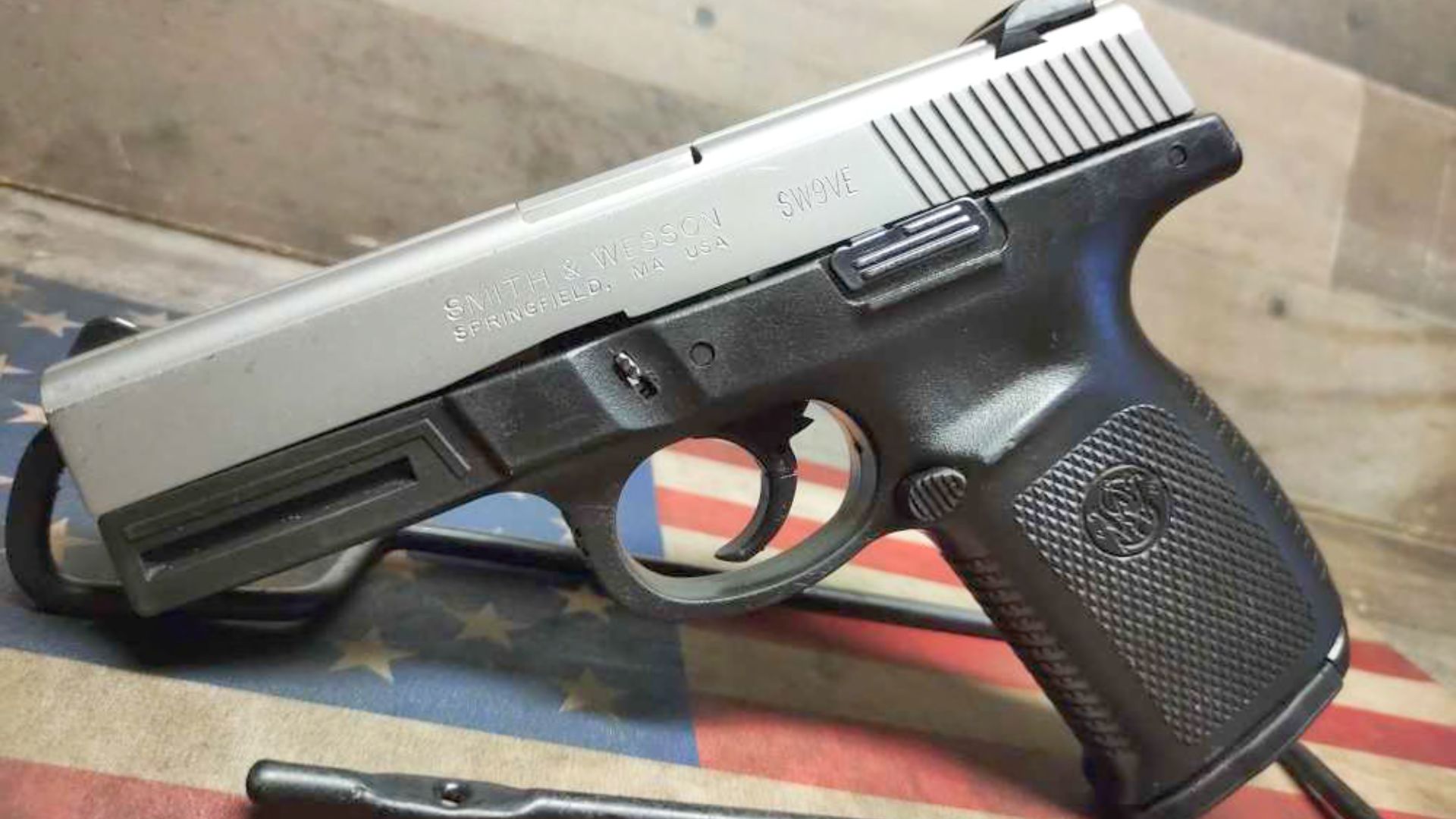
The Sigma’s early reputation was solid enough—it was inexpensive, ran reliably for a while, and felt familiar to Glock shooters. But time and wear exposed the weak spots. Trigger feel degraded, striker components showed wear, and the tolerances that kept it smooth started to widen with use.
Many shooters found that after a few thousand rounds, malfunctions started creeping in more often, especially with lighter loads. While some of that can be traced to design evolution, the Sigma remains one of those pistols that looks fine early on but doesn’t hold up well as the mileage adds up. It’s fine for casual use but doesn’t age gracefully under hard shooting.
Taurus PT709 Slim
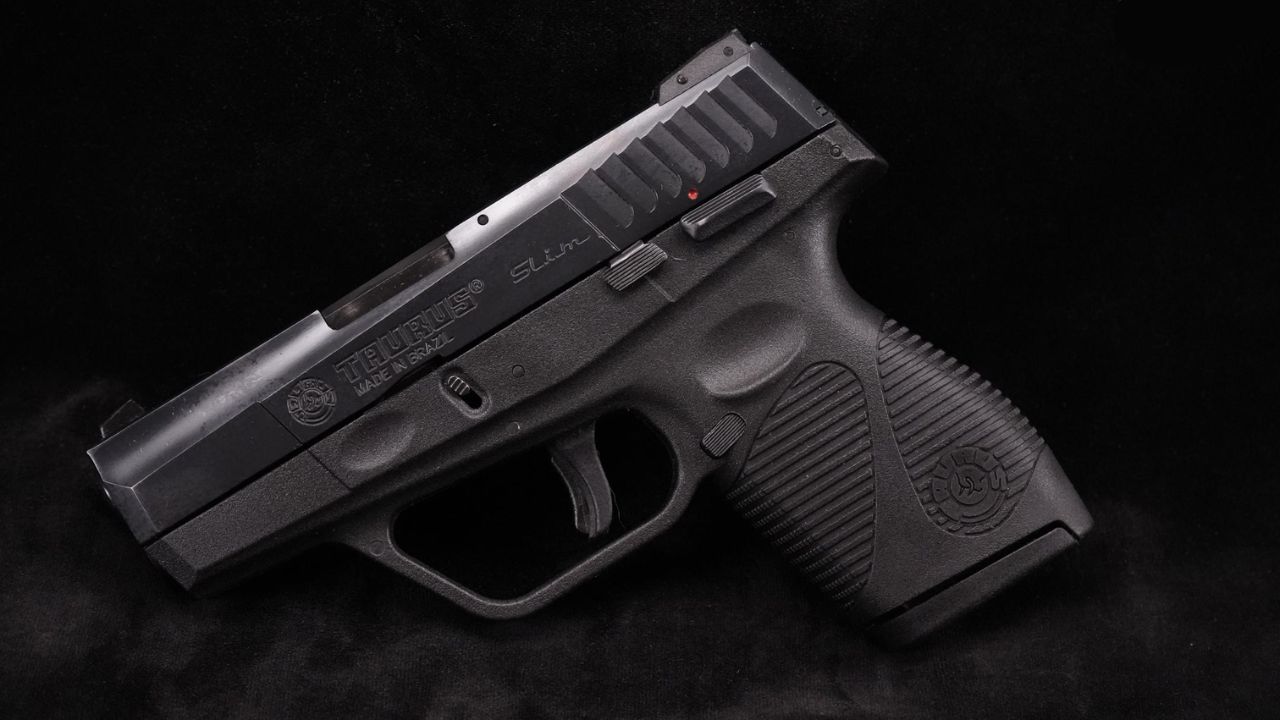
The PT709 Slim earned early praise as a compact 9mm that was easy to carry and shot better than its size suggested. For the first few hundred rounds, most examples run great. Then the small parts start to show wear, and reliability becomes a coin toss.
Ejector issues, weak extractors, and inconsistent triggers were common long-term complaints. Once those parts start going, the pistol’s clean break-in performance disappears. It can be fixed, sure, but that’s not what you want from a defensive gun. The PT709 proved that Taurus could make an appealing design, but not necessarily one that holds its tune over the long haul.
SIG Sauer Mosquito
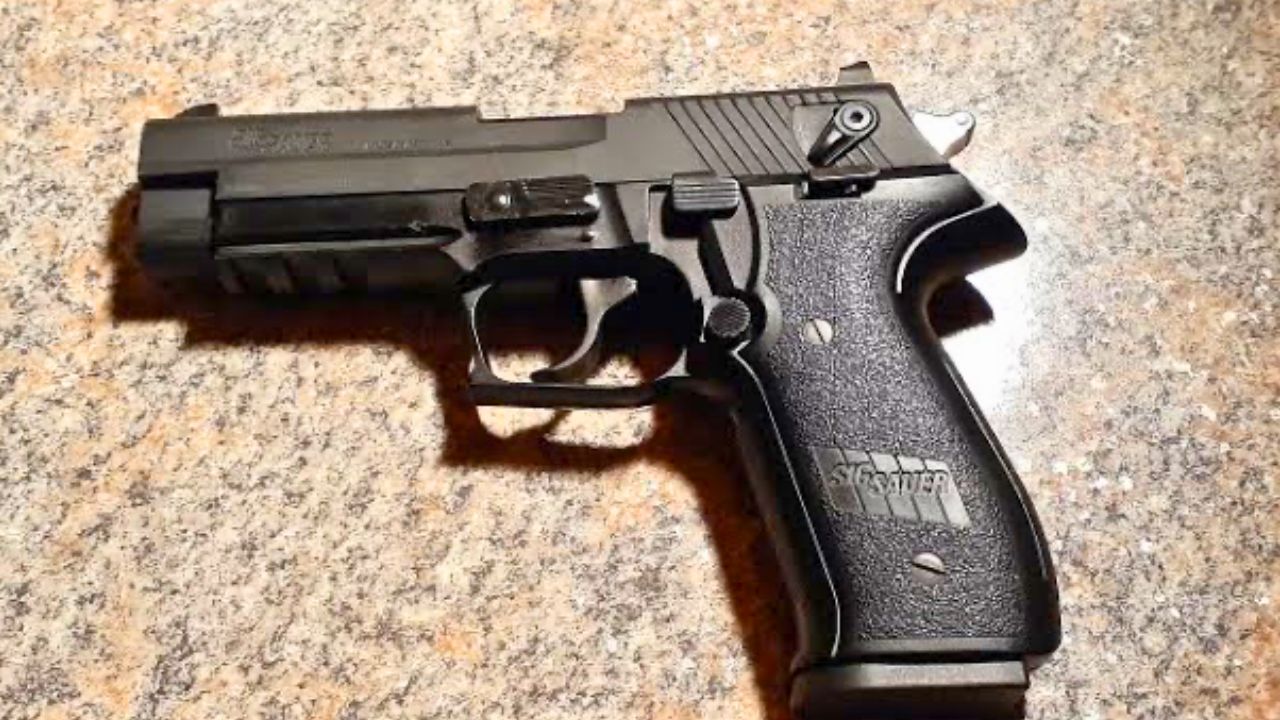
The Mosquito seemed like a smart idea—a scaled-down .22 for cheap training that mimicked a centerfire SIG. Out of the box, it often ran fine for the first few magazines, especially with the ammo it liked. Then came the cycling issues, stovepipes, and misfeeds that became legendary for the wrong reasons.
The problem wasn’t always dirt—it was the gun’s tight tolerances combined with its ammo sensitivity. As recoil springs aged and tolerances shifted, the gun’s reliability window got even narrower. It could be tuned to run, but most shooters gave up trying. The Mosquito runs great for a while, then reminds you that “ammo picky” really means “maintenance needy.”
Ruger SR40c
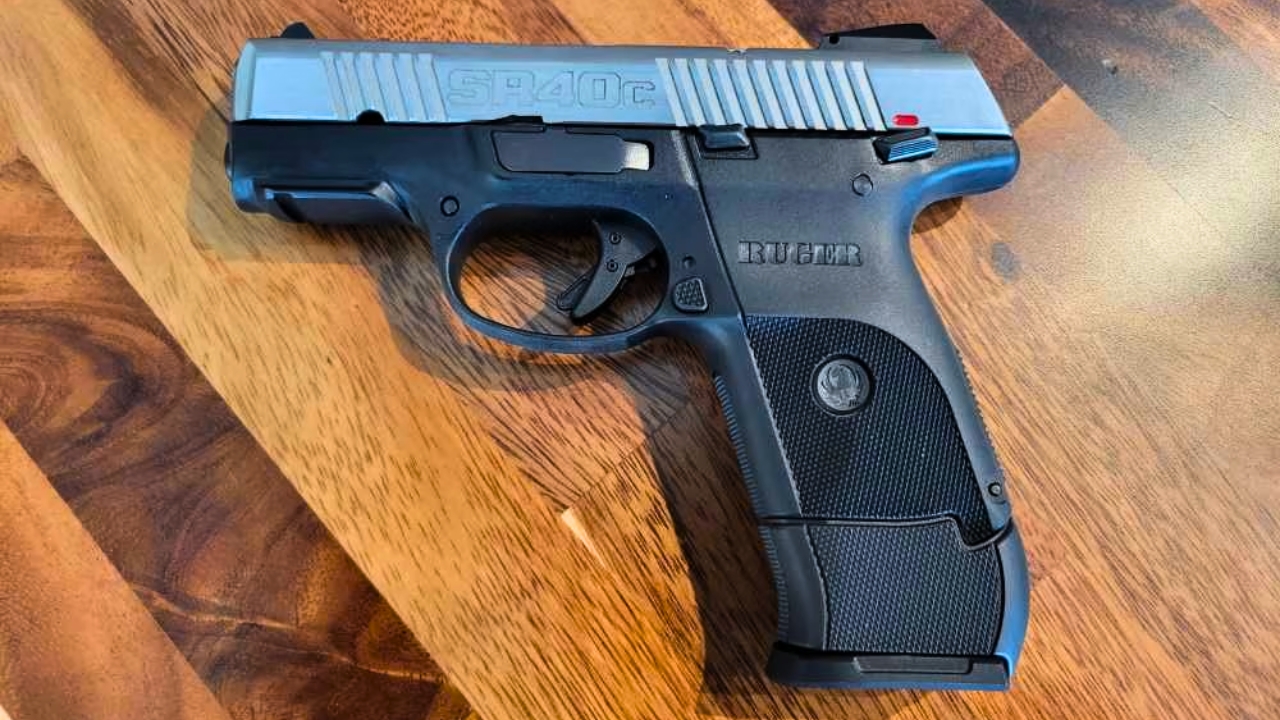
Ruger’s SR40c came out swinging as a compact .40 with good ergonomics and solid construction. Many ran well for a long time, but enough didn’t that it earned a mixed reputation. Slide peening and extractor tension issues tended to show up after heavy use, and that made reliability start to wobble.
The design itself wasn’t terrible—it was simply hard on parts. The .40’s snappy impulse took a toll on smaller frames and thinner components, and once things started wearing unevenly, the performance slipped. If you shoot one lightly, it’ll probably serve you fine. If you put real mileage on it, you’ll see why it faded from the lineup.
KelTec PF-9
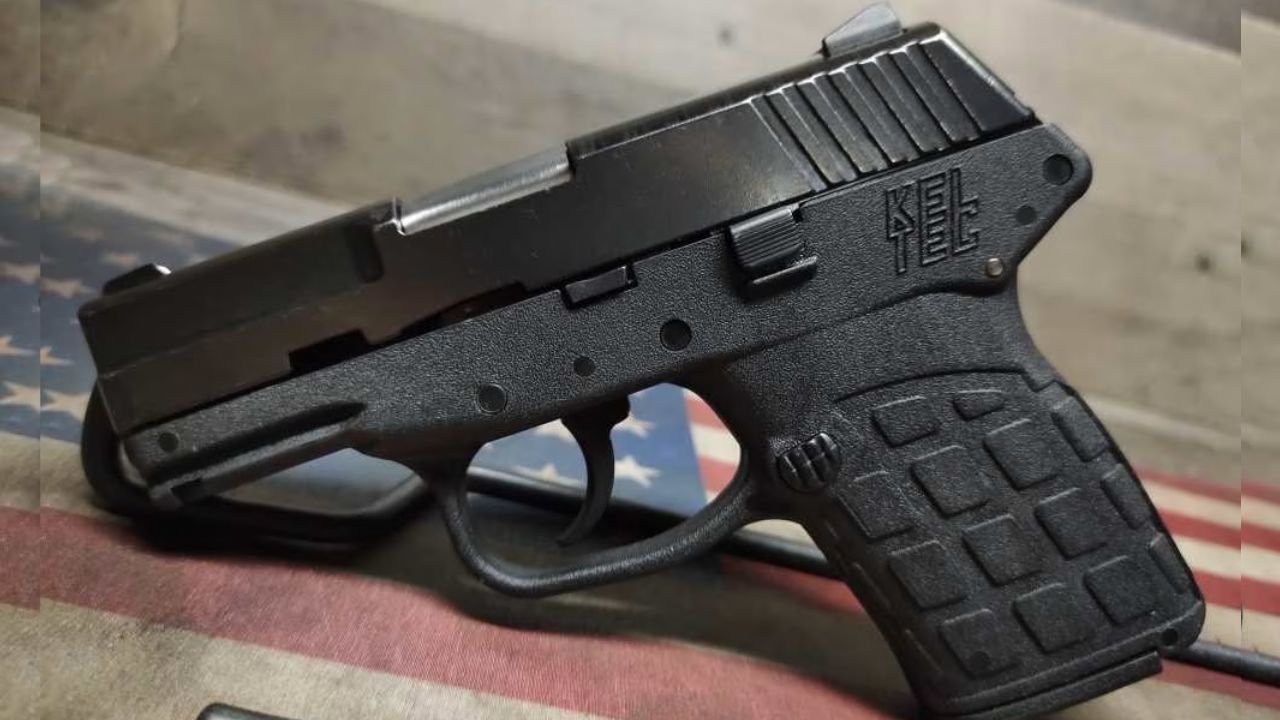
The PF-9 was one of the lightest, flattest 9mms you could get when it came out, and it sold like crazy. Early impressions were positive—it went bang, carried easy, and grouped fine for its size. But those first impressions don’t last forever. With round counts, you start seeing cracked frames, worn locking blocks, and pin walkout.
It’s not a gun that ages gracefully. The recoil impulse is harsh, and all that force has to go somewhere. Over time, the PF-9’s light build starts to show its limits. It’s a pistol that performs best when it’s new and clean but turns temperamental as it wears. Most owners learn to keep it as a carry option, not a high-volume shooter.
Kimber Solo

The Kimber Solo had everything going for it—good looks, premium branding, and a promising design. It ran beautifully for the first few boxes of quality ammo, which was key because cheaper stuff often caused problems even when new. The issue was consistency over time.
Once springs started to age or shooters ran lower-pressure loads, malfunctions became common. Light primer strikes, feeding issues, and sluggish slide movement popped up after relatively modest round counts. It’s a pistol that worked well in its best moments but never stayed reliable long-term. When it runs, it’s impressive. The problem is keeping it that way.
Remington RP9

Remington’s RP9 looked like it could take on Glock and M&P models with its full-size frame and modern ergonomics. Early users found it accurate and comfortable, but over time reliability slipped. Feed issues, slide wear, and inconsistent ejection started showing up in guns with moderate mileage.
The biggest problem was inconsistency in manufacturing. Some examples ran flawlessly, while others began breaking parts under normal use. When it was new, it seemed like a great value; once the wear settled in, many owners moved on. It’s a gun that performs great for a season, then becomes a parts-chasing project.
Springfield XD-S Mod.2 in .45 ACP

In .45 ACP, the XD-S Mod.2 can shoot well and feel great early on, but the combination of a small frame and a stout cartridge is tough on parts. Over time, shooters report extractor tension issues and feed problems that grow worse as springs lose strength.
The compact size also magnifies the recoil impulse, which can make minor wear show up sooner than in larger pistols. It’s reliable when clean and new, but as you pile on rounds, it starts to show sensitivity to ammo and grip consistency. In short bursts, it’s a dependable carry gun. Over long use, it can turn finicky.
Walther P22
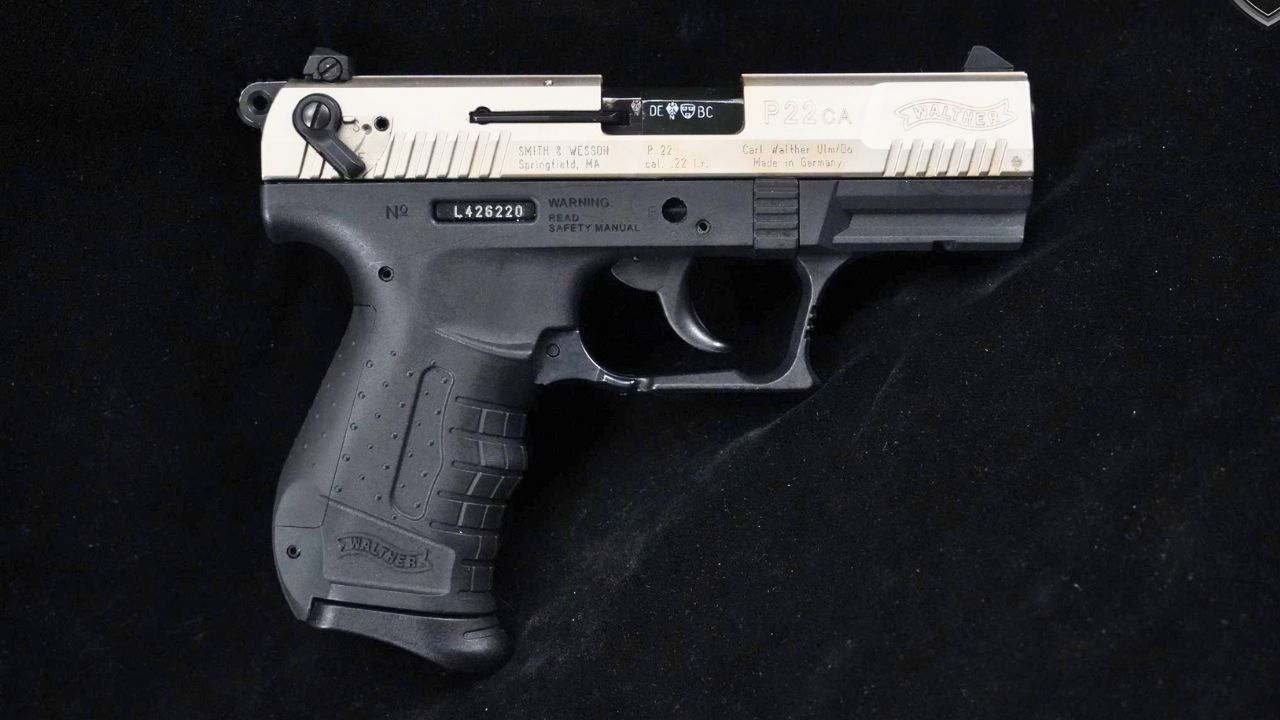
The Walther P22 is another .22 pistol that performs well at first, then slowly drifts into reliability issues. When clean, it cycles nicely with ammo it likes. After a few thousand rounds, though, extractor wear, feed ramp fouling, and spring fatigue begin to show.
It’s not catastrophic—it’s just the nature of its design. Rimfire guns are finicky by default, but the P22’s small parts and lightweight construction make it more sensitive over time. With maintenance, it’ll keep going, but it loses that “runs on anything” feeling pretty quickly. For casual plinking, it’s fine. For hard use, it’s a short-term companion.
FN FNS-9
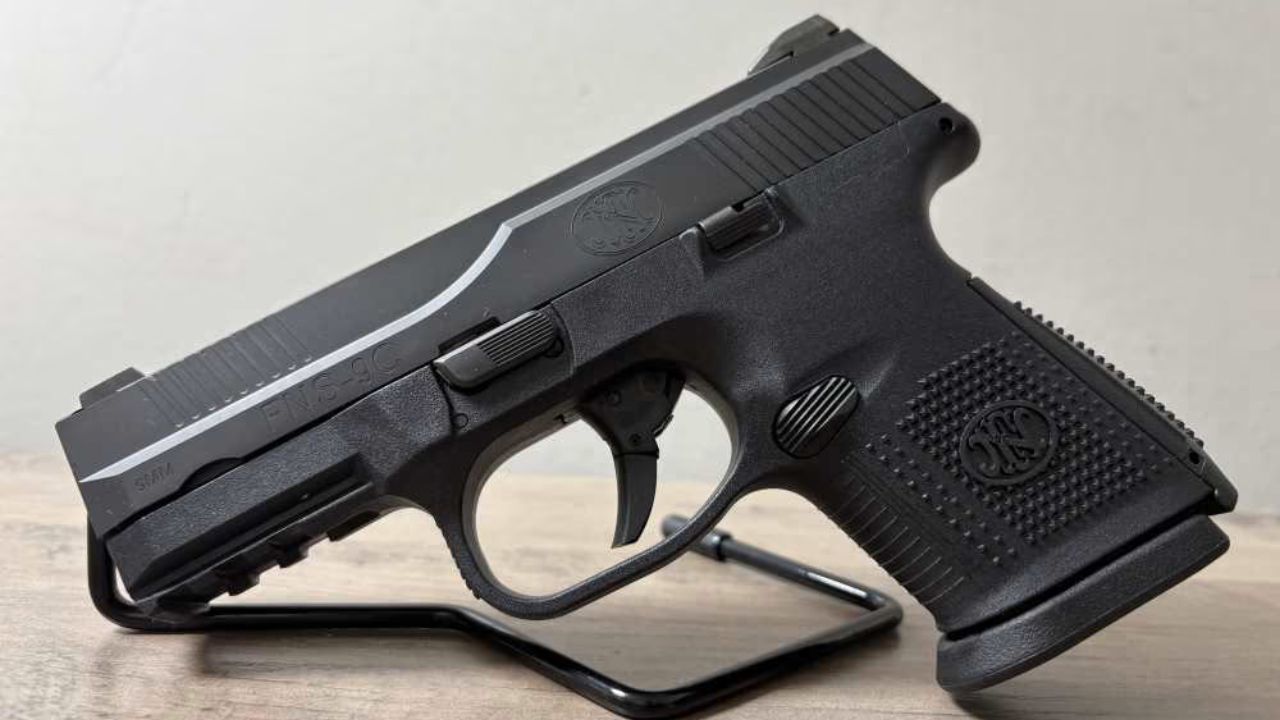
The FNS-9 started strong as a solid duty pistol with good ergonomics and an affordable price. For the first few thousand rounds, most examples shot smooth and clean. Then reports of trigger resets failing and striker-related issues began to surface as round counts grew.
FN fixed many of these in later production, but the early pattern remains a reminder that some guns feel great until wear starts exposing weak points. The FNS-9 never became unreliable across the board, but it’s one of those pistols that keeps you watching for symptoms once you’ve put real mileage on it.
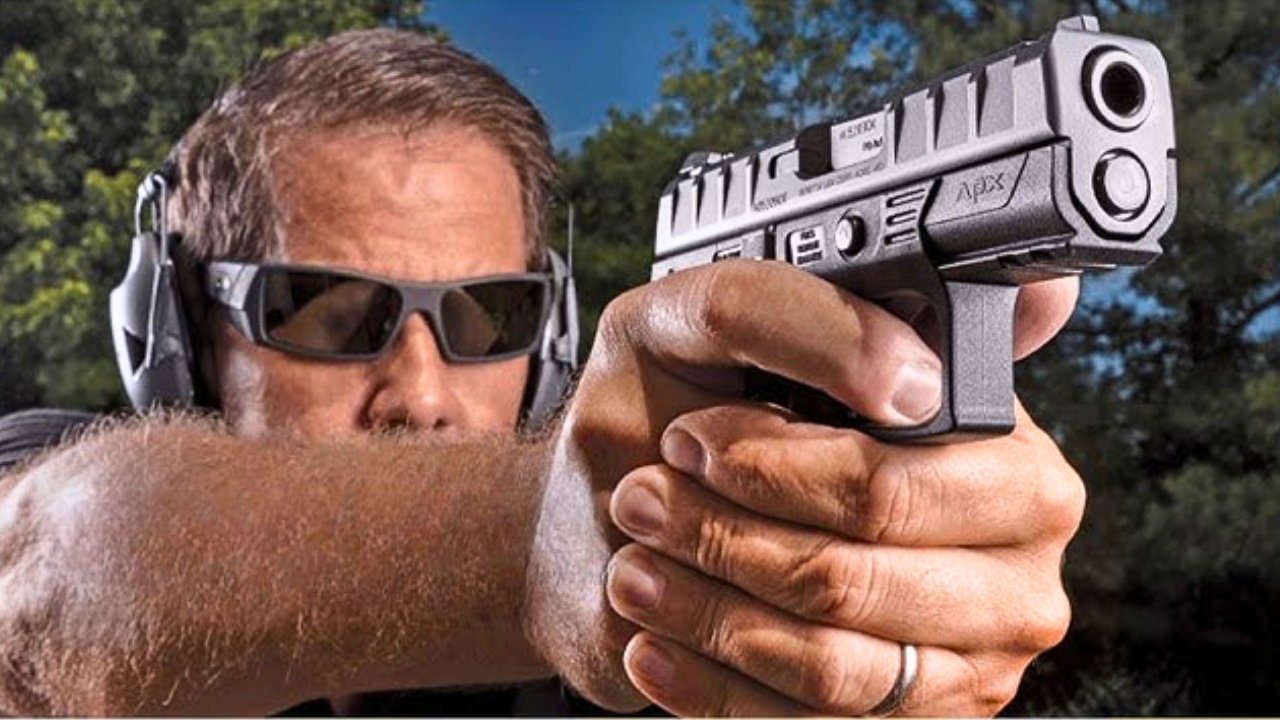
Beretta APX Compact
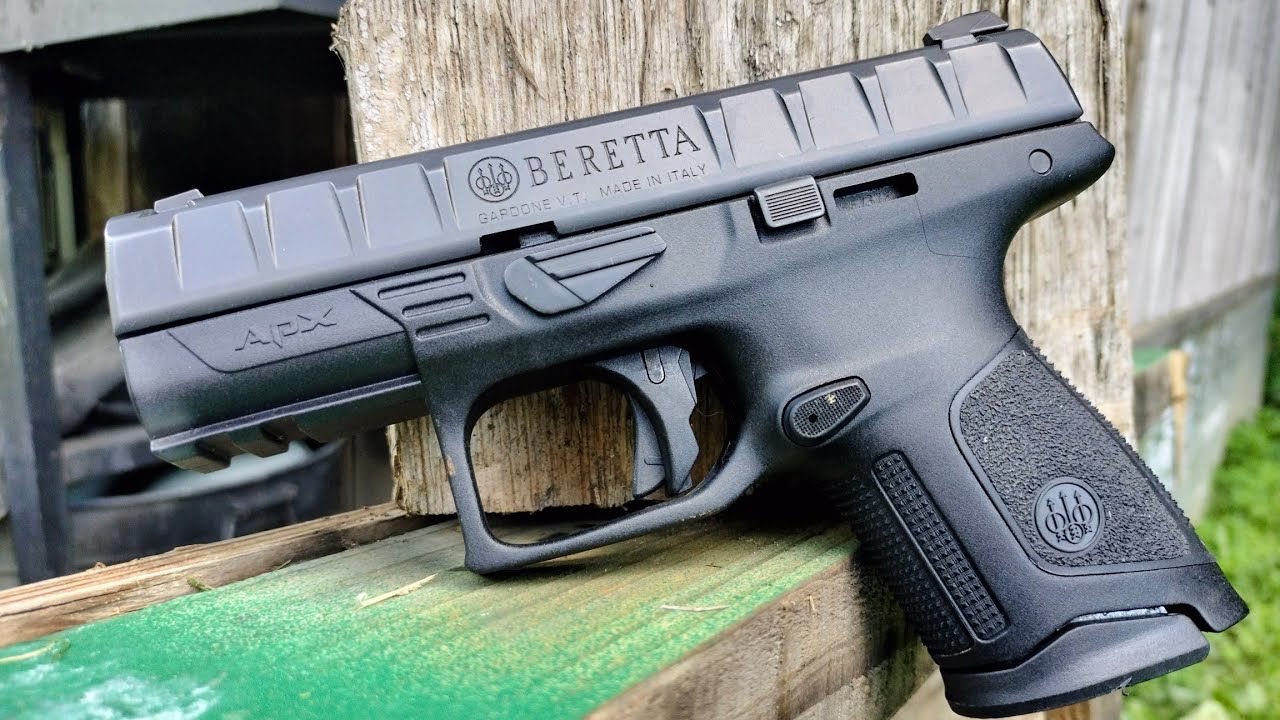
The APX Compact has a smooth trigger, comfortable grip, and runs well early on, but its smaller frame and sharp recoil pulse can accelerate wear. Users often start noticing sluggish cycling or extraction issues after heavy use, particularly if maintenance isn’t meticulous.
The design itself isn’t fragile, but the compact system doesn’t have as much margin for tolerance changes. Once small parts start wearing unevenly, the gun’s consistent rhythm can shift. For casual shooters, it’s solid. For anyone putting in thousands of rounds a year, it starts showing fatigue earlier than you’d like.
Ruger LC9

The LC9 is one of those pistols that can run flawlessly for a long time—until it doesn’t. Early on, it feeds well, feels reliable, and carries easily. As you add rounds, trigger linkages and magazine tension can start changing character. Some users notice light strikes or feeding inconsistencies as wear builds.
It’s not catastrophic failure territory, but it’s enough to make you lose confidence in it as a primary defensive gun. The LC9 works beautifully when it’s new and maintained, but its lightweight frame and compact parts mean it can age faster under steady use. It’s a reminder that size and longevity rarely live in harmony.
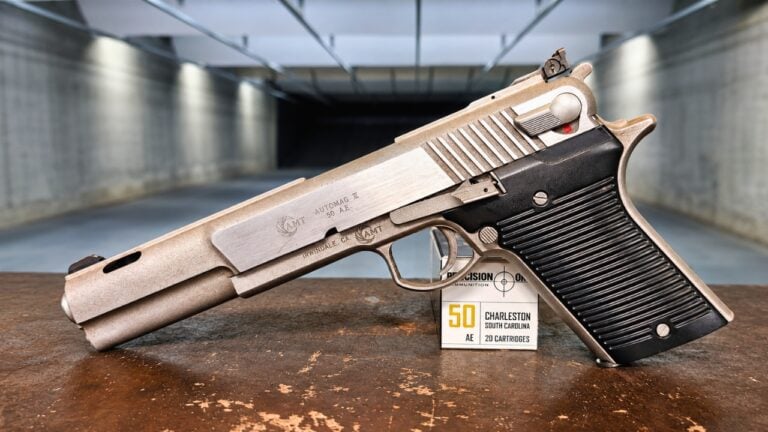
Desert Eagle in .50 AE

Few guns impress like a Desert Eagle when it’s new and clean. It cycles like a precision machine, hits with authority, and turns heads at the range. After a few thousand rounds, though, carbon buildup and wear in the gas system start to show. Reliability dips, and you start chasing stoppages that weren’t there before.
It’s not a defect—it’s a consequence of power and complexity. The system works beautifully when clean and tuned, but once fouling sets in, everything slows down. If you stay ahead of maintenance, it’ll keep going strong. If you don’t, it’ll turn on you faster than you think. It’s a range icon, but not a “forget it and shoot forever” kind of gun.
Like The Avid Outdoorsman’s content? Subscribe to our newsletter so you never miss an article.
Here’s more from us: