Photo credit: GunBroker
The Remington 870 became a classic because it did not try to be clever. It was a pump shotgun built to work, built to last, and built in enough versions that almost anybody could find one that made sense. Hunters, police departments, homeowners, clay shooters, and regular folks all found a use for it, and that kind of reach is hard to fake.
Remington introduced the Model 870 in 1950, and RemArms describes it as the best-selling pump-action shotgun in firearms history, with more than 10 million produced. The same company still lists the 870 as currently in production, which tells you how deeply the design dug itself into American shotgun culture.
1. It Was Built Around a Strong Steel Receiver

One of the 870’s biggest strengths is the receiver. RemArms describes the Model 870 as using a receiver machined from an 8 ½-pound billet of steel, which is part of how the gun built its reputation for strength and long service life.
That matters because a pump shotgun often lives a rough life. It gets carried in rain, bumped in duck blinds, dragged through deer woods, stored behind doors, and run by people who may not clean it as often as they should. A strong receiver gave the 870 the kind of foundation that helped it survive decades of real use.
2. The Pump Action Was Simple and Trustworthy
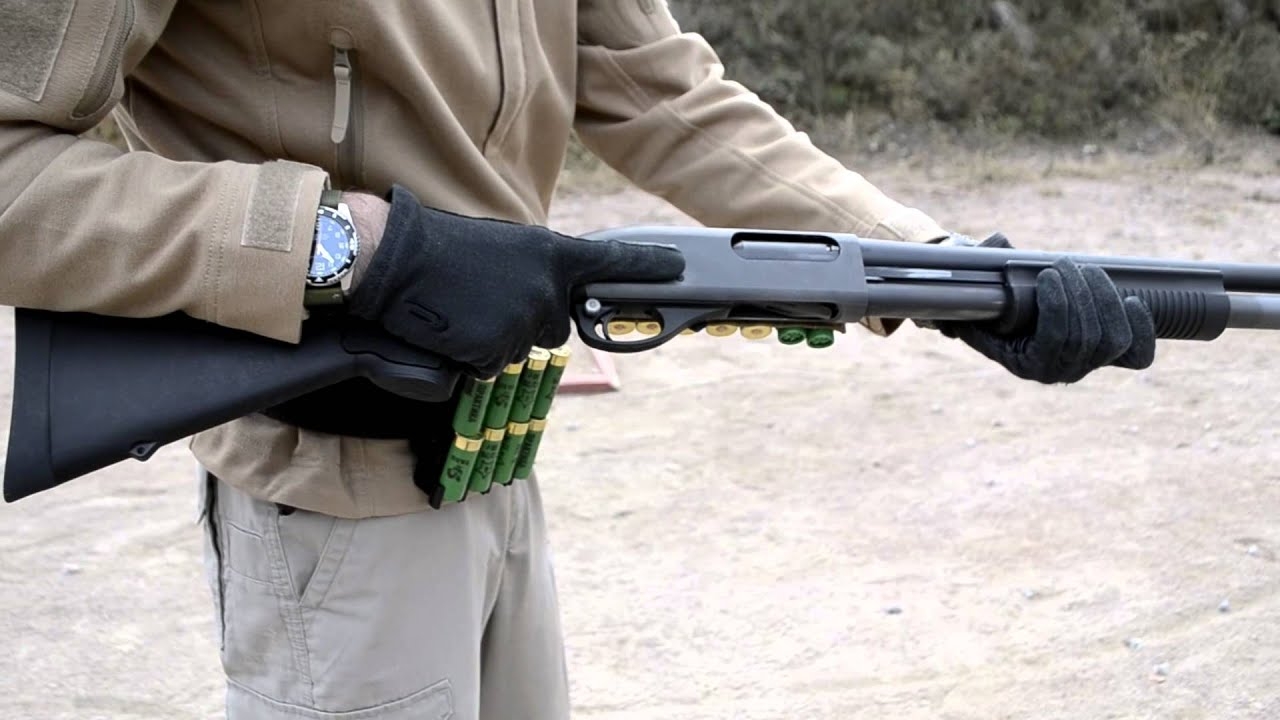
The 870’s pump-action design made it easy to understand. Load the magazine tube, chamber a shell, fire, run the fore-end, and do it again. There is no gas system to tune, no inertia system to understand, and no complicated cycling behavior to worry about with most normal loads.
That simplicity helped the shotgun spread. A hunter could use it. A farmer could use it. A police officer could use it. A new shooter could learn it with proper instruction. The 870 did not need to explain itself for long. It was a working pump gun, and working pump guns earn trust when they keep going.
3. It Replaced a Good Shotgun and Still Won

The 870 had to follow the Remington Model 31, which was a respected pump gun but more expensive to manufacture. The 870 was designed as a more modern, easier-to-produce shotgun that could compete better in the market, and it succeeded fast.
That is part of what made it important. The 870 did not become popular because Remington had nothing better before it. It became popular because it took lessons from earlier shotguns and gave buyers something smoother, more affordable, and easier to support. That is how a good design becomes a long-running one.
4. The Wingmaster Set the Tone Early

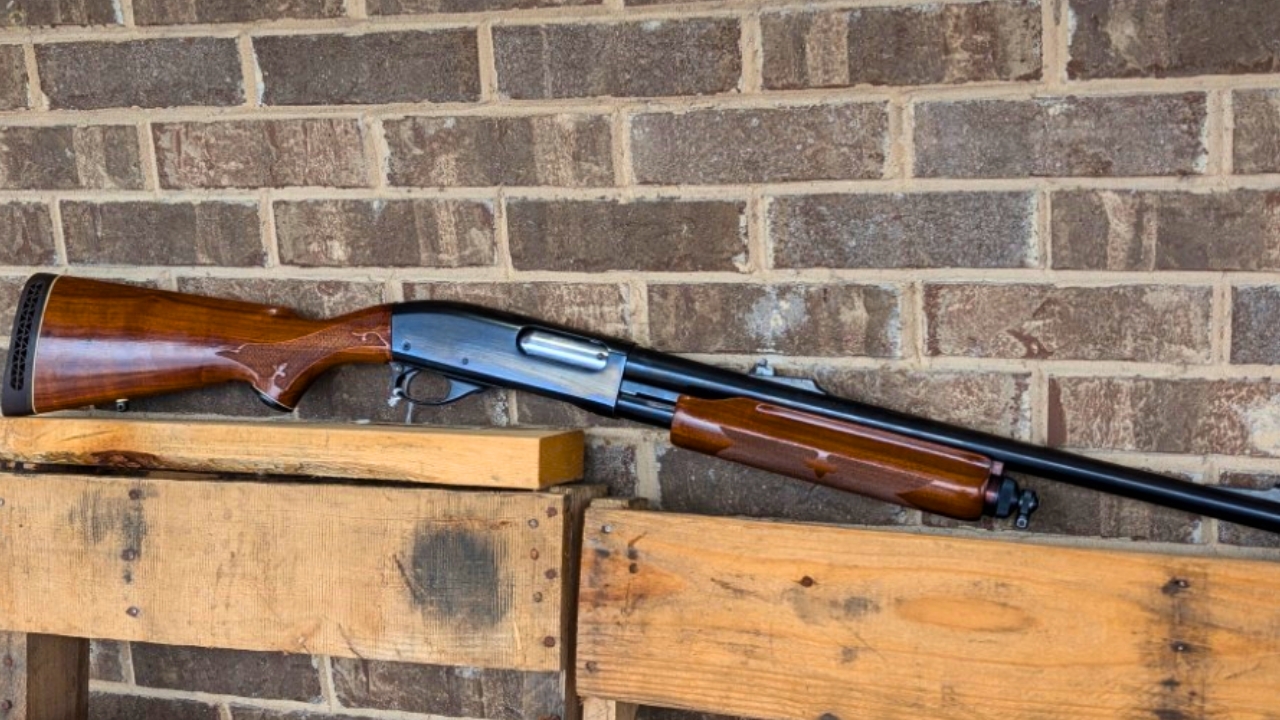
The original 870 Wingmaster gave the shotgun a strong start. It had the kind of polished feel, smooth action, and classic field-gun look that made people take it seriously. Early Wingmasters helped build the 870’s reputation before the cheaper Express models ever entered the picture.
That matters because a classic needs a strong first impression. The Wingmaster was not just a cheap utility gun. It was a nice pump shotgun that hunters could be proud to carry. That early refinement gave the 870 a better image than many basic working guns ever get.
5. It Was Affordable Enough for Regular People

A shotgun does not become a classic by being available only to collectors. The 870 worked because regular people could buy one. Outdoor Life noted that the 870 was priced lower than the Winchester Model 12 at launch and was also easier to take apart, which helped it compete against older pump-gun royalty.
That affordability mattered. A shotgun used by millions cannot be too precious. The 870 gave hunters and homeowners a serious pump gun without making it feel out of reach. It became the kind of shotgun people bought, used, loaned, inherited, and passed along.
6. It Was Easy to Take Apart

The 870’s ease of disassembly helped its reputation. Compared with some older pump guns, it was easier for regular owners to maintain. Outdoor Life pointed out that the 870 used pins instead of screws for disassembly and had a threaded magazine cap that made barrel swaps easier.
That is a bigger deal than it sounds. Shotguns get dirty. Duck guns get filthy. Turkey guns collect pollen, mud, and brush trash. A gun that is easier to break down and clean is more likely to keep working. The 870 was practical not only when shooting, but also when maintaining it.
7. Barrel Swaps Made It More Versatile

One of the 870’s classic strengths is how easily it could change roles with a different barrel. A hunter could run a longer vent-rib field barrel for birds, then swap to a slug barrel for deer season, or use a shorter defensive barrel in another setup. Outdoor Life noted that the 870’s threaded magazine cap made barrel changes easy and that barrels did not require fitting, which let owners use more than one barrel.
That flexibility gave the 870 a huge advantage. One shotgun could become several tools. For buyers on a budget, that mattered. Instead of owning a different shotgun for every season, many people could build around one receiver and change the setup as needed.
8. It Came in Gauges for Almost Everybody

The 870 was not limited to one gauge. RemArms lists the Model 870’s production history across 12, 16, 20, 28 gauge, and .410 bore. Current Fieldmaster offerings include 12 gauge, 20 gauge, and .410 bore.
That helped the platform reach more shooters. A full-size 12 gauge made sense for waterfowl, deer, turkey, defense, and general use. A 20 gauge worked better for smaller-framed shooters and upland use. A .410 had its own niche. The 870 family grew because it did not force everyone into the same shotgun.
9. The Twin Action Bars Helped Keep It Smooth

A pump shotgun needs to run cleanly without binding, and the 870’s twin action bars became one of its important design details. Current RemArms 870 Fieldmaster specs still highlight improved twin action bars meant to prevent binding and twisting while giving the gun a smooth cycle.
That matters every time the shooter runs the fore-end. A sticky or twisting pump stroke can slow the shooter down and make the gun feel cheap. A smooth pump action is one of the reasons people like the 870. When an old Wingmaster gets slick from years of use, it is easy to understand why people still talk about them.
10. The Express Put the 870 in Even More Hands
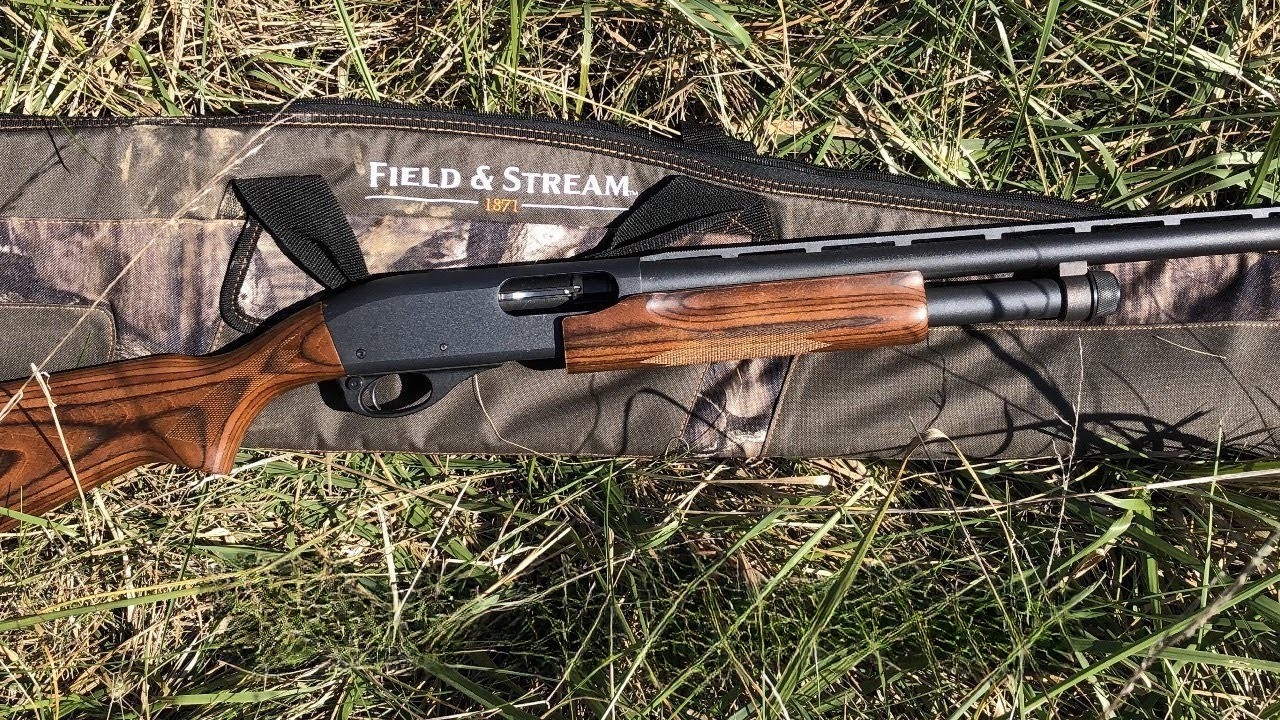
The 870 Express helped make the shotgun even more common. Field & Stream noted that the Express model arrived in 1987 as a budget version of the 870, using a hardwood stock instead of walnut and less polish inside and out while keeping the same basic design.
That changed the 870’s reach. The Wingmaster had the polish, but the Express gave more people access to the platform. Some Express guns were rougher, and later quality debates are fair. But the Express put 870s in duck blinds, closets, trucks, and deer camps all over the country. That helped turn the shotgun from respected to everywhere.
11. It Worked for Hunting, Defense, and Duty Use

The 870 became a classic because it was not locked into one job. It could hunt birds, deer, turkey, rabbits, and predators. It could serve as a home-defense gun. It could ride in police cruisers. It could break clays or teach new shooters. That range is a big reason the design lasted.
A shotgun that only works in one narrow lane can still be good, but it rarely becomes this widespread. The 870 became a default answer because people could adapt it. Different barrels, stocks, sights, chokes, magazine extensions, and gauges made the platform fit a lot of lives.
12. Law Enforcement Use Strengthened Its Reputation

The 870 earned a long-running place in law enforcement. That did not make it perfect, but it gave the shotgun credibility beyond the hunting aisle. A pump gun used by police departments needed to be simple, rugged, maintainable, and understandable under stress.
That image helped civilian buyers trust it too. When a shotgun has been used by hunters and agencies for decades, it starts feeling proven from multiple directions. The 870’s police reputation became part of its identity, especially in short-barreled defensive configurations.
13. The Rem Choke System Added Practical Flexibility

The addition of Rem Choke screw-in chokes gave later 870s more flexibility. Instead of being locked into one fixed choke, shooters could change constriction for different birds, clays, turkey loads, or field conditions. That kept the shotgun current as choke-tube systems became standard expectations.
That feature mattered because hunting is not one-size-fits-all. A modified choke for one job may not fit the next. A turkey hunter wants something different than a skeet shooter. Choke tubes made the 870 easier to adapt without buying another barrel every time the job changed.
14. Parts and Accessories Became Easy to Find

The 870’s popularity created a huge parts and accessory world. Stocks, barrels, magazine extensions, followers, safeties, shell carriers, sights, optic mounts, sling plates, recoil pads, and replacement parts became easy to find. That kept old guns alive and made new ones easier to configure.
That kind of support is part of what makes a firearm a classic. A gun may be great, but if parts are hard to find, it becomes harder to keep using. The 870 avoided that problem because so many were made and so many companies supported it. The ecosystem around the gun became almost as important as the gun itself.
15. It Became the Pump Shotgun People Measured Others Against

The Remington 870 turned into a classic because it became one of the standards. People compared other pump shotguns to it in terms of smoothness, strength, price, parts support, hunting usefulness, defensive setups, and long-term durability. That kind of benchmark status is not handed out. It is earned slowly.
The 870 has had rough eras and fair criticism, especially around certain production periods. But its place is secure because the design did so much for so long. It was strong, adaptable, affordable, easy to support, and useful across generations. That is what turned the Remington 870 from another pump gun into a true classic.
Like The Avid Outdoorsman’s content? Subscribe to our newsletter so you never miss an article.
Here’s more from us: