Photo credit: Savage Arms
You’ve seen it a hundred times—“MOA Guarantee” stamped on the box like it’s a free pass to fill tags. They’ll promise sub-inch groups with premium ammo, or some claim of benchrest precision you’ll supposedly match in the field. But you and I both know that accuracy on a clean bench under calm skies doesn’t mean a damn thing when your pack is digging into your shoulder and you’re kneeling in snow. Field accuracy is earned, not bought. You don’t get it from a spec sheet. You get it from knowing your rifle, knowing your limits, and putting in the kind of reps that can’t be faked.
You don’t shoot groups at game animals
Game animals don’t pose for five-shot groups. You get one shot, often cold-bore, sometimes offhand, and always under pressure. Whatever that rifle did on a sandbag at 100 yards has little to do with how it’ll perform when you’re leaned against a pine tree with a buck walking. Benchrest groups are a controlled environment. The field is everything but. That paper target doesn’t move, doesn’t care about wind, and doesn’t bolt when your elbow slips. Precision on paper might sell rifles, but it doesn’t guarantee anything when the stakes are real.
Wind, angles, and terrain change everything
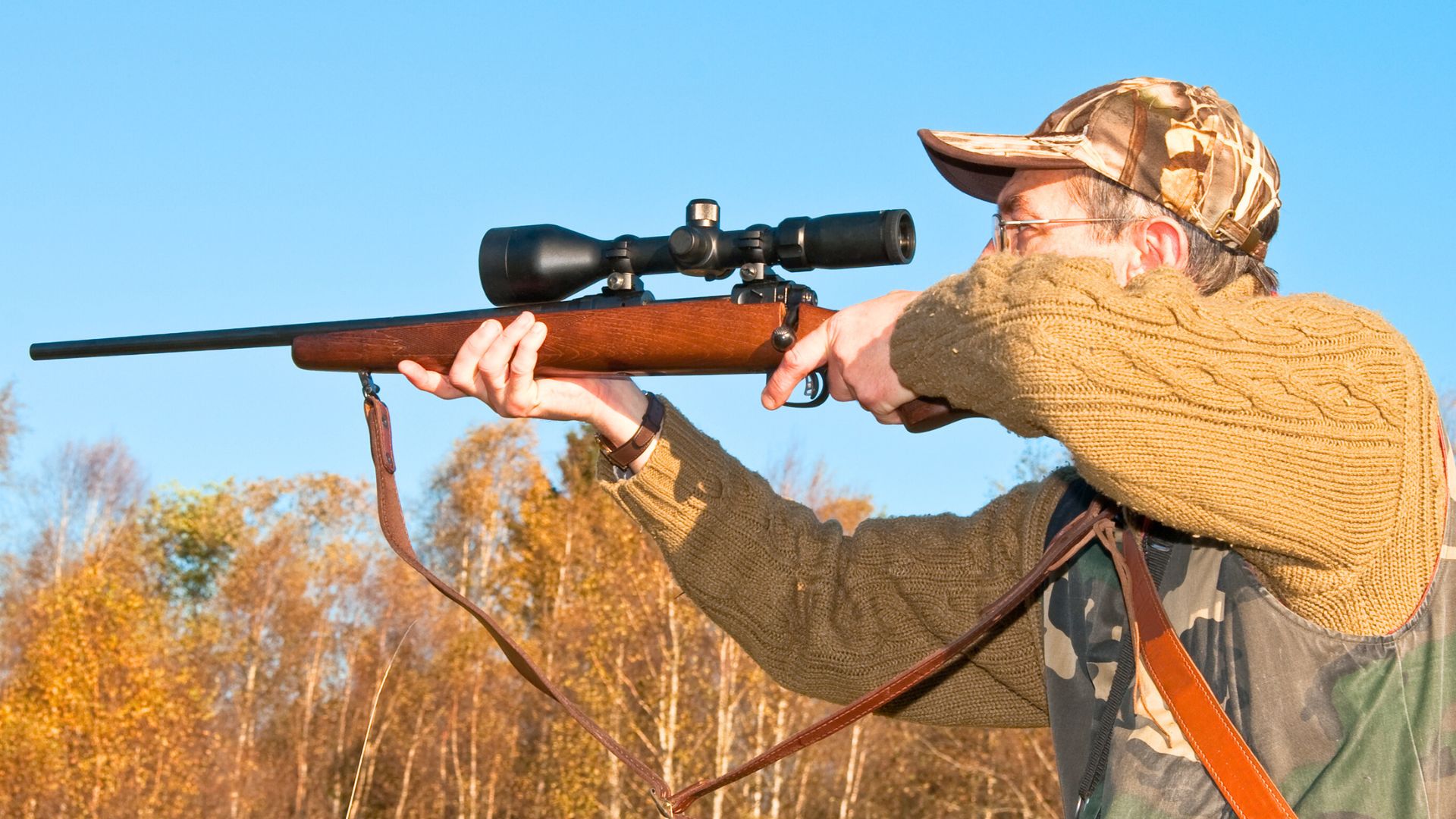
The bench doesn’t give you quartering crosswinds or steep uphill shots with a boulder under your boot. You’re not lying prone on gravel or twisted sideways behind a stump. Even a rifle that prints cloverleafs at 100 yards can fall apart when you throw real-world angles, wind drift, and rushed positions into the mix. In the field, it’s rarely about how tight your rifle shoots—it’s how well you can hit under less-than-ideal conditions. And most of those MOA guarantees fall apart the second your body leaves the bench.
Cold-bore matters more than group size
Your first shot is the one that counts, and most rifles don’t throw their cold-bore shot into the same hole. That’s the one that matters when a bull elk steps out and gives you ten seconds to make it count. You can have a sub-MOA gun that throws the first shot high and left every time, and that’s a problem. The cold-bore shift isn’t advertised, and most folks don’t train for it. If your first shot isn’t predictable, it doesn’t matter what the rest of the magazine does. One good cold-bore hit beats five tight misses any day.
Your ammo won’t match the test ammo

Half these factory guarantees are tied to specific match-grade ammo—usually whatever the manufacturer prefers or has in-house. Odds are you’re not hunting with that same load. Maybe your rifle shot great with their 140-grain ELD-M, but you’re running 150-grain bonded soft points that shoot a different POI. Even if your group opens up only slightly, that’s enough to throw things off at longer ranges or in less-than-steady positions. Unless you’re hunting with the exact load the guarantee was based on, the numbers on the box don’t hold water.
Field positions expose every bad habit
Benches hide your flaws. They let you brace your elbows, control your breathing, and reset between shots. None of that holds up when you’re kneeling in tall grass or firing across a canyon. Shooting sticks wobble, packs shift, bipods sink into soft ground. The more unstable your position, the more honest your rifle—and your shooting—has to be. Accuracy guarantees don’t include the human element, and in real-world hunting, that’s often the weakest link. A rifle that groups well in a vise might still feel like a jackhammer in your hands when the pressure’s on.
Fast follow-ups matter more than raw precision
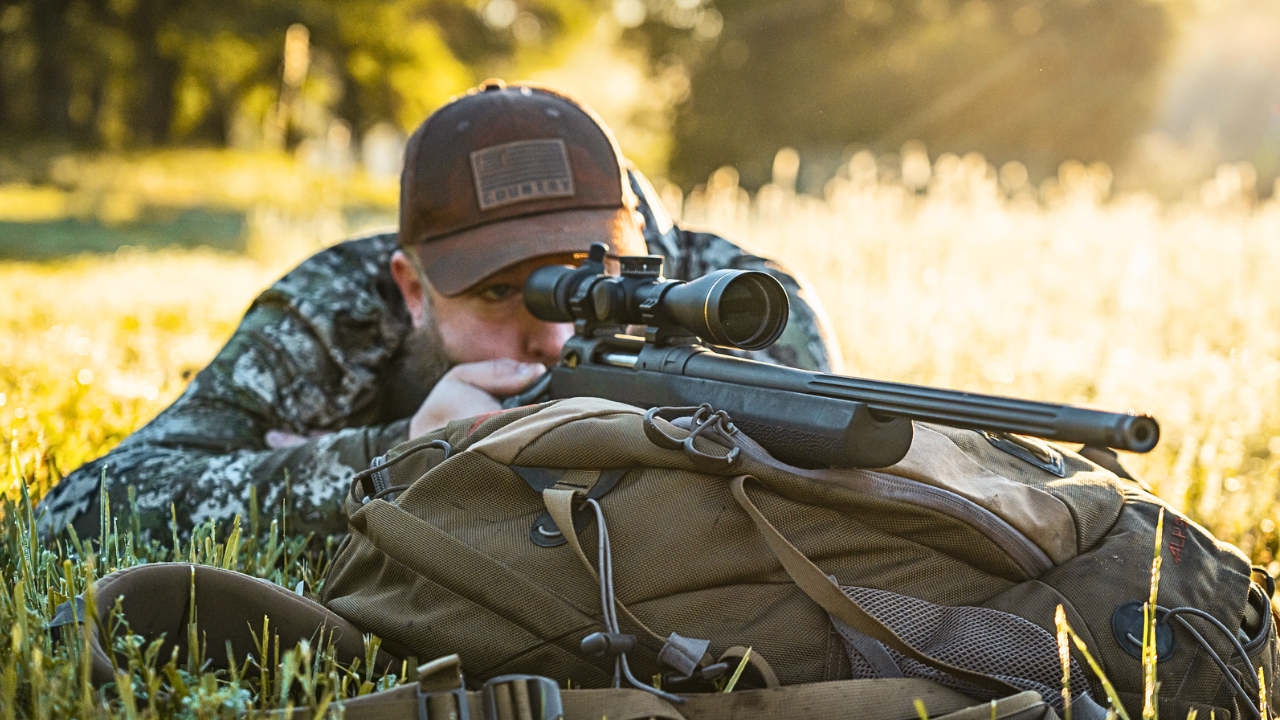
You might miss your first shot. It happens. But what happens next says more about your setup than any spec sheet. A rifle that’s too light, with sharp recoil and a jumpy muzzle, might shoot one tight group—once. But if it slows you down between shots or kills your sight picture, it’s costing you real-world hits. You’re better off with a gun that’s steady and forgiving than one that makes you flinch. That kind of control doesn’t show up in a three-shot cloverleaf. It shows up when the second shot lands before the buck hits full sprint.
Real accuracy comes from time behind the gun
The rifle doesn’t do the work for you. No matter how many claims are printed on the tag, a rifle you haven’t trained with is a rifle you’re not going to trust when it counts. Real field accuracy is about muscle memory, confidence, and repetition. It’s knowing exactly how that rifle feels when you shoulder it at awkward angles, or how far the crosshairs dip when you exhale. If you want a real accuracy guarantee, it comes from your own time behind the trigger—not a promise from a factory tech who shot from a bench on a windless day.
Like The Avid Outdoorsman’s content? Be sure to follow us.
Here’s more from us:
The worst deer rifles money can buy
Sidearms That Belong in the Safe — Not Your Belt
*This article was developed with AI-powered tools and has been carefully reviewed by our editors.