Photo credit: Great Northwest Weaponry/Youtube
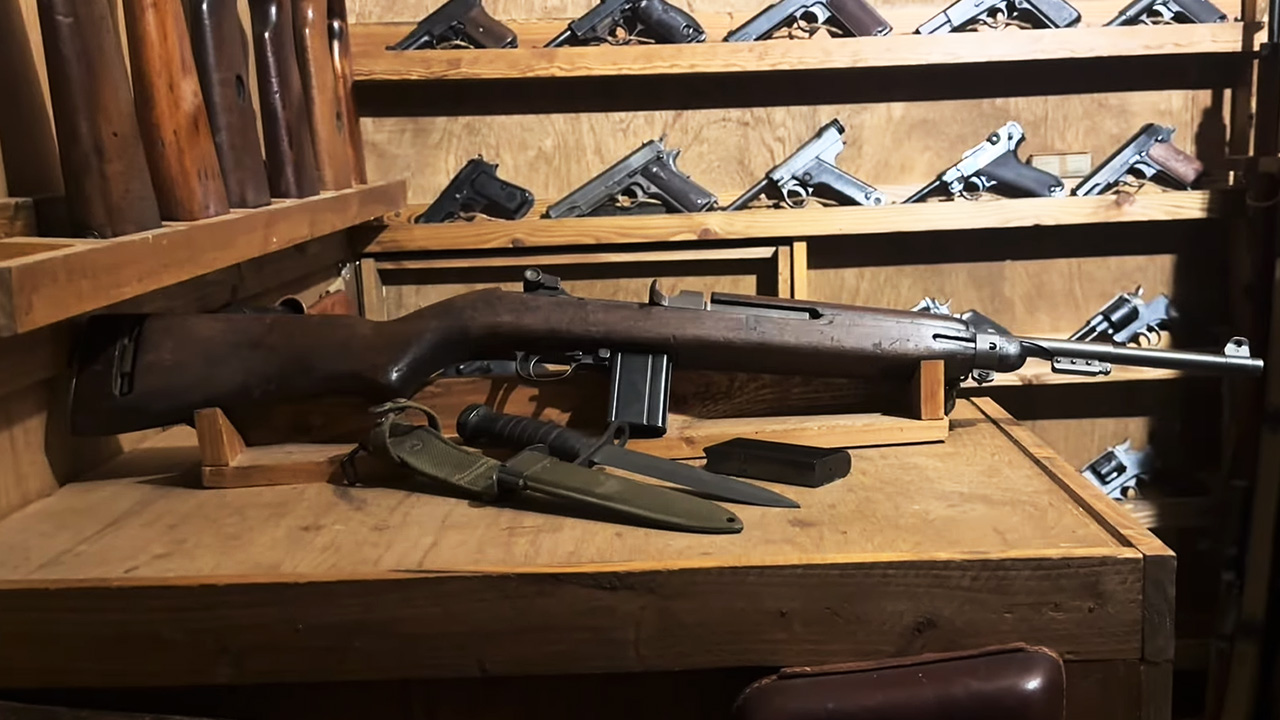
The M1 Carbine is one of those rifles that almost everybody recognizes, but a lot of shooters only know the basic version of the story. They know it came from World War II, they know it is lighter than the M1 Garand, and they know it fires .30 Carbine. After that, a lot of the smaller details tend to get lost. That is a shame, because the M1 Carbine has one of the more interesting histories of any American military firearm.
Part of what makes it so interesting is that it was never meant to be a full-power battle rifle in the first place. It filled a very specific role, and it ended up doing far more than many people expected. It became wildly popular with troops, it spread all over the world, and it stayed relevant long after the war that made it famous. Here are 15 things you probably didn’t know about the M1 Carbine.
It was designed for troops who did not need a full-size rifle
A lot of people assume the M1 Carbine was just meant to be a lighter infantry rifle, but that was not really the original idea. It was designed for support troops, drivers, radio operators, officers, and others who needed something better than a pistol but did not necessarily need or want to carry a heavy M1 Garand all day. The Army was looking for a compact shoulder-fired weapon that was easier to carry and faster to use than a sidearm.
That role explains almost everything about the gun. It was meant to be handy, fast, and simple, not a long-range powerhouse. Once you understand that, the M1 Carbine makes a lot more sense. People sometimes criticize it for not doing the job of a rifle it was never intended to replace. It was built to fill a gap, and in that role, it turned out to be a very smart piece of design.
It was not chambered in .30-06 like the Garand
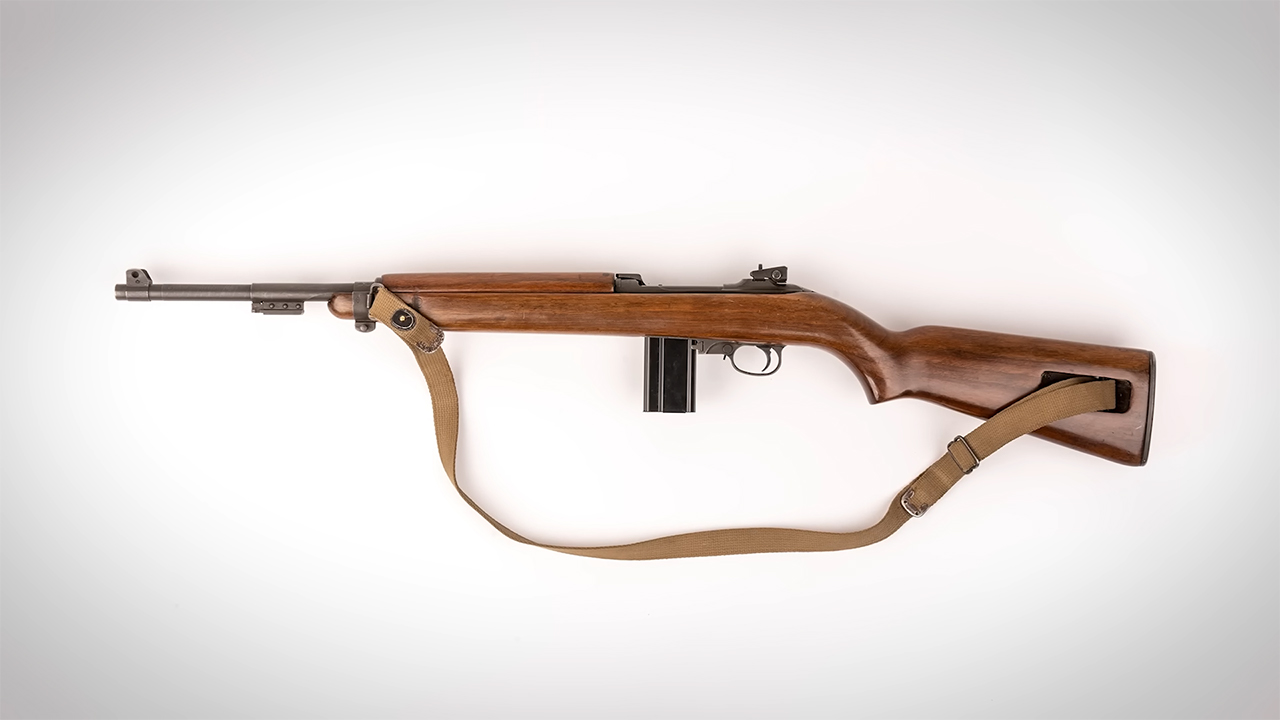
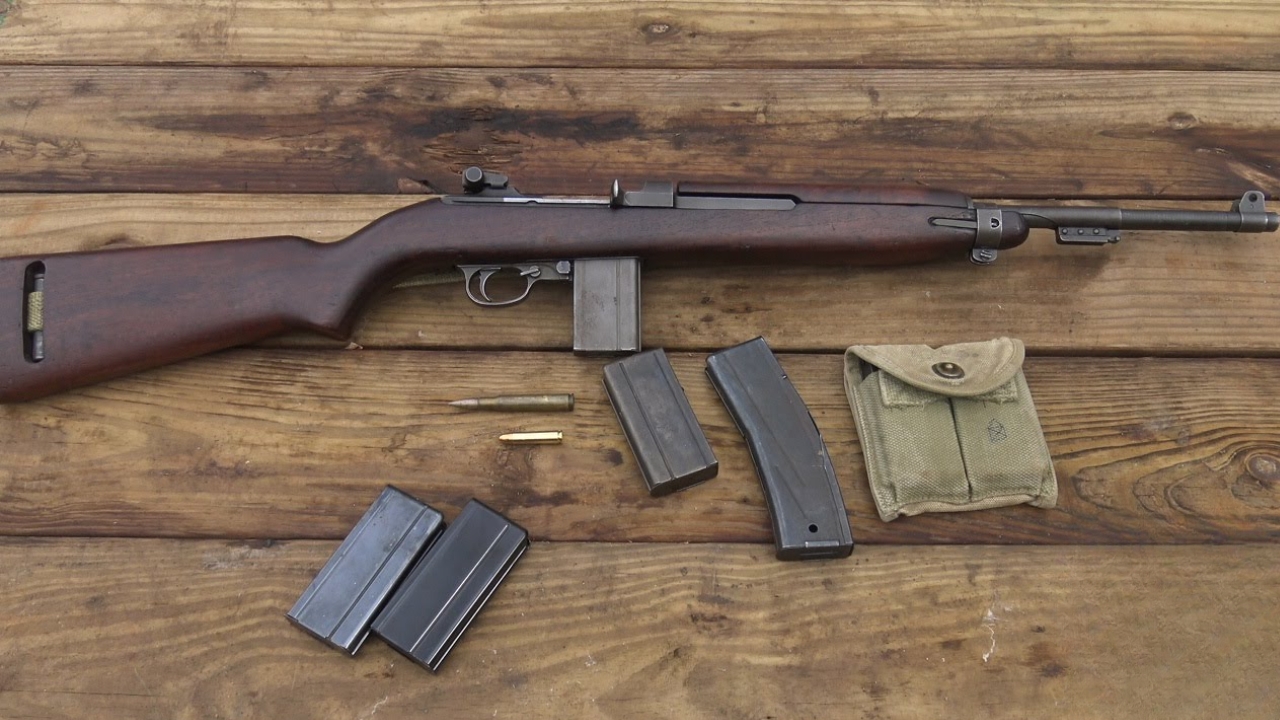
This sounds obvious to experienced shooters, but a surprising number of people who are new to old military guns assume the M1 Carbine must use some form of the same cartridge as the M1 Garand. It does not. The .30 Carbine round is its own thing entirely, and it is much smaller, lighter, and less powerful than .30-06. That difference is one of the main reasons the rifle could stay so compact and easy to handle.
The cartridge was part of the whole package from the beginning. The Army was not trying to cram rifle-level recoil and power into a tiny gun. It wanted something lighter and more controllable, especially for troops who were not frontline infantry. The result was a cartridge that sat somewhere between a pistol round and a full rifle round in the minds of many shooters, which is part of why the M1 Carbine has always sparked debate.
It was a huge success almost immediately

A lot of military firearms earn their reputation over time, but the M1 Carbine caught on fast. Troops liked that it was light, compact, quick to shoulder, and much easier to carry than a Garand. In the kind of close and chaotic environments many soldiers found themselves in, that mattered a lot. It was easier to keep on you, easier to move with, and easier to bring into action in a hurry.
That quick popularity is important because it shows the rifle solved a real problem. This was not some forgotten side project that never really proved itself. The M1 Carbine got into the hands of people who had to carry weapons through miserable conditions, and many of them appreciated what it offered. It was not perfect, but it did its intended job well enough that it earned real loyalty from the people using it.
More than one company made them

A lot of people think of old military guns as something produced by one famous arms maker, but the M1 Carbine was made by a surprising list of companies during World War II. Names like Inland and Winchester are well known in carbine circles, but other manufacturers included companies better known for typewriters, jukeboxes, and business machines. That tends to catch people off guard the first time they dig into carbine history.
That huge production effort says a lot about how important the rifle became. Once America ramped up for war, the government pulled in all kinds of industrial muscle to get the job done. The M1 Carbine was one of the clearest examples of that. It was not just a gun story. It was an American manufacturing story too, with all kinds of companies adapting fast to help turn out rifles by the millions.
It became one of the most-produced U.S. military firearms ever
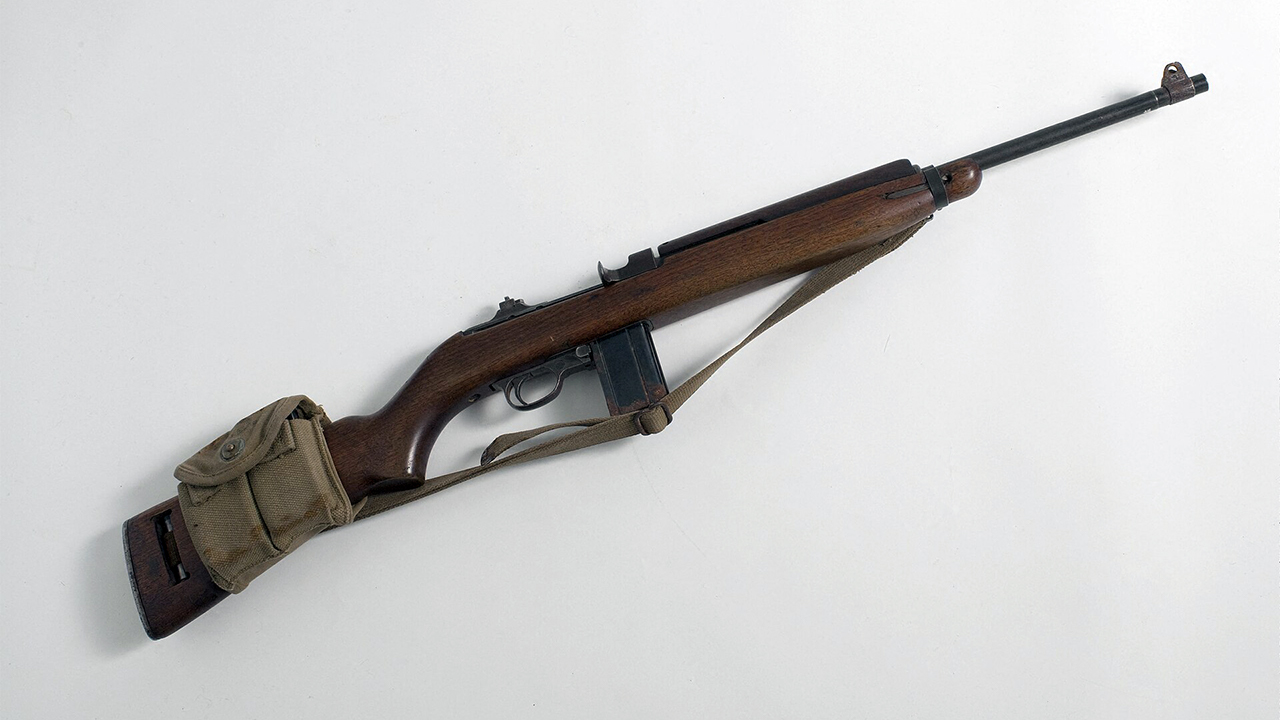
The M1 Carbine was not just popular. It was produced in enormous numbers. More than six million were made during the war, which put it among the most-produced U.S. military small arms ever. That surprises some people because the Garand usually gets more of the glory in the public imagination, but the carbine was everywhere.
That level of production helps explain why the rifle spread so widely after the war. There were simply so many of them in circulation. They ended up in military stockpiles, foreign aid programs, police use, civilian collections, and surplus sales. The M1 Carbine was not some rare wartime oddity. It was one of the defining shoulder arms of its era, and the production numbers prove just how central it really was.
The “M1” in the name does not mean it is the same as the Garand

This trips people up all the time. The M1 Garand and the M1 Carbine both have “M1” in the name, but that does not mean one is just a smaller version of the other. “M1” is a designation, not a promise that the guns share the same design, cartridge, or role. They are very different firearms built for different purposes, even though their names sound closely related.
That confusion gets worse because both guns became icons of the same era. People naturally assume they must be closely linked beyond appearance and timing. In reality, the M1 Carbine has its own operating system, its own cartridge, and its own mission. It lived alongside the Garand, but it was never meant to be a substitute for it in the traditional infantry-rifle sense.
The M2 Carbine added full-auto capability
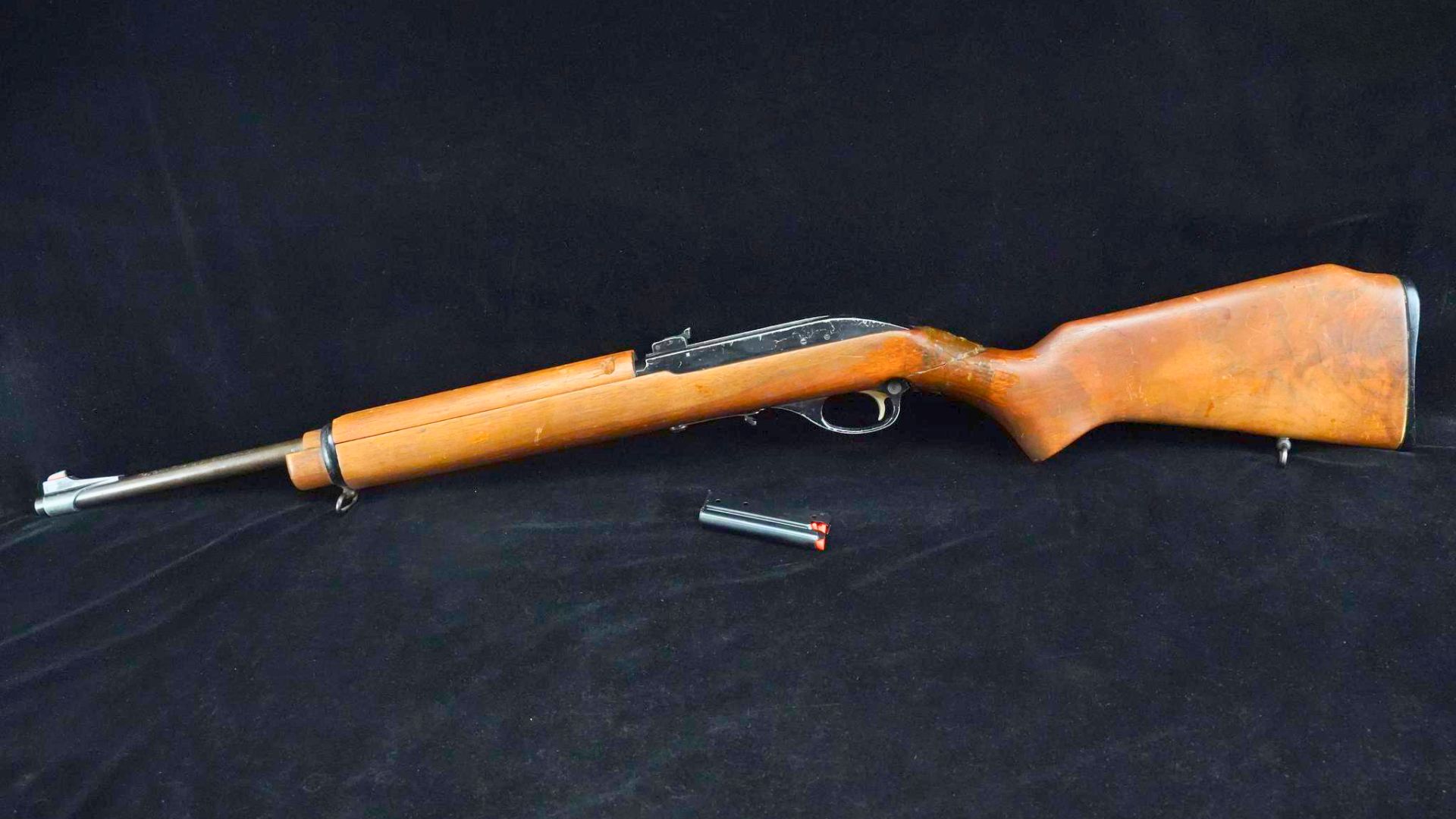
A lot of casual shooters do not realize the M1 Carbine eventually led to the M2 Carbine, which could fire full-auto. That select-fire version came later in the war and added another layer to the platform’s history. It showed that the basic design was flexible enough to be pushed into a more aggressive role when needed, even if that came with the usual trade-offs of controllability and ammo use.
The M2 also helps explain why the carbine platform stayed interesting after World War II. It was not locked into one exact form forever. The design evolved, and the military clearly saw enough value in it to keep adapting it. That kind of development does not happen with a gun nobody cares about. The M1 Carbine platform had enough promise to keep getting attention.
It saw action beyond World War II
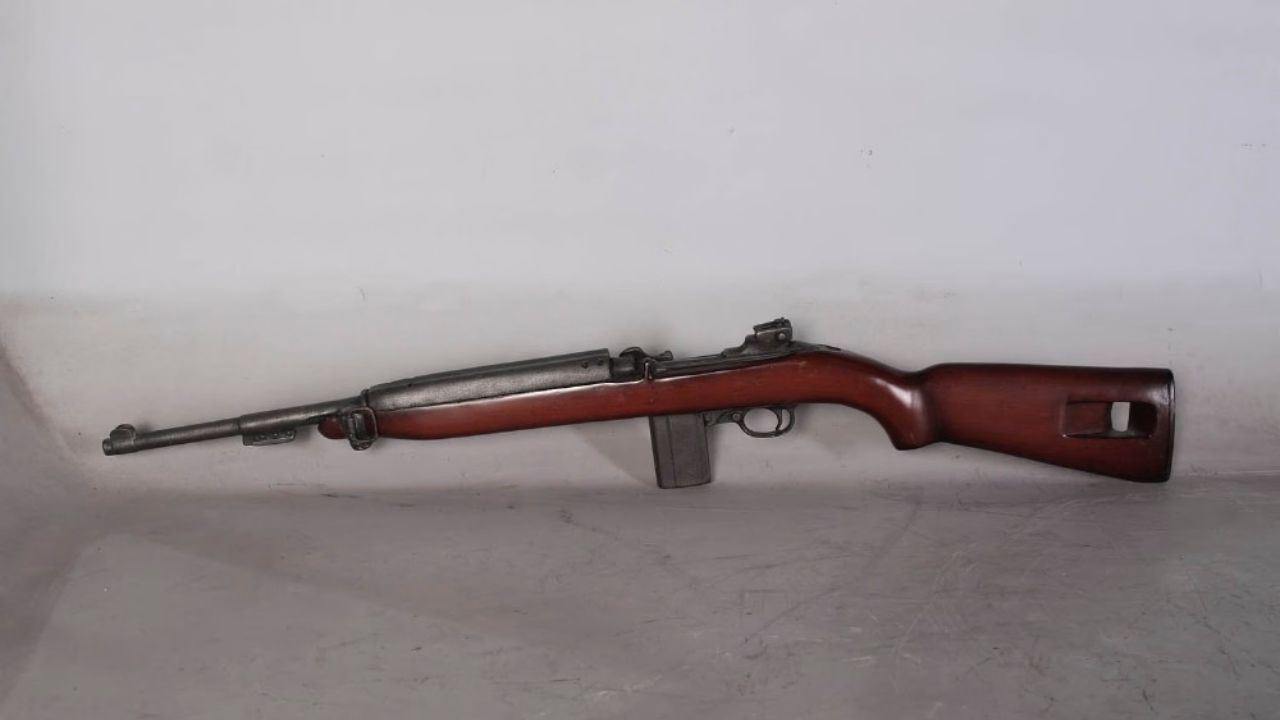
Some people think of the M1 Carbine as purely a World War II gun, but it absolutely lived beyond that war. It saw service in Korea and continued to show up in other conflicts and foreign military inventories long after 1945. By then, the rifle had already earned a place in military history, but its working life was far from over.
That longer service record matters because it proves the gun was more than a wartime convenience item. It kept getting issued because it was still useful. Even when newer firearms started arriving, the M1 Carbine remained handy enough and common enough to stay in the mix. That extended relevance is one reason it still holds such a strong place in both collecting and shooting circles today.
Paratroopers had a folding-stock version
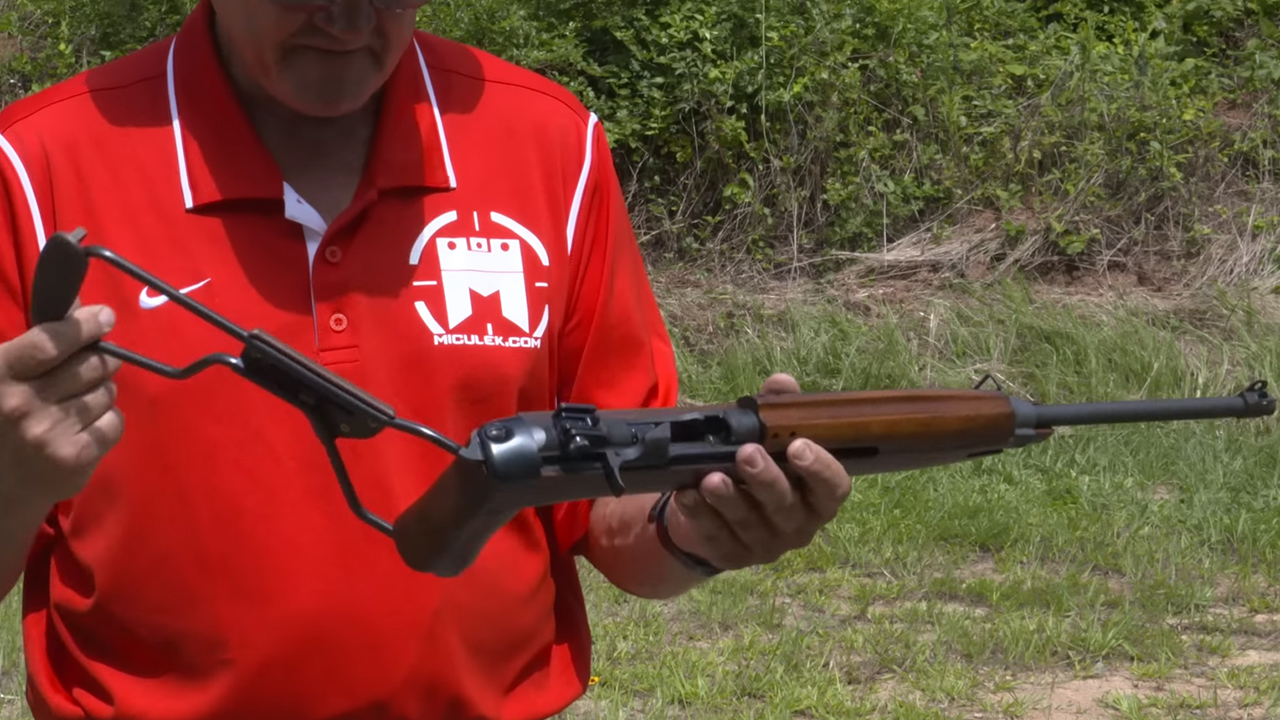
One of the cooler versions of the M1 Carbine was the M1A1, the folding-stock model associated with paratroopers. That version made a compact rifle even easier to carry during airborne operations and gave the carbine one of its most recognizable silhouettes. A lot of people know the look instantly, even if they do not know the exact variant name.
That folding-stock version also added to the rifle’s long-term collector appeal. It gave the platform a little more personality and made it stand out even more in photos and films. For many shooters, the paratrooper carbine is the version that really burns the M1 Carbine into memory. It is practical, historic, and visually distinct in a way that makes people pay attention.
It was easier for many troops to shoot well than a pistol
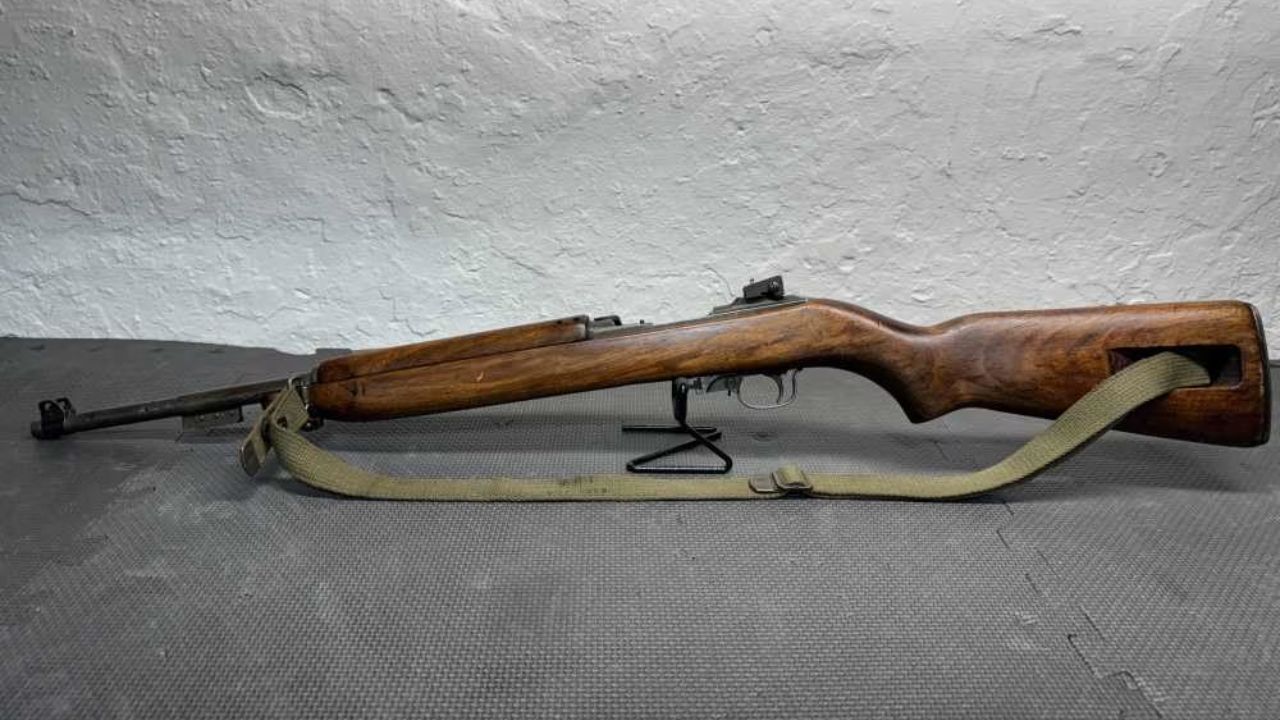
This may sound obvious now, but it was a big deal at the time. For troops who were not dedicated riflemen, a lightweight shoulder-fired gun was often a much better choice than handing them a handgun and hoping for the best. Pistols are harder to shoot well under stress, especially for less-trained users. The M1 Carbine gave those troops a much better chance of making solid hits quickly.
That was really the whole point. The Army wanted something that gave non-infantry troops more practical firepower than a sidearm without burdening them with a full-size battle rifle. The carbine hit that sweet spot. It was easier to carry than a Garand, but far more useful than a pistol for most real-world military situations. That alone made it valuable.
It became popular with civilians after the war
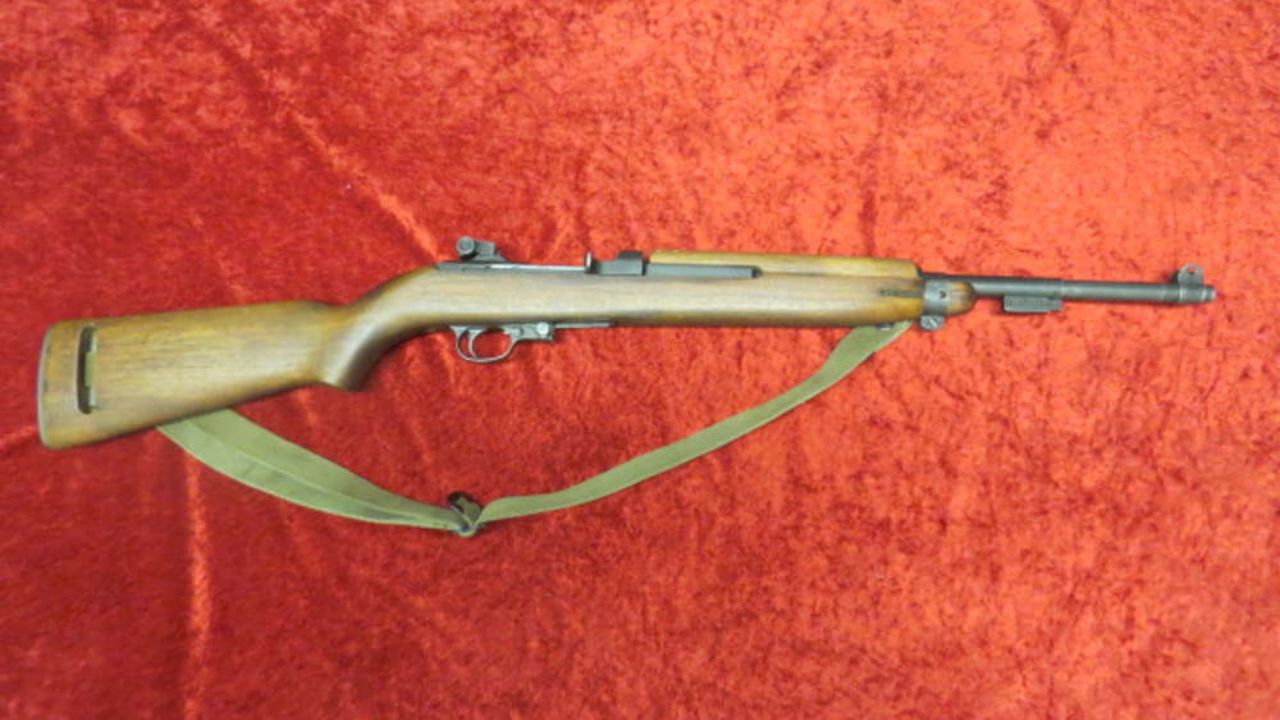
Once war surplus and civilian-market carbines became more common, the M1 Carbine found a strong following in the United States. Shooters liked that it was light, soft-shooting, historically important, and easy to handle. It also had a practical side that appealed to people who wanted a compact rifle for plinking, small property use, or just general enjoyment at the range.
That civilian popularity helped preserve the rifle’s reputation. A lot of military arms fade into collector-only status, but the M1 Carbine stayed approachable. It is one of those guns that can pull in a history buff, a military collector, and a casual shooter all at once. Not many old service rifles do that quite as naturally. The carbine’s ease of use helped keep it alive in American gun culture.
Some people expected too much from the cartridge

The .30 Carbine round has been debated for decades, and part of that comes from people expecting it to behave like something it was never supposed to be. It was not a full-power rifle cartridge, and it was not trying to match .30-06. But once a gun gets used in combat, people naturally judge it by combat standards, sometimes without giving enough weight to the original mission.
That gap between expectation and design is a big reason the M1 Carbine still gets argued over today. Some people look at it through the lens of what it was built to do and think it makes perfect sense. Others judge it more harshly because of what they wish it had been. Either way, the fact that people still argue about it tells you the rifle left a mark.
It had a 15-round magazine before that sounded normal
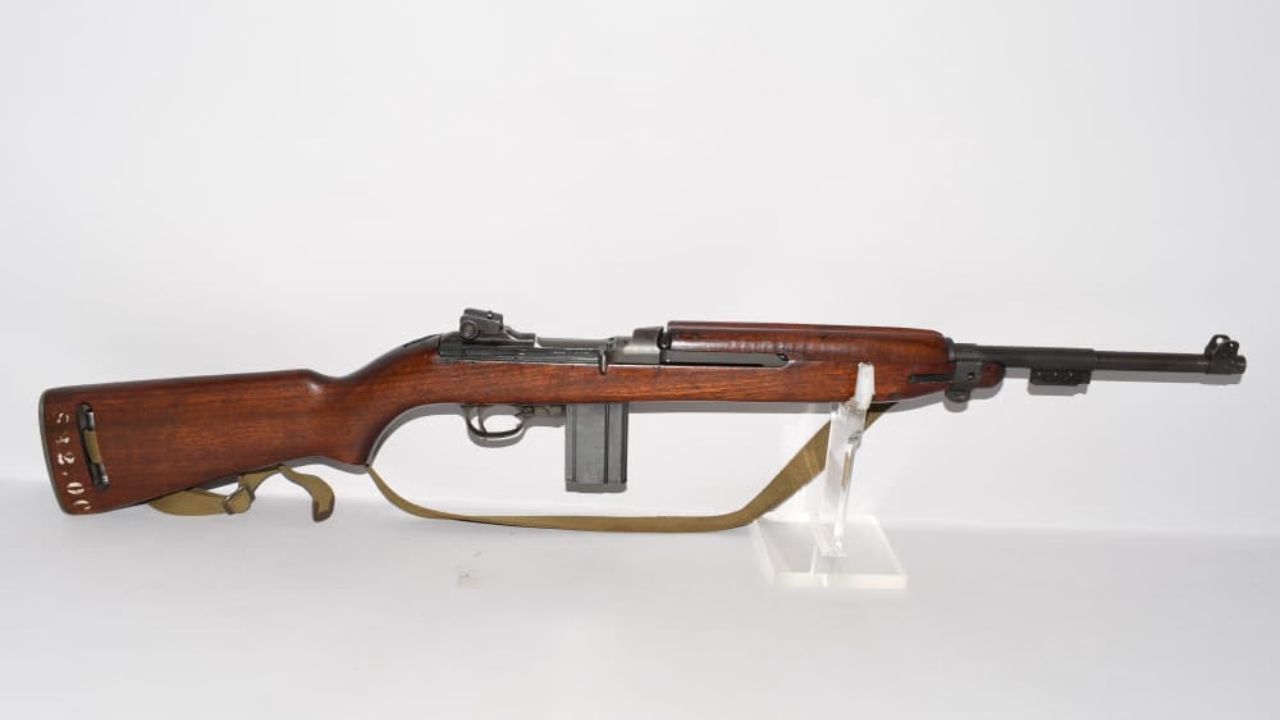
Today, magazine capacity arguments go in all kinds of directions, but back when the M1 Carbine came out, a handy shoulder rifle with a detachable 15-round magazine was a pretty appealing package. It gave troops a useful amount of firepower in a compact gun without the bulk of larger battle rifles and their heavier ammunition. For the time, that was a very practical balance.
That setup also helped make the carbine feel modern in a way some older rifles did not. It was light, fast, and easy to reload. The combination of detachable magazines and low recoil made it especially approachable for the role it was built for. It was not ahead of its time in every sense, but in terms of portability and ease of use, it definitely felt like a smart step forward.
It spread all over the world after U.S. service

The M1 Carbine did not stay an American-only story. Large numbers were sent overseas through military aid, security assistance, and postwar surplus channels. That means the rifle showed up in the hands of foreign militaries, police forces, and irregular fighters in all kinds of places. A lot of people do not realize just how far the M1 Carbine traveled after America was done using it as a front-line standard arm.
That worldwide spread is part of what makes the rifle such a big historical piece. It was not just a U.S. wartime firearm. It became a global firearm. That kind of afterlife gives a gun a much larger footprint than its original issue period might suggest. When a rifle keeps turning up in different corners of the world, that tells you it had real staying power.
It is still one of the friendliest old military guns to shoot
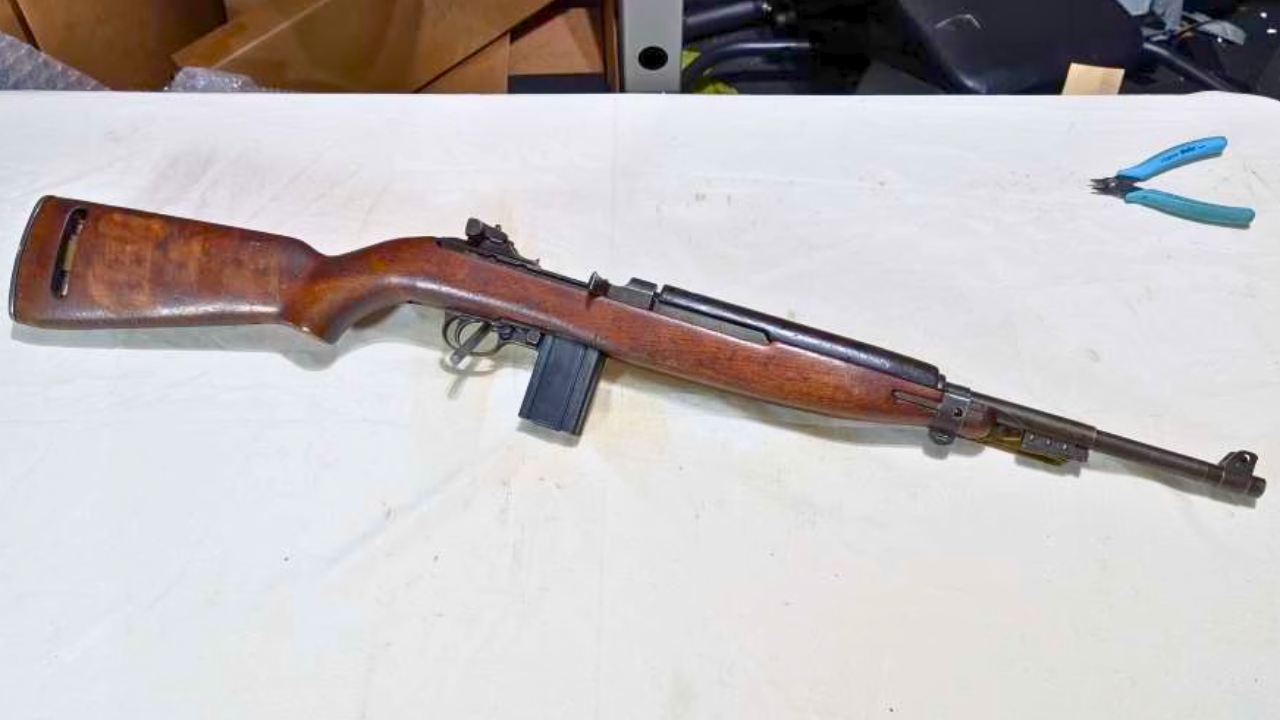
A lot of classic military rifles are interesting to own but not always something everybody wants to shoot for fun. The M1 Carbine is different. It is lighter than many old service rifles, softer-shooting than big battle rifles, and generally easier for newer shooters to handle. That makes it one of the most approachable historic military guns a regular person can take to the range.
That easy-shooting nature is a big reason the rifle still has fans outside hardcore collector circles. You do not have to be a World War II historian to enjoy an M1 Carbine. You can appreciate it simply because it is light, lively, and pleasant to run. Plenty of old military guns are respected. The M1 Carbine is one of the few that is also just plain fun.
Like The Avid Outdoorsman’s content? Subscribe to our newsletter so you never miss an article.
Here’s more from us: