Photo credit: Pistol Pete/YouTube
Some handguns come ready to run without you touching a thing. Others feel like they were shipped halfway finished, almost expecting you to start swapping parts before they ever see a holster. If you’ve been around pistols long enough, you’ve seen the pattern—great frames paired with rough triggers, sights that look like placeholders, or controls that never should’ve passed testing. None of these guns are unusable, but they all benefit from immediate improvements if you’re planning to carry them, train with them, or put them through any real volume. These aren’t basket cases; they’re pistols that simply need a little help to become what they should’ve been from the factory.
Glock 43

The Glock 43 is a dependable little carry gun, but the stock trigger leaves plenty to be desired. It’s spongy, inconsistent, and does nothing to help accuracy at distance. Many shooters immediately replace it with something cleaner and lighter to tighten groups and improve feel. The factory sights are also basic polymer pieces that wear quickly and are easy to deform.
Upgrading to steel night sights or a high-visibility set turns the 43 into a much more confident carry option. The bones of the gun are solid, and it runs like you’d expect from Glock, but those two changes make a noticeable difference. Most owners who shoot it regularly agree the improvements aren’t luxuries—they’re almost requirements.
Smith & Wesson SD9VE
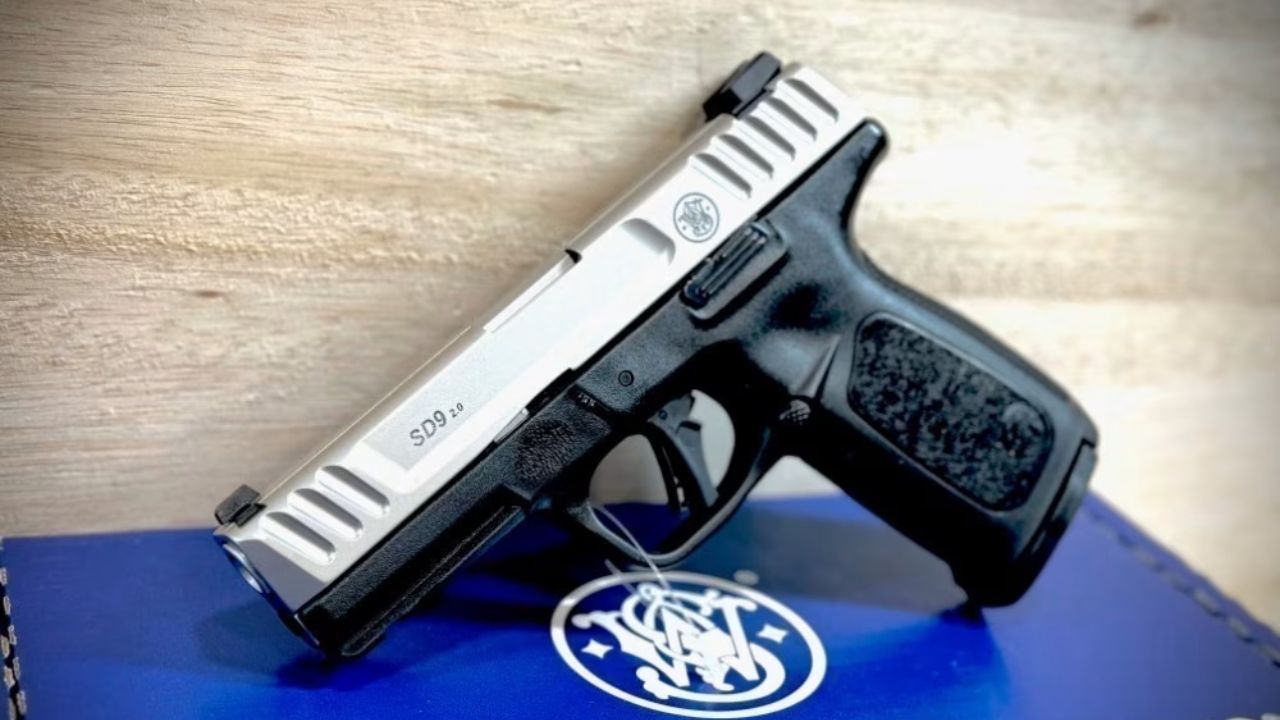
The SD9VE is known for reliability and ergonomics, but the factory trigger is notoriously heavy. It’s one of the most common complaints, and it’s the first thing most owners replace. The long, gritty pull works against the pistol’s otherwise decent accuracy, especially for new shooters trying to improve their fundamentals.
Aftermarket triggers and springs make the SD9VE far easier to shoot well. Many shooters also choose to swap the stock sights for something more durable or visible. With those upgrades, the gun becomes a legitimately strong performer for the price, but out of the box it’s held back by parts that simply don’t do the platform justice.
Ruger LC9 (First Gen)
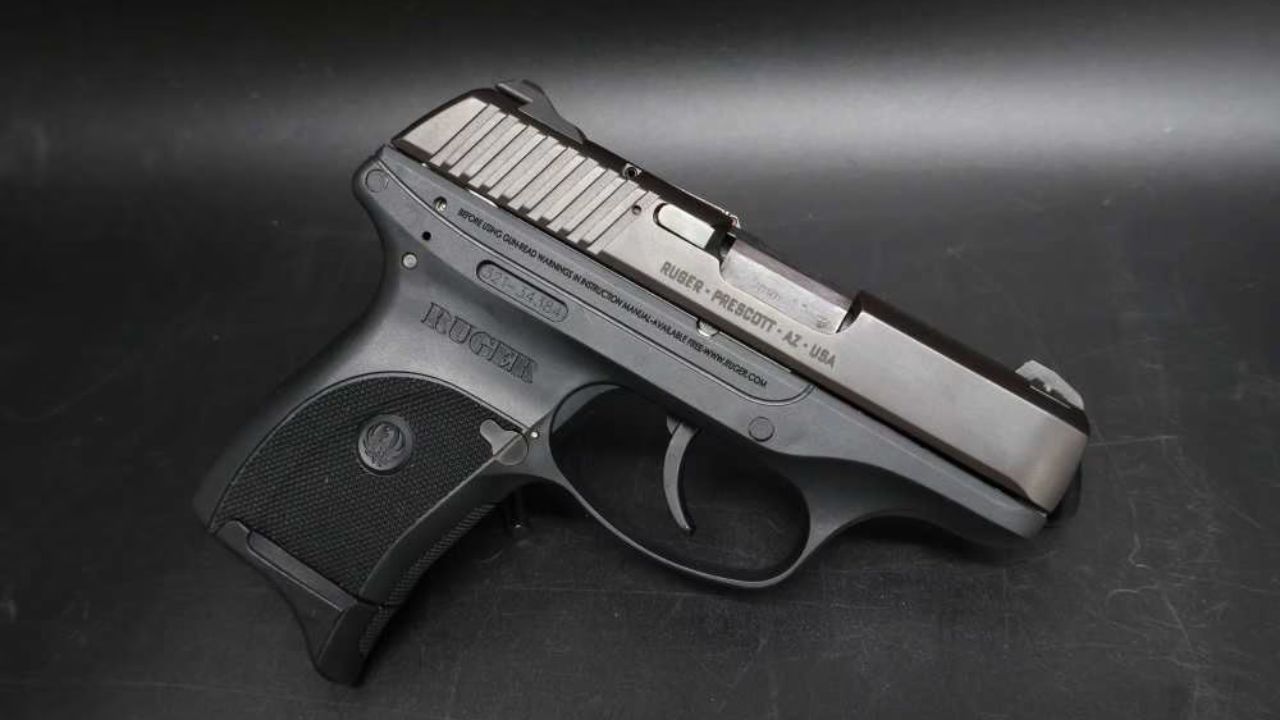
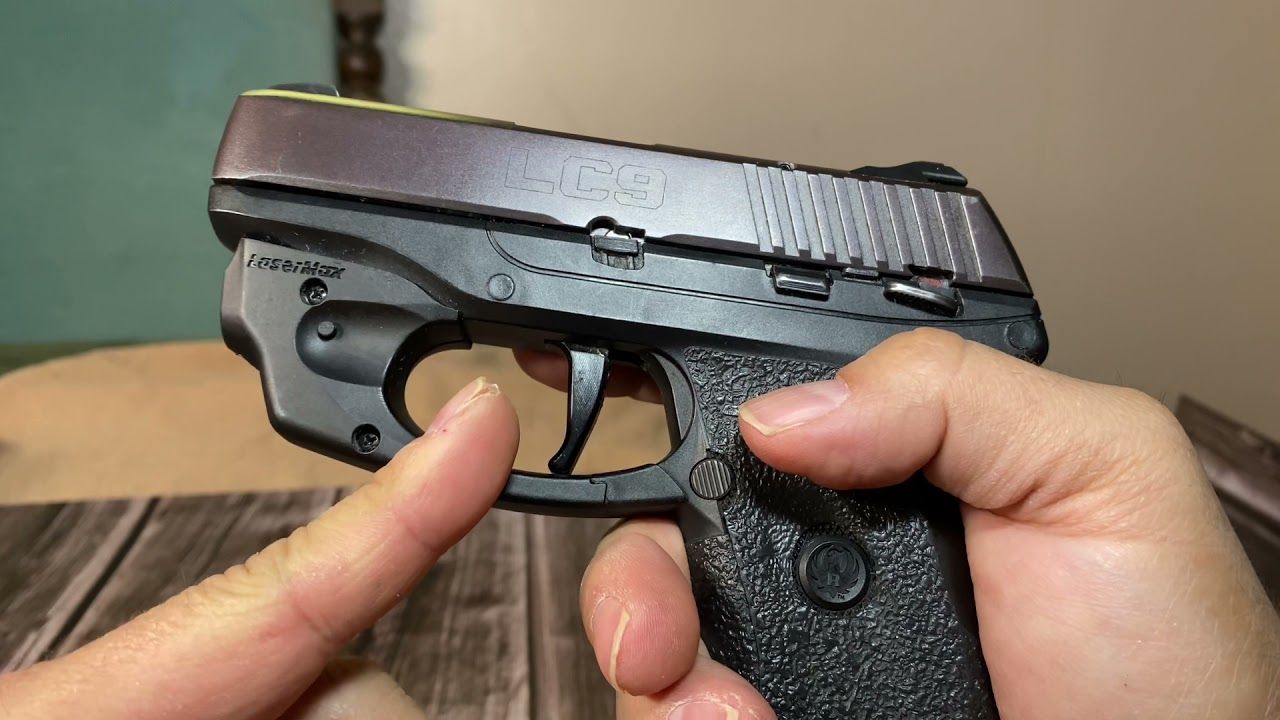
The first-gen LC9 has a famously long and heavy trigger pull that slows everything down and makes precision tougher than it should be. It’s a reliable pistol that carries well, but getting used to that trigger takes time—and many shooters decide it’s better to upgrade or switch to the LC9s.
The sights are usable but small, especially in low light. Many owners replace them right away with something easier to pick up. Once those two areas are addressed, the LC9 becomes a far more comfortable everyday-carry gun. But from the factory, it asks a lot of its shooter with controls that aren’t doing anyone favors.
Taurus G2C
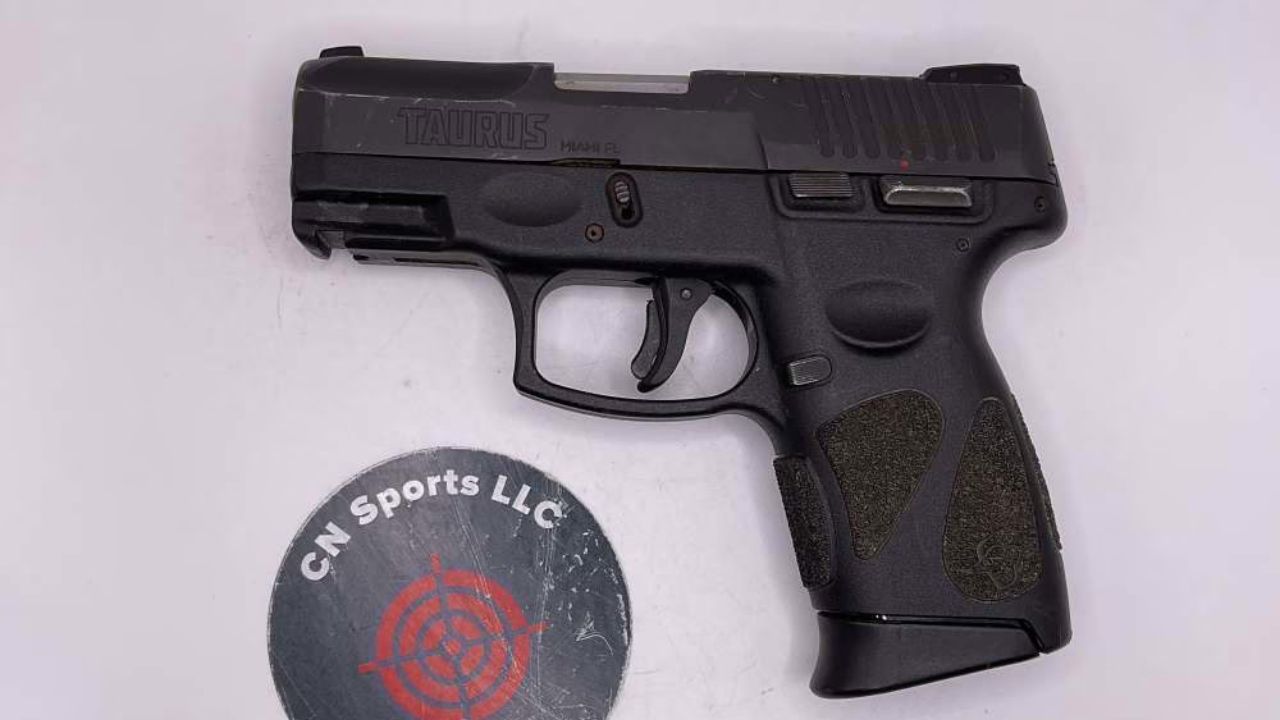
The G2C offers solid value, but the trigger can feel mushy and unpredictable out of the box. It has a unique reset that some shooters struggle with, and upgrading to a smoother aftermarket unit makes the gun feel far more controllable.
The factory sights are simple and serviceable, but not great for fast work or low-light use. They’re usually one of the first things owners upgrade. Once you address those weak points, the G2C settles into a reliable and comfortable carry option. Without those changes, it can feel like a gun fighting against its own potential.
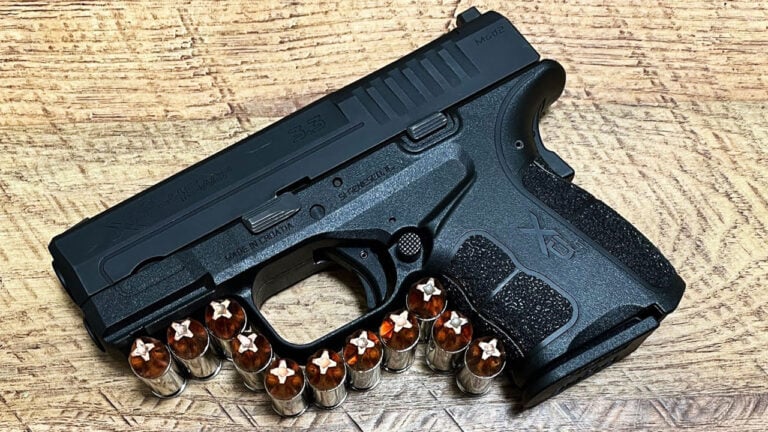
Springfield XD-S 3.3 (First Gen)

The original XD-S has a sharp recoil impulse that makes follow-up shots slower than you’d expect for a single-stack. The factory trigger isn’t terrible, but it’s gritty enough that many shooters immediately replace it for improved feel and consistency.
Better sights also make a noticeable improvement, as the factory setup isn’t ideal for quick target acquisition. After these upgrades, the XD-S handles better and becomes much easier to shoot accurately. The base gun is dependable, but those factory parts keep it from being the smooth carry option it could’ve been right out of the box.
KelTec PF-9

The PF-9’s weight and size make it appealing for deep concealment, but its harsh recoil and long trigger pull hold it back. Most shooters who stick with the platform end up replacing the trigger to improve feel and speed. The gun also benefits from upgraded sights, as the factory set is small and shallow.
With a few aftermarket changes, the PF-9 becomes manageable and reasonably accurate. Without them, many shooters find it tough to train with for any extended session. It’s a perfect example of a gun that needs help before it becomes a reliable partner.
Beretta Nano

The Nano’s snag-free design works well for carry, but the trigger has always been a sticking point. It’s heavy and slow, keeping the pistol from performing to the level people expect from Beretta. Many owners immediately upgrade it to improve precision and general shootability.
The sights are also plain, and because the Nano is a small gun with limited surface area, brighter sights make a noticeable difference. Once you swap those components, the Nano becomes a more capable little pistol, but from the factory it feels like it’s holding itself back.
SIG Sauer Mosquito
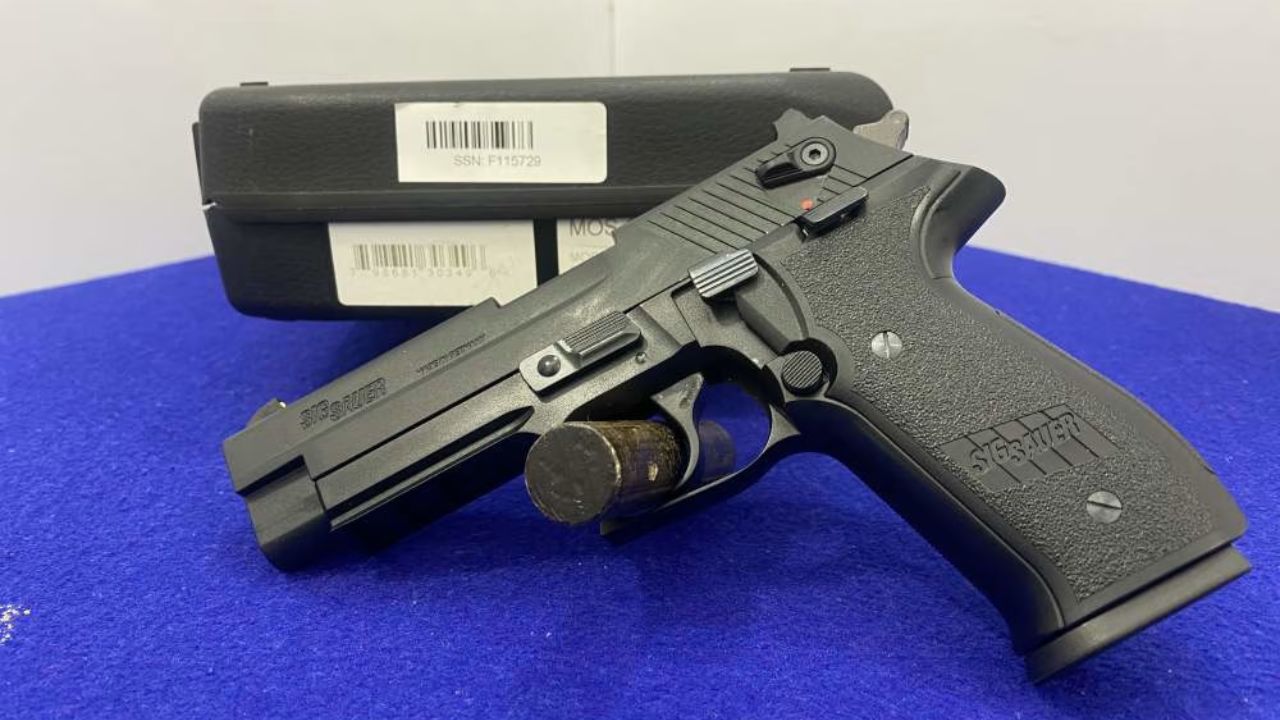
The Mosquito is one of the most ammo-sensitive .22 pistols out there, and most shooters quickly learn that upgrades—or very specific ammo—are required to get it running well. Lighter springs, improved magazines, and polishing work often help bring reliability closer to the spec sheet.
The trigger also benefits from smoothing or replacement, as the factory pull can limit accuracy. Once tuned, the Mosquito is enjoyable, but in stock form it struggles to meet the expectations people have for the SIG name. It’s one of those pistols that practically begs for aftermarket attention.
Ruger LCP (First Gen)

The original LCP is tiny, lightweight, and easy to carry, but the factory trigger is long, heavy, and not great for precision. Many owners immediately upgrade it to improve both accuracy and comfort. The sights are also minimal to the point of being nearly decorative, so they’re another common first-week change.
With those upgrades, the LCP becomes a practical deep-concealment tool. Without them, it’s tough to shoot beyond a few yards with any consistency. The base design is excellent for carry, but the factory setup leaves real performance on the table.
SCCY CPX-2

The CPX-2’s double-action trigger is long and heavy, and while some shooters adapt to it, many choose to replace it with something smoother. The gun is reliable for the price, but that trigger makes accurate shooting far more challenging than necessary.
The factory sights are another area owners often address right away. Brighter, more visible options make a big difference in speed and confidence. Once upgraded, the CPX-2 becomes a surprisingly solid pistol for budget-minded shooters, but out of the box it can feel limited.
Remington RP9
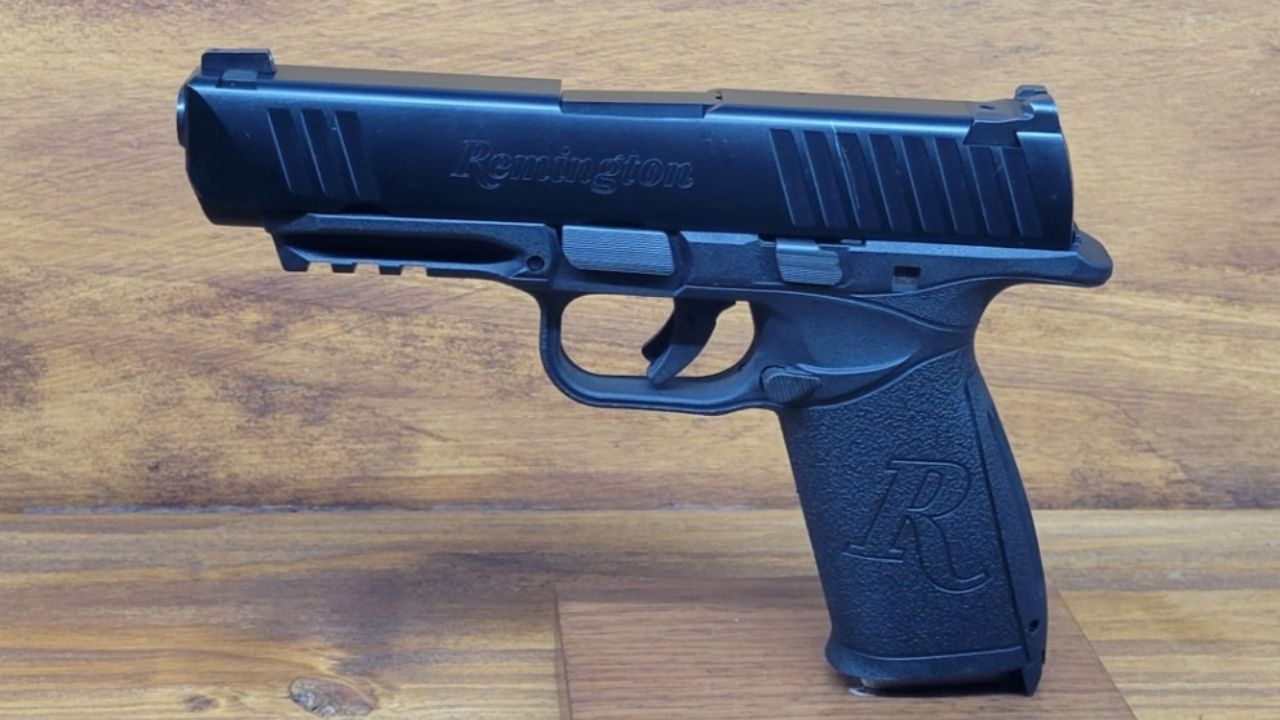
The RP9 had potential thanks to its capacity and ergonomics, but the factory trigger lacked refinement. Many shooters found it mushy and inconsistent, which hurt accuracy and overall confidence in the platform. An upgraded trigger transforms the RP9 into a much more workable pistol.
Some shooters also replace the sights for something more visible or rugged. With those upgrades, the gun behaves well, but in stock form it never lived up to the expectations set by its size and feature list.
CZ P-10S (Early Models)

Early-run P-10S pistols had stiff triggers and a reset that didn’t match the crisp feel CZ fans expected. Many shooters chose to upgrade the trigger to bring the gun’s performance closer to the larger P-10 models.
Some owners also found the factory sights lacking for quick work. Upgrading them enhances the pistol’s handling and accuracy. Once improved, the P-10S becomes a compact performer, but its early stock configuration leaves room for improvement.
Bersa Thunder 380
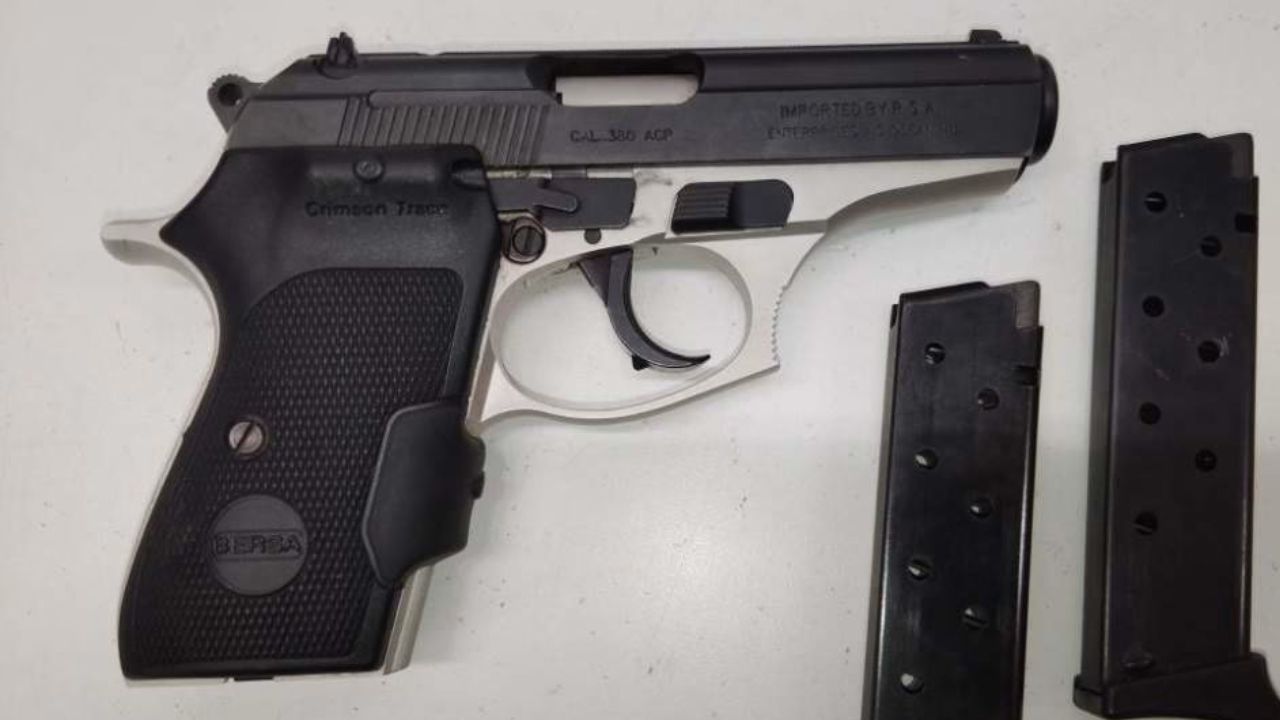
The Bersa Thunder is a classic, but the DA pull on many examples is extremely heavy. Shooters who want better first-shot accuracy often lighten or smooth the trigger. The sights work, but modern replacements offer better visibility and faster alignment.
With those changes, the Thunder becomes a capable and enjoyable shooter. Without them, the heavy pull and dated sight picture can hold it back. It’s a pistol with good bones, but it benefits from a little modernization right away.
Walther CCP (First Gen)
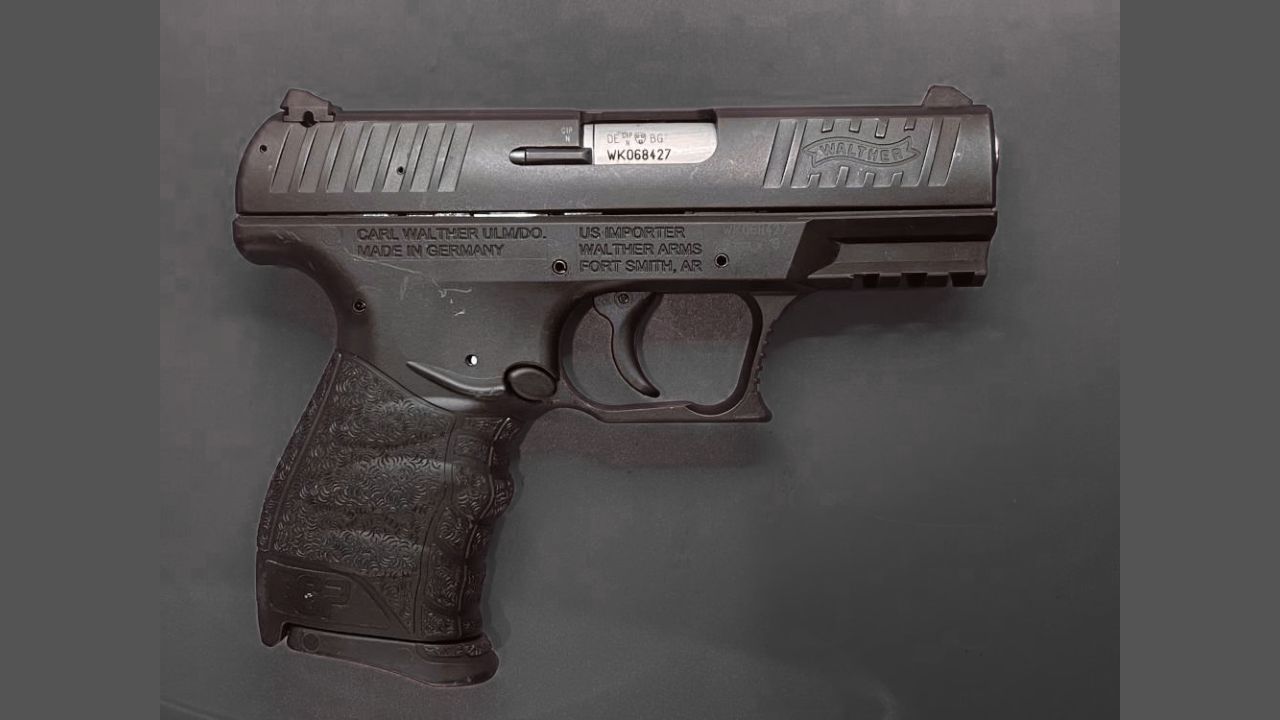
The first-gen CCP promised a smooth, soft-shooting experience, but its trigger and early reliability concerns kept it from reaching that potential. Many shooters upgraded the trigger immediately to get the feel they expected based on Walther’s reputation.
Because the gas system can run dirty, some owners also smooth contact points or replace small parts to improve consistency. With upgrades, the CCP becomes pleasant and accurate. Stock, it can feel like a work in progress.
FN FNS-9 Compact (Early Models)
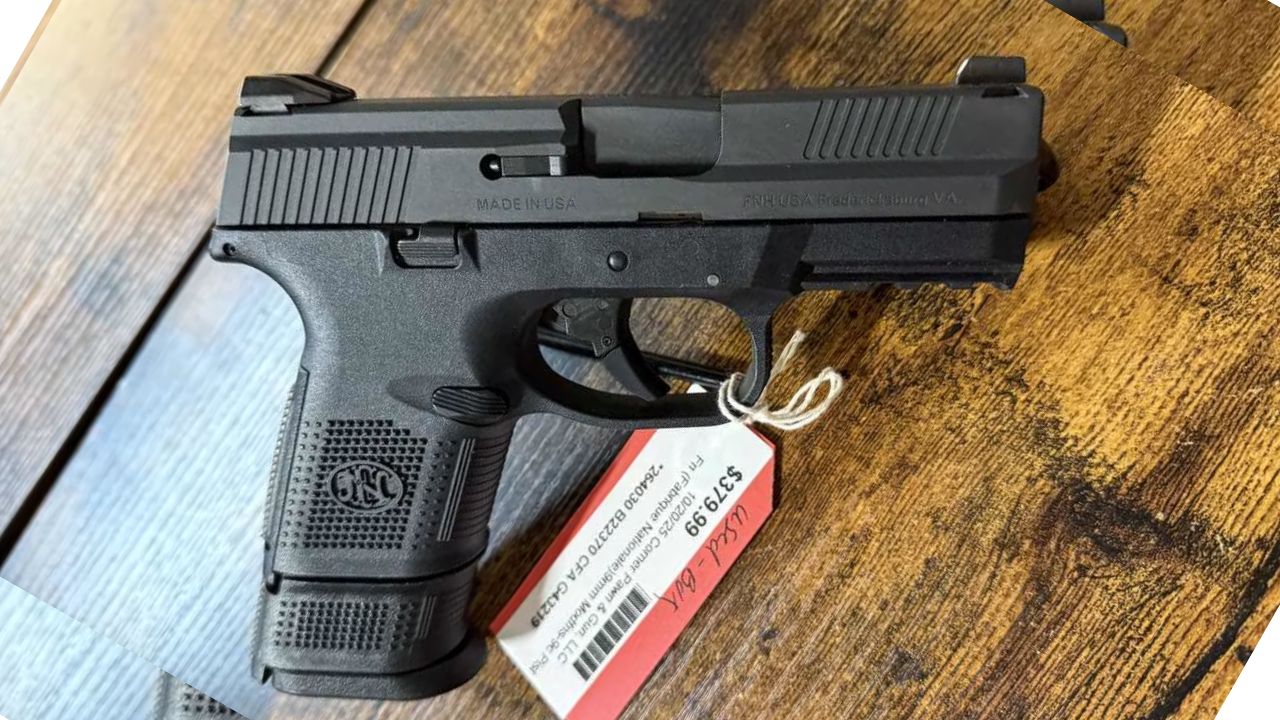
Early production FNS-9 Compact pistols had inconsistent triggers that held back accuracy. Many shooters upgraded them right away to achieve the crispness they expected from FN. The sights are decent, but enhanced options improve both speed and low-light capability.
With those changes, the gun becomes what it should’ve been from the start. Without them, it feels like a capable design hampered by parts that don’t match the quality of the frame and slide.
Like The Avid Outdoorsman’s content? Be sure to follow us.
Here’s more from us:
The worst deer rifles money can buy
Sidearms That Belong in the Safe — Not Your Belt
*This article was developed with AI-powered tools and has been carefully reviewed by our editors.