Photo credit: Gun Geeks, LLC/GunBroker
Beretta has the kind of history most gun companies cannot even pretend to have. The company goes back to 1526 in Gardone Val Trompia, Italy, and Beretta says the family has led the business for 15 generations. That is not normal longevity. That is almost hard to wrap your head around in a market where brands get bought, sold, renamed, and watered down every few decades.
But Beretta does not feel proven only because it is old. Age by itself does not make a gun worth trusting. Beretta still matters because its guns have served militaries, police, competitors, hunters, clay shooters, and concealed carriers across generations. The company built pistols, shotguns, rifles, and military arms that actually got used hard. That is the difference between a brand with history and a brand still earning respect.
Beretta Has Been Around Long Enough to Outlast Almost Everyone
Beretta’s age is not just a trivia point. A firearms company founded in 1526 has survived wars, political shifts, industrial revolutions, changing militaries, changing hunting culture, and huge swings in civilian gun demand. That kind of survival says something about the company’s ability to adapt. It could not have stayed alive for nearly 500 years by making one kind of gun for one kind of buyer.
That longevity gives Beretta a kind of built-in credibility. Shooters may argue about specific models, but the name itself carries weight because it has been attached to working firearms for centuries. Plenty of gun companies have a golden era and then fade. Beretta kept evolving from old-world armsmaking into modern pistols, sporting shotguns, tactical shotguns, and military contracts. A brand does not stay relevant that long by accident.
The 92 Series Became One of the Most Recognizable Pistols Ever
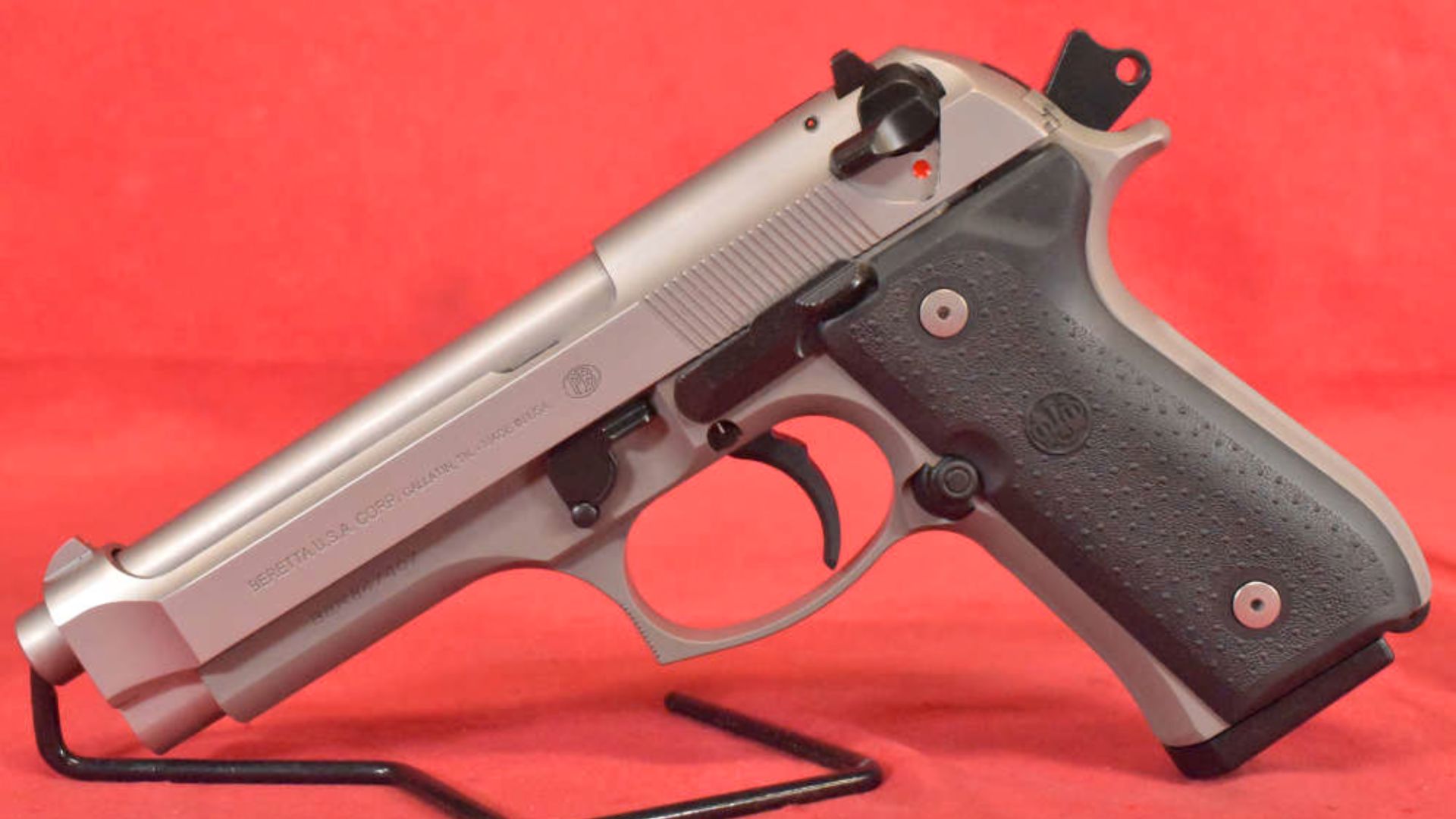
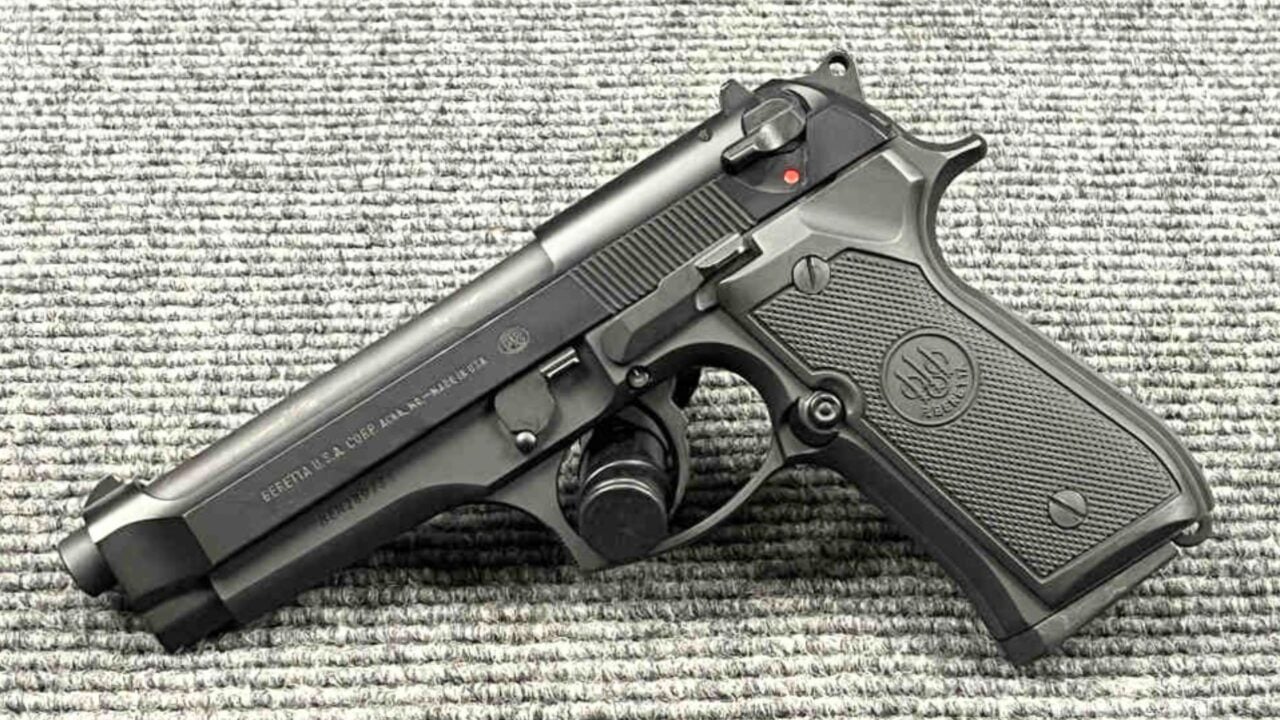
The Beretta 92 series is one of the biggest reasons the brand still feels proven to American shooters. The open-slide profile, exposed barrel, slide-mounted controls, double-action/single-action trigger, and large alloy frame made it instantly recognizable. Even people who do not know much about handguns often recognize the shape because the 92 showed up in military service, police use, movies, and gun shops for decades.
The 92’s reputation is not based only on looks. It became known as a soft-shooting, accurate, full-size 9mm pistol with a long service record. Some shooters do not like the grip size or slide-mounted safety, and those complaints are fair. But the pistol earned respect because it worked for a lot of people in a lot of places. A gun does not become that recognizable unless it has been carried, tested, copied, criticized, defended, and shot by generations of users.
The M9 Put Beretta in American Military Holsters for Decades

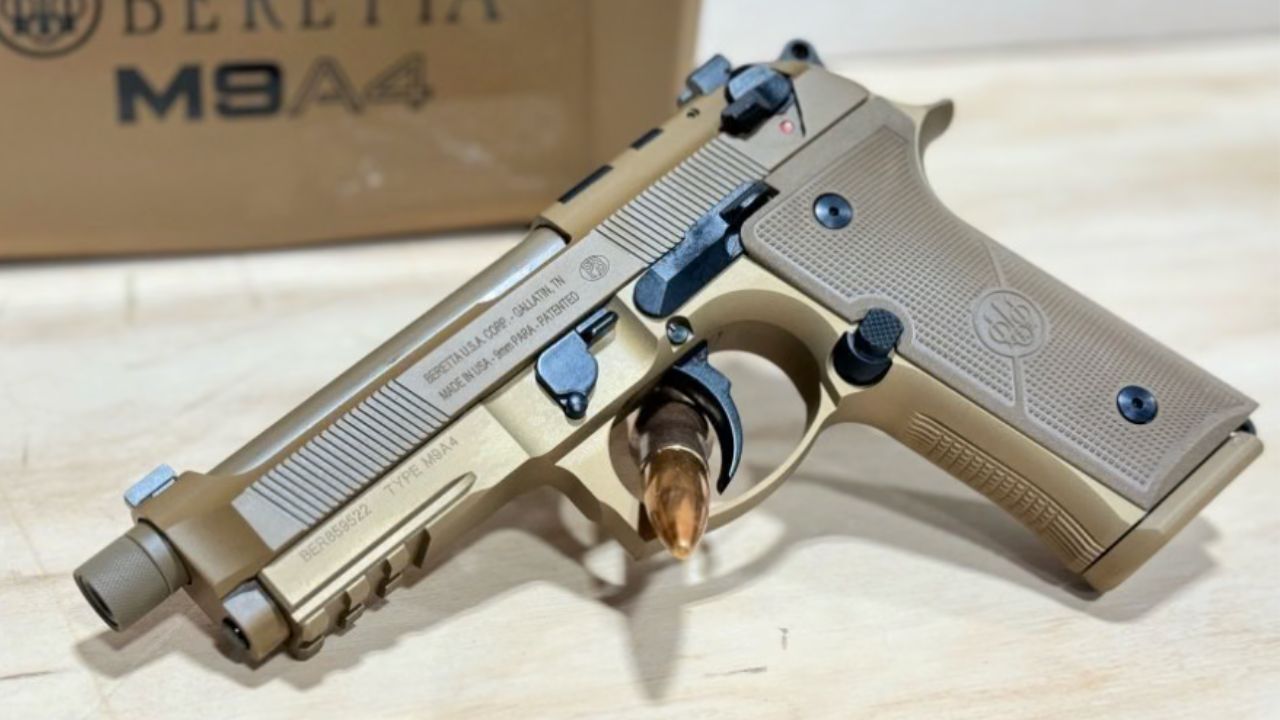
When the U.S. military adopted the Beretta 92F as the M9 in 1985, it changed Beretta’s standing in the American market. The M9 replaced the long-serving M1911A1 as the standard U.S. military sidearm, which was a massive shift. Leatherneck magazine notes that the U.S. Army officially adopted the Beretta 92F as the M9 on Feb. 14, 1985.
That adoption gave Beretta a level of visibility most pistol makers would love to have. Millions of service members saw, carried, trained with, complained about, cleaned, and qualified with the M9. Some loved it. Some did not. That is how military guns work. But the pistol became part of American service history, and that matters. A handgun that rides through decades of military use earns a kind of credibility that marketing cannot buy.
Beretta Proved a 9mm Service Pistol Could Replace the Old .45 Mindset

The M9 adoption mattered partly because it represented a bigger shift. The U.S. military moved from the .45 ACP 1911 world into a high-capacity 9mm service pistol. That was not a small cultural change. A lot of shooters were not thrilled about leaving the big .45 behind. The Beretta had to prove that capacity, NATO standardization, shootability, and modern service-pistol design could make sense.
That helped shape how American shooters viewed 9mm. Today, 9mm dominates the defensive pistol world, but that was not always the attitude. The M9 became part of the long transition away from thinking a serious service handgun had to be a single-stack .45. It was not the only reason 9mm won, but it was one of the most visible examples. Beretta ended up right in the middle of one of the biggest handgun shifts of the modern era.
The 92FS Earned Trust Through Shootability

A lot of Beretta 92 fans defend the pistol because it shoots well. The size, weight, locking-block system, and open-slide design all contribute to a pistol that many shooters find smooth and easy to control. It is not tiny. It is not built for deep concealment. But as a range pistol, duty pistol, or home-defense gun, the 92FS has a calm shooting feel that keeps people loyal.
That shootability matters because serious pistol trust is built with rounds fired, not catalog descriptions. A pistol can look good and still be unpleasant to run. The 92FS tends to reward shooters who put in the time. The long first double-action pull takes practice, but the single-action follow-up shots are easy to like. For shooters who appreciate metal-framed DA/SA pistols, the 92FS still feels like a proven design instead of an outdated one.
Beretta Made Shotguns That Serious Clay Shooters Respect
Beretta’s shotgun reputation is just as important as its pistol history. The company has long been tied to sporting shotguns, especially over-and-unders used for clays, upland hunting, and field work. That matters because clay shooters are not easy on guns. A shotgun that sees steady sporting clays, skeet, or trap use can rack up a lot of rounds fast. Weak designs get exposed.
Beretta earned respect in that world by building shotguns that feel balanced, durable, and refined without always jumping into ultra-luxury pricing. A serious sporting shotgun has to open and close cleanly, point naturally, regulate properly, and survive volume. Beretta’s presence in that market helped keep the brand from being known only as a military pistol company. It proved Beretta could build guns for people who actually shoot a lot.
The Silver Pigeon Became a Default Over-Under Recommendation
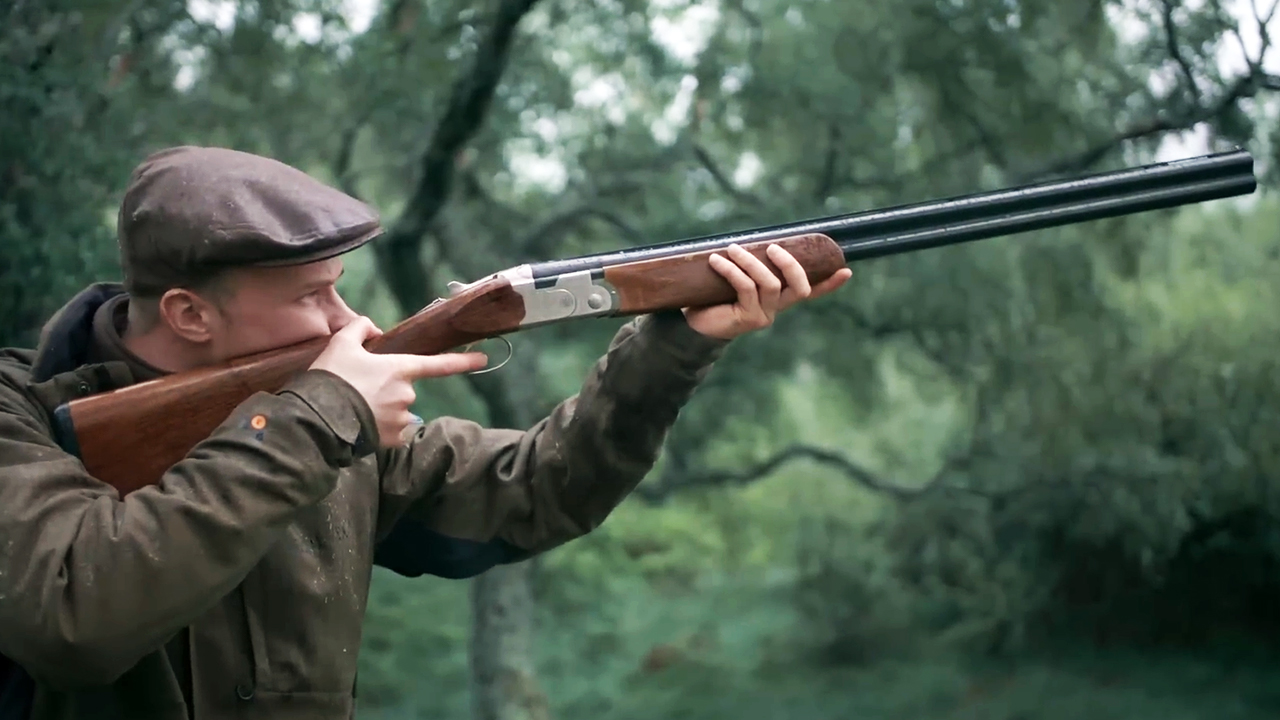
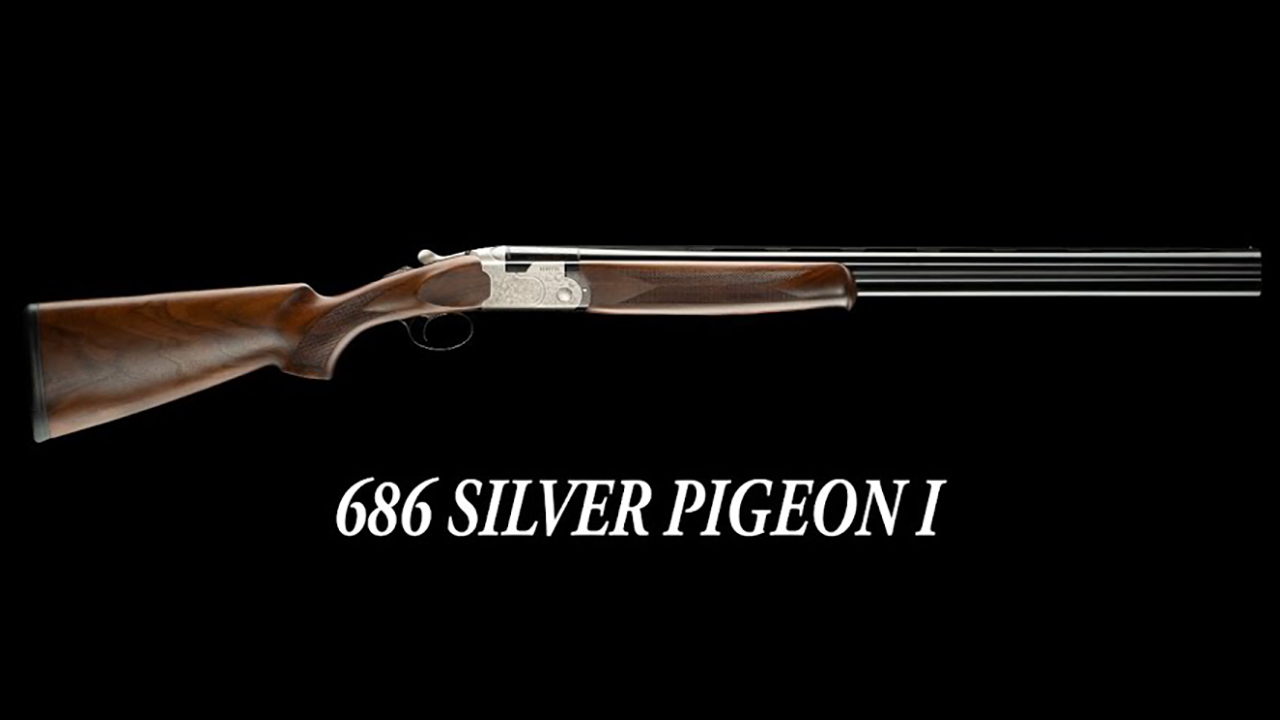
The Beretta 686 Silver Pigeon is one of those shotguns that comes up constantly when someone asks for a real over-under that can hunt and shoot clays without getting into absurd money. Beretta says the 686 Silver Pigeon I has set the standard in the over-and-under crossover shotgun category for more than 35 years.
That is why it still gets recommended. It is not the cheapest over-under, but it sits in a lane where quality, reputation, and practical use all meet. A Silver Pigeon can go to a dove field, pheasant hunt, sporting clays course, or skeet range and not feel out of place. It gives regular serious shooters a way into a respected Beretta over-under without stepping into the price range of high-end bespoke guns.
Beretta Knows How to Build Guns That Feel Balanced
Beretta’s best shotguns and pistols often have one thing in common: they feel balanced. That is hard to describe until you handle enough guns that do not. A shotgun that swings naturally is easier to shoot well on birds and clays. A pistol that tracks smoothly under recoil helps shooters stay in control. Beretta has spent generations building guns where that feel matters.
That is one reason the brand still has strong loyalty. Balance is not a flashy feature. It does not jump out like a threaded barrel, optics cut, or giant capacity number. But it shows up every time the gun moves. Hunters and clay shooters notice how a shotgun comes to the shoulder. Pistol shooters notice how the muzzle returns. Beretta built much of its reputation on guns that feel good in motion, not just good in photos.
The 1301 Made Beretta Matter in Modern Tactical Shotguns
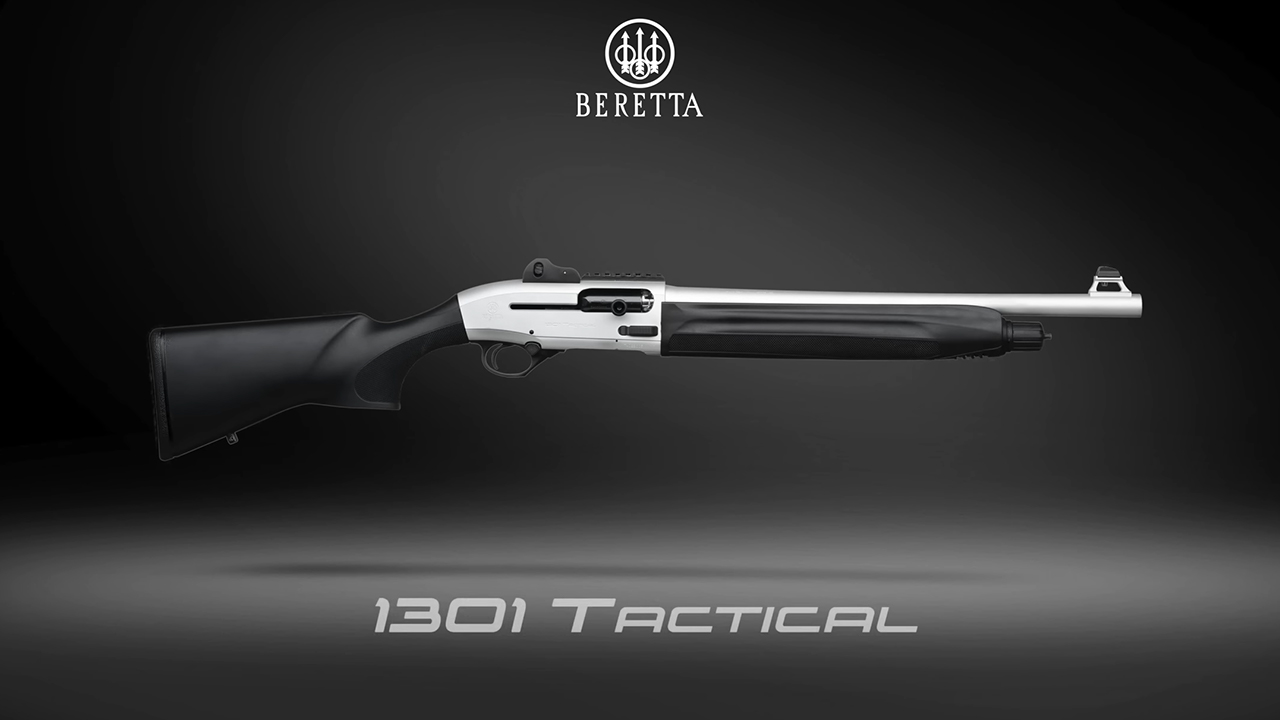
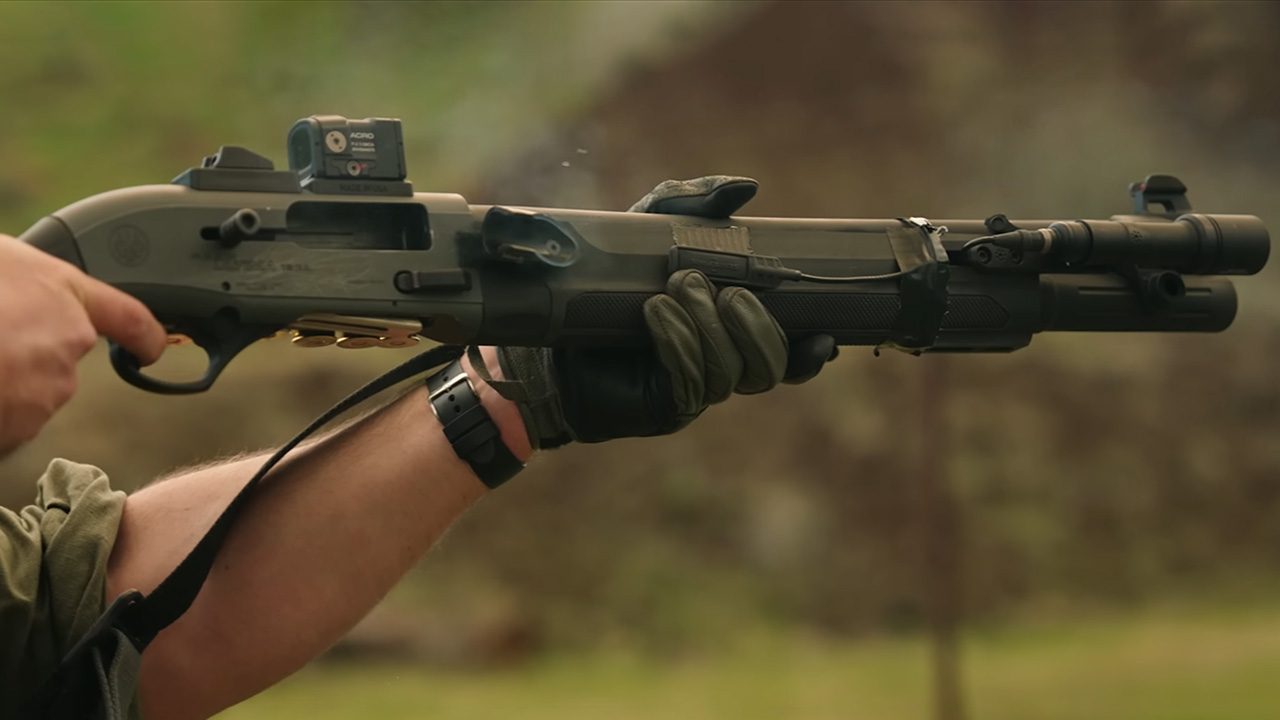
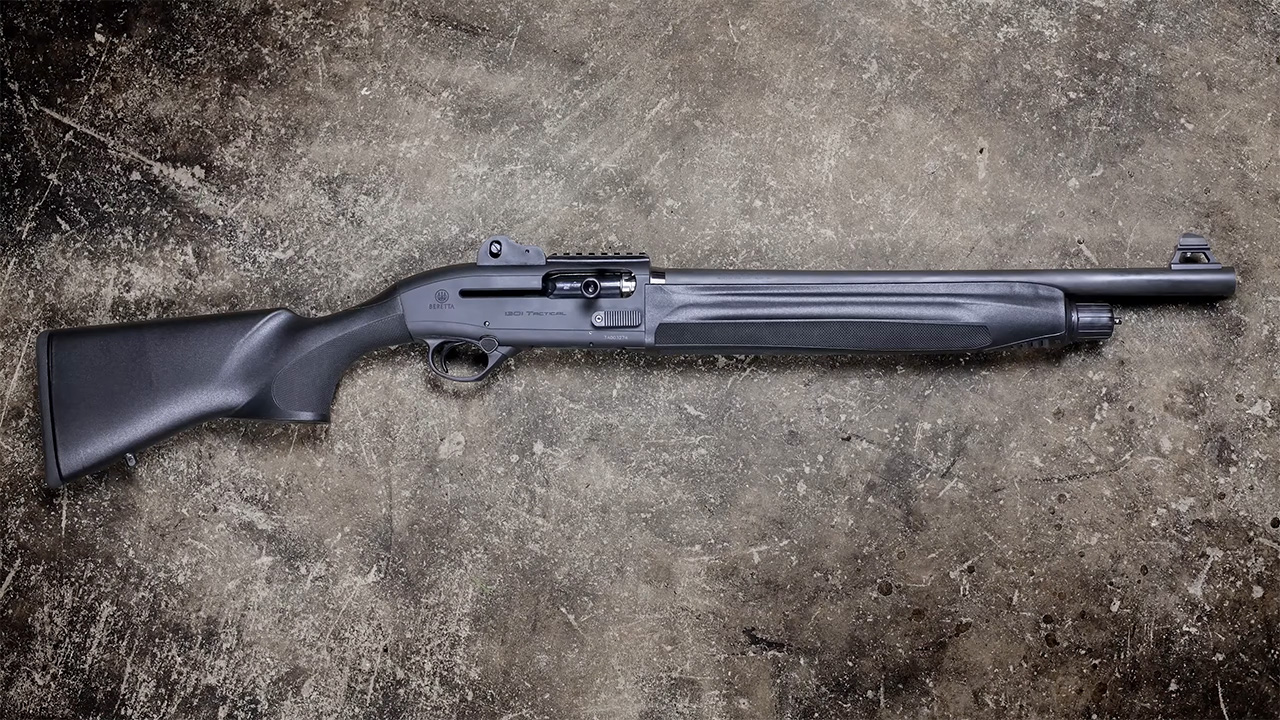
The Beretta 1301 helped prove the company could compete in the modern defensive and tactical shotgun market. Beretta describes the 1301 Tactical as using enlarged controls, a cold hammer-forged back-bored barrel, and the BLINK gas operating system, which the company says cycles 36% faster than competing systems.
That matters because the tactical shotgun crowd can be skeptical. Pump guns have a deep defensive reputation, and semi-auto shotguns have to prove reliability before people trust them. The 1301 earned attention because it is fast, lightweight, and easier to run than many older semi-auto designs. It gave Beretta a modern shotgun identity beyond beautiful over-unders and field guns. For a lot of defensive shotgun buyers, the 1301 made Beretta feel current again.
Beretta Did Not Get Stuck in One Category
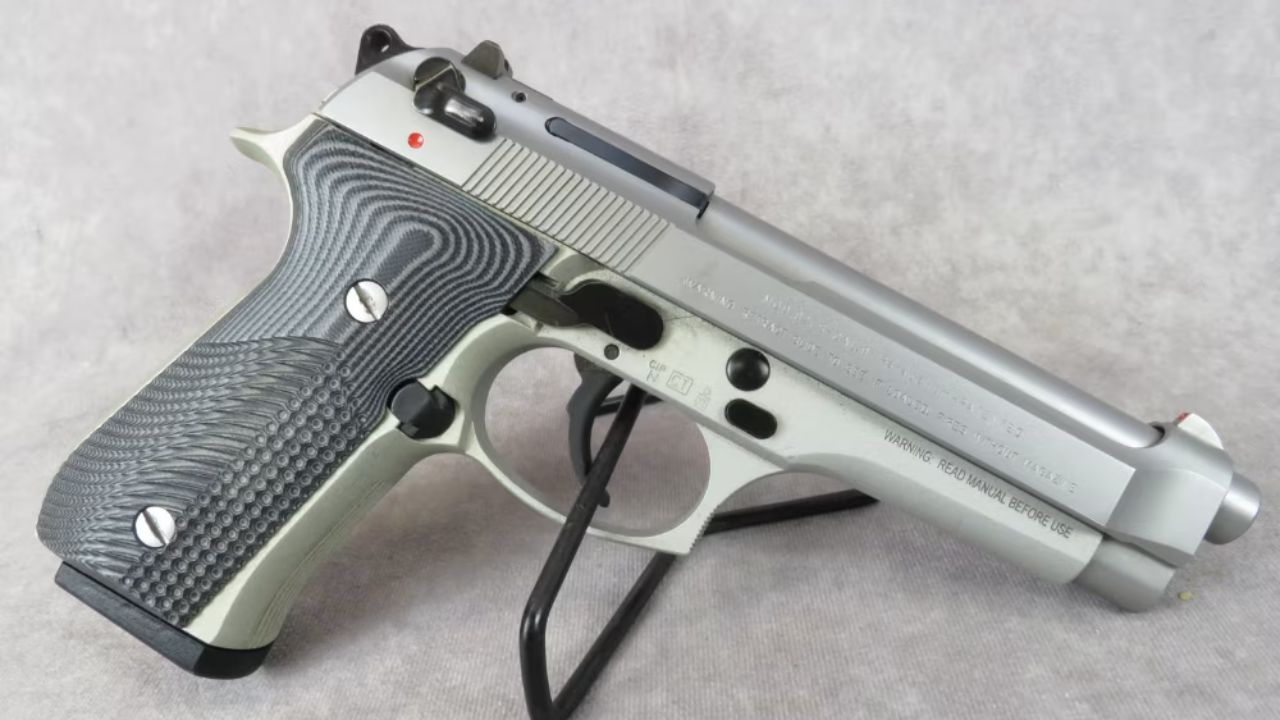
Some gun companies become known for one thing and never really escape it. Beretta avoided that. The company has respected pistols, sporting shotguns, tactical shotguns, hunting guns, military arms, and competition models. That kind of spread matters because it shows the brand is not surviving off one lucky design.
This is part of why Beretta feels so proven. A shooter may come to the brand through a 92FS, another through a Silver Pigeon, another through a 1301, and another through a compact carry pistol. That range keeps the brand alive across different types of shooters. Beretta’s history is old, but the catalog has not been frozen in the past. The company keeps finding ways to stay in several conversations at once.
Beretta Built Guns for Both Regular Shooters and Serious Institutions
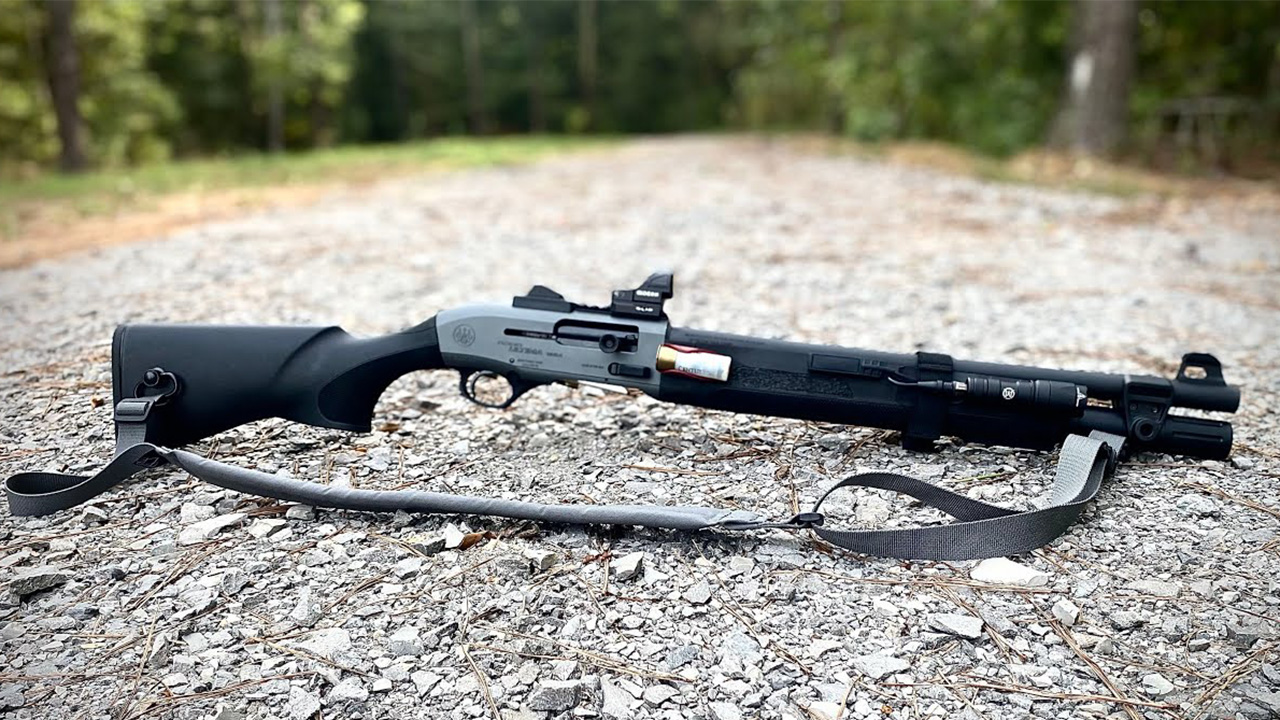
Beretta has always lived in two worlds. On one side, it makes guns for civilians: hunters, clay shooters, collectors, concealed carriers, and range shooters. On the other, it has built military and law enforcement firearms. That mix helps the brand because each side reinforces the other. Civilian shooters see institutional use and assume the brand can build hard-use guns. Military and police buyers see a company with deep manufacturing experience.
That does not mean every Beretta model is automatically perfect. No company gets that benefit. But the institutional side gives the brand serious credibility, while the sporting side gives it refinement. That combination is rare. Some companies are tactical but not elegant. Some are elegant but not hard-use. Beretta has spent a long time proving it can do both.
Beretta Kept DA/SA Pistols Relevant

The handgun market has moved hard toward striker-fired pistols, but Beretta helped keep DA/SA pistols in the conversation. The 92 series, PX4 Storm, and newer 80X-style guns all appeal to shooters who still like hammer-fired pistols with a longer first pull and lighter follow-up shots. That system is not as trendy as striker-fired simplicity, but it still has real fans for good reasons.
DA/SA pistols reward practice. They also give some shooters extra confidence during carry or duty use because of the longer initial trigger pull. Beretta’s long-running hammer-fired designs kept that option alive for people who do not want every pistol to feel the same. In a market full of polymer striker guns, Beretta’s DA/SA identity gives it a distinct lane instead of making it chase everyone else.
Beretta Has Enough Flaws to Make the Loyalty Feel Honest

Beretta fans are not loyal because the guns are flawless. The 92 has a large grip that does not fit everyone. Some shooters dislike the slide-mounted safety. The M9 had military complaints around magazines, maintenance, and environment-specific issues over the years. Some Beretta shotguns are expensive enough to make regular buyers wince. Those criticisms are real.
But that actually makes the loyalty feel more honest. Beretta’s reputation has survived because the strengths are strong enough that people keep defending the guns anyway. A brand with no flaws usually just has no hard use behind it. Beretta guns have been carried, dropped, shot, cleaned badly, argued about, and used for decades. The fact that people still come back to the name after all that says more than a perfect brochure ever could.
Beretta Managed to Feel Classic Without Feeling Dead
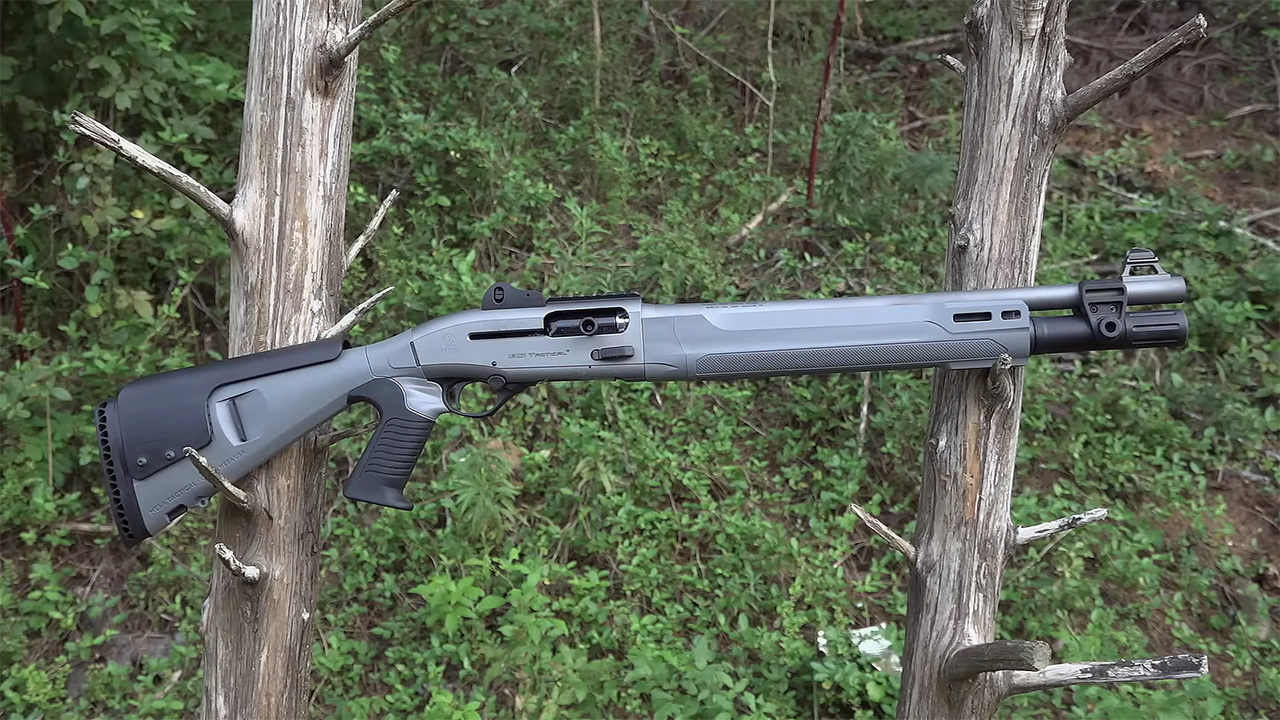
Beretta has a classic feel, but it does not feel like a dead brand. That is an important distinction. The company can sell a 92-series pistol to someone who loves 1980s and 1990s service pistols, a Silver Pigeon to a clay shooter, and a 1301 Tactical to someone building a modern defensive shotgun. Those buyers may not have much else in common, but they all see something proven in the name.
That is how Beretta has stayed relevant. It lets history do some of the work, but it does not rely on history alone. The brand still releases modern guns, updates old platforms, and competes in current categories. A lot of old gun companies struggle with that balance. Beretta has not always nailed it perfectly, but it has done it well enough to remain one of the most recognizable names in the world.
Beretta’s Best Guns Feel Like They Were Built by People Who Understand Shooting
The strongest thing Beretta has going for it is that its best guns feel like they were built by people who understand what shooters notice. The swing of an over-under. The recoil impulse of a full-size 9mm. The speed of a semi-auto shotgun. The grip shape of a service pistol. The balance between tradition and modernization. Those details are why the brand still gets respect.
Beretta is not proven because it is old. It is proven because enough of its guns have done real work for real shooters over a very long stretch of time. The company’s history gives it weight, but the guns had to keep backing it up. That is why Beretta still feels like one of the most proven gun brands alive. Not because every model is perfect, but because the best ones have earned their place through use.
Like The Avid Outdoorsman’s content? Subscribe to our newsletter so you never miss an article.
Here’s more from us: