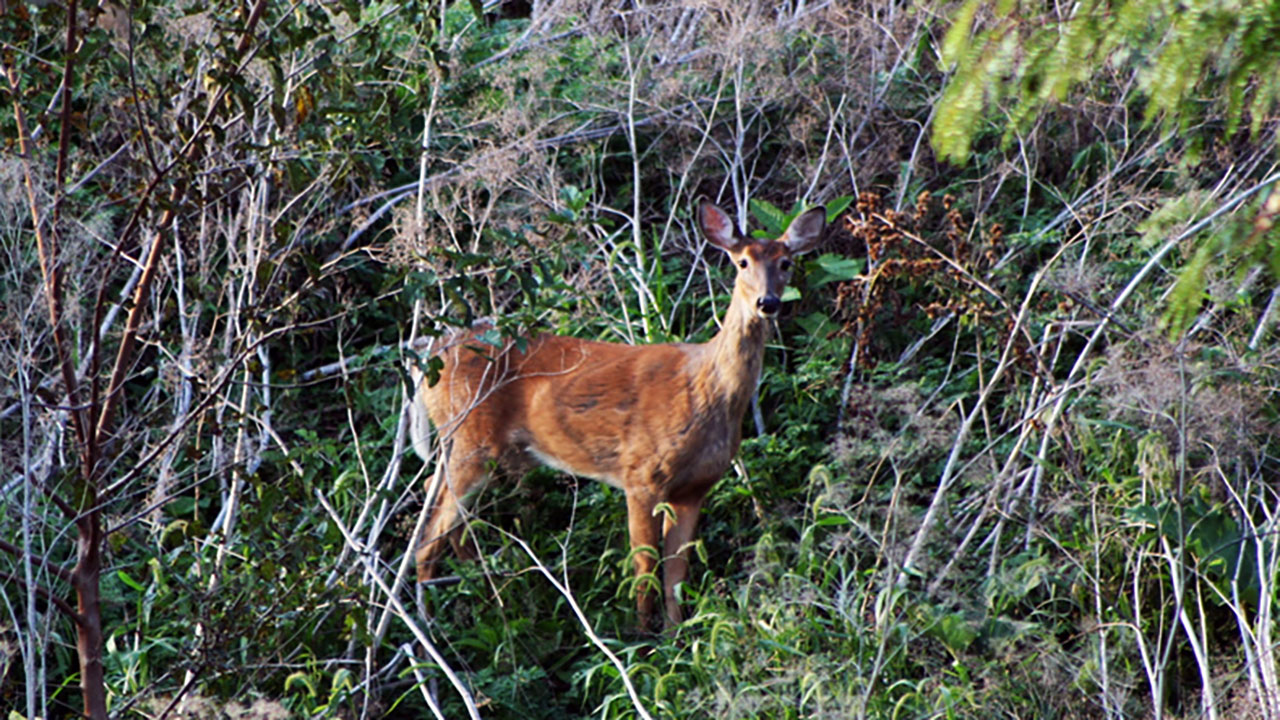
Photo credit: USFWS Midwest, Public Domain/Wiki Commons
CWD isn’t one of those problems you can ignore and hope it stays “over there.” Once it’s in a region, it changes how people hunt, how they process deer, and what they’re willing to eat or hand out to family. It also changes rules fast: testing requirements, carcass transport restrictions, disposal rules, and sometimes whole management zones that stick around for years. Hunters worry most in states where CWD is widespread, expanding into new counties, or hitting areas with heavy whitetail culture and a lot of travel hunters moving deer around.
Wisconsin

Wisconsin is always near the top of the worry list because CWD has been part of the deer conversation for a long time, and it’s not confined to one tiny pocket. In a state where deer camps are tradition and a lot of families rely on venison, CWD doesn’t feel like an abstract disease topic. It feels like something that can mess with your season, your freezer, and your confidence in the meat.
It also creates constant rule talk. Hunters track where positives show up, which counties are getting hit next, and what that means for testing and carcass handling. Even guys who don’t think CWD is “wrecking deer” still worry about it because it forces extra steps, extra cost, and extra decision-making every fall.
Illinois

Illinois is a deer state with a trophy reputation, and CWD threatens both the culture and the money side of the game. When you’ve got lots of leases, outfitters, and nonresident pressure, anything that changes movement, reduces older age classes over time, or adds restrictions gets everyone’s attention fast. Hunters worry because it’s not just about “my county.” It’s about where it spreads next and how fast rules tighten up.
Another big driver is travel. Illinois hunters move around inside the state, and Illinois also pulls in nonresidents who want a crack at a big buck. That means more questions every year: where can you transport a carcass, what parts are allowed, and how careful do you need to be with disposal and processing. It keeps CWD on the front burner.
Iowa

Iowa hunters worry because the state’s deer identity is built around older age classes and big-bodied bucks. Anything that threatens long-term herd health or the chance of a mature buck surviving multiple seasons is going to get taken personally. Even if you still see plenty of deer, the fear is what the herd looks like five to ten years down the road if CWD keeps expanding.
Iowa also has plenty of hunters who do things right—careful harvest, careful processing, careful management—and CWD feels like a threat that doesn’t care how disciplined you are. If you hunt public, travel between properties, or process deer at home, you’re constantly thinking about testing and handling so you don’t end up feeding the wrong deer to your family.
Minnesota

Minnesota is a big deer state with strong traditions and lots of hunters who spend serious time in the woods. CWD worries people there because once it shows up in a region, it tends to become a long-term management project. That means more zones, more sampling, and more complicated decisions for hunters who just want a clean, simple season.
It also hits hard because of how many folks hunt close to home. When your local area becomes a CWD management focus, it’s not some far-off headline. It’s your gas station talk, your processor talk, and your camp talk. Hunters worry because they’re trying to do the right thing, but they’re watching the map keep growing anyway.
Michigan

Michigan belongs here because CWD keeps popping up in new places, and the state has so many hunters that any change ripples fast. When you’re dealing with management zones, more counties involved, and ongoing surveillance, hunters start feeling like the problem is never going to stay “contained.” That uncertainty drives worry, even among people who are normally pretty calm about deer issues.
Michigan also has a strong “feed the family” hunting culture. That makes the meat question a bigger deal. People want to know what’s safe, what testing options look like, and whether they should change how they butcher and store meat. Once those conversations start in a camp, they don’t stop. CWD turns into a constant background concern.
Pennsylvania

Pennsylvania hunters worry because there are a lot of deer, a lot of hunters, and a lot of movement across big woods and mixed private parcels. When CWD is part of that landscape, it’s hard to feel like you can control your exposure. One hunter might be careful, but the disease doesn’t care who is careful and who isn’t.
Another reason it stays hot is regulation and transport. PA has plenty of hunters who travel within the state, and plenty who take deer to processors or to family across county lines. That creates constant friction: what can you move, what can you keep, what should you test, and how do you dispose of remains without spreading risk. It makes CWD feel like a practical problem, not a science project.
Colorado

Colorado is a CWD worry state because it’s been in the background of mule deer and elk conversations for years, and the state’s hunting culture is heavily tied to public land travel. Guys drive across the state for a unit, pack an animal out, and want to bring meat home without jumping through hoops or breaking rules. CWD makes all of that more complicated.
It also hits hunters in the gut because mule deer herds already deal with enough challenges. When you add a disease that’s hard to eliminate once it’s established, people worry about long-term quality and opportunity. Even if you’re still tagging deer, the concern is what the next decade looks like in the units you care about.
Wyoming

Wyoming hunters worry because CWD is part of the big game reality in a state where mule deer and elk matter a lot. When you’ve got lots of hunters, lots of animals, and huge landscapes, the disease feels like it can spread quietly while everyone is focused on the rut, winterkill, or drought. By the time people feel “sure” about what’s happening, it’s already entrenched.
Wyoming is also a state with plenty of nonresident pressure and big travel distances. That makes carcass handling and transport a constant topic. Hunters want to do it right, but they don’t want a maze of rules that change every season. CWD keeps those conversations alive because the management footprint can shift as new positives show up.
Montana

Montana worries hunters because CWD and big, roaming landscapes don’t mix well. Deer move. Hunters move. Carcasses move. And once the disease is in a region, the fear is how quickly it can get into the next drainage, the next river corridor, or the next pocket of high deer density. Montana has enough open country that people don’t always feel like they can “see” the problem until it’s widespread.
It also matters because Montana’s deer hunting is a big part of the lifestyle, not just a weekend hobby. When CWD starts impacting regulations and the way hunters handle meat, it becomes a year-round discussion. The worry isn’t always panic. It’s that steady, stubborn concern that the herd you love is carrying something you can’t fix with a good season.
Idaho

Idaho hunters worry because the state is tied into regional movement and big game travel, and once CWD is on the map, everyone starts watching where the next detection is going to be. Idaho also has a lot of hunters who are hands-on and practical. They want clear steps: where to test, how to process, what to avoid, and how to keep doing what they’ve always done without taking dumb risks.
The other factor is cross-border reality. Hunters talk with buddies in Montana, Wyoming, and other nearby states. When people hear about new positives across a line, they assume it’s only a matter of time before it shows up closer. That keeps CWD in the conversation even in areas that still feel “clean.”
Utah

Utah is a CWD worry state because mule deer hunting is personal there, and the state has plenty of hunters who pay close attention to herd health. If you care about mule deer, you already worry about winter range, drought, predators, and habitat. CWD feels like the kind of problem that stacks on top of everything else and doesn’t go away once it arrives.
Utah also has a lot of hunters who travel to chase a tag and then haul meat home. That keeps carcass handling and best practices on everyone’s mind. Even guys who aren’t reading scientific papers still get the point: avoid spreading it, don’t dump remains in bad places, and don’t assume “it’s fine” because the buck looked healthy.
Nebraska

Nebraska has a strong deer culture and a lot of mixed ag habitat that supports dense deer in many areas. CWD worries hunters there because it can move through those corridors quietly. River bottoms, shelterbelts, field edges—those are the same routes deer use year after year, and that consistency is great for hunting but not great for disease containment.
Hunters also worry because Nebraska has plenty of folks who process their own deer and share meat widely. That makes testing and handling decisions feel more serious. If you’re giving venison to family or older relatives, you don’t want doubts in the back of your mind. The more CWD becomes part of a local area, the more that worry sticks.
Kansas

Kansas makes the list because deer hunting is big there, and the state has plenty of regions where CWD talk is no longer hypothetical. Kansas also has that mix of ag ground and cover that can concentrate deer, especially during certain seasons and weather patterns. When deer concentrate, people worry more about how quickly a disease can become “normal” in a local herd.
Another reason Kansas hunters worry is the travel and land-access mix. People hunt permission ground, leases, and public, often bouncing between places. That increases the importance of doing things right with carcass parts and disposal. If CWD is in the conversation, guys start double-checking rules and habits because nobody wants to be the reason a problem spreads.
Missouri

Missouri hunters worry because CWD becomes a long-term management reality once it’s established, and Missouri has enough hunters and enough deer that any expansion becomes a big deal fast. The state is also full of small-to-medium properties hunted hard, which creates a lot of deer movement under pressure. Hunters worry about what that does to disease spread over time, especially in areas where deer pile into the same refuge cover.
And Missouri is a place where people hunt close to home and share deer meat heavily. That makes the “what should I test?” question more than a formality. The more counties and zones get involved, the more CWD becomes part of the normal planning process, like checking mast crops or crop rotation.
Tennessee

Tennessee belongs here because once CWD shows up in a state with heavy whitetail culture, hunters don’t stop talking about it. The worry isn’t just “is it here?” It’s “how fast does it move, what does it mean for my county, and what am I supposed to do differently this year?” When regulations change and testing becomes part of the process, it turns into a constant camp topic.
It also hits Tennessee hunters because so many people hunt family land and want to keep that tradition clean. When something threatens trust in the meat and confidence in herd health, it gets emotional. Even hunters who don’t like government involvement still end up paying attention, because CWD forces practical decisions that nobody can dodge forever.
Like The Avid Outdoorsman’s content? Subscribe to our newsletter so you never miss an article.
Here’s more from us: