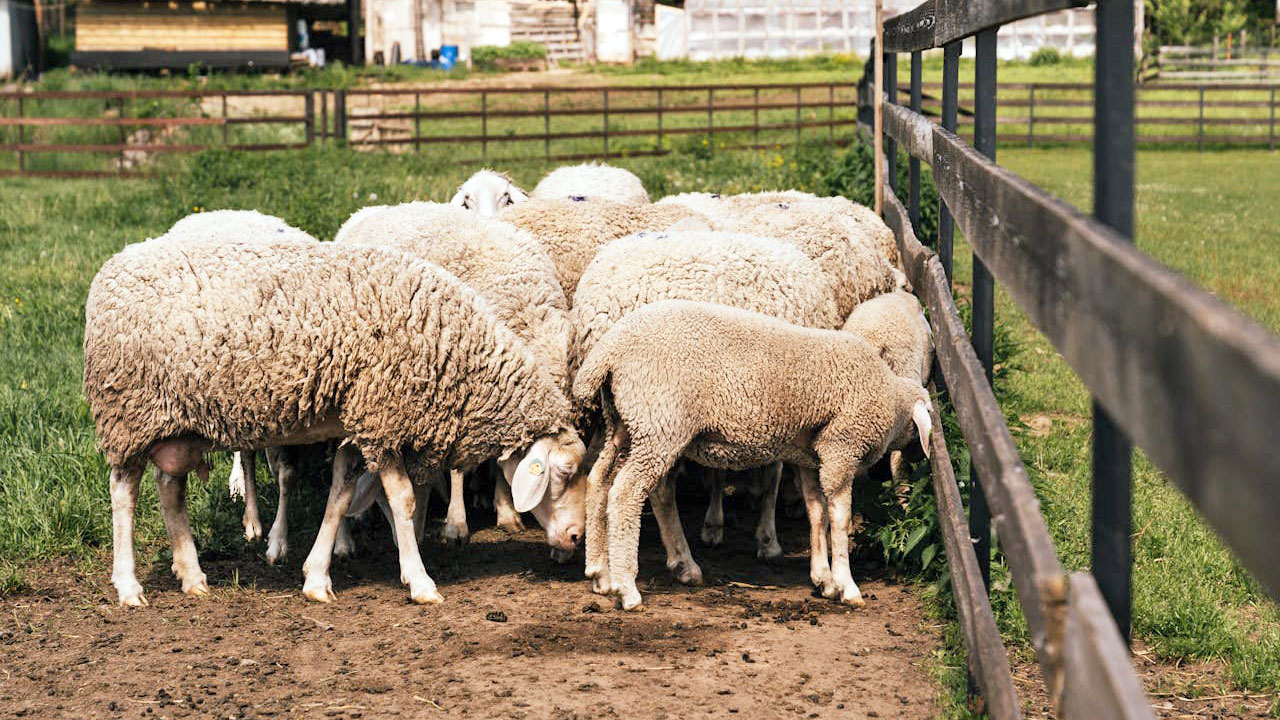
Photo credit: cottonbro studio/Pexels.com
A fence usually looks solid right up until something hits it that was never going to respect it in the first place. That is the part a lot of people learn the hard way. A fence can be brand new, stretched tight, and look great from the road, but one determined animal, one bad night, or one weak spot in the wrong place can turn it into a mess before daylight. Sometimes the damage comes from size and strength. Sometimes it comes from panic. Sometimes it comes from animals that dig, climb, root, rub, or slam through wire over and over until something gives.
The worst part is that fence damage rarely stays small. Once posts get loosened, woven wire gets bent, boards get snapped, or one corner gets opened up, the whole setup gets more vulnerable fast. That means more escapes, more predator access, more repair work, and more money leaving your pocket. These are 15 animals that can wreck fencing in one night, especially if your setup has even one weak point they can exploit.
Feral hogs

Feral hogs are one of the fastest ways to turn a decent fence into a problem. They do not just test a fence once and move on. They root under it, shove through weak spots, and use sheer numbers to keep pressure on the same section until it starts giving way. If the bottom of the fence is not tight to the ground, hogs notice that in a hurry.
What makes them especially rough on fencing is that they often do not travel alone. A whole group moving through can widen one bad opening fast, and once they start using that route regularly, the damage gets worse every time. A fence line that looked mostly fine at sunset can be rolled up, pushed out, and opened wide enough for all kinds of other trouble by morning.
Bulls

A bull can absolutely wreck fencing in one night because once he decides a fence is in his way, it usually is not much of a contest. A hot bull leaning, pushing, or hitting wire with his shoulders or chest puts a kind of pressure on a fence that it was never meant to take for long. Add another bull on the other side or cows nearby, and things get worse fast.
The problem with bulls is not just weight. It is intent. A calm animal may respect a line for months, then one night decide it needs through right now. That is when posts get loosened, braces get twisted, and wire gets stretched into something useless. A fence that works on ordinary cattle can fail quick when one aggressive bull decides it has had enough of it.
Horses

Horses can be brutal on fencing because they combine speed, size, and a habit of reacting first and thinking later. A horse that gets spooked into a fence, kicks at it, or starts pacing and leaning on it can tear up boards, snap rails, and loosen wire in a hurry. They do not have to mean to destroy anything. Panic does the job just fine.
That is part of what makes horse fence damage so frustrating. It can happen on a calm-looking night after one strange noise, one dog running the line, or one irritation between horses in neighboring paddocks. By morning you may be looking at splintered boards, pulled staples, and a stretch of fence that now feels dangerous instead of safe. Horses do not need much time to do expensive damage.
Elk
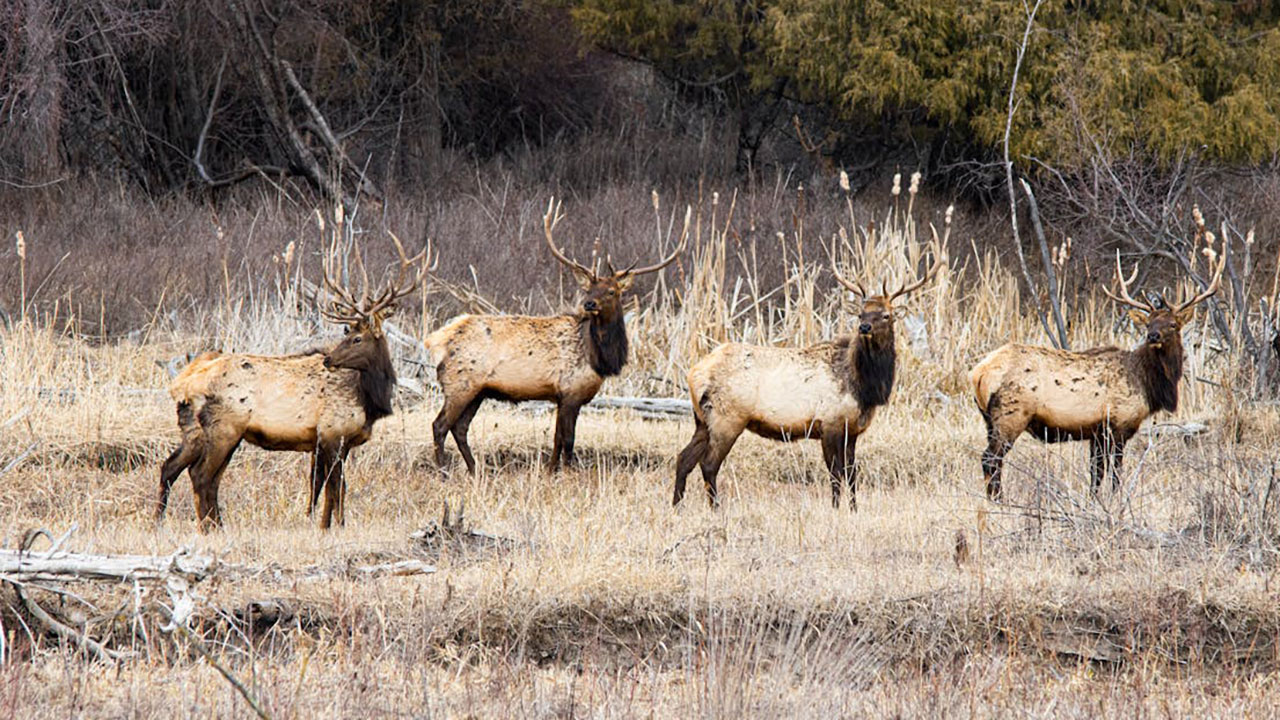
Elk can wreck fencing because they are big, heavy, and surprisingly hard on anything that interrupts the path they want to take. In some areas they go over fences, but in others they hit, hang up, or crash through them, especially if the fence is old, poorly visible, or set where elk naturally travel. One bad crossing attempt can bend wire and snap posts in a hurry.
The other issue is rut behavior. Bulls already keyed up and moving aggressively are even harder on fences than usual. Once an elk gets tangled or slams through one corner, the damage can spread farther than people expect. A livestock or boundary fence that seemed perfectly adequate for cattle can suddenly look very flimsy after one night of elk traffic.
Moose

Moose are not common fence wreckers everywhere, but where they overlap with ranch ground, roadsides, or rural property, they can do ugly damage fast. A moose does not need to attack a fence for the fence to lose. If it tries to cross, gets tangled, or pushes through a weak section, the result can be bent wire, broken posts, and a big repair job before breakfast.
What makes moose especially rough is their height and awkward power. They can hit fencing in a way that twists it upward and outward instead of just pressing straight through. That kind of damage is a pain to fix because it rarely stays neat. Once a moose has gone through a section badly, the fence usually looks less like a repair and more like a rebuild.
Deer
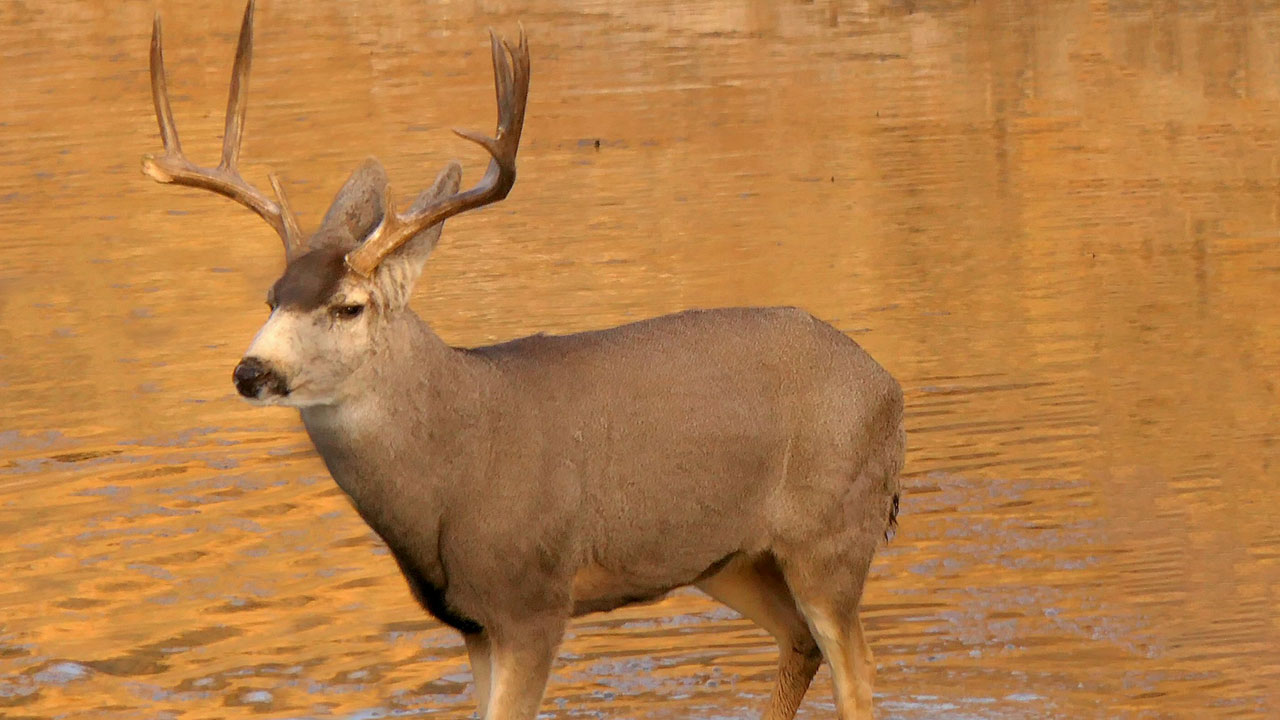
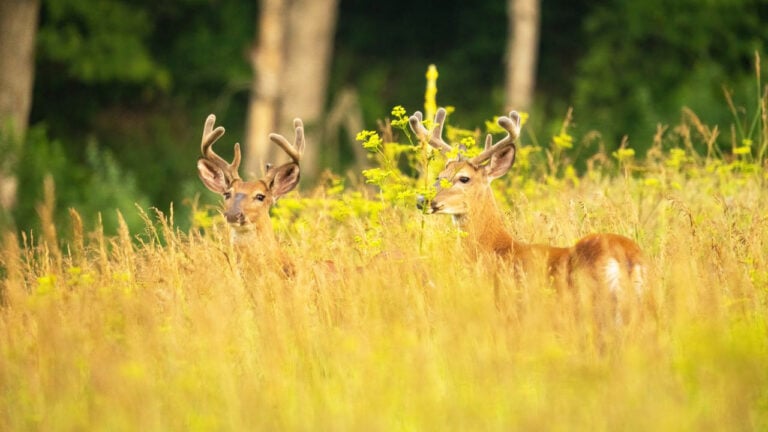
People do not always think of deer as fence wreckers because one deer slipping over a line often does not do much. But enough deer crossing the same spot, especially in panic or under pressure, can tear a fence up faster than most folks expect. A woven-wire or field fence gets hammered when deer keep clearing it poorly or catching legs in it.
The real trouble often happens during rut, storms, dog pressure, or heavy nighttime movement. One deer hanging a leg or crashing into wire can loosen things up. Then the next few make it worse. By daylight you may have a mashed-down crossing, bent top wire, and a section that now invites livestock to test it too. Deer damage is often more cumulative than dramatic, but it can still get ugly overnight.
Black bears
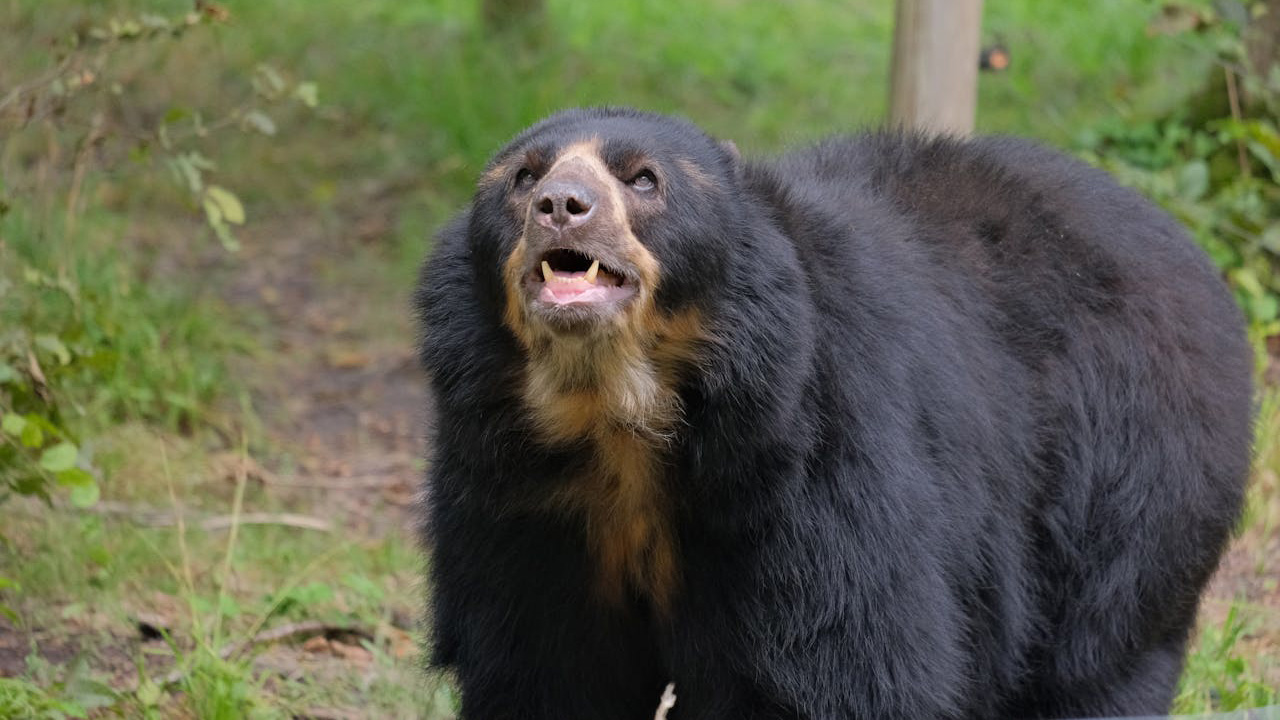
Bears are harder on fencing than a lot of landowners expect, especially around feed, bee yards, trash, chicken runs, and anything else that gives them a reason to push where they should not. A bear climbing, leaning, or trying to force its way into a fenced area can flatten wire, pull posts, and break boards without much trouble.
What makes bears so aggravating is that they do not always attack a fence straight on. They may climb part of it, press over it, or work one corner until it opens up. That creates weird damage that can be harder to reinforce later. Once a bear learns there is something worth getting behind that fence, it may not be a one-night problem either.
Coyotes
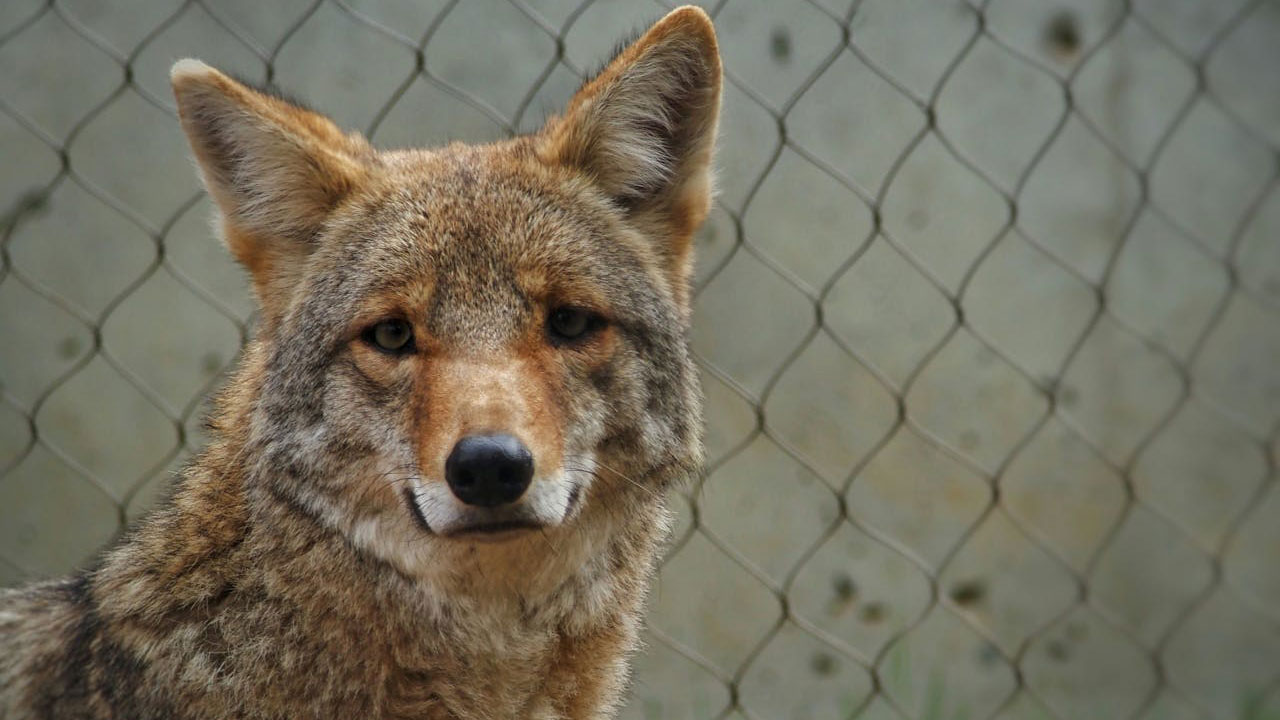
Coyotes are not usually the biggest animal on the fence line, but they can still do more damage than people expect, especially to lighter fencing around chickens, goats, or small pens. They dig under weak spots, chew at gaps, and work the same low section over and over until it opens. A fence that looks fine from standing height may be a joke at coyote level.
The real issue is how quietly they do it. You may not hear much, and the fence may still look mostly upright in the dark. Then you get out there in the morning and find the bottom rolled back, loose mesh peeled away from a post, or a corner opened just wide enough for predators to come and go. Coyotes do not have to hit hard if they can work smart.
Dogs
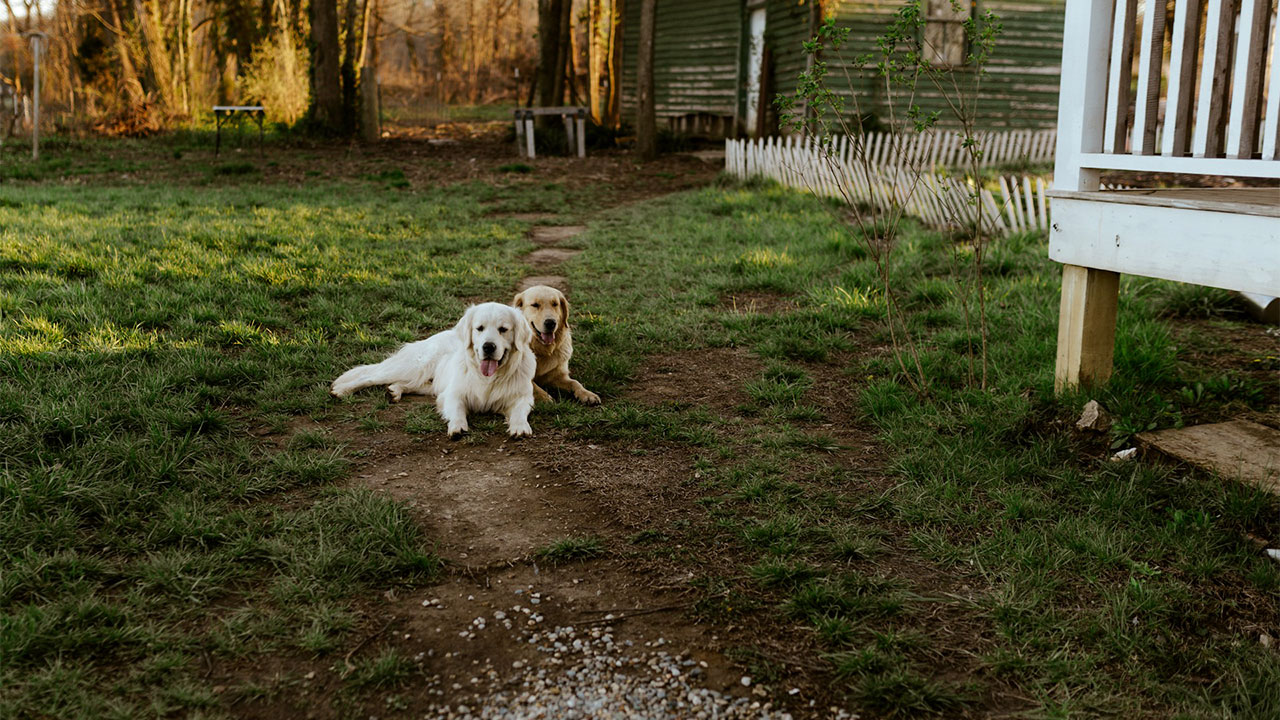
Loose dogs can absolutely wreck fencing because they often hit it with speed and panic instead of patience. A pack of dogs chasing livestock or trying to get into birds can claw, dig, jump, and slam weak areas until something gives. The damage can look a lot worse than people expect because dogs do not need to get all the way through to make a mess.
They are especially rough on lighter fencing, older gates, and anything already under stress. A dog trying to get through woven wire may bow it out. Another may dig the bottom loose. Add frightened stock pressing from the other side and suddenly the whole section is compromised. Dog pressure turns a marginal fence into a failed one faster than many people realize.
Goats

Goats are famous for testing every boundary they live with, and that includes fencing. A determined group of goats can lean, climb, rub, and pry at weak spots until a fence starts coming apart. They are not always destroying it with raw force so much as constant disrespect. If there is a gap, a loose staple, or a sagging section, goats will find it.
That is why goat fence damage often looks personal. They work at it. They stand on things they should not, shove their heads where they should not, and put repeated pressure on the exact part of the fence you were hoping would hold a little longer. A fence that works on cattle can look laughably underbuilt after one night with bored goats leaning on it.
Sheep
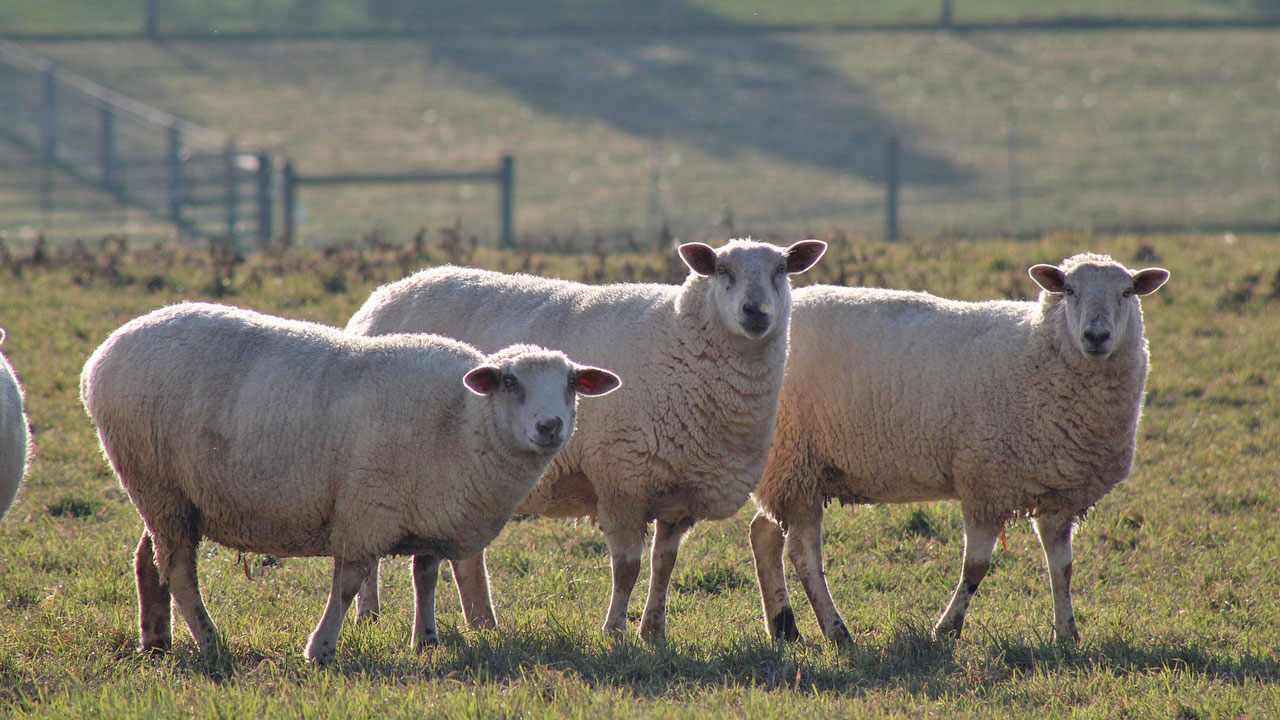
Sheep usually do not get the same reputation as goats for wrecking fences, but they can still do a number on one when pressure builds. Tight groups bunching into corners, pushing through a gate area, or crowding a weak section can bow panels and loosen posts in a hurry. They do not need to be wild to be hard on a fence. They just need to get nervous or pushy.
The trouble tends to show up when sheep are pressured by dogs, predators, weather, or feed competition. A flock that surges together can flatten light portable fencing or deform netting that looked sturdy when it was first set. Once one opening starts, the rest often follow the same route and widen it. What looked like minor stress at dark can be a full escape lane by morning.
Bison

Bison are about as bad for fencing as most people imagine, maybe worse. Their size alone makes ordinary livestock fencing look optimistic, and once a bison pushes, rubs, or hits a line with intent, the fence often loses. They are not an animal you want “testing” anything. If the setup is not built heavy enough, it can fail quickly and dramatically.
The hard part with bison is that the damage is rarely delicate. Posts snap, braces rack out of square, and wire gets flattened or ripped loose. Even if only one section takes the hit, the repair is usually real work. A fence that was fine for cattle can look like toy construction after one bad encounter with a big bison.
Wild hog-dog chases

This is not one single animal in the usual sense, but it is a very real fence-wrecking scenario. When hogs get pushed hard by dogs, both sides start making desperate decisions, and fences suffer for it. Hogs dive under or through, dogs claw and hit from the opposite side, and weak stretches get destroyed in the middle. It is chaos, and chaos is rough on fencing.
That is one reason a place can have fence damage that looks bigger than what one animal alone should have caused. It may not have been one animal. It may have been a chase. By the time the dust settles, you can be left with rolled wire, busted corners, torn netting, and a whole section that went from “holding” to “open” in just a few ugly minutes.
Wild turkeys

Wild turkeys may sound too light to belong on this list, but they can do real damage to lighter garden, poultry, and decorative fencing, especially when they pile into it at speed. A flock flushed in the dark or spooked around a corner can slam into mesh, sag it, or get tangled badly enough to tear it loose from supports.
They are not ripping down barbed-wire perimeter fences, obviously, but they are much harder on fragile enclosures than people think. Chicken-yard tops, netted garden fencing, and temporary barriers can all get wrecked when big birds hit them wrong. One panicked night movement is all it takes to turn a light fence into a drooping, torn mess.
Humans with livestock trailers
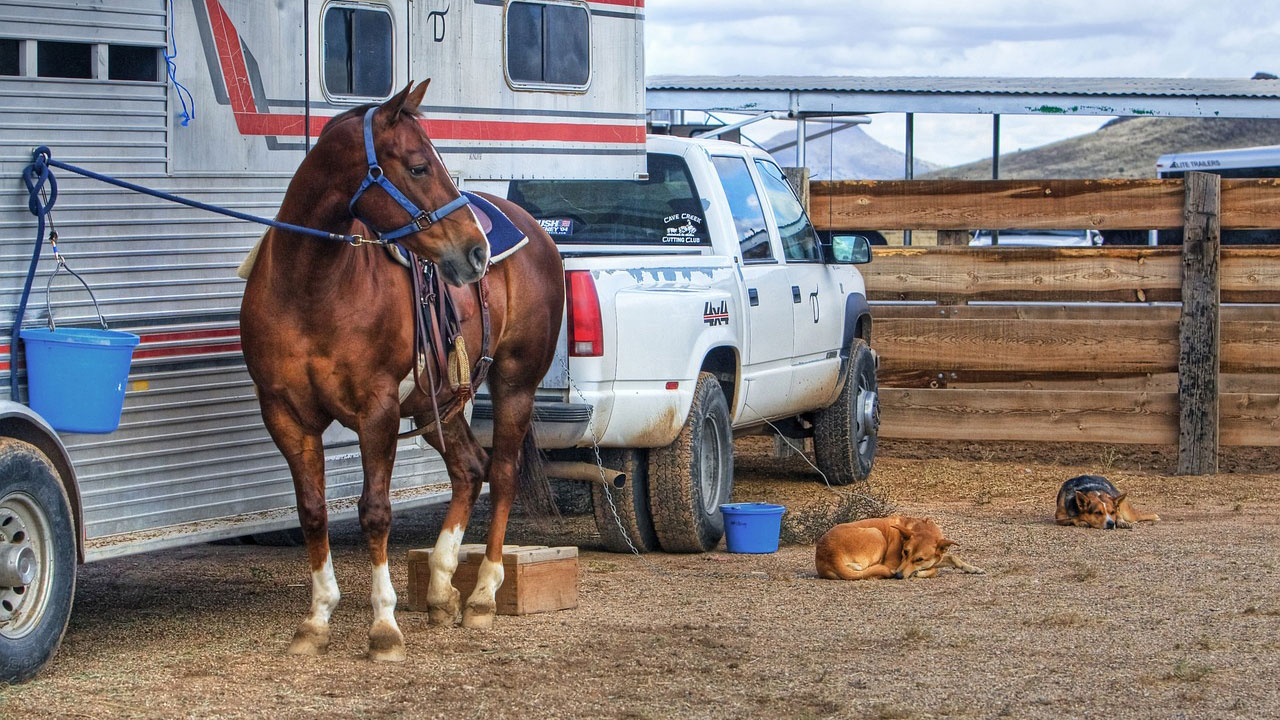
Again, not an animal, but it deserves a mention because a lot of fence damage blamed vaguely on “something must’ve hit it” was really caused by rushed human movement around animals. Backing a trailer wrong, crowding stock against a corner, or dragging gates and panels under pressure can tear up a fence in a night faster than some wildlife ever could.
This kind of damage matters because it often sets up the real animal damage that follows. One bent panel, one gate left hanging wrong, one loosened post from a rushed loading job, and now every goat, calf, coyote, or hog on the place has a new opportunity. Sometimes the animal that wrecks the fence first is the two-legged one trying to manage the rest of them.
Like The Avid Outdoorsman’s content? Subscribe to our newsletter so you never miss an article.
Here’s more from us: