Photo credit: Dennis W Donohue/Shutterstock.com
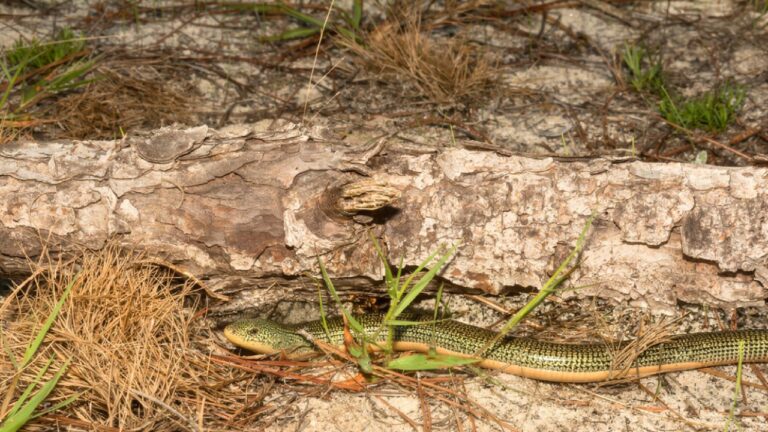
Copperheads have a way of making people feel like they appeared out of nowhere. Most of the time, that is not what happened. The snake was already there, or very close, and the real warning got missed because it looked too ordinary to matter. That is part of what makes copperheads tricky around homes. They do not need dramatic habitat. They need cover, shade, prey, and a little quiet. A lot of yards, fence lines, wood piles, and landscaped corners provide exactly that. Extension sources consistently point to rock piles, wood piles, brush, debris, leaf litter, and similar shelter as the kind of habitat snakes use near homes.
The harder truth is that the “sign” is often the setup more than the snake itself. People want a rattle, a clear sighting, or something dramatic. Copperheads do not usually offer that. They blend into leaf litter and mulch, sit tight under cover, and stay close to places that hold mice, frogs, lizards, and insects. That is why the clues people ignore are usually repeated cover, prey buildup, and animal behavior around one part of the property.
One shady, cluttered spot keeps drawing your attention
If you have one corner of the yard that always seems to collect cover, that deserves more respect than most homeowners give it. Old rock piles, stacked firewood, scrap lumber, pine straw piles, brush piles, and trash or debris around the house are all the kind of shelter copperheads use. Alabama Extension specifically notes that copperheads are fond of old rock or wood piles as shelter and feeding areas, and warns that pine straw and woody debris can provide the same kind of cover.
That matters because these areas do not feel dangerous. They feel familiar. You grab wood, move a pot, pull weeds, or clean out a side yard without thinking much about it. But if one spot stays cool, shaded, and rarely disturbed, it stops being harmless clutter and starts becoming workable snake habitat. A lot of bad surprises happen when someone finally reaches into the very place that had been inviting trouble for weeks.
Rodent activity is building up around the same areas
A copperhead near the house usually is not there by accident. It is there because something the snake wants is already there first. Extension guidance repeatedly points out that brush, trash, wood piles, and similar debris support rodents, and that reducing that shelter also reduces snakes’ food sources.
So if you keep finding droppings in the shed, hearing mice in the feed room, or seeing little prey animals working the same rock border or wood stack, treat that as more than a nuisance issue. A prey-rich corner is a lot more attractive to a copperhead than a clean, open lawn. People often focus on the snake sighting they have not had yet, while ignoring the food supply that makes the sighting more likely in the first place.
Leaf litter and mulch are piling up where you stop looking
Copperheads are especially good at disappearing in dead leaves and similar ground cover. Extension material from NC State notes that reptiles use leaf litter, logs, shrubs, rocks, and crevices for shelter and hiding cover, and similar habitat recommendations show why those same features around homes can hold snakes whether people notice them or not.
That is why the sign can be as simple as one low, shaded area that keeps collecting leaves or mulch along the edge of a path, under shrubs, beside steps, or around a retaining wall. The more the ground looks natural, quiet, and undisturbed, the easier it is for a copperhead to vanish there. If the area also sits near water, prey, or dense landscaping, the odds get even better that the snake is closer than you think.
Your dog keeps caring about one spot more than you do
Pets often notice that a place has changed before you do. If your dog keeps sniffing hard at one wall, freezes near one shrub bed, barks at one wood pile, or refuses to cross one corner of the yard, pay attention. That is not proof of a copperhead by itself, but repeated low-to-the-ground interest around cover is one of the better early warnings you are likely to get.
The reason it matters is simple. Dogs notice scent and subtle movement long before a person walking past with a trash bag does. If the same place keeps drawing serious attention from your dog, especially around the kinds of shelter extension sources already flag as snake habitat, it is worth slowing down and treating that area like it may be occupied.
You have rock borders, walls, or stacked stone that stay quiet
Rock piles and stonework look tidy to people and useful to snakes. NC State Extension specifically notes that rock piles and rock walls create pockets, caves, tunnels, basking sites, and protected travel corridors for reptiles.
That is a big reason homeowners get surprised around decorative borders, retaining walls, stacked landscaping stone, and rough stone edges near beds or sheds. Those places offer cool gaps, easy cover, and good ambush spots for prey. If your property has one of those features and it stays partly shaded, close to low vegetation, or near a rodent-heavy area, it is smart to assume that a copperhead could be using it even if you have not seen one stretched out in the open.
You are seeing the kind of habitat snakes actually want
One of the more useful ways to think about this is simple: turfgrass is poor snake habitat, while cluttered, brushy, debris-filled ground is better snake habitat. Alabama Extension says that well-maintained lawns eliminate much of the cover snakes are searching for and make them easier to spot, while piles of debris and overgrown cover increase the chances snakes will be present.
So the sign that a copperhead is close may be less about seeing the snake and more about seeing that your yard is gradually becoming the kind of place a copperhead would choose. If one section is mowed, open, and easy to scan, while another is layered with leaves, brush, pots, wood, and shade, you already know which side deserves more caution. The closer your property gets to “good shelter plus good prey plus low disturbance,” the less surprising a nearby copperhead should be.
Shed skins or repeated signs around the same cover
NC State’s backyard reptile guidance notes that people may notice signs of reptiles such as shed skins once suitable habitat is present. If you find a shed skin near the same wood pile, stone border, or shaded corner more than once, that is no longer random background detail. That is a clear sign that the property is being used as habitat, not just passed through.
The same goes for repeated disturbance in the same low cover, repeated small-prey activity in one corner, or the same uneasy pet reaction around one feature. None of those signs guarantee the snake is there at that exact second, but together they point to the same thing: the area is functioning as the kind of place a copperhead can live around without being noticed much.
The real sign is usually that the property makes sense to a copperhead
That is the main idea. Copperheads are often “closer than you think” because people wait for a dramatic warning instead of reading the conditions. A yard with rock piles, wood piles, brush, leaf litter, prey, and low-disturbance shade is already telling you something. Extension sources are pretty consistent on this point: those features create shelter for snakes and the animals they feed on, while cleaner, open ground is less attractive.
So the smartest way to read the signs is not to ask whether you have seen a copperhead yet. It is to ask whether one corner of your property already looks like a place a copperhead would choose. If the answer is yes, then the snake may be closer than you think even before you ever get the sighting.
Like The Avid Outdoorsman’s content? Subscribe to our newsletter so you never miss an article.
Here’s more from us: