
Pronghorn look “easy” on paper because the country is open and the animals are visible. Tags aren’t. In a lot of states, the best pronghorn units are limited by small quotas, private land access, or point systems that quietly stack up year after year. Even where pronghorn numbers are good, the tag supply doesn’t always match the demand — and nonresident caps make it tighter.
This list is the places where the tag part is the real hurdle, based on how each state runs its draw/permit system and what their own draw-odds and statistics tools show.
Wyoming

Wyoming is pronghorn heaven… and that’s exactly why tags get sticky fast in the better units. They publish draw odds by species and year, and you can pull unit-by-unit odds in their official reports.
If you’re a nonresident, the math gets even tighter because you’re fighting point creep in the popular areas. Wyoming’s setup pushes people into long-term planning, and the “best public access + decent bucks” units are where you’ll feel it most.
Colorado

Colorado pronghorn is a classic “great hunts, limited licenses” situation. Colorado Parks & Wildlife lays out how the primary draw works for deer/elk/pronghorn, and they also publish pronghorn draw recap reports and statistics.
Colorado’s tag difficulty usually isn’t statewide — it’s unit-specific — but the better rifle and any-weapon opportunities in the good pronghorn country tend to stack points. If you’re trying to chase a top-end unit without years invested, you’re usually looking at leftovers, second-choice strategies, or an entirely different plan.
Arizona
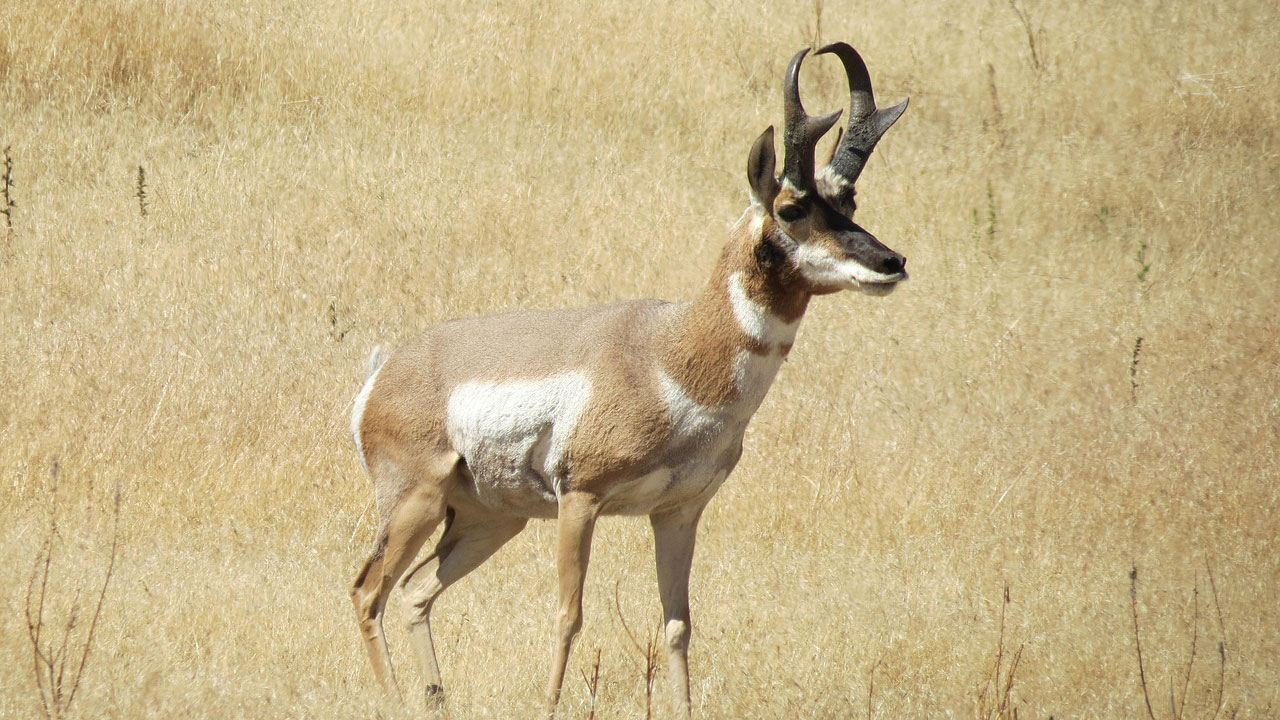
Arizona pronghorn is famous for being a long-game draw for a lot of hunters. Arizona Game & Fish runs pronghorn through their draw system (same umbrella as elk), and they’ve been actively pushing 2026 draw timing publicly.
The reason it’s hard is simple: small tag numbers and huge demand. Even if you aren’t chasing a “dream unit,” the odds are the odds. Most hunters treat Arizona pronghorn as something you apply for while you hunt pronghorn elsewhere in the meantime.
Utah

Utah makes it easy to see why tags are tough because they publish drawing odds/points reports. You can review past drawing odds and point results through Utah DWR’s official pages.
Limited-entry style pronghorn opportunity plus a point system means certain hunts become “waiting room” hunts. If you don’t already have points, you’re either aiming at the long shot pool or you’re choosing the hunts where the success odds are higher but the quality/access isn’t the same.
Nevada

Nevada is one of those states where the data tells the story: lots of applicants, limited tags, and a bonus point system that keeps pressure on the same units. NDOW posts bonus point tables that break down applicants and successful draws by point level.
Even if pronghorn numbers look decent, the demand is constant because Nevada is a bucket-list state for a lot of guys. When you’re playing a bonus point game and thousands of people want the same kind of hunt, “hard to draw” becomes the default.
New Mexico

New Mexico’s draw structure makes pronghorn tags feel tighter for nonresidents than many people expect. Their official “how the draw works” page lays out the quota split (84% resident, 10% outfitter pool, 6% nonresident pool).
That 6% pool is the gut punch. If you’re a nonresident applying without an outfitter, you’re competing for a small slice. Great state, great animals — but you have to go in knowing the odds are built to favor residents heavily.
Montana

Montana gives you a real drawing-statistics search tool, and it’s one of the easiest official systems to use when you want to see how many people applied and how many were successful.
Montana also has rules around nonresident allocations that can cap opportunity in ways that matter when demand spikes. Even if there are “easier” pronghorn permits in some places, the better setups (good access, good timing, better buck ratios) are where you’ll see the pressure and the wait.
Idaho

Idaho is sneaky-hard because it’s a controlled hunt state for a lot of pronghorn opportunity, and they publish drawing odds directly through the Idaho Hunt Planner.
The big difference here is you’re often not building points — you’re rolling the dice in a system that can be pure random depending on the hunt. That sounds “fair,” but it also means you can apply for years and still miss, especially on the hunts everyone wants.
Oregon

Oregon pronghorn tags can be brutally limited, especially in the well-known controlled hunts. Oregon has controlled-tag proposals and controlled hunt systems that keep tag numbers tight by design.
In plain English: Oregon doesn’t hand out piles of antelope tags. When quotas are small, a little jump in applications wrecks your odds. If you’re not already in the point game there, you’re usually looking at long waits for the better hunts.
California

California is absolutely in the “hard” category because pronghorn tags are limited and the demand is high. California Fish & Wildlife publishes pronghorn tag drawing statistics (by point value) for archery and general hunts.
When a state is literally publishing pronghorn odds broken down by point tiers, you already know what time it is: preference points matter, and random hope isn’t a strategy. If you want a California pronghorn tag, you plan on playing the long game.
South Dakota
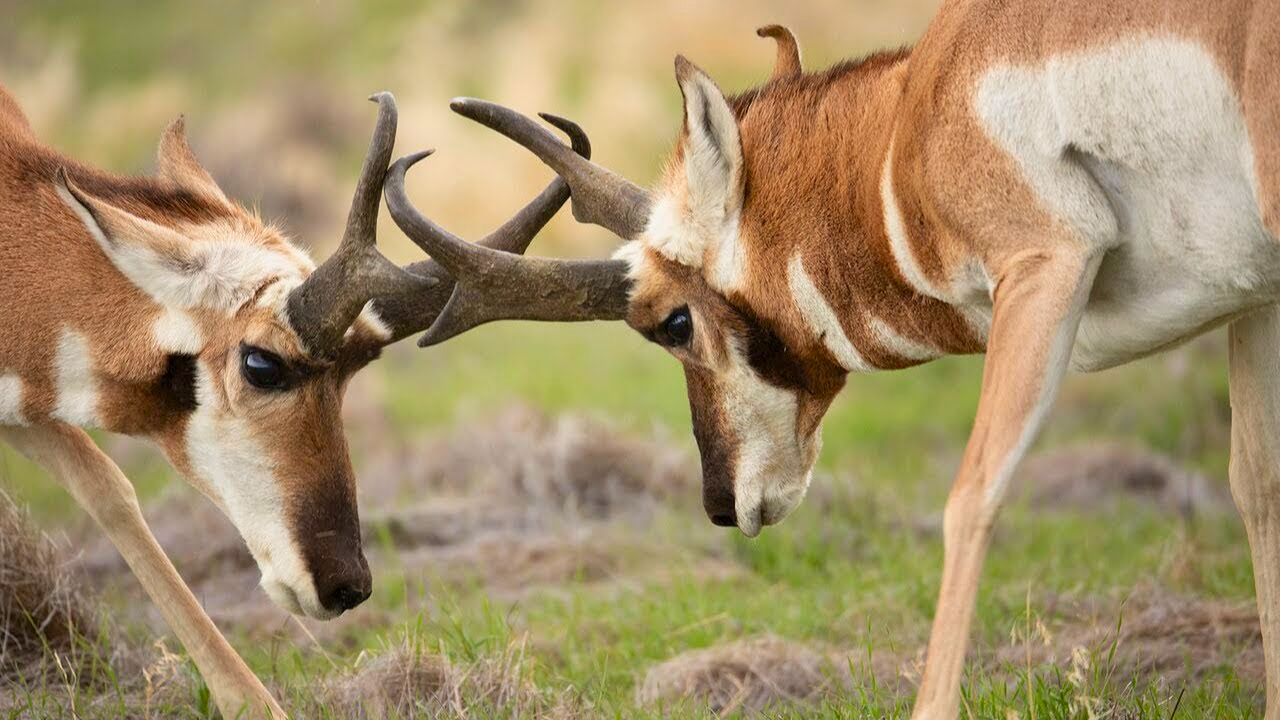
South Dakota is a pronghorn state where the better units tend to require preference points, and the state points hunters directly to draw statistics to estimate chances.
Another issue is simple allocation reality: nonresident opportunity is limited, and many of the best pronghorn areas are heavily competed. If you’re trying to hunt the same “good” units everyone talks about, you’ll feel the point wall.
North Dakota

North Dakota is its own kind of difficult: pronghorn lottery access is restricted to residents. Their lottery page is direct about pronghorn being open only to North Dakota residents.
Even for residents, unit-by-unit lottery stats show serious applicant pressure. North Dakota publishes pronghorn lottery summaries with licenses available and applicants by unit and bonus points.
So if you’re nonresident, it’s not “hard” — it’s not happening through that route.
Nebraska

Nebraska runs limited big game permits through a draw, and they publish draw timing plus draw results pages through the official Nebraska Game & Parks site.
Nebraska pronghorn is the classic “limited permits, specific regions, steady demand” deal. You can hunt pronghorn there, but you’re not treating it like an OTC western road trip. If you want a specific season or area, the draw is the gatekeeper.
Kansas

Kansas is a small-pronghorn opportunity state, which is why it’s hard. Kansas’ own antelope info says firearms and muzzleloader permits are limited to residents only, and they note roughly 170 permits authorized each year.
That’s a tiny number. If you’re a nonresident, you’re basically looking at archery (if available OTC) and then access becomes the other limiter. Kansas pronghorn isn’t a “grab a tag and go” situation for most people.
Oklahoma

Oklahoma pronghorn is limited and structured, and the season framework makes it clear there are controlled/draw elements, including “draw only” gun seasons and landowner/controlled hunt permits.
Like Kansas, this isn’t a state where you assume tags are sitting around waiting. It’s a niche hunt with limited opportunity, and when the opportunity is small, the tag becomes the bottleneck fast.
So yeah — tags exist, but they’re not sitting on a shelf.
Like The Avid Outdoorsman’s content? Be sure to follow us.
Here’s more from us:


