Photo credit: Doğan Alpaslan Demir/Pexels.com
Feral hogs aren’t just a back-40 problem anymore. When sounders get established near growing metros, they start doing what hogs do: root up lawns, wreck landscaping, chew up irrigation lines, and turn retention ponds and golf-course edges into churned mud. USDA APHIS tracks feral swine distribution nationwide, and the footprint is big enough now that suburban neighborhoods in some states are getting a taste of the damage that used to be mostly rural. The money is real, too—industry and reporting around hog impacts routinely puts annual damage in the billions.
Texas
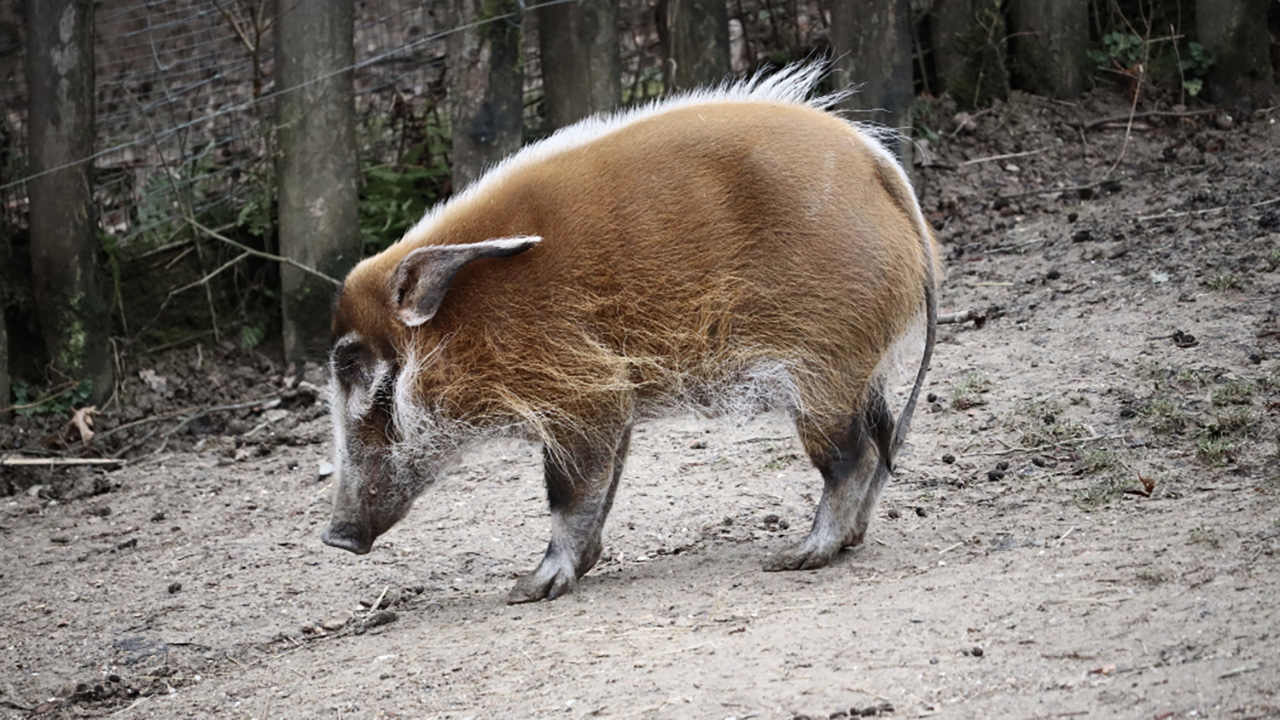
Texas is ground zero for suburban hog headaches because the populations are huge and the development line keeps pushing into hog country. The second you get new subdivisions near creek bottoms and brush, hogs have cover, water, and easy access to lawns. Texas A&M AgriLife has been focused on hog management in small acreage and metropolitan areas for a reason—this isn’t just ranchland damage anymore. In suburbs, the problem is fast: one night can tear up multiple yards, and once hogs learn a neighborhood has irrigated turf, they’ll revisit it like a feeding stop.
Florida
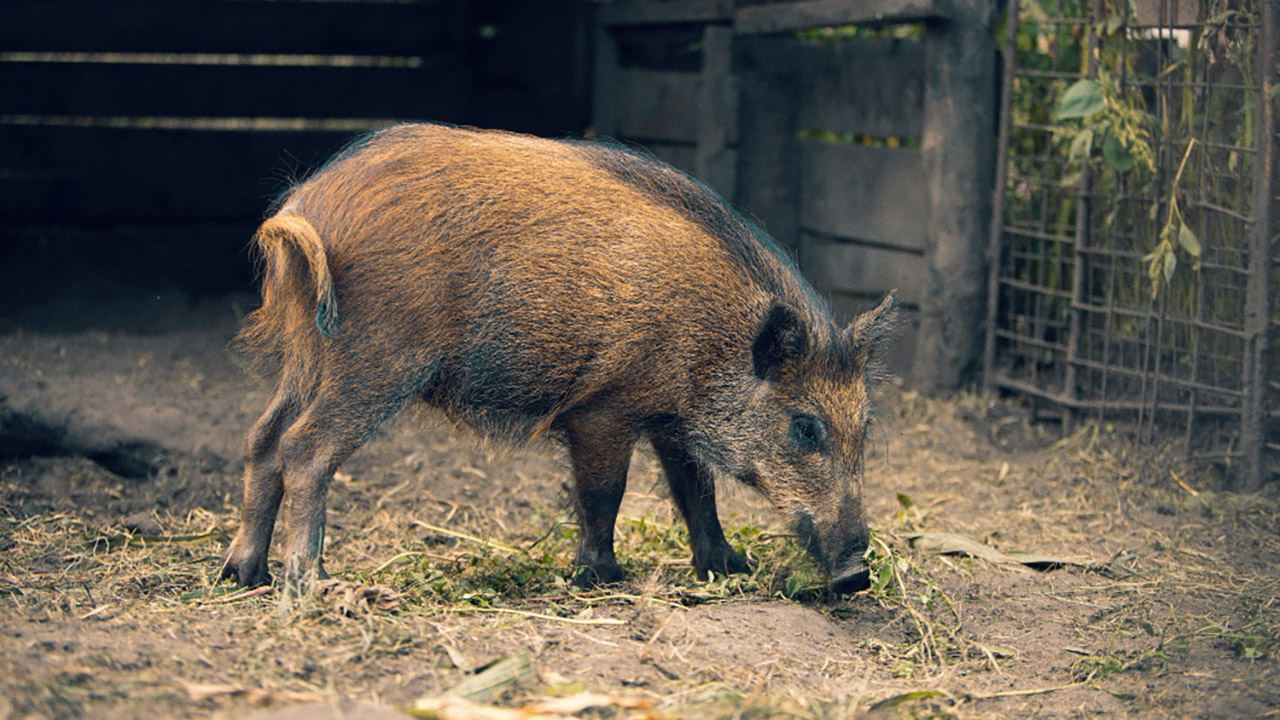
Florida’s suburban hog stories keep popping up because hogs love wet edges—swamps, canals, retention ponds—and suburbs are full of them. Golf communities and landscaped neighborhoods are especially vulnerable: soft, irrigated turf is easy rooting. There have been recent local reports of hogs wandering cul-de-sacs and turning lawns into a mess, which is exactly how this shifts from “wildlife nuisance” to “HOA emergency.” The frustrating part is hogs can do major damage without anyone seeing them—then you wake up to a yard that looks like it got tilled.
Georgia

Georgia has long had feral hog pressure, and the state’s wildlife agency is blunt that hogs are invasive and cause extensive damage. Suburban creep makes it worse because it creates more edge habitat—woodlots, creek corridors, and brushy buffers behind neighborhoods. Hogs don’t need a big forest to hide; they need cover and a reason to show up, and irrigated landscapes plus easy food sources do the trick. Georgia also points out a hard truth: casual hunting rarely solves hog problems, which matters when the issue is happening near neighborhoods where firearms use is limited.
North Carolina
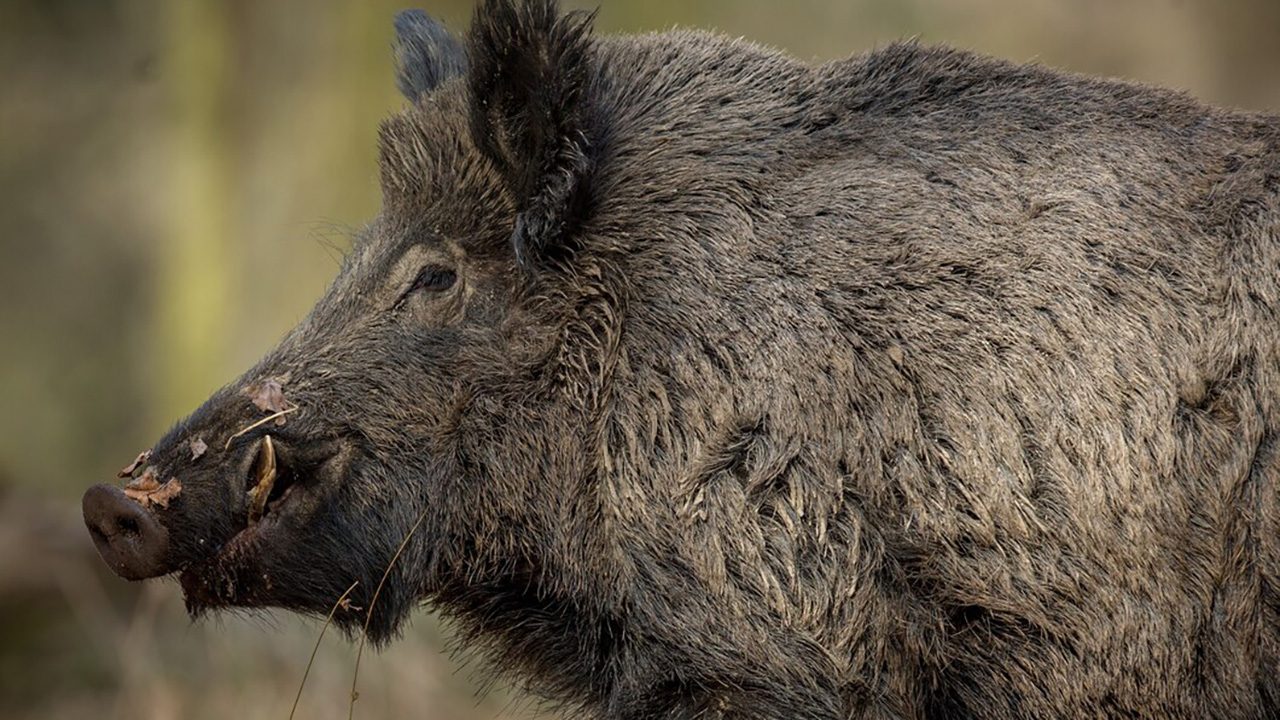
North Carolina’s hog problem is often discussed as farm damage, but suburban areas get dragged into it when hogs spread along waterways and lowland corridors. Extension guidance in NC notes feral swine are widespread and destructive, and the same rooting behavior that wrecks fields also wrecks lawns and parks. When hogs show up near housing, the damage is more visible and more expensive per acre because it hits landscaping, sprinkler systems, and community spaces. And once a sounder learns a route through a neighborhood greenbelt, it’s hard to break the pattern.
South Carolina

South Carolina has substantial feral hog presence, and suburban expansion into coastal and inland low country creates ideal hog travel corridors. The suburban version of hog damage is ugly: yards rooted up overnight, garden beds destroyed, and community retention pond edges torn apart. The reason this keeps escalating is hog reproduction and group behavior—sounders don’t do “a little damage.” They hit an area like a crew. When neighborhoods back up to timber, swamp, or brush, hogs can stage close and raid lawns repeatedly with very little daylight exposure.
Alabama

Alabama is another state where hogs have the habitat, the water, and the cover to thrive, and suburbs are increasingly built right on top of those conditions. The suburban signal is when damage shifts from crop fields to lawns, school grounds, parks, and neighborhood common areas. Hogs aren’t picky—they’ll root up anything that smells like grubs, bulbs, or soft soil. Once they’re established near neighborhoods, trapping and coordinated removal becomes the only realistic solution, because random pressure just educates them and pushes them into nighttime movement.
Mississippi

Mississippi’s hog populations and habitat make it a consistent high-risk state for damage spreading toward populated areas. The suburban angle shows up when developments expand along creek bottoms and wooded edges—exactly where hogs already travel. What makes Mississippi tough is the combination of cover and access: hogs can bed in thick brush and step into neighborhoods after dark without crossing open ground. The result is repeated damage, because hogs don’t just wander through once. If the turf and soil are easy to root and there’s water nearby, they’ll work the same area again and again.
Louisiana

Louisiana’s wetlands, bayous, and thick cover are hog heaven, and suburbs built near that habitat are going to deal with it sooner or later. The suburban damage pattern is predictable: churned lawns, wrecked flowerbeds, and torn-up edges around water features. Hogs are also smart enough to move quietly and fast, so neighborhoods may only catch quick camera clips while the damage keeps stacking up. In places where hogs have been established for years, the “new” part is simply where the damage is showing up—closer to houses and community infrastructure.
Oklahoma

Oklahoma has a widespread hog issue, and the state wildlife department notes expanding numbers and serious landscape damage. Suburban sprawl around OKC and Tulsa creates more points of contact—greenbelts, creeks, and undeveloped tracts that connect neighborhoods to hog travel routes. The ugly surprise for suburban homeowners is how fast hogs can wreck a yard: they root like rototillers, and they do it as a group. Once that starts, it’s not a “fix it this weekend” problem. It becomes a coordinated removal problem, usually involving trapping and follow-up work.
Arkansas

Arkansas has the mix hogs love: woods, water, agriculture edges, and increasingly, development built right into it. Suburban hog trouble shows up in the margins—new neighborhoods near timber and creek corridors. The reason it’s showing up “more” in suburb-type areas is because those edges are multiplying as housing expands. Hogs don’t need to be in your backyard all day; they just need a quiet nighttime window and cover close by. If your neighborhood has a greenbelt with muddy edges and rooted patches, that’s often the first warning sign.
Tennessee
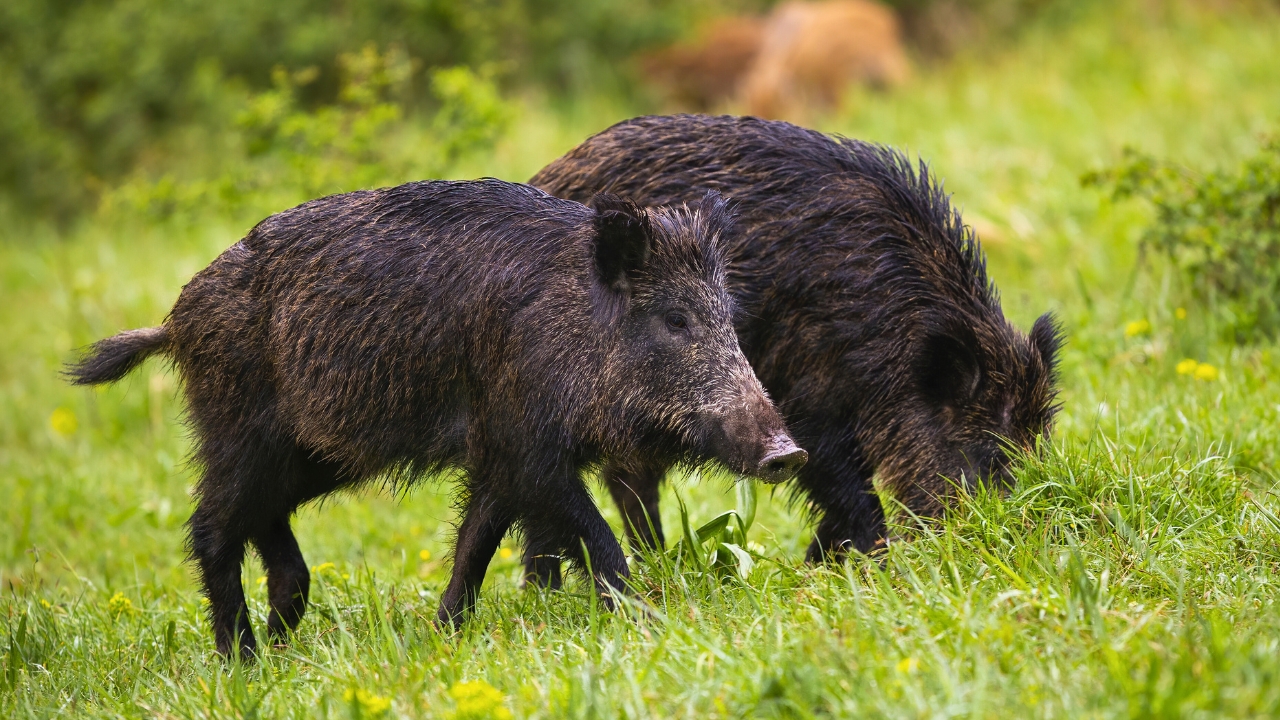
Tennessee’s hog issues are often discussed in a rural context, but the suburban version appears when sounders work along rivers, creek bottoms, and wooded ridges that sit right behind development. The problem isn’t only lawns—it’s also erosion and torn-up slopes in common areas, plus damage to landscaping investments that neighborhoods pay real money for. Hogs also create secondary problems: once they root an area, you can get standing water, mosquito breeding, and a muddy mess that keeps failing to recover. Suburban communities learn fast that “a few hogs” turns into a pattern.
Kentucky

Kentucky is one of those states where hog pressure can surprise people because it’s not always as publicly visible as Texas or Florida. But when hogs establish in pockets and development pushes into their corridors, the damage gets noticed in the most expensive way—landscaping. Suburban hog damage is often a string of yard and garden wrecks that happen quickly and repeatedly. Once a sounder starts working a neighborhood edge, it’s very hard to stop with piecemeal effort. The solution is coordination and removal, not “somebody will handle it.”
Virginia

Virginia is a state where hog populations have existed in parts of the state, and as development expands, the contact points rise. Suburban hog damage tends to cluster near wooded edges and waterways—places where hogs can travel without exposure. The frustrating part is that suburban communities often don’t have a plan until damage shows up, and then the reaction is scattered: a little trapping here, a little hunting pressure there, and the hogs simply shift routes. That’s why the USDA’s emphasis on coordinated damage management matters when hogs spread into populated landscapes.
California

California doesn’t always get mentioned first in hog conversations, but feral pigs exist in parts of the state and can absolutely cause property damage when they overlap with suburban edges near open space. The suburban damage looks like the same thing you see elsewhere—rooted turf, torn-up landscaping, churned mud around water. What makes California tricky is where this happens: it can pop up around foothill communities and the edges of open space where pigs can bed close and move under cover. Once pigs learn irrigated lawns are easy calories, they’ll keep checking.
New Mexico

New Mexico has feral swine presence in parts of the state, and the suburban risk increases anywhere development spreads into riparian corridors and brushy habitat. The reason hog damage “hits suburbs” is because the habitat edge moves: the same creek and cottonwood corridor that used to run behind empty land now runs behind houses. Hogs don’t care what the property line says. If there’s water, cover, and soft soil, they’ll root it. And because they work as sounders, one event can look like a small excavator tore through a yard.
Like The Avid Outdoorsman’s content? Subscribe to our newsletter so you never miss an article.
Here’s more from us: