Photo credit: picardzucht/Pixabay.com
A lot of dogs get called rude, stubborn, moody, or “full of attitude” when the real issue is a lack of structure. Some breeds are built with more independence, more intensity, or more self-direction than people expect, and that can look like bad behavior in a home that is inconsistent, unclear, or too casual. AKC breed guidance repeatedly uses words like independent, obstinate, stubborn, strong-willed, or in need of consistency for several dogs in this lane.
That does not mean these dogs are “bad.” It usually means they do better with firm routines, clear expectations, enough exercise, and owners who understand that smart or driven dogs often need leadership more than scolding. A lot of what people call attitude is really unchanneled temperament.
Berger Picard
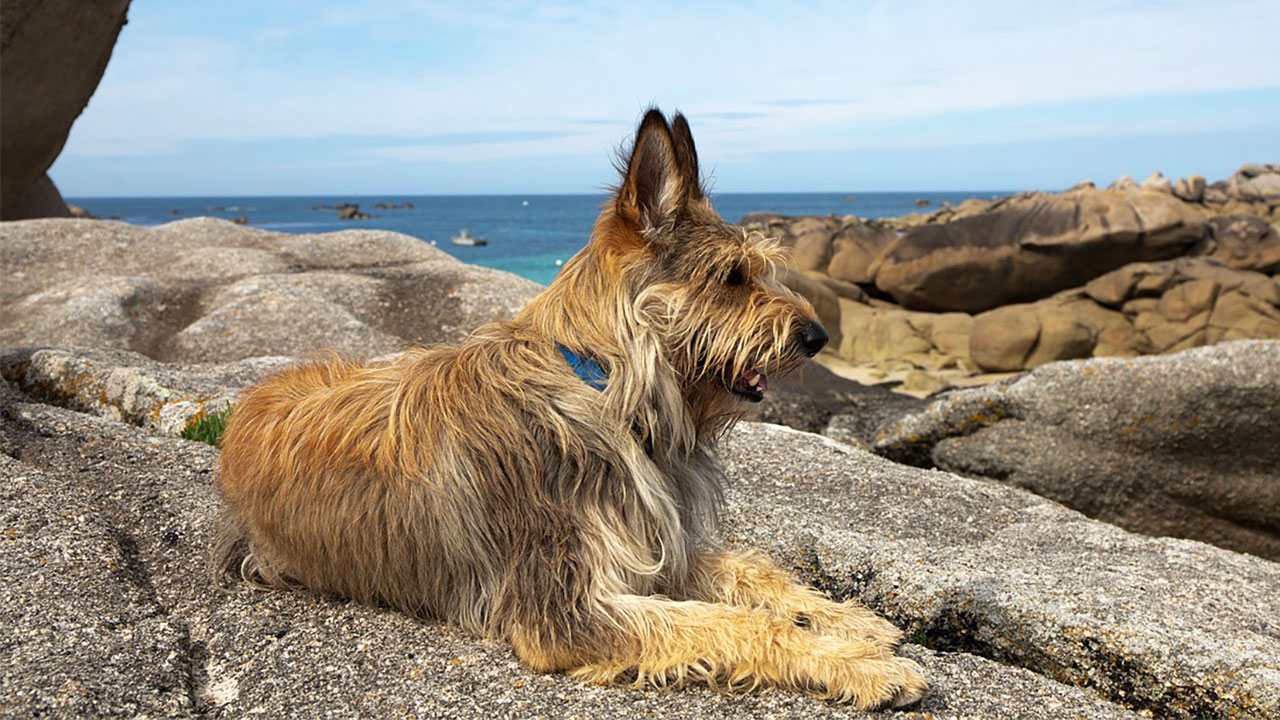
The Berger Picard is one of the clearest examples because AKC says Picards spent centuries as take-charge, independent problem-solvers and that early socialization and positive training are necessary to cope with their stubborn streak. That is not a dog who needs less structure. That is a dog who needs good structure early and often.
When that structure is missing, a Picard can easily get labeled as having an attitude. Really, it is often just doing what the breed was built to do: think for itself and keep moving. With clear rules and steady handling, that same dog usually reads as capable and sharp instead of difficult.
Dutch Shepherd
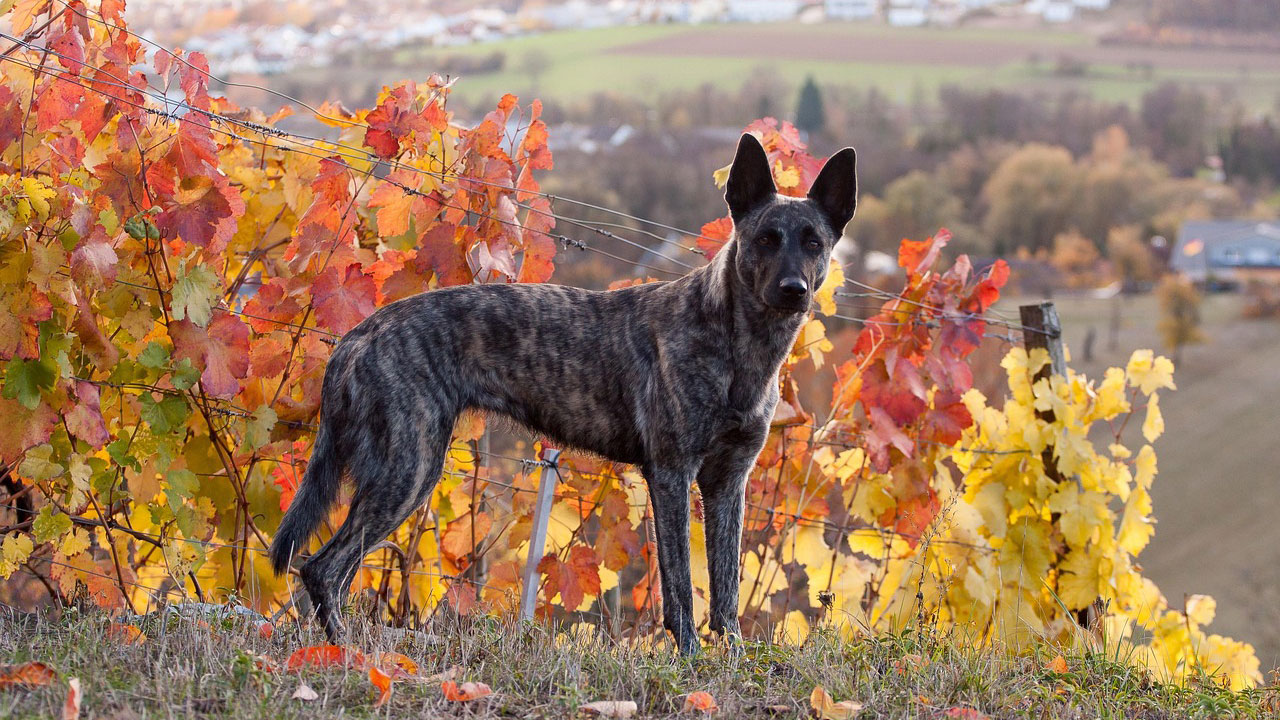
AKC says the Dutch Shepherd has an independent nature, can be slightly obstinate, and may have a mind of its own. It also says that without training, the breed will become very independent and start making its own decisions, so obedience training is highly recommended. That is basically the whole article in one breed profile.
This is a dog that often gets blamed for being too much when the home is not giving it enough direction. A Dutch Shepherd usually does not need constant correction so much as it needs consistency, work, and a handler worth listening to. Without that, the dog starts freelancing, and then people call it attitude.
Alaskan Malamute
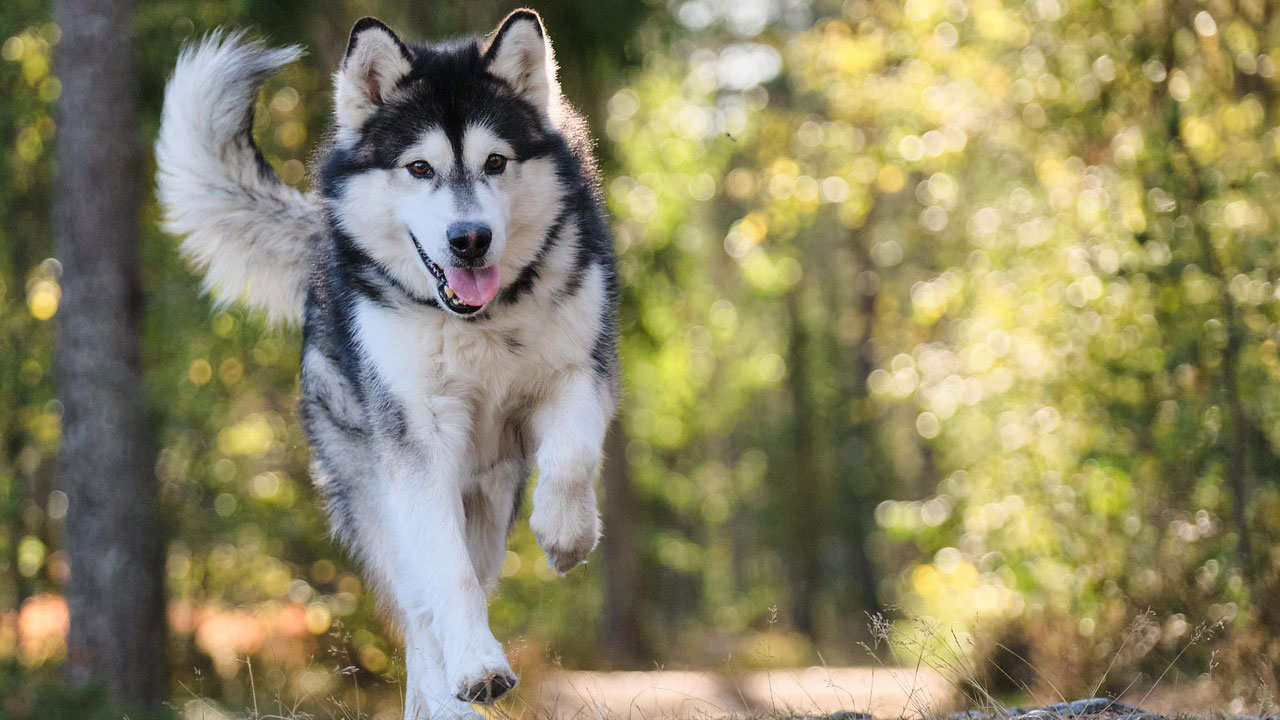
AKC says Malamutes are highly intelligent but also independent and willful, often to the point of stubbornness. That is exactly the kind of breed people misread. A Malamute is not usually trying to be disrespectful. It just is not naturally wired to treat every command like a sacred event.
In a loose household, that can turn into pulling, selective listening, boundary testing, and general chaos. In a structured home with routine, patience, and clear expectations, the same dog often looks a lot more impressive than difficult. The problem is usually not “attitude.” It is people underestimating how much dog they brought home.
German Shepherd Dog

The German Shepherd often gets treated like it should be born fully obedient because of its reputation, but AKC still emphasizes that consistency and positive, reward-based training yield the best results. That matters because a high-drive, bonded working breed can absolutely become a mess if the owner assumes the dog will raise itself.
A poorly structured German Shepherd can look pushy, reactive, or hardheaded. A well-structured one usually looks steady and dependable. That difference is a big deal. A lot of the behavior people call attitude in this breed is really drive and intelligence without enough direction.
Bouvier des Ardennes
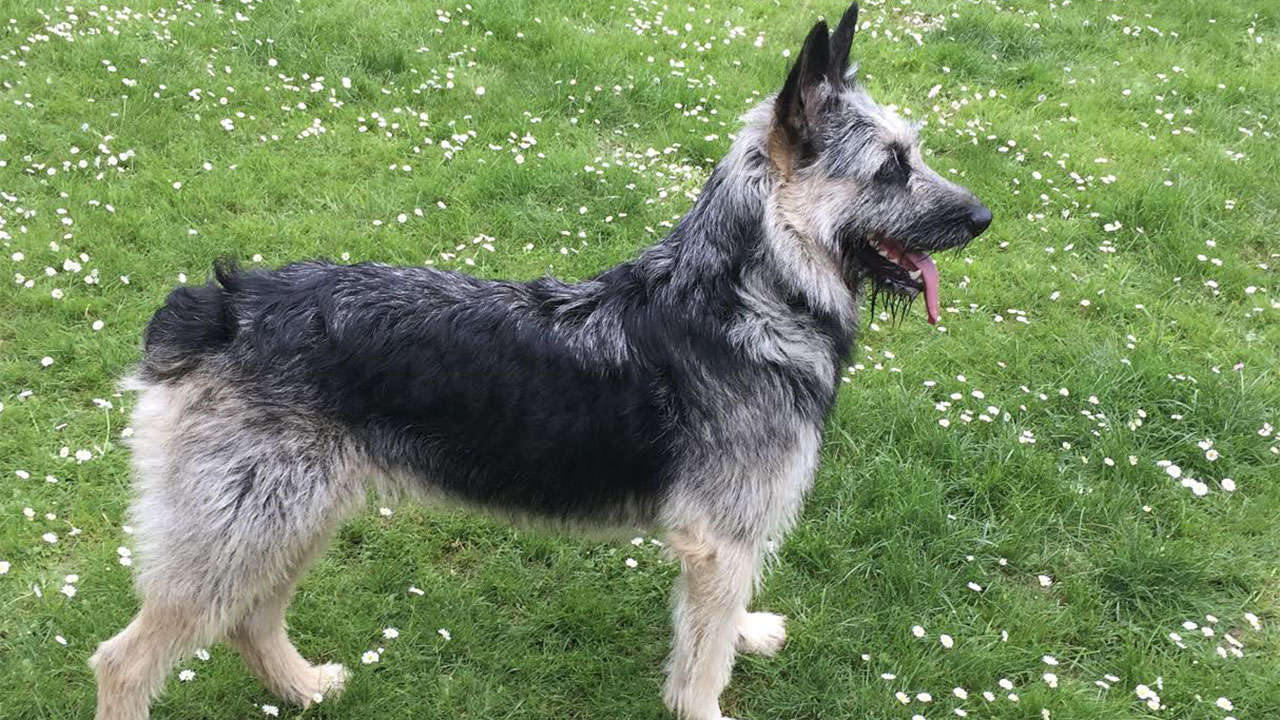
AKC describes the Bouvier des Ardennes as an intelligent problem-solver that can think for itself and notes that this can be problematic for a novice handler. That is a strong hint that structure matters a lot.
Dogs like this tend to do poorly in vague households where expectations change day to day. They do much better when there is a clear system and enough engagement to keep that brain working in the right direction. Without that, they often get called stubborn when they are really just under-led.
Dachshund

AKC says Dachshunds are intelligent but also independent and often stubborn, which can make them a challenge to train. That sounds familiar to anyone who has ever watched one hear a command and then visibly decide whether it is worth obeying.
Because they are small, people often assume they do not need much structure. That is where they get mislabeled fast. Dachshunds were built to work with nerve and determination, and that same mindset can look like sass in the house. Really, they usually need more consistency than people expect, not less.
Bloodhound

AKC describes the Bloodhound as stubborn and independent and says training requires patience, consistency, and skill. That is not the profile of a dog that thrives under loose rules and occasional follow-through.
A Bloodhound with weak structure can come off like it does not care what anyone says. In reality, it is often just deeply committed to what it is focused on. These dogs are easier to live with when the home has routine and the owner understands that calm, repetitive consistency works better than frustration.
Chow Chow
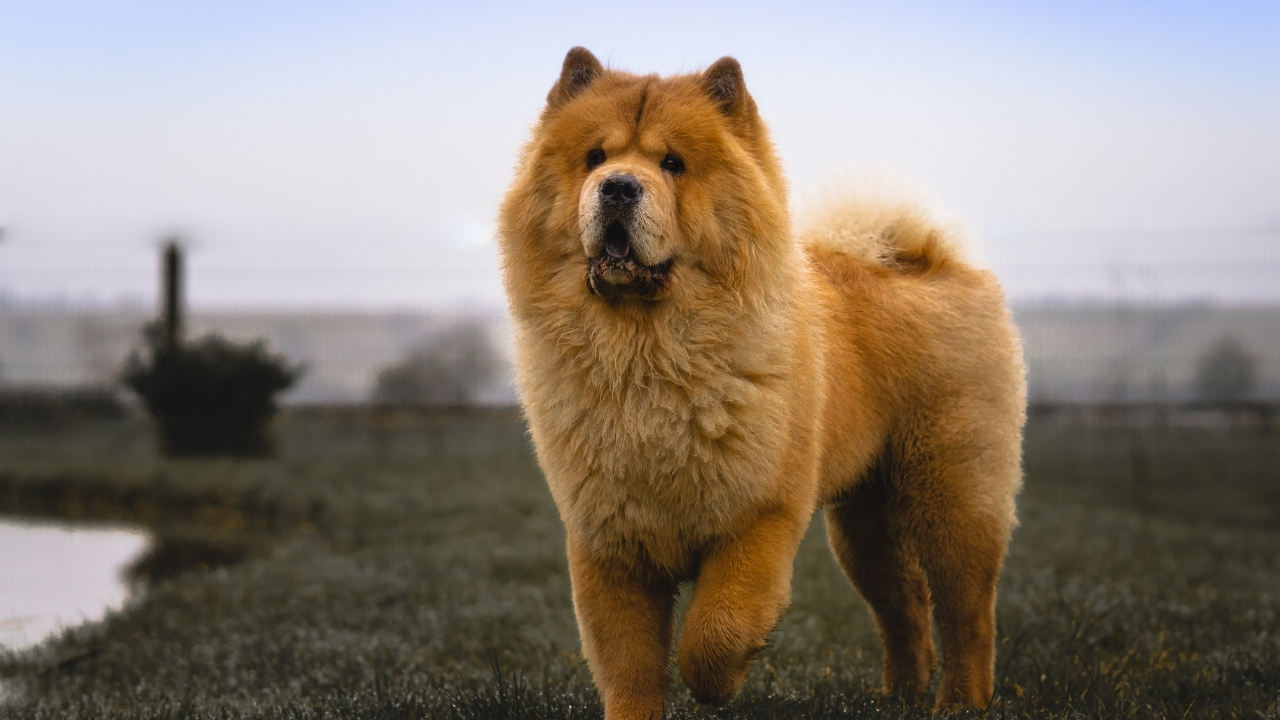
AKC says the Chow Chow is very intelligent but can be stubborn, and that harsh training methods should be avoided in order to build trust. That combination is important because a dog can be both smart and reserved without being easy.
A lot of Chows get blamed for attitude because they are not eager-to-please in the obvious way some breeds are. But that reserve and independence mean they need confident structure and fairness, not constant pressure. If the owner is sloppy or heavy-handed, the dog often stops buying in.
Basset Hound
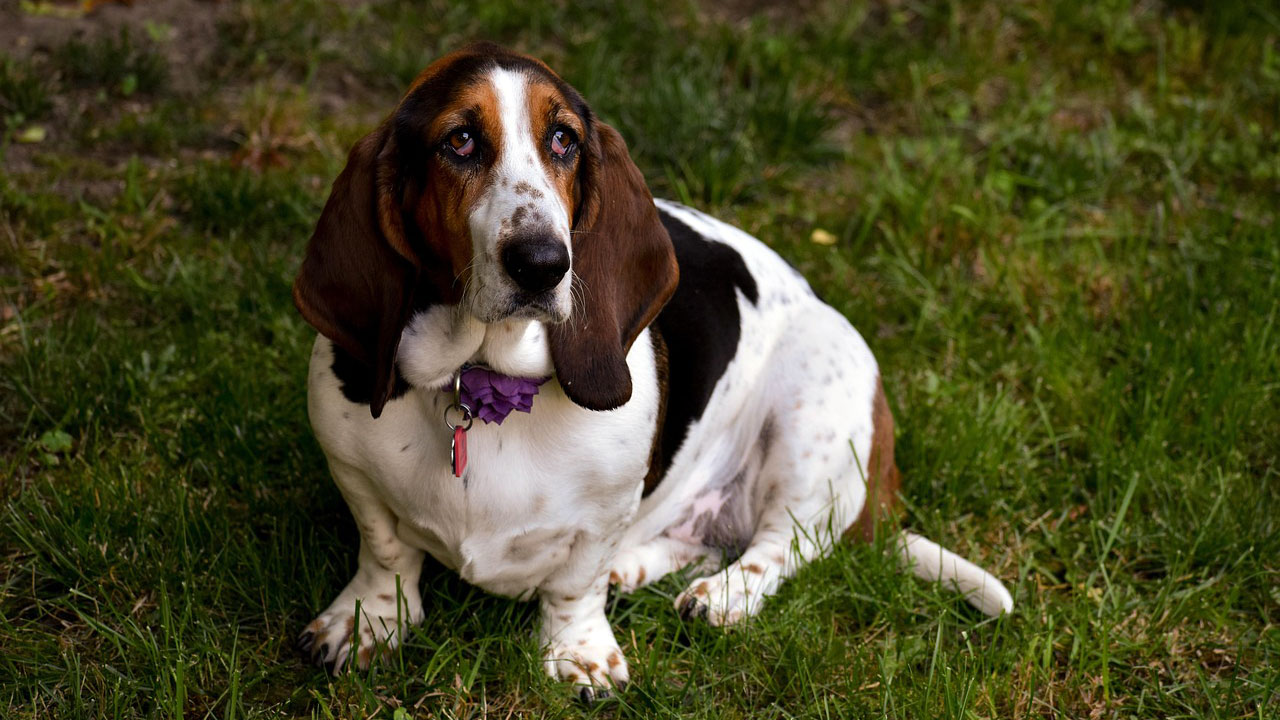
AKC says Basset Hounds are sometimes stubborn, which makes sense for a scent hound built to follow its nose and keep working. Hounds in general tend to get called attitude-driven when the real issue is that their priorities were shaped around independent scent work, not instant obedience.
That does not mean a Basset cannot be trained. It means the owner has to respect what kind of brain is in front of them. Clear routines, patience, and enough engagement matter a lot more than acting shocked the dog is not trying to win a military obedience ribbon at all times.
Spinone Italiano
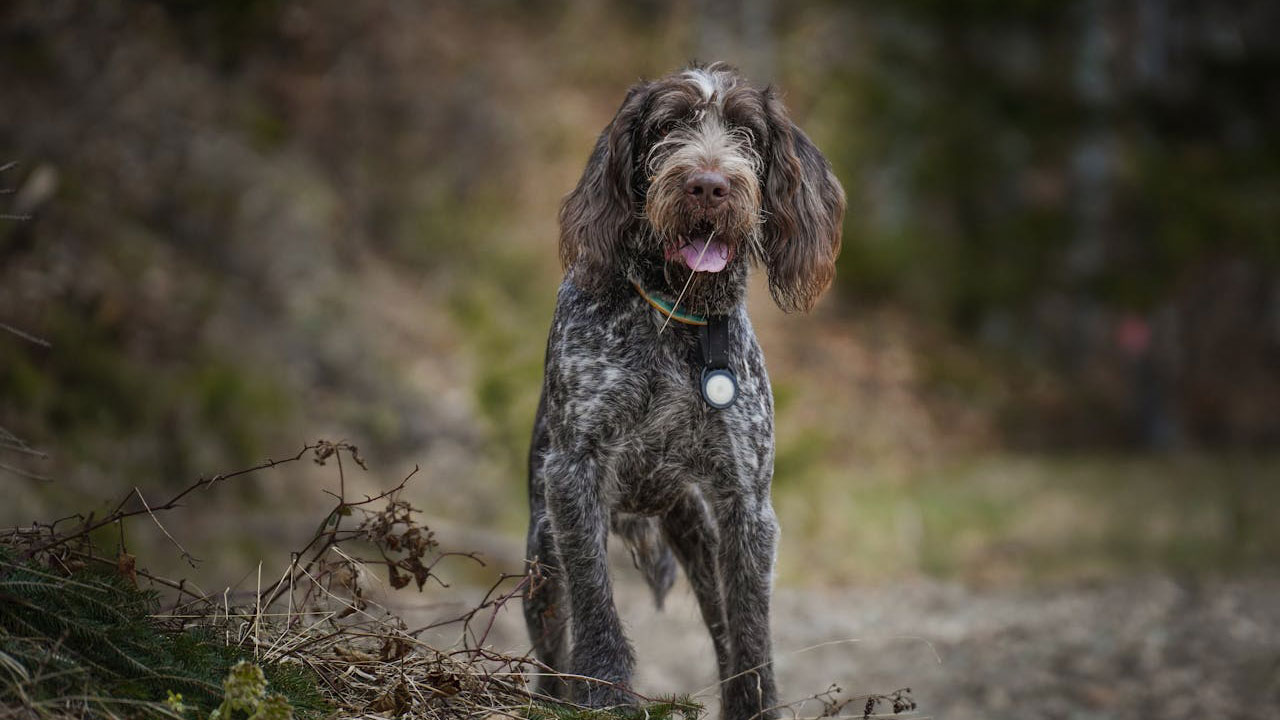
AKC describes the Spinone as sociable, docile, patient, and sometimes stubborn. That “sometimes stubborn” part is what gets these dogs misread. Because they are often gentle in demeanor, people assume they will also be effortless about structure. Not always.
A Spinone often does better when expectations are steady and the dog is given purposeful engagement. Without that, the slower, thoughtful temperament can start getting labeled as lazy or attitude-heavy when it is really a dog that needs clearer handling and motivation.
Swedish Lapphund
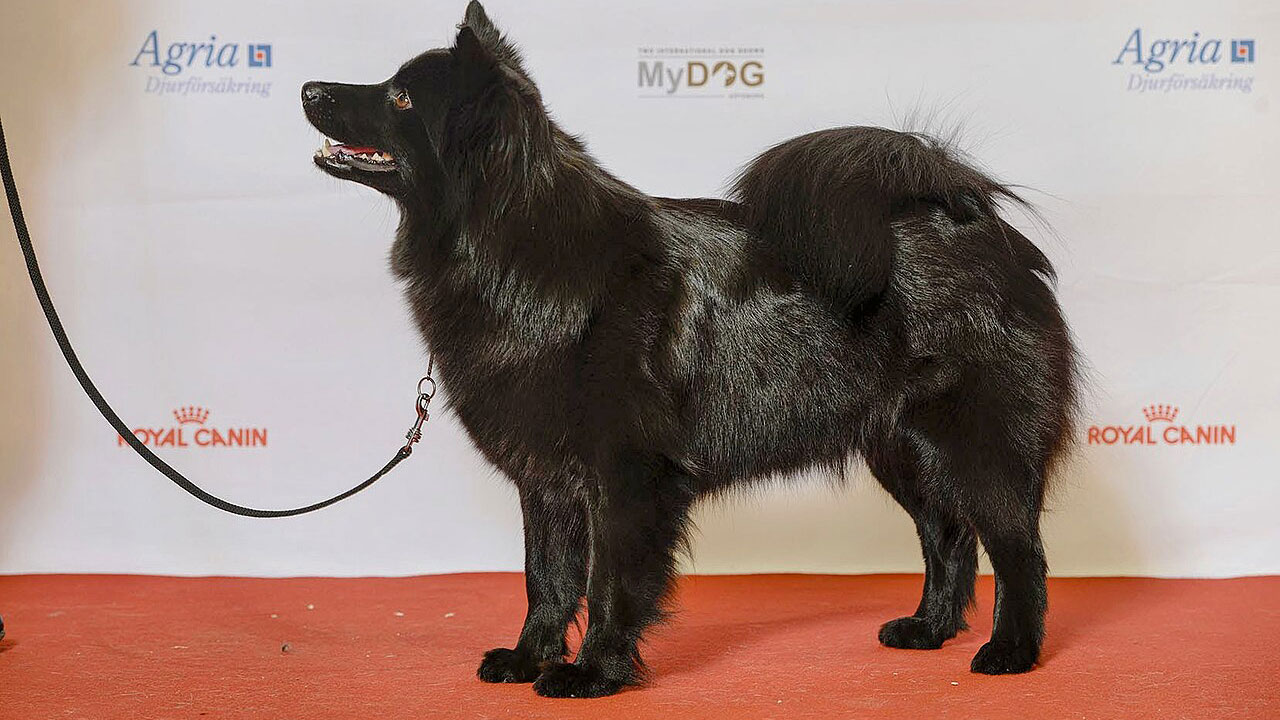
The Swedish Lapphund is described by AKC as intelligent and active, requiring regular mental and physical exercise to prevent boredom. That is a huge clue that structure matters. A dog like this can go from charming to difficult fast if it is underworked and underdirected.
When people call a dog like this mouthy, pushy, or dramatic, they are often describing boredom and lack of routine more than personality flaws. A breed with energy and brains needs a plan. Otherwise it will make one.
Affenpinscher
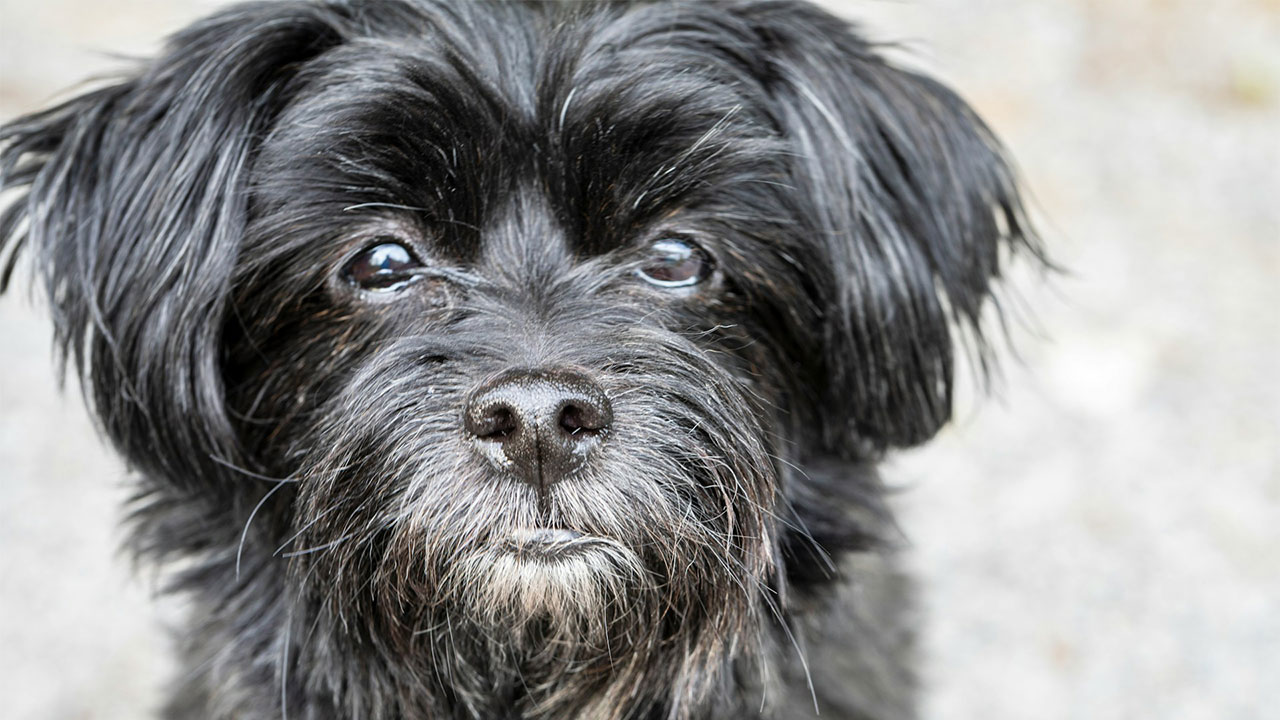
AKC says the Affenpinscher is very intelligent, easily bored, and inclined to think for itself. That is a funny combination until the dog starts ignoring commands and turning the house into its own little kingdom.
Small dogs often get away with behavior that would be corrected quickly in bigger breeds. That is how attitude gets reinforced. An Affenpinscher often needs the same kind of consistency and clear boundaries people would automatically give a larger, more intimidating dog. Without that, the dog’s self-confidence can turn into bossiness in a hurry.
Tibetan Mastiff

The AKC working-group standard says the Tibetan Mastiff is highly intelligent, independent, strong-willed, and rather reserved. That is not a beginner dog temperament. It is a classic guardian temperament that demands leadership and structure.
A dog like this gets called attitude-heavy all the time because it is not built to act soft and instantly compliant. It was bred to think, assess, and protect. In the wrong home, that becomes a problem fast. In the right home, with clear rules and serious ownership, it is just the breed being the breed.
Hovawart
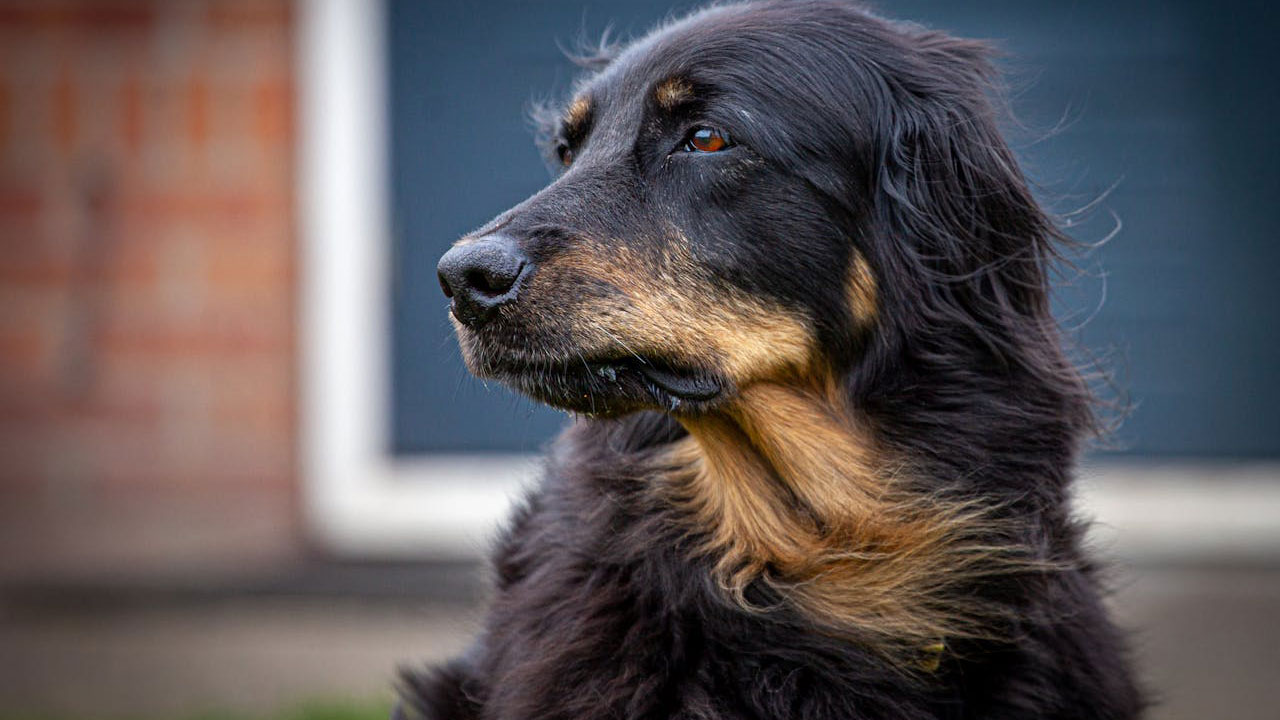
AKC says the Hovawart is extremely intelligent and stubborn and likes to have a job to do, otherwise it will use its creative intelligence in ways its owner may not appreciate. That is one of the best descriptions anywhere of a breed that gets blamed unfairly.
A lot of what owners call attitude in this breed is really unused intelligence plus not enough structure. If you give a dog like this no job, weak rules, and inconsistent correction, it is going to create its own version of order. Owners usually hate that version because it was never their plan.
Siberian Husky

AKC describes the Siberian Husky as friendly, fastidious, dignified, and often independent. That independence is exactly why Huskies get blamed for attitude so often. They are not natural yes-men.
What they need is consistent structure, enough exercise, and an owner who understands that clever, independent dogs will exploit every gap in the rules. A Husky without that framework often looks defiant, but a lot of that “defiance” is just the breed doing what the breed does when nobody is running a tight ship.
Like The Avid Outdoorsman’s content? Subscribe to our newsletter so you never miss an article.
Here’s more from us: