Photo credit: Y S/Unsplash.com
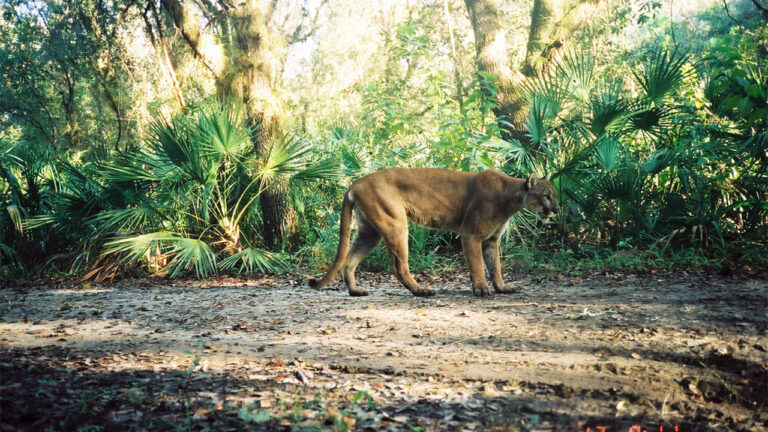
Coyotes are the definition of adaptable. Give them food, cover, and a place to move without getting harassed constantly, and they’ll figure it out. Suburbs are basically a buffet: rabbits, rodents, outdoor pet food, trash, fruit trees, and even easy water sources. Add parks, creek corridors, and greenbelts, and coyotes can move through a neighborhood like it’s their own trail system.
“Adapting fastest” usually means two things: sightings are increasing and behavior is getting bolder—more daytime activity, more use of residential edges, and more conflicts with pets and small livestock. Here are 15 states where that neighborhood coyote story keeps getting louder.
California
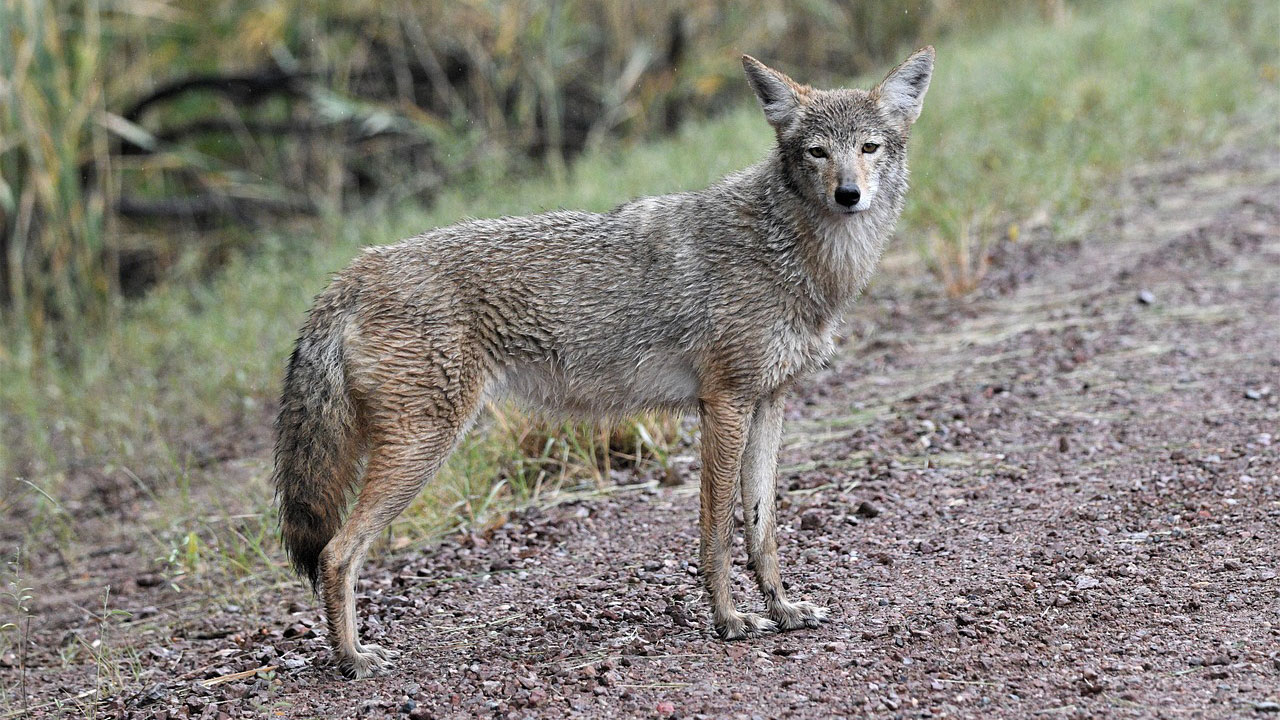
California is one of the biggest “urban coyote” states because the habitat and human layout create perfect conditions. You’ve got endless greenbelts, canyon edges, parks, and wildlife corridors that connect neighborhoods to bigger wild areas. Coyotes learn quickly where the easy food is—outdoor cats, rabbits, trash, pet food—and they get comfortable moving through developed zones. The adaptation shows up as more daytime sightings and coyotes acting like they own the place. California also has a huge population of people posting sightings online, which makes the trend more visible. But it’s not just visibility. Coyotes in many California neighborhoods have clearly learned how to live around people without getting removed, and that’s what “fast adapting” looks like in real life.
Arizona

Arizona neighborhoods often sit right next to desert edges, washes, and open land, which makes it easy for coyotes to move in and out without being seen. Those wash systems and greenbelt-style corridors act like highways. Coyotes also find plenty of food in suburban zones—rabbits, rodents, outdoor pet food, trash, and water sources. In hotter months, water access can pull them closer to homes. What makes Arizona a “fast adapting” state is that coyotes don’t need deep cover. They need travel routes and food, and Arizona’s layout provides both. People get surprised by daytime sightings, but daytime is what you see when coyotes get comfortable and learn the rhythm of human activity.
Texas

Texas has coyotes everywhere, and the neighborhood adaptation story is especially real because development keeps pushing into coyote habitat while leaving plenty of cover and prey. Suburbs with greenbelts, drainage systems, and brushy edges create perfect travel lanes. Add a huge rabbit population in many areas and a steady supply of trash and pet food, and coyotes don’t have to “invade”—they just expand their routes. In Texas, you also see coyotes adapting in smaller towns and semi-rural subdivisions where people still keep chickens, goats, and outdoor pets. That’s where conflicts spike because coyotes get bold and start testing boundaries. The adaptation is fast because the resources are easy and removal pressure is inconsistent.
Florida
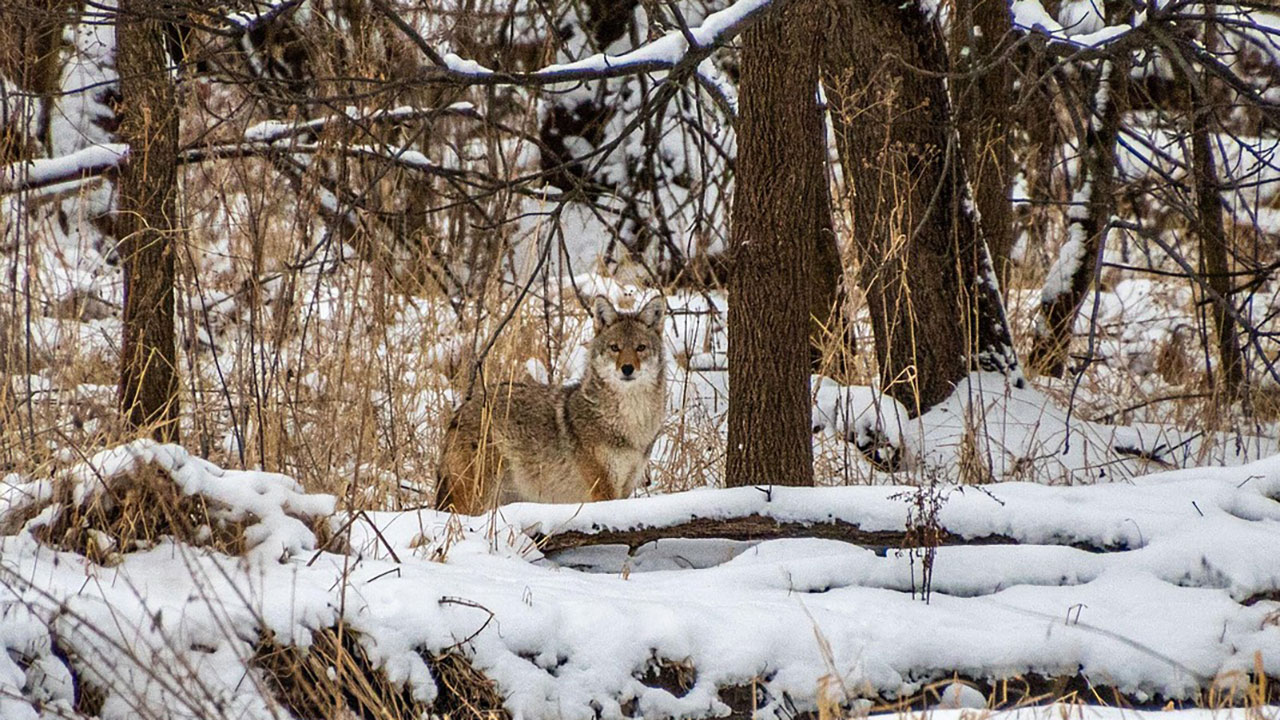
Florida’s coyotes have expanded heavily over time and they’ve adapted to a mix of habitat types—woods, wetlands, and suburban sprawl. Neighborhoods with retention ponds, green corridors, and dense cover give coyotes places to hide and travel. Florida also has tons of prey and easy food sources, and many communities have rules that make lethal control complicated. That combination can create bolder behavior because coyotes learn there’s limited consequence. The “adaptation” shows up as more sightings near schools, parks, and residential edges, plus more reports of coyotes taking small pets. Florida is a state where coyotes have clearly learned to use suburban infrastructure to their advantage.
Illinois
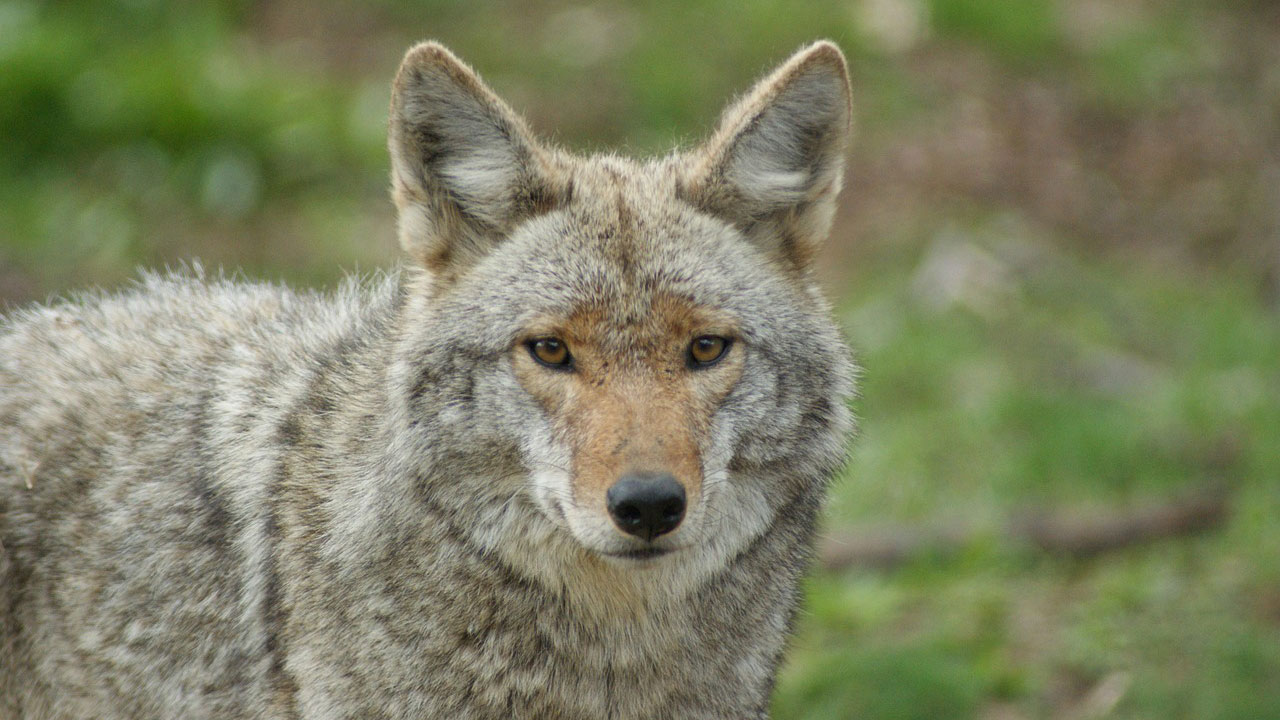
Illinois is a major urban coyote state because coyotes have figured out how to live in and around dense metro areas while still using natural corridors. They travel along rail lines, creek systems, forest preserves, and park networks that connect neighborhoods to larger habitat pockets. That’s the adaptation: they don’t need your backyard to be “wild.” They just need routes that keep them moving. In Illinois, sightings in suburban areas are common, and coyotes are known for showing up in parks and neighborhoods in ways that surprise people who think coyotes belong “out west.” The pressure on pets and small animals in backyard settings is part of the reason Illinois keeps showing up in urban coyote discussions.
Colorado

Colorado’s Front Range area is a perfect example of coyotes adapting to neighborhoods built against open space. You’ve got a mix of natural corridors, parks, and wildlife habitat right next to suburban development. Coyotes use those spaces to move and hunt, then slip into neighborhoods for easy opportunities. The adaptation shows up in daylight sightings and coyotes getting comfortable near people, especially around parks and trails where they see humans constantly. Colorado also has plenty of prey—rabbits, rodents—and a lot of outdoor recreation that unintentionally normalizes human presence. Coyotes that see people every day tend to lose fear faster. That’s when you start getting bolder behavior around neighborhoods.
Washington

Washington has strong coyote populations and a lot of green corridors that connect neighborhoods to natural habitat. Urban and suburban areas with parks, wooded edges, and creek systems make movement easy. Coyotes adapt by learning when people are active and when they’re not, then using those quiet windows to travel. In some Washington communities, coyotes have become a regular part of the suburban environment, and conflicts tend to show up around pets and small livestock. The “fast adaptation” is also tied to human habits—garbage, outdoor feeding, and leaving pet food out. Coyotes are smart, and once they learn a neighborhood has predictable food sources, they treat it like part of their home range.
Oregon

Oregon’s suburban coyote issue mirrors Washington: plenty of cover, plenty of corridors, and lots of neighborhoods built right up against natural spaces. Coyotes use wooded strips, rivers, and park systems to move without being seen much. When food sources are easy—rabbits, trash, outdoor cats—they start hanging around more. Oregon also has a lot of people who enjoy feeding wildlife or leaving food out, and coyotes take advantage of that quickly. The adaptation is visible in bolder behavior, especially around neighborhoods near green space. You’ll hear it in the same stories: coyotes spotted in daylight, coyotes near school grounds, and sudden increases in missing cats.
New York

People think coyotes are a western problem until they live in the Northeast long enough. New York has coyotes in rural and suburban zones, and they’ve learned to use wooded edges, park systems, and greenbelts like travel lanes. Suburban areas with deer, rabbits, and lots of cover give them everything they need. The adaptation shows up as more sightings near neighborhoods and reports of coyotes getting comfortable around human activity. In some areas, coyotes also take advantage of deer populations in and around suburban spaces, which keeps them close to neighborhoods. When a predator can hunt deer in the shadows of development, it’s going to stick around.
Pennsylvania

Pennsylvania has a mix of wooded habitat, rural development, and suburban sprawl that creates perfect edge country for coyotes. The state also has high deer densities in many areas, and deer attract predators. Coyotes adapt by using wooded strips and creek corridors to move right up to residential zones. They also learn human routines fast—trash day, dog-walking routes, quiet hours. Many Pennsylvania neighborhoods back up to woods, and that interface is basically a predator zone. The adaptation is often noticed when people start seeing coyotes in daylight or when local pet losses increase. Coyotes are opportunists, and Pennsylvania gives them opportunity in a lot of places.
North Carolina

North Carolina has coyotes across the state, and the neighborhood adaptation story is common because suburban development often overlaps with wooded edges and small farms. Coyotes find food easily—rabbits, rodents, chickens, outdoor pet food—and they find cover in brushy lots, creek bottoms, and wooded strips. The adaptation shows up in bold behavior around neighborhoods that have predictable food sources. Another factor is that many areas have complicated control realities—people don’t coordinate, and coyotes learn where they can operate without being pressured. North Carolina is one of those states where the “I never used to see coyotes here” story keeps popping up as development expands and coyotes keep filling the gaps.
Georgia

Georgia’s mix of suburbs, wooded edges, and abundant prey creates strong conditions for coyotes to thrive near neighborhoods. Coyotes learn quickly that subdivisions often have easy food opportunities—small pets, trash, outdoor feeding, even fruit and compost. They also use wooded corridors and drainage lines to move without being seen. The adaptation becomes obvious when sightings become regular, not rare, and when coyotes start showing up during the day. Georgia also has a lot of semi-rural neighborhoods where people keep chickens and small livestock, which increases conflict. Coyotes that learn a neighborhood has an easy coop will keep testing it until owners tighten security.
Michigan

Michigan has coyotes everywhere, and suburban edges often overlap with ideal cover and prey. In many regions, coyotes use wooded strips and wetland edges to move right into neighborhoods. The adaptation shows up in the same patterns: more sightings near parks, more activity at dawn and dusk in residential areas, and more pet conflicts. Michigan also has strong deer populations in many areas, and that keeps coyotes in the broader ecosystem even near development. When coyotes can feed on deer carcasses, fawns, rabbits, and human-provided food sources, they don’t have to travel far. They become “resident” neighborhood animals instead of occasional visitors.
Ohio

Ohio is a state where coyotes have adapted extremely well to suburban and even urban edges. The landscape is a patchwork of fields, woods, and development, which creates constant edge habitat. Coyotes love edge habitat. They use creek corridors, railroad lines, and green space to move and hunt, and neighborhoods provide easy food and cover opportunities. The adaptation is visible in how normal sightings have become in many areas, and how quickly coyotes learn that people aren’t always a threat. In places where people don’t pressure coyotes consistently, the animals get bolder. That’s when you start hearing about coyotes following joggers, hanging around parks, and showing up in daylight.
Massachusetts

Massachusetts is another Northeast state where coyotes have become part of the suburban ecosystem. They use wooded strips, conservation land, and park networks to travel and hunt, and they can live surprisingly close to dense human populations. The adaptation is often noticed through increased sightings and conflicts with outdoor pets. In many suburban towns, coyotes aren’t “passing through.” They’re living there, raising pups, and using the neighborhood as part of their home range. That’s what adaptation looks like: stable, repeating presence. Massachusetts also has a strong culture of people reporting and sharing sightings, which makes the pattern more obvious to the public, but the underlying reality is that coyotes have learned to thrive in developed landscapes.
Like The Avid Outdoorsman’s content? Subscribe to our newsletter so you never miss an article.
Here’s more from us: