A hard-hitting revolver doesn’t have to be a knuckle-buster. Most of what people call “painful recoil” is really a bad mix of light weight, short grips, and a cartridge that’s being pushed too hard for the gun’s size. Put that same power in a heavier frame with a longer barrel, decent stocks, and a load you can control, and suddenly the gun feels more like a firm shove than a slap. That’s where wheelguns start making sense again—simple, durable, and predictable when you do your part.
The trick is picking revolvers that balance power with shootability. Think mid-to-large frames, grips that actually fit your hands, and cartridges that hit with authority without forcing you to fight the gun every shot. The wheelguns below are all capable of serious work, but they’re also the kind you can practice with regularly. That’s what makes them useful.
Smith & Wesson Model 686 (4″ or 6″)

The 686 is a classic because it lets you run real .357 Magnum power without making you hate life. The L-frame has enough weight to tame recoil, and the full-size grip options give you control instead of finger bruises. With a 4-inch or 6-inch barrel, you get a longer sight radius and a smoother recoil impulse than the short-barrel snub versions.
It also shines because you can tailor it. .38 Special for practice, .357 for serious work, and you can pick loads that hit hard without being punishing. If you choose a sensible .357 load instead of the hottest thing on the shelf, the gun stays controllable and fast. That makes the 686 a revolver you’ll actually train with, not one you dread shooting.
Smith & Wesson Model 69 (4.25″)

The Model 69 is a smart answer for people who want .44 Magnum capability without carrying a full N-frame. It’s still a compact package, but the balance is better than most people expect, and that 4.25-inch format gives you enough barrel and grip to keep recoil from getting sharp and ugly.
The key to making it “hit hard without beating you up” is load choice. Mid-range .44 Magnum and .44 Special defensive or hunting loads can be very effective while staying controllable. The gun gives you a lot of flexibility, and with proper grips, it doesn’t feel like a toy trying to fire a cannon cartridge. It’s a practical woods revolver when you’re willing to be smart instead of macho.
Smith & Wesson Model 629 (4″ or 6″)
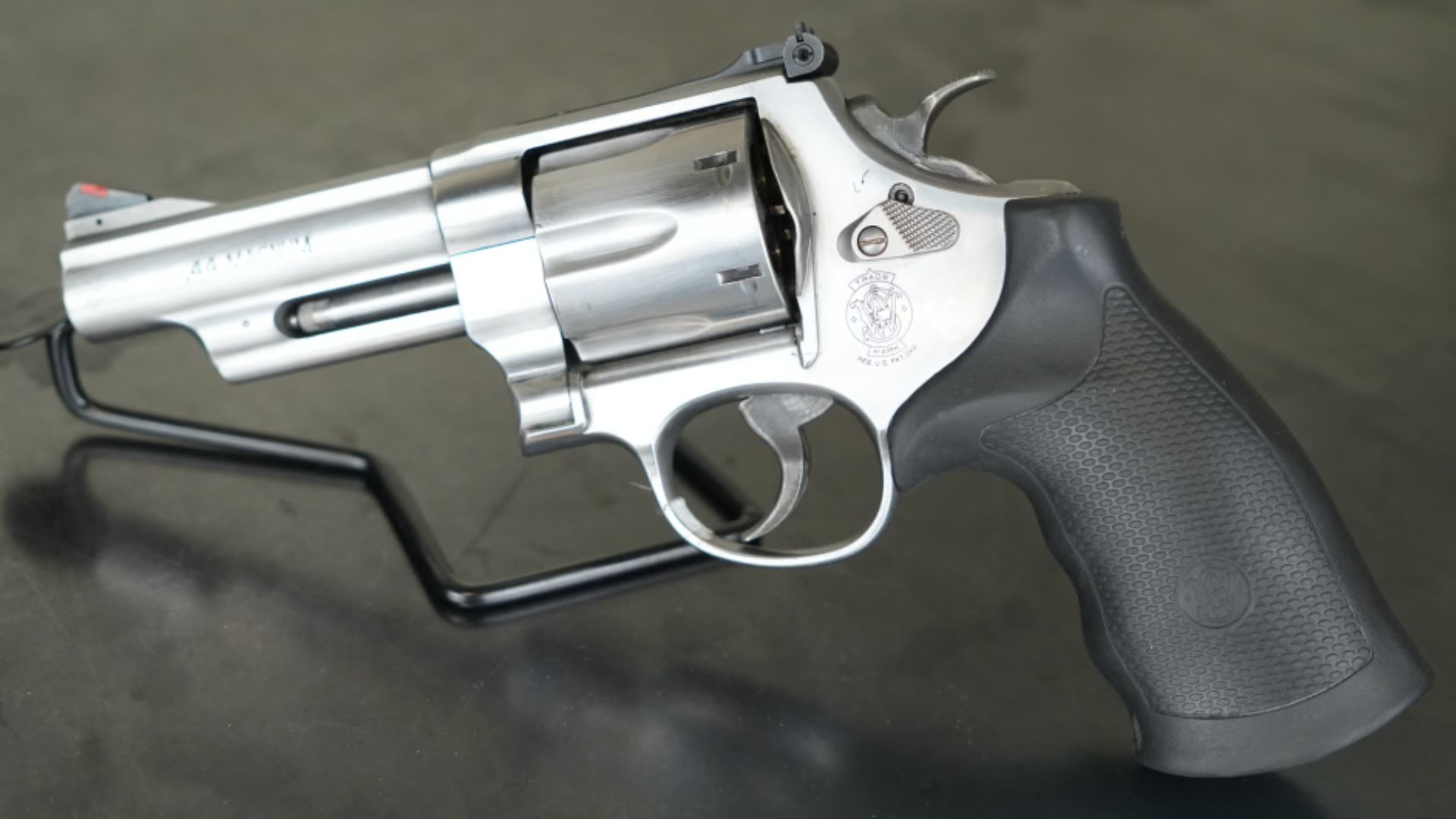
The 629 is one of the easiest ways to make .44 Magnum feel manageable. The larger frame soaks up recoil, and the longer barrel options give you weight out front that helps the muzzle stay down. If you want power for hunting, hogs, or general woods use, this is a revolver that can deliver it without punishing you the whole time.
You also get the option to run .44 Special, which is a real advantage. You can practice a lot with softer loads, then step up when you need more. Even with .44 Magnum, you don’t have to chase the hottest loads to get meaningful performance. With a good grip and sensible ammo, the 629 hits hard but stays shootable enough to run accurately under pressure.
Smith & Wesson Model 327 TRR8
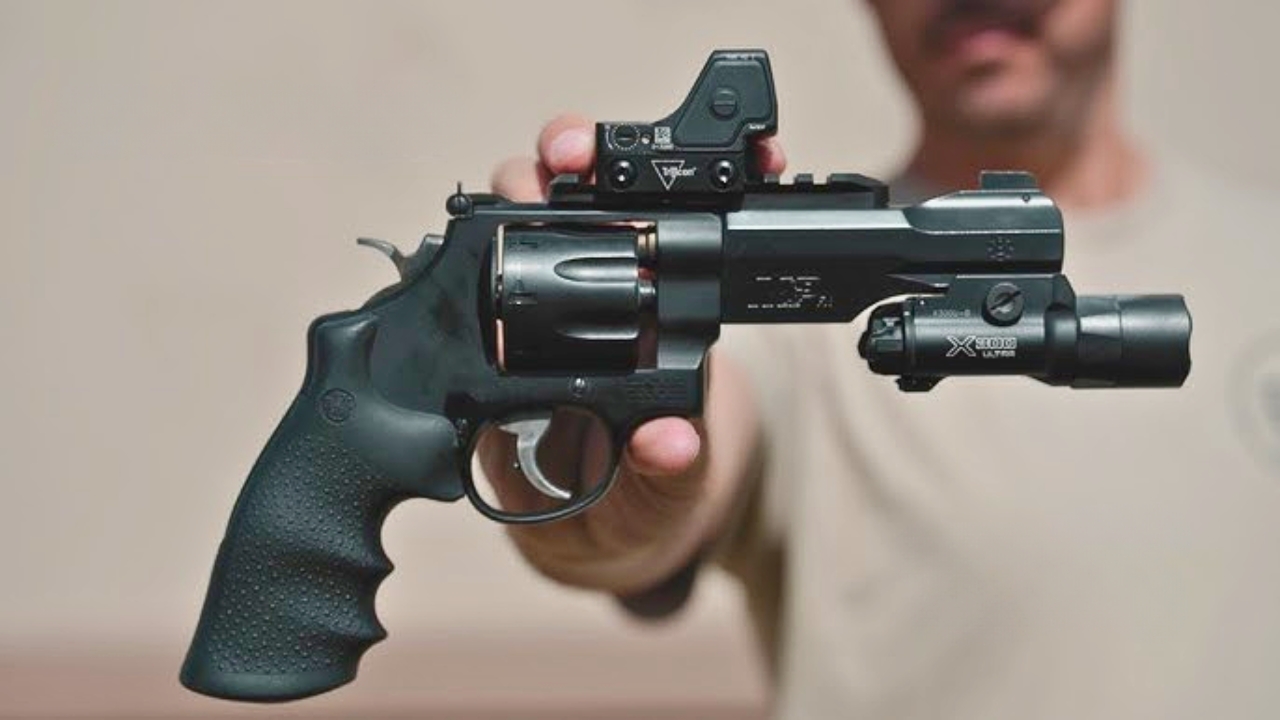
The 327 TRR8 is a high-performance .357 that stays surprisingly controllable because it’s built to be shot fast. The revolver has enough mass and a strong, modern setup that keeps recoil from feeling sharp. In .357, the difference between a light gun and a heavier, better-balanced gun is night and day.
It also gives you capacity and handling advantages that matter in real use. Eight rounds buys you margin, and the gun’s weight and grip geometry let you stay on the sights in quick follow-up shots. If you pick a practical .357 load instead of the most violent option you can find, the TRR8 becomes a wheelgun you can run hard without getting beat up. It’s a revolver that rewards technique instead of punishing you for trying.
Ruger GP100 (4″ or 6″)

The Ruger GP100 is a working revolver that makes .357 Magnum feel sane. It has the weight and frame strength to handle steady use, and it doesn’t feel whippy in the hands. That extra mass helps turn magnum recoil into a push rather than a slap, especially in 4-inch and 6-inch configurations.
The GP100 also shines because it’s easy to live with. You can shoot a lot of .38 Special through it, run .357 when you want more, and the gun tends to keep going without needing special treatment. With good grips, it’s one of the friendliest “serious” revolvers for people who want power but still want to practice. If you’re trying to build real proficiency, a revolver you can shoot often is the one that matters.
Ruger Redhawk (5.5″ or 7.5″)

The Redhawk is built for heavy work, and that’s exactly why it doesn’t beat you up as badly as lighter .44 Magnum revolvers. It has the weight, the frame strength, and the grip size to spread recoil out across your hands instead of concentrating it into one painful snap. When you’re running magnum loads, mass is your friend.
For hunting or deep woods use, the Redhawk makes sense because it’s durable and predictable. You can run stout loads when you need them, then step down to more manageable ammunition for practice. The longer barrel options also help with control and sight picture. You’re not buying the Redhawk to be slick and light. You’re buying it because you want power that stays manageable and repeatable.
Ruger Super Redhawk (7.5″)

The Super Redhawk is one of the best ways to make big revolver cartridges feel more controlled because it’s a heavy, stable platform. That weight out front helps keep the muzzle from jumping, and the overall size gives you leverage you simply don’t get with lighter guns. If you want a revolver you can actually shoot well with powerful loads, this is the kind of frame that helps you do it.
It’s also a hunting-oriented revolver, which means it’s designed for real precision and repeatability. You can mount optics if that’s part of your setup, and the gun is built to hold up under use. The recoil is still there, but it’s not abusive in the way lightweight magnums can be. It’s a revolver that lets you focus on hits instead of bracing for impact.
Ruger Blackhawk (5.5″)

The Ruger Blackhawk is a single-action, but it belongs here because it’s one of the easiest ways to shoot hard-hitting revolver cartridges without getting punished. The grip shape and the way a single-action rolls in the hand can make recoil feel smoother than you’d expect, especially with loads that would feel sharp in a lighter double-action gun.
In practical use, the Blackhawk is a field gun that rewards calm shooting. It’s not built for rapid defensive strings, but for hunting and backcountry carry, it can be a very comfortable way to throw serious bullets. With the right barrel length and sensible loads, it stays controllable and accurate without hammering your hands. If your goal is power you can place, the Blackhawk’s recoil character can be a real advantage.
Ruger Super Blackhawk (7.5″)

The Super Blackhawk takes the single-action benefits and adds weight and barrel length that help keep recoil from getting brutal. In .44 Magnum, that extra mass matters, and the longer sight radius helps you shoot better when you’re pushing distance. The gun’s shape encourages a recoil roll that many shooters find easier to tolerate than a sharp snap.
It’s also a workhorse. You can hunt with it, carry it in the backcountry, and put a lot of rounds through it without feeling like you’re beating the gun to death. Like any magnum, you still need to choose loads you can handle, but the Super Blackhawk gives you a platform that makes that easier. It’s a serious field revolver that doesn’t demand you suffer to get performance.
Colt King Cobra Target (4.25″)

The King Cobra Target is a .357 revolver that hits hard in a very shootable format. The extra barrel length and full-lug style weight help tame recoil, and the grip and sights make it easier to run accurately. When you shoot .357 in a well-balanced 4-inch-plus gun, the cartridge stops feeling sharp and starts feeling controlled.
It’s also a revolver you can practice with a lot. Run .38 Special for volume, then step up to .357 for serious use, and the gun doesn’t feel like it’s punishing you for training. That matters because the “best” revolver is the one you actually shoot. The King Cobra Target fits that middle ground: enough weight to be comfortable, enough power to matter, and a setup that encourages accuracy.
Colt Python (4.25″ or 6″)

The Python is known for its smooth action, but it also earns a place here because its weight and balance make .357 Magnum easier to manage than people expect. A 4.25-inch or 6-inch Python gives you enough mass to keep recoil civilized, and the longer barrel helps with sight tracking and control during follow-up shots.
It’s also a revolver that rewards careful shooting. You tend to shoot it well because the trigger feel encourages clean presses, and the gun’s heft keeps the sights from flying off target. The cartridge still hits hard, but the platform makes it less punishing. If you stick with practical .357 loads and don’t chase the harshest ammo on the shelf, the Python gives you power with a recoil impulse you can live with.
Smith & Wesson Model 25 (6.5″)
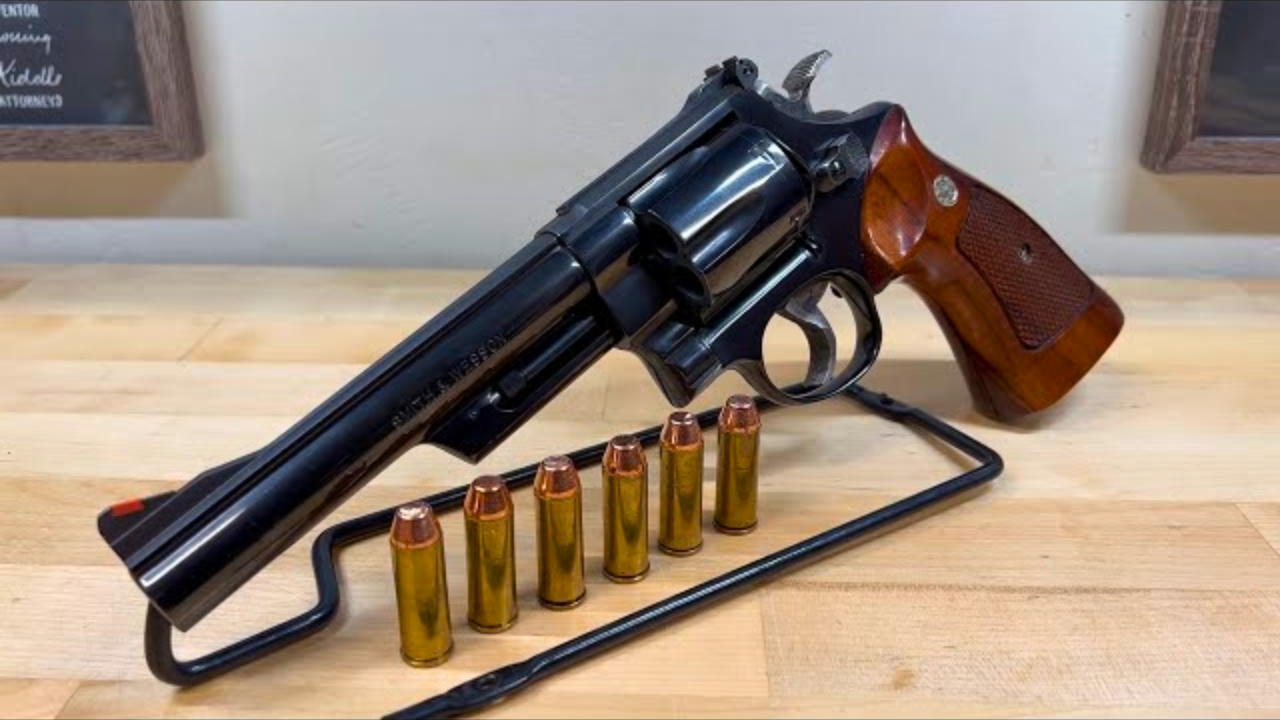
The Model 25 in .45 Colt is one of the best examples of “hits hard without beating you up” when you choose the right loads. .45 Colt can deliver big, heavy bullets at useful speeds without the sharp snap of magnum revolver cartridges. In a large-frame Smith with a longer barrel, recoil tends to feel more like a firm push.
The big frame and grip area help you control the gun, and the longer barrel gives you steadiness and a generous sight picture. This is a revolver that can do real work in the field, especially at close and moderate ranges, without making every shot feel like a punishment. The key is staying realistic with load selection. Practical .45 Colt loads can be very effective while still being comfortable enough to shoot often.
Ruger Super Redhawk Alaskan (.454 Casull / .45 Colt)

The Super Redhawk Alaskan is compact, but it makes the list because it can hit hard in a way that’s still manageable if you use it intelligently. The trick is that you don’t have to live on full-power .454 Casull. You can run .45 Colt for most practice and even for many real-world needs, and the gun’s weight and grip help keep it controllable.
When you do step up to stronger loads, you still have a platform that’s built to handle pressure and abuse. The recoil with full-power .454 is serious, but the revolver’s mass and design keep it from feeling like a lightweight punishment stick. It’s a backcountry option for people who want flexibility and durability, and who understand that smart load choice is part of staying effective.
Smith & Wesson Model 57 (6″)

The Model 57 in .41 Magnum is a great “hard hit, manageable recoil” option because .41 can deliver real performance without feeling as brutal as the hottest .44 Magnum loads. In a 6-inch N-frame, the cartridge tends to feel controllable, and you get the benefit of a longer barrel and a steady sight picture.
For hunting and woods use, .41 Magnum makes sense when you want penetration and authority without the recoil penalty that keeps you from practicing. The Model 57 also gives you a large, comfortable grip and a stable platform that spreads recoil out. If you’ve never shot .41 in a full-size revolver, the first surprise is usually how shootable it feels for the power level. It’s a practical choice for people who value control.
Ruger GP100 Match Champion (4.2″)

The GP100 Match Champion is a version of the GP100 that’s set up to shoot well, and that helps keep “hard-hitting” loads from feeling chaotic. In .357 Magnum, the GP100 frame already helps a lot. The Match Champion setup adds sights and handling touches that make it easier to shoot accurately, especially when you’re trying to run the gun with some speed.
This model also encourages a smarter approach to recoil. You can practice heavily with .38 Special, then run .357 loads that are effective without being punishing. The gun’s weight and grip geometry make that transition easier. If you want a revolver that can serve as a serious defensive or field gun while still being comfortable enough to train with, the Match Champion fits the bill. It’s a wheelgun you can live with.
Like The Avid Outdoorsman’s content? Be sure to follow us.
Here’s more from us: