Photo credit: Dmitry Markov152/Shutterstock.com
Budget hunting guns used to follow a pretty predictable formula. They worked, they were affordable, and they rarely tried to do anything beyond the basics. If you wanted nicer fit, smoother operation, or more modern features, the usual answer was simple: spend more money. In 2026 that gap is getting smaller, and a new Stoeger shotgun release is a good example of why. Stoeger introduced the M3000 Sporting this year, expanding its long-running inertia-driven shotgun line with a model designed to deliver competition-style features at a price point that still sits comfortably in the “working hunter” category. (stoegerindustries.com)
The release itself is not revolutionary, but it highlights a broader trend across the hunting market. Budget guns are no longer content to feel bare-bones. Manufacturers are trying to keep prices accessible while borrowing features that used to belong mostly to more expensive shotguns.
The M3000 line has always been about value
Stoeger has spent years building its reputation around the M3000 platform. The inertia-driven shotgun is known for simple operation, relatively light maintenance needs, and prices that tend to land far below many competing semi-auto shotguns. Inertia systems also appeal to hunters who want fewer gas-system parts to clean after long days in the field.
The new M3000 Sporting builds on that foundation rather than replacing it. Stoeger describes the model as a competition-oriented variant designed for clay shooting disciplines such as sporting clays, but the features that make it attractive to target shooters also reveal where budget hunting guns are heading. Improvements in ergonomics, handling, and overall shooter comfort are becoming expected even in more affordable guns. (stoegerindustries.com)
Features that once meant a higher price tag
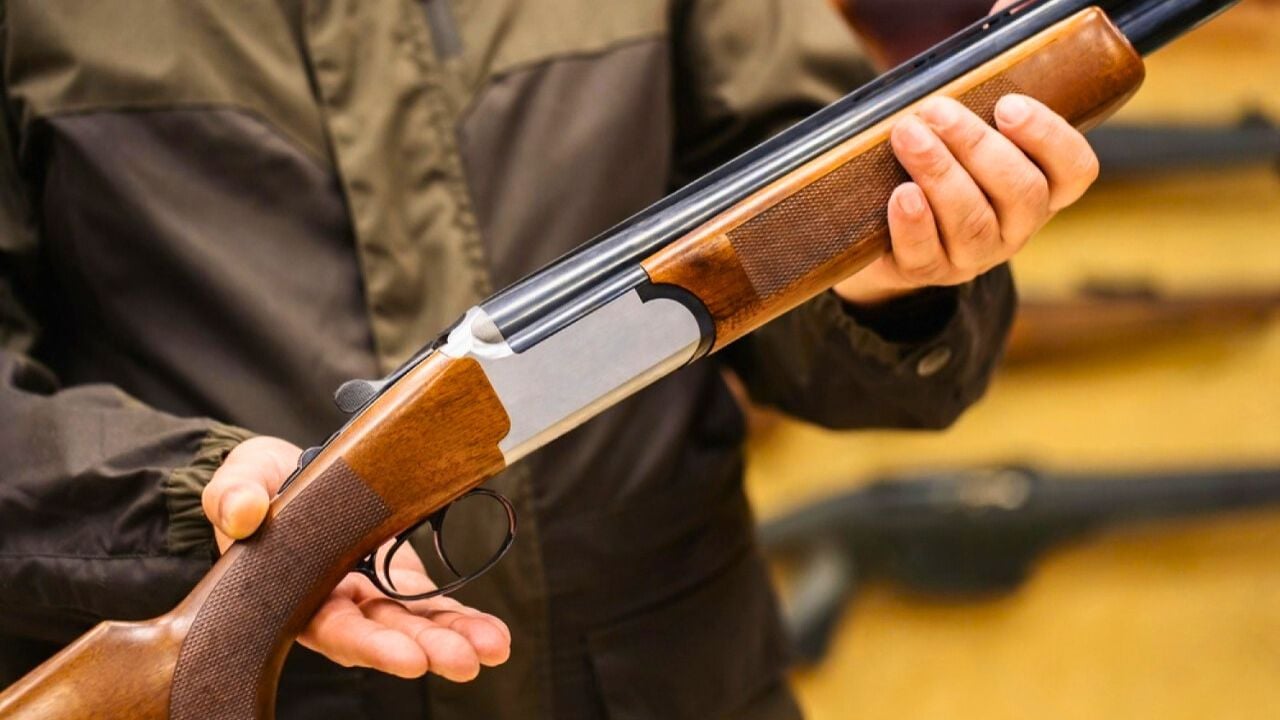
One of the most noticeable shifts in the new M3000 Sporting is the list of features that would have been unusual on a budget shotgun not long ago. The model includes an oversized charging handle and bolt release, a stepped rib designed to improve sight picture, and an extended choke system for easier pattern adjustments.
Those details are small individually, but together they represent something important: budget guns are increasingly borrowing the usability upgrades that once lived mainly on competition or premium hunting models. Shooters are no longer expected to accept stiff controls, minimal adjustability, or limited configuration options simply because a shotgun sits in a lower price tier.
This shift is happening across several manufacturers, but Stoeger’s release highlights it clearly because the company’s reputation has always centered on affordability.
Inertia systems remain a selling point for hunters
Another reason the M3000 Sporting reflects broader industry direction is the continued interest in inertia-driven semi-autos. Stoeger’s design traces its lineage back to Benelli’s inertia system, which uses recoil energy to cycle the action rather than redirecting gas from the fired shell.
For many hunters, the appeal is simplicity. Gas-operated shotguns can be extremely soft-shooting, but they often require more cleaning and maintenance. Inertia guns tend to run cleaner because less residue enters the operating system.
Stoeger’s continued investment in inertia-driven models suggests manufacturers still see strong demand from hunters who want reliable operation without complicated internals.
Budget guns are expected to look better now too
Another quiet change in the budget-gun market is appearance. Hunters are no longer satisfied with guns that simply function. Many buyers now expect their shotguns to look modern and purposeful even if they are not spending premium money.
The M3000 Sporting reflects that expectation with a cleaner design, upgraded finish, and a layout that resembles more expensive sporting shotguns. That trend is visible across the hunting market as well. Budget rifles and shotguns are increasingly designed to feel less like entry-level compromises and more like practical versions of higher-end equipment.
For manufacturers, that approach makes sense. If a hunter can buy a shotgun that feels modern, performs reliably, and still stays within reach financially, the brand has a better chance of keeping that customer for future purchases.
Budget hunting guns are getting smarter
The bigger lesson from Stoeger’s latest release is not about one shotgun. It is about the direction the entire budget hunting market appears to be moving. Hunters still want affordable equipment, but they no longer want that equipment to feel outdated or stripped down.
Manufacturers are responding by building guns that balance price with usability improvements, better ergonomics, and features that used to require stepping into a higher price bracket.
The Stoeger M3000 Sporting is just one example, but it illustrates the larger shift clearly. Budget hunting guns are evolving from simple entry-level tools into more refined platforms that still keep cost in check. If that trend continues, hunters may start seeing fewer compromises when shopping for affordable firearms in the years ahead.
Like The Avid Outdoorsman’s content? Be sure to follow us.
Here’s more from us: