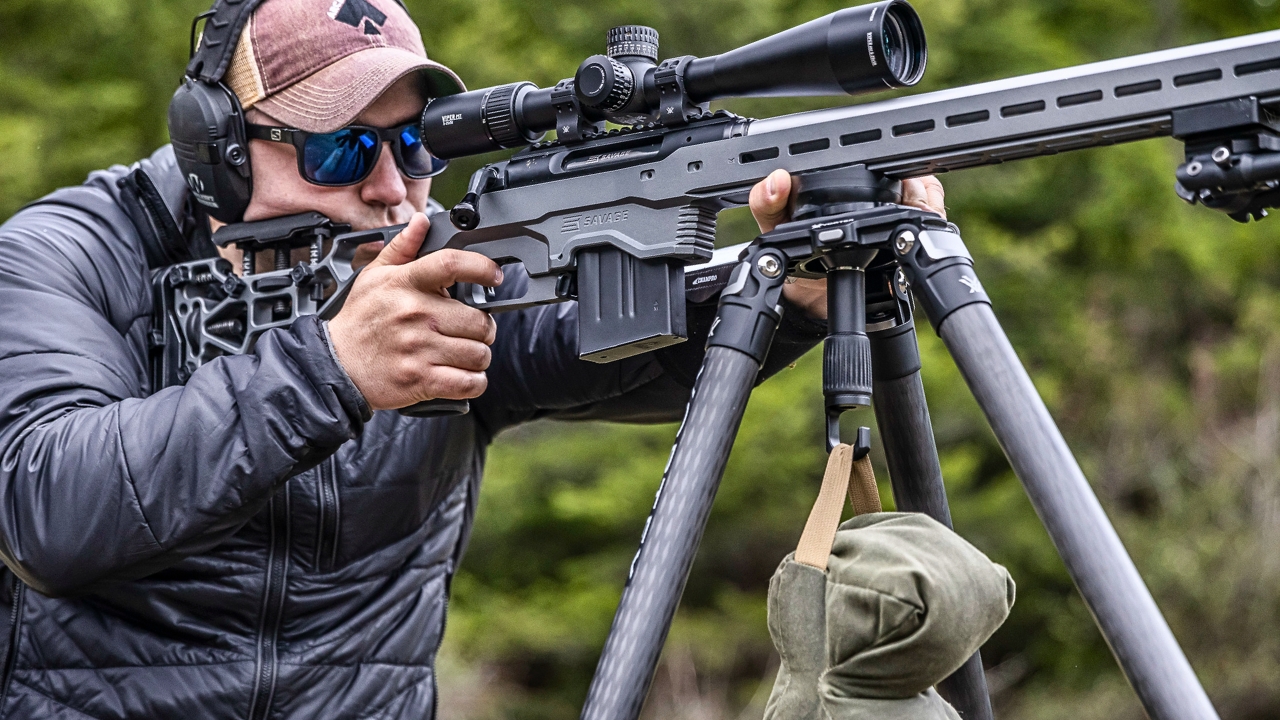
Photo credit: Savage Arms
Long-range accuracy isn’t magic, and it isn’t only about picking the flattest chart. The calibers that actually shine at distance tend to share a few traits: consistent factory brass/ammo options (or excellent handload support), efficient bullets with strong BCs, manageable recoil so you can spot impacts, and enough velocity to stay stable when the wind starts doing what it does. Some of these are pure competition darlings. Some are crossover hunting/target rounds that hold tight groups without turning your rifle into a science project.
Below are 15 calibers that have earned real respect past normal ranges. Each one can be a hammer in the right rifle with the right shooter behind it.
6.5 Creedmoor
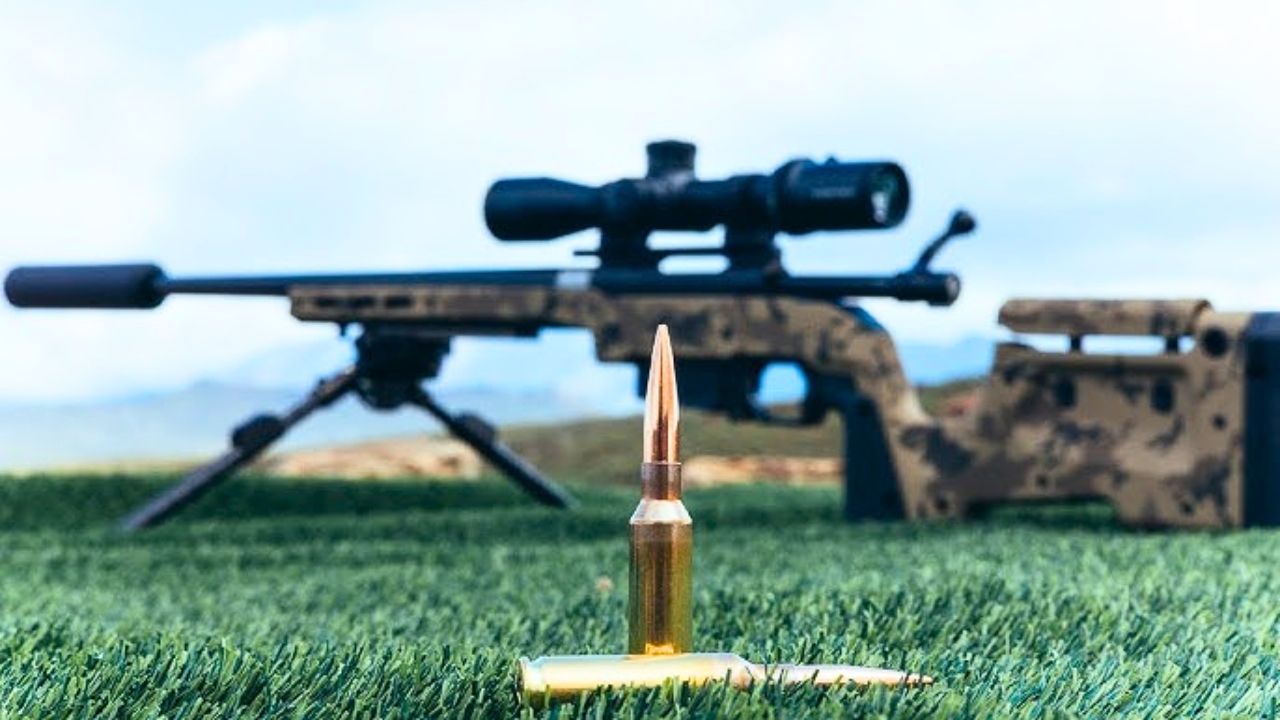
6.5 Creedmoor is still one of the best “shoot far without suffering” options because it’s forgiving. Recoil is mild enough that most shooters can stay on glass and actually call shots, which is a huge part of true long-range accuracy. It’s also supported everywhere: rifles, magazines, brass, factory match ammo, and load data are all easy to find, so you spend more time shooting and less time hunting unicorn components.
The other reason it stays effective is bullet selection. The 6.5mm world is stacked with proven long-range bullets that fly true and hold velocity well. It’s not the absolute fastest or the absolute hardest-hitting, but for repeatable hits at distance, it’s one of the most practical calibers ever built. If your goal is consistent performance without drama, it’s hard to argue against it.
6mm Creedmoor

6mm Creedmoor is a wind-friendly, recoil-light caliber that can make long-range shooting feel easier than it has any right to. The low recoil means you’re more likely to spot impacts and make fast corrections. That matters when you’re actually trying to shoot tight groups and not just brag about one lucky target photo. It also tends to shine in rifles built around accuracy first, which is why it has such a strong presence in match circles.
The big advantage is the 6mm bullet lineup. You get sleek, high-BC projectiles that stay stable and predictable, especially in the 100–115 grain neighborhood. The downside is barrel life compared to milder rounds, so it’s not always the cheapest long-term trainer. But if you want a cartridge that helps you shoot cleaner at distance and doesn’t beat you up, 6mm Creedmoor is a serious performer.
6 GT (6mm GT)
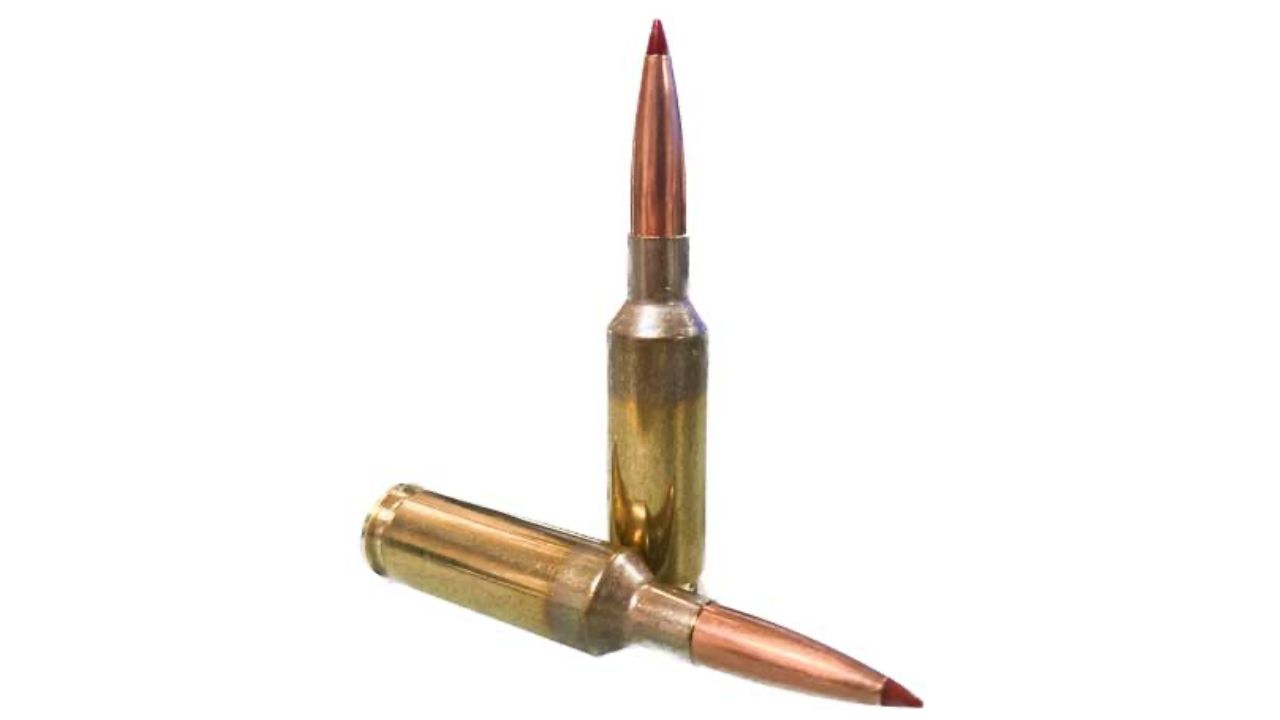
The 6mm GT is one of those calibers that feels like it was designed by shooters who were tired of compromise. It’s efficient, accurate, and easy to tune. It got popular because it’s extremely consistent with modern 105–110 grain bullets, and it’s not overbore in a way that makes everything finicky. The recoil impulse is soft and straight, which helps with spotting impacts and staying honest about your calls.
Where it really shines is how “easy” it can be to load and run. The case design is friendly, and many shooters find they get great accuracy without chasing weird seating depths or narrow pressure nodes. It’s not always a shelf-ammo choice, but if you handload or you’re building a serious long-range rig, it’s one of the most accuracy-focused calibers out there right now.
6 Dasher
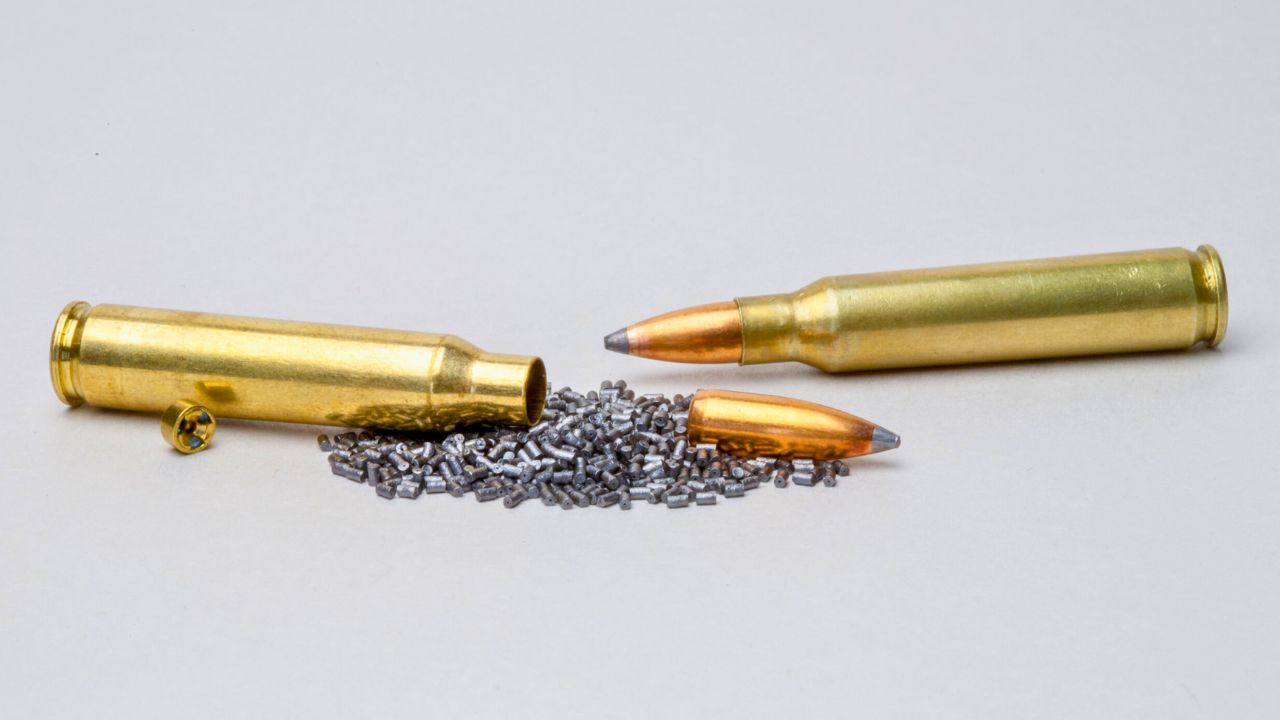
6 Dasher has been an accuracy darling for a long time for a reason: it flat-out shoots. It’s not the newest thing, but it keeps winning because it produces tiny groups and excellent consistency when tuned. It pushes high-BC 6mm bullets with enough speed to stay stable at distance, and recoil stays low enough that you can watch trace and impacts instead of getting knocked off target.
The main tradeoff is that it’s more of a handloader’s caliber than a “grab factory ammo at any store” option. But if you’re chasing pure precision and you don’t mind running a setup that’s more competition-oriented, 6 Dasher belongs on any list like this. It’s one of those rounds that rewards good fundamentals and makes misses harder to blame on the cartridge.
.308 Winchester
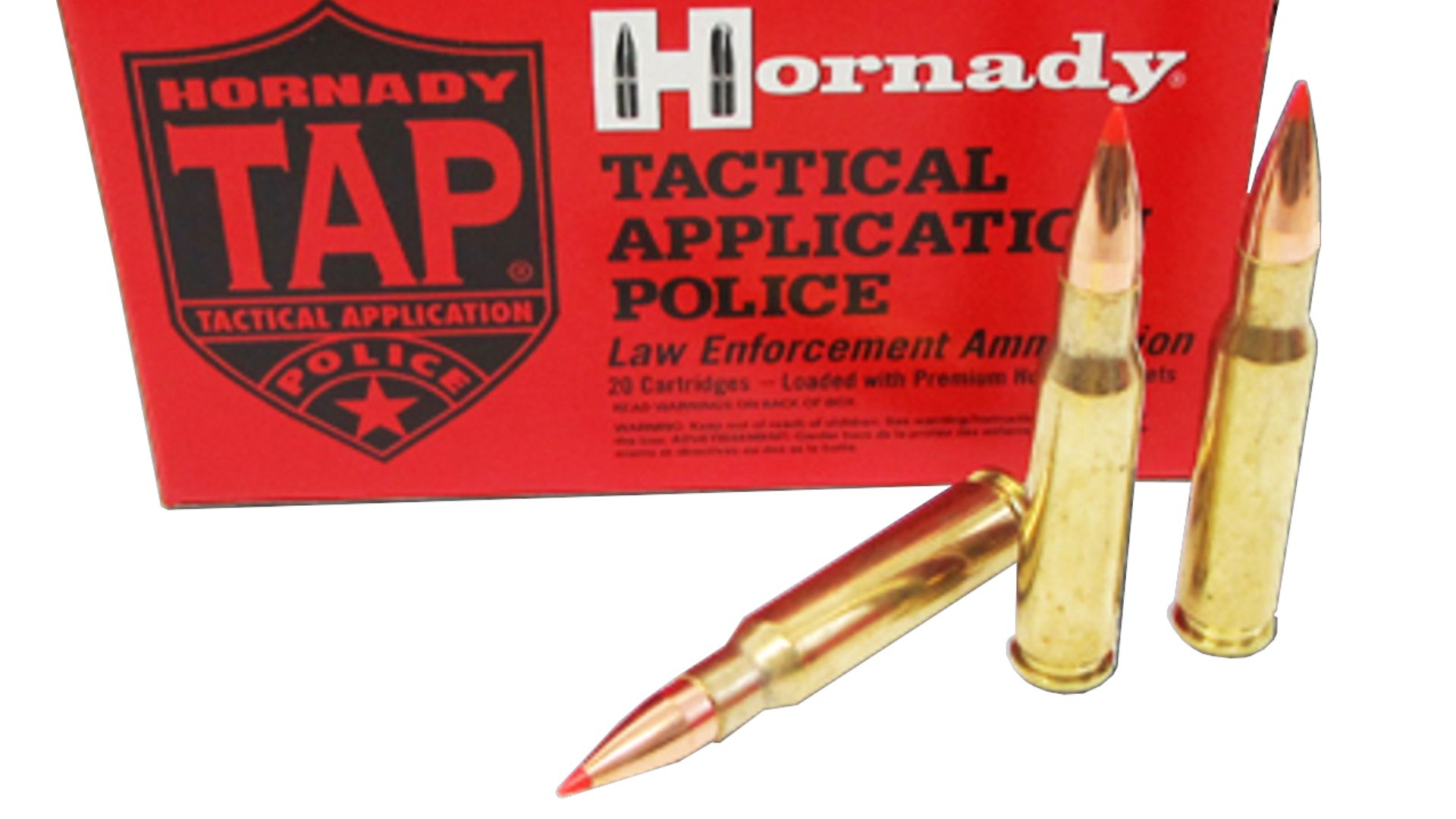
.308 is the “old man answer” that keeps being right. It isn’t the flattest, and it won’t win wind drift contests against the newer 6s and 6.5s. But .308 remains wildly effective for long-range accuracy because it’s consistent, predictable, and incredibly well-supported. Match ammo is everywhere, brass is everywhere, and load data is basically infinite. That stability and availability matter in the real world.
It’s also one of the best calibers to learn on because it forces you to respect wind and dope instead of leaning on speed to hide mistakes. And when you do your part, it will hold tight groups at distance. If you want a caliber that’s hard to “outgrow” as a fundamentals builder and still delivers, .308 remains a safe bet.
7mm PRC

7mm PRC has become a serious long-range option because it was built around modern bullet designs and realistic performance goals. It handles long, high-BC 7mm bullets well, stays stable at distance, and carries velocity in a way that makes wind calls less punishing than with smaller rounds. It’s also a cartridge that tends to show strong real-world consistency when paired with a good barrel and correct twist.
For hunters who also shoot long range, 7mm PRC can pull double duty without feeling like a compromise. Recoil is there, but it’s not in the punishing class if the rifle is set up correctly. If you want a cartridge that feels modern and “purpose-built” for distance without diving into full magnum extremes, this one is hard to ignore.
7mm Remington Magnum

7mm Rem Mag is still a monster at distance because it has decades of proven performance and it pushes long 7mm bullets in a way that stays stable and predictable. A lot of people treat it like it’s outdated, but the reality is it still does the job extremely well—especially when you use modern bullets instead of old-school soft points designed for close hunting shots.
The main key is rifle setup and shooter honesty. In light rifles, recoil and blast can get unpleasant fast, and that shows up as sloppy groups. In a properly weighted rifle with good glass, it’s a very accurate long-range tool with strong wind performance. It’s not trendy, but it has stayed relevant for a reason.
6.5 PRC

6.5 PRC is a strong choice when you want more velocity than Creedmoor without going full magnum. It carries better, stays flatter, and generally handles wind a bit more comfortably. The bullets are the same general 6.5mm family shooters already trust, and many rifles chambered for it are built with “distance” in mind, not just casual hunting.
The tradeoff is recoil and muzzle blast stepping up, especially in lighter rifles. That matters because long-range accuracy is easier when you can spot impacts and keep your form clean. In a rifle that’s not too light, 6.5 PRC can be extremely consistent at distance. It’s a good “serious range + hunting” cartridge for people who want extra legs without living in magnum punishment.
.300 PRC

.300 PRC exists because people wanted a modern .30-cal magnum designed around heavy-for-caliber bullets and long-range consistency, not just raw speed. It shines when you’re pushing 200+ grain bullets that hold velocity and buck wind well. In a well-built rifle, it can be extremely consistent at distance and gives you more margin when conditions get ugly.
Recoil is real, and so is cost. But the PRC’s appeal is that it was designed with today’s long-range reality in mind, including modern bullet shapes and stable seating. If your goal is long-range accuracy with serious energy on target, .300 PRC is one of the most capable cartridges in the current lineup. It’s not the first pick for casual shooters, but it’s a real performer.
.300 Winchester Magnum

.300 Win Mag is the classic “big boy long-range” caliber that keeps showing up because it still works. It pushes heavy bullets fast enough to stay stable far out, and it handles wind in a way that makes distance feel less punishing than with smaller calibers. It also has broad ammo availability compared to many newer magnums, which matters if you don’t want your whole shooting life tied to one boutique load.
The downside is that it will expose poor technique. If you flinch, your groups will tell on you. But in a rifle with a brake or suppressor and a shooter who trains, .300 Win Mag is extremely capable at long range. It’s popular because it’s proven, not because it’s fashionable.
7mm SAUM
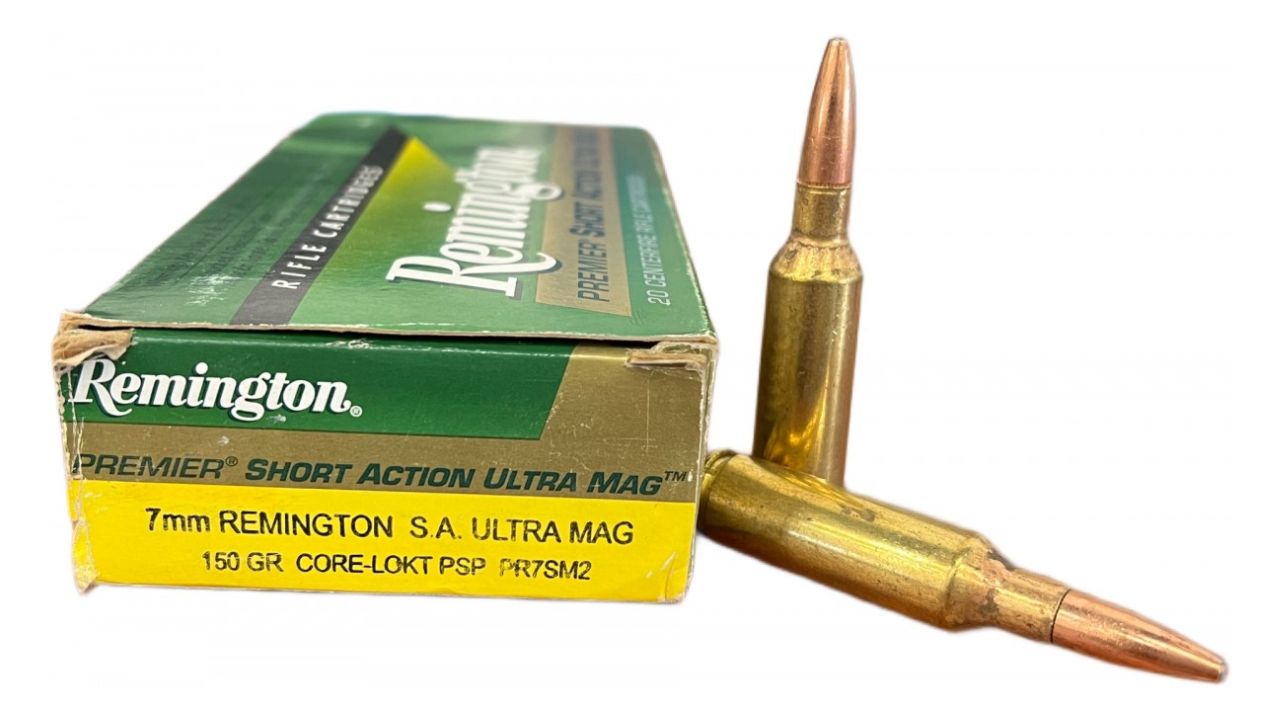
7mm SAUM has a strong long-range reputation because it offers excellent performance with high-BC bullets without going as hard as some larger magnums. It can be very accurate, very consistent, and easier to manage than the big hammer cartridges. A lot of shooters like it because it can deliver serious wind performance while staying more shootable in a match-style rifle.
The catch is logistics. It’s not always easy to find everywhere, and it’s more common in custom builds than off-the-shelf hunting rifles. But if you’re building a dedicated long-range rig and you want something that balances performance and recoil better than the biggest magnums, 7 SAUM remains a smart, proven option.
.280 Ackley Improved
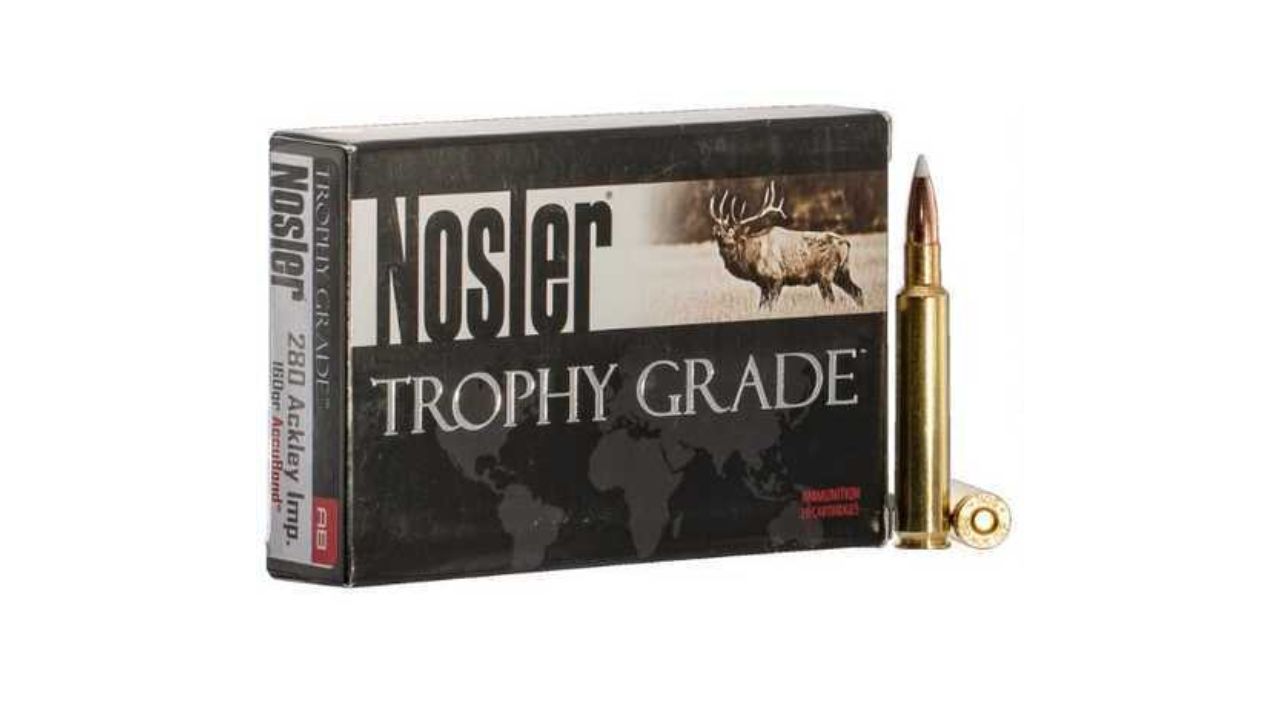
.280 AI is one of the best crossover calibers for people who want long-range accuracy with real hunting performance. It shoots flat, carries velocity well, and handles excellent bullet options. It also tends to be less “temperamental” than some overbore magnums, which can make it easier to live with when you’re chasing consistent groups and not just peak speed.
It’s also a caliber that rewards good rifle setup. In a quality barrel with the right twist, it can produce extremely repeatable results at distance while staying manageable to shoot. Ammo availability isn’t as universal as .308 or 6.5 Creedmoor, but it’s far better now than it used to be. If you want a cartridge that’s accurate, capable, and not a shoulder punishment program, .280 AI belongs here.
6.5×47 Lapua
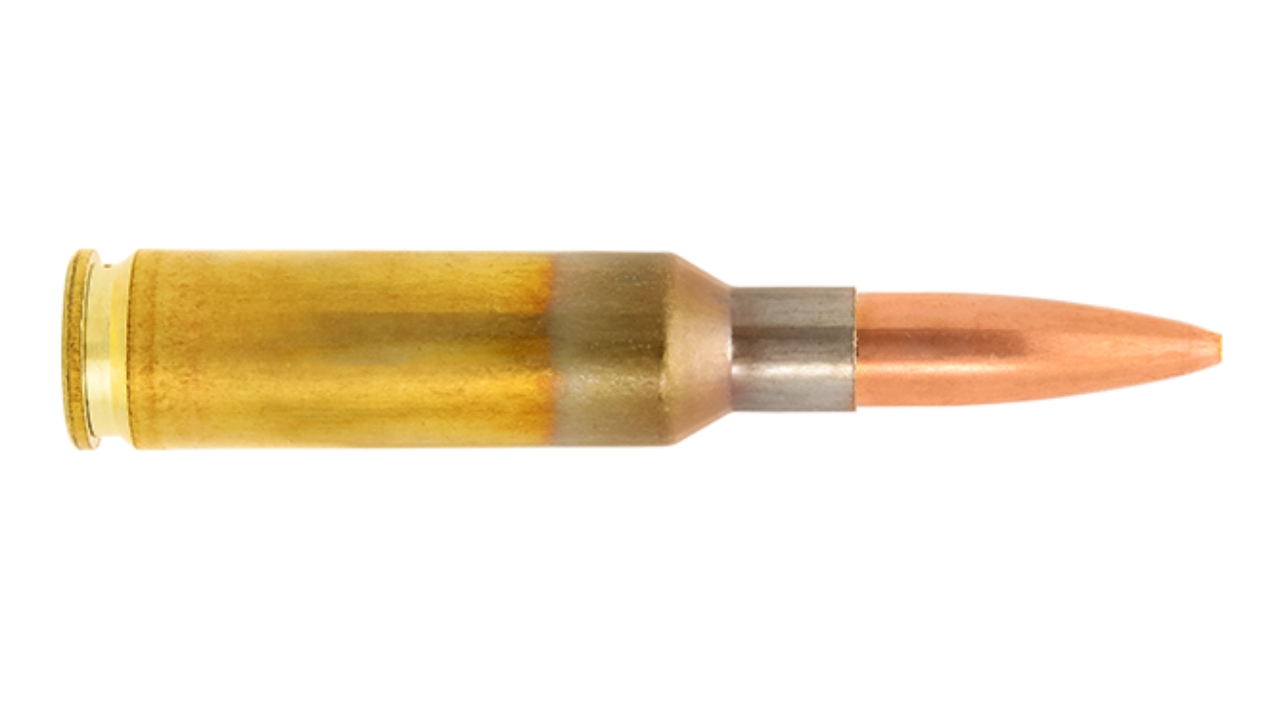
6.5×47 Lapua has a reputation for consistency because Lapua built the whole ecosystem around quality. Brass is excellent, the case design is efficient, and it tends to produce very stable performance with long-range bullets. It’s one of those calibers that feels “clean” in how it shoots—predictable nodes, good velocity spreads, and repeatable accuracy when the rifle is built right.
It’s not always a big-box store caliber, which keeps it from being the default for everyone. But if you’re a precision shooter who values brass quality, consistent ignition, and a cartridge that’s known for tight extreme spreads, 6.5×47 Lapua is still a strong pick. It’s not loud on social media, but it’s respected where accuracy actually matters.
.260 Remington

.260 Remington has been quietly delivering long-range accuracy for a long time. It pushes the same style of efficient 6.5 bullets people love, and it can be extremely consistent in a good rifle. The reason it gets overlooked is mostly timing—6.5 Creedmoor took the spotlight and never let go. But the cartridge itself is absolutely capable.
The advantage for some shooters is that it’s a very “natural” performer in rifles that like it. With quality brass and a smart load, it can produce excellent velocity consistency and tight groups. Ammo availability isn’t as strong as Creedmoor, but for reloaders and precision shooters, .260 is still one of the cleanest-shooting long-range calibers out there.
.243 Winchester (with modern long-range bullets)

People forget how accurate .243 can be because they associate it with light hunting loads and beginner rifles. But with modern bullets and a barrel set up for long-range work, .243 can be a legit distance caliber. It’s low recoil, which helps you shoot better and spot impacts, and it can push high-BC 6mm bullets with enough speed to stay stable well past 600.
The key is matching the barrel twist and the bullet. Old-school .243 setups weren’t built for long, heavy-for-caliber projectiles. A modern long-range .243 configuration fixes that and turns the cartridge into a very shootable precision option. It’s also a great “learn long range without getting beat up” caliber if you want something different than the usual Creedmoor path.
Like The Avid Outdoorsman’s content? Subscribe to our newsletter so you never miss an article.
Here’s more from us: