Photo credit: http://www.navy.mil/view_imagePublic Domain/Wiki Commons
Dust, dirt, and grit are the real enemies of firearms. Some guns shrug it off, keep cycling, and prove why they earned reputations for reliability. Others, however, don’t fare so well. These are the guns that choke when conditions get rough. Whether it’s a tight tolerance design, finicky magazines, or a system that demands constant cleaning, certain firearms can’t handle even a small amount of debris. If you’ve ever taken one of these rifles or pistols into the field, you’ve probably seen firsthand how quickly dust can turn them into paperweights. Here are the ones most likely to let you down when the environment gets dirty.
M16 (Early Vietnam Models)

The original M16 rifles shipped to Vietnam are a case study in how dust and fouling can ruin a design’s reputation. Issued without cleaning kits and advertised as “self-cleaning,” these rifles quickly earned infamy. The direct impingement system vents hot gases and fouling directly into the action, and in the jungle, dust mixed with carbon made for a deadly combination. Jams and failures became common enough to cost lives.
Later updates—chrome-lined chambers, proper powder, and issued cleaning kits—solved much of the problem. Modern AR-15 and M16 rifles are far more reliable than those first models. Still, the reputation stuck, and even today, critics point to the original M16 as a gun that couldn’t survive in dirty conditions. It’s a reminder that when tolerances are tight and maintenance is neglected, dust will always win. Those first soldiers carrying them learned that lesson the hard way.
AR-15 Competition Builds
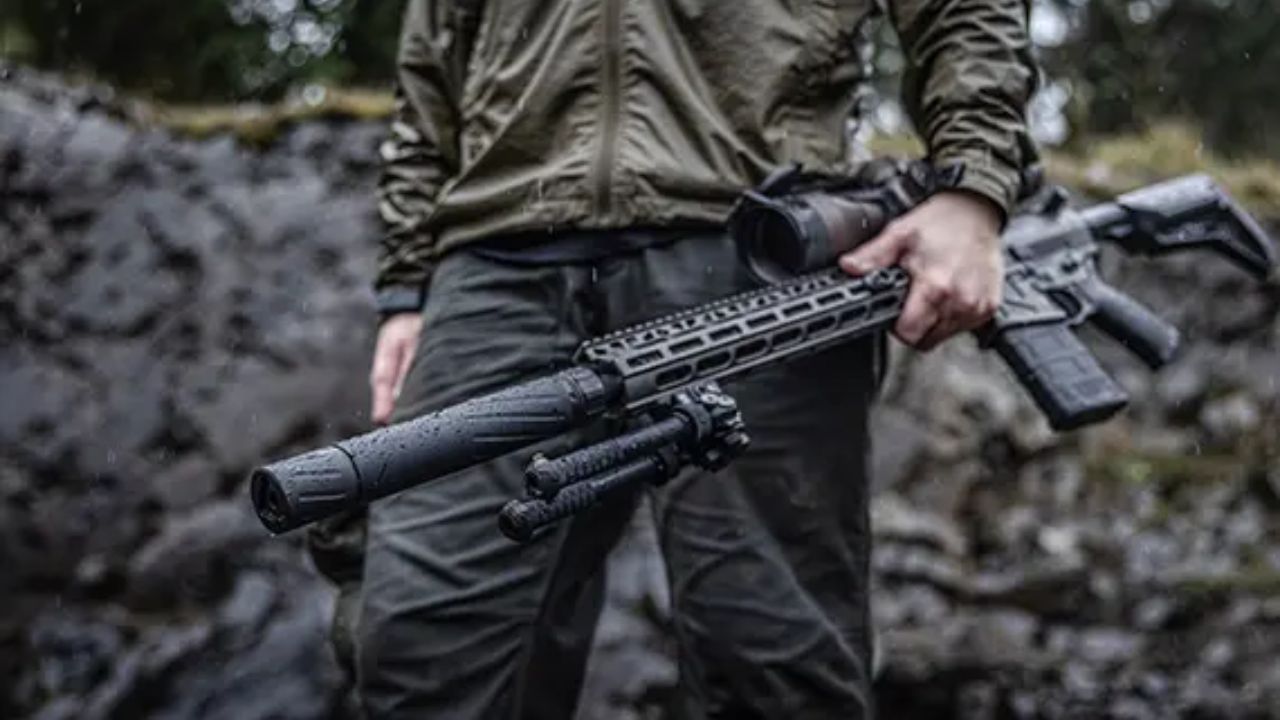
High-end AR-15 competition rifles are built for accuracy, not dirt tolerance. These rifles often run with extremely tight tolerances, lightweight bolt carriers, and specialized triggers. That setup is excellent for shooting tiny groups at the range but makes them vulnerable when dust enters the chamber. Even a light layer of grit can cause feeding and cycling issues.
The direct impingement system already requires regular cleaning, and when paired with match-grade components, reliability drops fast in dusty conditions. Hunters or ranchers who try to take their tricked-out ARs into the field often find they can’t match the performance of a basic mil-spec rifle. While the platform itself has evolved into a reliable system when properly set up, competition builds show how chasing accuracy often comes at the cost of durability. If you’re in a clean range environment, they shine. If dust is in the air, expect problems fast.
Desert Eagle

The Desert Eagle is known for power and size, but dust is its Achilles’ heel. Its gas-operated system is more complex than most handguns, and grit tends to interfere with the piston and slide movement. Combine that with massive cartridges like .50 AE or .44 Magnum, and the gun simply doesn’t tolerate anything less than perfect conditions.
In sandy or dusty environments, malfunctions are common. The weight and size also make it difficult to keep the gun sealed from debris, since the large slide rails collect particles easily. Unlike a Glock or a revolver, which will usually keep firing through some abuse, the Desert Eagle demands to be kept clean and lubricated. It’s a pistol that thrives on the range where conditions are controlled, but it falters badly in the field. If you’re in a place where dust is part of the landscape, the Desert Eagle is the last handgun you want to rely on.
Luger P08

The Luger P08 is an iconic pistol, but its toggle-lock action is notorious for being sensitive to dust and fouling. The intricate mechanism requires precise alignment to function, and even a little grit can disrupt the cycling. Soldiers in both World Wars often reported malfunctions when the pistol wasn’t kept perfectly clean.
While it earned a reputation for accuracy and unique design, its performance in adverse conditions left much to be desired. Compared to the later Walther P38, which handled dirt better thanks to its simpler system, the Luger struggled. Collectors love them, and they shoot beautifully in controlled environments. But if you dropped one in sand or took it into the field for extended use, you quickly discovered how fragile it really was. The toggle action might look fascinating, but it doesn’t take much dust to bring the pistol to a halt. That’s why it never became the rugged soldier’s favorite.
FN FAL
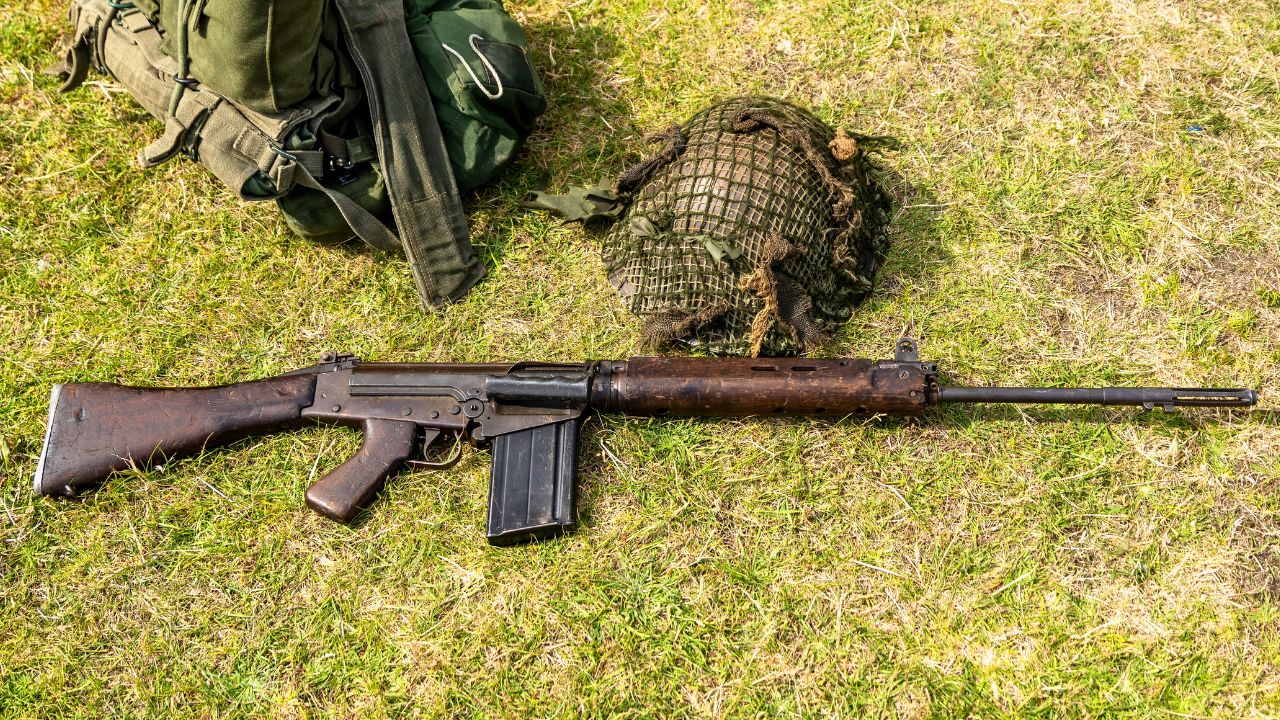
The FN FAL earned its place as the “right arm of the free world,” but early versions were known to choke in dusty environments. Tight tolerances and issues with sand entering the action caused problems during desert operations. British troops in the Middle East found that grit could stop the rifle in its tracks, leading to the infamous “sand cuts” modification on the bolt carrier to clear debris.
Later updates improved performance, and the FAL became a respected battle rifle. But those early experiences showed that the design wasn’t naturally suited for sandy conditions. Compared to the AK-47, which thrived in the same environments, the FAL required more attention to cleaning and maintenance. It’s a rifle that could perform very well in temperate climates, but when the dust storms came, you had to baby it to keep it running. That vulnerability is why some forces eventually shifted to other rifles better adapted to harsh conditions.
HK G36
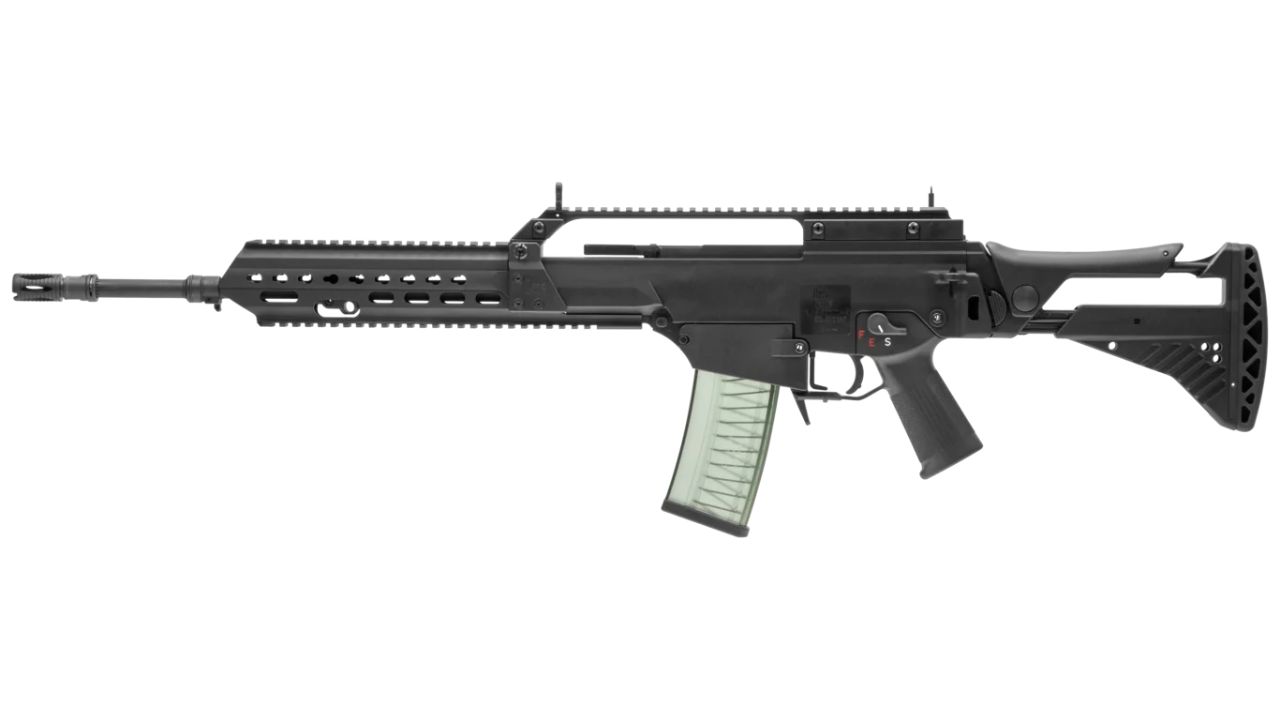
The HK G36 was once celebrated as Germany’s new standard rifle, but it didn’t take long for dust and heat to expose weaknesses. The polymer receiver and internal design struggled with long-term durability, and reports from Afghanistan revealed accuracy issues and reliability concerns in sandy conditions. Dust in the chamber and around the bolt caused stoppages that frustrated soldiers relying on them in combat.
The problem wasn’t so much the basic gas system but the overall build tolerances combined with environmental stress. While the rifle works well in training or controlled settings, it had trouble in prolonged, dusty deployments. This led Germany to eventually seek replacements and upgrades, as confidence in the G36 dropped. On paper, it looked like a modern answer to the aging G3, but real-world exposure to dust showed its flaws quickly. If the environment wasn’t clean, the G36 often failed to live up to expectations.
Chauchat

The French Chauchat from World War I is infamous for its reliability issues, and dust was a big factor. The gun’s open magazine design allowed dirt and debris to get inside easily. Once grit entered the system, failures became constant, from feeding issues to jams that required field stripping. Soldiers in the trenches hated it, as it was nearly impossible to keep clean in those muddy, dusty conditions.
The gun’s poor manufacturing and loose tolerances only made matters worse. Combined with weak materials, the Chauchat quickly earned a reputation as one of the worst light machine guns in history. While some of its problems were due to rushed production, the design itself was fatally flawed for dirty environments. Dust exposure only amplified its failures. Soldiers carried it because they had no choice, but it was never trusted. Few guns demonstrate so clearly how dust vulnerability can ruin a weapon’s effectiveness in combat.
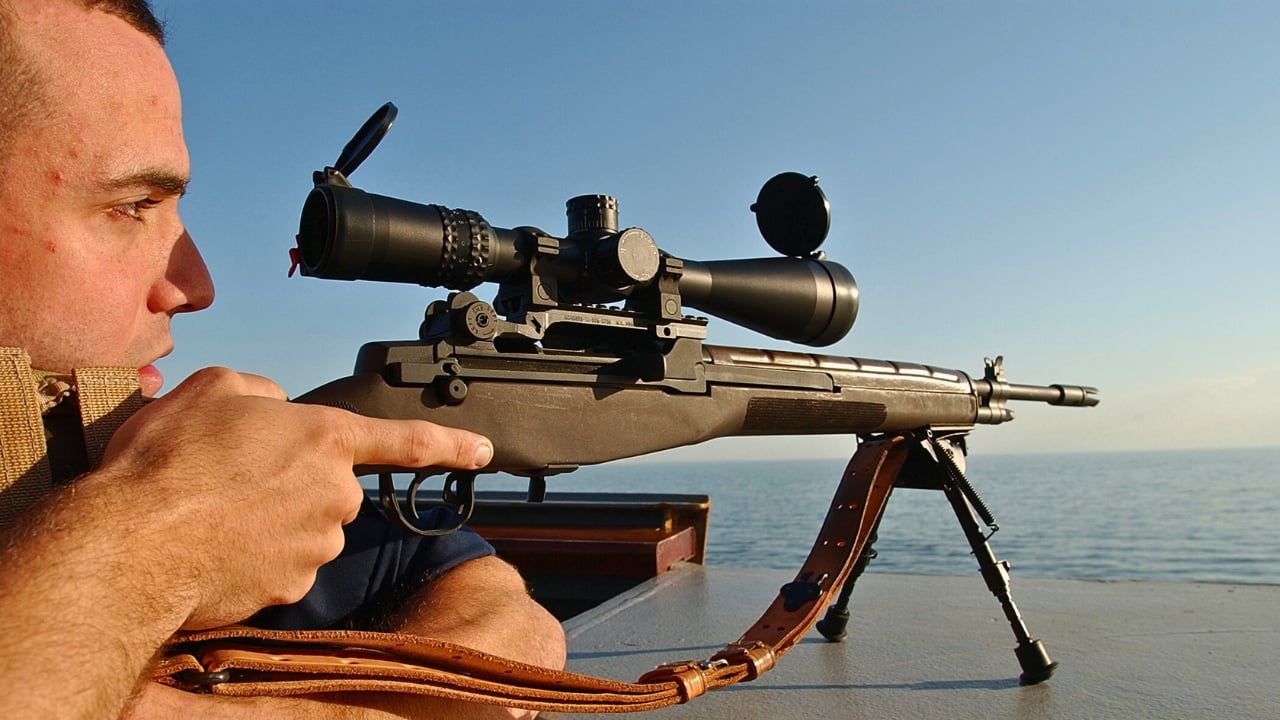
M14

The M14 replaced the M1 Garand but quickly revealed its own problems. In dusty environments, the M14’s magazine and action were prone to fouling, which caused failures to feed and extract. Troops in Vietnam and later desert deployments often reported difficulty keeping the rifles running when grit entered the system.
While accurate and powerful, the rifle’s reliance on being clean made it less reliable than expected in harsh conditions. This was one reason it was phased out so quickly in favor of the M16, despite that rifle’s own early issues. The M14 works well on the range and in environments where dust isn’t a factor, but it lacks the rugged durability of some of its contemporaries. Hunters and shooters who’ve tried it in real-world conditions often notice the same problem: it demands constant attention to stay functional. That makes it less than ideal in places where dust is part of everyday reality.
Beretta 92FS (M9 in Desert Use)

The Beretta 92FS, adopted as the M9, has proven reliable in many environments, but desert conditions exposed weaknesses. Soldiers in Iraq and Afghanistan frequently reported issues when dust clogged the open-slide design. The cutout slide reduces weight and helps with ejection, but it also leaves the action exposed to debris.
Combined with military-issued magazines that weren’t always built to the highest standards, the result was a pistol that could jam in gritty environments. While plenty of shooters find the 92FS dependable at the range, troops learned quickly that it wasn’t as forgiving as some other sidearms in blowing sand. Regular cleaning and lubrication kept it going, but without that, malfunctions became common. The Beretta has its strengths, but dust resilience isn’t one of them. It’s another gun that performs well in controlled conditions but falters badly when the environment turns dirty.
SIG P210

The SIG P210 is known for incredible accuracy and build quality, but that precision comes with a cost. Its extremely tight tolerances make it unforgiving in dirty environments. Even small amounts of dust or fouling can cause malfunctions, as the slide and frame fit too closely to clear debris effectively.
In Europe, where it served as a military pistol, conditions weren’t as extreme as deserts or jungles, so it was less of an issue. But in any environment where grit is unavoidable, the P210 shows its vulnerability fast. Shooters today still love it as a range or competition pistol, but few would ever call it field-ready for harsh conditions. Its reputation for being “too perfect” ironically becomes a weakness when dust enters the picture. As a piece of craftsmanship, it’s unmatched, but when you need something that shrugs off dirt, the P210 is the last pistol you’d want to rely on.
MAS-49/56

The French MAS-49/56 rifle served into the Cold War era but wasn’t well-suited for dusty conditions. Its direct impingement gas system, much like the early M16, vented fouling into the action. In sandy environments, this quickly turned into reliability issues. Grit combined with carbon led to failures to cycle and frequent jams.
While the rifle was relatively lightweight and accurate, soldiers found it required more cleaning than they’d like in real deployments. Compared to rifles like the AK, which tolerated dirt far better, the MAS-49/56 demanded attention. For French forces, this wasn’t always a major issue in temperate Europe, but it became a liability in colonial conflicts and peacekeeping operations in harsher climates. Today, shooters who collect and fire these rifles often report the same weakness: even a little dust can sideline the MAS-49/56 quickly. It’s another case where direct impingement design proved less than forgiving.
Tokarev SVT-40
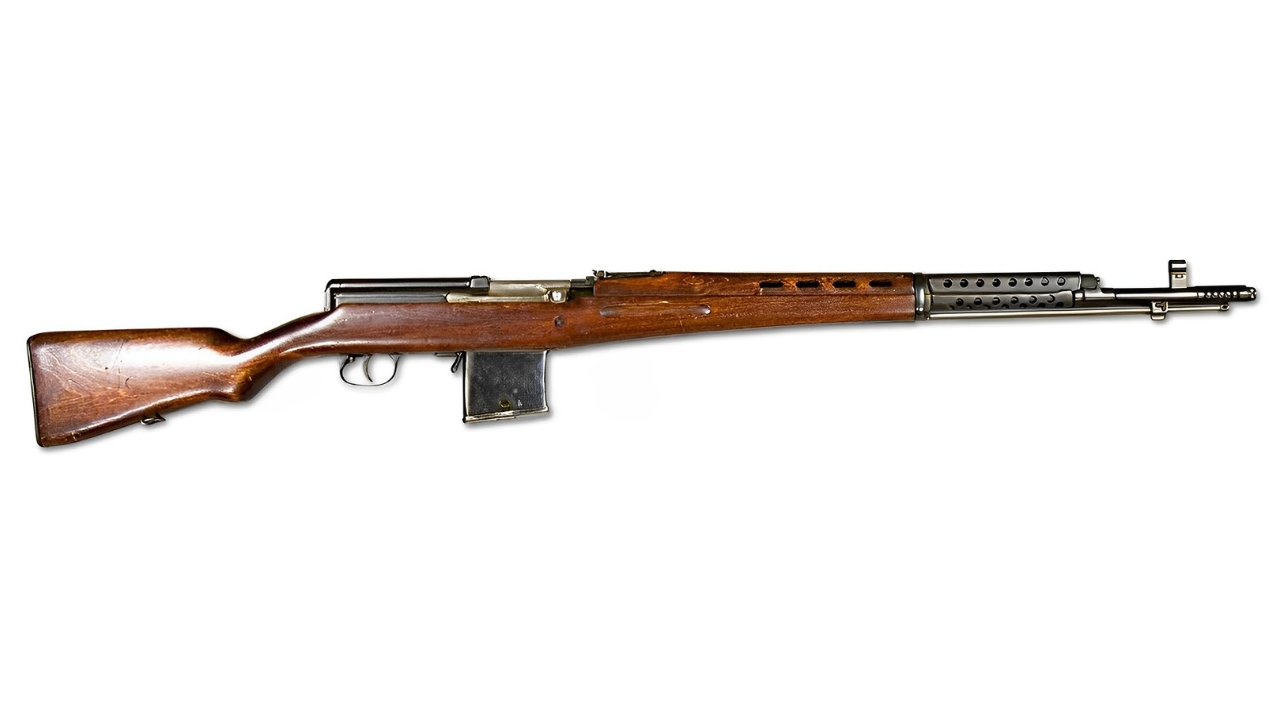
The Tokarev SVT-40 was an ambitious semi-automatic rifle for its time, but it showed serious flaws in reliability. Dust and fouling were major problems, with soldiers on the Eastern Front reporting frequent malfunctions in field conditions. The gas system required careful adjustment and maintenance, and without it, the rifle quickly became unreliable.
The SVT-40 was also harder to strip and clean than the Mosin-Nagant bolt-action, which only made matters worse for troops in the field. In theory, it was supposed to give the Soviets a firepower advantage, but dust, mud, and debris turned it into a headache. While some rifles performed better when maintained carefully, the average soldier didn’t have the time or tools for that level of upkeep. The result was a semi-automatic rifle that was too delicate for the realities of war. The SVT-40 quickly developed a reputation for jamming when exposed to the elements.
Astra 400
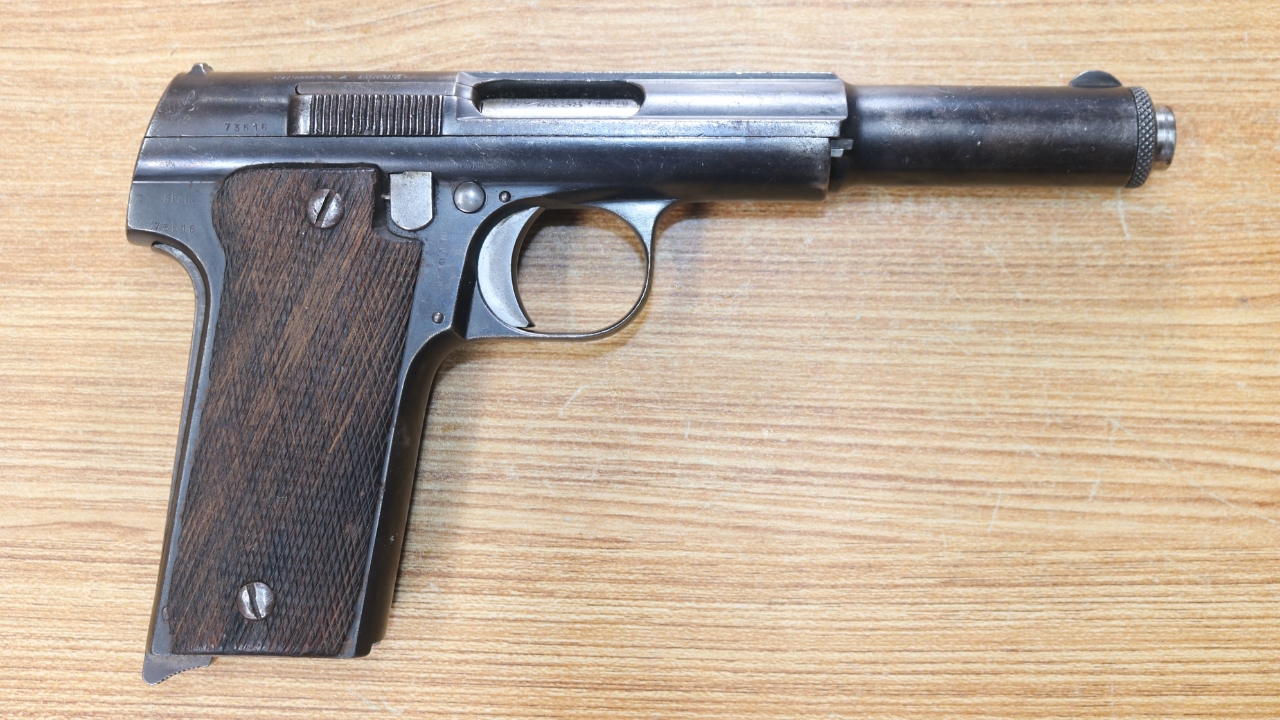
The Spanish Astra 400 pistol is heavy and durable in some ways, but its blowback design is prone to failure when dust enters the chamber. The pistol relies on a strong recoil spring to handle 9mm Largo and similar cartridges, which means it doesn’t have much tolerance for debris. Even small amounts of grit can cause failures to feed or extract.
During service, soldiers reported that the gun needed to be kept very clean to run properly. In dry, dusty environments, it often choked. While rugged in construction, its internal design left little room for error. Compared to more forgiving pistols, the Astra required too much attention to stay functional. Collectors today may enjoy its history, but those who actually shoot them often encounter the same issues. It’s a pistol that highlights how being mechanically strong doesn’t always mean being reliable when dust starts working its way inside the action.
Steyr AUG (Early Models)
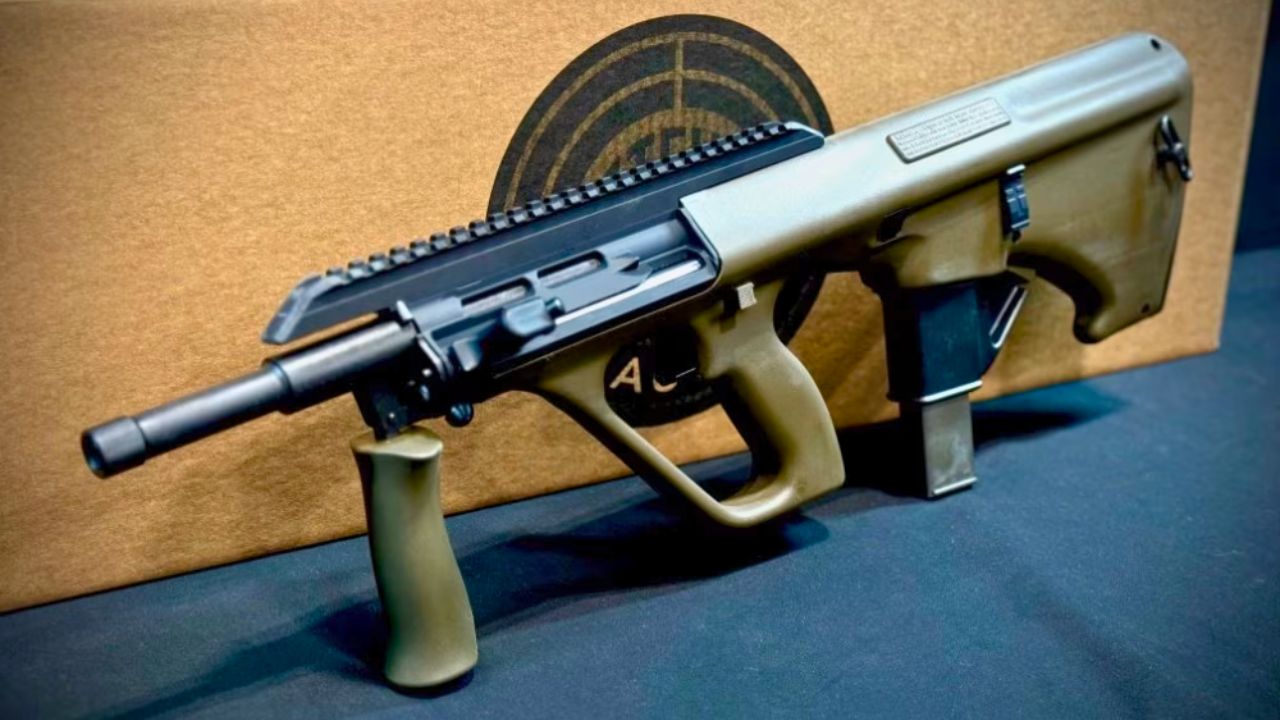
The Steyr AUG is one of the most recognizable bullpup rifles, but early models didn’t fare well in dusty environments. Its design includes multiple small parts and tight tolerances in the gas and bolt system, which meant dust and grit often caused stoppages. Soldiers using the AUG in desert trials found that it required more maintenance than expected to stay reliable.
Later upgrades improved performance, but the rifle’s early history showed that it wasn’t as tough against dust as its futuristic looks suggested. While excellent in accuracy and handling, its reliability in sandy climates left much to be desired. In controlled environments, it was outstanding, but hunters and soldiers in dusty terrain often turned to more forgiving rifles. The AUG’s sensitivity to dust has followed its reputation, even though newer models addressed many of the issues. It’s a reminder that early designs often struggle until real-world testing exposes their weak points.
M60 Machine Gun
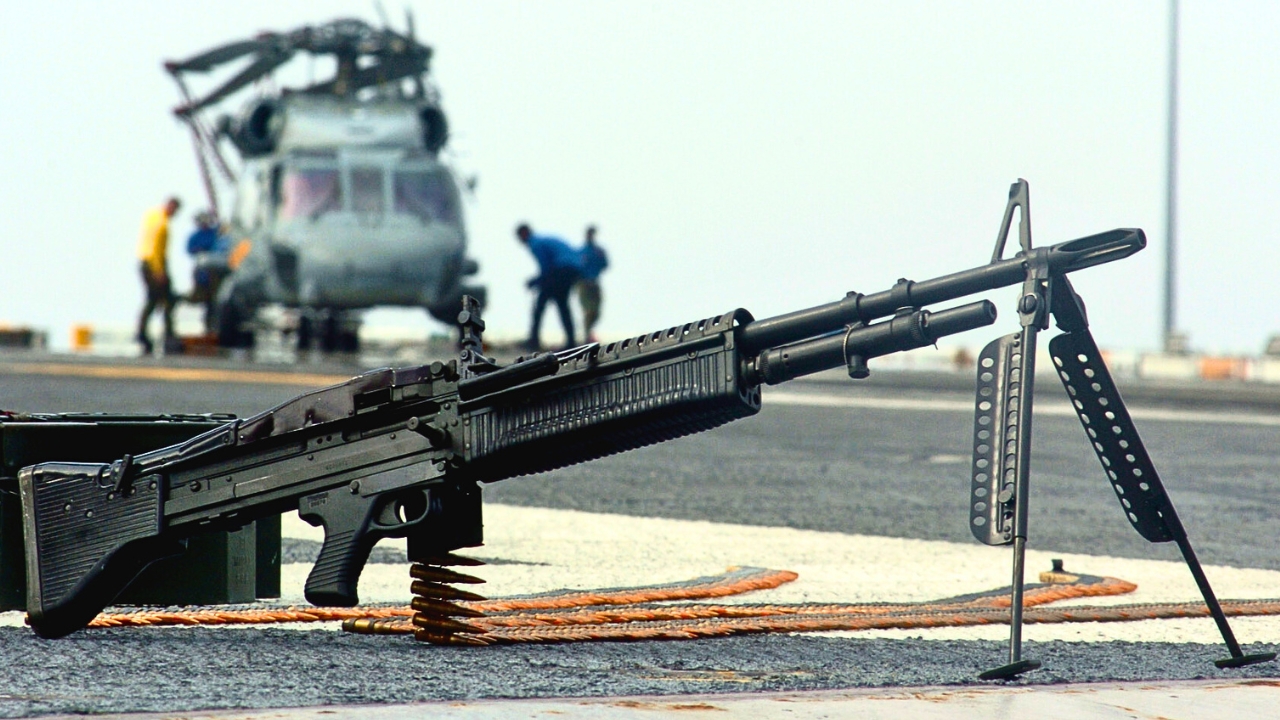
The M60 machine gun provided heavy firepower for U.S. forces, but anyone who carried it knows how much dust could cripple it. The open receiver and complex feed system were prone to grit interference. In Vietnam and later desert environments, failures to feed and stoppages were common when the gun wasn’t meticulously maintained.
The M60 earned nicknames from troops for its unreliability, and dust exposure was a big reason. While it could deliver devastating fire when clean, keeping it that way in combat conditions wasn’t realistic. Compared to the later M240, which proved much more tolerant of dust and abuse, the M60 was seen as fragile. Soldiers often developed workarounds, like extra cleaning or carrying spare parts, but the fundamental design remained vulnerable. It highlights how even a machine gun intended for sustained fire can fail if it can’t handle the most basic battlefield condition: a little dust.
*This article was developed with AI-powered tools and has been carefully reviewed by our editors.