Photo credit: FabrikaCr/istock.com
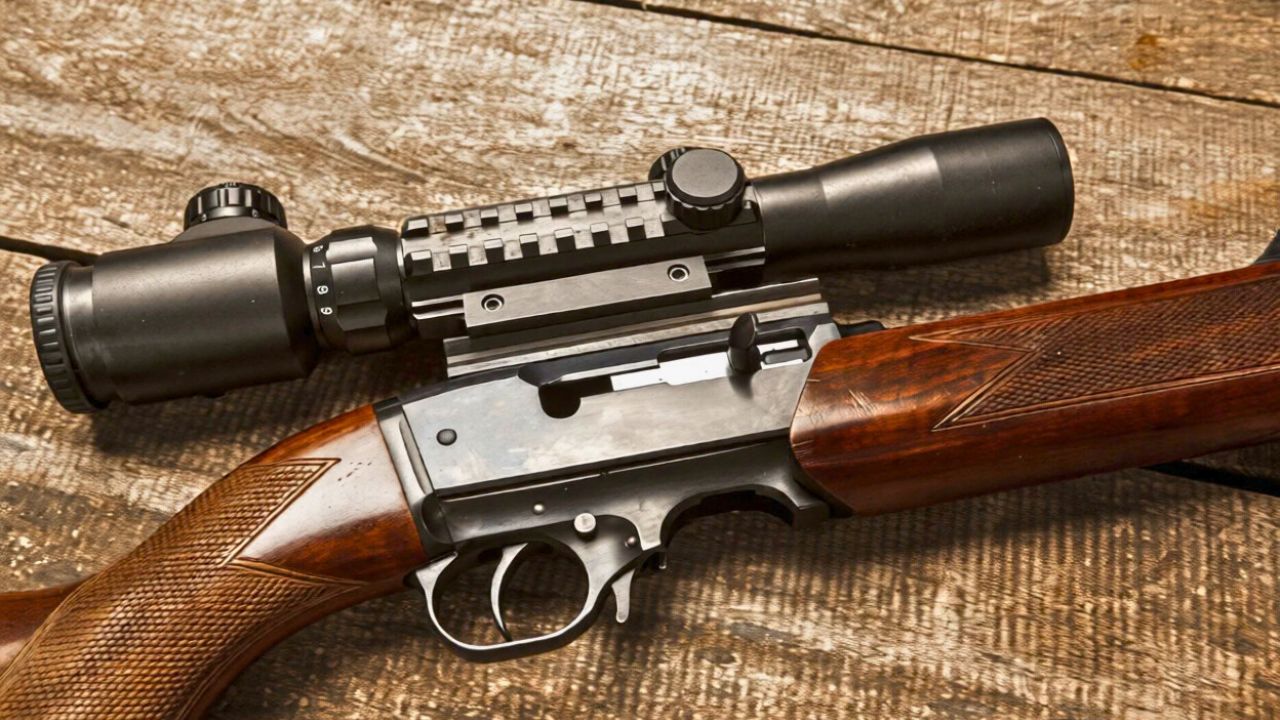
Hunters are seeing a noticeable shift this year: more firearms companies want to sell the glass too, not just the gun. For a long time, the hunting optics world was dominated by dedicated optics brands, while gun makers mostly stayed in their lane and let hunters mix and match scopes, binoculars, and rangefinders from whoever they trusted. In 2026, that line is looking a lot less firm. Firearms companies are launching new optics, building broader accessory ecosystems, and trying harder to keep hunters inside one brand family from rifle purchase to field use.
That does not mean the old optics names are going anywhere. It does mean gun makers are acting like optics are too important, and too profitable, to leave entirely to somebody else. The push is showing up in new binocular launches, dedicated scope kits, bundled packages, and even entirely new in-house optics lines from companies better known for firearms than glass.
SIG Sauer is one of the clearest examples
SIG Sauer has been building an all-in-one model for years, but in 2026 it looks even more committed to the hunting optics side of that strategy. The company’s main site now positions firearms, ammunition, suppressors, and optics as part of one integrated brand lineup, and its optics pages market riflescopes for traditional hunting rifles, bolt guns, shotguns, muzzleloaders, and crossbows. SIG also sells “all-in-one hunting optics kits,” which is about as direct a sign as you can get that the company wants hunters buying a full package rather than shopping piece by piece across multiple brands.
SIG’s new Zulu10 HDX binoculars add to that push in a way hunters will actually notice. American Hunter described the 2026 release as a no-compromise binocular built for extended glassing, durability, and low-light performance, which puts it squarely in the serious hunting category instead of the casual accessory lane. That kind of launch matters because it shows SIG is not just dabbling in optics to support its firearms business. It is continuing to build out optics products that can stand on their own in hunting camp conversations.
Canik’s move shows how fast the idea is spreading
The more interesting signal may be how quickly newer firearm brands are following the same path. Canik is still best known to most shooters as a handgun company, but at SHOT Show 2026 it rolled out a much broader product push that included a full optics line. Guns.com reported that the expansion made it clear Canik was aiming to be more than a handgun maker, and Canik’s own optics page now lists micro red dots, enclosed pistol optics, prism sights, LPVOs, and long-range precision scopes.
Not all of that is hunting-specific, but the bigger point is hard to miss. A firearm company that built its name in pistols now wants a place in the optics conversation too, including rifle and longer-range products. That kind of move tells you the industry sees optics as a growth area worth chasing, even for brands that were not originally built around hunting rifles or glass. Once that mentality spreads, hunters can expect more firearms companies to push beyond barrels and actions and into the rest of the field kit.
They are chasing a market that is already hot
This is not happening in a vacuum. The hunting optics category itself is busy in 2026, which helps explain why firearms companies want in. SHOT Show’s 2026 optics coverage highlighted a wave of new products built around hunting and field use, including redesigned Burris Veracity scopes aimed at helping hunters “find success in any environment.” American Hunter’s roundup of the best optics from SHOT 2026 also highlighted hunting-focused products such as Trijicon’s updated Credo HX line and SIG’s Zulu10 HDX binoculars.
In other words, firearms companies are not trying to force hunters into a cold category. They are stepping deeper into a market that already has momentum. Optics are becoming a bigger part of how hunters judge total field readiness, especially with more attention on low-light performance, rangefinding, weight savings, and simpler one-brand setups. When that kind of demand is already there, it makes sense that gun makers would want a bigger share of the spending.
The real play is control over the whole setup
What gun makers appear to want most is not just another product category. They want more control over the full hunting setup. Selling a rifle alone is one thing. Selling the rifle, the optic, the rangefinding binocular, and maybe even the suppressor keeps the customer inside the same ecosystem and gives the company more chances to shape the buying decision. SIG’s bundled hunting optics kits show that idea directly, while Canik’s new line shows how firearm brands are trying to broaden into a more complete gear identity.
For hunters, that can cut both ways. A more integrated gear lineup can make shopping easier, especially for newer shooters who do not want to sort through a dozen brands and mounting questions. But it also means buyers will need to stay honest about whether the optic itself is the best choice, or just the easiest same-brand choice. Either way, 2026 is making one thing clear: gun makers are no longer content to hand the optics sale to somebody else if they think they can keep it in-house.
Like The Avid Outdoorsman’s content? Subscribe to our newsletter so you never miss an article.
Here’s more from us: