
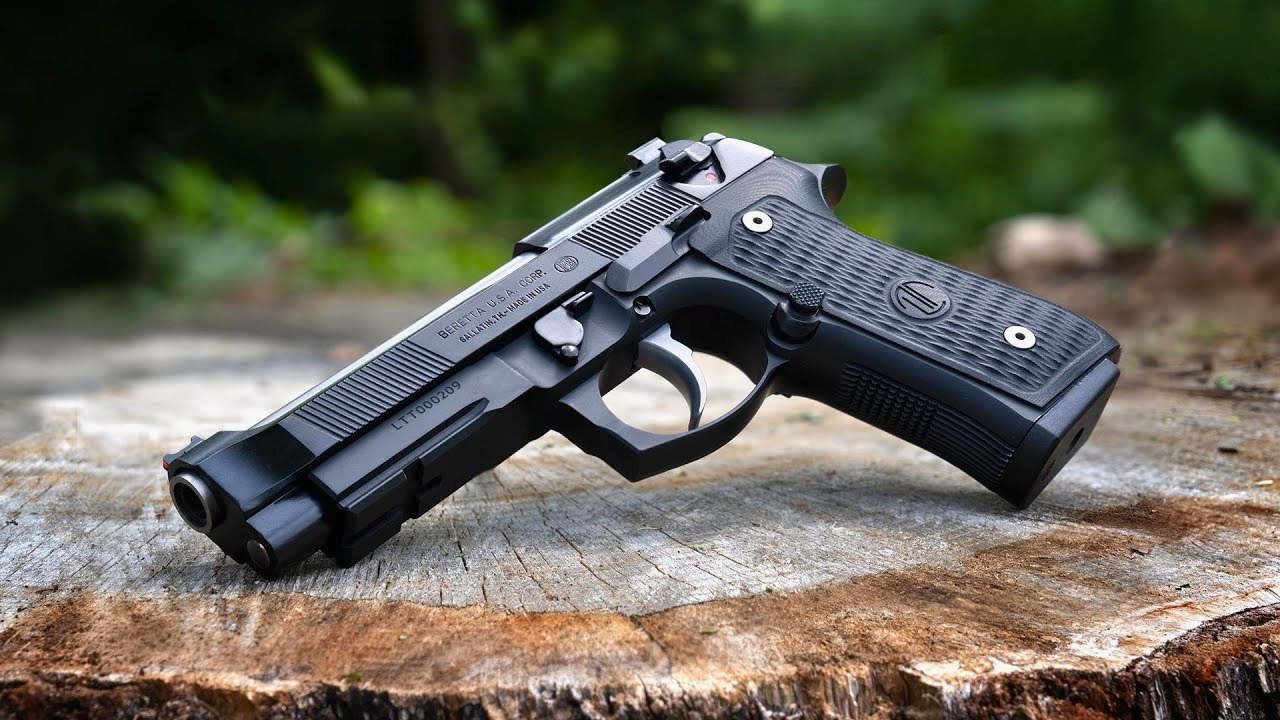
Photo credit: Lucky Gunner Ammo/YouTube
A lot of shooters talk about “soft recoil,” but +P is where the talk gets real. A hotter 9mm load adds snap, and it can expose the guns that are light, top-heavy, or sprung right on the edge. The handguns that stay comfortable with +P usually have a few things going for them: enough weight to soak up impulse, a slide and spring setup that doesn’t slam the frame, and a grip shape that spreads recoil across your whole hand instead of concentrating it in one spot.
None of this means you should live on +P for every range session. It does mean that if you carry +P, you can pick a pistol that won’t beat you up in practice. These are the guns that tend to feel surprisingly calm when you step up the pressure.
Beretta 92FS / M9
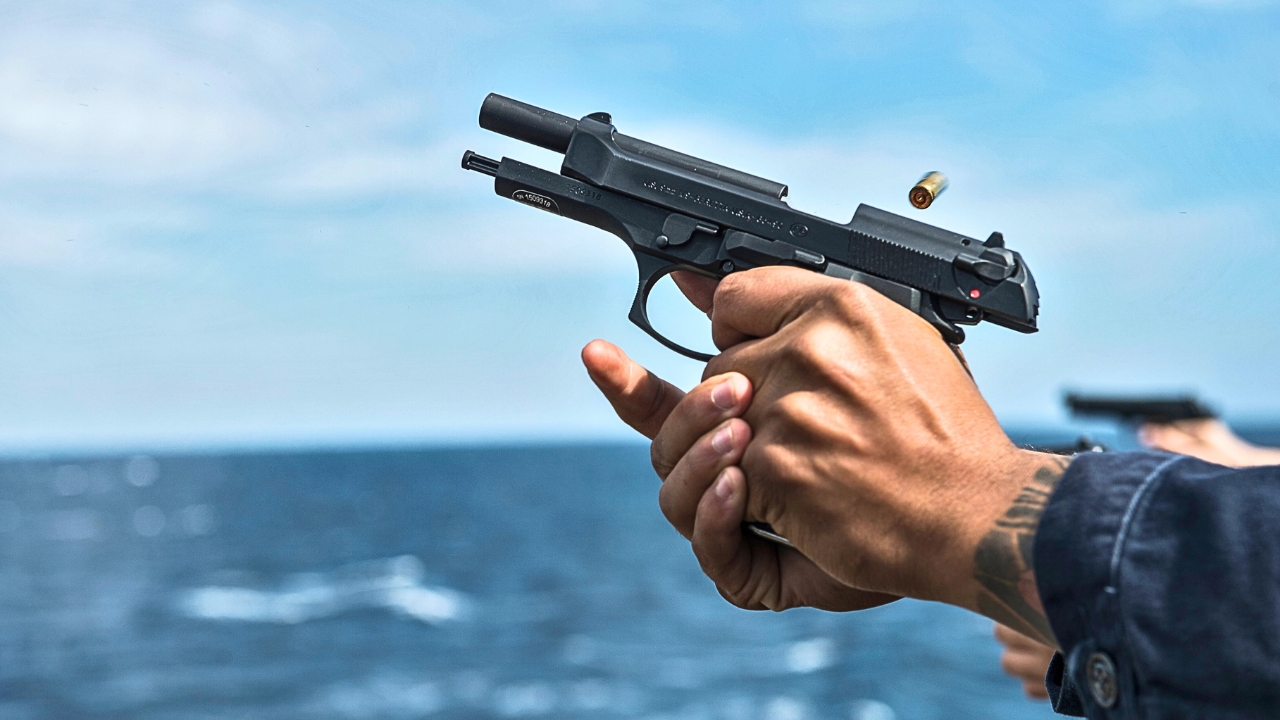
The Beretta 92FS has a long, heavy slide and a big frame that does you a favor when +P comes out. The gun doesn’t feel jumpy. It feels like it wants to track straight back and settle right where you started, especially if you run a firm two-handed grip.
That open-top slide and full-size grip also help you stay relaxed. You’re not fighting the gun, and you’re not getting that sharp slap into the web of your hand that lighter pistols can deliver. With +P, the 92FS still feels controllable, and your sights tend to come back clean. If you’re recoil-sensitive but want a serious 9mm, this is one of the easiest full-size pistols to shoot well.
SIG Sauer P226

The P226 is built like a service pistol should be—solid, balanced, and steady when the ammo gets spicy. With +P, it doesn’t feel like the frame is getting hammered. The recoil comes back in a smooth push, and the gun stays planted through the cycle.
A big part of that is the weight and the grip geometry. You get a full hand on it, and the bore line doesn’t punish you the way some snappier compacts do. You can run strings with +P and still feel like you’re steering the gun instead of hanging on. If you’re the type who wants confidence in both practice and carry loads, the P226 is one of those pistols that keeps your tempo steady.
CZ 75 SP-01
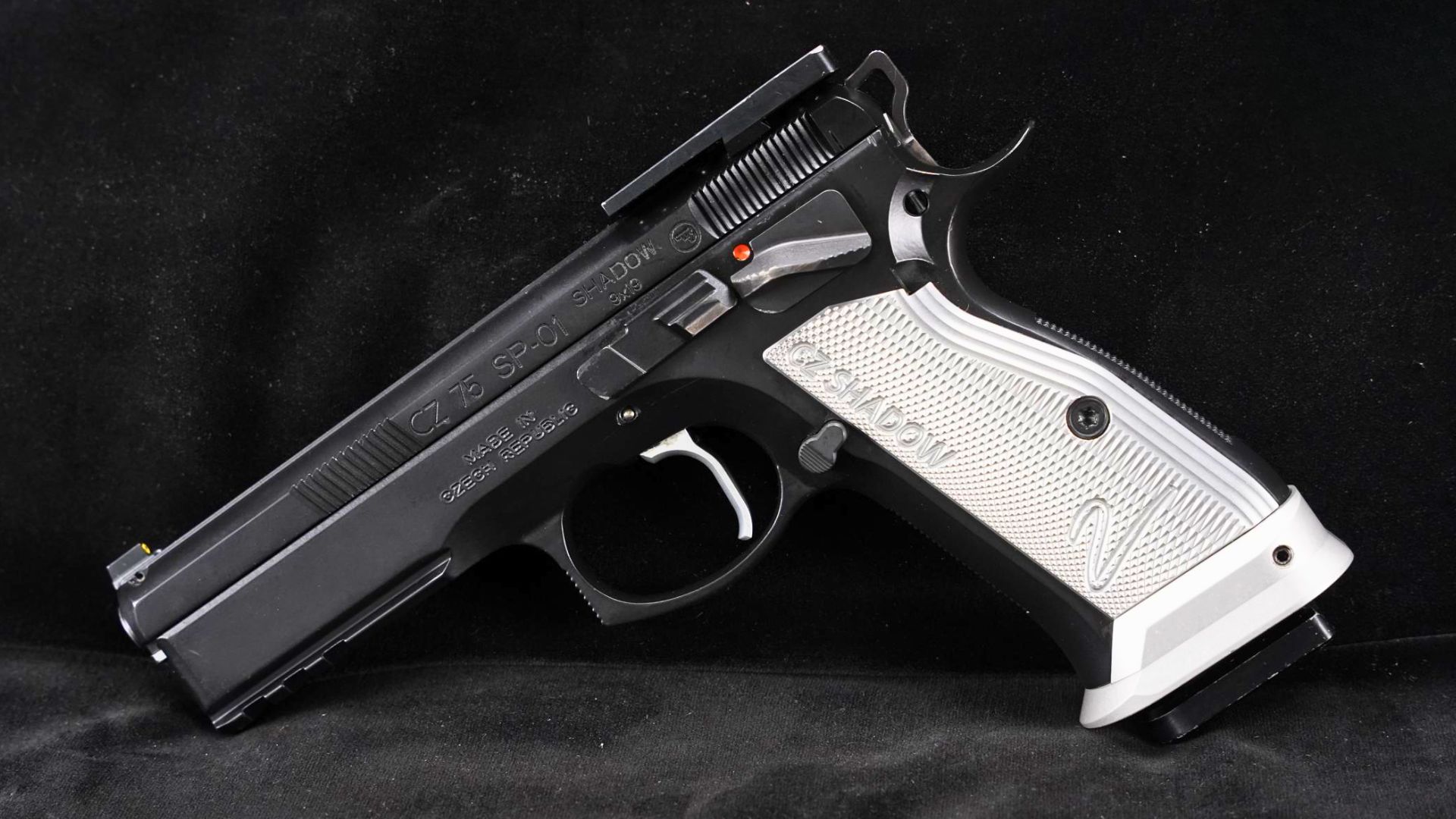
The SP-01 has the kind of weight and balance that makes +P feel like standard pressure. That steel frame and the long dust cover put mass out front, so the muzzle doesn’t climb as hard. You feel the shot, but it doesn’t feel sharp.
The ergonomics are also a big deal. The CZ grip shape locks you in, and you can ride the gun high without feeling like it’s trying to twist. With +P, your sights still track in a predictable arc, and follow-up shots stay clean. This is one of those pistols that makes you realize recoil control isn’t always about toughness—it’s about having a platform that does half the work for you.
CZ Shadow 2

The Shadow 2 is a heavy 9mm that behaves like it’s on rails, and +P doesn’t change that personality much. The extra weight, the long slide, and the competition-oriented balance keep recoil from getting snappy. It’s more of a controlled push than a sharp pop.
The grip shape and low, stable feel help you stay aggressive without tensing up. You can press the trigger and watch the front sight lift and settle without drama. Even if you don’t compete, you’ll appreciate what that does for confidence with hotter loads. The Shadow 2 isn’t a small carry gun, but it’s one of the best examples of how a well-balanced pistol can make +P feel easy.
HK USP 9
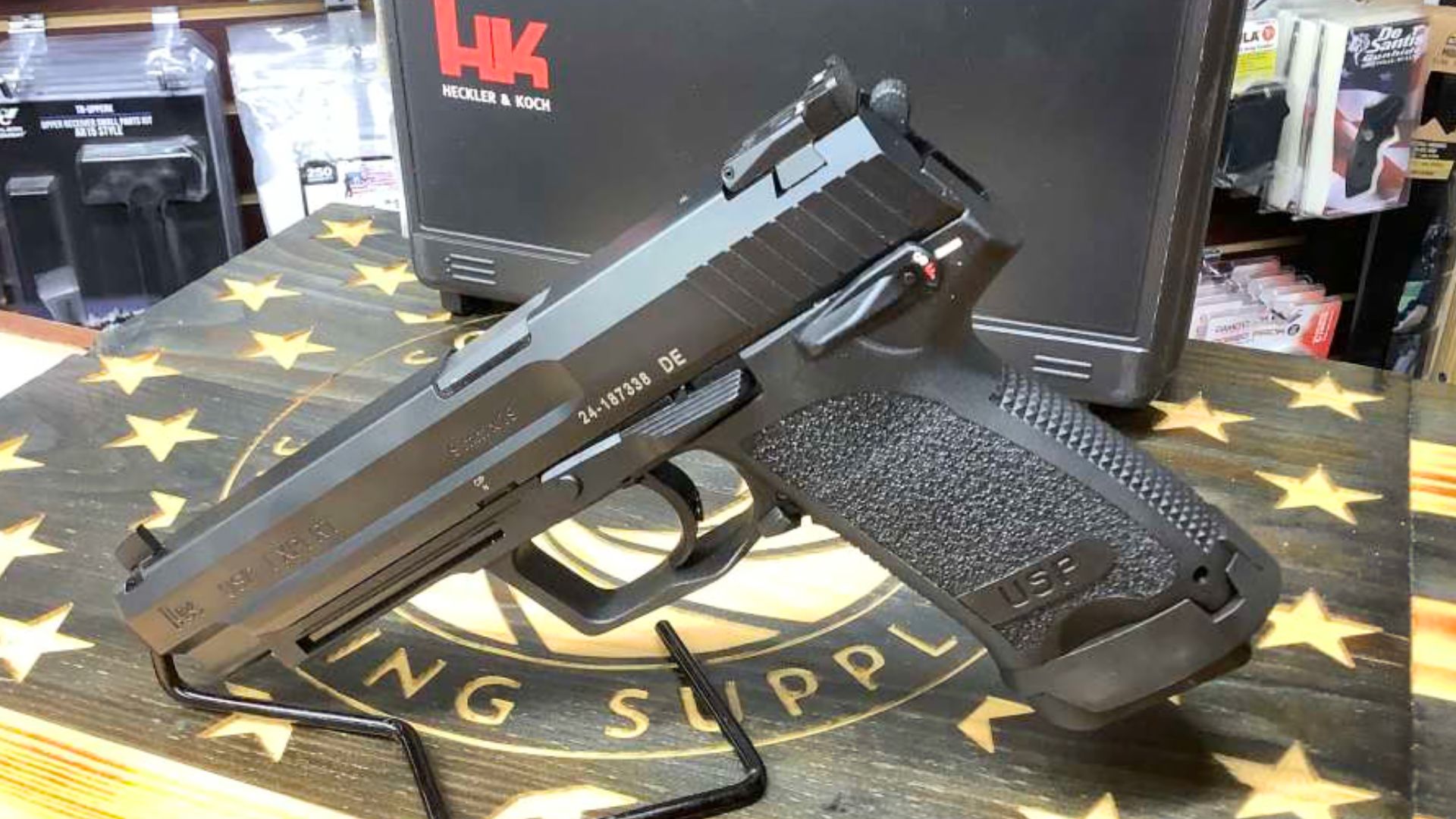
The USP has a reputation for being overbuilt, and you feel that in how it handles hotter ammo. With +P, the gun doesn’t feel like it’s cycling violently. It feels controlled, like the slide speed and springing are working with you instead of against you.
The grip is also more forgiving than people expect. It’s not tiny, and that matters when recoil starts adding up. You get leverage, and you can keep your support hand doing real work. If you’ve ever shot a lightweight polymer pistol with +P and felt the gun slap around, the USP feels calmer by comparison. It’s a practical, durable 9mm that tends to stay comfortable when you feed it the stuff you actually carry.
HK VP9

The VP9 is one of those pistols that surprises people with how soft it shoots for a polymer gun. With +P, you still get snap, but it’s not harsh. The slide movement feels smooth, and the gun tracks in a way that keeps you from chasing the sights.
A lot of that comes down to grip fit and consistency. When the VP9 fits your hand, you can clamp down without strain, and recoil doesn’t shift the gun around. That matters more with +P than with mild range ammo. If you want a modern striker gun that stays comfortable with hotter loads, the VP9 is a solid pick. It doesn’t feel heavy, but it also doesn’t feel nervous.
Glock 17

The Glock 17 is basic in the best way: enough size, enough mass, and a recoil impulse that doesn’t surprise you. With +P, it still feels manageable because the frame gives you a full grip and the gun doesn’t whip around in your hand.
You also benefit from the simplicity of the platform. The 17 tends to run consistently, and that consistent cycle helps you build a repeatable rhythm. +P feels like a slightly faster version of normal recoil, not a whole new problem. If you’ve shot smaller Glocks with hotter ammo, the 17 feels calmer and less abrupt. It’s one of the easiest carry-capable pistols to practice with when your defensive load isn’t mild.
Glock 34

The Glock 34 earns its reputation with +P because the longer slide and extra sight radius help you stay honest. The gun feels flatter, and the recoil impulse feels stretched out instead of snappy. You notice it most when you’re shooting faster and trying to keep the front sight from bouncing.
That added length gives you a little more weight up top, and it changes how the pistol returns to target. With +P, it still comes back predictably, and it’s easier to call your shots. You don’t have to muscle it as much. If you like Glocks but want the softest-shooting version in 9mm without going to a steel frame, the 34 is hard to beat. It makes hotter ammo feel more civilized.
Glock 45

The Glock 45 is a great example of why grip length matters with +P. You get the full-size frame to hold onto, and that extra purchase helps you control the gun without over-gripping. The recoil feels more like a straight push than a sharp flip.
The shorter slide compared to a 17 doesn’t hurt much because the balance is still friendly, and the gun cycles in a way that’s easy to predict. For a lot of shooters, this is the sweet spot: carry-friendly slide length with a grip that actually gives you leverage. With +P, that leverage keeps your sights from wandering. If you want a do-it-all 9mm that stays comfortable with hotter loads, the 45 belongs in the conversation.
SIG Sauer P320 X-Five Legion

The X-Five Legion feels like it was designed to make recoil boring. That tungsten-infused frame weight and the overall mass keep +P from feeling sharp. The gun stays flat, and it doesn’t feel like it’s trying to outrun your grip.
You also get a long sight radius and a stable platform that rewards a clean trigger press. With hotter ammo, the Legion still tracks predictably, which is what you want if you’re training with carry loads. It’s not a small gun, and it’s not pretending to be. It’s a range and duty-sized pistol that makes +P feel easy to manage. If you shoot a lot and you want less fatigue at the end of the day, weight can be your friend.
Smith & Wesson M&P9 M2.0 (5-inch)

The 5-inch M&P9 has a calmer recoil impulse than many striker guns, and +P doesn’t throw it off. The longer slide adds a bit of stability, and the gun tends to return to the sights without that sharp snap you get from smaller pistols.
The grip texture and shape also help you stay locked in. When your hands are sweaty or cold, that matters, because +P will expose any grip weakness fast. The M&P lets you clamp down without feeling like you’re fighting the frame. If you’ve tried hotter loads in compact pistols and hated the experience, the 5-inch M&P is a good reminder that size and balance still matter. It shoots like a serious pistol, not a compromise.
Walther PDP (4.5-inch Full Size)

The PDP is lively, but it isn’t punishing, and that’s a big difference with +P. The recoil comes back with some speed, yet the gun stays controllable because the grip shape and texture give you real purchase. You’re not constantly re-seating your hands between shots.
The 4.5-inch full-size version especially helps by adding a little more sight radius and stability. With +P, you feel the extra pop, but the gun doesn’t feel like it’s slapping you. It tracks well if you run a solid support-hand grip. The PDP is a good choice for shooters who want a modern striker gun that still feels comfortable when you step up the pressure. It stays shootable without feeling sluggish.
Springfield Armory Echelon
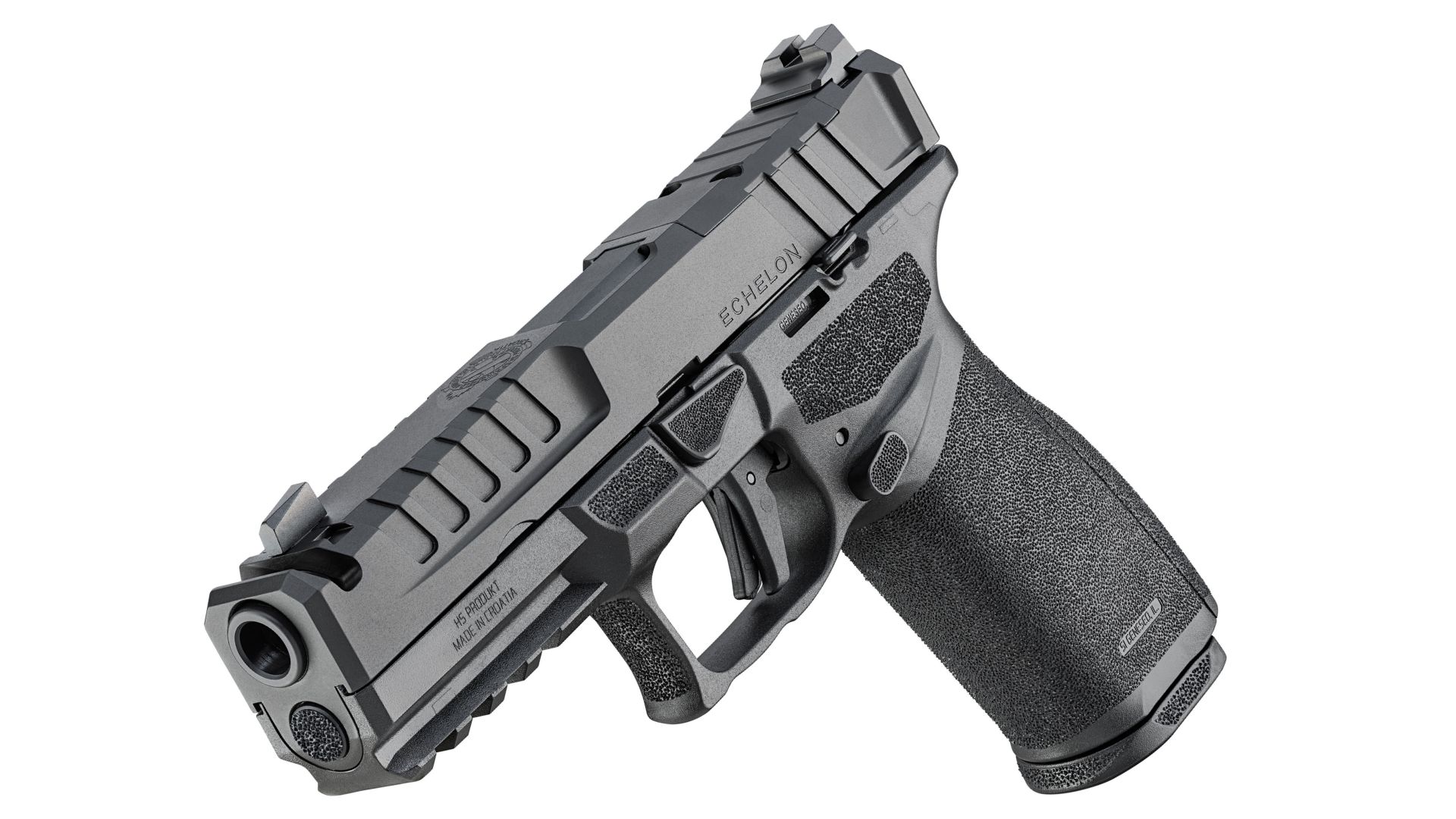
The Echelon shoots flatter than a lot of people expect, and +P doesn’t change its manners much. The grip frame and bore axis feel well thought out, so recoil doesn’t stack into an abrupt snap. It’s more of a firm push with a clean return.
Where it really helps is control. The grip lets you lock in, and the pistol doesn’t feel like it’s squirming when you start shooting faster. With +P, that stability keeps your cadence steady. You’re not bracing for the gun, you’re working with it. If you want a modern duty-size striker gun that feels comfortable with hotter loads, the Echelon is one that tends to keep people pleasantly surprised. It’s easy to shoot well, even when the ammo isn’t gentle.
FN 509
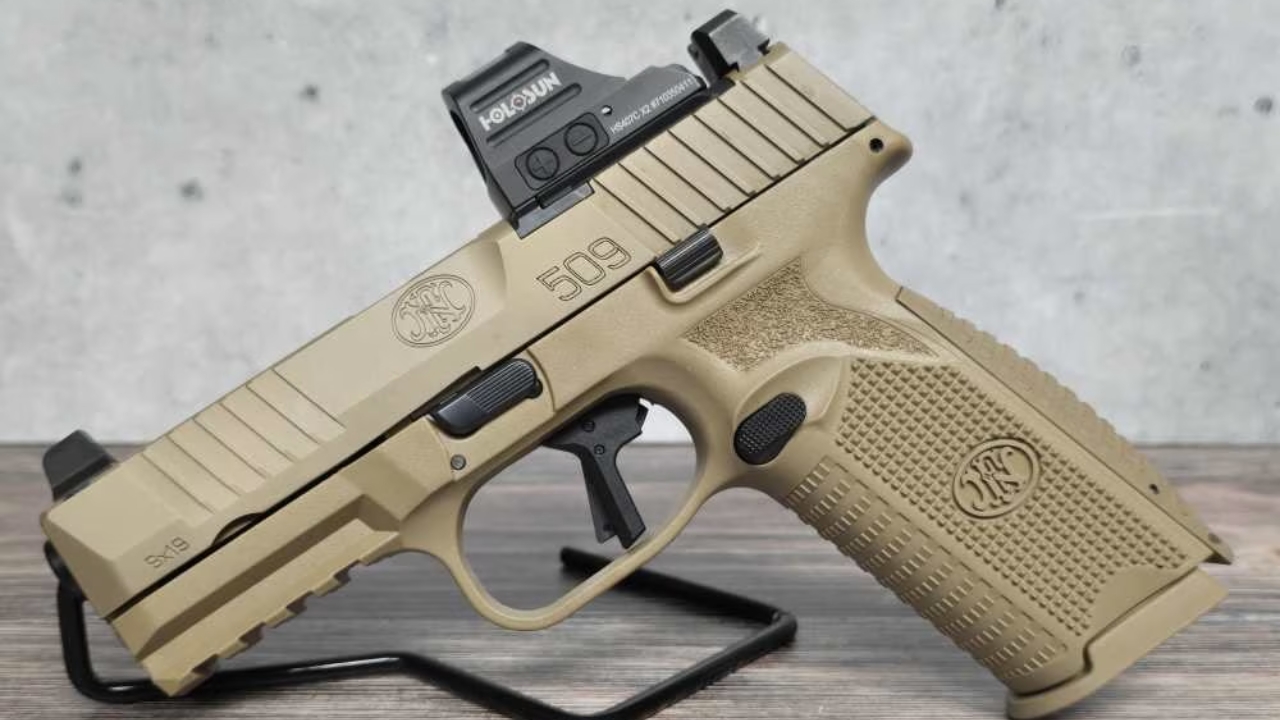
The FN 509 is built as a service pistol, and it handles +P like it belongs there. The recoil impulse is firm, but it isn’t sharp. The gun feels solid through the cycle, and it doesn’t beat your hands up the way some lighter pistols can.
A big part of that is the grip and the way the pistol sits in your hands. You can get a high, secure hold, and the gun stays predictable. With +P, predictability is the whole game. If the gun returns the same way every time, you can run it faster without feeling like you’re rolling dice. The 509 isn’t the softest 9mm ever made, but it’s one of the steadier duty guns when you feed it hotter loads. It stays manageable when you’re pushing pace.
Staccato P

The Staccato P has that smooth, flat-shooting feel people chase, and +P doesn’t upset it much. The weight, the grip shape, and the way the gun cycles make recoil feel more like a controlled shove than a snap. You can shoot it fast without feeling like you’re getting punished.
The real benefit is how the pistol tracks. It comes back on target cleanly, and the trigger lets you take advantage of that without yanking shots. With +P, that combination matters because the ammo is already adding movement. The Staccato keeps that movement from turning into chaos. It’s not a budget gun, but there’s a reason serious shooters trust this style of pistol when they want speed and control together. It makes hotter ammo feel easier to manage.
Beretta 92G Elite LTT
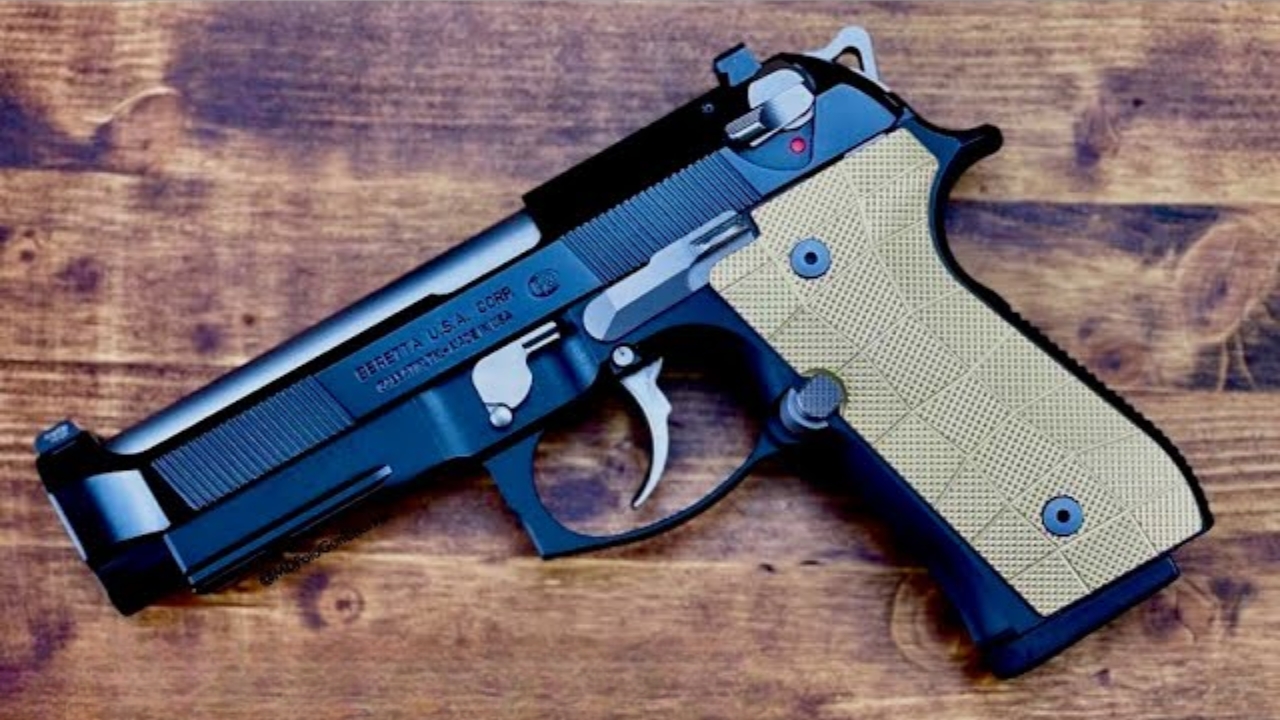
This is still the 92-family magic, but tuned in a way that makes it feel even smoother with hotter loads. The gun has enough weight to calm +P down, and the setup tends to keep the cycle feeling controlled instead of abrupt. It’s the kind of pistol that lets you shoot a lot without getting beat up.
The grip and balance help you keep your hands relaxed while staying in control. That’s a big deal with +P because tension makes you snatch triggers and lose sight tracking. With a good 92G Elite-style setup, you can run +P and still feel like the gun is doing what you ask. It’s a classic platform refined for shooters who actually put rounds downrange. If you like the Beretta feel, this is one that stays soft and steady.
Smith & Wesson 686 (shooting .38 Special +P)

If you want “soft” with +P, a medium-frame .357 revolver shooting .38 +P is almost unfair. The 686 has the weight and balance to soak up recoil like it’s nothing. The gun barely moves, and you get that calm, straight-back push instead of a snap.
That matters when you’re practicing with defensive .38 +P loads or running a revolver hard in training. The trigger control still takes work, but recoil management becomes easy. You’re not getting slapped around, and you’re not fighting to keep the sights on target. It’s also a practical way to build confidence if you carry a smaller .38 and want a training gun that’s pleasant to shoot. With a 686, +P feels mild, and that’s the point.
Ruger GP100 (shooting .38 Special +P)

The GP100 is another revolver that makes .38 +P feel tame. It’s built stout, it has enough mass to calm things down, and the grip design helps spread recoil across your hand instead of concentrating it. With +P, the gun stays steady and easy to control.
You also get that revolver advantage of consistency. No slide speed, no cycling quirks—every shot feels the same, and that helps you focus on sights and trigger without anticipating recoil. If you’re working on real accuracy with defensive loads, a GP100 makes practice more enjoyable. It’s also a smart choice for shooters who want a revolver that can do range work all day without fatigue. With .38 +P, the GP100 feels soft, predictable, and easy to run well.
Like The Avid Outdoorsman’s content? Be sure to follow us.
Here’s more from us:


