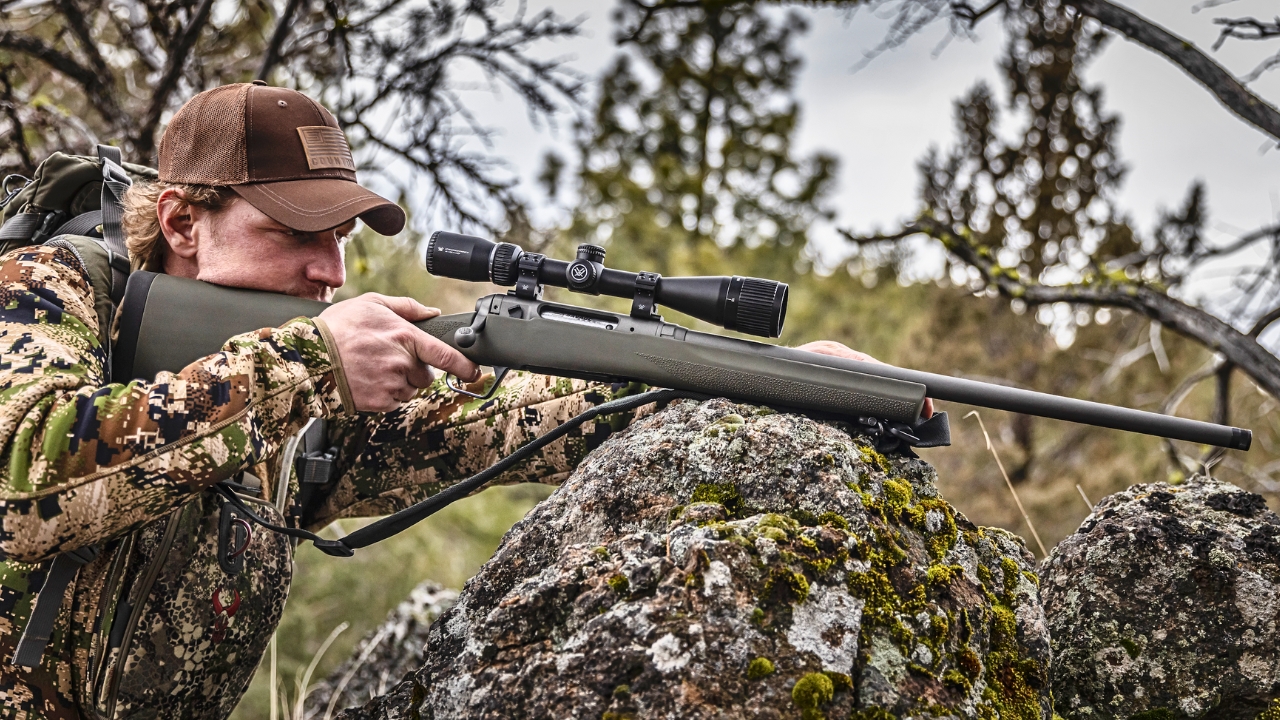
Photo credit: Savage Arms
A light rifle is a gift in the mountains and a pain in the summer. When you drop weight, you don’t just lose ounces—you lose recoil control. The same cartridge that feels fine in an eight-and-a-half-pound setup can feel like it’s trying to knock your teeth loose in a six-pound rifle with a thin pad and a short barrel.
That’s where “shoulder hammer” calibers are born. It’s not always because the round is outrageous. It’s because light rifles tend to be livelier, louder, and faster to punish bad form. If you’re building a lightweight hunting rig, these are the calibers that most often turn range days into something you start dreading.
.300 Winchester Magnum
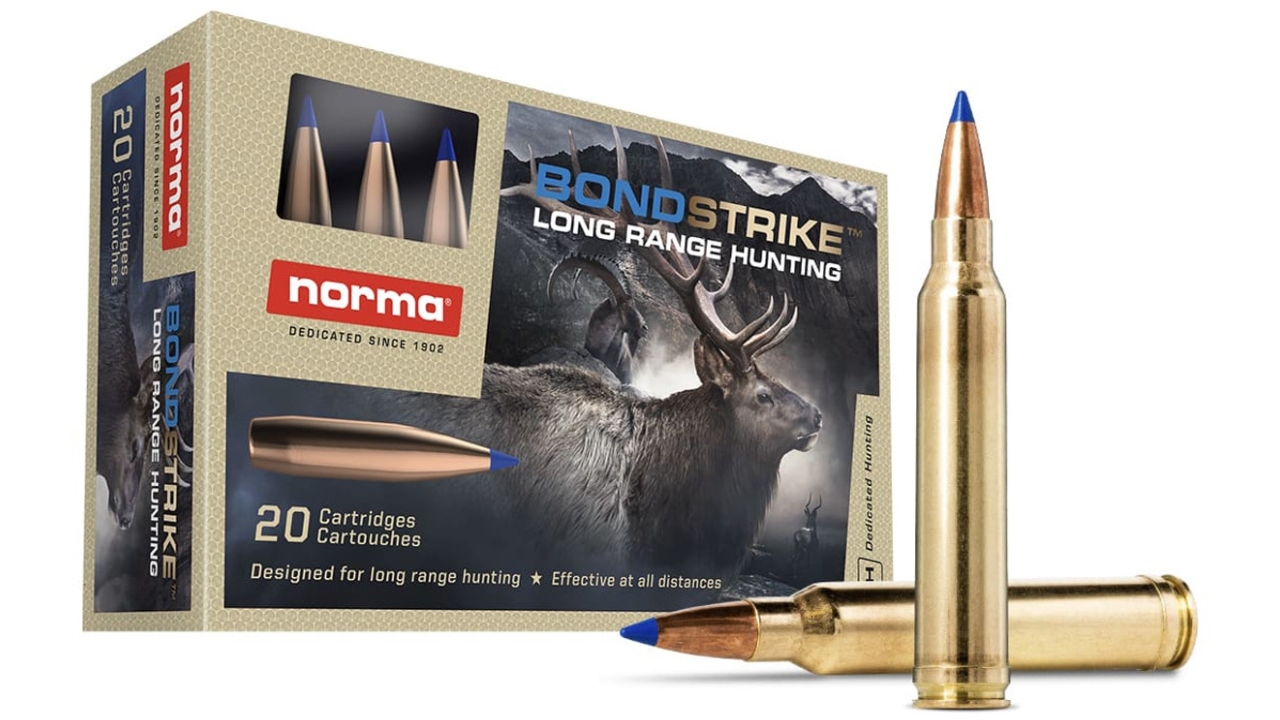
A .300 Win Mag in a lightweight rifle is the classic mistake. You get a ton of downrange performance, but you pay for it every time the trigger breaks. In a six- to seven-pound rifle, recoil isn’t a firm shove—it’s a sharp, fast hit that makes you tighten up without realizing it.
The blast can be just as bad as the recoil, especially with shorter barrels. That concussion adds stress, and stress makes you shoot worse. You can manage it with weight, stock fit, and a good pad, but if the whole point is “light,” this is where a lot of hunters start flinching before the season even begins.
.300 Weatherby Magnum

The .300 Weatherby brings extra speed, and speed in a light rifle feels like the recoil arrives early. It doesn’t wait for you to settle into the stock. You touch it off, and the rifle snaps back with a crack that makes long bench sessions miserable.
In heavier rifles, the Weatherby is absolutely shootable. In a featherweight, you’ll often see accuracy fall apart as the session goes on, not because the load is wrong, but because you’re getting beat up. If you’re set on it, the smart move is more rifle weight and less “magnum pride” during practice.
.300 PRC

The .300 PRC is built around heavy bullets and modern performance. That’s great for energy and wind, but in a light rifle it stacks recoil fast. Even if the recoil number isn’t shocking on paper, the impulse feels stout, especially when the rifle is short and whippy.
A lot of hunters end up with a light .300 PRC because they want a do-all rifle that still carries well. The problem is you still have to practice, and this cartridge can make practice unpleasant in a hurry. It’s not that the .300 PRC is “too much.” It’s that it’s too much to enjoy in a light rifle unless everything else is dialed.
7mm Remington Magnum

The 7mm Rem Mag has probably ruined more lightweight rifle setups than people admit. In a normal-weight rifle, it’s a sweet spot. In a light sporter, it becomes snappy, loud, and tiring. You’ll feel it in your shoulder, and you’ll see it in your groups.
The sneaky issue is that hunters often choose the 7mm because it shoots flat and looks easy on paper. Then they buy the lightest rifle they can find. Now you’ve got magnum recoil with little mass to soak it up. If you want the 7mm to stay friendly, don’t chase minimum weight, and don’t pretend a thin pad is “good enough.”
7mm PRC

The 7mm PRC can be extremely effective, but it’s also a cartridge that invites lightweight builds. That’s where it can bite you. In a light rifle, it has a brisk recoil pulse and a sharp report that makes you start bracing for the shot.
It’s not unmanageable, but it’s demanding. If you’re the hunter who shoots a box a year, you might never notice. If you actually practice, you’ll notice quickly. You can calm it down with a little more rifle weight, a good pad, and a stock that fits your shoulder. Without those, it turns a “modern 7mm” into a summer punishment.
.338 Winchester Magnum

A .338 Win Mag in a light rifle is pure shoulder education. The recoil is heavy and direct, and it tends to drive the rifle back hard enough to make you adjust your whole posture after every shot. That’s not what you want when you’re trying to refine a trigger press.
The cartridge can be shot well, but it’s easier to shoot well in a rifle with enough weight to settle it. In a lightweight rig, it becomes the gun you “respect,” which usually means you don’t practice with it enough. If you’re honest about your hunting, the .338 is often more cartridge than you need, and the light rifle makes sure you feel that truth immediately.
.35 Whelen

The .35 Whelen is a great cartridge for heavy bullets and deep penetration, but in a light rifle it can feel like a sledgehammer. The recoil isn’t always sharp like a magnum, but it’s heavy, and it piles up quickly.
A lot of .35 Whelen rifles are built on standard sporter platforms, and when you shave weight, the recoil comes alive. You start seeing shooters lift their head or rush the trigger because they’re trying to “get it over with.” The Whelen shines in a rifle that carries well but still has some mass. If you build it too light, you take a solid, practical round and make it a range chore.
.375 H&H Magnum

The .375 H&H is more shootable than its reputation—until it’s stuffed into a light rifle. Then it becomes exactly what people fear: big recoil, big blast, and a rifle that wants to climb off the bags. That’s not a fun way to spend a summer sight-in session.
In a properly weighted rifle, the recoil is a strong push you can manage. In a light rifle, that push turns into a hard hit that makes you tighten your shoulders and jaw. Once that happens, your accuracy suffers and you start blaming the load. The truth is the rifle is too light for the cartridge if you want to practice enough to be truly confident.
.375 Ruger
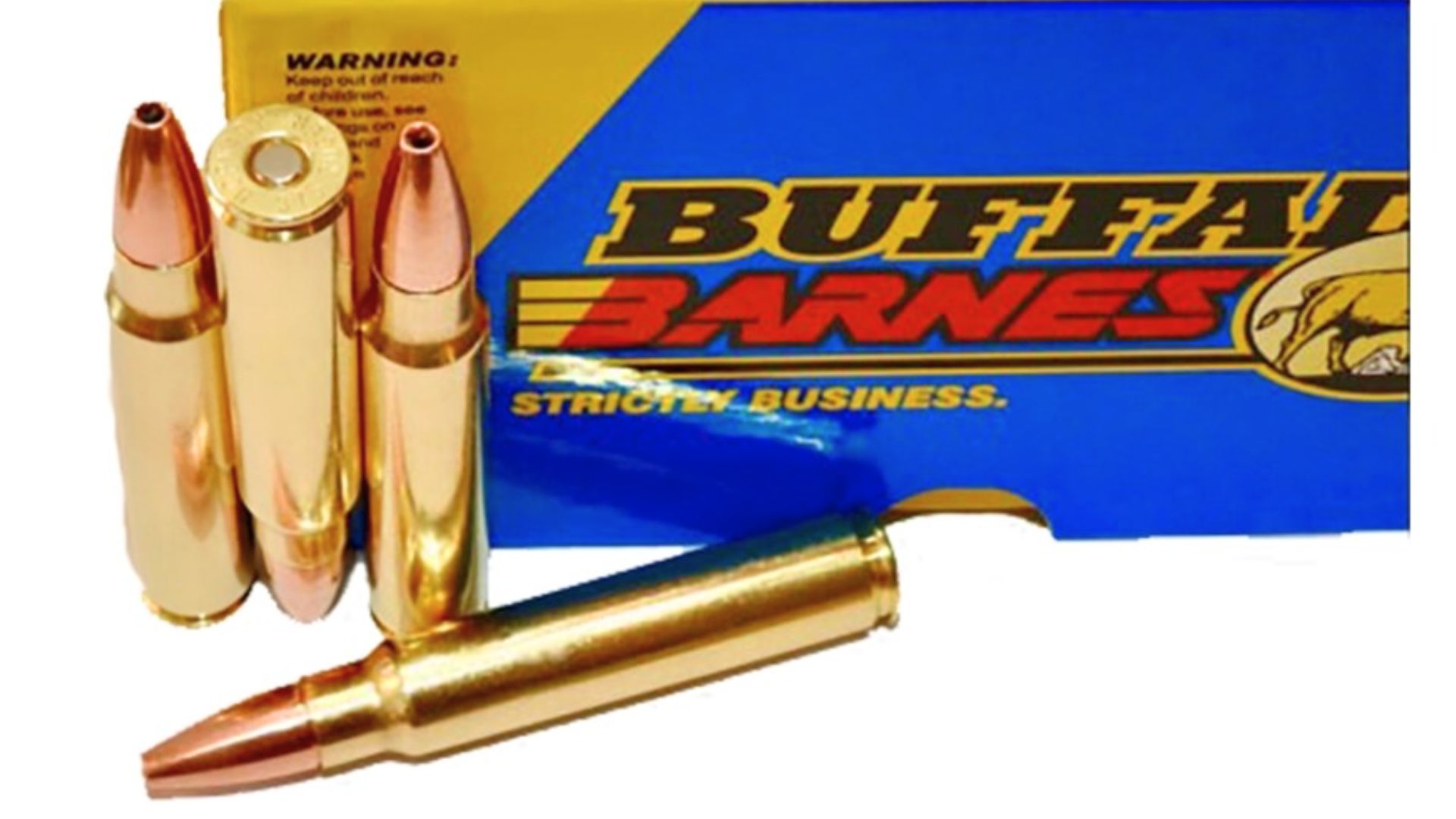
The .375 Ruger delivers big performance in a compact package, and compact packages are often lightweight. That’s the trap. In a light rifle, the recoil can feel abrupt, and the muzzle blast can be nasty enough to make you tense before the shot.
This is a cartridge that demands a rifle that fits you well. If the stock geometry is off, you’ll feel it fast. If the pad is mediocre, you’ll feel it faster. For hunters who genuinely need .375-class power, it can be a great tool. But shaving too much weight turns it into a shoulder hammer that discourages practice, which is the last thing you want with a serious rifle.
.450 Marlin

The .450 Marlin is a woods cartridge that often comes in handy, lightweight rifles. That pairing can be rough. Recoil is stout, and in a light gun it tends to be quick and punchy, especially off the bench.
The bigger issue is how it changes your behavior. You start gripping harder. You start rushing. You start shooting fewer rounds, which means less real confirmation before season. The cartridge works, and it can be a lot of fun in the right rifle. But in a light, hard-kicking setup, it turns practice into something you tolerate instead of something you benefit from.
.45-70 Government (hot loads)

A standard .45-70 load doesn’t have to be brutal, but hot loads in a lightweight rifle absolutely are. This is where people get surprised. They expect “old cartridge, easy recoil,” then they touch off a heavy modern load and the rifle punches them hard.
In light lever guns and single-shots, recoil can be sharp enough to make you start blinking. That’s how a flinch is born. The fix is honesty. If you’re hunting deer inside reasonable distances, you don’t need the heaviest loads available. If you insist on running them, you’ll want a better pad and a practice plan that doesn’t involve long strings from a bench.
.458 Winchester Magnum
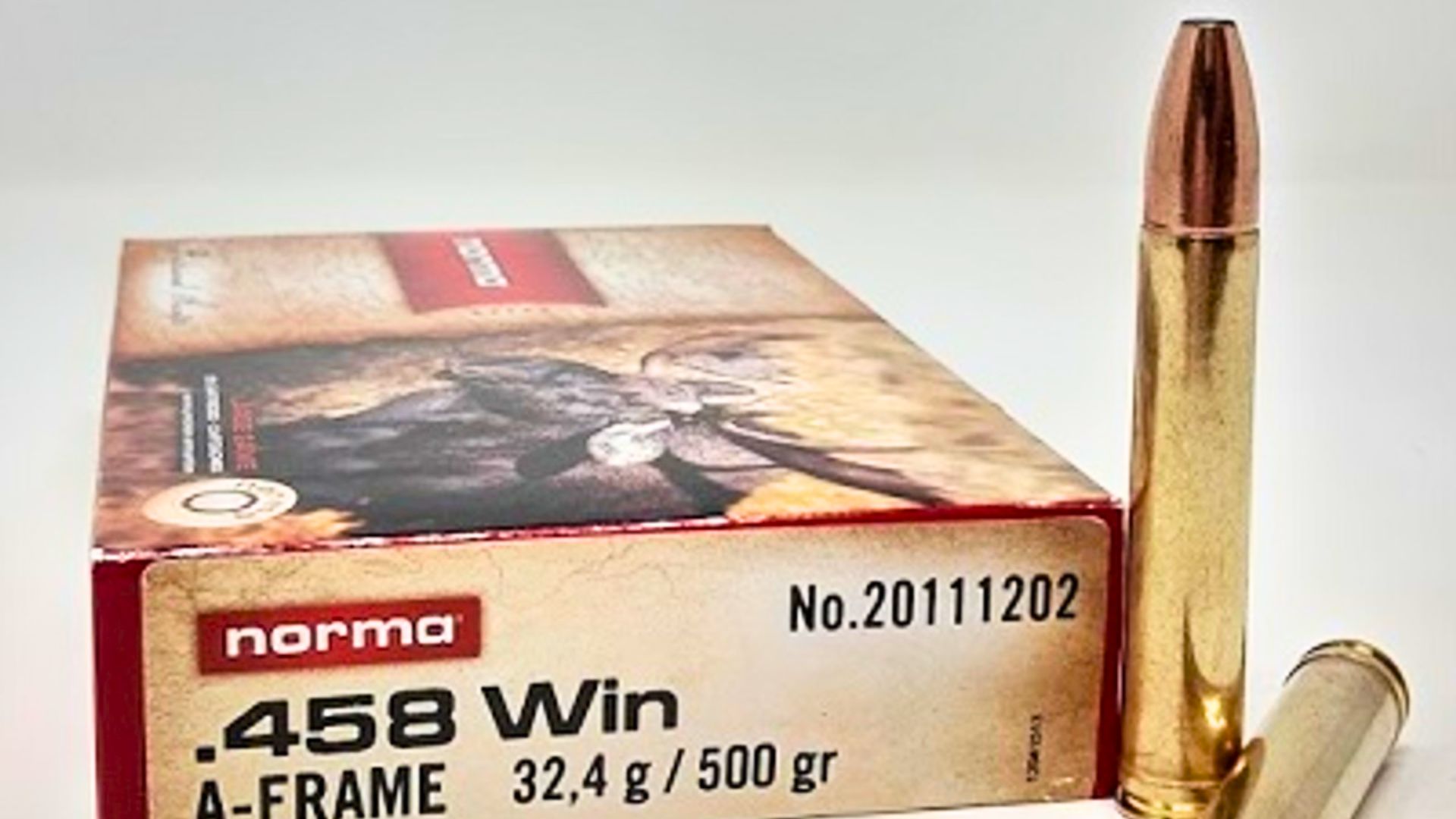
The .458 Win Mag isn’t a cartridge you casually shoot a lot, and in a light rifle it gets worse. The recoil is heavy and fast, and it can make even experienced shooters start bracing after only a few rounds. That bracing becomes a flinch if you keep pushing it.
It’s also a cartridge that’s often fired from awkward positions during sight-in, which makes recoil feel harsher. The rifle doesn’t just push you—it moves you. If you truly need a .458-class rifle, the best thing you can do is run enough weight to control it and keep practice short and focused. A light .458 is a shoulder hammer by design.
.458 Lott
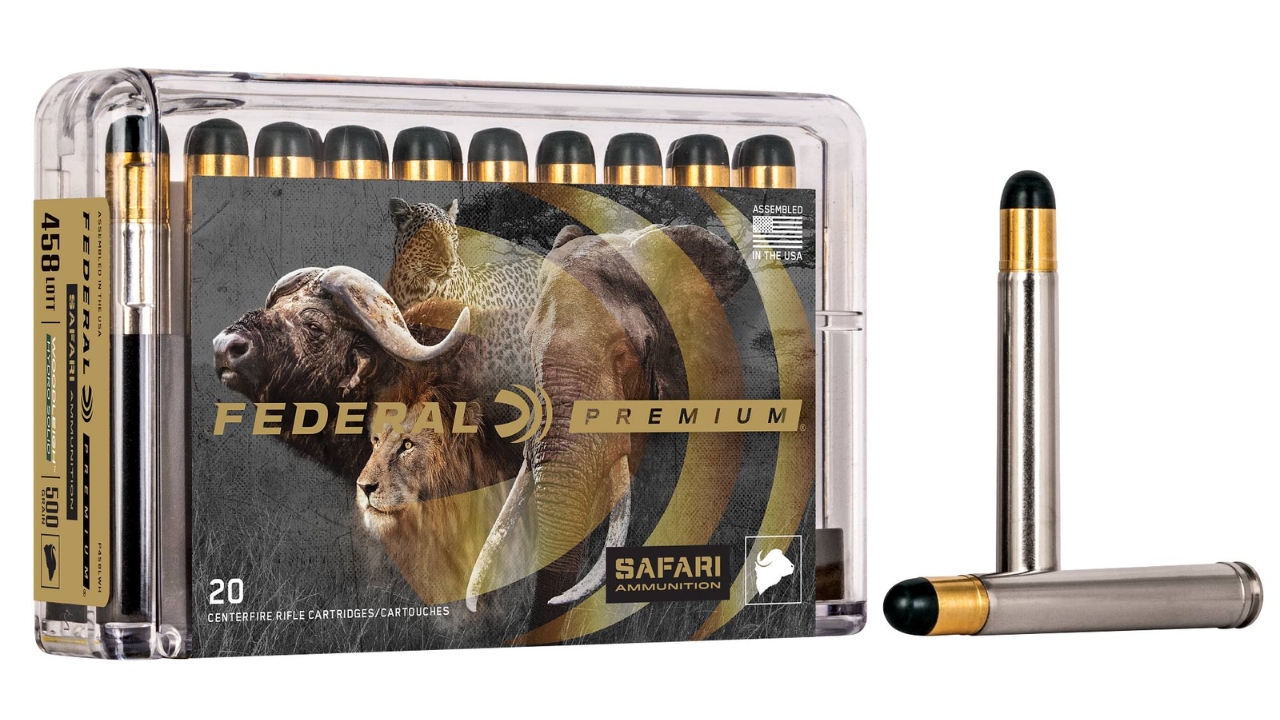
The .458 Lott takes an already serious idea and adds more. In a light rifle, that “more” becomes immediate regret. The recoil is violent enough that it changes your trigger press, your cheek weld, and your follow-through unless you’re very disciplined.
With cartridges like this, most people don’t practice enough to stay comfortable. The rifle becomes something you shoot rarely, and rare shooting makes every shot feel bigger. That anticipation is what turns power into pain. If you’re going to carry a Lott, weight is your friend. A light rifle might carry well, but it will make the range work miserable, and range work is where confidence is built.
.340 Weatherby Magnum

The .340 Weatherby is a hard-hitting cartridge with a recoil signature that feels both heavy and sudden. In a light rifle, it’s one of the quickest ways to turn a sight-in session into a short, unhappy event. You don’t just feel it in your shoulder—you feel it in your concentration.
The blast is also serious, especially with shorter barrels. That concussion makes you tense, and tension ruins good shooting. The .340 can be shot well, but it’s at its best in a rifle with enough weight to calm it down. If you build it too light, you get a rifle that looks great on a scale and feels awful on a bench.
12-gauge slugs (in a light slug gun)

A light slug gun with stout 12-gauge loads can be a shoulder hammer in a way rifle shooters don’t expect. The recoil is sharp, the push is heavy, and the gun often has a stock and pad that aren’t designed for comfort during long practice sessions.
It’s also common for slug guns to be shot from less-than-ideal positions during sight-in, and that makes recoil worse. You start to dread pulling the trigger, which is the fastest way to lose accuracy. The slug gun can be a great tool for deer, but if it’s too light and the load is too hot, it turns “practice” into three rounds and done. That’s not enough to stay sharp.
3-inch 20-gauge slugs (in a very light gun)
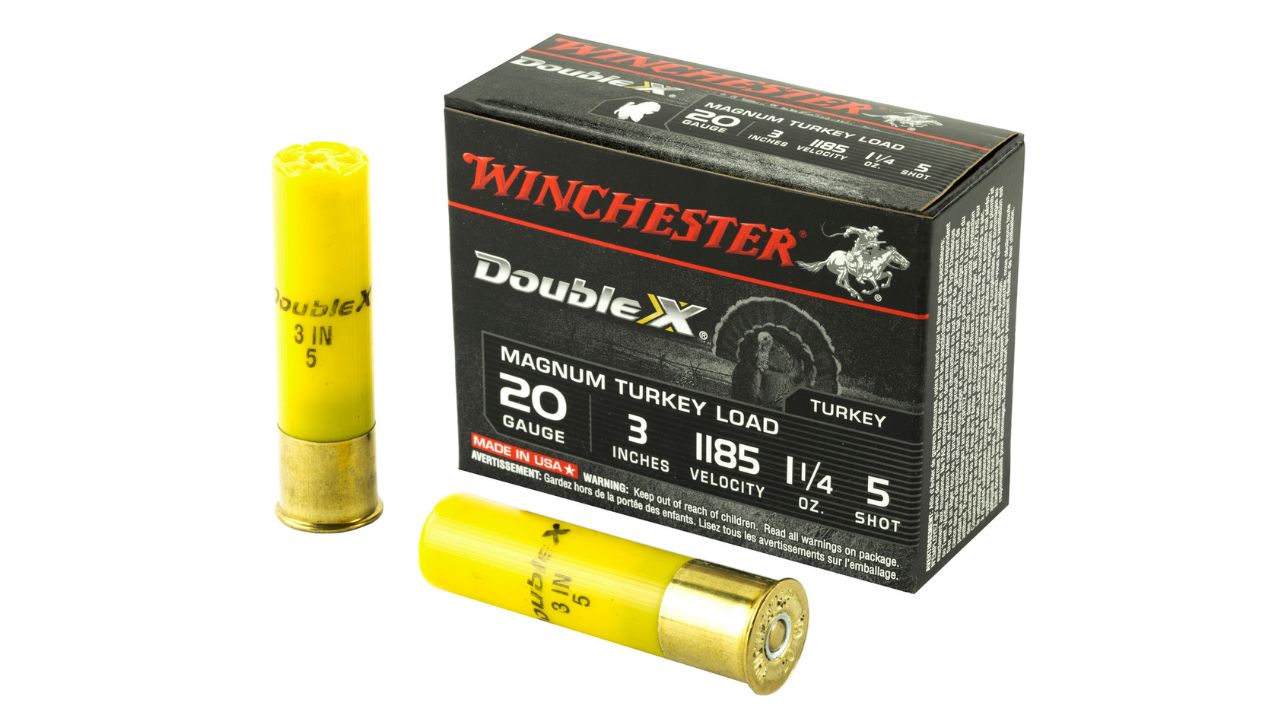
People sometimes assume a 20-gauge is automatically mild. Then they shoot 3-inch slugs out of a very light gun and find out otherwise. The recoil can be surprisingly sharp, and the muzzle jump can make follow-through sloppy.
In a light platform, that sharp recoil makes you tighten your grip and lift your head off the stock. Both habits crush accuracy fast. If you want a 20-gauge to stay pleasant, pick a gun with a bit of weight, use a good pad, and don’t feel forced into the hottest load on the shelf. A lighter-recoiling slug you can actually practice with will usually perform better in the field than a punishing one you avoid.
Like The Avid Outdoorsman’s content? Be sure to follow us.
Here’s more from us: