Photo credit: WHO_TEE_WHO/YouTube
Brush is one of those things every hunter eventually learns to respect. The moment twigs, saplings, or a wall of tall grass show up between you and an animal, bullet behavior becomes a different game entirely. Some calibers hold their line better than others, but many of the popular, lightweight, high-speed rounds lose stability fast the instant they clip anything on the way in.
It’s not that these cartridges can’t perform in the right situation—they absolutely can—but they’re far from ideal when you’re still-hunting through thick timber or trying to squeeze a shot through pockets of cover. These are the calibers that reveal their shortcomings as soon as brush enters the picture.
.243 Winchester

The .243 Winchester is a classic deer cartridge, but its lightweight bullets make it one of the quickest to deflect when brush is involved. Even a small twig can push a 95-grain projectile several inches off course at typical hunting ranges. This happens because the bullet is long and slender for its weight, and it relies on velocity rather than mass to drive straight. In open fields it’s fantastic, but in tight Eastern timber or overgrown cuts, the .243 often punishes hunters who try to slip a shot through anything but a clean window.
.223 Remington

The .223 Remington is known for fast, flat trajectories, but those benefits disappear the moment it encounters cover. Its bullets are simply too light to stay stable after clipping anything substantial. Even bonded or monolithic designs won’t hold their path well when deflected at high speed. In the field, this leads new hunters to think they pulled the shot, when in reality the round caught brush and veered. It’s a useful cartridge in the right conditions, but it’s never been a good option for threading shots through the woods.
.22-250 Remington

The .22-250 Remington is one of the most explosive varmint rounds ever made, but that same high velocity works against it in brush. The long, thin bullets tend to yaw instantly when disturbed, and their extreme speeds amplify even tiny deviations in trajectory. Hunters used to its flat performance on coyotes in open country are often shocked at how quickly things fall apart in thick vegetation. In dense deer woods, it’s a cartridge that demands perfect lanes—something you simply don’t get often.
6.5 Creedmoor Varmint Loads
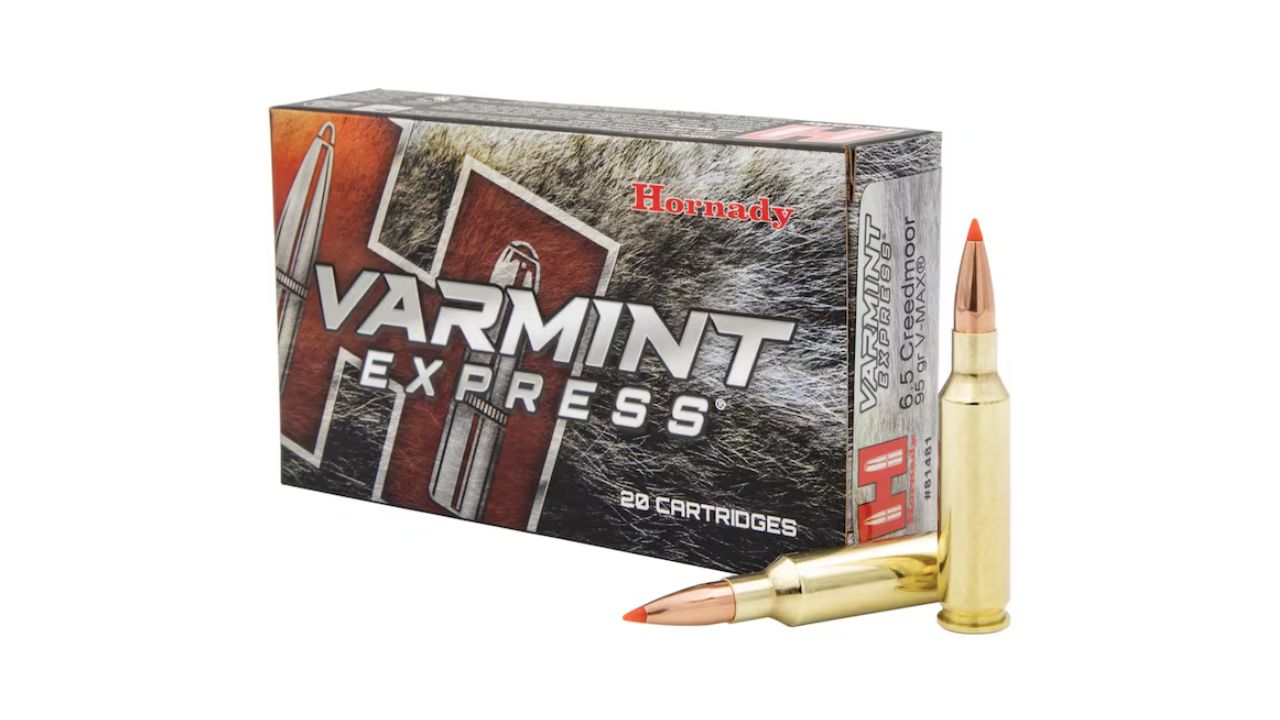
With the right bullet, the 6.5 Creedmoor handles brush much better. But many hunters, especially newer ones, end up buying lightweight varmint or match bullets without realizing how fragile they are. These bullets are designed to expand on thin-skinned game or punch paper—not deal with branches. The moment they hit anything on the way in, they shed stability or fragment outright. In real brush country, this creates erratic performance that experienced hunters know to avoid.
.25-06 Remington

The .25-06 has plenty of speed, but that speed can be a liability when vegetation enters the picture. Its typical bullet weights don’t offer enough sectional density to keep the round on track if it connects with anything before reaching the animal. Hunters who try to squeeze shots through tight gaps often see unexplained misses or poor impact angles. The cartridge thrives in open prairies or crop ground, but once you’re in hardwoods or logged areas, it quickly becomes less forgiving.
.30-30 Winchester with Polymer-Tip Loads

Traditional .30-30 flat-nose bullets handle brush fairly well for their speed, but many hunters now reach for polymer-tip loads to stretch distance. The problem is that these sleeker bullets behave more like traditional spitzers and destabilize faster when they touch brush. They’re great for extending range in clear lanes, but once cover appears, the advantage disappears. Hunters expecting classic .30-30 performance in brush often don’t realize they’ve swapped that characteristic away.
.270 Winchester

The .270 Winchester is a proven deer round, but its standard bullets are long and relatively light for caliber. Those sleek projectiles lose their course easily when clipping brush, even though the cartridge has a reputation for reach. Many hunters overestimate its ability to “punch through” because of its raw velocity, but speed doesn’t equal stability when branches come into play. In broken timber, the .270 demands cleaner lanes than newcomers expect.
.280 Remington

The .280 Remington sits in a sweet spot ballistically, but it shares a similar weakness with the .270: long, streamlined bullets that don’t tolerate deflection. While it’s excellent for mountain hunting or open ridge country, its rounded-off performance in brush surprises hunters who assume its power will overcome small obstacles. The moment the bullet hits anything before the target, accuracy concerns multiply, and shot integrity goes downhill fast.
7mm Remington Magnum

The 7mm Rem Mag delivers huge energy downrange, but its typical bullet weights are still relatively light compared to the velocity they carry. When those streamlined bullets hit brush, they destabilize dramatically. Many magnum users assume energy will solve the problem, but energy doesn’t matter when the bullet fails to stay pointed in the right direction. In dense timber, the round can create confidence problems for hunters who don’t understand why their groups go wild.
.300 Winchester Magnum with Lightweight Bullets
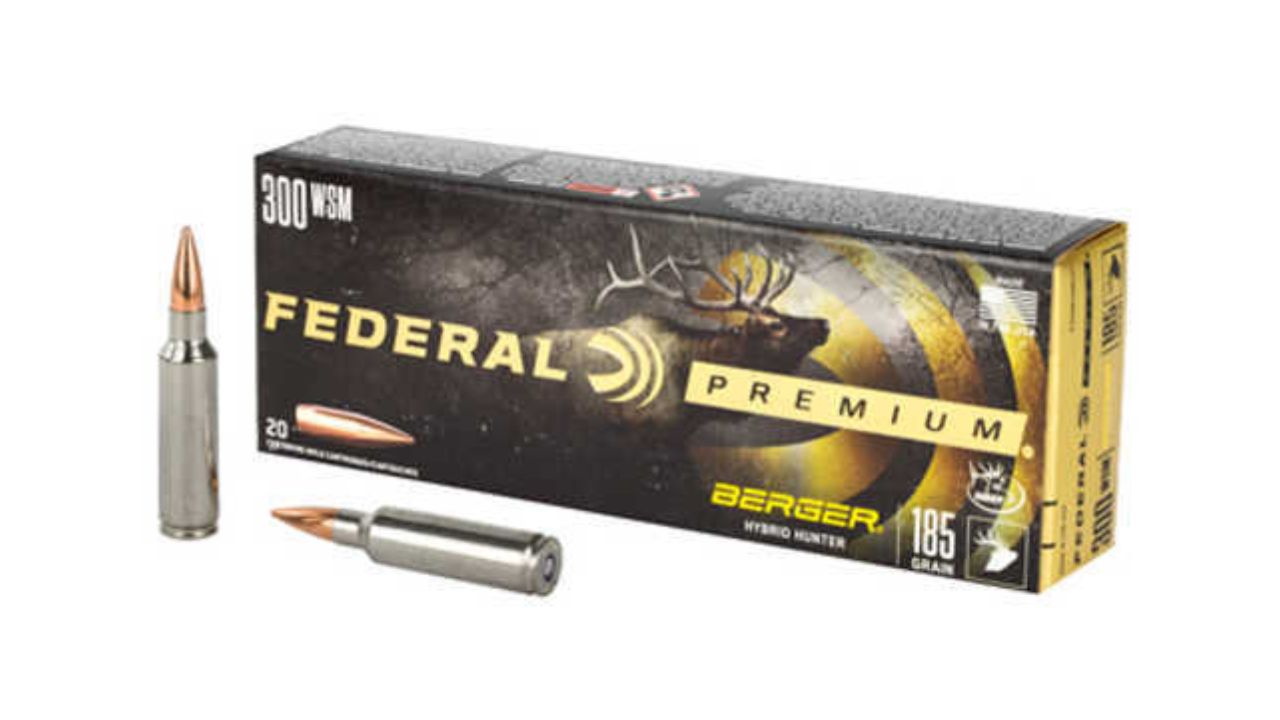
When loaded with heavier projectiles, the .300 Win Mag handles brush better than most high-velocity cartridges. But many factory hunting loads sit in the 150- to 165-grain range, and those lighter bullets don’t track well through clutter. At high velocity, even a slight deflection sends them off target. Hunters who think “magnum” means “brush-buster” often learn quickly that bullet construction matters more than chamber pressure.
.35 Remington Light Loads

The .35 Remington has brush-country roots, but modern lightweight or soft-point loads don’t always carry the same straight-line penetration older hunters remember. These lighter bullets can deform or deflect sooner than expected, especially through thick saplings. Heavier round-nose loads are better suited for brush, but the newer soft loads trip up hunters who assume all .35 Rem ammo behaves like traditional versions.
6.5 Grendel
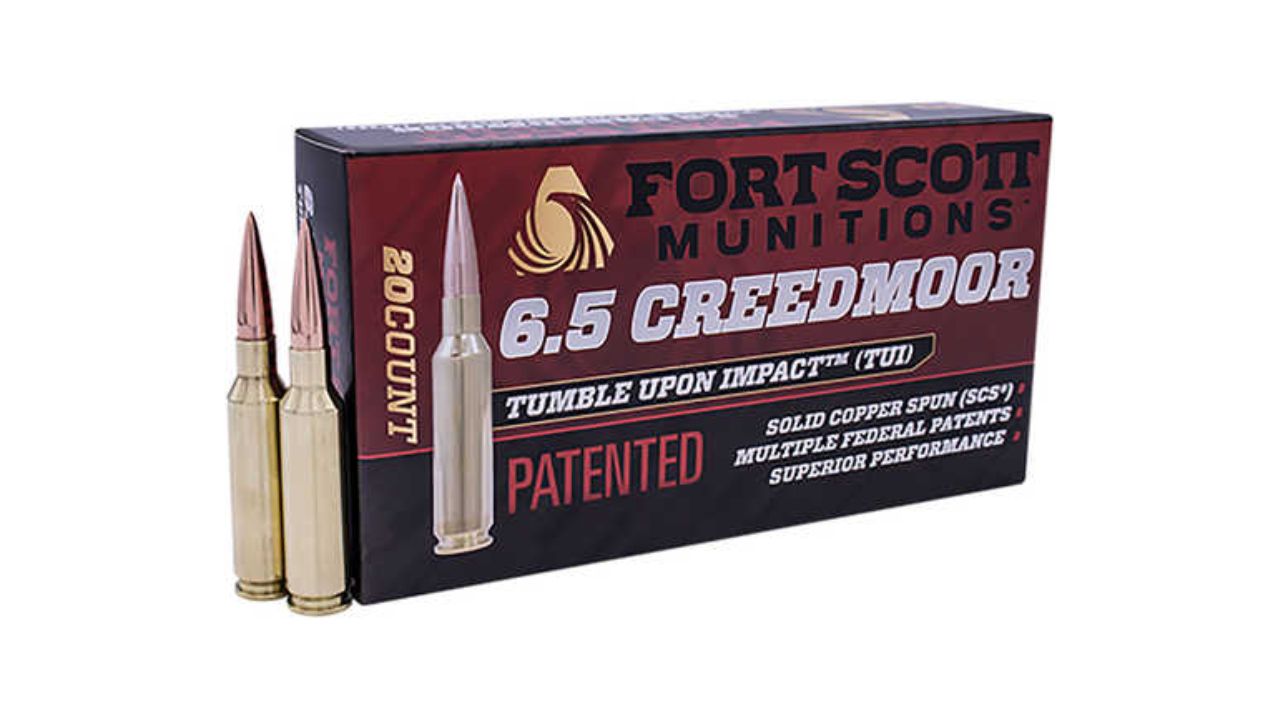
The 6.5 Grendel is a capable medium-game cartridge in open woods, but its lighter bullets don’t maintain their course well when encountering branches. Hunters using AR-15 platforms often push this cartridge into cover where it struggles, leading to inconsistent impacts. Without the mass needed to stay stable after deflection, the Grendel quickly shows why it’s better suited for cleaner shots.
.300 Blackout Supersonic Loads
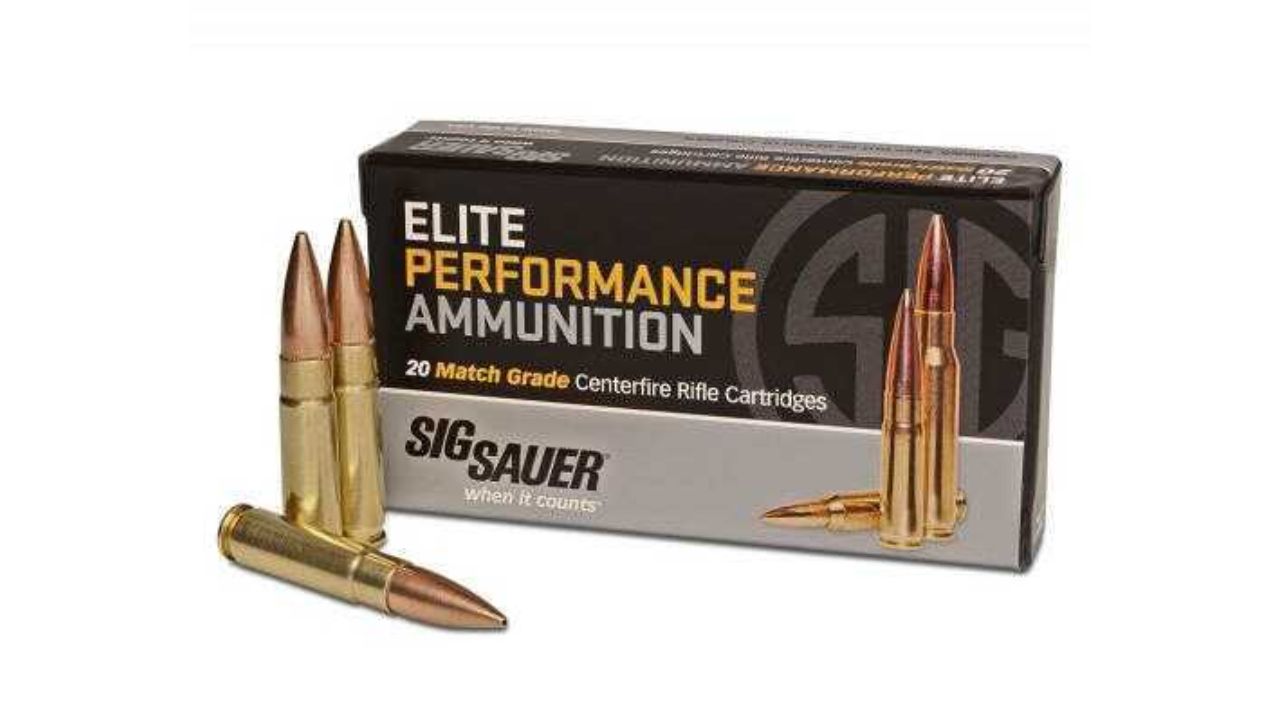
Supersonic .300 Blackout loads tend to use lighter bullets designed for controlled expansion. Through brush, those projectiles don’t remain stable, and they can yaw sharply after clipping something small. Many hunters assume the cartridge’s reputation for home defense translates to brush hunting performance, but its bullet weights and designs don’t lend themselves to stability through vegetation.
.257 Roberts

The .257 Roberts is a sweetheart of a cartridge, but its typical bullet profiles aren’t meant for navigating brush. They fly beautifully in open terrain, yet lose stability fast when encountering twigs or stems. The Roberts punishes any attempt at threading the needle and often leads new hunters to believe the rifle lost its zero, when in reality the shot path was disrupted in flight.
.300 Savage
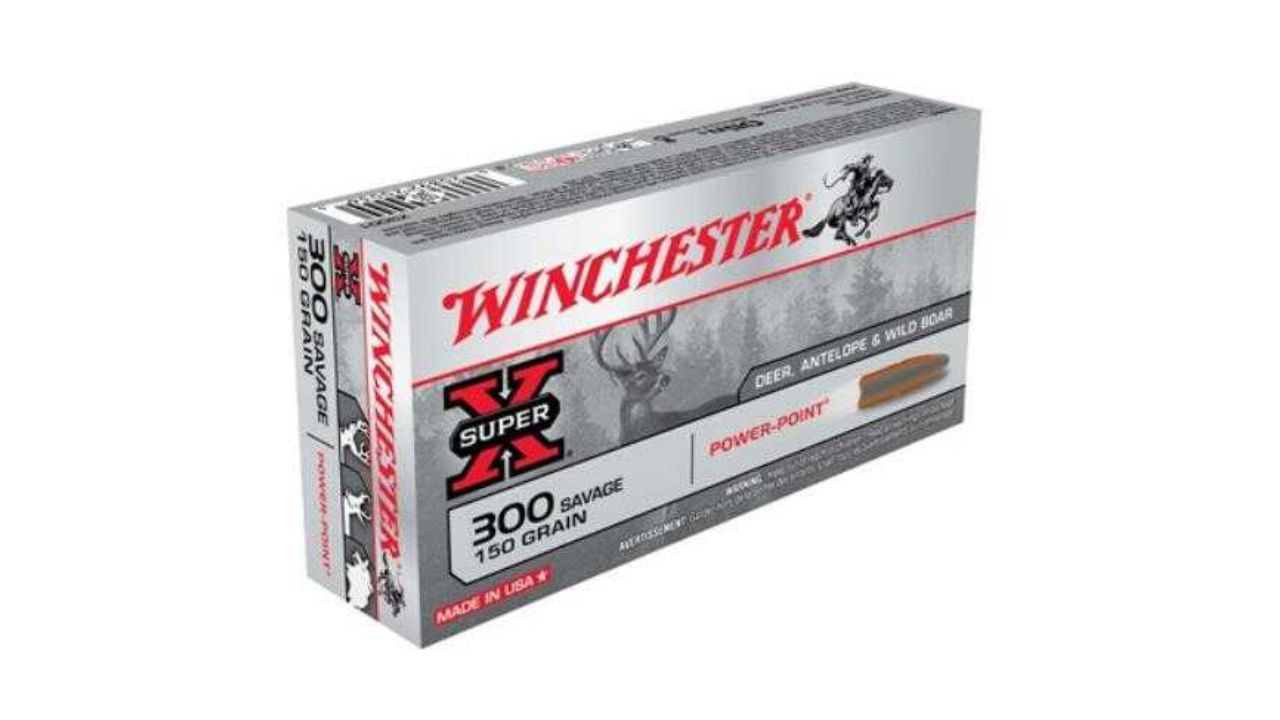
The .300 Savage is a classic, but its light-for-caliber bullets—chosen to manage recoil in older rifles—don’t always hold their line in brush. Hunters who appreciate its moderate recoil and compact rifles sometimes push it into thicker cover than it can realistically manage. While it works well in open hardwoods, it has never been a true brush cartridge, and any attempt to sneak a shot through debris reveals that quickly.
Like The Avid Outdoorsman’s content? Subscribe to our newsletter so you never miss an article.
Here’s more from us: