Photo credit: Tex Mex/YouTube
Deer season is not when I want to start wondering whether I picked the right rifle. By the time opening morning gets here, I want something I have already shot enough to trust, something that carries well through the woods, and something that is not going to make a simple 100-yard shot more complicated than it needs to be. Reliability and familiarity matter more to me than chasing whichever rifle happens to be getting the most attention that year.
There are plenty of ways to build a dependable deer setup. Some hunters want a lightweight bolt action for covering country. Others need a fast-handling lever gun for thick timber or a semiauto that makes quick follow-up shots easy. My list includes all of them. If I were checking the safe before deer season and choosing rifles I would have no hesitation carrying into the woods, these 20 would make the cut.
Sako 90 Finnlight
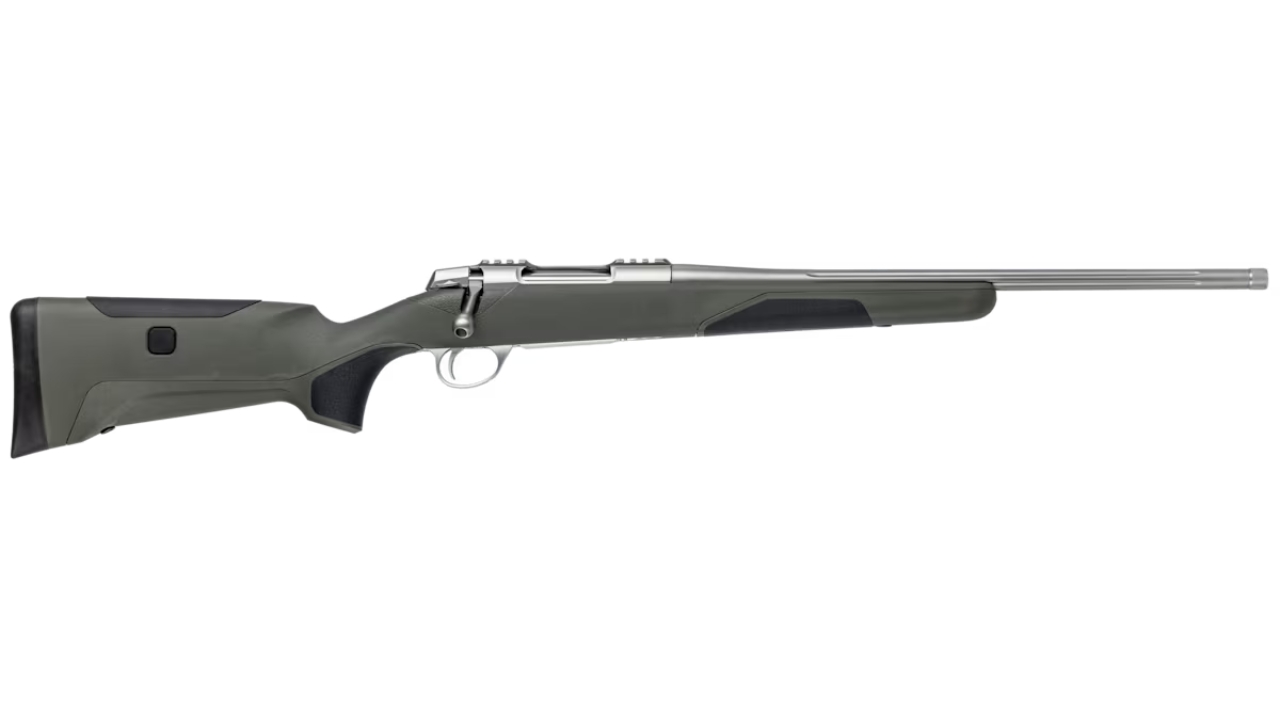
The Sako 90 Finnlight is the kind of rifle I would choose if I expected opening morning to involve considerably more walking than sitting. It is built around keeping weight manageable while still feeling like a substantial hunting rifle, and Sako gives it the kind of smooth action and excellent trigger serious hunters expect at this price. I would be perfectly comfortable taking one into bad weather and covering miles of rough country with it.
For whitetails, I would probably keep things straightforward with .308 Winchester, .270 Winchester, or 6.5 Creedmoor. This is not a rifle I would cover with oversized accessories and turn into a heavy long-range setup. A sensible hunting optic, good sling, and proven ammunition would give me exactly what I wanted: a light rifle that still inspires confidence when a buck finally appears.
Benelli Lupo
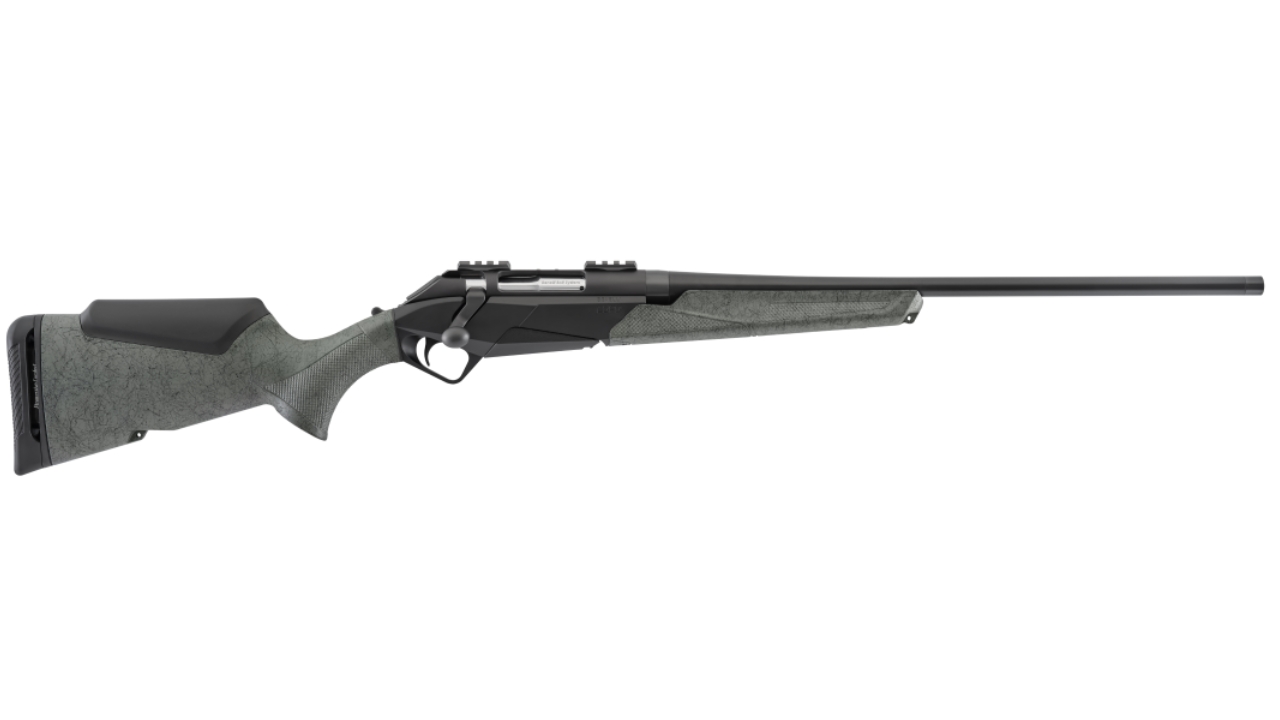
Benelli was primarily a shotgun name to many American hunters when the Lupo arrived, but the rifle deserves to be judged on its own merits. The stock can be adjusted far more than a traditional hunting rifle, allowing the shooter to fine-tune fit rather than simply accepting whatever dimensions came from the factory. That matters because a rifle that fits correctly is much easier to mount quickly and shoot consistently when the opportunity arrives unexpectedly.
I also like the Lupo because it is clearly designed around hunting rather than trying to imitate a competition rifle. In .308 Winchester or .30-06 Springfield, I could take one practically anywhere I normally hunt deer. It looks unconventional compared with a walnut-stocked classic, but once I am sitting against a tree before daylight, reliability and fit matter considerably more than whether the rifle looks traditional.
Weatherby Mark V Backcountry 2.0
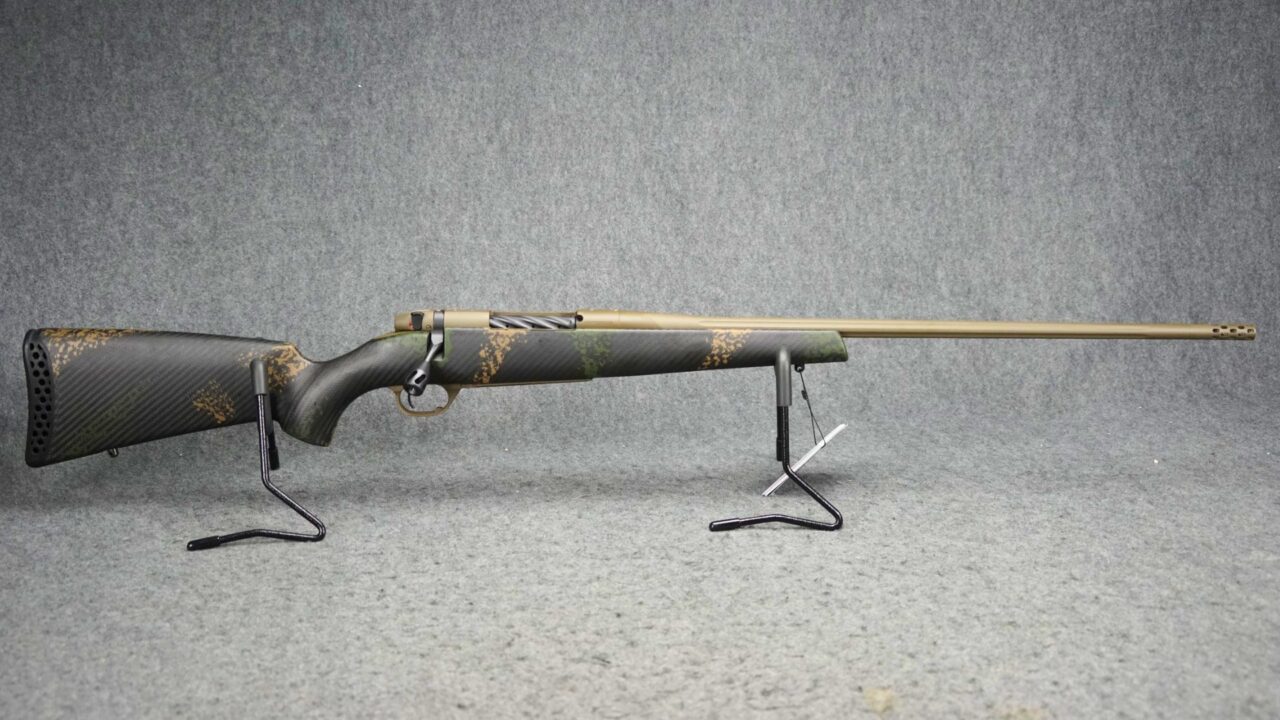
The Mark V Backcountry 2.0 is the rifle I would want when the walk to the deer is likely to be harder than the shot. Weatherby took its strong Mark V action and built an extremely weight-conscious hunting rifle around it. That gives hunters who climb mountains, cross steep ridges, or spend all day away from a vehicle a rifle that does not feel heavier with every mile.
For ordinary whitetail hunting, I would resist the urge to choose more cartridge than necessary. Something like .308 Winchester or 6.5 Creedmoor would give me plenty of deer capability while keeping recoil reasonable in such a lightweight rifle. The Backcountry is expensive, but I understand where the money goes. When you have carried a heavy rifle through rough country for ten hours, shaving meaningful weight stops sounding like a luxury.
Winchester XPR

The Winchester XPR is one of the rifles I would trust when I wanted to spend more money on ammunition and optics than on fancy wood and polished metal. It is a straightforward bolt-action hunting rifle designed around practical features, and that is exactly what many deer hunters actually need. I would not hesitate to carry one through rain, mud, thick cover, or the kind of brush that makes me nervous about scratching an expensive stock.
I especially like the XPR as a first serious deer rifle or a rifle that is going to see hard seasonal use. Chamber it in .308 Winchester, .270 Winchester, or .30-06, mount dependable glass, and spend the rest of the budget practicing. A rifle does not need to become an heirloom before it can become extremely effective in the deer woods.
Browning BAR MK 3
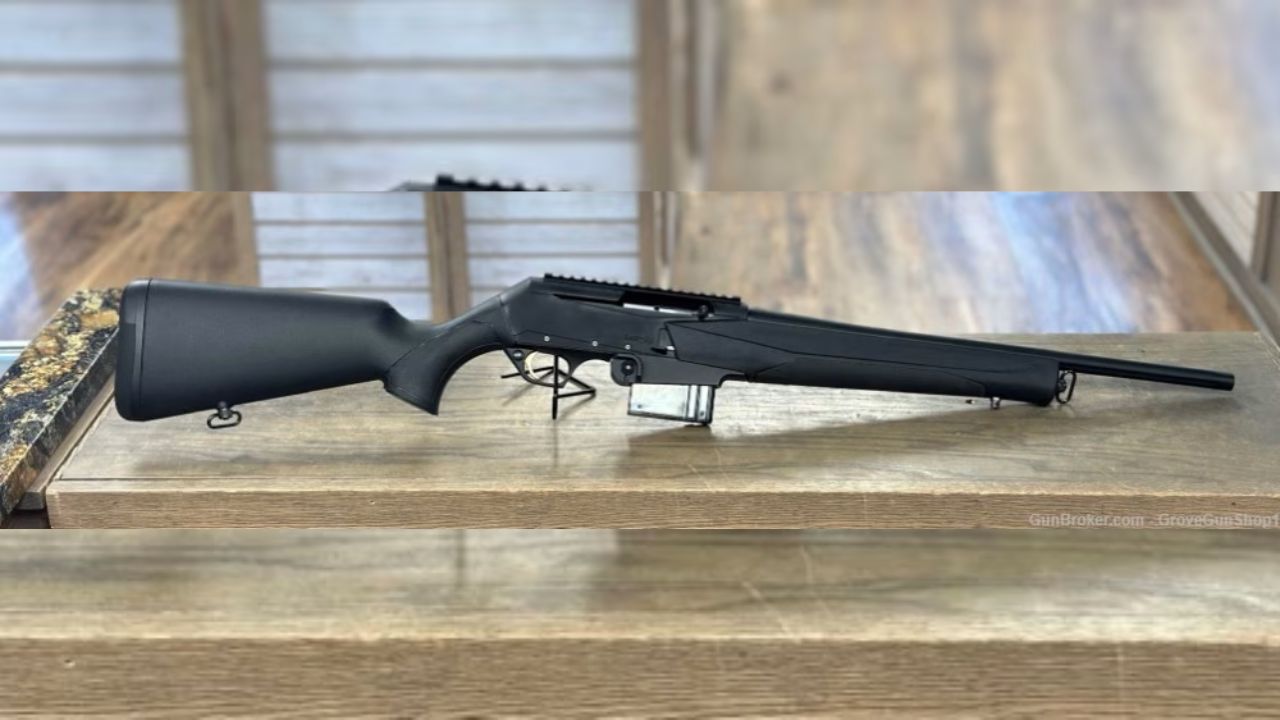
There are situations where a semiautomatic deer rifle simply feels right, and the Browning BAR MK 3 remains one of my favorite examples. It gives hunters quick follow-up capability while retaining the look and feel of a real sporting rifle. That can be useful in thick timber where a deer crosses an opening quickly or when hunting areas where multiple deer may appear together.
I would particularly like one in .308 Winchester for a general-purpose deer setup. The cartridge is common, recoil is manageable in the gas-operated rifle, and there is no shortage of suitable hunting ammunition. A BAR is heavier and mechanically more involved than a lightweight bolt action, but plenty of hunters willingly make that trade. In a box blind, treestand, or hardwood bottom, the extra weight bothers me far less.
Mauser M18

The Mauser M18 does not have the ornate appearance people sometimes associate with the Mauser name, and I actually think that works in its favor as a hunting rifle. It is designed to be practical, weather resistant, and affordable enough that an owner can use it hard instead of worrying about every scratch. Underneath the plain exterior is a bolt action from a company whose name has been associated with hunting rifles for generations.
For deer season, I would happily take one in .308 Winchester or .270 Winchester. The synthetic stock makes sense when November weather turns ugly, and the detachable magazine is convenient without making the rifle feel overly tactical. I do not need a deer rifle to impress anyone leaning against the truck at camp. I need it to put the first cold-barrel shot exactly where I expect it.
Sauer 100 Classic XT

The Sauer 100 Classic XT is another European rifle that gives hunters plenty of quality without forcing them into the highest end of the market. It has a smooth action, practical synthetic stock, and the clean styling I want in a rifle that is going to spend most of its time hunting rather than sitting on a shooting bench. It feels refined without becoming too fancy to expose to real weather.
I would probably choose .308 Winchester for a woods-oriented setup or .270 Winchester if I expected more open-country shots. Either way, I would keep the rifle relatively light with a moderate hunting scope. Sauer rifles tend to appeal to shooters who appreciate good machining and smooth operation, and those qualities become especially noticeable after several seasons of carrying the same rifle.
Christensen Arms Ridgeline FFT

The Ridgeline FFT makes sense to me for the hunter who wants modern lightweight materials but does not want to move completely into chassis-rifle territory. Carbon-fiber components and an emphasis on reducing weight give it the kind of portability that becomes valuable on long hunts, while the overall shape still resembles a traditional sporting rifle.
This is also the sort of rifle where I would be careful about cartridge selection. A very light rifle chambered in a hard-kicking magnum can become much less enjoyable than the specifications suggest. For deer, 6.5 Creedmoor, 7mm-08, or .308 Winchester would give me plenty of performance without making every range session feel like punishment. If I were covering rough country while looking for a mature buck, the Ridgeline’s weight savings would be easy to appreciate.
Nosler Model 21

The Nosler Model 21 is aimed at hunters who want something more refined than the typical mass-market bolt rifle but still intend to use it hard. It has the kind of modern action, stock, and barrel combination that works well for hunters who may shoot from a stand one weekend and cover open country the next. I like rifles that can handle both without becoming overly specialized.
For a deer rifle, I would be very tempted by 6.5 Creedmoor or .308 Winchester. Both allow the Model 21 to remain versatile without loading the hunter down with unnecessary recoil. This is a rifle I would spend some time setting up properly before the season, finding the ammunition it prefers and confirming zero from realistic field positions. Once that work was finished, I would trust it without constantly second-guessing the equipment.
Bergara B-14 Squared Crest
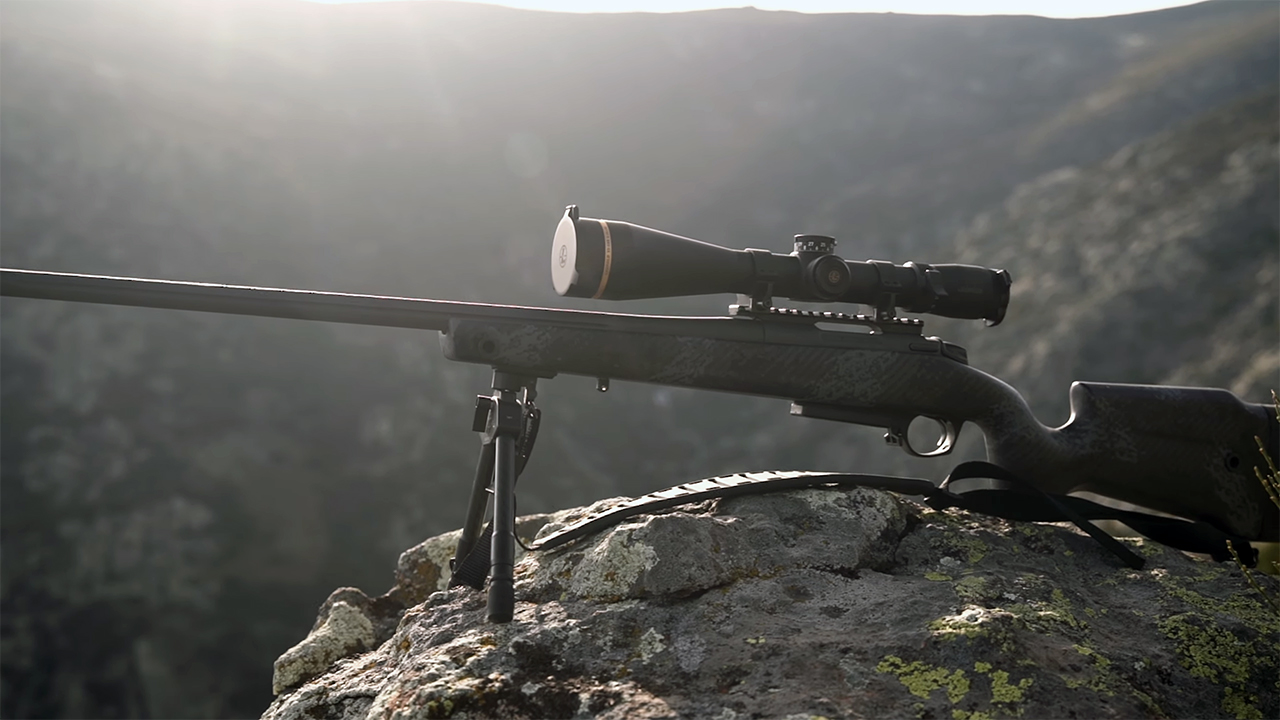
The B-14 Squared Crest is where Bergara’s precision-rifle reputation meets a rifle that is much easier to imagine carrying through a full hunting day. The carbon-fiber stock helps keep things manageable, while Bergara’s barrel reputation gives me confidence that I am not sacrificing the accuracy people buy the brand for in the first place.
I would set one up with a hunting optic rather than a giant target scope and let the rifle stay what it was intended to be. In 6.5 Creedmoor or .308 Winchester, it would handle practically every whitetail situation I normally encounter. It gives me enough precision for an open field while remaining practical enough for a treestand. That versatility is worth a lot when I am deciding which rifle gets packed before the season.
Seekins Precision Havak
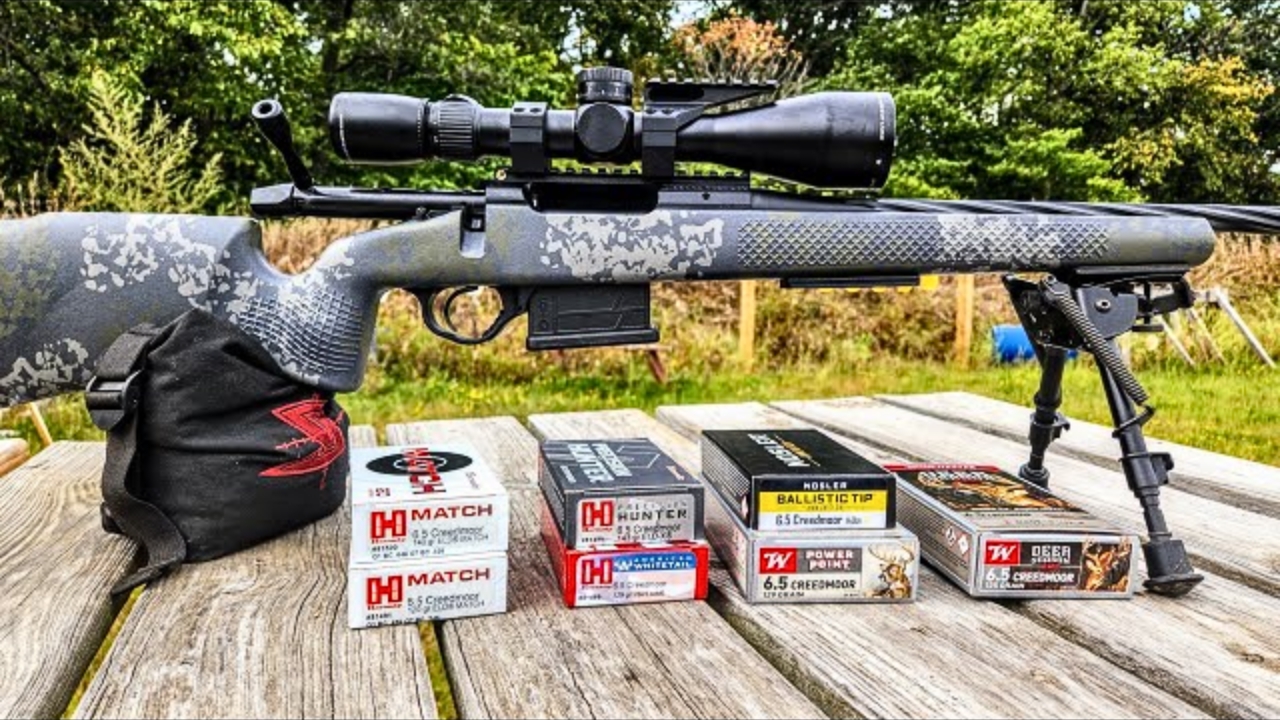
The Seekins Havak is the rifle I would consider if I wanted a hunting gun with a little more precision-rifle DNA without carrying something that weighs like a bench gun. Seekins has built a strong reputation around machining and accuracy, and the Havak platform translates that into a rifle a hunter can actually take into the field.
For deer season, I would still keep the setup sensible. I do not need an enormous optic, oversized bipod, and every accessory that will fit. A good scope and dependable ammunition are enough. Chambered in a reasonable deer cartridge, the Havak gives me confidence when the shot stretches across a field or canyon. I may not need all that accuracy for a 75-yard woods buck, but I certainly do not mind knowing it is available.
SIG Sauer CROSS
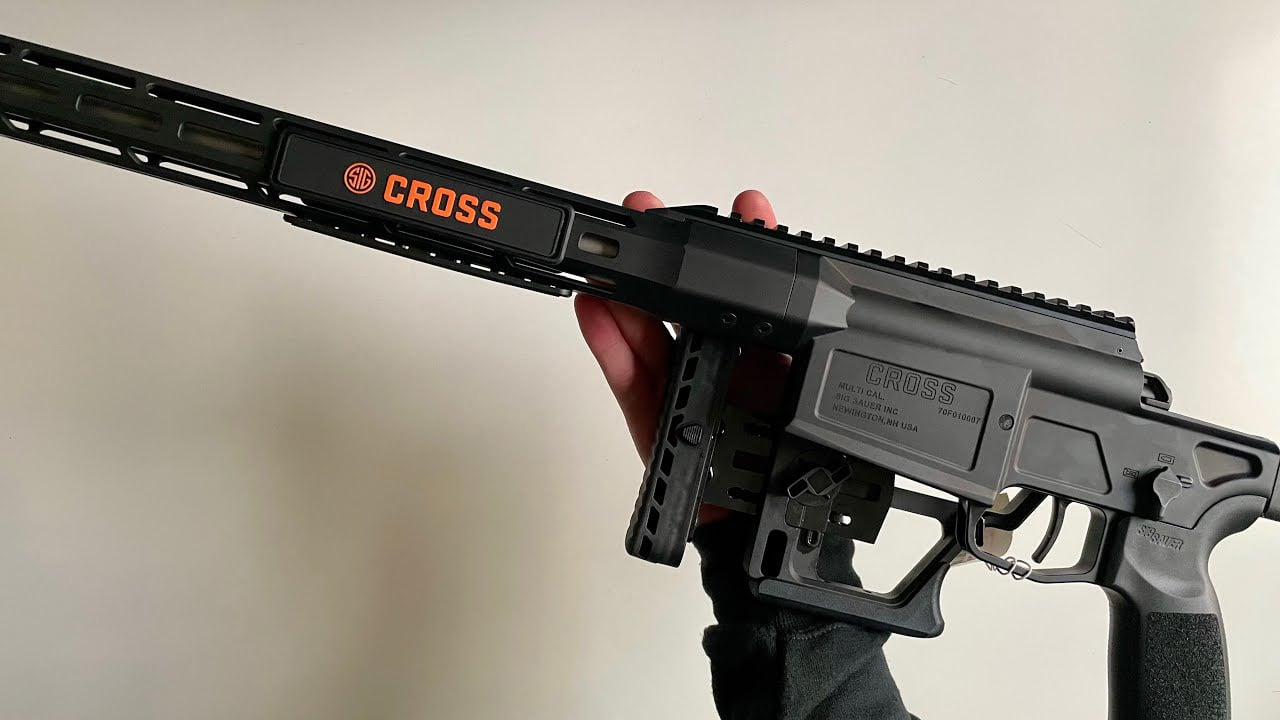
The CROSS looks more like a compact precision rifle than a traditional deer gun, but its folding stock and relatively compact design make it surprisingly practical for hunting. This is the kind of rifle I would appreciate when climbing into tight blinds, traveling with limited space, or carrying through terrain where a long traditional stock constantly catches on everything.
I would choose .308 Winchester for a general-purpose deer rifle and keep the optic relatively compact. The adjustable stock also makes it easier to fit the rifle around heavy winter clothing, which can be genuinely useful once temperatures drop. It will not appeal to hunters who want walnut and classic lines, but if utility is the priority, the CROSS offers a lot. Deer are not going to care whether the rifle looks traditional.
CVA Scout
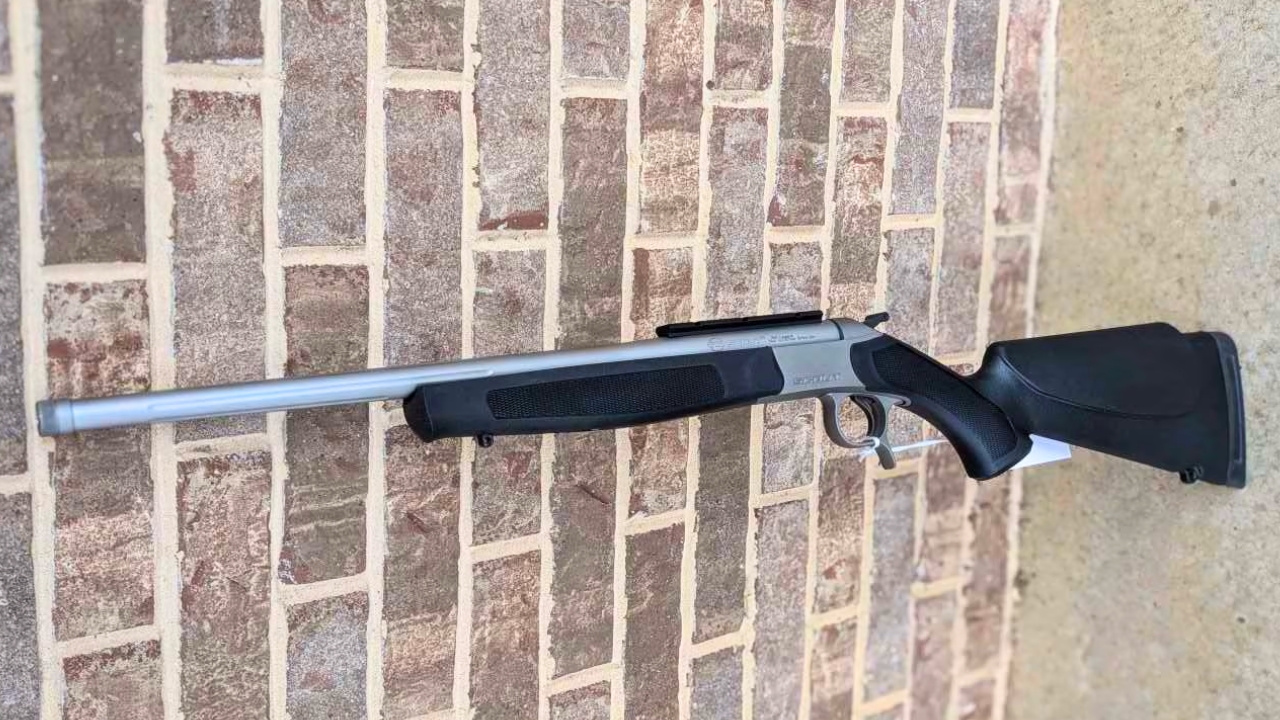
The CVA Scout is proof that a deer rifle does not need a magazine or complicated action to be useful. A break-action single-shot is about as straightforward as centerfire hunting rifles get, and for hunters operating in areas with straight-wall cartridge rules, versions chambered in cartridges such as .350 Legend or .450 Bushmaster can make a tremendous amount of sense.
The single-shot limitation bothers me less for deer hunting than it would for many other uses. Most of the deer I have ever needed to shoot presented one good opportunity, and making that first shot count is the priority regardless of magazine capacity. The Scout is also compact, easy to carry, and affordable enough to serve as a dedicated seasonal rifle. I would rather have one well-zeroed Scout than a much more expensive rifle I barely practiced with.
Traditions Outfitter G3

The Outfitter G3 fills a similar role to the CVA Scout, but that does not make it redundant. Single-shot rifles remain extremely practical for hunters who want a compact gun, straightforward operation, and chamberings tailored specifically to deer hunting. They also make excellent rifles for blinds where overall length and maneuverability matter more than having several rounds immediately available.
I particularly like this type of rifle in .350 Legend for typical whitetail distances. Recoil is manageable, the cartridge works well inside the ranges most woods hunters actually shoot, and the rifle stays easy to carry. There is something reassuring about a simple action with very little to go wrong. When opening morning arrives, that simplicity is more attractive to me than a long list of features I may never use.
Ruger No. 1
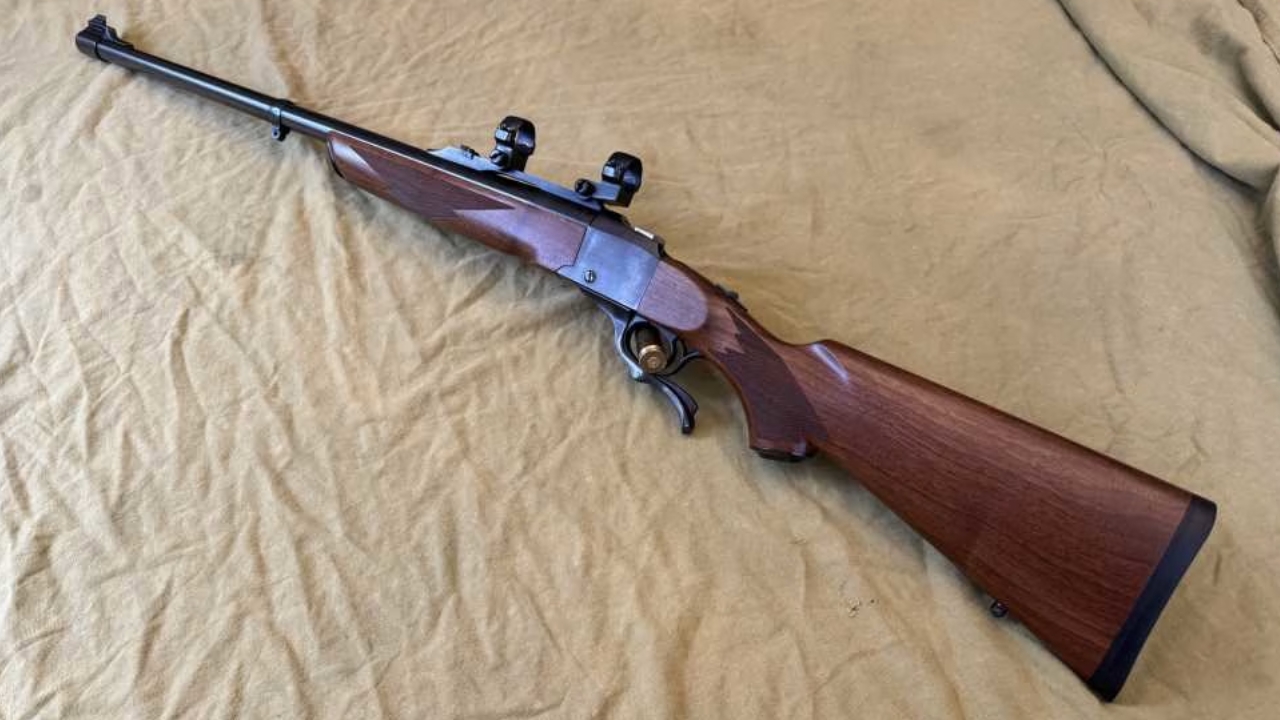
The Ruger No. 1 may be a single-shot, but nobody who has spent time around one is likely to mistake it for an inexpensive utility rifle. The falling-block action allows the overall rifle to remain relatively short even with a full-length barrel, giving it a balance and handling quality that is difficult to duplicate with most bolt actions.
I would love one in a classic deer cartridge such as .270 Winchester or .30-06 Springfield. There is no practical need for the exotic chamberings the No. 1 has been offered in if whitetails are the goal. Hunting with one also forces me to focus on the first shot, which is hardly a disadvantage. A beautiful rifle that handles well and has already proven itself at the range would be an easy choice heading into November.
Savage Model 99

The Savage 99 may be old, but an old rifle does not stop working just because manufacturers developed something newer. Its rotary-magazine design allowed the use of pointed bullets, giving hunters a lever-action rifle chambered for cartridges that offered more reach than traditional tube-fed lever guns. That made the Model 99 an extremely capable deer rifle long before modern hunters started rediscovering classic designs.
If I owned a sound example in .300 Savage or .308 Winchester, I would have no hesitation taking it hunting. I would verify the zero, make sure the rifle was mechanically healthy, and leave the rest alone. There is something satisfying about carrying a rifle that may have already spent half a century in deer woods. Proven equipment does not become obsolete merely because it lacks a threaded muzzle.
Remington Model 7600
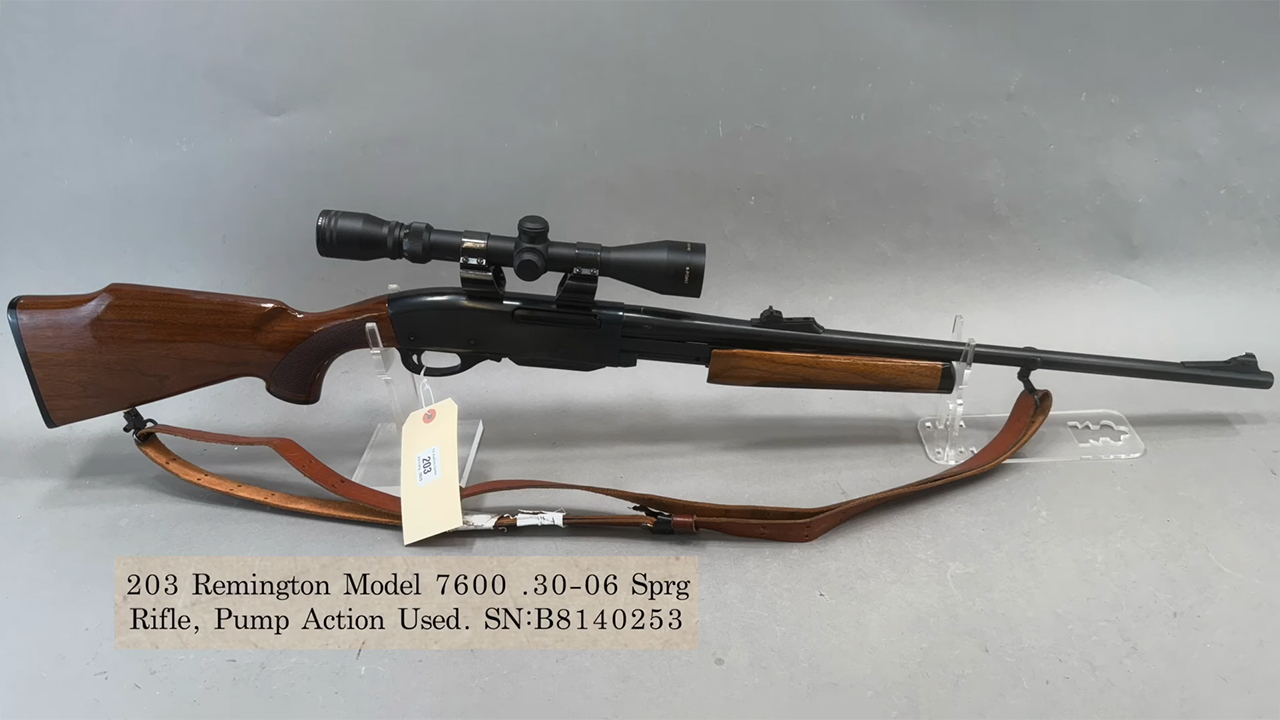
The Model 7600 remains one of the most natural deer rifles ever made for hunters who grew up around pump shotguns. The action can be cycled quickly without changing the basic shooting position, and the rifle was offered in cartridges that have filled deer camps for generations. In thick Eastern timber, that combination built an extremely loyal following.
A .30-06 or .308 Model 7600 with a low-powered scope is still a formidable woods setup. These rifles also tend to carry well, which becomes important when still-hunting or walking ridges rather than sitting in one location all day. Production may have ended, but good rifles did not suddenly stop being useful. If I already owned a dependable 7600 that grouped hunting ammunition well, I would trust it over many newer rifles I had barely used.
Marlin 1894 .44 Magnum

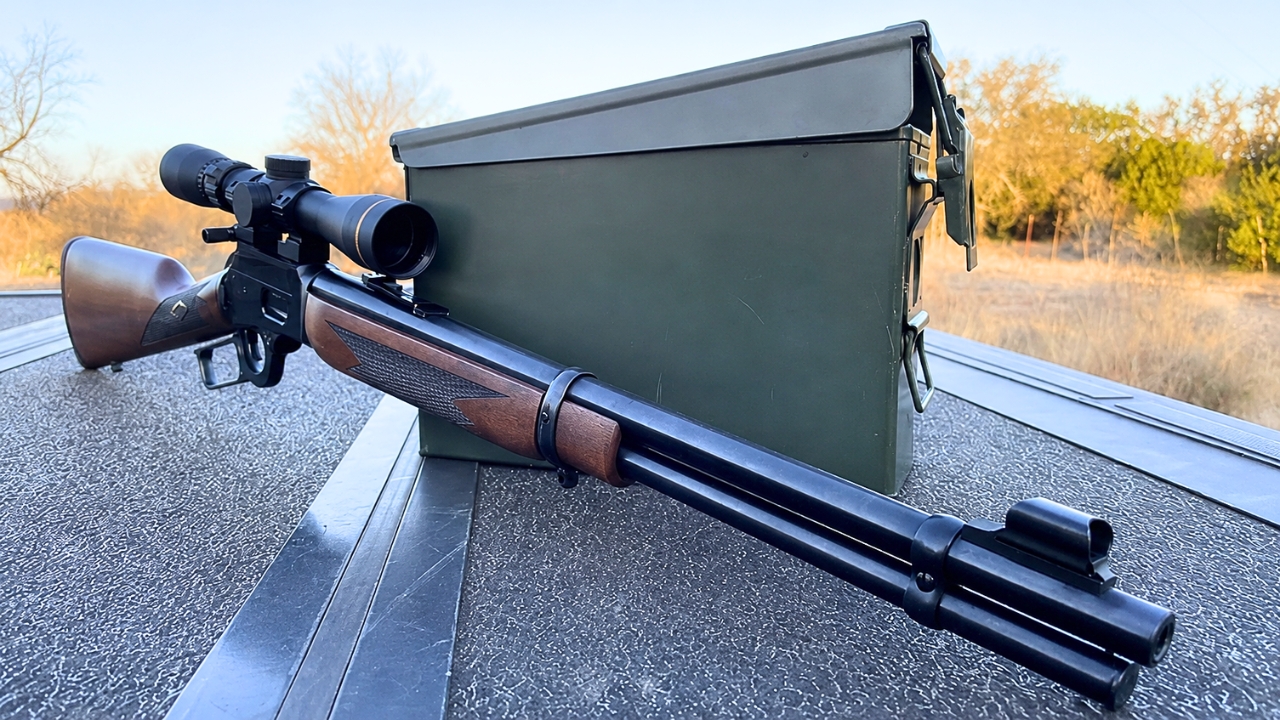
The Marlin 1894 in .44 Magnum makes a lot of sense when deer hunting happens at close range. It is short, light, fast to shoulder, and easy to maneuver through thick timber. Pair it with suitable hunting ammunition and keep distances realistic, and the little lever gun becomes far more capable than its compact appearance suggests.
I would particularly like one for a treestand tucked into dense woods where a 75-yard shot would be considered long. In that environment, I gain very little by carrying a long, heavy bolt gun chambered for a cartridge designed to reach several hundred yards. The 1894 does not pretend to be something it is not. It is a close-range woods rifle, and within that role I would trust it completely.
Henry Big Boy Steel .44 Magnum
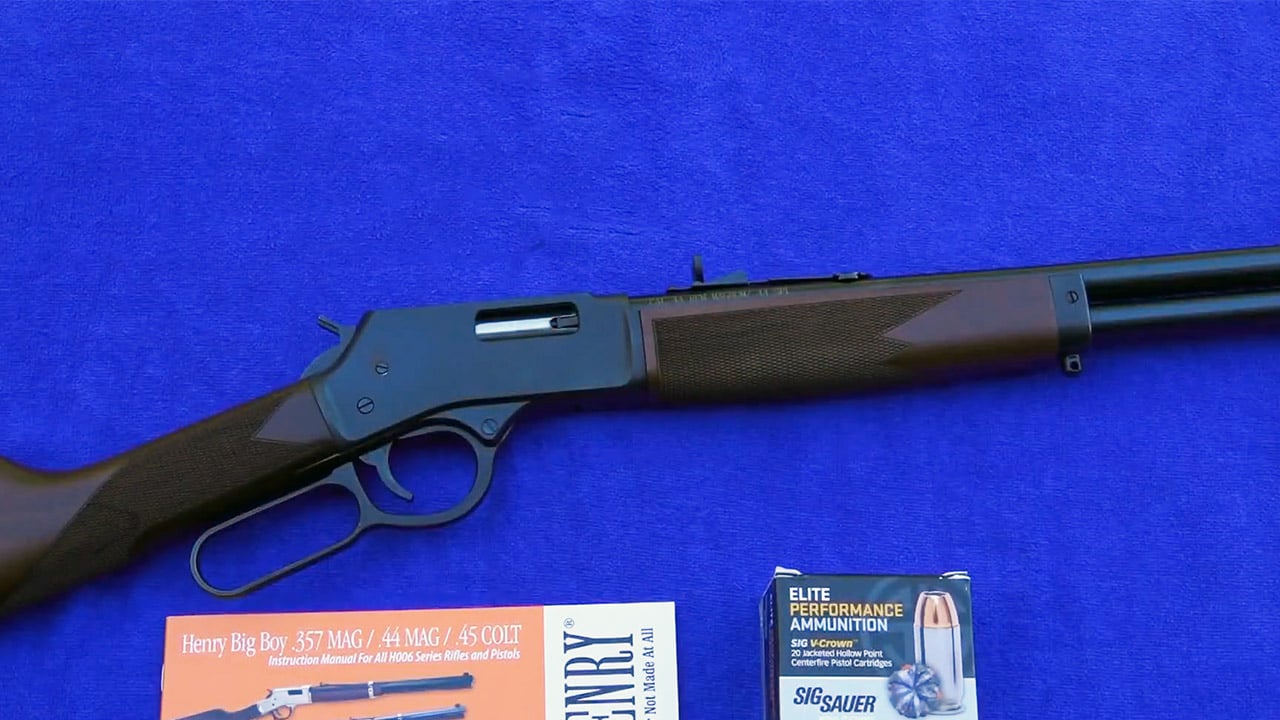
The Big Boy Steel gives me another .44 Magnum option, but it has a different feel from the Marlin. Henry’s steel receiver keeps the rifle lighter and more practical for actual hunting than some of the heavier brass-framed guns people associate with the Big Boy name. The lever action is straightforward, and the rifle carries easily during a full morning in the woods.
Again, I would use it where the cartridge makes sense rather than trying to turn it into a long-range deer rifle. Inside typical timber distances, a properly loaded .44 Magnum from a carbine-length barrel can be very effective. The ability to carry a short, handy rifle through brush without constantly catching the muzzle on limbs is a real advantage. Sometimes the best deer rifle is simply the one that matches the country.
Winchester Model 1895
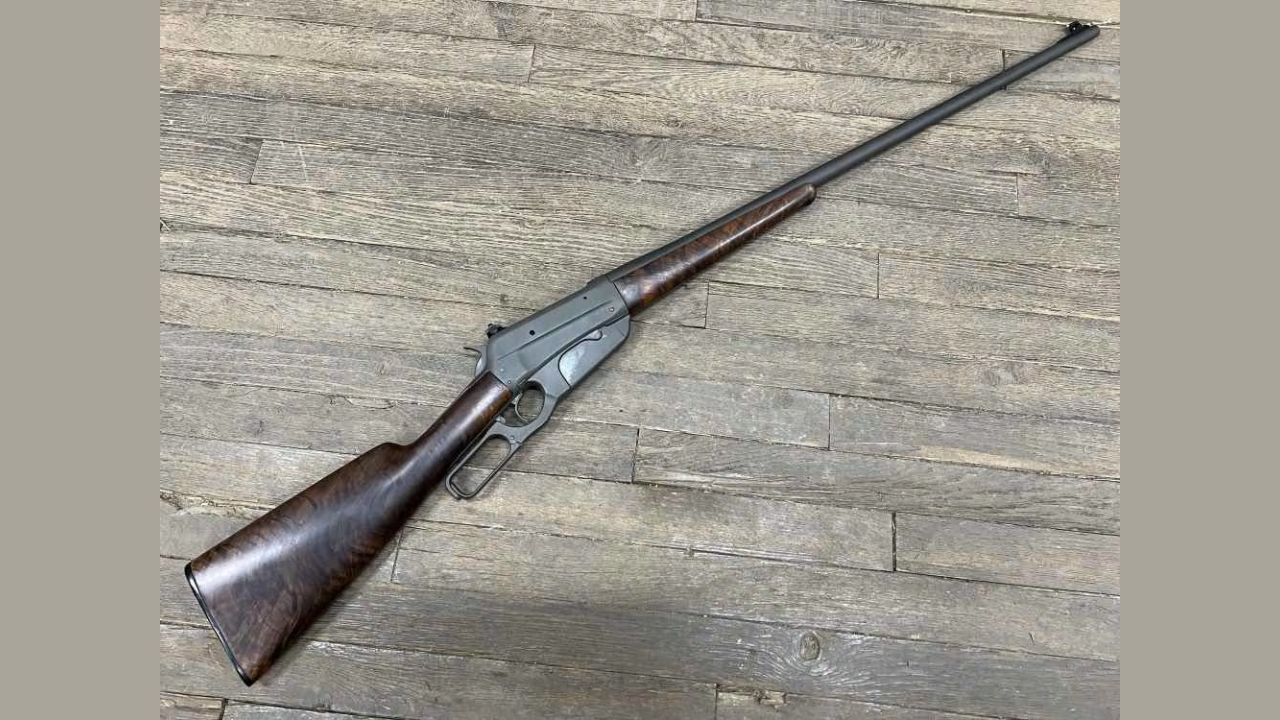
The Model 1895 is an older design that still makes an excellent deer rifle when chambered in something like .30-06 Springfield. Unlike traditional tube-fed lever guns, its box magazine allows it to use pointed bullets, giving the rifle access to cartridges with considerably more range than the classic .30-30.
It is heavier and more old-fashioned than most of the modern bolt actions on this list, but that is not automatically a disadvantage. The weight helps steady the rifle, and the lever action gives it a handling character that is completely different from another synthetic-stocked bolt gun. If I owned one that shot accurately and knew exactly where it was zeroed, I would gladly take it into the deer woods. Trust matters more than whether the design is new.
Like The Avid Outdoorsman’s content? Be sure to follow us.
Here’s more from us: