Photo credit: Bryant Ridge Co./GunBroker
Some older guns are still easy to find if all you want is a shooter. Finding one that has survived several decades without being drilled, refinished, shortened, neglected, or modified is an entirely different story. Hunting rifles were dragged through the woods, police revolvers spent years in holsters, and inexpensive rimfires were treated like tools because nobody imagined collectors would eventually care about preserving them.
That is what makes condition increasingly important. High production numbers do not mean much when the majority of surviving examples show decades of hard use. I am not saying every clean old gun is suddenly rare or valuable, but I have learned not to assume another equally nice example will be waiting at the next shop. These 20 guns are becoming particularly frustrating to find when I want originality and condition rather than simply a functioning firearm.
Smith & Wesson Model 28 Highway Patrolman
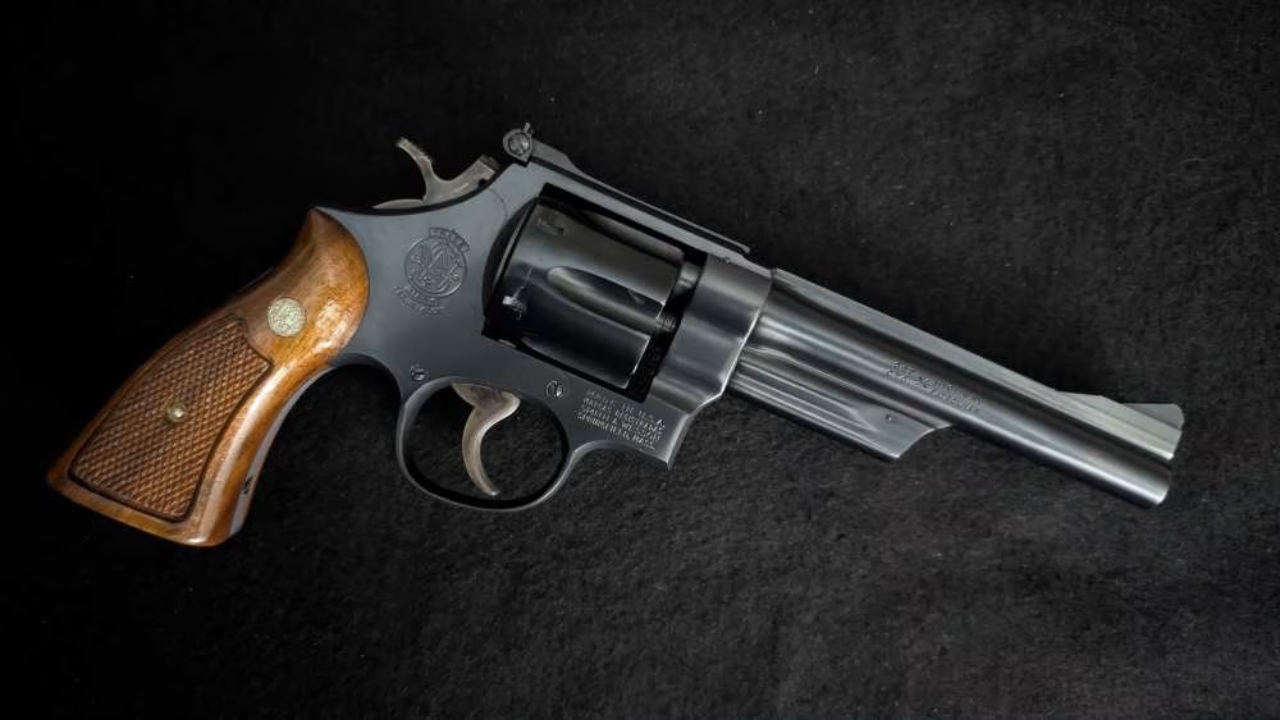
The Model 28 was specifically designed to be a more utilitarian .357 Magnum than Smith & Wesson’s beautifully finished Model 27. Police officers and highway patrolmen carried them, shooters used them hard, and the less elaborate finish gave owners little reason to treat them as collectibles. That history is exactly why a genuinely clean Model 28 catches my attention today. Plenty still exist, but many show holster wear, replacement stocks, scratches, or evidence of decades spent as working revolvers.
I particularly like four-inch examples that retain their original finish and stocks. The large N-frame makes .357 Magnum pleasant to shoot, while the fixed-looking, businesslike appearance fits the gun’s original purpose perfectly. A worn Model 28 is still useful. An exceptionally clean original is becoming a much different proposition.
Colt Woodsman

The Colt Woodsman spent an extraordinary amount of time in production, beginning in the early twentieth century, and Colt offered numerous versions intended for target shooting, field use, and general recreation. That long history means Woodsmans are certainly not impossible to find. The challenge is finding exactly the version you want without heavy finish loss, damaged grips, replaced sights, or other evidence of decades of use.
These pistols were made to be shot, and owners did exactly that. A Woodsman could spend decades in a tackle box, camp bag, or range case before anyone considered preserving it. That makes crisp examples especially attractive now. I would take my time checking magazines, grips, sights, and finish because a correct, clean Woodsman feels completely different from merely finding an old Colt .22 that functions.
Winchester Model 61
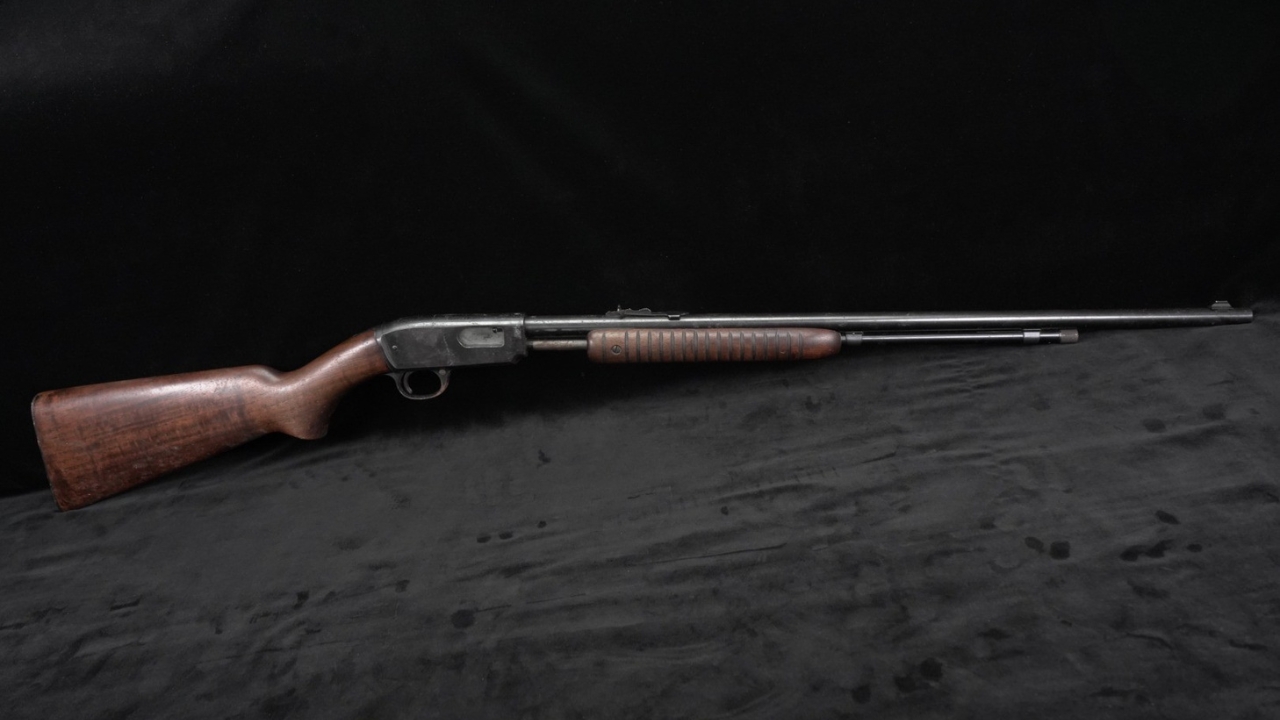
The Winchester Model 61 is one of those rimfires that reminds me how seriously manufacturers once built ordinary .22 rifles. It used a slick hammerless pump action, traditional steel construction, and walnut furniture, and Winchester produced the model for decades before discontinuing it in the early 1960s. Winchester records place production from the 1930s into 1963.
The problem is that Model 61s were wonderful working rimfires, so owners had every reason to actually use them. Stocks got dinged, blueing wore thin, and plenty of rifles were scoped or altered after leaving the factory. A clean rifle with attractive original wood and strong metal finish therefore stands out immediately. I would rather pay more for the right Model 61 than buy a worn example and spend years wishing I had waited.
Remington Model 81 Woodsmaster

The Remington Model 81 comes from an era when a semiautomatic hunting rifle could look completely unlike the modern semiautos filling today’s racks. Its distinctive receiver, detachable barrel assembly, and traditional wood give it enormous character. More importantly, these rifles were purchased to hunt. Nobody was buying an ordinary Model 81 in the middle of the twentieth century because they expected future collectors to examine every scratch.
That is what makes condition so interesting now. Many examples show the honest handling marks of decades in deer camps, and some have had sights changed or stocks altered to fit individual owners. I would pay especially close attention to a rifle that still looks remarkably original. A Model 81 does not need to be perfect to be desirable, but each step upward in condition gets noticeably harder to duplicate.
Savage Model 24
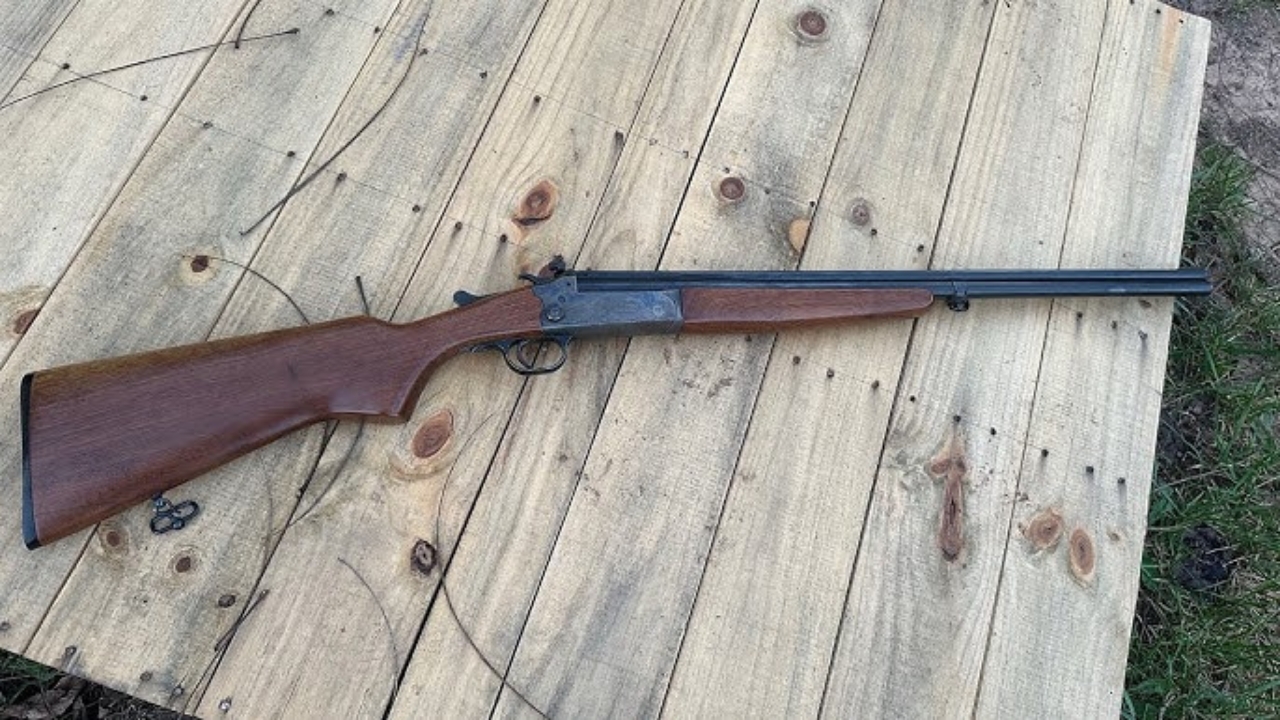
The Savage Model 24 was practically designed to be used hard. Its combination of a rifle barrel and shotgun barrel gave rural owners, small-game hunters, and young shooters a tremendous amount of versatility in one inexpensive package. Savage introduced the concept in the 1940s, and versions eventually paired everything from .22 rimfires with .410 barrels to centerfire cartridges with larger shotgun gauges.
That utility meant many Model 24s spent their lives behind truck seats, in barns, or accompanying hunters through rough cover. Finding one is not necessarily difficult. Finding a particularly clean older example in a desirable caliber-and-gauge combination can be. I would look carefully for uncut stocks, original sights, tight lockup, and minimal corrosion. The more unusual the configuration, the less willing I would be to assume another clean example will appear soon.
Remington Model 721

The Model 721 is easy to overlook because it eventually gave way to the much more famous Model 700. Remington introduced the 721 in 1948 and discontinued it in 1962, with chamberings that included classics such as .270 Winchester and .30-06 along with less-common offerings. Approximately 173,000 were produced according to Remington’s historical information.
Those numbers sound substantial until you remember what people did with these rifles. They hunted with them. Stocks were shortened, recoil pads added, receivers drilled for different mounts, and finishes wore from years of carrying. A completely original 721 with strong blueing and attractive untouched wood therefore gets my attention. It may never have the name recognition of a Model 70, but clean examples represent an important period in American bolt-rifle development.
Smith & Wesson Model 17
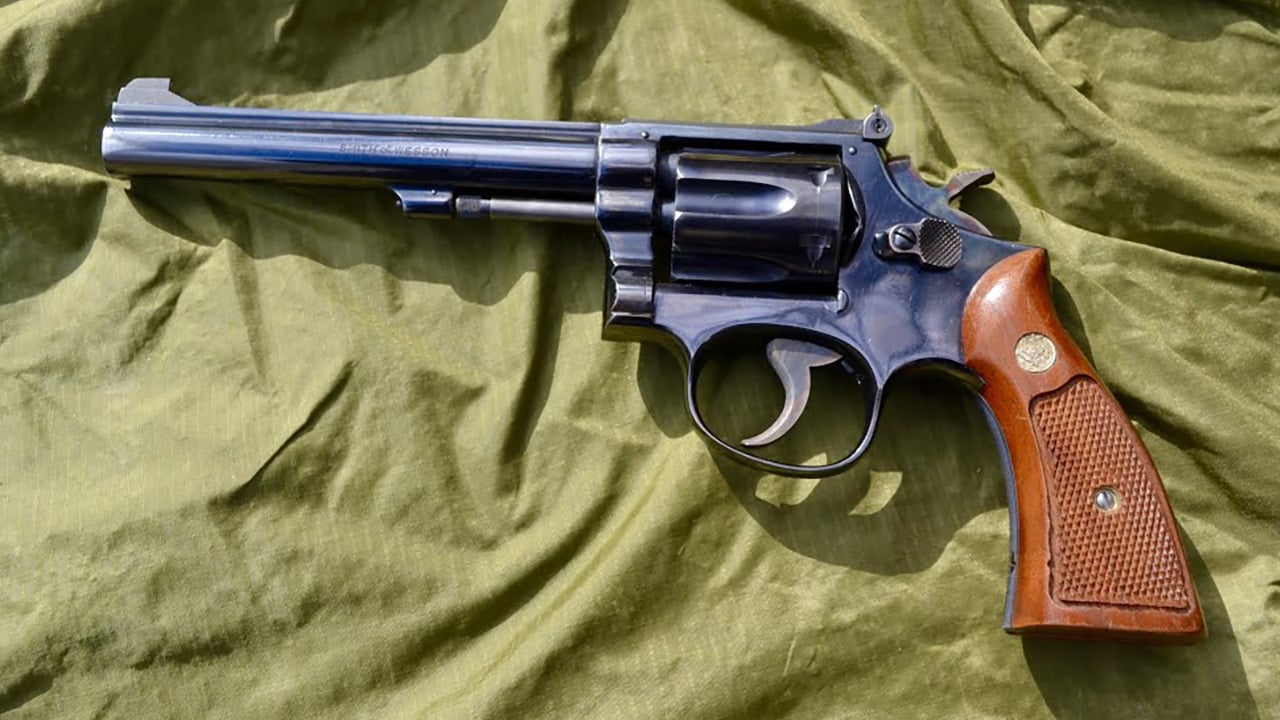
The Model 17 grew out of Smith & Wesson’s famous K-22 target revolvers, and these guns became some of the finest .22 double-actions American shooters could own. The K-22 line goes back before World War II, with postwar versions eventually receiving the Model 17 designation when Smith & Wesson adopted model numbers in the 1950s.
A good Model 17 encourages people to shoot it constantly, which is both its greatest strength and the reason exceptionally clean older examples deserve attention. Cylinder lines, muzzle wear, replaced grips, and other signs of use are common. None of that ruins a good shooter. But if I found an older Model 17 with beautiful original blueing, correct stocks, and minimal wear, I would recognize immediately that I was looking at something much harder to replace.
Colt Trooper Mk III
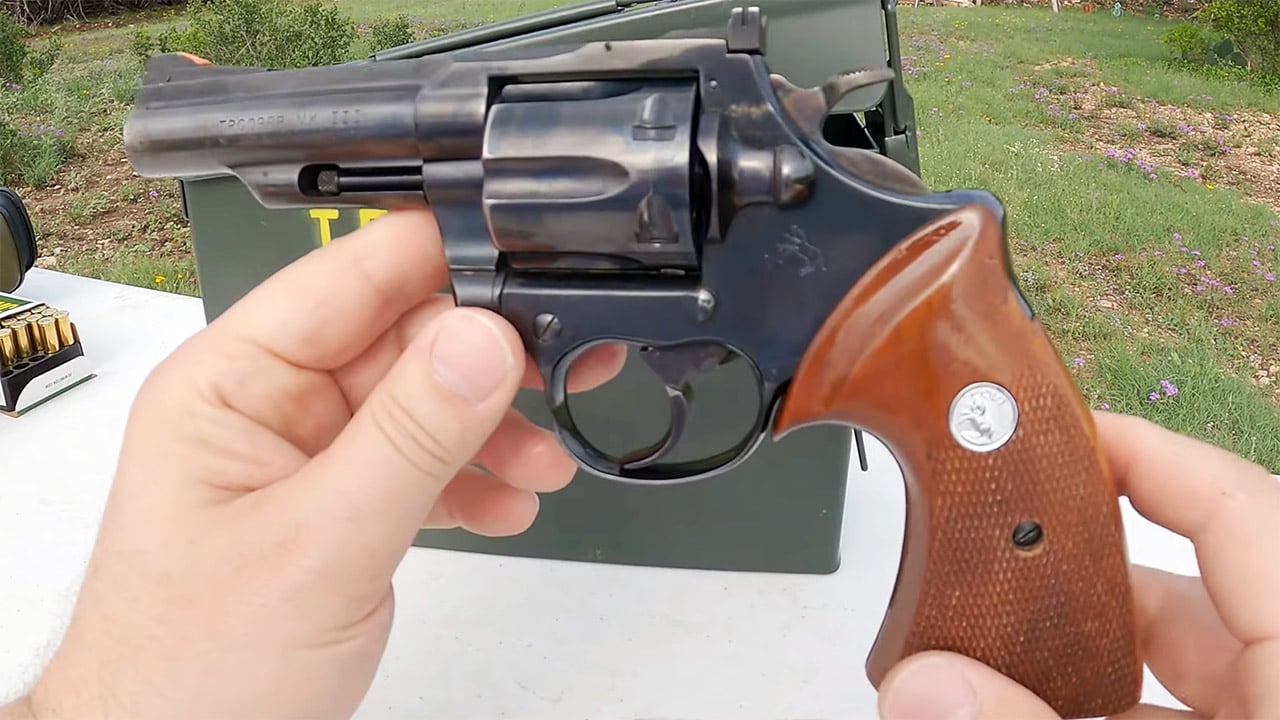
The Trooper Mk III spent years being overshadowed by more glamorous Colt revolvers. It lacked the Python’s mystique, so shooters often treated it as the practical Colt .357 rather than something requiring special care. That was not necessarily bad at the time. It meant owners actually carried and shot them instead of hiding them in boxes.
Decades later, that same history makes a sharp Trooper Mk III increasingly interesting. Finish wear around the muzzle and cylinder is common, grips get replaced, and plenty of examples show the little handling marks that accumulate across years of normal ownership. I would not reject a worn one as a shooter, but a high-condition revolver with the original stocks is different. It offers classic Colt appearance without simply being another Python, and that distinction matters more as clean examples age.
High Standard Supermatic Citation
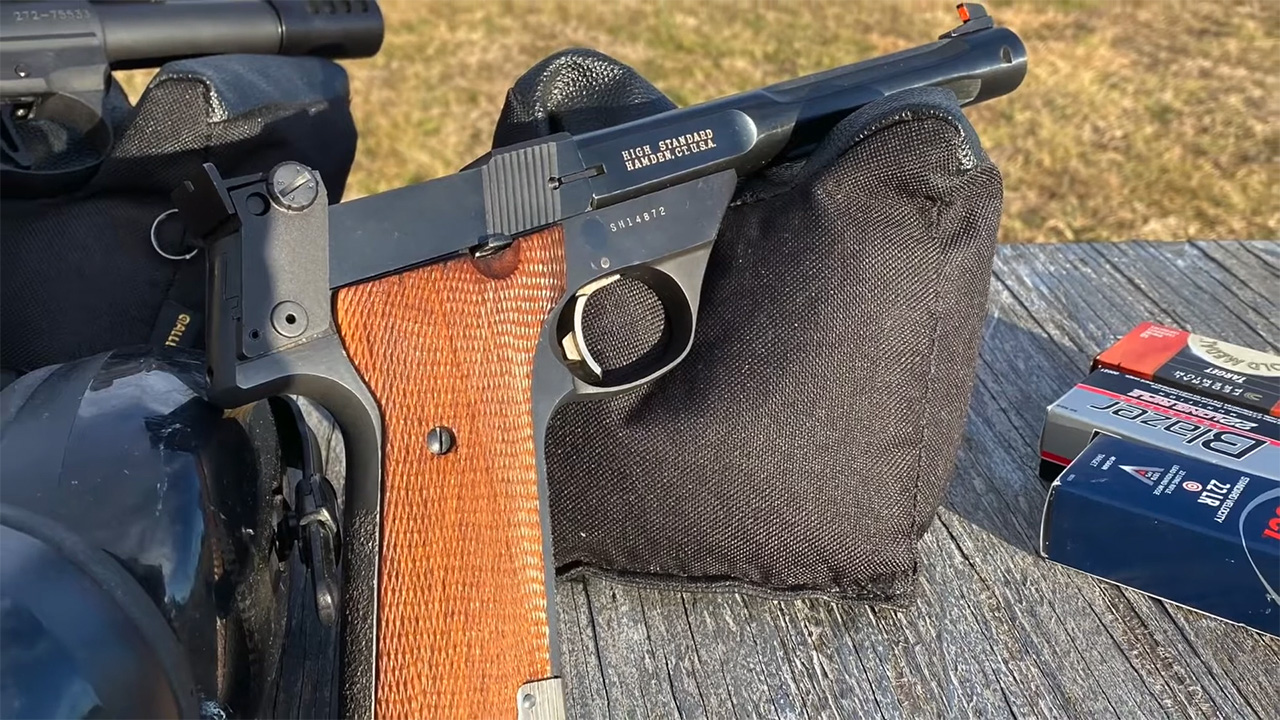
High Standard target pistols once occupied a much more prominent place in American rimfire competition than younger shooters may realize. The Supermatic Citation represented the kind of dedicated target .22 that serious shooters bought to put enormous numbers of rounds through. That means many surviving pistols did exactly what they were designed to do: spend years at the range.
Mechanical condition can remain excellent even when cosmetic wear tells the story of constant use. The harder search is for a pistol that still retains crisp finish, correct grips, original sights, and magazines appropriate to the model. High Standard also produced enough variations that knowing exactly what you are examining becomes important. When I find a particularly clean Citation, I do not assume another identical example is sitting three tables away.
Winchester Model 100
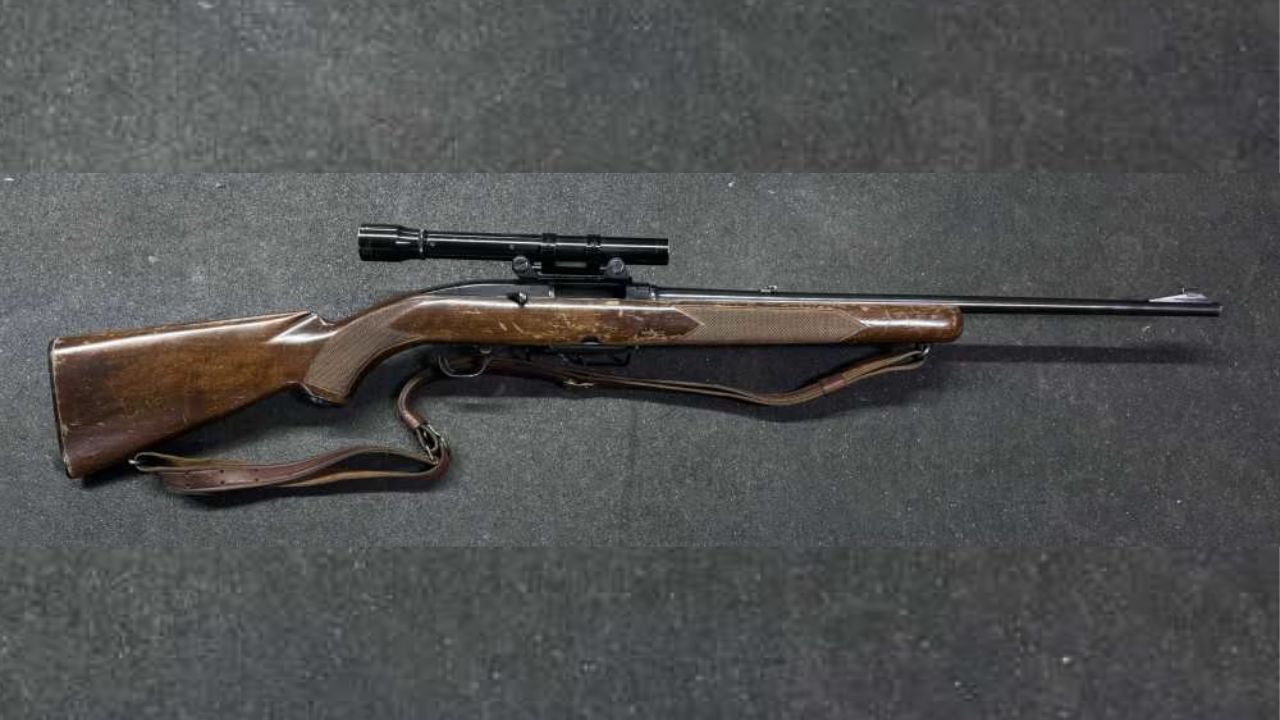
The Winchester Model 100 offered deer hunters a semiautomatic rifle wrapped in traditional walnut and chambered for cartridges that made it genuinely useful in the woods. For many owners, it was not an interesting collector piece at all. It was simply the rifle that got pulled from the cabinet every November.
That means surviving Model 100s often show exactly the wear you would expect from old hunting rifles. Stocks carry dents, blueing thins around the receiver and muzzle, and scopes or mounts may have been changed repeatedly over the years. I would also want any example properly inspected and its maintenance history understood before shooting it. When one appears in outstanding cosmetic condition, however, it immediately stands apart from the well-used rifles that dominate the market. Clean wood alone can make a tremendous difference on these old Winchesters.
Browning Superposed
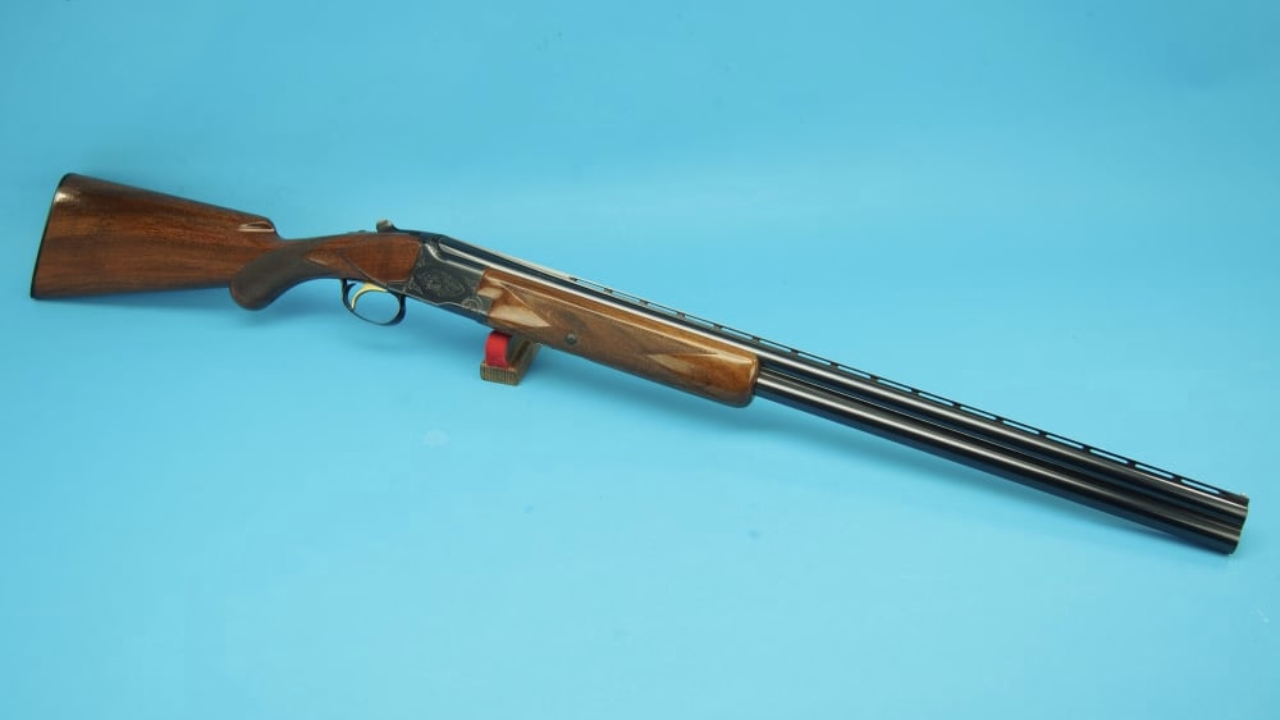
The Browning Superposed is hardly an unknown shotgun, but even expensive guns get used when they are exceptionally good at their job. Generations of hunters and clay shooters carried Superposed shotguns into fields or fired thousands upon thousands of shells through them. Some remain beautifully preserved, while others show extensive blueing wear, stock alterations, recoil pads, and refinishing.
Originality matters a lot to me here. A refinished Superposed can still be an excellent shotgun, but it is not the same thing as encountering one with crisp original metal and wood that has somehow avoided decades of abuse. Gauge, grade, configuration, and condition can dramatically change how interesting a particular gun is. I would never assume that because I found one Superposed, finding another equally clean example will be easy.
Remington Model 1100 LT-20
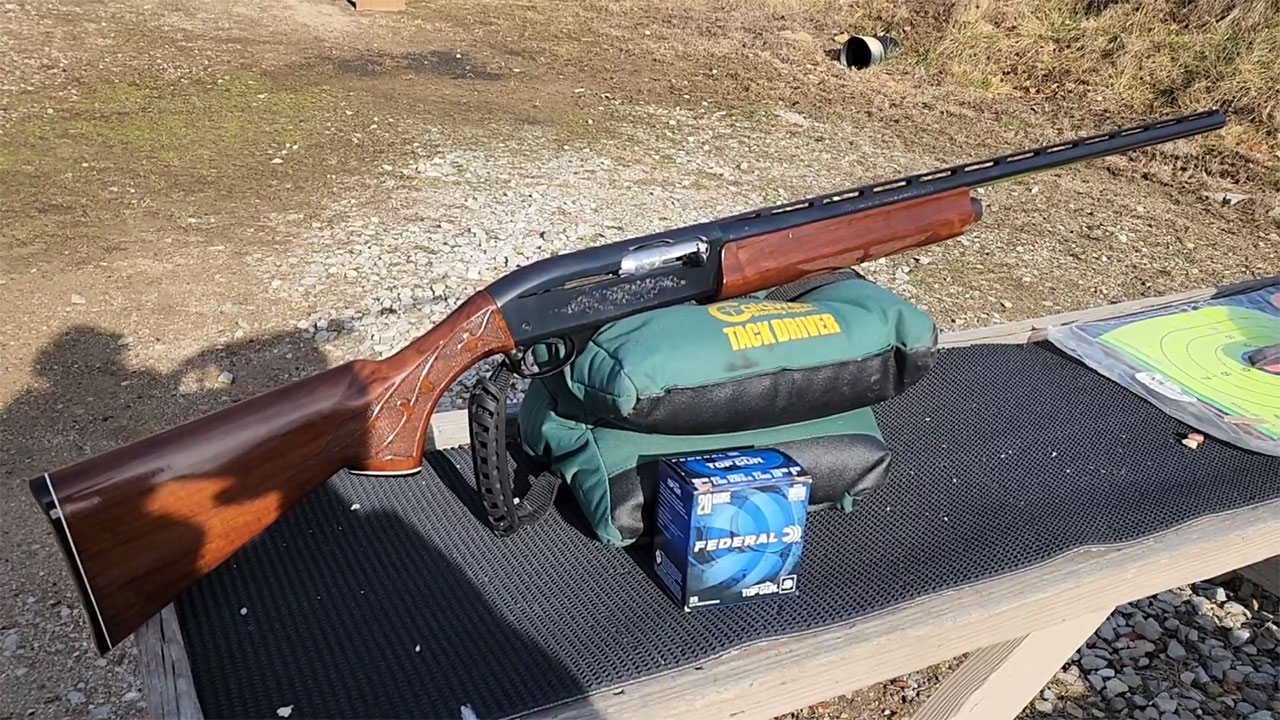
The Model 1100 LT-20 is exactly the kind of shotgun that got carried rather than collected. Its reduced-size 20-gauge receiver made it light and pleasant enough for upland hunting, young shooters, and anyone who did not need a full-size 12-gauge semiautomatic. Once people found one they liked, they tended to use it for years.
That is why condition varies tremendously. Wood can show scratches from brush, receiver finish can wear where hands naturally contact the gun, and stocks occasionally get shortened to fit smaller shooters. A clean LT-20 with attractive original furniture and minimal hunting wear can therefore be much more appealing than its basic model name suggests. These were practical guns first. The fact that people loved using them is precisely what makes pristine examples harder to stumble across decades later.
Winchester Model 101
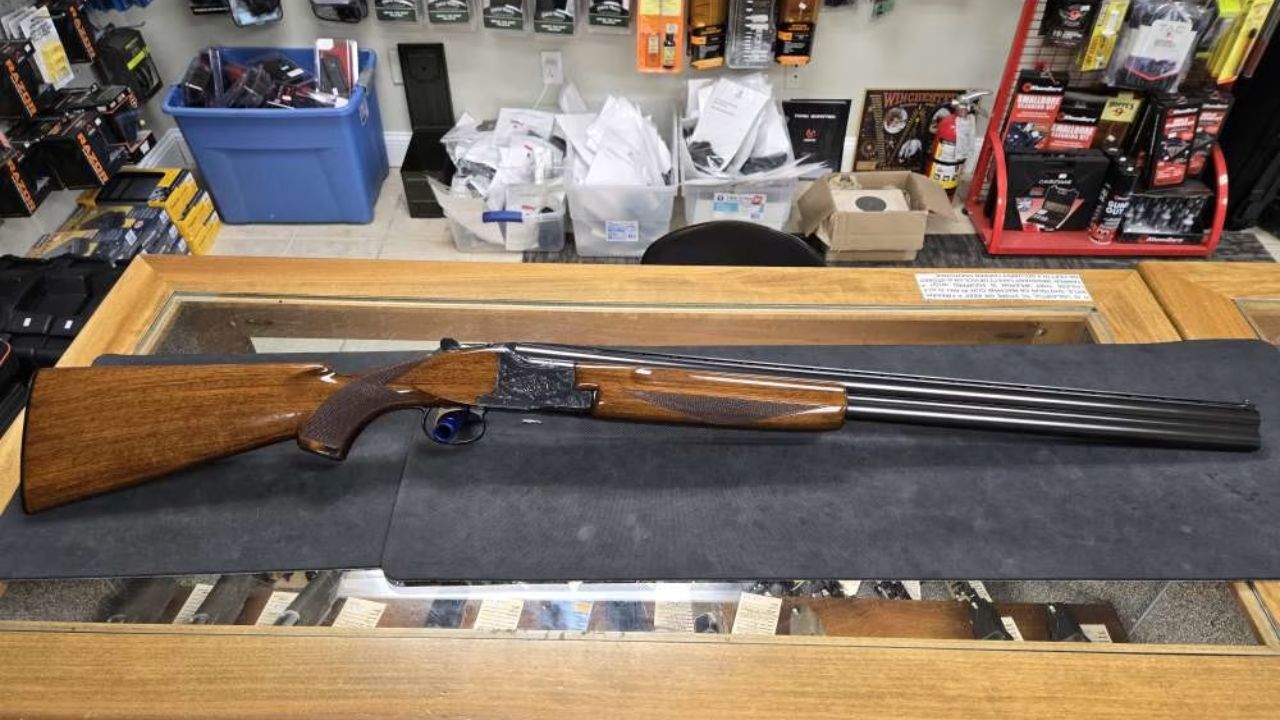
The Winchester 101 became an important over-under for American hunters and clay shooters who wanted something nicer than an inexpensive field shotgun without necessarily stepping into extremely expensive European territory. Many were bought specifically for skeet, trap, upland hunting, or all three, so they accumulated rounds and handling wear honestly.
A used 101 can still be an excellent buy, but I pay much closer attention to stock dimensions, finish, rib condition, and whether anything has been altered. Older shotguns frequently received recoil pads, shortened stocks, or other personalized changes that made perfect sense to the original owner. Those changes make untouched examples more noteworthy now. When I find an older 101 with excellent wood and strong original finish, I am looking at something that survived years when nobody thought preserving every detail was especially important.
Marlin 336 With JM Marking
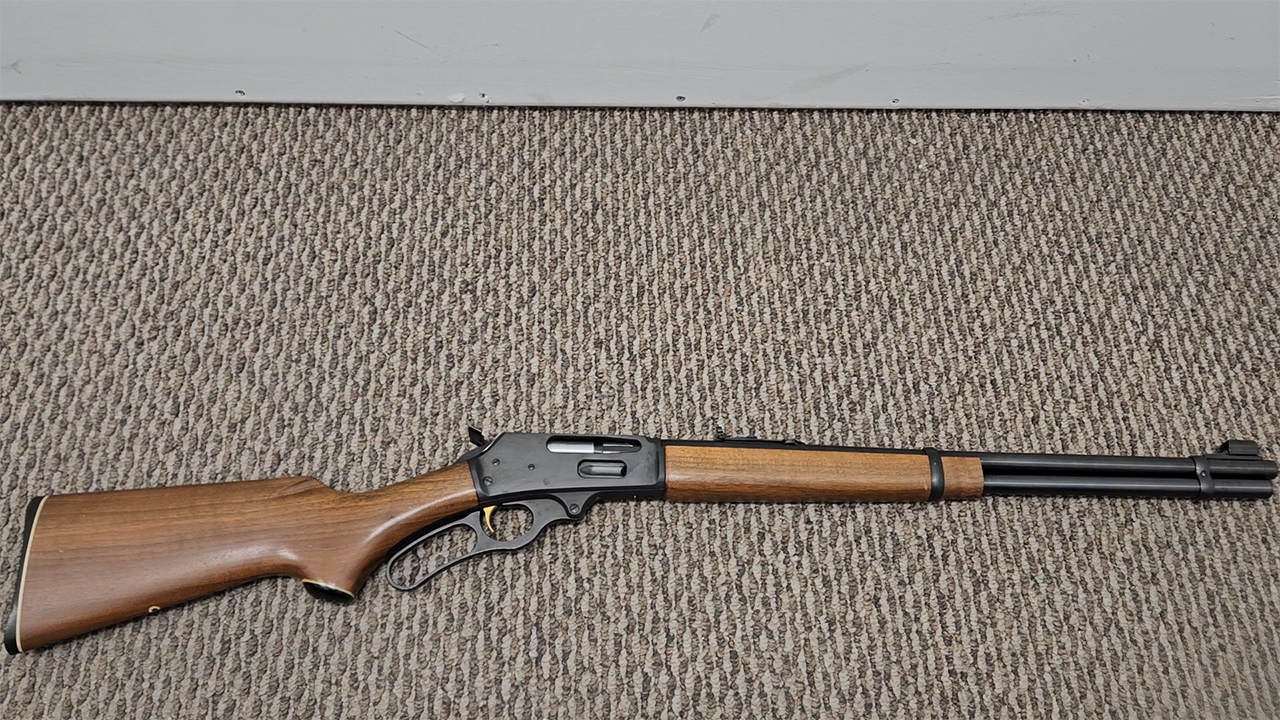
Older Marlin 336 rifles were common enough that hunters rarely worried about keeping them pristine. They were carried through deer woods, leaned against trucks, placed in scabbards, and subjected to exactly the kind of treatment a good lever-action hunting rifle should survive. That leaves plenty of older Marlins available today but far fewer that still look as though they were purchased recently.
The pre-Remington rifles with traditional Marlin production markings get particular attention from enthusiasts, especially when the wood remains uncut and the receiver has not been drilled beyond its factory configuration. I would never reject a worn 336 for hunting, but that is not what this list is about. When I see one with crisp blueing and nearly untouched walnut, I recognize how unusual it is becoming to find a working-class deer rifle that somehow escaped working-class use.
Colt Official Police
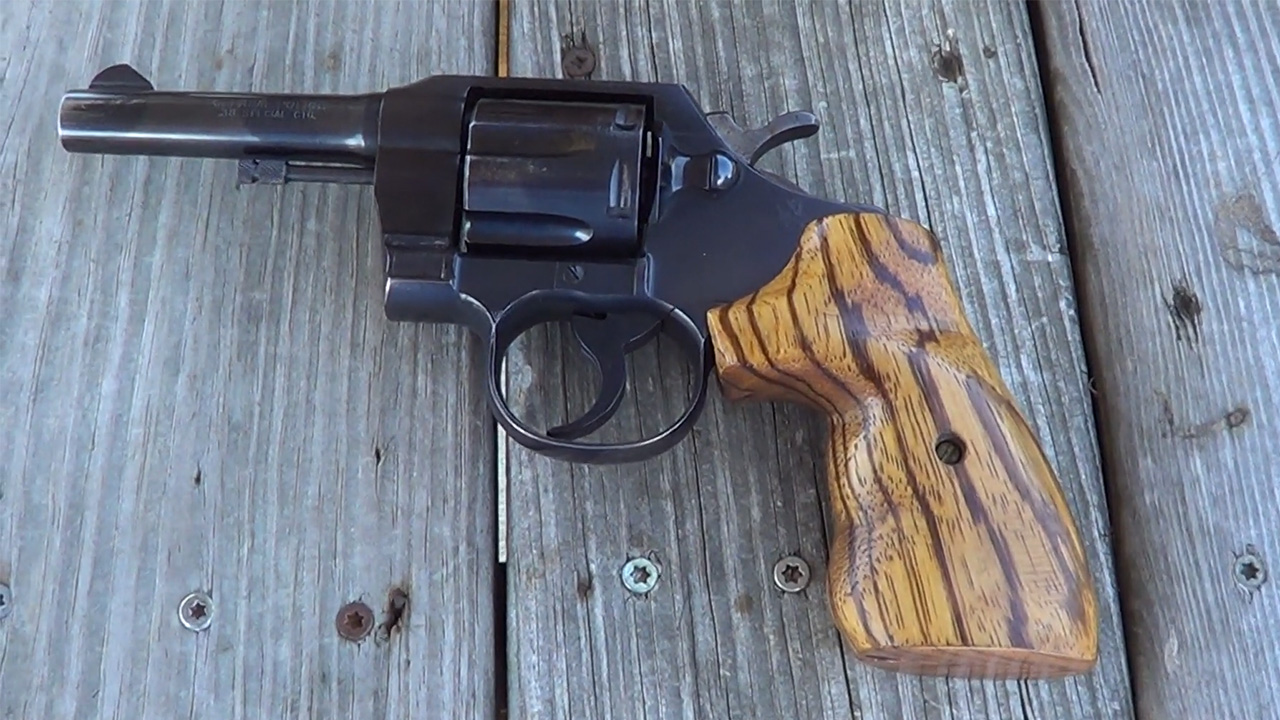
The name tells you exactly what happened to many Colt Official Police revolvers. They were issued, carried, stored in holsters, qualified with, traded out of departments, and later sold to civilians. Even privately owned examples often served as household or working handguns rather than collectible pieces.
Consequently, plenty of surviving Official Police revolvers show finish wear or have replacement grips. Some were refinished during their service lives, and others accumulated enough scratches that nobody would mistake them for safe queens. That makes a high-condition original revolver surprisingly eye-catching. I particularly appreciate examples that still show Colt’s older blueing well because the finish is such a large part of their appeal. The Official Police may never have the glamour of a Python, but clean originality is becoming meaningful in its own right.
Smith & Wesson Model 57
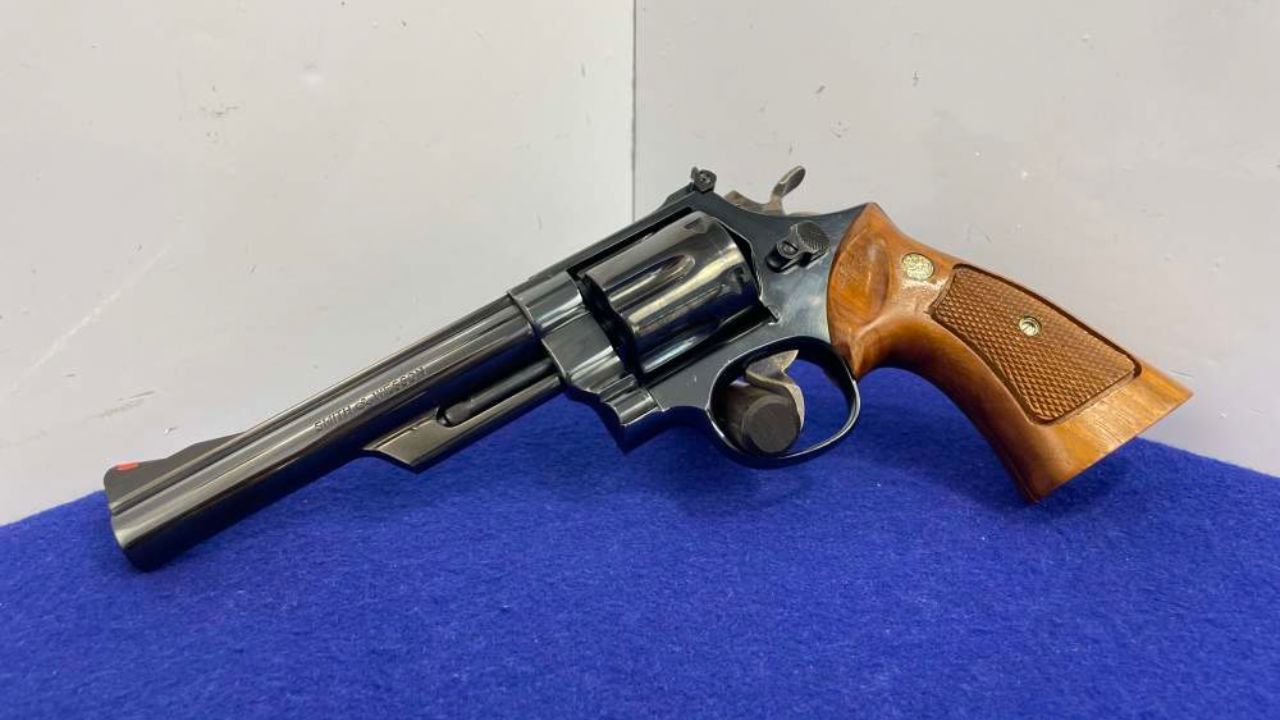
The Model 57 was built around the .41 Magnum, a cartridge that never achieved the enormous popularity of .357 or .44 Magnum but developed a loyal following among serious revolver shooters. Older Model 57s were beautifully finished guns, yet plenty were used for hunting and field shooting because that was exactly what the cartridge encouraged.
The difficulty now is finding an older example that combines desirable features with excellent condition. Heavy magnum use, holster wear, changed grips, and general handling can all take their toll. Deep original blueing and sharp factory stocks make a big difference when I am looking at one. The .41 Magnum’s smaller audience also means I cannot count on every gun shop having another Model 57 waiting. When the right one appears, condition can be the reason I stop thinking and start paying attention.
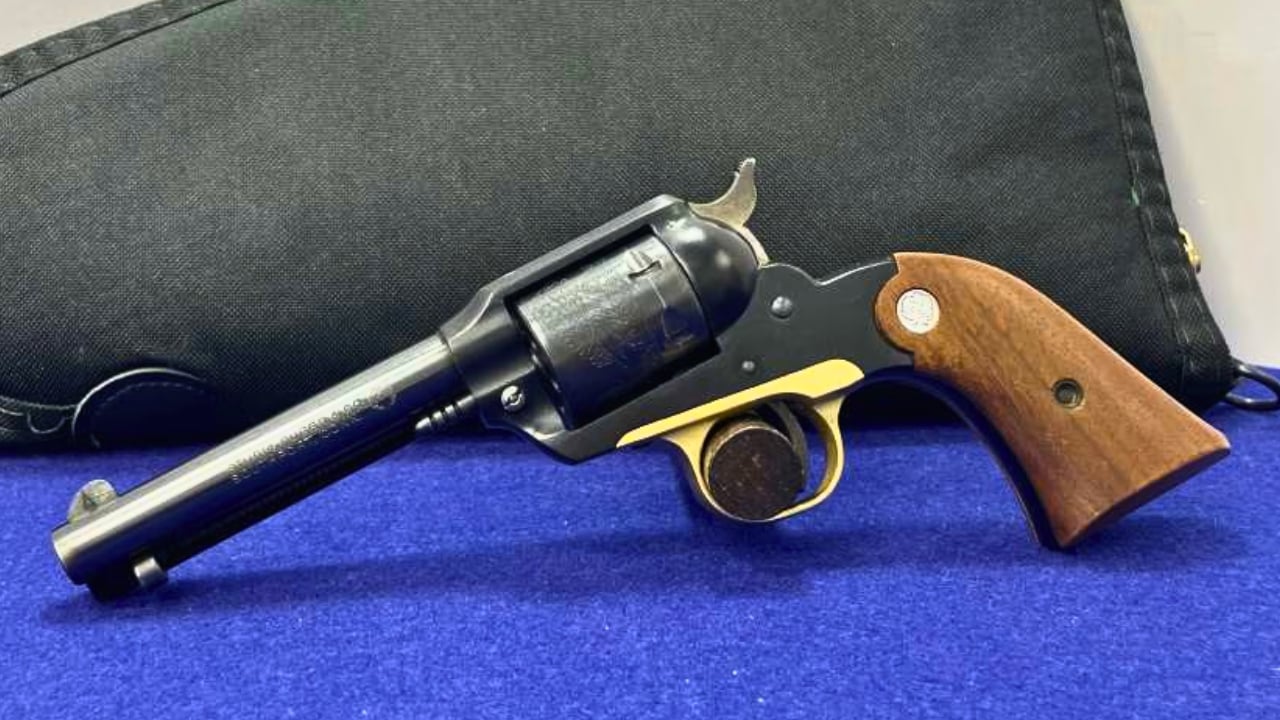
Ruger Old Model Bearcat
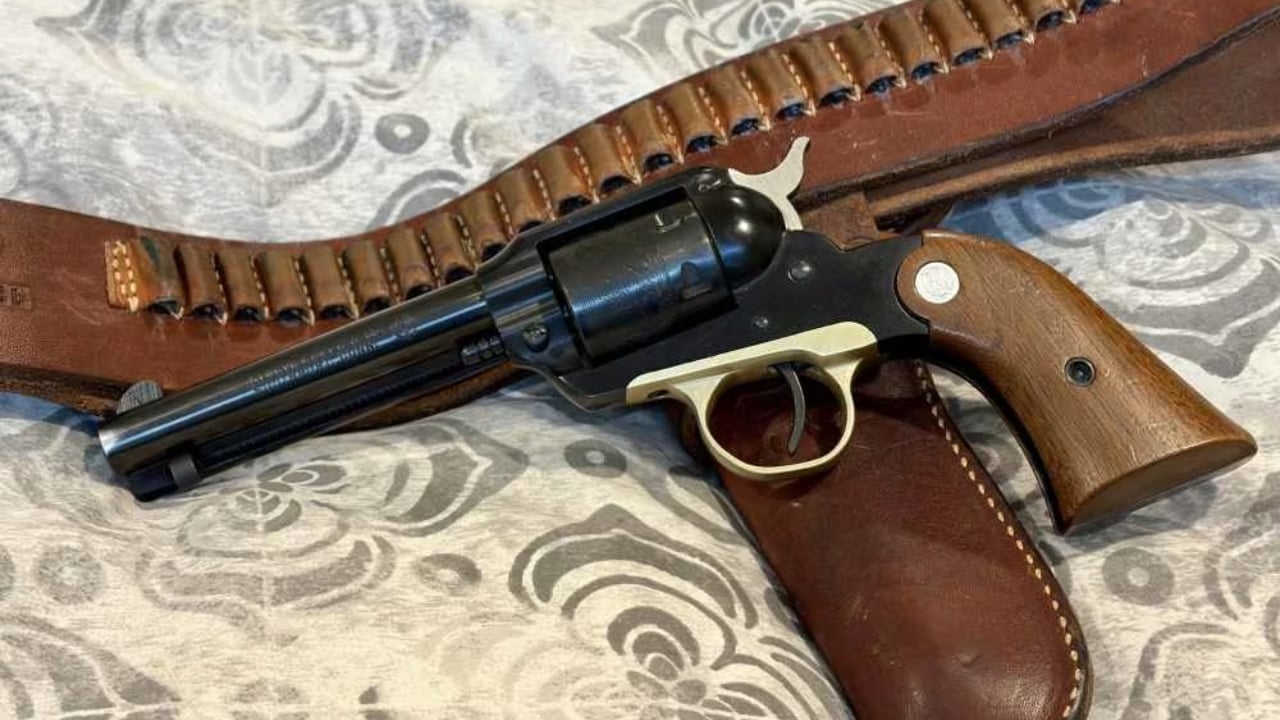
The Bearcat is a small revolver, which meant owners often treated it like the perfect companion gun. It could disappear into a pack, go camping, ride around rural property, and introduce new shooters to single-action revolvers. None of those jobs are particularly friendly to collector-grade finishes.
Early Bearcats therefore have a habit of showing honest wear. Aluminum parts can reveal their age, stocks get marked, and holsters leave evidence behind. I actually enjoy the character of a used Bearcat, but an unusually clean Old Model is another matter. The tiny revolver captures an earlier period of Ruger production and has proportions unlike the company’s larger single-actions. If one has survived largely untouched, I would think carefully before assuming another equally sharp example will come along soon.
Remington Model 572 Fieldmaster
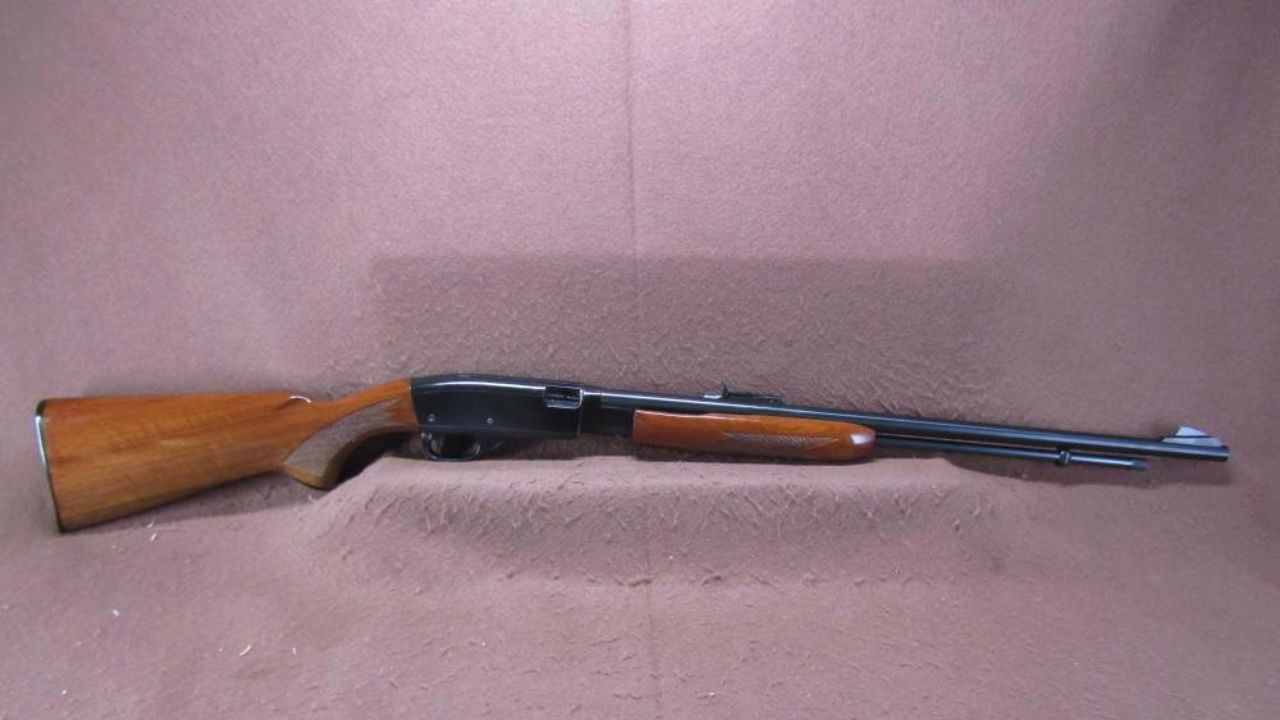
Pump-action .22 rifles have a way of getting used forever because they are inexpensive to shoot and entertaining enough that nobody wants to put them away. The Remington 572 Fieldmaster is no exception. Older examples often spent decades teaching family members to shoot, dispatching pests around farms, or riding along on small-game hunts.
The action can remain wonderfully smooth even when the exterior shows years of handling. That is why the clean rifles interest me. An older Fieldmaster with attractive original wood, strong receiver finish, and an unaltered sight setup has become noticeably more special than the average well-used example. Rimfires were rarely treated like investments, which means pristine ones survived mostly because somebody happened to take unusually good care of an ordinary rifle.
Pre-1964 Winchester Model 70
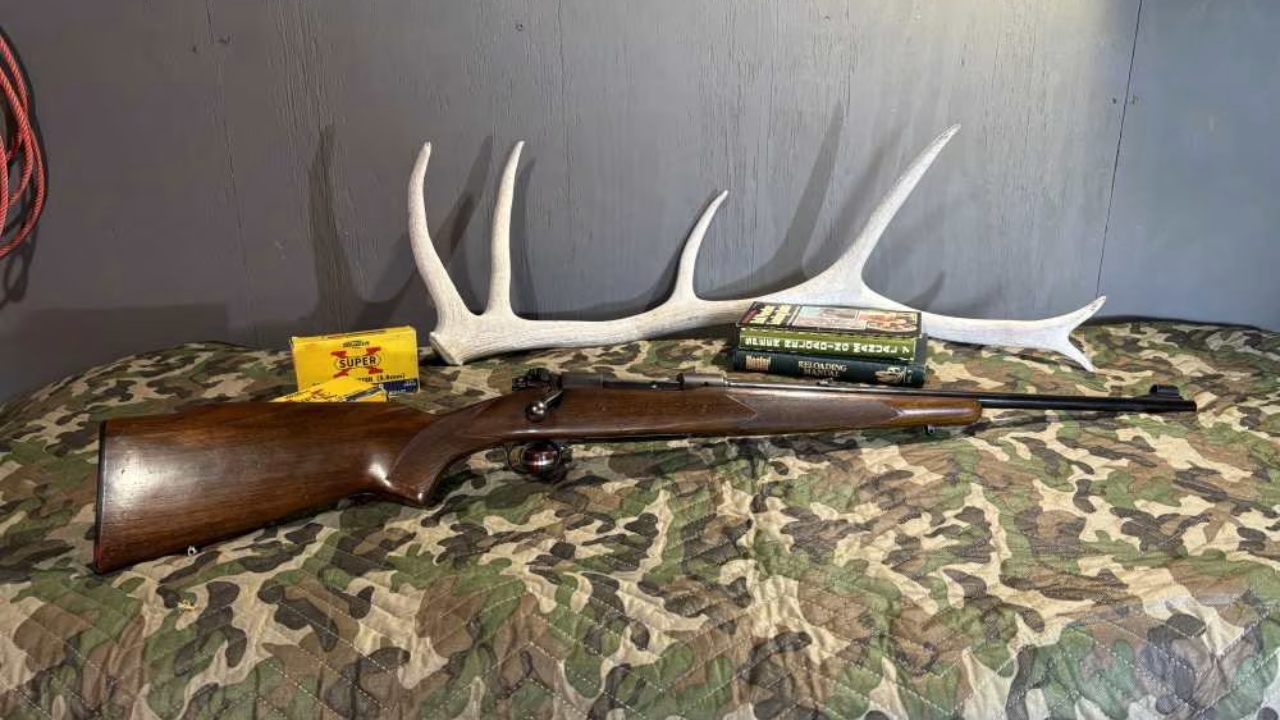
Few American hunting rifles demonstrate the importance of condition better than a pre-1964 Model 70. These rifles have been desirable for a long time, but they were still hunting rifles first, and generations of owners modified them to fit their needs. Stocks were shortened, recoil pads installed, receivers drilled, barrels replaced, and metal refinished without anyone believing they were doing something unreasonable.
Now an original rifle has to be evaluated much more carefully. Chambering matters, configuration matters, and small alterations can separate a preserved example from a gun that merely looks old. I would happily hunt with a modified Model 70 if the price made sense, but the truly clean rifles occupy another category. Every untouched example feels more significant because so many others were changed during the decades when originality mattered less.
Colt Model 1903 Pocket Hammerless
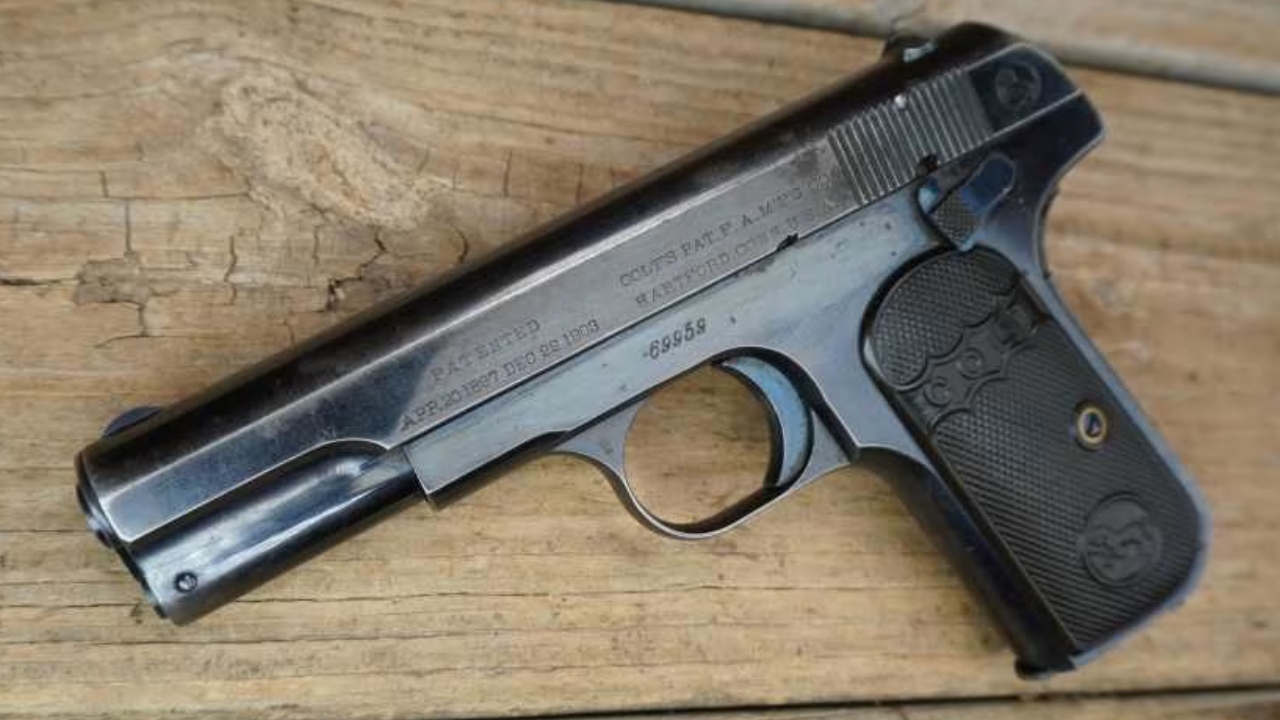
The Colt 1903 Pocket Hammerless has had more than a century to accumulate wear, and that fact alone makes beautiful examples impressive. These pistols were genuinely carried. Their flat profile and enclosed hammer made them practical defensive sidearms in an era when slipping a compact Colt into a coat pocket was perfectly normal.
Consequently, many surviving pistols show edge wear, thinning blue, pitting, replaced grips, or evidence of old refinishing. None of those things prevent a 1903 from being historically interesting, but a crisp original pistol produces an entirely different reaction. Early Colt blueing can be gorgeous when preserved, and original grips complete the appearance. I would never assume that because Model 1903s were produced in large numbers, high-condition examples should be easy to find. More than a hundred years of use has had plenty of time to prove otherwise.
Like The Avid Outdoorsman’s content? Be sure to follow us.
Here’s more from us: