Photo credit: BCExtremeOutdoorsman/Youtube
Most missed deer don’t come from a bad wind call or a twig you didn’t see. They come from rifles that look fine in the rack, shoot fine on a calm range day, and then turn into a problem when you’re cold, breathing hard, and trying to make one clean shot before the animal steps into the brush. I’m not talking about “my grandpa’s rifle is better than yours” stuff either. I’m talking about real, repeatable issues that have cost hunters opportunities they earned.
Here are 20 rifles that have a track record of turning good setups into bad outcomes—not because every single one is junk, but because each one has a common pitfall that shows up at the exact wrong time.
1. Remington 770

I’ve watched more than one hunter show up to camp with a 770 because it was affordable and came with a scope already mounted. The problem is that “package rifle” optimism wears off fast when the bolt feels like it’s dragging gravel and follow-up shots turn into a wrestling match.
When a buck pauses for three seconds and you need to run the action without breaking your cheek weld, a sticky, awkward bolt can flat-out cost you. Add in spotty accuracy depending on the individual rifle, and you’ve got a recipe for doubt right when confidence is everything.
2. Remington 710
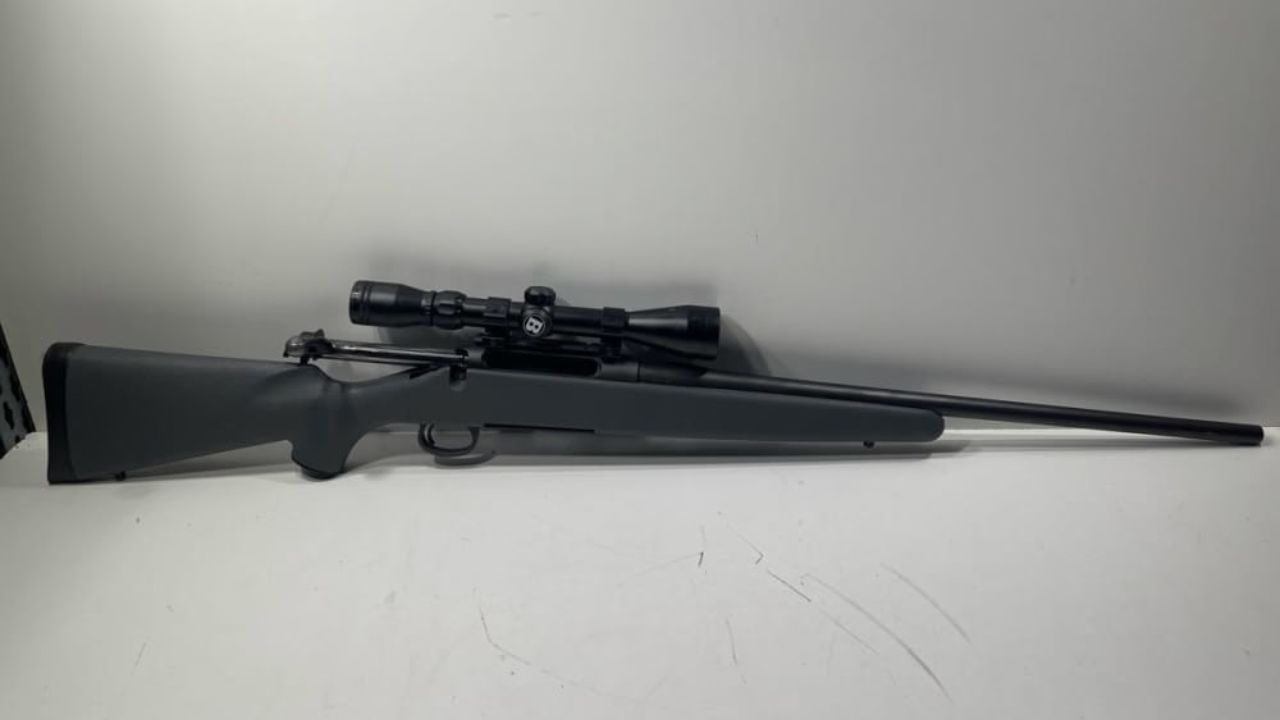
The 710 has been around long enough that plenty are still floating around closets and truck racks. They can shoot okay, but the design has a reputation for wearing in ways that don’t inspire trust, and parts/service aren’t the simple slam-dunk you get with better-supported models.
The miss shows up like this: you do your homework, you’re steady, you squeeze, and then you start chasing a zero that wandered. That’s when a guy starts second-guessing himself instead of focusing on the shot.
3. Savage Axis (early production, factory trim)
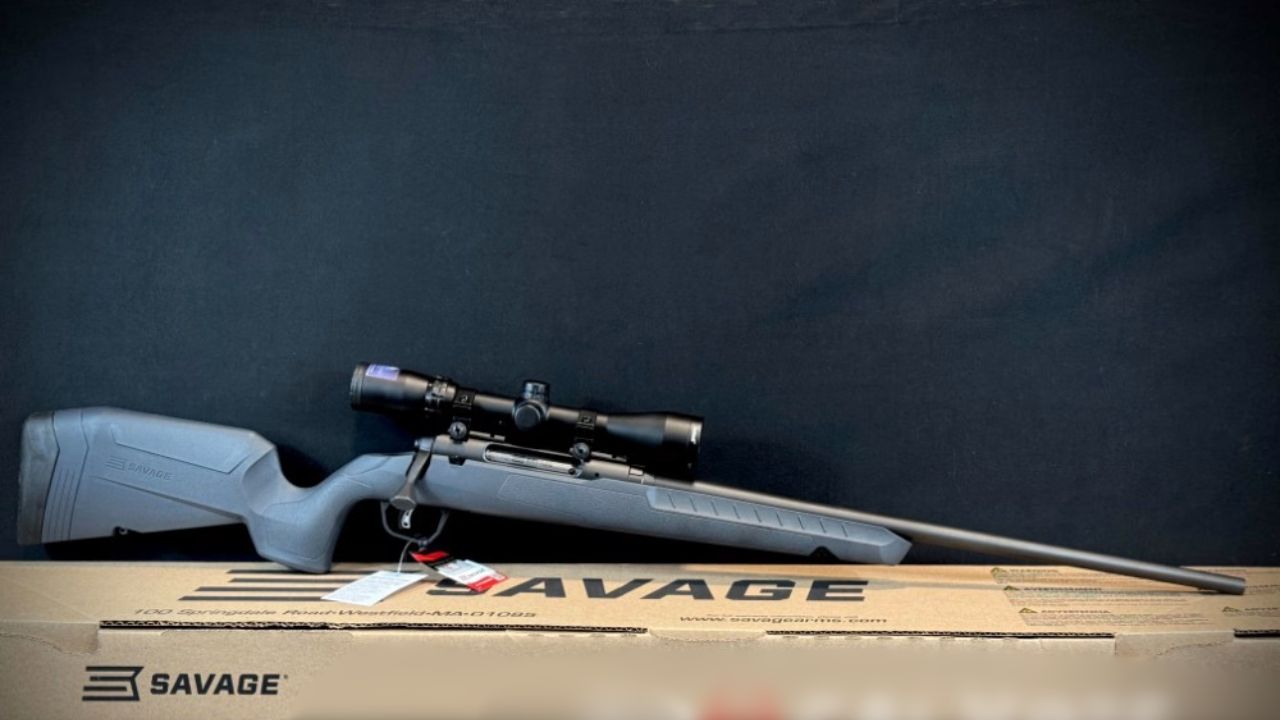
I get the Axis. It’s lightweight, it’s usually accurate enough, and it’s gotten a lot of people into hunting. But the early ones especially had triggers that felt heavy and mushy, and the stock is the definition of “budget flexible.”
That combo can bite you in field positions. If you’re braced on a limb or shooting off a pack, pressure on the forend can shift point of impact. A stiff crosswind and a buck at 200 yards is hard enough without your stock acting like a tuning fork.
4. Ruger American (certain rotary mag quirks)

Ruger Americans can be excellent shooters for the money. The trouble spot I’ve seen is magazine fit and feeding on certain rifles, especially when that mag has been banged around in a pack for a season or two.
A feeding hiccup doesn’t just slow you down. It blows your rhythm and spikes adrenaline. When the first shot is a little back and you need a quick second, “click” or a nose-dived round is a brutal way to learn you should’ve tested your mags harder.
5. Mossberg Patriot (inconsistent triggers and bedding)

Some Patriots shoot lights out and some don’t. That inconsistency is the whole issue. I’ve handled Patriots with decent triggers and Patriots with triggers that felt like you were dragging a cinder block over sand.
If you can’t predict the break, you start snatching shots. And if the rifle is picky about action screw torque or bedding, you’ll spend the season trying to keep it grouped instead of just hunting.
6. Winchester XPR (bolt feel and cold-weather grit)

The XPR has a lot going for it, but I’ve seen a few that feel “springy” in the bolt throw and get noticeably worse when dust, dried oil, or freezing drizzle enters the chat. In warm weather at the bench it might feel fine. In a stand after a wet hike, not so much.
A stiff bolt costs time. Time costs deer. If you’ve ever watched a buck trot away while you fought to lift the handle, you know exactly what I mean.
7. Thompson/Center Compass (rough actions and wandering confidence)

The Compass is another rifle that can surprise you with accuracy, but the actions often feel rough. Rough isn’t automatically “bad,” but it makes it harder to run the gun smoothly without thinking about it.
Deer hunting is not a place where you want to be thinking about the tool. Your mind should be on the animal, the angle, and the shot. When the rifle keeps reminding you it’s there, your timing suffers.
8. Marlin XL7/XS7 (stiff bolt lift under pressure)
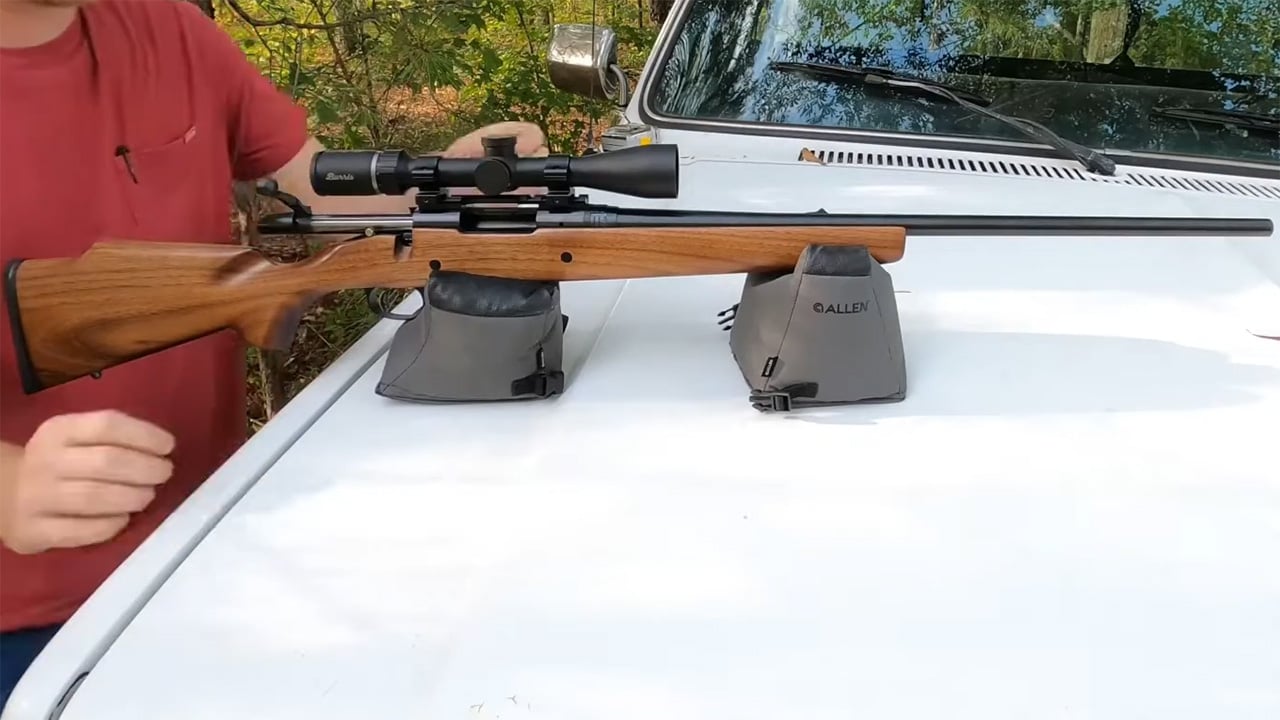
These are sleepers in a lot of ways, and some are legitimately great. The downside is that some examples have a bolt lift that feels heavier than it should, especially when you’re shooting quickly from field positions.
That heavy lift is a follow-up-shot problem. If the first shot isn’t perfect—and it happens—the ability to stay in the scope and run the bolt matters. A rifle that pops you out of the glass costs opportunities.
9. Ruger Mini-14 (as a deer rifle)

Yes, it can work. Yes, folks have taken piles of deer with them. But a Mini-14 is not a precision tool in the way most bolt guns are, and many of them are “minute of deer” only inside a certain comfort zone.
Where it stings is when a hunter stretches it because the terrain is open or the buck hangs up at 180–220. If you don’t truly know your rifle’s realistic grouping with your hunting ammo, that’s how you end up wishing you had brought something boring and predictable.
10. SKS (as a deer rifle)

Every season somebody drags an SKS out because it’s reliable, handy, and they already own it. I like the rifle for what it is. But most SKS setups wear cheap optics mounts, inconsistent surplus ammo, or both.
The problem isn’t just accuracy. It’s repeatability. If your zero shifts after a bump, or your trigger is long and gritty, you’re stacking disadvantages. A deer deserves better than “I hope this holds.”
11. Lever-action .30-30 with a loose side mount

I love a lever gun in the deer woods. But a classic .30-30 with an old side mount that’s been tightened, loosened, and re-tightened for 20 years is a quiet shot-killer.
You’ll see it when the first shot goes a little off and you blame yourself, then the second shot goes off in a different direction and you start questioning reality. A solid mount and rings aren’t glamorous, but they keep the rifle honest.
12. Lightweight mountain rifles in .300 Win. Mag.
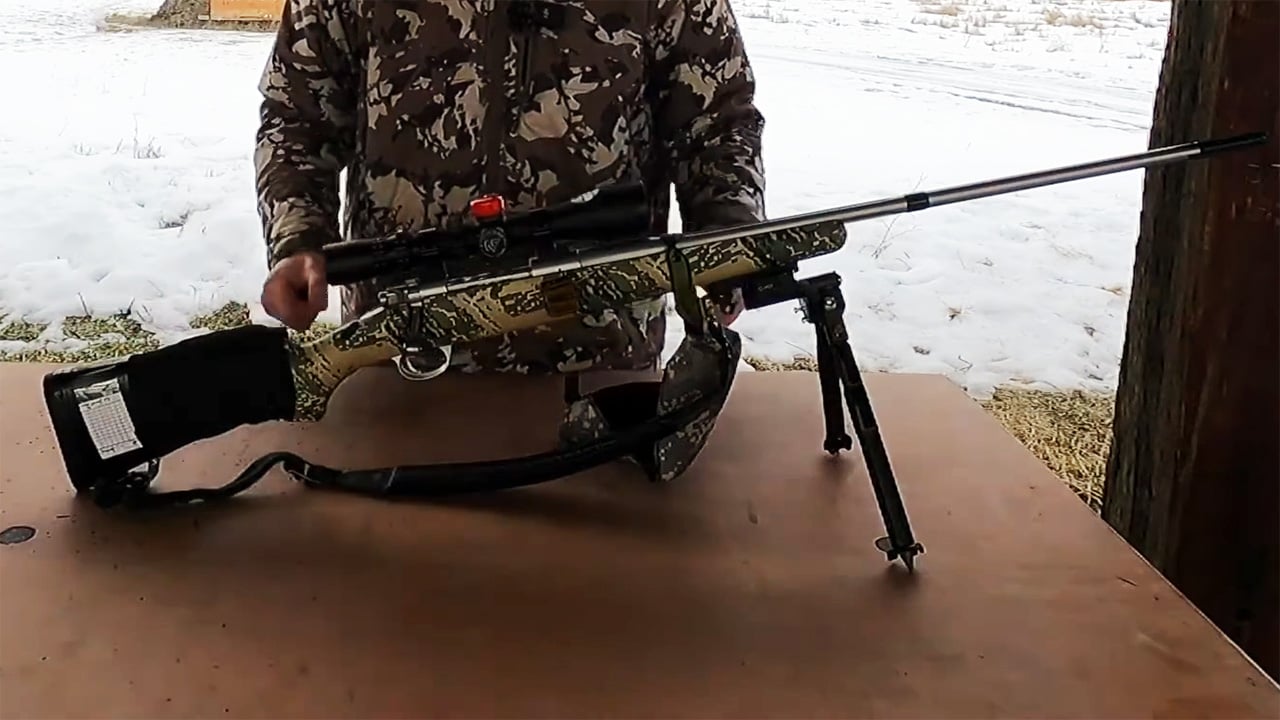
This one hurts because the concept is so appealing: a featherweight rifle in a hammer caliber. The reality is that a lot of hunters don’t shoot them enough because they’re unpleasant. Then season shows up and they expect steady results under pressure.
Hard recoil in a light rifle makes flinching easy to build and hard to admit. It also makes it tougher to spot your own impacts. If you can’t call the shot and correct fast, a wounded deer can disappear into the worst cover you’ve got.
13. Ultra-light rifles in .350 Legend (with poor ammo matching)
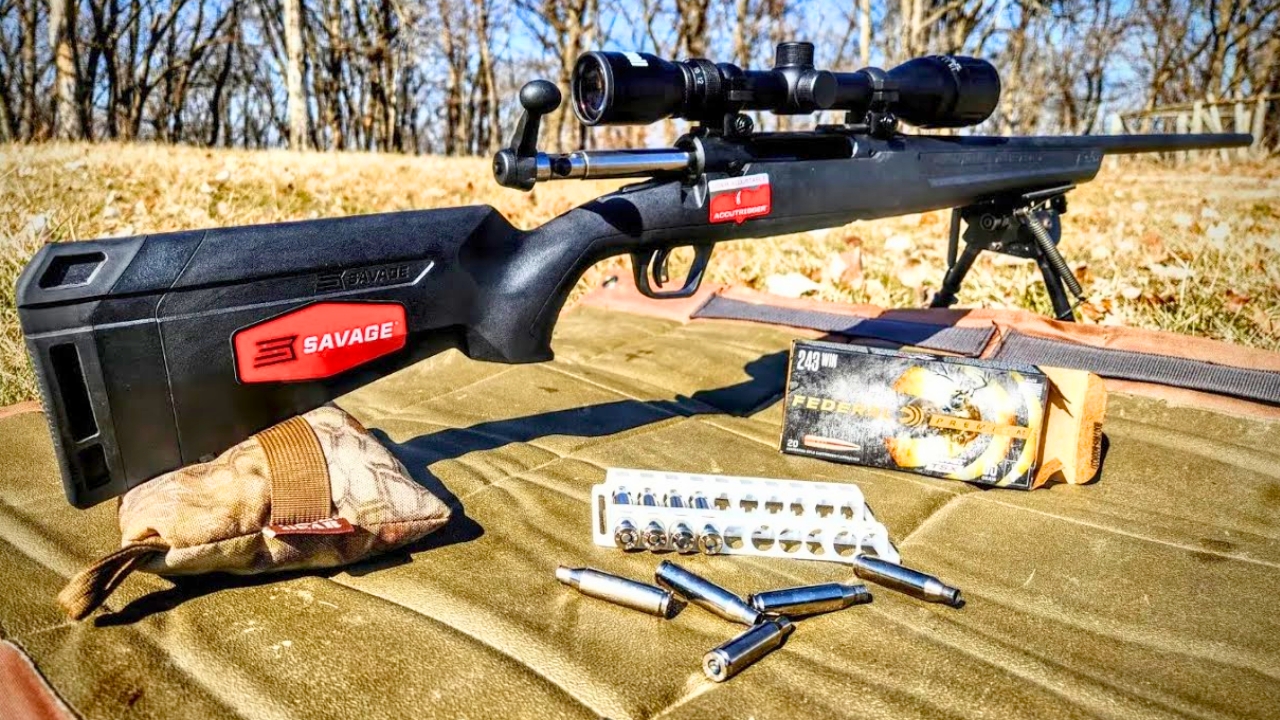
.350 Legend is useful, especially where straight-wall rules apply. But not every rifle likes every factory load, and some of the super-light options are whippy and loud enough to make follow-through sloppy.
Misses show up when a hunter buys whatever ammo is on the shelf, shoots a quick group, and calls it good. Then a buck shows at the edge of the field and the point of impact isn’t where the “one box test” said it would be.
14. AR-10 pattern rifles (cheap builds)
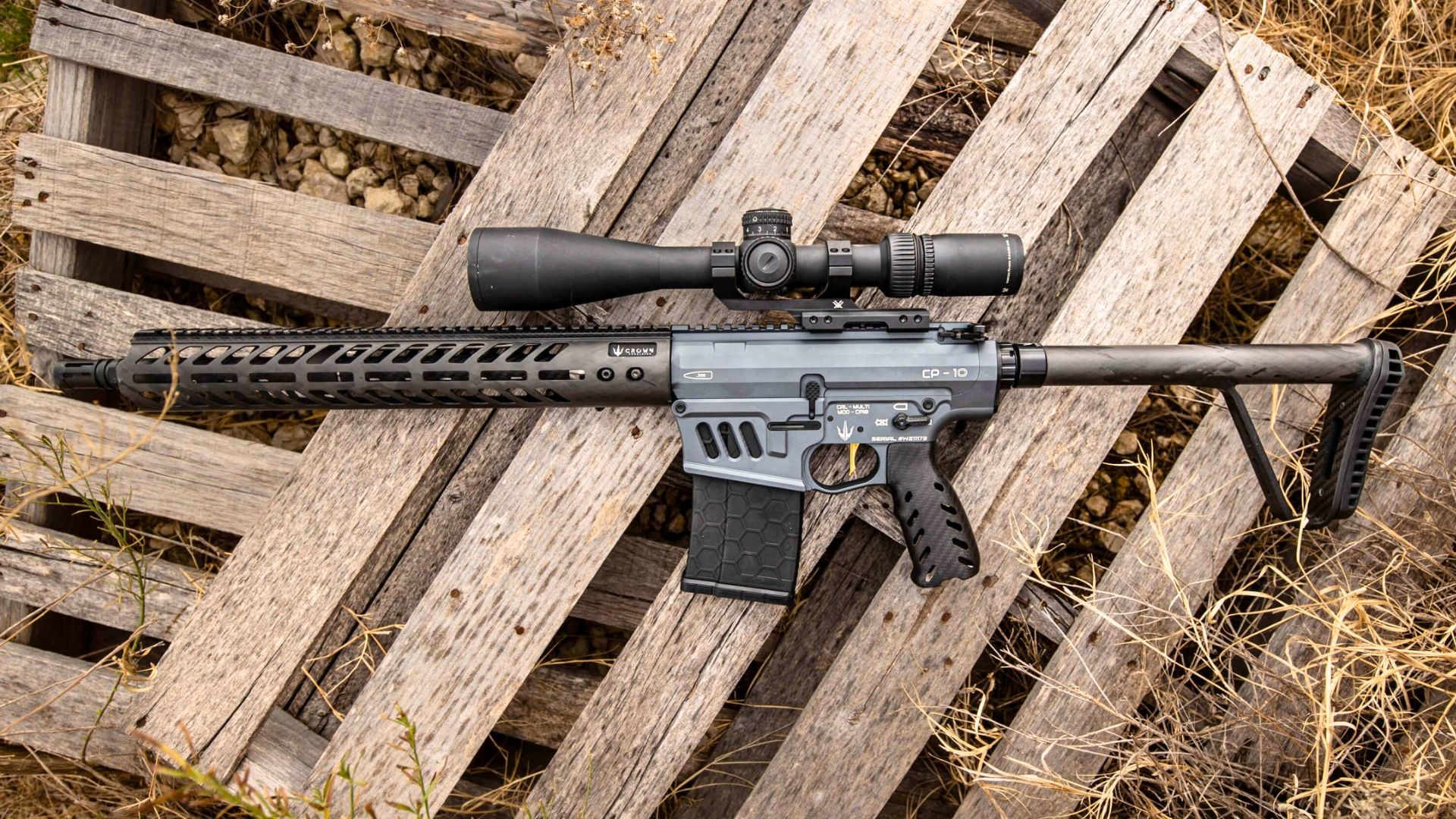
An AR-10 can be a fantastic deer rifle. A cheap AR-10 can be a bad day waiting to happen. Unlike the AR-15 world, there’s less true parts standardization, and tolerance stacking is real.
What costs shots is unreliability and inconsistent ejection/feeding, usually tied to gas tuning, magazines, or out-of-spec parts. You don’t need a rifle that’s “almost reliable.” You need boring, every-time reliability.
15. Browning BAR (when it’s not maintained)

The BAR is smooth, accurate, and deadly in the woods. It’s also a semi-auto that needs reasonable maintenance, and plenty of them live hard lives riding in scabbards and truck seats without ever seeing a proper cleaning.
When they start getting sluggish, the rifle may still fire, but cycling can get lazy. That’s where a quick second shot turns into a jam you didn’t expect from a “premium” gun. Ask me how I know.
16. Remington 7400/742 Woodsmaster (old, dirty, and temperamental)

These rifles have put a lot of venison in the freezer, and they point well. But they also have a reputation for wearing in ways that make extraction and cycling less dependable as they age, especially if they’ve been fed a steady diet of neglect.
The heartbreak version is a buck that soaks up a marginal shot and needs a fast follow-up, and the rifle turns into a single-shot. If you hunt with one, keep it clean and verify function before season—not the morning of.
17. Mosin-Nagant (with surplus ammo and sticky bolt)
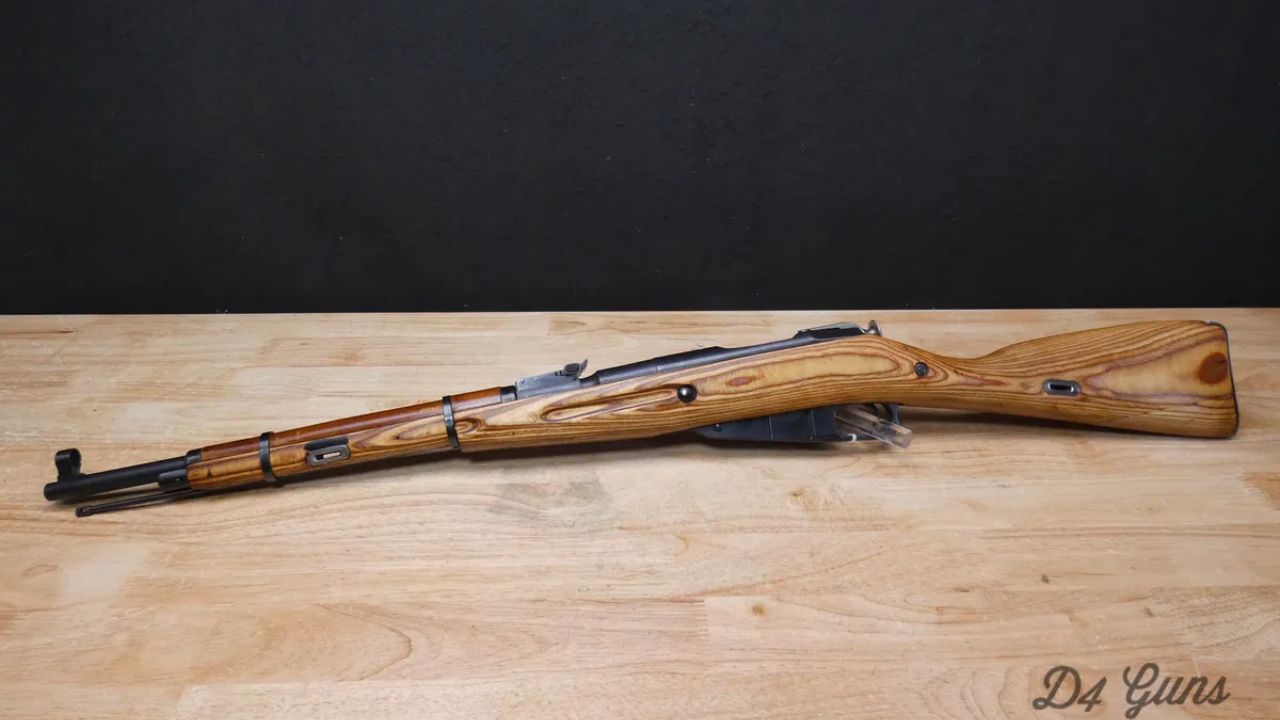
I’m not here to bash surplus rifles. I like them. But a Mosin with surplus ammo can stick cases, and the bolt can be stiff even when everything is “fine.” In the deer woods, stiff becomes slow.
Even if your first shot is good, you may need to cycle to confirm, to finish, or to be ready. A rifle that needs a mallet to run isn’t a hunting tool. It’s a history lesson.
18. Old sporterized Mausers with mystery headspace and bargain optics
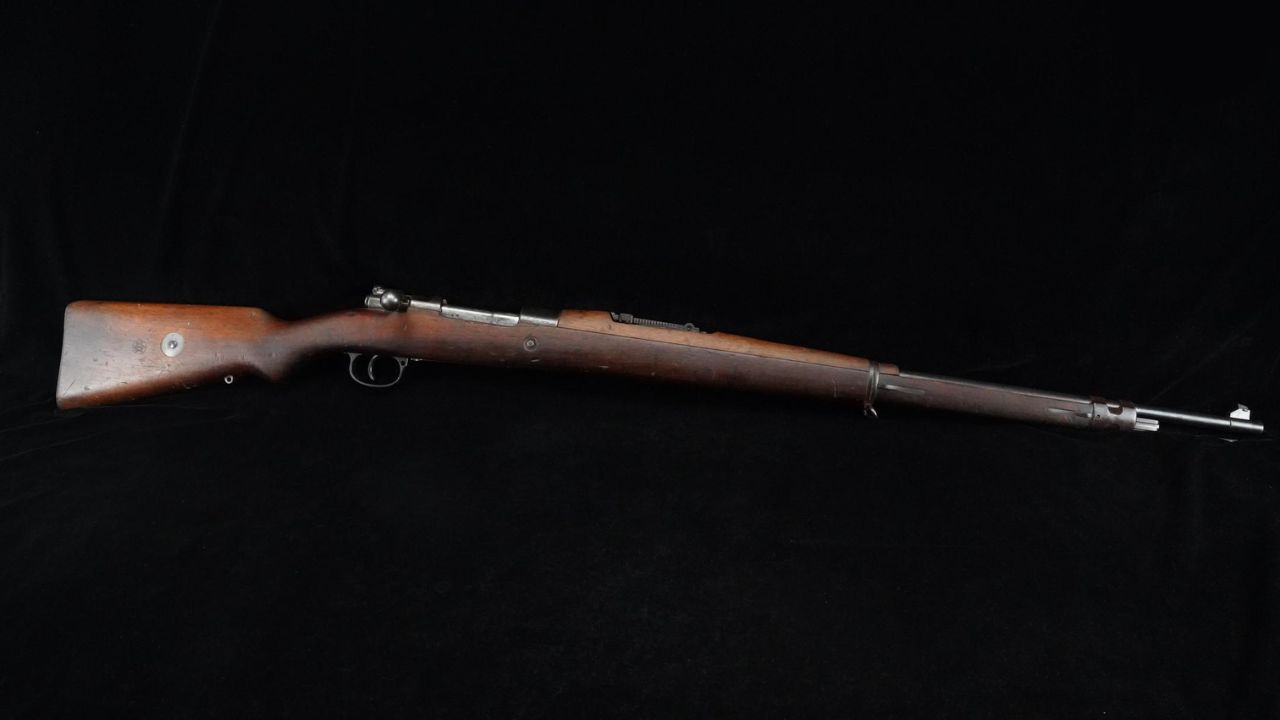
There are great sporter Mausers out there. There are also plenty that were chopped, drilled, and rebarreled by somebody’s cousin decades ago, then topped with the cheapest glass available at the time.
The shots they cost are usually confidence shots. You never quite trust the safety, the feeding, or whether the scope is going to hold. If a rifle makes you hesitate when the deer is already giving you a gift, that hesitation is the miss.
19. “Scout rifle” setups with long eye relief scopes (done wrong)
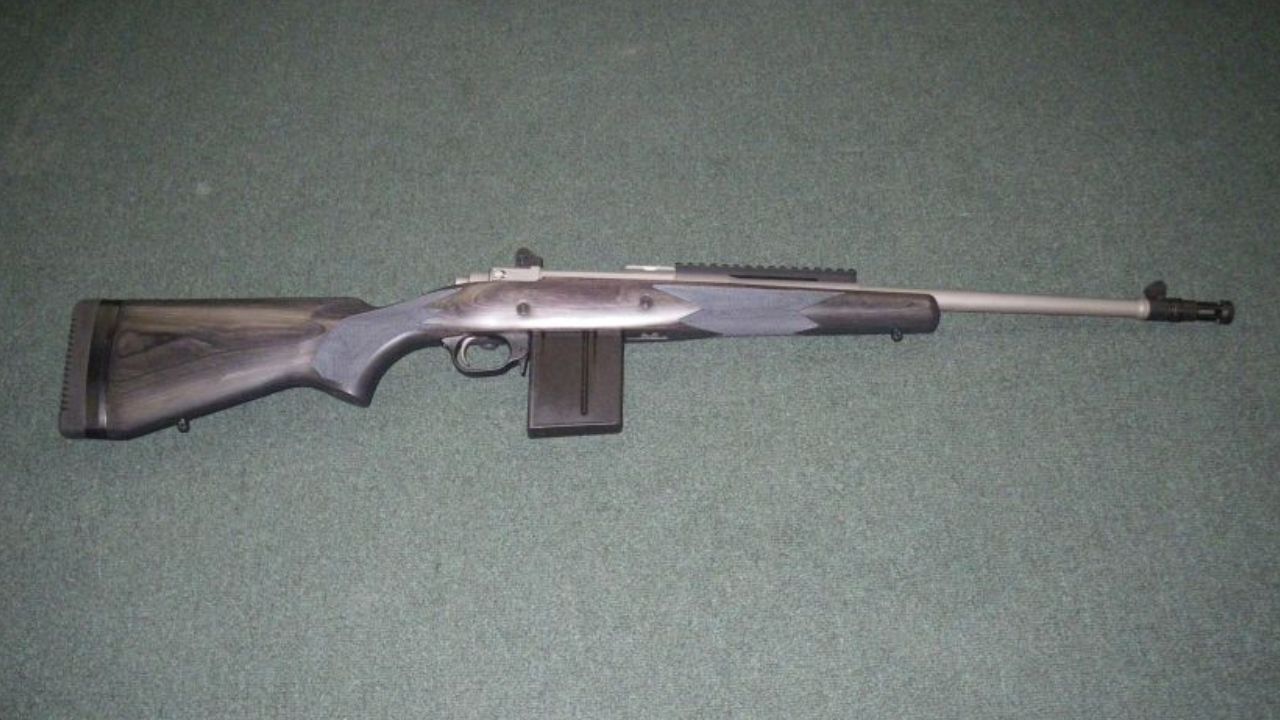
A properly set up scout-style rifle can be handy. The problem is when the long eye relief scope is cheap, the mount isn’t rock solid, and the eye box is unforgiving in low light.
Deer steps out at dusk, you shoulder fast, and you get a partial sight picture. Instead of a clear reticle, you’re hunting for the view. That delay is all it takes for a buck to slip behind a trunk.
20. Any rifle wearing a bargain scope that won’t track or hold zero

This one isn’t a single model, and that’s the point. I’ve seen great rifles made useless by cheap glass. The rifle gets blamed, the ammo gets blamed, the shooter gets blamed, and the whole time it’s the scope wandering around like a shopping cart with a bad wheel.
If your adjustments don’t track, if your reticle shifts, or if your zero changes after a normal ride in the truck, you’re rolling dice on living animals. Spend your money where it counts, and confirm zero after bumps, weather, and time.
None of this means you need a fancy rifle to kill deer cleanly. You need a rifle you can run without thinking, a setup that holds zero, and a combination you’ve actually tested from real field positions. Boring is good. Predictable is better. And the older I get, the more I like gear that never gives me a reason to wonder when a buck finally shows up.
Like The Avid Outdoorsman’s content? Subscribe to our newsletter so you never miss an article.
Here’s more from us: