Photo credit: PeopleImages/ShutterStock.com
A rifle that looks good on the rack doesn’t always hold up once you’ve carried it through a season of hunting. On paper, many rifles promise accuracy, reliability, and durability, but in the field it’s a different story. Moisture, cold, rough handling, and the realities of long sits in the woods have a way of exposing flaws. Some rifles reveal their weaknesses after only a few trips—finicky actions, heavy weight, inconsistent accuracy, or fragile parts that won’t last. When a rifle becomes a burden instead of a tool, hunters end up leaving it behind by the second season. These aren’t rifles you’d want to count on when your tag is on the line. Knowing which models tend to disappoint helps you avoid sinking money into something you’ll quickly regret.
Remington 742 Woodsmaster
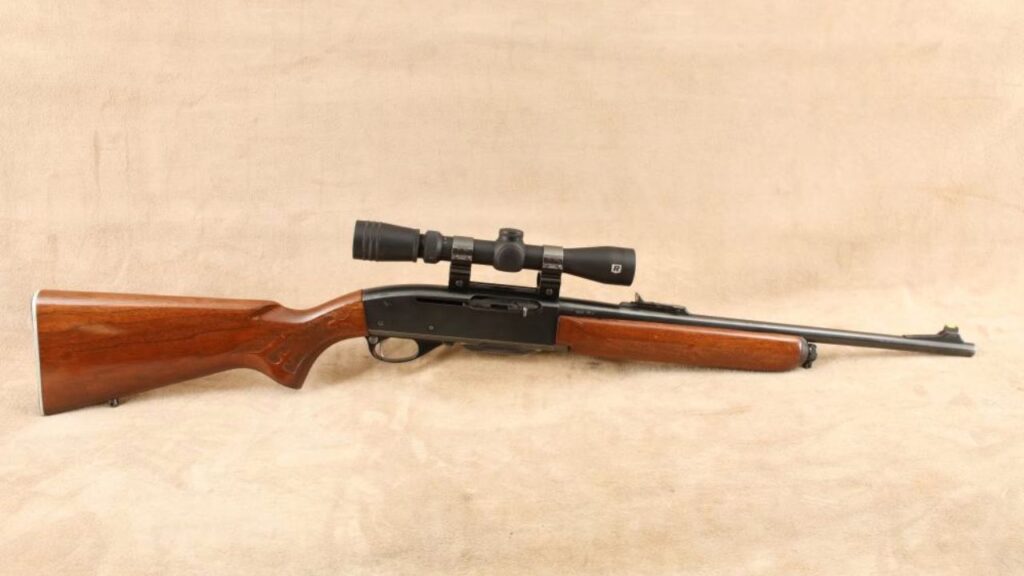
The Remington 742 Woodsmaster earned plenty of sales thanks to its semi-auto design, but hunters often learned the hard way that it didn’t age well. The action relies on a delicate system that wears quickly, and the locking lugs on the bolt are prone to peening. After one season, you might notice extraction problems or inconsistent cycling, especially if you’ve hunted in rough weather. Cleaning only does so much to mask those issues.
Another frustration is the rifle’s reputation for becoming a “gunsmith’s project” after limited use. Many owners report that by the second season, they’re already dealing with jams or paying for repairs. For a rifle marketed to deer hunters, it hasn’t held up the way many hoped. If you want a semi-auto for hunting, there are more durable designs out there. The 742 is one of those rifles that often looks better on paper than in practice.
Remington 770
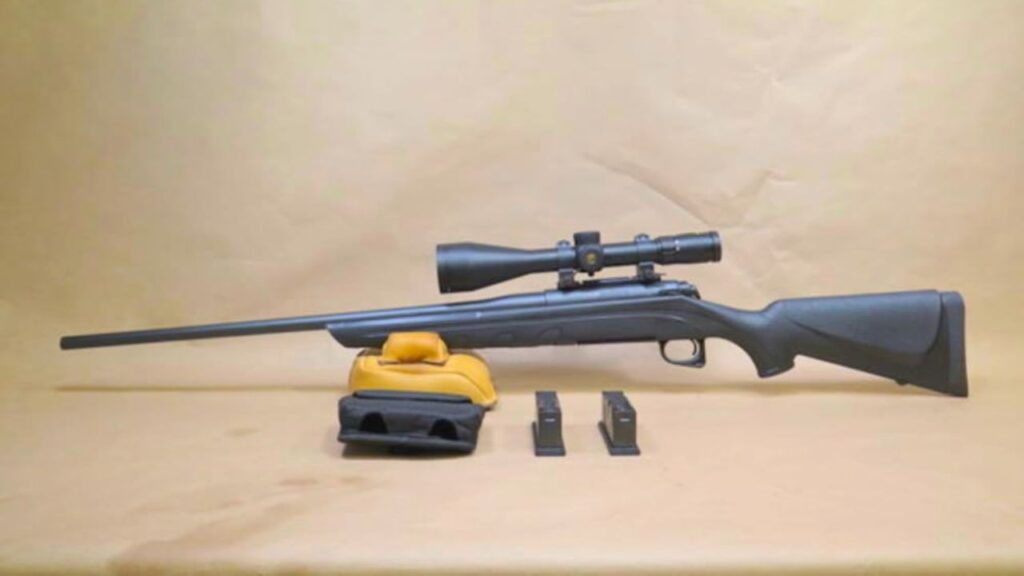
The Remington 770 was sold as an affordable entry-level hunting rifle, but it quickly developed a reputation for disappointing buyers. The action feels rough from the start, and accuracy is inconsistent even with quality ammunition. By the end of a hunting season, many owners realize the rifle doesn’t inspire confidence when a shot really matters.
The synthetic stock is another complaint, as it often feels flimsy and doesn’t hold up well under field use. After a season of carrying it through brush, hunters often notice scratches, rattles, and a general sense that the rifle wasn’t built to last. While the low price tag attracted first-time buyers, the 770 usually ends up traded or replaced after its shortcomings show in the field. It’s a rifle that teaches a hard lesson about buying the cheapest option without thinking about long-term use.
Winchester Model 100

The Winchester Model 100 semi-auto rifle has history on its side, but hunters who’ve carried one often end up regretting it. Its gas-operated system is notoriously finicky, and in cold or wet weather, it doesn’t take much to throw it off. By the second season, many owners have experienced failures to extract or cycling issues that turn the rifle into an unreliable choice.
Adding to the frustration, the Model 100 has a recall history tied to firing pin issues. While many rifles have been fixed, the legacy of safety concerns lingers. In the field, accuracy is fair at best, but the mechanical problems overshadow it. Hunters often realize after a season that they need a rifle they can trust in unpredictable conditions, and the Model 100 rarely earns that trust. Its place is more in a collection than on an active hunt.
Ruger Mini-14 (older models)

The Ruger Mini-14 has a following, but early models are often a letdown for hunters expecting consistent accuracy. Out of the box, the rifle was known for wide groups, especially once the barrel heated up. In a hunting scenario where you might only get one shot, that kind of inconsistency makes you doubt your rifle. After a season of seeing bullets wander more than they should, many hunters moved on.
The Mini-14 is also heavier than some expect, and its design doesn’t always balance well when you’re carrying it for hours in the field. While it has improved in later generations, the older versions left many hunters frustrated. By the second season, a lot of those rifles were sitting in safes rather than being carried into the woods. It’s a platform with character, but accuracy is the one area it couldn’t deliver early on.
Remington 597 (.22 LR)
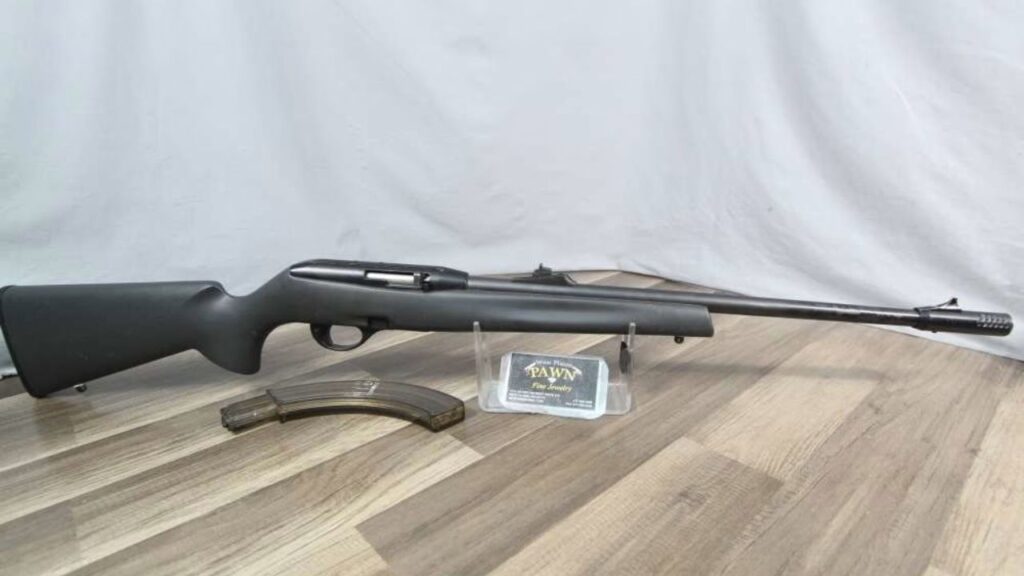
The Remington 597 seemed like a solid choice for small game hunting, but it didn’t take long for owners to find its weak points. The magazines were a major culprit, with unreliable feeding causing jams at the worst times. Add in a design that required frequent cleaning to stay functional, and you’ve got a rifle that becomes a hassle after one season of use.
Accuracy is inconsistent as well. Some rifles shoot fine, while others throw unpredictable groups regardless of ammo choice. In the field, that translates to missed shots and frustration. By the end of the first season, many hunters have learned that a bolt-action .22 offers far more consistency and less aggravation. The 597 is one of those rifles that promises fun but ends up on the “never again” list after real-world experience.
Browning BAR (older models)
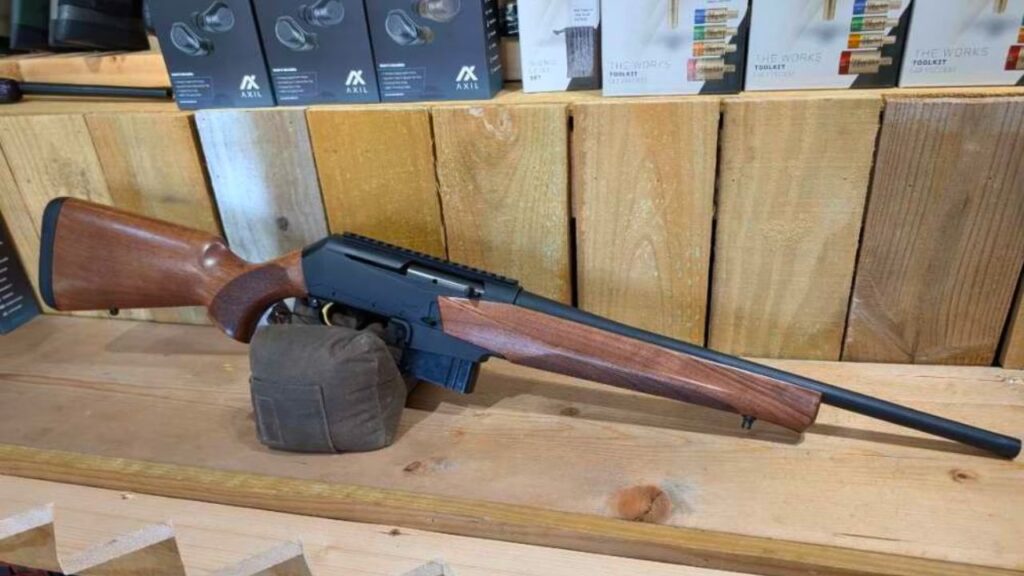
The Browning BAR is a respected name, but earlier hunting versions sometimes left owners disappointed in the long run. The gas system, while capable, is sensitive to fouling, and in damp or cold conditions it can fail to cycle reliably. After a season of dealing with jams or sluggish cycling, hunters often start questioning whether it’s worth the trouble.
Weight is another drawback. The BAR is heavy compared to many bolt-actions, and carrying it through the woods for long stretches becomes tiring. While its looks and initial performance may win you over, the combination of weight and maintenance demands catches up with many hunters. By the second season, a lot of these rifles are left behind for something lighter and more dependable.
Savage Axis (first generation)
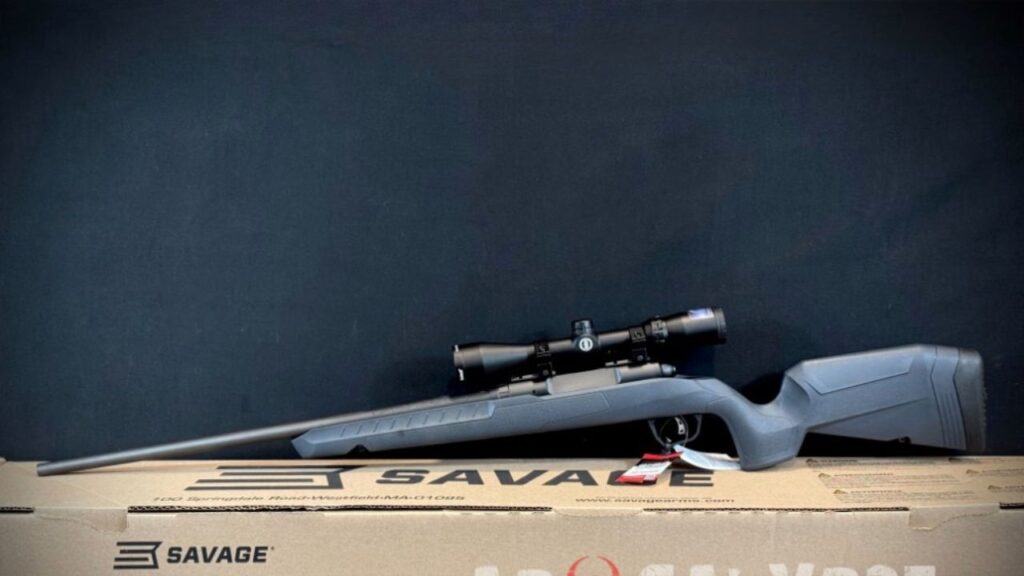
The Savage Axis was introduced as a budget hunting rifle, but the first generation didn’t always satisfy buyers. The triggers were heavy and gritty, which directly impacted accuracy in the field. After a season of pulling shots and struggling to get tight groups, many hunters realized the rifle wasn’t giving them confidence.
The stock was another weak point, feeling hollow and prone to flex under pressure. That inconsistency made accuracy even more unpredictable. While some hunters stuck with it and upgraded parts, many simply replaced it with a better-built rifle after the first season. Later versions improved, but those early Axis rifles remain a regret for a lot of buyers who went cheap the first time.
Marlin Model 336 (Remington production years)
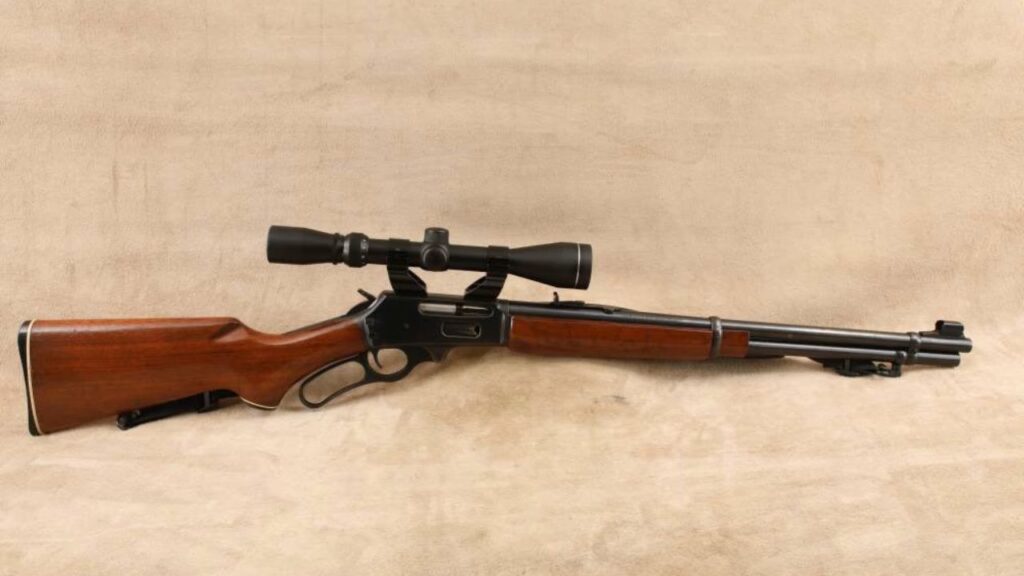
The Marlin 336 has a legendary history, but during the Remington production years, quality slipped. Hunters who bought during that period often ended up with rifles that had rough machining, poor wood-to-metal fit, and accuracy issues. Feeding problems and stiff actions were also common complaints.
After a season of carrying one, many hunters grew tired of the inconsistencies. Lever-actions should be smooth and dependable, and these rifles often weren’t. Some owners worked them over with a gunsmith, but plenty simply moved on. If you bought a Remington-era 336 expecting the same quality as older Marlins, disappointment was almost guaranteed. That first season usually revealed all the flaws you needed to see.
Remington R-25
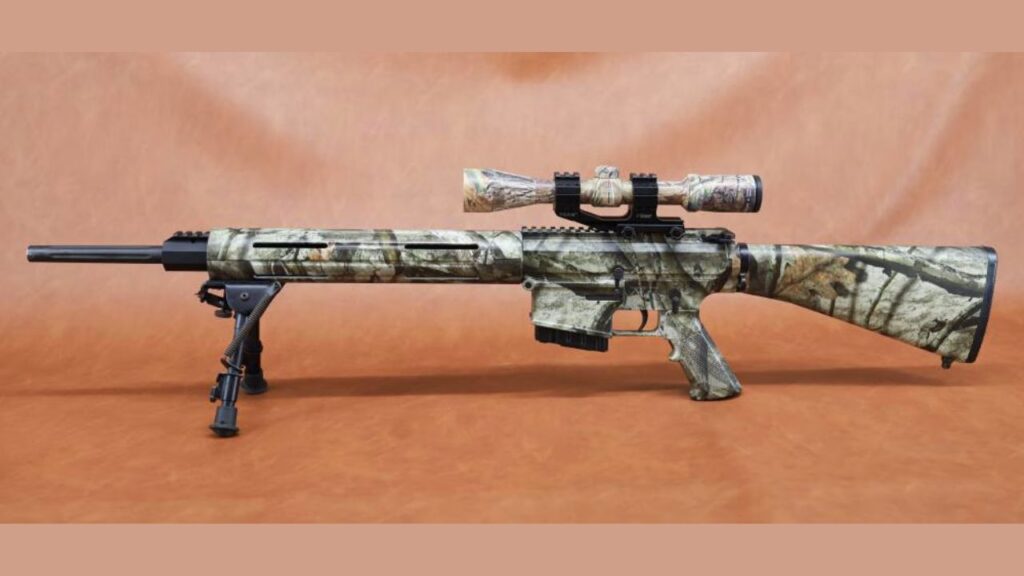
The Remington R-25 was marketed as a hunting-focused AR-style rifle, but its weight made it a burden in the field. At nearly nine pounds before optics, carrying it through brush or up into a stand quickly grew old. By the end of the first season, many hunters were tired of hauling it around.
Performance wasn’t always stellar either. The rifle’s accuracy was acceptable, but not remarkable, and reliability varied with ammo choice. Cleaning and maintenance were more involved than with a traditional bolt-action. While it might appeal to hunters who like the AR platform, most found it impractical for long hunts. After one season of carrying the extra weight, many regretted the purchase.
Weatherby Vanguard Synthetic (early models)

The Weatherby Vanguard Synthetic, particularly in its early runs, sometimes fell short of expectations. Accuracy varied, with some rifles struggling to produce consistent groups. Hunters who expected Weatherby precision were often disappointed after their first season when shots didn’t land as reliably as they’d hoped.
The synthetic stock felt clunky and didn’t balance well, making long carries less comfortable. While not every rifle was bad, enough reports surfaced that many buyers moved on after realizing it wasn’t what they wanted in the field. Later versions improved, but those early synthetic models didn’t win loyalty. Many hunters who tried them ended up trading for rifles with better accuracy and feel after only one season.
Thompson/Center Venture (early recall models)
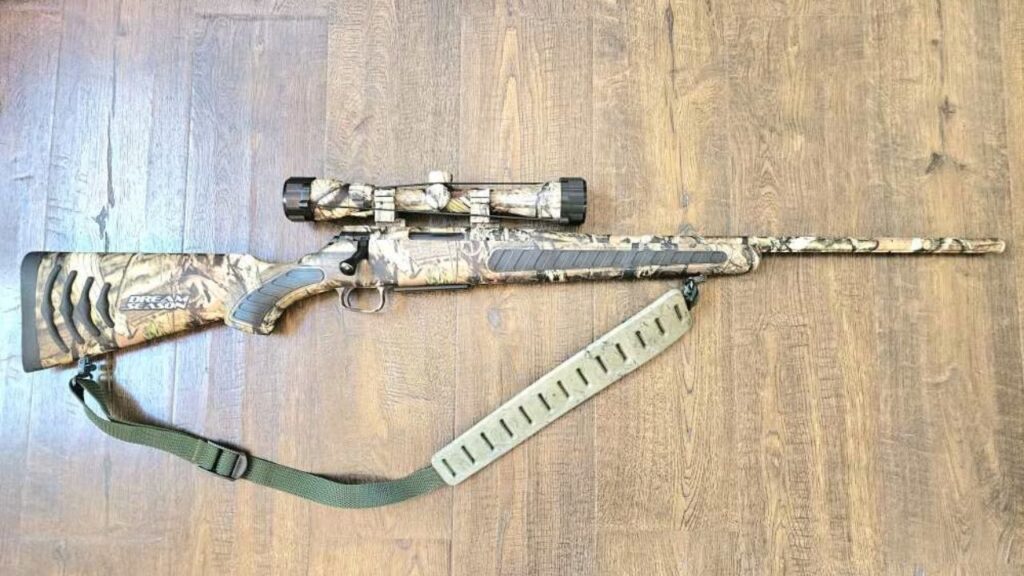
The Thompson/Center Venture looked like a solid bolt-action, but early models suffered from a recall related to potential safety issues with the sear. Even setting that aside, hunters reported uneven accuracy and triggers that didn’t inspire confidence. After a season of use, many realized it wasn’t delivering the performance they expected.
The Venture had potential, but inconsistency held it back. Some rifles shot well, but others scattered groups with the same ammo. When your success depends on predictable performance, that kind of variability is unacceptable. Many hunters who bought early Ventures regretted the decision by the time the next season rolled around, either because of safety concerns or disappointing field results.
*This article was developed with AI-powered tools and has been carefully reviewed by our editors.