Photo credit: Backfire/YouTube
The .308 Winchester has been the default answer for a long time. Deer rifle? .308. Short-action hunting rifle? .308. Do-all rifle for the range and woods? .308. It earned that place because it works, ammo is everywhere, recoil is manageable, and rifles chambered for it are easy to find.
Then the 6.5 Creedmoor showed up and refused to go away. What started as a long-range target cartridge turned into one of the most popular hunting rounds in America. It shoots flatter, drifts less in the wind, and kicks softer than .308 in many comparable rifles. So the question is fair: has the old king finally been dethroned?
The .308 still owns the practical reputation

The .308 Winchester became popular because it is easy to trust. It works on deer, hogs, black bear, and elk inside normal ranges with the right bullet. It fits short-action rifles, feeds well, and has decades of hunting, military, police, and target use behind it.
That kind of reputation does not disappear because a newer cartridge shoots better on paper. A hunter can walk into almost any sporting goods store before deer season and find .308 ammo. That alone keeps it powerful in the real world. The .308 is not trendy. It is dependable.
The 6.5 Creedmoor wins the ballistic argument

The 6.5 Creedmoor’s biggest strength is efficiency. It uses long, sleek 6.5mm bullets that hold velocity well and fight wind better than many common .308 hunting loads. Hornady introduced the 6.5 Creedmoor in 2007, and it was designed around long-range target shooting before it became a major hunting round.
That design shows up downrange. At longer distances, the 6.5 Creedmoor usually drops less and drifts less than .308 with comparable hunting or match loads. For shooters who spend time past 300 yards, the Creedmoor advantage is real. It is not just marketing.
The .308 hits with more bullet weight
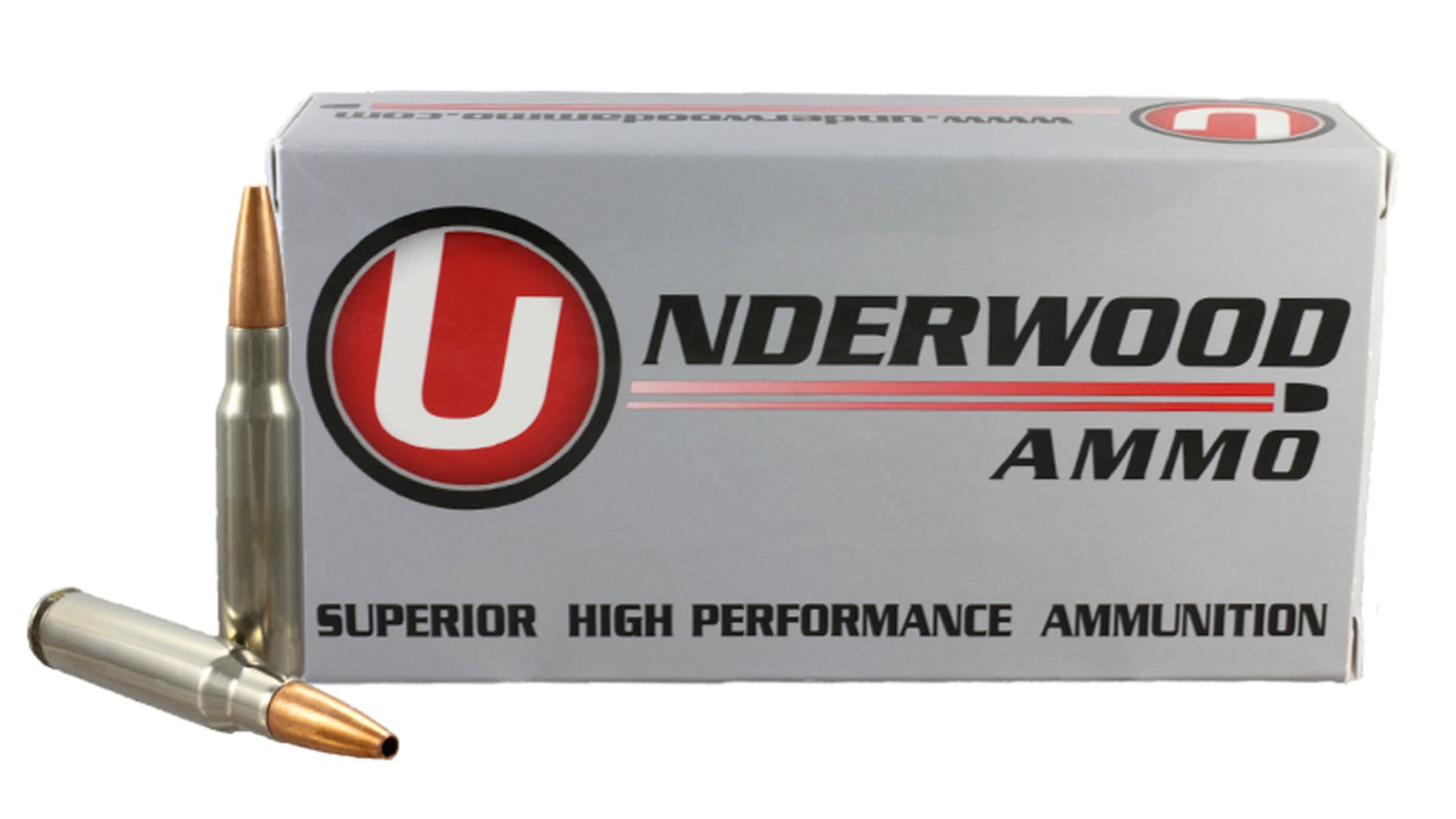
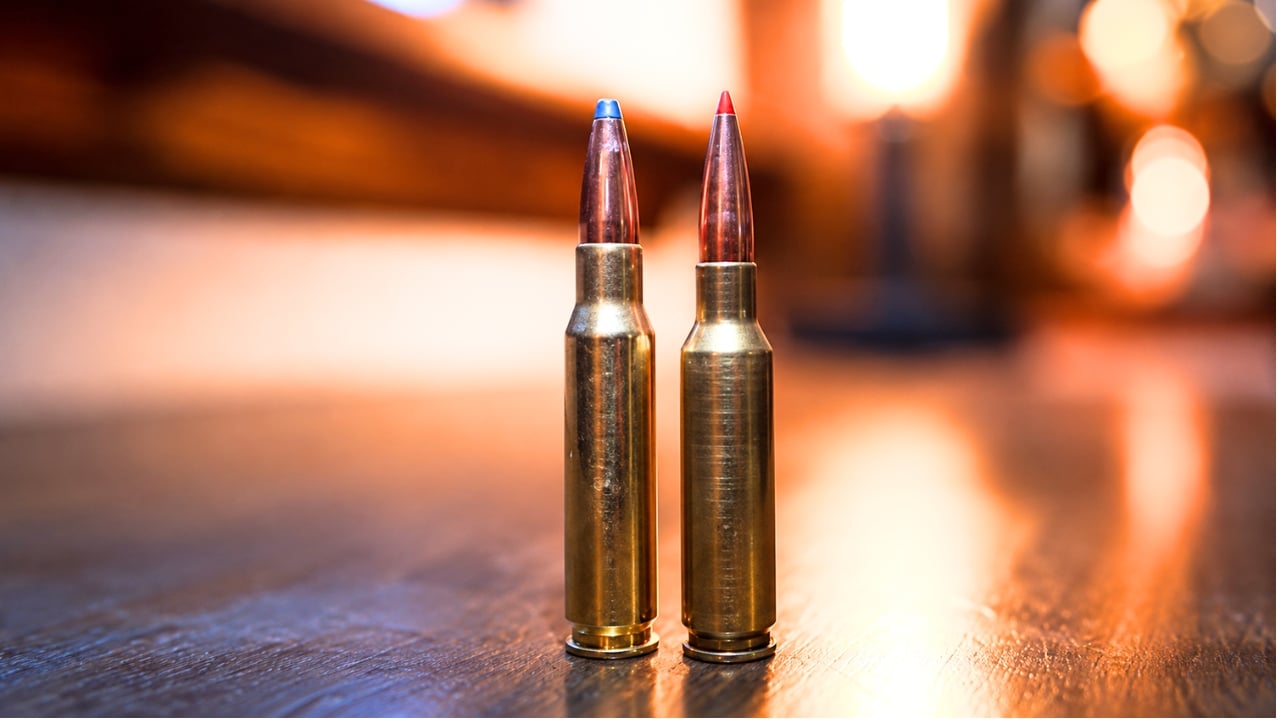
The .308 fires a larger-diameter bullet and handles heavier common hunting bullets well. Loads with 150-, 165-, 168-, 175-, and 180-grain bullets are everywhere. That gives hunters a lot of options for deer, hogs, black bear, and elk.
The 6.5 Creedmoor usually lives with bullets around 120 to 147 grains. Those bullets can be very efficient, but they are still lighter and smaller in diameter. On deer, that is not a major problem. On tougher animals and bad angles, some hunters still like the extra bullet weight the .308 brings.
The 6.5 Creedmoor recoils less

This is one of the biggest reasons the Creedmoor gained real traction. It is easier on the shoulder than .308 in similar rifles. That makes practice more enjoyable, helps shooters spot impacts, and reduces the chance of developing a flinch.
For many hunters, that matters more than raw energy. A cartridge that kicks less usually gets shot more. A hunter who practices more and shoots confidently is better off than a hunter carrying a harder-hitting rifle they avoid at the range.
The .308 is better for thick-cover hunters

In thick woods, brushy creek bottoms, short food-plot shots, and normal deer-stand distances, the .308 gives up very little to the 6.5 Creedmoor. Most deer are not shot far enough for the Creedmoor’s wind and drop advantages to matter much.
Inside 200 yards, both cartridges are more than enough with proper hunting bullets. The .308’s bigger bullet and long record make it feel right in this role. If your deer season is mostly close to moderate shots, the old king is not giving up the throne easily.
The 6.5 Creedmoor is better when distance stretches

When shots get longer, the Creedmoor starts making more sense. It is easier to shoot, easier to keep on target, and usually better in wind. That is exactly why target shooters adopted it so heavily.
For open-country deer, pronghorn, mule deer, and range work, the 6.5 Creedmoor feels like a more modern answer. It does not make long shots easy, but it reduces some of the punishment and guesswork. That is a real advantage for hunters who practice enough to use it.
The .308 has better barrel life
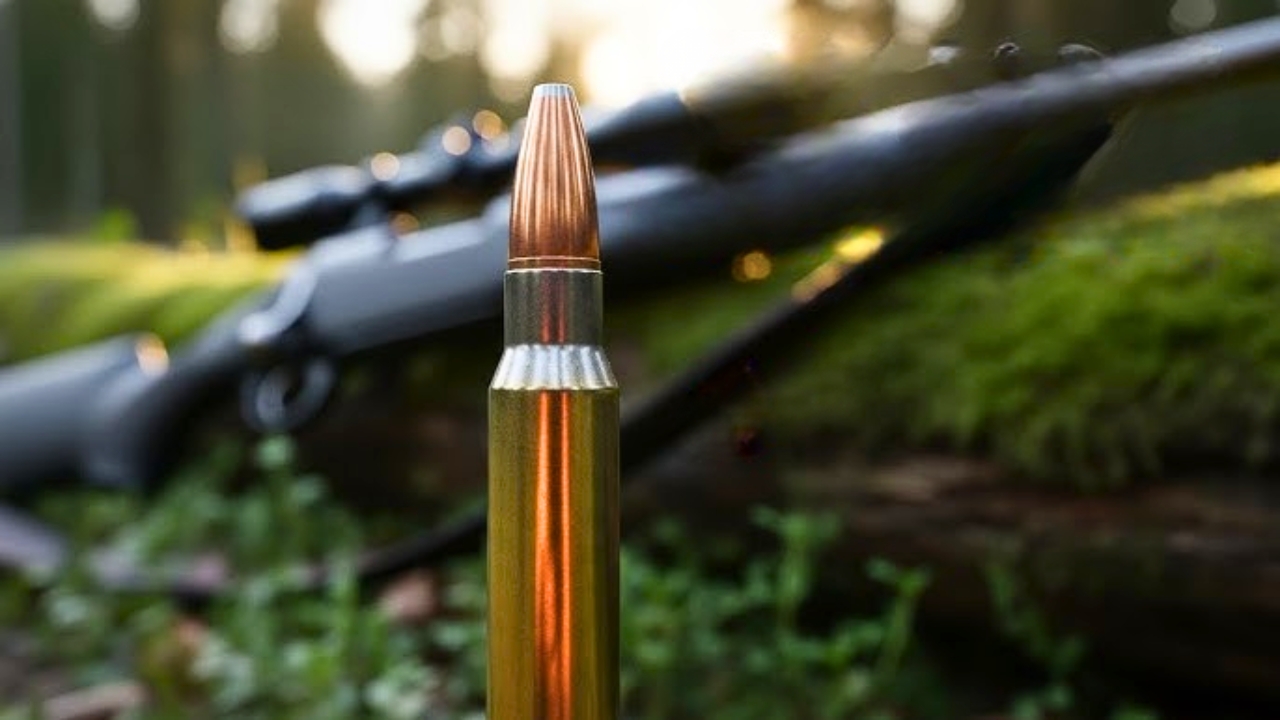
The .308 usually has the edge in barrel life. It is not as hard on throats as many faster, smaller-bore cartridges. For hunters, this may not matter much because most hunting rifles will never be shot enough to wear out a barrel.
For high-volume range shooters, it matters more. The 6.5 Creedmoor is not a barrel burner compared with true overbore magnums, but the .308 is still generally easier on barrels. If someone plans to shoot thousands of rounds, the old cartridge has a durability advantage.
The 6.5 Creedmoor is easier for new shooters

A new hunter or range shooter usually benefits from lower recoil and flatter performance. That is where the Creedmoor shines. It gives enough power for deer-sized game while being easier to shoot well than many traditional hunting rounds.
That does not mean .308 is too much. It is still manageable. But the Creedmoor is friendlier, especially in lighter rifles. A new shooter who learns on 6.5 Creedmoor may build confidence faster than one trying to master a lightweight .308 from the bench.
The .308 gives more confidence on hogs and black bear

The 6.5 Creedmoor can kill hogs and black bear with the right bullets. Nobody honest should pretend it cannot. But when animals get tougher, heavier, or angled poorly, the .308’s bullet weight starts to matter more.
A good 165- or 180-grain .308 hunting load gives many hunters more confidence on close-range hogs, bear, and rougher shots. The Creedmoor is efficient. The .308 is blunt and proven. For messy real-world hunting, that still counts.
The 6.5 Creedmoor is not just hype anymore

For a while, the Creedmoor got mocked because people talked about it like it was magic. That backlash was understandable. No cartridge can replace skill, range judgment, or good bullets.
But the Creedmoor survived the hype because it actually works. It is accurate, mild, efficient, and widely supported. Federal’s current 6.5 Creedmoor hunting options include high-BC bullets like a 130-grain Terminal Ascent load with a listed .532 ballistic coefficient, which shows why the cartridge stays attractive for hunters who care about downrange performance.
The .308 is still cheaper to live with

In many places, .308 ammo is still easier to find in a wider range of prices. Cheap range ammo, hunting ammo, match ammo, surplus-style loads, and specialty loads are common. That makes the .308 easier to feed for people who shoot often.
The 6.5 Creedmoor is common now, but it does not always beat .308 on cost or shelf depth. If you want the easiest cartridge to support long-term, .308 still has a strong case. Popularity matters when deer season is a week away and the local store has two boxes left.
The 6.5 Creedmoor is better for wind
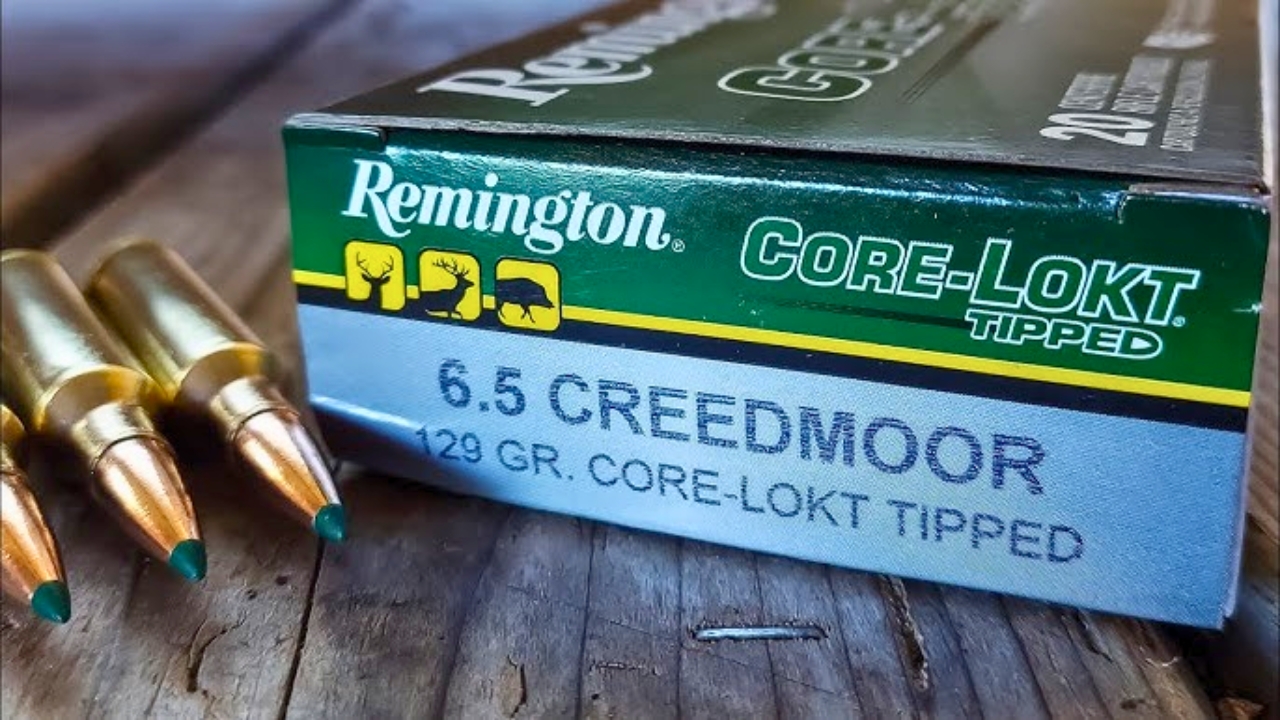
Wind is where the Creedmoor really earns its reputation. The higher ballistic coefficients of many 6.5mm bullets help them drift less than common .308 bullets at distance. That means a little more forgiveness when the wind is tricky.
This does not matter much at 75 yards in the woods. It matters a lot at 400 yards across a canyon, field, or prairie. A cartridge that drifts less gives the shooter a little more room for error. That is why long-range shooters moved toward the Creedmoor so quickly.
The .308 works better with short barrels

The .308 does well in shorter barrels and compact rifles. That makes it attractive for woods rifles, suppressor hosts, scout-style rifles, and handy hunting setups. It does not need a long barrel to be useful.
The 6.5 Creedmoor can work in shorter barrels too, but it benefits from keeping velocity. If the rifle is going to be compact and used mostly inside normal hunting ranges, .308 still makes a lot of sense. Not every rifle needs to be built around long-range performance.
The 6.5 Creedmoor is better for spotting impacts

Lower recoil is not just about comfort. It helps shooters stay in the scope and see what happened. That matters for target shooting, long-range practice, and hunting situations where seeing impact or animal reaction helps with follow-up decisions.
The .308 does not recoil brutally, but it moves more. In light rifles, that difference is noticeable. The Creedmoor’s softer recoil makes it easier for average shooters to stay connected to the shot instead of losing the target in recoil.
The .308 is still the better emergency answer
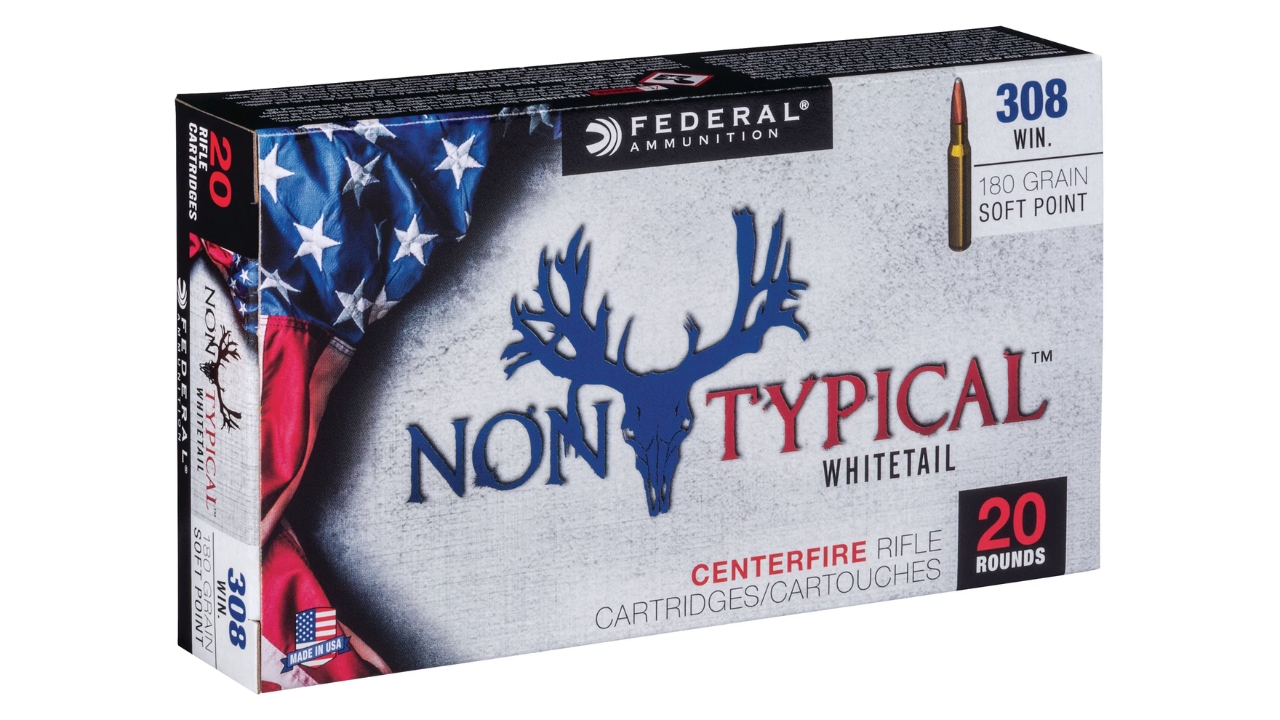
If you are traveling, hunting in a small town, or borrowing ammo at camp, .308 is still one of the safest cartridges to rely on. Almost everyone knows it. Almost every rifle maker chambers it. Almost every ammo company loads it.
The 6.5 Creedmoor is common now, but .308 still has more history and broader support. For a hunter who values boring availability, that matters. A cartridge does not help if you cannot find the right ammo when you need it.
The 6.5 Creedmoor wins for paper and steel

For target shooting, especially at distance, the 6.5 Creedmoor has clearly changed the conversation. Less recoil, less wind drift, and strong factory match ammo make it easier for many shooters to perform well.
The .308 still has a place in competition and training, especially where barrel life, cost, or specific divisions matter. But if a new shooter is buying a rifle for distance work today, the Creedmoor is usually the more forgiving choice.
The .308 still wins for traditional hunters
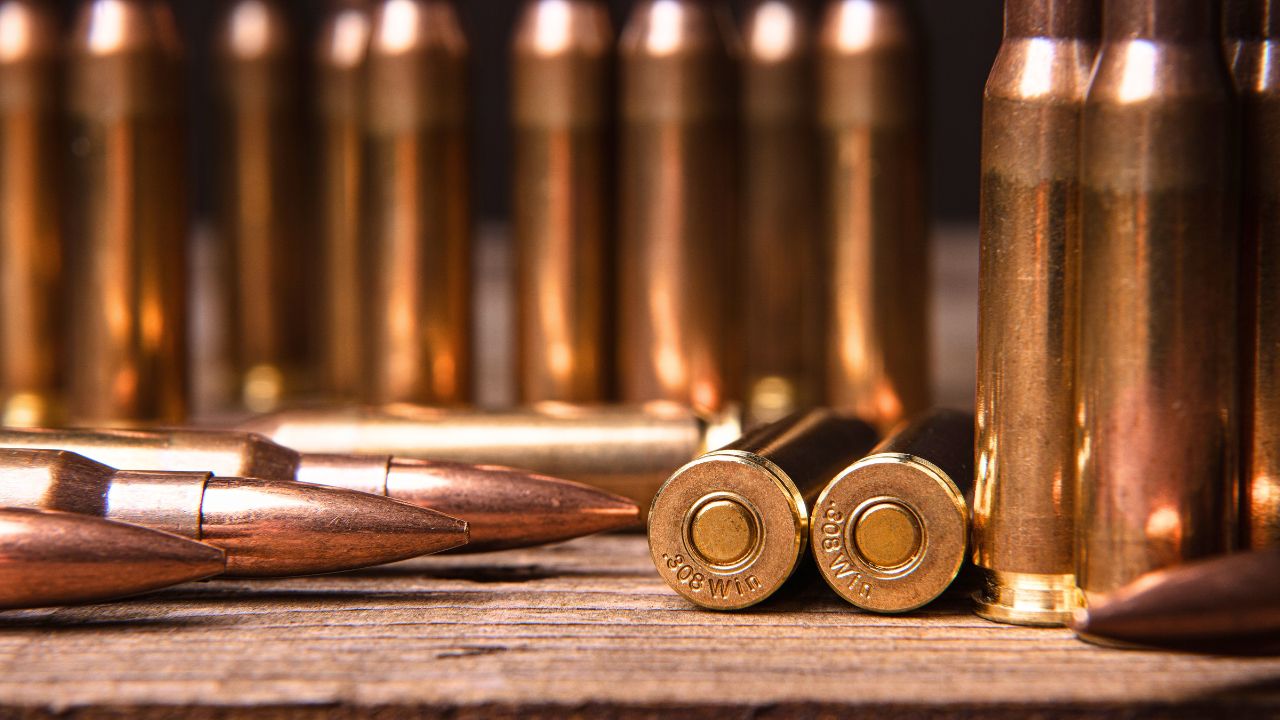
Some hunters do not need a flatter, sleeker cartridge. They need a rifle that works every season, shoots common bullets, and drops deer inside normal ranges. For that person, .308 remains nearly perfect.
It is also easier for some hunters to trust because they have seen it work for decades. That confidence is not meaningless. A cartridge with a long record in deer camps and elk camps does not become obsolete just because something newer is more efficient.
The 6.5 Creedmoor wins for most modern crossover shooters

A crossover shooter is someone who hunts, practices at distance, maybe shoots steel, and wants one rifle that does a little of everything. That shooter is exactly why the Creedmoor became popular.
It gives enough hunting performance for deer-sized game and better long-range manners than .308. It is not the best elk cartridge, and it is not ideal for every woods hunter. But for a modern hunter who also likes range work, it is a very smart choice.
The .308 has not been dethroned for big-game flexibility
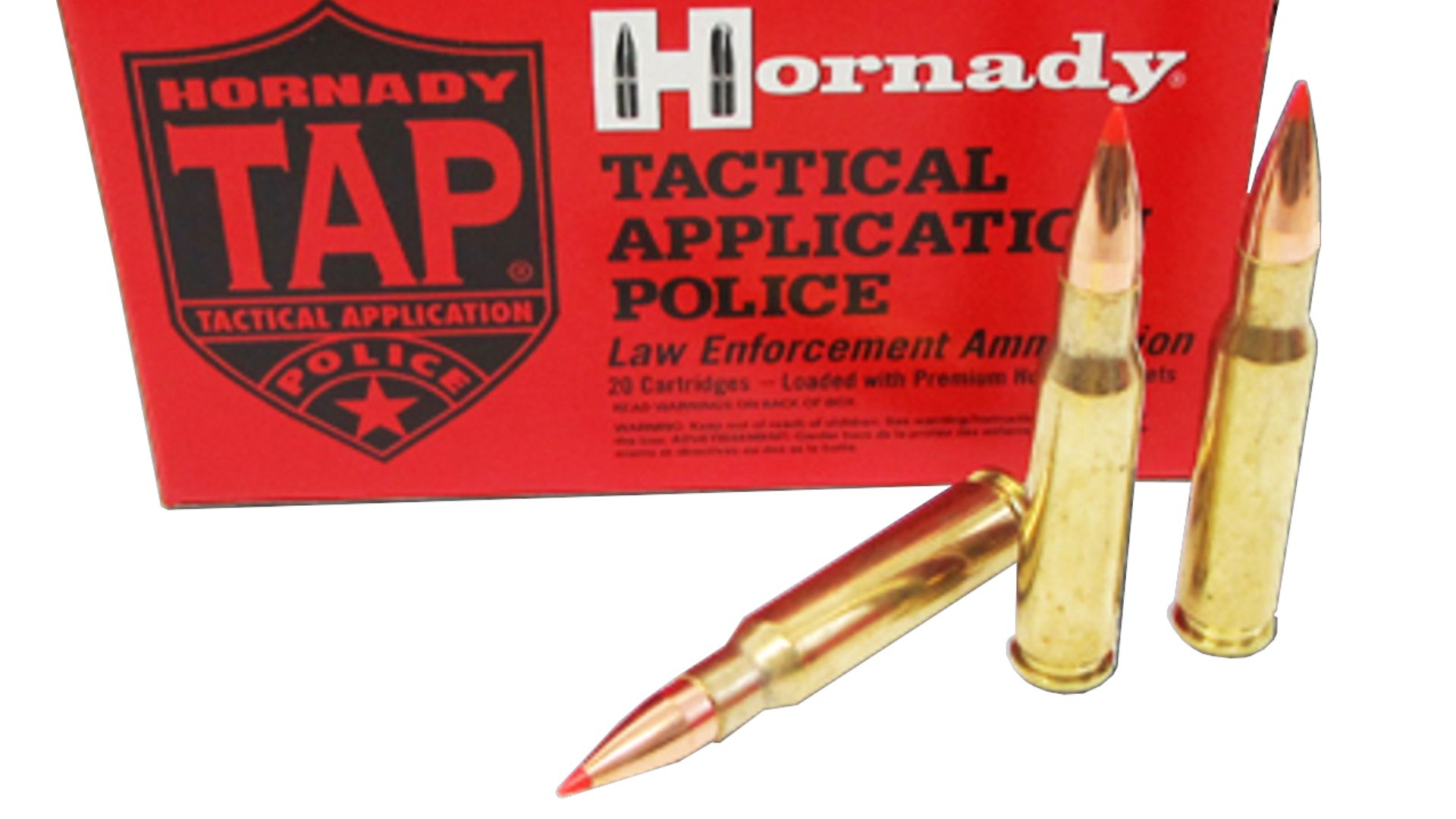
If the question is deer and range work, the Creedmoor makes a strong case. If the question is all-around big-game flexibility, the .308 still refuses to leave. It handles heavier bullets, punches well at close and moderate ranges, and gives hunters more confidence on tough animals.
A .308 with a good bullet is still one of the most useful hunting cartridges ever made. The Creedmoor may shoot sleeker, but .308 still carries the old-school authority that many hunters want when conditions are less than perfect.
The real verdict

The 6.5 Creedmoor has dethroned the .308 for many shooters who care about recoil, wind drift, and long-range target performance. It is easier to shoot well at distance, and it has become too common to dismiss as a fad.
But the .308 has not been dethroned for practical hunting. It still hits harder with heavier bullets, has excellent ammo support, works in compact rifles, and remains one of the best deer and general-purpose short-action cartridges around.
Which one should you actually buy?

Buy the 6.5 Creedmoor if you want a modern deer and target rifle that is easy to shoot, good in the wind, and comfortable for longer practice sessions. It is probably the better choice for new shooters, open-country hunters, and people who shoot steel past normal deer ranges.
Buy the .308 if you want a tougher all-around hunting cartridge with heavier bullets, better close-range authority, and the deepest ammo support. The old king has lost some territory, but it has not been knocked off the throne everywhere.
Like The Avid Outdoorsman’s content? Subscribe to our newsletter so you never miss an article.
Here’s more from us: